
Acting
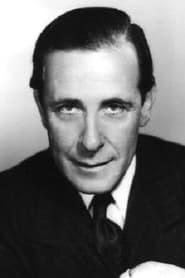
John Wengraf
Born — Died
1897-04-22 — 1974-05-04
Place of birth
Vienna, Austria-Hungary, now Austria
Known for
Acting
Credits
71 titles
Emigrating to England in 1933 as the Nazis began their rise to power, Wengraf appeared unbilled in a couple of films there, as well as in some of the first BBC live-television shows ever presented but his career began to languish. In late 1941, however, he had the good fortune of appearing on Broadway with Helen Hayes in "Candle in the Wind" and decided to stay. The following year he headed west and settled permanently in the Los Angeles area. A dark, cold-eyed, thin-lipped player with a precise, meticulous air about him, he found himself invariably playing the very characters he detested. Some of his more nefarious nasties surfaced in such films as the Humphrey Bogart classic Sahara (1943/I…
Known for
 5.3
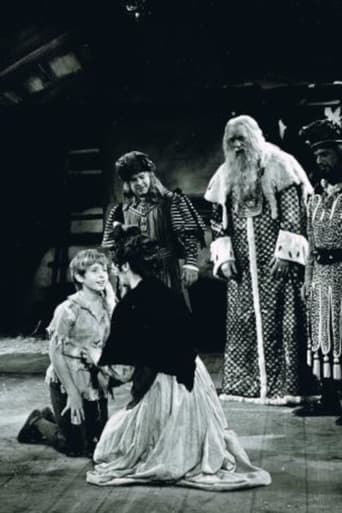
5.3Matinee Theater is an American anthology series that aired on NBC during the Golden Age of Television, from 1955 to 1958. The series, which ran daily in the afternoon, was frequently live. It was produced by Albert McCleery, Darrell Ross, George Cahan and Frank Price with executive producer George Lowther. McCleery had previously produced the live series Cameo Theatre which introduced to television the concept of theater-in-the-round, TV plays staged with minimal sets. Jim Buckley of the Pewter Plough Playhouse recalled: When Al McCleery got back to the States, he originated a most ambitious theatrical TV series for NBC called Matinee Theater: to televise five different stage plays per week live, airing around noon in order to promote color TV to the American housewife as she labored over her ironing. Al was the producer. He hired five directors and five art directors. Richard Bennett, one of our first early presidents of the Pewter Plough Corporation, was one of the directors and I was one of the art directors and, as soon as we were through televising one play, we had lunch and then met to plan next week’s show. That was over 50 years ago, and I’m trying to think; I believe the TV art director is his own set decorator —yes, of course! It had to be, since one of McCleery’s chief claims to favor with the producers was his elimination of the setting per se and simply decorating the scene with a minimum of props. It took a bit of ingenuity.
Matinee Theater
1955
 6.8
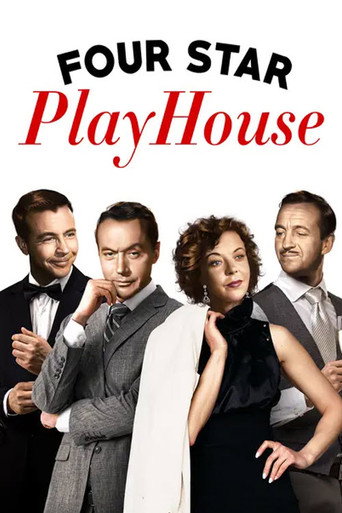
6.8Four Star Playhouse is an American television anthology series that ran from 1952 to 1956, sponsored in its first bi-weekly season by The Singer Company; Bristol-Myers became an alternate sponsor when it became a weekly series in the fall of 1953. The original premise was that Charles Boyer, Ida Lupino, David Niven, and Dick Powell would take turns starring in episodes. However, several other performers took the lead from time to time, including Ronald Colman and Joan Fontaine. Blake Edwards was among the writers and directors who contributed to the series. Edwards created the recurring character of illegal gambling house operator Willie Dante for Dick Powell to play on this series. The character was later revamped and spun off in his own series starring Howard Duff, then-husband of Lupino. The pilot for Meet McGraw, starring Frank Lovejoy, aired here, as did another episode in which Lovejoy recreated his role of Chicago newspaper reporter Randy Stone, from the radio drama Nightbeat.
Four Star Playhouse
1952
 5.7
5.7Alcoa Presents: One Step Beyond is an American anthology series that dramatized purportedly real-life supernatural and paranormal experiences. The series was hosted by John Newland and ran for three seasons on ABC from January 1959 to July 1961.
One Step Beyond
1959
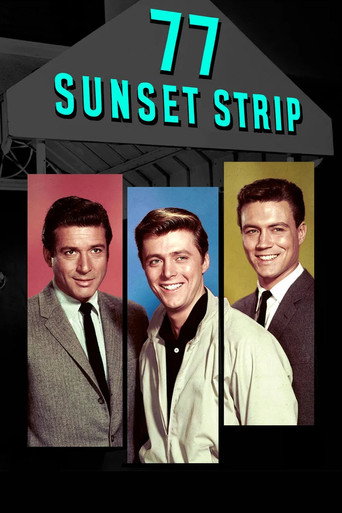 7.2
7.2Stu Bailey and Jeff Spencer are the wisecracking, womanizing private-detective heroes of this Warner Brothers drama. They work out of an office located at 77 Sunset Strip in Los Angeles, California, right next door to a snazzy restaurant where Kookie works as a valet. The finger-snapping, slang-talking Kookie occasionally helps Stu and Jeff with their cases, and eventually becomes a full-fledged member of the detective agency. Rex Randolph and J.R. Hale also join the firm, and Suzanne is their leggy secretary.
77 Sunset Strip
1958
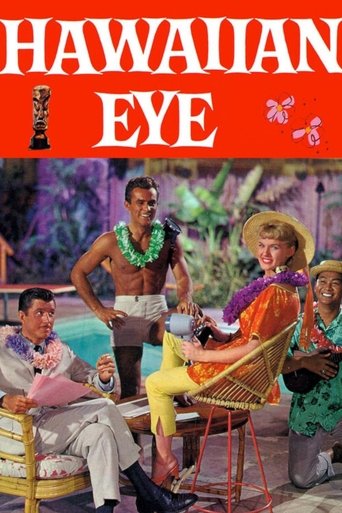 5.6
5.6Private Eyes Tom Lopaka and Tracy Steele are based out of Hawaiian Village Resort where they work both hotel security and are hired by others to look into various matters. They're helped by their trusty right-hand man Kazuo Kim who runs a taxi company and is always eager to help them.
Hawaiian Eye
1959
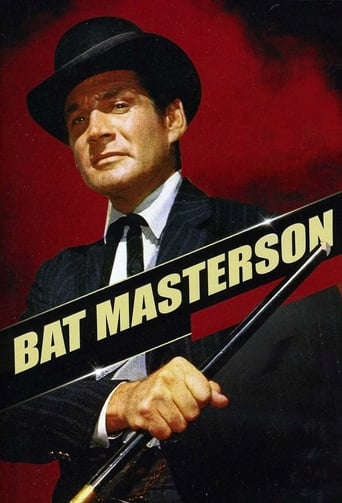 6.4
6.4Bat Masterson is an American Western television series which showed a fictionalized account of the life of real-life marshal/gambler/dandy Bat Masterson. The title character was played by Gene Barry and the half-hour black-and-white shows ran on NBC from 1958 to 1961. The series was produced by Ziv Television Productions, the company responsible for such hit series as Sea Hunt and Highway Patrol.
Bat Masterson
1958
Film credits
1960s · 6 titles
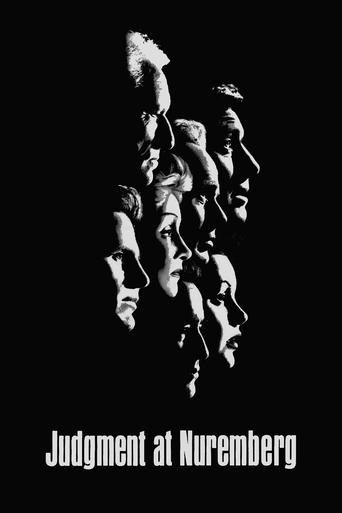 8.0
8.0In 1947, four German judges who served on the bench during the Nazi regime face a military tribunal to answer charges of crimes against humanity. Chief Justice Haywood hears evidence and testimony not only from lead defendant Ernst Janning and his defense attorney Hans Rolfe, but also from the widow of a Nazi general, an idealistic U.S. Army captain and reluctant witness Irene Wallner.
Judgment at Nuremberg
1961
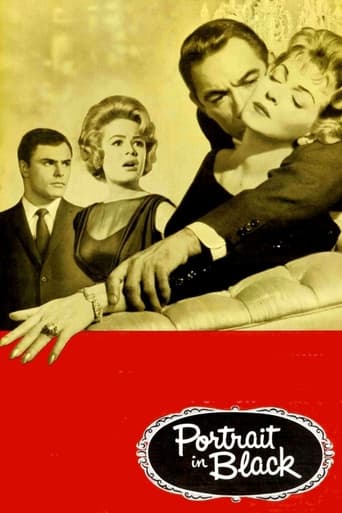 5.7
5.7A pair of lovers plot to kill the woman's rich husband.
Portrait in Black
1960
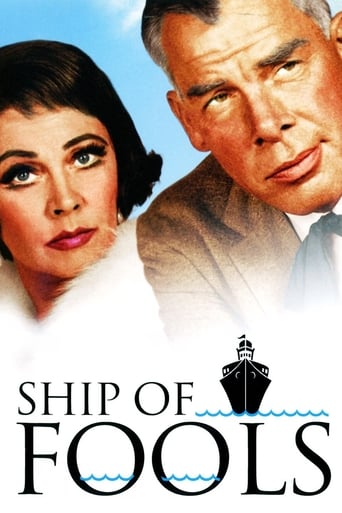 6.6
6.6A varied group of passengers boarding a ship bound for pre-WWII Germany represents a microcosm of early-1930s society.
Ship of Fools
1965
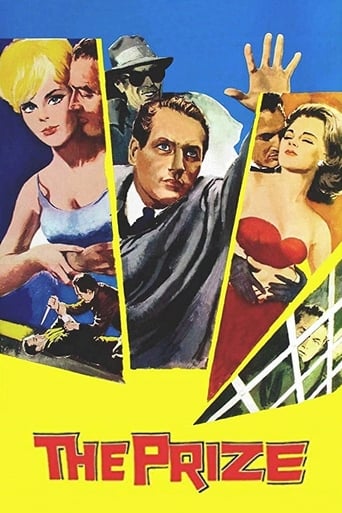 6.7
6.7A group of Nobel laureates descends on Stockholm to accept their awards. Among them is American novelist Andrew Craig, a former literary luminary now writing pulp detective stories to earn a living. Craig, who is infamous for his drinking and womanizing, formulates a wild theory that physics prize winner Dr. Max Stratman has been replaced by an impostor, embroiling Craig and his chaperone in a Cold War kidnapping plot.
The Prize
1963
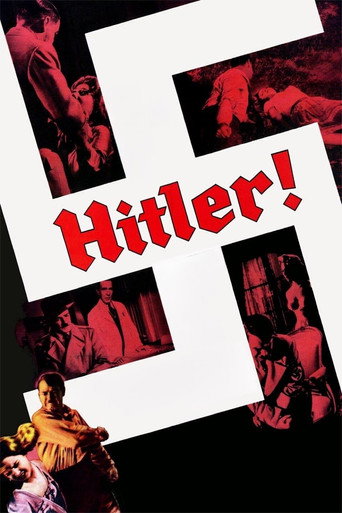 5.8
5.8Richard Basehart stars as one of the most influential and one of the most reviled men in history in this probing psychological study of a man who nearly gained dominance over the entire western world--at the cost of millions of lives--Hitler.
Hitler
1962
 2.8
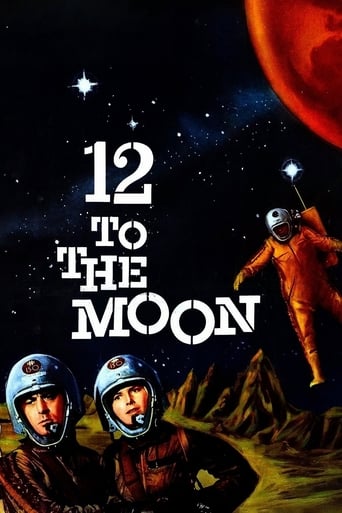
2.8Landed on the moon, Capt. John Anderson and his fellow astronauts quickly find their mission threatened – first by the disappearance of two team members, then by a troubling interaction with aliens who appear to be living within the moon itself. The aliens have weapons that could plunge parts of Earth into another ice age, and they're aiming for the United States.
12 to the Moon
1960
1950s · 15 titles
 6.0
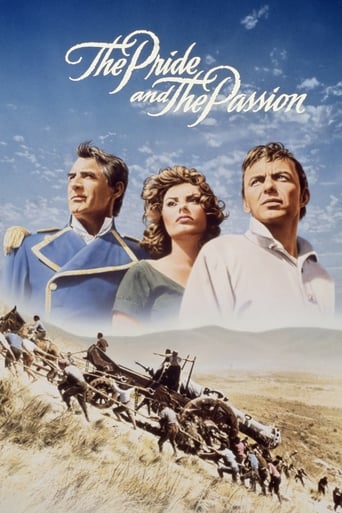
6.0During the Napoleonic Wars, when the French have occupied Spain, some Spanish guerrilla soldiers are going to move a big cannon across Spain in order to help the British defeat the French. A British officer is there to accompany the Spanish and along the way, he falls in love with the leader's girl.
The Pride and the Passion
1957
 6.3
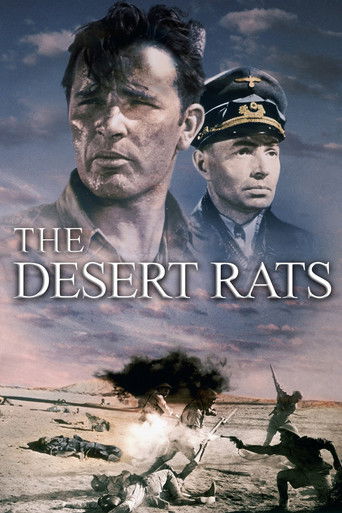
6.3In North Africa, German Field Marshal Rommel and his troops have successfully fended off British forces, and now intend to take Tobruk, an important port city. A ramshackle group of Australian reinforcements sent to combat the Germans is put under the command of British Captain MacRoberts. The unruly Aussies immediately clash with MacRoberts, a gruff, strict disciplinarian, however this unorthodox team must band together to protect Tobruk from the German forces.
The Desert Rats
1953
 6.0
6.0A privately-financed scientist and his colleagues hire an ex-Navy officer to conduct an Alaskan submarine expedition in order to prevent a Red Chinese anti-American plot that may lead to World War III. Mixes deviously plotted schoolboy fiction with submarine spectacle and cold war heroics.
Hell and High Water
1954
 5.6
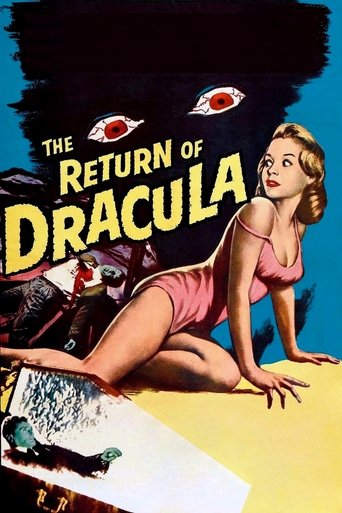
5.6After a vampire leaves his native Balkans, he murders a Czech artist, assumes his identity, and moves in with the dead man's American cousins.
The Return of Dracula
1958
 6.5
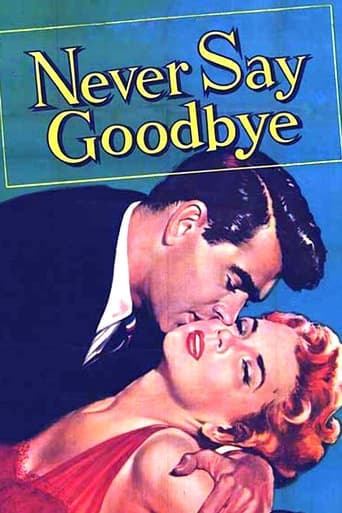
6.5In present-day U.S., Dr. Michael Parker, a prominent surgeon, unexpectedly runs into his German-born wife whom he thought was dead. Victor, an artist and his "dead" wife's now boyfriend, berates Dr. Parker for "killing" her. The bulk of the story flashes back to Austria during World War II as we learn how Dr. Parker met and married his wife, and the one mistake that may have cost him his family.
Never Say Goodbye
1956
 4.5
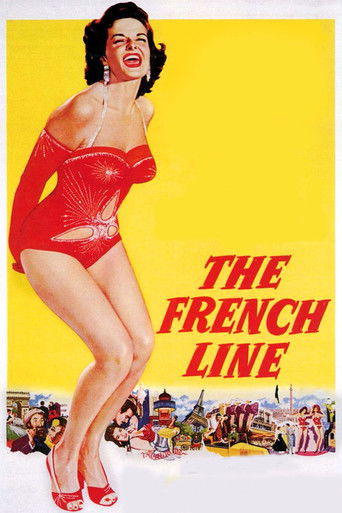
4.5Oil heiress Mame Carson takes an incognito cruise so that men will love her for her body, not her money.
The French Line
1954
 6.2
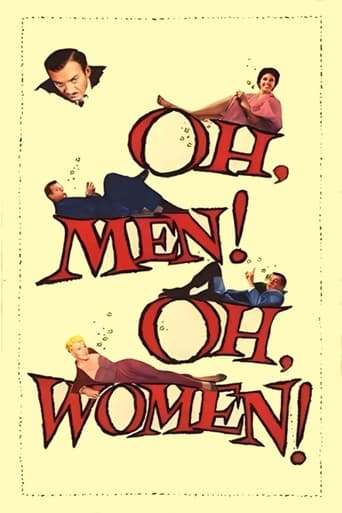
6.2Arthur Turner's bored housewife Mildred seeks psychiatric help from Dr. Alan Coles who also has his own emotional problems to solve.
Oh, Men! Oh, Women!
1957
 7.2
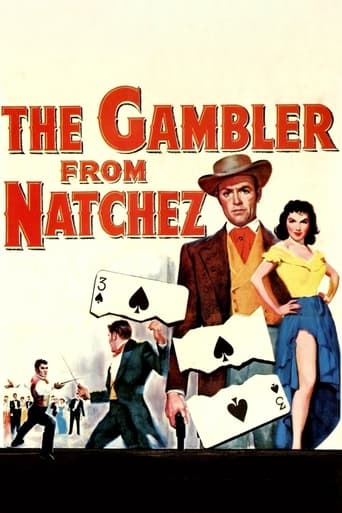
7.2A discharged army Captain returns home to New Orleans to take revenge on the men who murdered his father.
The Gambler from Natchez
1954
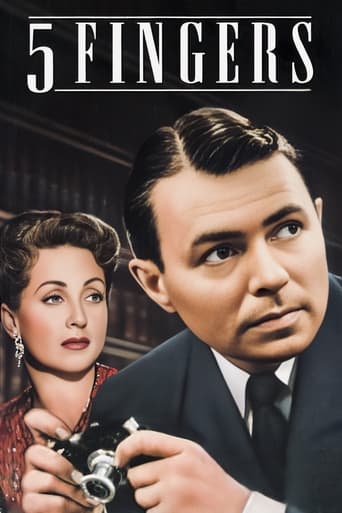 7.5
7.5During WWII, the valet to the British Ambassador to Ankara sells British secrets to the Germans while trying to romance a refugee Polish countess.
5 Fingers
1952
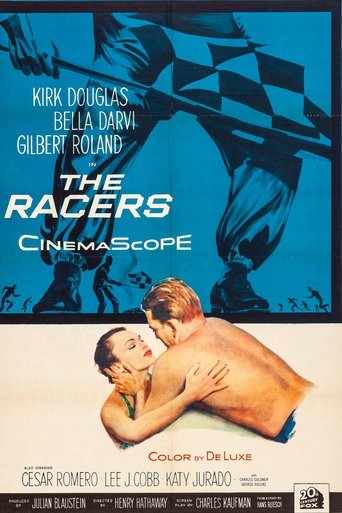 6.7
6.7An Italian daredevil turns Grand Prix driver and works his way up to Le Mans with his ballerina lover.
The Racers
1955
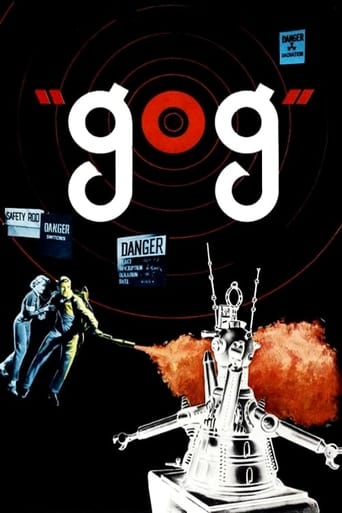 5.8
5.8A mechanical brain is programmed to sabotage the government's secret lab while working on the first space station.
Gog
1954
 4.6
4.6After the American Civil War, former Union Major John Garth marries pretty settler Valerie but tragedy strikes and the two spouses end up in court where they give two different conflicting accounts of their marriage.
Valerie
1957
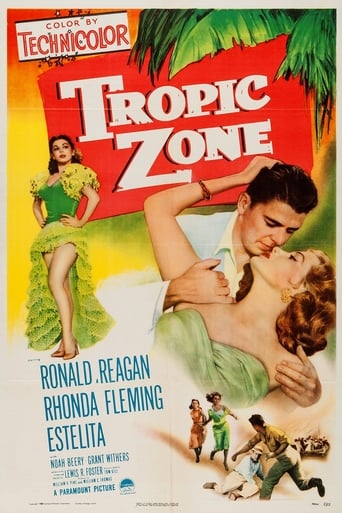 4.8
4.8A fugitive from the police helps a beautiful farmer run her struggling banana plantation.
Tropic Zone
1953
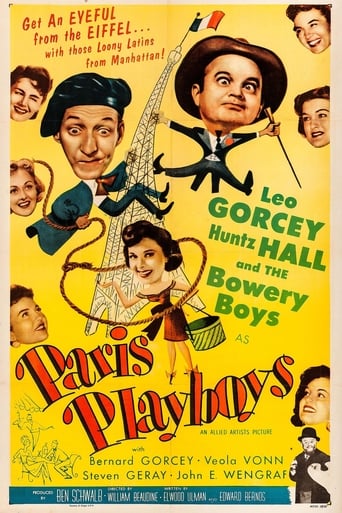 5.0
5.0Sach is the exact double of a famous French scientist who has invented a powerful rocket fuel. Enemy agents, mistaking Sach for the scientist, attempt to kidnap him and get the formula for the fuel.
Paris Playboys
1954
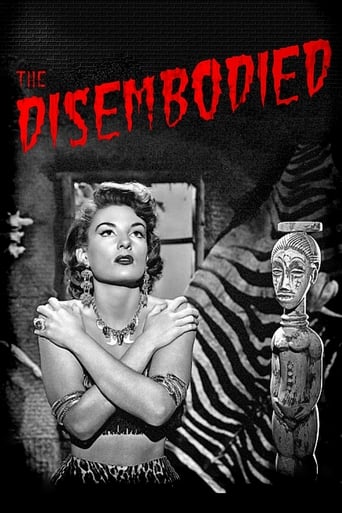 4.8
4.8When men on a photo safari stumble into a misanthropic doctor’s remote camp with a wounded comrade, the doctor's restless wife supplements her usual pursuit (voodoo, especially as a way to off her husband) with a new one: seduction. As men lose their hearts (sometimes literally) to the alluring voodoo priestess, she embarks on a killing spree that turns the jungle blood red.
The Disembodied
1957
1940s · 21 titles
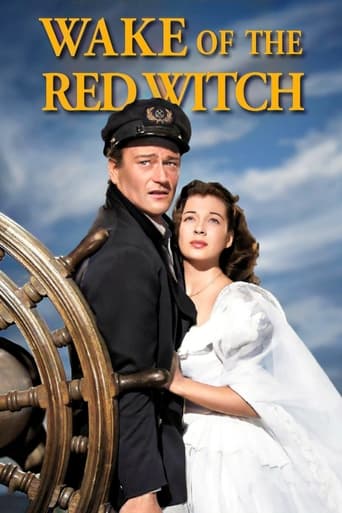 5.9
5.9Captain Ralls fights Dutch shipping magnate Mayrant Sidneye for the woman he loves, Angelique Desaix, and for a fortune in gold aboard the Red Witch.
Wake of the Red Witch
1948
 6.4
6.4In 1918, Elizabeth MacDonald learns that her husband, John Andrew, has been killed in the war. Elizabeth bears John's son and eventually marries her kindly boss. Unknown to her, John has survived but is horribly disfigured and remains in Europe. Years later, on the eve of World War II, Elizabeth refuses to agree to her son's request to enlist and is stunned when an eerily familiar stranger named Kessler arrives from abroad and becomes involved.
Tomorrow Is Forever
1946
 7.2
7.2In Libya, an American tank commander, along with a handful of Allied soldiers, tries to defend an isolated well with a limited supply of water from a German Afrika Korps battalion during the Western Desert Campaign of World War II.
Sahara
1943
 7.2
7.2Czechoslovakia, March 1939, on the eve of World War II. As the German invaders occupy Prague, inventor Axel Bomasch manages to flee and reach England; but those who need to put his knowledge at the service of the Nazi war machine, in order to carry out their evil plans of destruction, will stop at nothing to capture him.
Night Train to Munich
1940
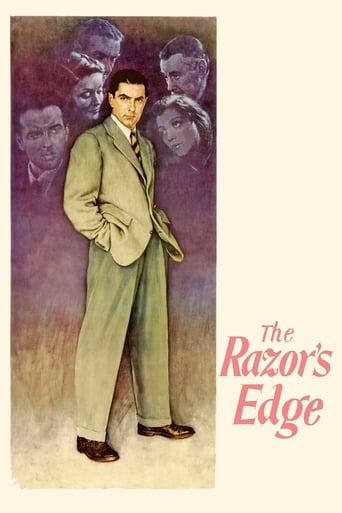 6.9
6.9An adventurous young man goes off to find himself and loses his socialite fiancée in the process. But when he returns 10 years later, she will stop at nothing to get him back, even though she is already married.
The Razor's Edge
1946
 5.8
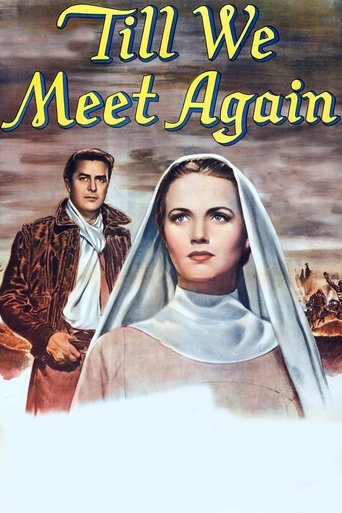
5.8An American pilot is shot down over Nazi-occupied France and is taken to a convent by the Resistance. The young novice nun Clothilde is interested in him and is willing to help him escape to England, but the pilot must continue his mission undercover by posing as the husband of a different woman.
Till We Meet Again
1944
 6.8
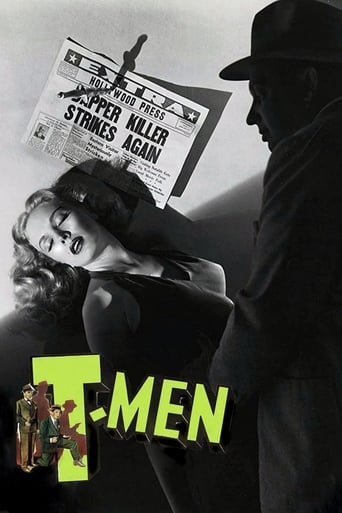
6.8Two T-men, U.S. Treasury agents, go undercover in Detroit, and then Los Angeles, in an attempt to break a U.S. currency counterfeiting ring.
T-Men
1947
 7.4
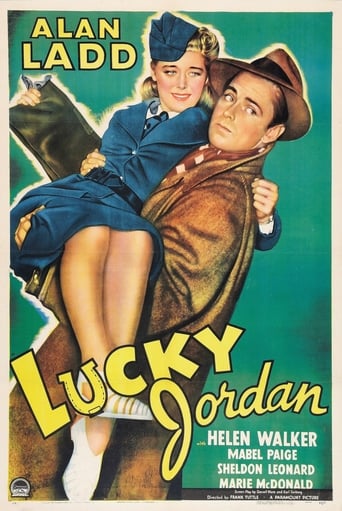
7.4Lucky Jordan is a gangster living in New York City and when he's drafted into the army, he tries to escape duty by using an old con woman named Annie to convince the draft board he's needed at home. When that fails, Jordan is sent to boot camp, but he doesn't stay there long. He takes a beautiful USO worker hostage and flees back to New York. There, he learns that a rival gangster is plotting against America.
Lucky Jordan
1942
 6.8
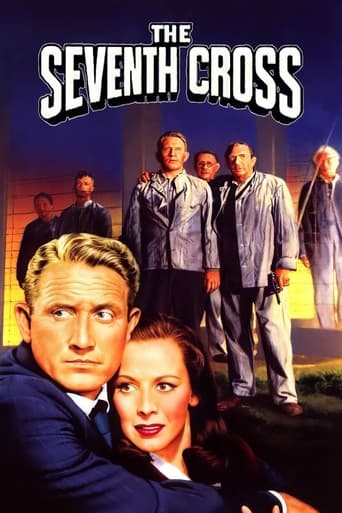
6.8In Nazi Germany in 1936 seven men escape from a concentration camp. The camp commander puts up seven crosses and, as the Gestapo returns each escapee he is put to death on a cross. The seventh cross is still empty as George Heisler attempts an escape to freedom in Holland.
The Seventh Cross
1944
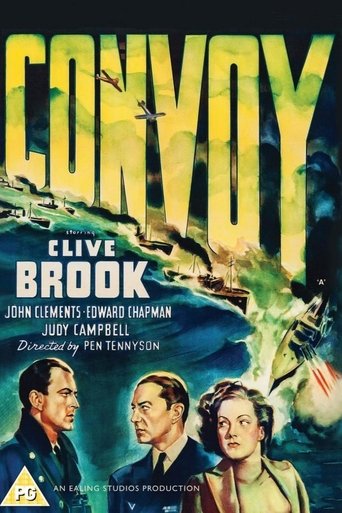 5.6
5.6A tale of life on board a Royal Navy cruiser assigned to protect the vital convoys between America and England during WWII.
Convoy
1940
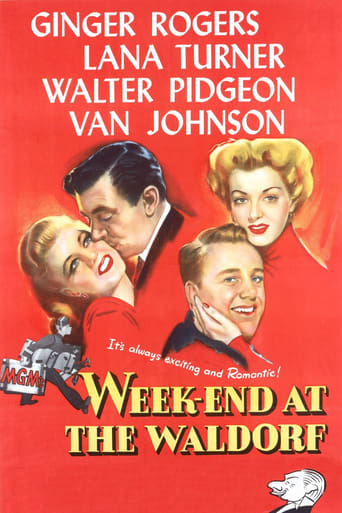 6.5
6.5Anything can happen during a weekend at New York's Waldorf-Astoria: a glamorous movie star meets a world-weary war correspondent and mistakes him for a jewel thief; a soldier learns that without an operation he'll die and so looks for one last romance with a beautiful but ambitious stenographer; a cub reporter tries to get the goods on a shady man's dealing with a foreign potentate.
Week-End at the Waldorf
1945
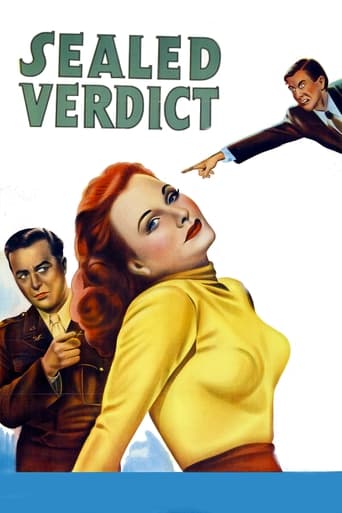 7.0
7.0John Hoyt plays a high-ranking Nazi being prosecuted by an army tribunal in the aftermath of World War II. Sentenced to death, the general appeals to the American investigating Major (Ray Milland), claiming mitigating circumstances, and providing the names of witnesses who will clear his name. This sends the Major in a search through the ruins of post-war Germany to determine the degree of the general's guilt.
Sealed Verdict
1948
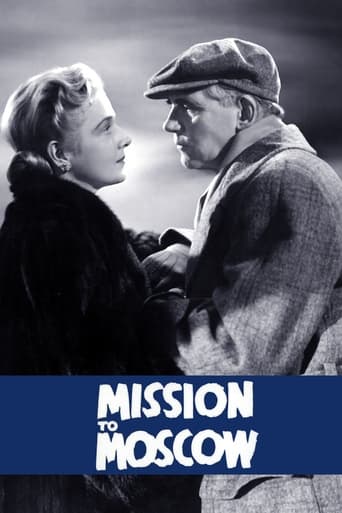 5.7
5.7Ambassador Joseph Davies is sent by FDR to Russia to learn about the Soviet system and returns to the US as an advocate of socialism.
Mission to Moscow
1943
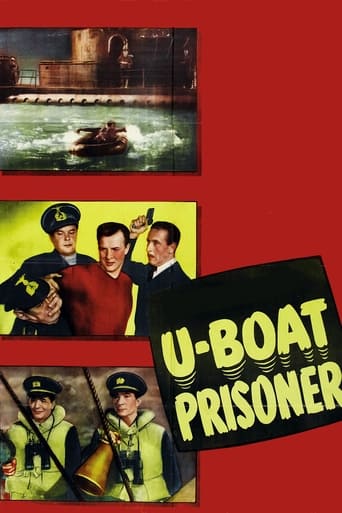 7.3
7.3Merchant seaman Archie Gibbs manages to survive when his ship is torpedoed by a German submarine. Disguising himself in the uniform of a dead Nazi spy, Gibbs is picked up by the Nazi U-boat. He manages to convince the German sailors that he's the spy, and in this guise he tries to rescue a group of captured Allied scientists.
U-Boat Prisoner
1944
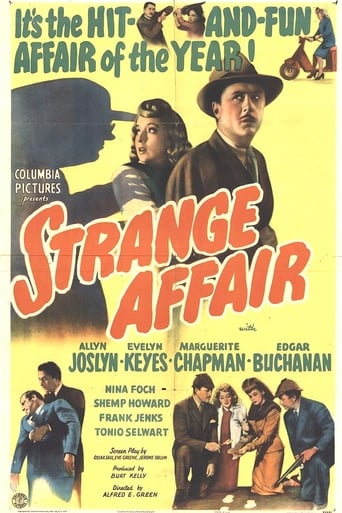 6.2
6.2Eminent psychiatrist Dr. Brenner invites cartoonist Bill Harrison and his wife, Jack, to a banquet honoring war refugees. Bill volunteers to pick up fellow psychiatrist Dr. Baumler at the train station, but the man vanishes when he has Bill stop so he can use a pay phone. At the dinner, Bill and Jack are seated with Brenner's daughter, Freda, and, to Bill's surprise, another man is introduced as Baumler -- who dies moments later.
Strange Affair
1944
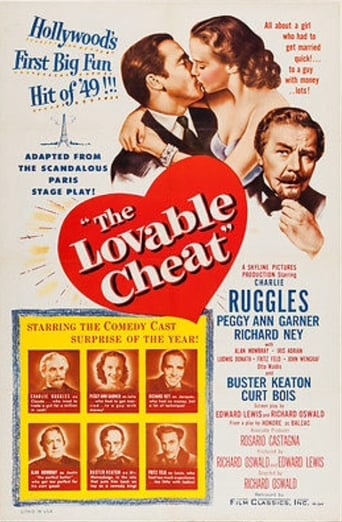 6.0
6.0Posing as a wealthy Parisian, Mercadet fleeces friends and casual acquaintances alike. He is forced into this life of crime to keep up appearances, so that his daughter Julie can land herself a rich husband.
The Lovable Cheat
1949
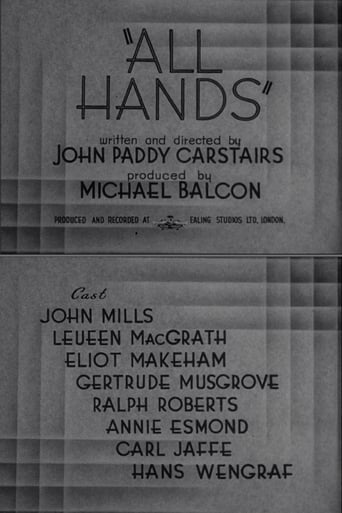 8.0
8.0From a series of films made to raise awareness of the risks of idle gossip providing vital information to enemy spies and collaborators. This Ealing Studios production features well-known 1940s actor John Mills, playing a sailor who then divulges his sailing details to his girlfriend aloud.. The consequences prove disastrous when his boat next leaves to cross the English Channel.
All Hands
1940
 7.6
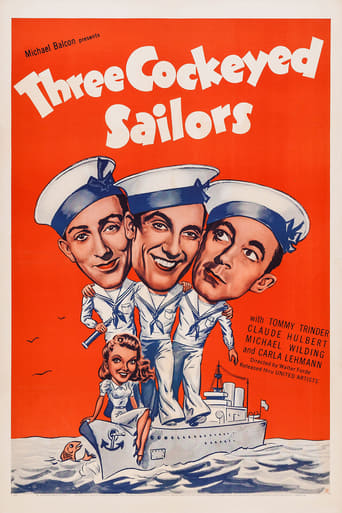
7.6Three sailors get drunk while on shore leave and end up on the wrong ship. When they realise their mistake they scramble off it and onto their warship, HMS Ferocious. However, they soon realise that the vessel they have boarded is not the Ferocious but a German battleship.
Sailors Three
1940
 7.0
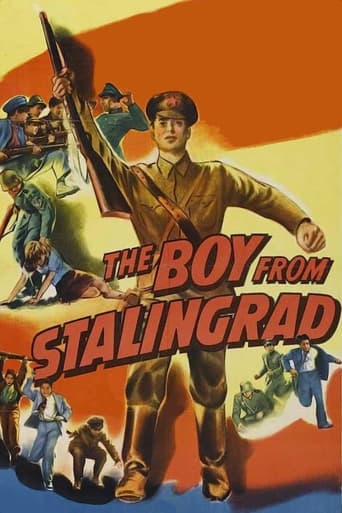
7.0Surprised by the advancing German Army while gathering wheat outside their village, a spunky band of Russian adolescents employs a combination of wits and heroic self-sacrifice to defeat a Nazi battalion, blow up a tank, and save the people of Stalingrad from imminent destruction.
The Boy from Stalingrad
1943
 9.0
9.0A young pilot, annoyed at not being selected to take part in a raid on an enemy target, moans to his fiancée, who in turn chatters to a friend at a cocktail bar.
Dangerous Comment
1940
 6.2
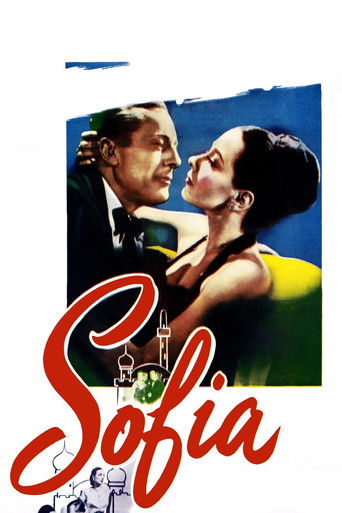
6.2A former OSS agent is assigned to rescue two atomic scientists from the dastardly Russians and spirit them away from behind the Iron Curtain.
Sofia
1948
1930s · 2 titles
 10.0
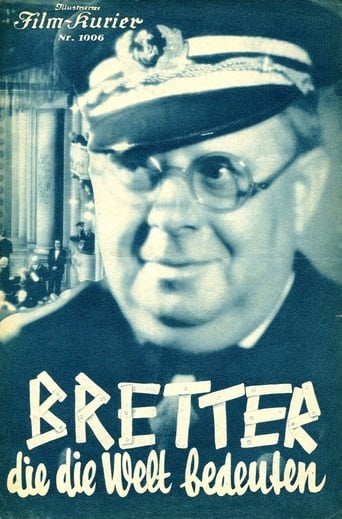
10.0Paul loves actresses but avoids to get hitched. Businesswoman Katja manages to get a singing part on stage, this way attracting him to her. Deli employee Franz is mistaken for an actor and gets a leading part - with disastrous results.
Bretter, die die Welt bedeuten
1935
Television broadcast of The Moon in the Yellow River by Denis Johnston.
The Moon in the Yellow River
1938
Series credits
5.3Matinee Theater is an American anthology series that aired on NBC during the Golden Age of Television, from 1955 to 1958. The series, which ran daily in the afternoon, was frequently live. It was produced by Albert McCleery, Darrell Ross, George Cahan and Frank Price with executive producer George Lowther. McCleery had previously produced the live series Cameo Theatre which introduced to television the concept of theater-in-the-round, TV plays staged with minimal sets. Jim Buckley of the Pewter Plough Playhouse recalled: When Al McCleery got back to the States, he originated a most ambitious theatrical TV series for NBC called Matinee Theater: to televise five different stage plays per week live, airing around noon in order to promote color TV to the American housewife as she labored over her ironing. Al was the producer. He hired five directors and five art directors. Richard Bennett, one of our first early presidents of the Pewter Plough Corporation, was one of the directors and I was one of the art directors and, as soon as we were through televising one play, we had lunch and then met to plan next week’s show. That was over 50 years ago, and I’m trying to think; I believe the TV art director is his own set decorator —yes, of course! It had to be, since one of McCleery’s chief claims to favor with the producers was his elimination of the setting per se and simply decorating the scene with a minimum of props. It took a bit of ingenuity.
Matinee Theater
1955
6.8Four Star Playhouse is an American television anthology series that ran from 1952 to 1956, sponsored in its first bi-weekly season by The Singer Company; Bristol-Myers became an alternate sponsor when it became a weekly series in the fall of 1953. The original premise was that Charles Boyer, Ida Lupino, David Niven, and Dick Powell would take turns starring in episodes. However, several other performers took the lead from time to time, including Ronald Colman and Joan Fontaine. Blake Edwards was among the writers and directors who contributed to the series. Edwards created the recurring character of illegal gambling house operator Willie Dante for Dick Powell to play on this series. The character was later revamped and spun off in his own series starring Howard Duff, then-husband of Lupino. The pilot for Meet McGraw, starring Frank Lovejoy, aired here, as did another episode in which Lovejoy recreated his role of Chicago newspaper reporter Randy Stone, from the radio drama Nightbeat.
Four Star Playhouse
1952
5.7Alcoa Presents: One Step Beyond is an American anthology series that dramatized purportedly real-life supernatural and paranormal experiences. The series was hosted by John Newland and ran for three seasons on ABC from January 1959 to July 1961.
One Step Beyond
1959
5.7Alcoa Presents: One Step Beyond is an American anthology series that dramatized purportedly real-life supernatural and paranormal experiences. The series was hosted by John Newland and ran for three seasons on ABC from January 1959 to July 1961.
One Step Beyond
1959
7.2Stu Bailey and Jeff Spencer are the wisecracking, womanizing private-detective heroes of this Warner Brothers drama. They work out of an office located at 77 Sunset Strip in Los Angeles, California, right next door to a snazzy restaurant where Kookie works as a valet. The finger-snapping, slang-talking Kookie occasionally helps Stu and Jeff with their cases, and eventually becomes a full-fledged member of the detective agency. Rex Randolph and J.R. Hale also join the firm, and Suzanne is their leggy secretary.
77 Sunset Strip
1958
5.6Private Eyes Tom Lopaka and Tracy Steele are based out of Hawaiian Village Resort where they work both hotel security and are hired by others to look into various matters. They're helped by their trusty right-hand man Kazuo Kim who runs a taxi company and is always eager to help them.
Hawaiian Eye
1959
6.4Bat Masterson is an American Western television series which showed a fictionalized account of the life of real-life marshal/gambler/dandy Bat Masterson. The title character was played by Gene Barry and the half-hour black-and-white shows ran on NBC from 1958 to 1961. The series was produced by Ziv Television Productions, the company responsible for such hit series as Sea Hunt and Highway Patrol.
Bat Masterson
1958
 7.7
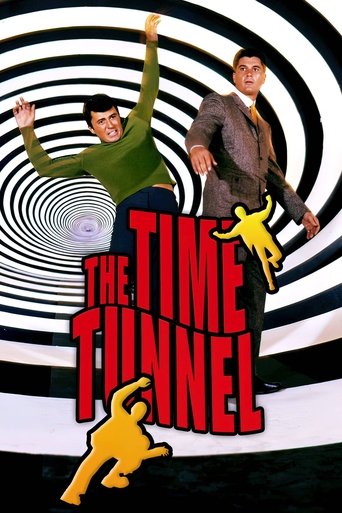
7.7The Time Tunnel is a 1966–1967 U.S. color science fiction TV series, written around a theme of time travel adventure. The show was creator-producer Irwin Allen's third science fiction television series, released by 20th Century Fox and broadcast on ABC. The show ran for one season of 30 episodes. Reruns are viewable on cable and by internet streaming. A pilot for a new series was produced in 2002, although it was not picked up.
The Time Tunnel
1966
 6.7
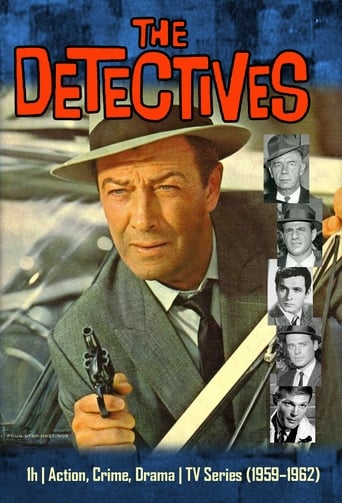
6.7The Detectives is an American crime drama series which ran on ABC during its first two seasons, and on NBC during its third and final season. The series, starring motion picture star Robert Taylor, was produced by Four Star Television. Captain Matt Holbrook (Robert Taylor) is head of the detective division of a large metropolitan police force—a man whose devotion to duty, professional brilliance, and quick judgment are reflected in his 20-year career on the force. His aides, Lt. Johnny Russo (Tige Andrews), Lt. Otto Lindstrom (Russ Thorson), and Sgt. Chris Ballard (Mark Goddard) form a team that is both proficient and warmly human. The stories stress the interrelationships between the men as well as the solutions to crimes and the apprehension of criminals, adding a dimension of human drama to the excitement, action, and suspense inherent in each story of the detectives' difficult, sometimes thankless, and frequently dangerous assignments.
The Detectives
1959
 6.2
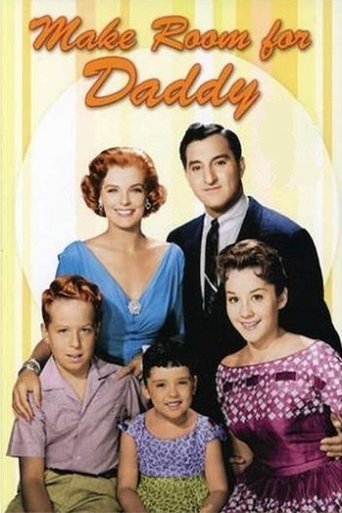
6.2Danny Thomas, an entertainer, tries to balance his home life with the needs of his career, with hilarious results.
The Danny Thomas Show
1953
 5.8
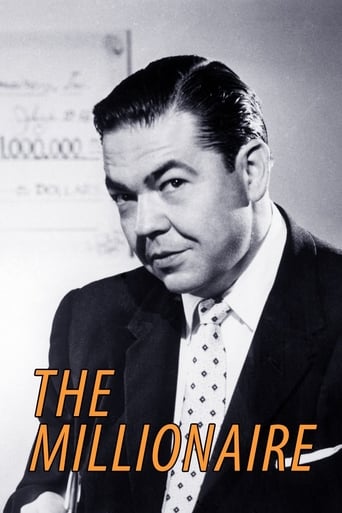
5.8An anthology series that explored the ways sudden and unexpected wealth changed life for better or for worse. It told the stories of people who were given one million dollars from a benefactor who insisted they never know him, with one exception.
The Millionaire
1955
 6.5
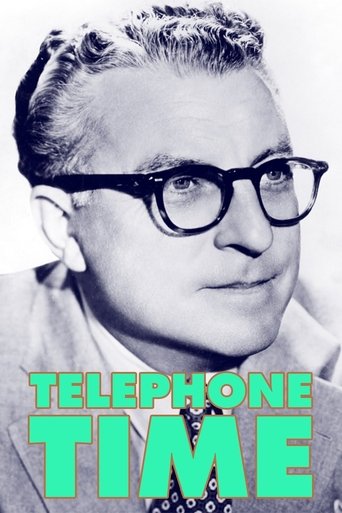
6.5Telephone Time is an American anthology drama series that aired on CBS in 1956, and on ABC from 1957 to 1958. The series features plays by John Nesbitt who hosted the first season. Frank C. Baxter hosted the 1957 and 1958 seasons. The program was directed by Arthur Hiller.
Telephone Time
1956
 7.2
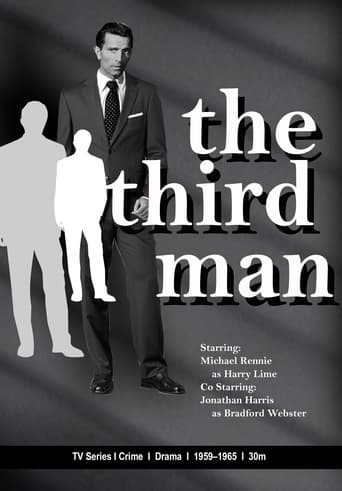
7.2No synopsis available yet.
The Third Man
1959
 6.7
6.7Lux Video Theatre is an American anthology series that was produced from 1950 until 1959. The series presented both comedy and drama in original teleplays, as well as abridged adaptations of films and plays.
Lux Video Theatre
1950
6.7Lux Video Theatre is an American anthology series that was produced from 1950 until 1959. The series presented both comedy and drama in original teleplays, as well as abridged adaptations of films and plays.
Lux Video Theatre
1950
 8.0
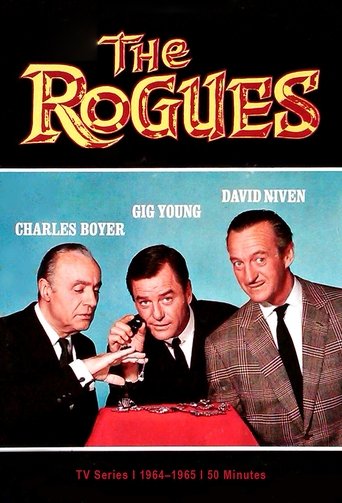
8.0The Rogues is an American television series that appeared on NBC from September 13, 1964, to April 18, 1965, starring David Niven, Charles Boyer, and Gig Young as a related trio of former conmen who could, for the right price, be persuaded to trick a very wealthy and heinously unscrupulous mark. Although it won the 1964 Golden Globe award for Best Television Series, the show was cancelled after one season consisting of thirty episodes.
The Rogues
1964
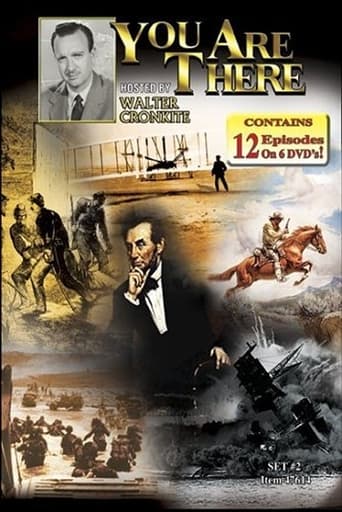 6.0
6.0You Are There is an American historical educational television and radio series broadcast over the CBS Radio and CBS Television networks.
You Are There
1953
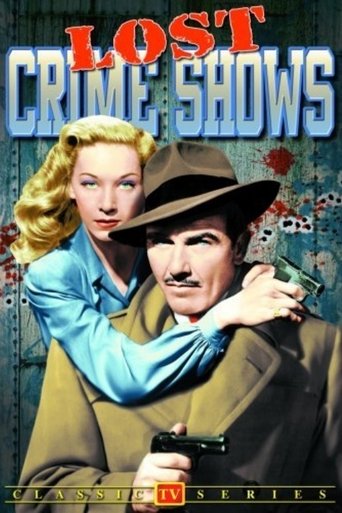 4.6
4.6Cavalcade of America is an anthology drama series that was sponsored by the DuPont Company, although it occasionally presented a musical, such as an adaptation of Show Boat, and condensed biographies of popular composers. It was initially broadcast on radio from 1935 to 1953, and later on television from 1952 to 1957. Originally on CBS, the series pioneered the use of anthology drama for company audio advertising. Cavalcade of America documented historical events using stories of individual courage, initiative and achievement, often with feel-good dramatizations of the human spirit's triumph against all odds. This was consistent with DuPont's overall conservative philosophy and legacy as an American company dating back to 1802. The company's motto, "Maker of better things for better living through chemistry," was read at the beginning of each program, and the dramas emphasized humanitarian progress, particularly improvements in the lives of women, often through technological innovation.
Cavalcade of America
1952
4.6Cavalcade of America is an anthology drama series that was sponsored by the DuPont Company, although it occasionally presented a musical, such as an adaptation of Show Boat, and condensed biographies of popular composers. It was initially broadcast on radio from 1935 to 1953, and later on television from 1952 to 1957. Originally on CBS, the series pioneered the use of anthology drama for company audio advertising. Cavalcade of America documented historical events using stories of individual courage, initiative and achievement, often with feel-good dramatizations of the human spirit's triumph against all odds. This was consistent with DuPont's overall conservative philosophy and legacy as an American company dating back to 1802. The company's motto, "Maker of better things for better living through chemistry," was read at the beginning of each program, and the dramas emphasized humanitarian progress, particularly improvements in the lives of women, often through technological innovation.
Cavalcade of America
1952
4.6Cavalcade of America is an anthology drama series that was sponsored by the DuPont Company, although it occasionally presented a musical, such as an adaptation of Show Boat, and condensed biographies of popular composers. It was initially broadcast on radio from 1935 to 1953, and later on television from 1952 to 1957. Originally on CBS, the series pioneered the use of anthology drama for company audio advertising. Cavalcade of America documented historical events using stories of individual courage, initiative and achievement, often with feel-good dramatizations of the human spirit's triumph against all odds. This was consistent with DuPont's overall conservative philosophy and legacy as an American company dating back to 1802. The company's motto, "Maker of better things for better living through chemistry," was read at the beginning of each program, and the dramas emphasized humanitarian progress, particularly improvements in the lives of women, often through technological innovation.
Cavalcade of America
1952
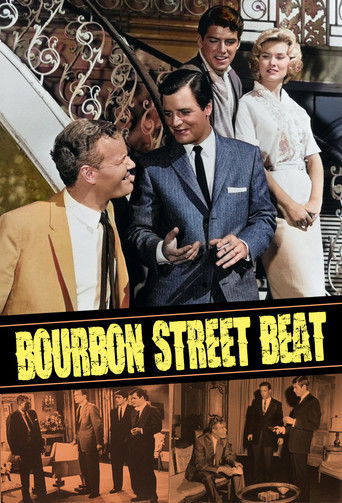 6.0
6.0"Bourbon Street Beat" is a private detective series produced by Warner Brothers Television which aired on the ABC network from October 5, 1959, to July 4, 1960. It featured Richard Long as Rex Randolph, Andrew Duggan as Cal Calhoun, Van Williams as Kenny Madison, and Arlene Howell as Melody Lee Mercer, the secretary at the New Orleans detective agency in which they worked. The show is set in New Orleans, Louisiana, USA and revolves around the lives of Rex Randolph (Long) and Cal Calhoun (Duggan), who run a detective agency called Randolph and Calhoun — Special Services. The agency is based in the Absinthe House, a French Quarter nightclub on Bourbon Street.
Bourbon Street Beat
1959
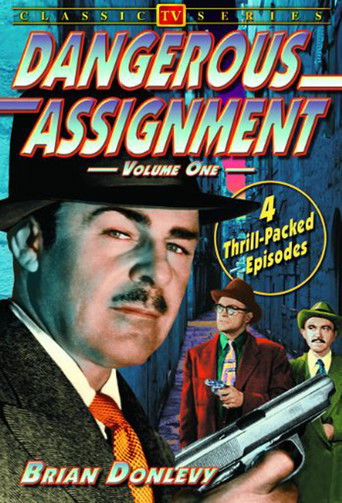 5.3
5.3A U.S. government agent travels the world on undercover missions in this 1950s series. Star Brian Donlevy originated the role on radio in the '40s.
Dangerous Assignment
1952
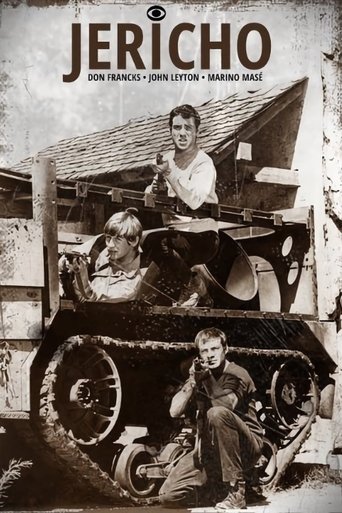 7.3
7.3Jericho is an American espionage series set during World War II. The series stars John Leyton, Don Francks and Marino Masé as secret agents, and aired on CBS from September 1966, to January 1967.
Jericho
1966
 7.5
7.5The Walter Winchell File is the title of a television crime drama series that initially aired from 1957 to 1958, dramatizing cases from the New York City Police Department that were covered in the New York Daily Mirror. The series featured columnist and announcer Walter Winchell, John Larch, George Cisar, Robert Anderson, Robert Brubaker, Dolores Donlon, and Gene Barry, a year before he was cast in the lead of NBC's Bat Masterson. Thirty-nine episodes were produced; the first twenty-six aired on ABC during the 1957-1958 season, and the final thirteen were seen in syndication in 1959. Among the guest stars was the child actor Dennis Holmes, who played 7-year-old Allie Marisch in the 1957 episode "Thou Shalt Not Kill."
The Walter Winchell File
1957
 8.0
8.0A short-lived anthology series narrated by Westbrook Van Voorhis. Each episode tells its own thriller story and featured its own unique cast.
Panic!
1957
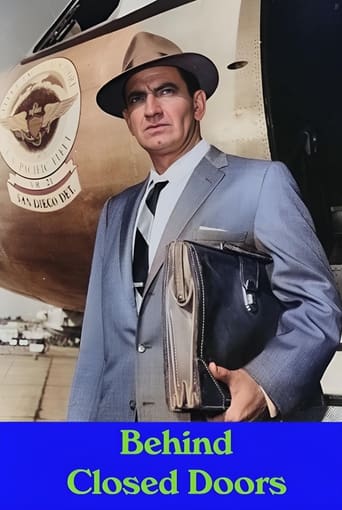 8.0
8.0Behind Closed Doors is an American drama series set during the Cold War hosted by and occasionally starring Bruce Gordon in the role of Commander Matson. The series, which aired on NBC from October 2, 1958, to April 9, 1959, focuses, among other themes, on how the former Soviet Union stole American missile secrets and proposes steps to prevent further espionage. Behind Closed Doors is based on the files and experiences of Rear Admiral Ellis M. Zacharias, who offers comments at the end of each segment. Behind Closed Doors, a Screen Gems production, replaced Jackie Cooper's sitcom The People's Choice, followed the NBC quiz show, Twenty-One, and preceded the The Tennessee Ernie Ford Show. Its competition was The Pat Boone Chevy Show on ABC and Dick Powell's Zane Grey Theater western anthology series on CBS.
Behind Closed Doors
1958
 6.8
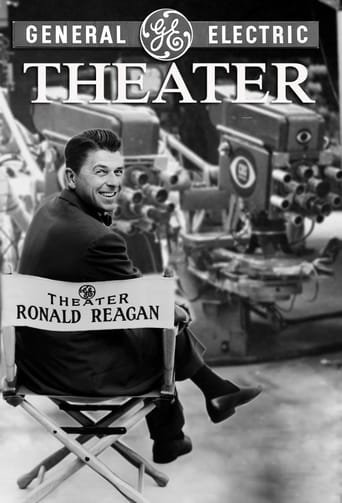
6.8General Electric Theater is an American anthology series hosted by Ronald Reagan that was broadcast on CBS radio and television. The series was sponsored by General Electric's Department of Public Relations.
General Electric Theater
1953