
Directing
Raymundo Gleyzer
Born — Died
1941-09-25 — 1976-05-27
Place of birth
Buenos Aires, Argentina.
Known for
Directing
Credits
18 titles
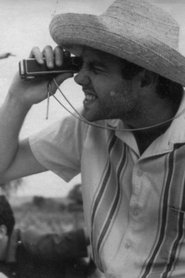
Raymundo Gleyzer was an Argentine film critic, director and activist. He specialized in documentaries and untiringly worked for making films that showed the world the adversities that Latin American people faced. Along with other activists and filmmakers, he created the group "Cine de la Base". Using the camera as a combat weapon, they had to work clandestinely. He was kidnapped and disappeared by the military dictatorship that ruled Argentina from 1976 to 1983.
Known for
 NR
NRNo synopsis available yet.
El ciclo
1963
 7.6
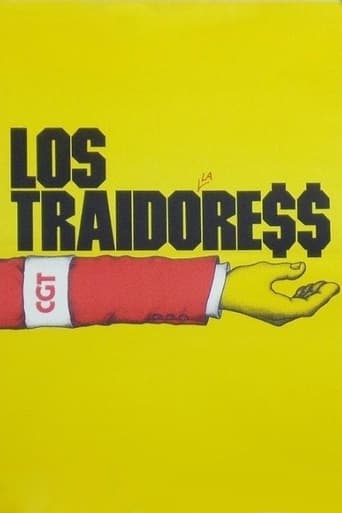
7.6Based on a true story, the film narrates the life of a fictitious Peronist union leader who, after years of militancy, gains power in the union during the 1960s and gradually becomes a corrupt bureaucrat.
The Traitors
1973
 5.8
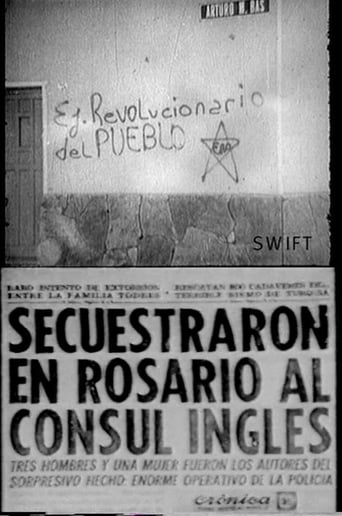
5.8The Popular Revolutionary Army (ERP) was a military unit of an Argentine political party, looking up to Mao's cultural revolution as its model. Its way of fighting involved kidnappings and assassinations of government officials as well as representatives of foreign firms. The crusade of the military junta against its terrorist practices later became a pretext for state terror against civilians who had nothing to do with ERP. Gleyzer's so-called "secret film" records the kidnapping of a manager of the meat processing factory and cooling plant Swift. The partisans request an improvement in the working conditions in the factory in exchange for his release.
Swift, 1971
1971
 NR
NRShort that relates how members of the ERP (Ejército Revolucionario del Pueblo) carried out an spectacular blow by entering the vault of the national bank (Banco Nacional de Desarrollo) thanks to the collaboration of two sympathizers of the group.
Comunicado Cinematografico del ERP Nº2: Banco Nacional de Desarrollo
1972
 8.0
8.0Gleyzer’s first color film was his final collaboration with his old classmate Jorge Prelorán, who preferred a less polemical approach to documenting poverty. QUILINO details the Cordoba villagers’ reliance on the railroad that brings them customers from the cities, and the looming likelihood that the route will be shut down.
Quilino
1966
 9.8
9.8Documentary on the situation of INSUD factory metalworkers, who, because of lead and poor working conditions, suffer from sickness and death by lead poisoning.
They Kill Me If I Don't Work and If I Work They Kill Me
1974
Film credits
Behind the camera
NRNo synopsis available yet.
El ciclo
1963
7.6Based on a true story, the film narrates the life of a fictitious Peronist union leader who, after years of militancy, gains power in the union during the 1960s and gradually becomes a corrupt bureaucrat.
The Traitors
1973
7.6Based on a true story, the film narrates the life of a fictitious Peronist union leader who, after years of militancy, gains power in the union during the 1960s and gradually becomes a corrupt bureaucrat.
The Traitors
1973
5.8The Popular Revolutionary Army (ERP) was a military unit of an Argentine political party, looking up to Mao's cultural revolution as its model. Its way of fighting involved kidnappings and assassinations of government officials as well as representatives of foreign firms. The crusade of the military junta against its terrorist practices later became a pretext for state terror against civilians who had nothing to do with ERP. Gleyzer's so-called "secret film" records the kidnapping of a manager of the meat processing factory and cooling plant Swift. The partisans request an improvement in the working conditions in the factory in exchange for his release.
Swift, 1971
1971
NRShort that relates how members of the ERP (Ejército Revolucionario del Pueblo) carried out an spectacular blow by entering the vault of the national bank (Banco Nacional de Desarrollo) thanks to the collaboration of two sympathizers of the group.
Comunicado Cinematografico del ERP Nº2: Banco Nacional de Desarrollo
1972
8.0Gleyzer’s first color film was his final collaboration with his old classmate Jorge Prelorán, who preferred a less polemical approach to documenting poverty. QUILINO details the Cordoba villagers’ reliance on the railroad that brings them customers from the cities, and the looming likelihood that the route will be shut down.
Quilino
1966
9.8Documentary on the situation of INSUD factory metalworkers, who, because of lead and poor working conditions, suffer from sickness and death by lead poisoning.
They Kill Me If I Don't Work and If I Work They Kill Me
1974
9.8Documentary on the situation of INSUD factory metalworkers, who, because of lead and poor working conditions, suffer from sickness and death by lead poisoning.
They Kill Me If I Don't Work and If I Work They Kill Me
1974
 6.6
6.6A thorough analysis of the socio-politics of Mexico, within the historical context of the Mexican Revolution reality. Includes footage from the 1910s, interviews with farmers, politicians, intellectuals, middle class, union, etc, as well as scenes from the life of an Indian family in Chiapas, their religious rituals, their crops, trials and bilingual schools. The film ends with the slaughter in the Plaza de Tlatelolco in 1968, during the infamous Olympics.
Mexico: The Frozen Revolution
1973
6.6A thorough analysis of the socio-politics of Mexico, within the historical context of the Mexican Revolution reality. Includes footage from the 1910s, interviews with farmers, politicians, intellectuals, middle class, union, etc, as well as scenes from the life of an Indian family in Chiapas, their religious rituals, their crops, trials and bilingual schools. The film ends with the slaughter in the Plaza de Tlatelolco in 1968, during the infamous Olympics.
Mexico: The Frozen Revolution
1973
 7.5
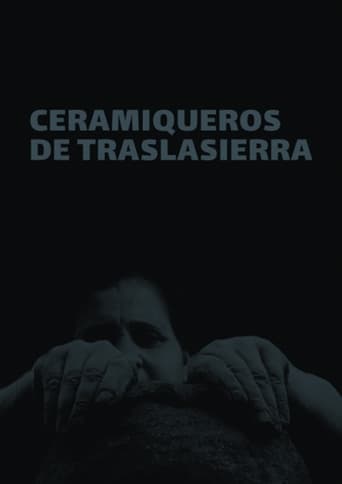
7.5Raymundo Gleyzer's documentary on o community of Pottery Makers in the west of Cordoba province in Argentina who create pieces to sell to the tourists.
The Pottery Makers
1965
 7.4
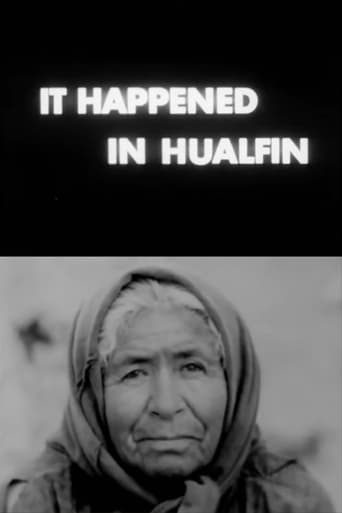
7.4This three-part documentary on Indian peasant life in the Catamarca region of Argentina is an emotionally moving examination of the generational cycle of poverty in underdeveloped countries.
It Happened in Hualfin
1965
 6.6
6.6On August 15, 1972, during the dictatorial government of General Lanusse, twenty political prisoners belonging to the PRT- ERP, FAR and Montoneros, escaped from Rawson prison in the Patagonian province of Chubut.
Don't Forget, Don't Forgive
1972
 6.9
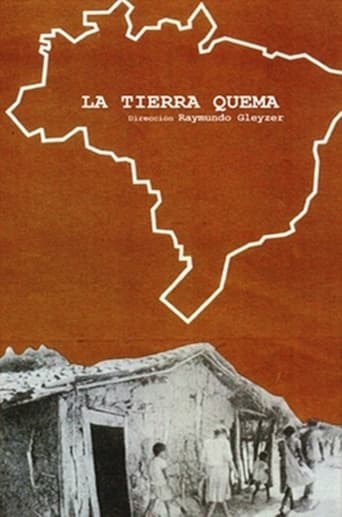
6.9A short film describing the bleak reality of life in the rural regions in Brazil through the story of thirty-five-year-old farmer Juan Amaro.
The Land Burns
1964
No synopsis available yet.
Pictografías del Cerro Colorado
1965
During an assignment for the newscast show Telenoche, Raymundo Gleyzer became the first Argentinean to film a documentary of the everyday life in the Falkland islands (Islas Malvinas). This black & white documentary was originally aired in 1966.
Our Falkland Islands
1966
No synopsis available yet.
Nota sobre Cuba
1969