Sound
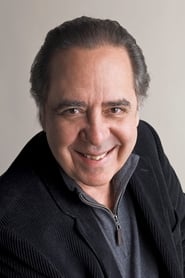
Edu Lobo
Born
1943-08-29 (83)
Place of birth
Rio de Janeiro, Rio de Janeiro, Brazil
Known for
Sound
Credits
17 titles
Known for
 NR
No synopsis available yet.
O Som do Vinil
2007
 7.8
Chico Buarque is a constant presence in Brazil's art scene and makes up its citizen's popular culture. This wealth in music, poems, theater and novels has been created over the last 50 years and in this film Chico Buarque converses about his memories, shows, daily life, work methods, creative process, in summary all his trajectory. The musician’s search for his German brother, whom he never got to meet, serves as one of the axis for the narrative.
Chico: Brazilian Artist
2015
 9.5
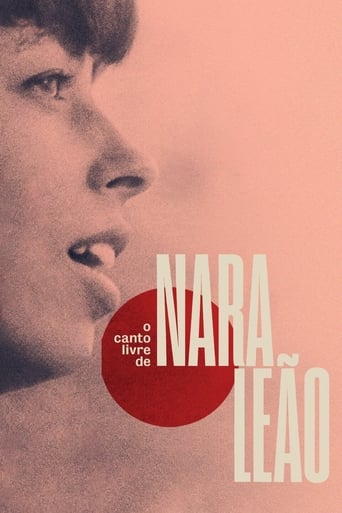
Nara Leão revolutionized Brazilian music, broke prejudices, confronted the military dictatorship, opened paths for women. All this without changing the tone of her voice.
O Canto Livre de Nara Leão
2022
 6.6
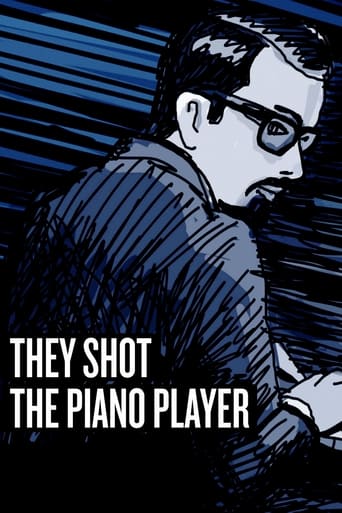
New York, 2010. Jeff Harris, a music journalist, sets out to uncover the truth about Francisco Tenório Júnior, a young Brazilian samba-jazz pianist who disappeared in Buenos Aires on March 18, 1976.
They Shot the Piano Player
2023
 5.0
Cacaso, a Brazilian poet, lived in Rio de Janeiro. Born Antonio Carlos de Brito (1944-1987) he was one of the leaders of the marginal poetry movement. Cacaso filled notebooks not only with poems but reflections, drawings and collages. He also became a lyricist and partner of celebrated songwriters such as Tom Jobim, Edu Lobo, Toninho Horta, João Donato and Sivuca.
Cacaso
2016
 NR
No synopsis available yet.
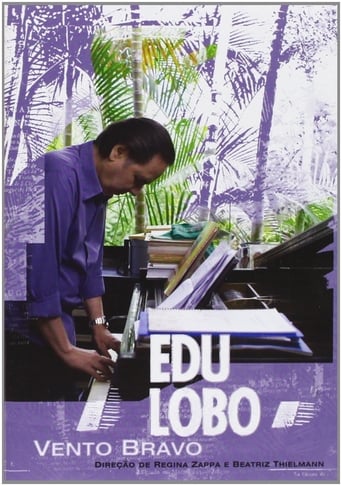
Vento Bravo
2007
Film credits
2020s · 2 titles
6.6New York, 2010. Jeff Harris, a music journalist, sets out to uncover the truth about Francisco Tenório Júnior, a young Brazilian samba-jazz pianist who disappeared in Buenos Aires on March 18, 1976.
They Shot the Piano Player
2023
 8.0
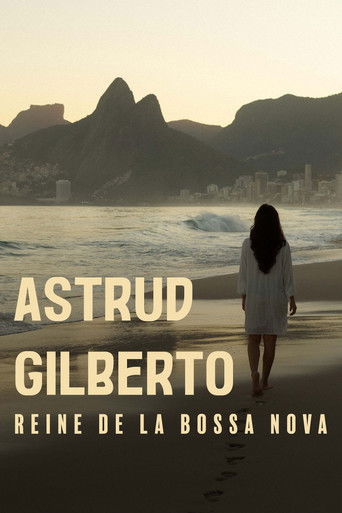
The Girl from Ipanema charts the progress of bossa nova (new wave), and the Brazilian singer Astrud Gilberto's musical development and rise to fame. Best of all, at the end of the documentary the mature Astrud answers the question that must surely be on every viewer's mind: Was she sick to death of singing The Girl from Ipanema?
The Girl From Ipanema: Astrud Gilberto, Queen of Bossa Nova
2026
2010s · 5 titles
7.8Chico Buarque is a constant presence in Brazil's art scene and makes up its citizen's popular culture. This wealth in music, poems, theater and novels has been created over the last 50 years and in this film Chico Buarque converses about his memories, shows, daily life, work methods, creative process, in summary all his trajectory. The musician’s search for his German brother, whom he never got to meet, serves as one of the axis for the narrative.
Chico: Brazilian Artist
2015
5.0Cacaso, a Brazilian poet, lived in Rio de Janeiro. Born Antonio Carlos de Brito (1944-1987) he was one of the leaders of the marginal poetry movement. Cacaso filled notebooks not only with poems but reflections, drawings and collages. He also became a lyricist and partner of celebrated songwriters such as Tom Jobim, Edu Lobo, Toninho Horta, João Donato and Sivuca.
Cacaso
2016
 NR
No synopsis available yet.
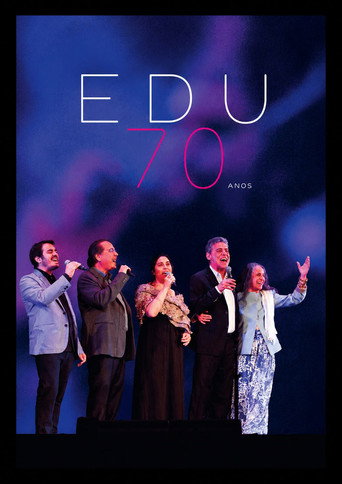
Edu Lobo 70 Anos
2013
 7.0
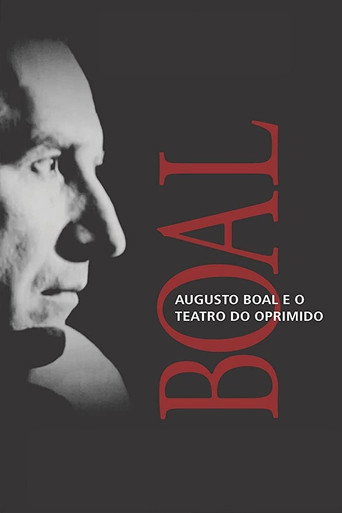
The movie "Augusto Boal and the Theatre of the Oppressed" shows the path of the dramaturgo Augusto Boal at the creation of a theatre that has as objective to transform those who participate it in a spiral of changes, in an oppressing society. Along the trajectory we see Boal's intellectual search and the transformations of the Brazilian society, from the 60s to nowadays. The spectator will meet the numerous uses of the Theatre of the Oppressed around the world (there are groups in 77 countries) and how they manifest in different situations, characterized by the relation between the oppressor and the oppressed, from the biggest to the smallest powers.
Augusto Boal and the Theatre of the Oppressed
2010
 7.0
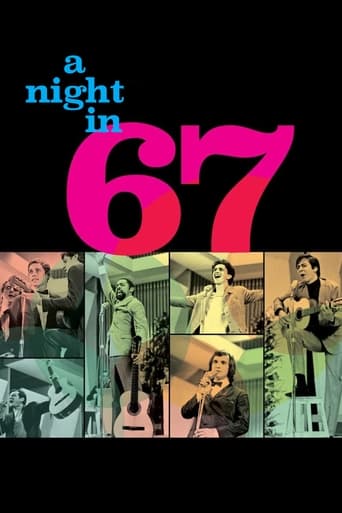
In the 1970s, "festivals" were incredibly popular in Brazil, as they were recorded before a live studio audience, and usually featured a number of elimination rounds. They also formed the springboard for the career of many a big-name stars, such as Chico Buarque, Caetano Veloso, Roberto Carlos and Gilberto Gil. Appearing on such a program was no cakewalk, however: audiences could be as wild in their condemnation as in their appreciation of an artist. Extensive archive footage (including performances and behind-the-scenes interviews) from the turbulent final evening of the Festival of Brazilian Popular Music 1967 paints a fascinating picture, not only of the transformation of Brazilian music into real "festival" music, but also of a society starting to buck against the yoke of military rule.
A Night in 67
2010
2000s · 4 titles
NRNo synopsis available yet.
Vento Bravo
2007
 2.3
Two sisters try to find meaning in their empty lives through sexual experiences and adventures in the nightlife of Rio de Janeiro. Abandoned by their father, who left their family, and raised by their absent mother, the two sisters rely on each other and search for their own path, trying to find a way out. Based on the poem from Vinicus de Moraes.
Balada Das Duas Mocinhas De Botafogo
2006
 7.5
Documentary about the birth of bossa-nova, in Brazil, and the major stars of this musical style.
Coisa Mais Linda - Histórias e Casos da Bossa Nova
2005
 6.5
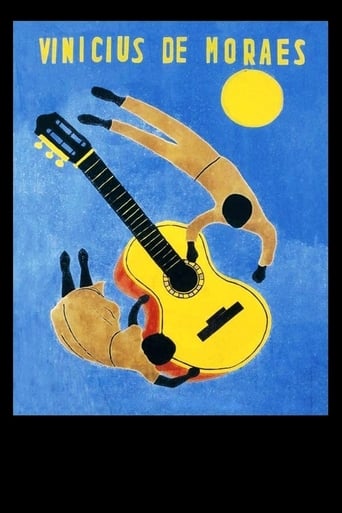
To celebrate the life and the work of a multifaceted creator – playwright, poet, partner of the most important names of Brazilian pop music and, above all, an enlightened character of the Brazilian cultural history - director Miguel Faria Jr. gathered an incomparable cast of partners, singers, friends and rare images from the archives recalling Vinícius’ genial simplicity, with the spontaneity, the humor, and the freedom of a person chatting over a bar table, exactly how the eternal Vinícius would enjoy.
Vinicius de Moraes
2005
1990s · 2 titles
 4.8
The history of Brazilian popular music in the 20th Century, focusing specially on the life and works of intriguing singer Mário Reis, a loner who, with his special way of singing - whispering and softly saying the words - in a time when singers with potent voices ruled, was in a way a forerunner of Bossa Nova style.
The Mandarin
1995
 NR
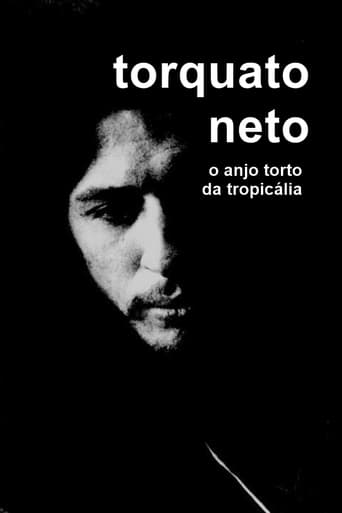
A documentary chronicling the life and works of Brazilian poet, songwriter, journalist and avant-garde filmmaker Torquato Neto, from his beginnings to his suicide at the age of 28.
Torquato Neto, O Anjo Torto da Tropicália
1992