

Directing
Christoph Girardet
Born
1966-11-24 (59)
Place of birth
Langenhagen, Germany
Known for
Directing
Credits
32 titles
Born in 1966, he is a German video artist and filmmaker. Girardet makes both the accidentally found and the extensively researched found footage from the archives of film history the subject of his art. Montage, omissions, and repetitions reveal the underlying structures and inner mechanisms of cinematic reality. Beyond this analysis of material and its clichés, his work engages with a melancholic sense of absence, creating an individual pictorial world. Girardet’s films were twice showcased in the In Silico competition: Personne (2016) and It Was Still Her Face (2017).
Known for
 7.5
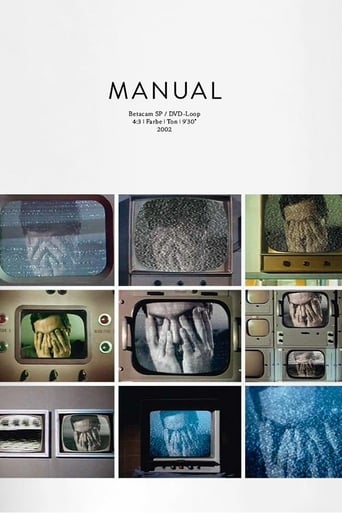
Combining close-ups of redundant technology gleaned from 60s US sci-fi television series with a female voice of a 40s Hollywood melodrama, Manual makes absolute detachment clash with magnified emotion. When its record of the minutae of endless buttons, switches and control panels Manual reduces the notion of any manageability of life to a sheer absurdity.
Manual
2002
Artists from feature films whose lives were invented, fictional artists: who are they, how do they live, how do they work?
Fiction Artists
2005
 3.0
The film creates a melodrama inside seemingly claustrophobic mirrored cabinets. Like an anonymous viewer, the mirror observes scenes of intimacy. It creates an image within an image, providing a frame for the characters.
Kristall
2006
“A study of light.” (Christoph Girardet/Matthias Müller)
Ray
2005
 NR
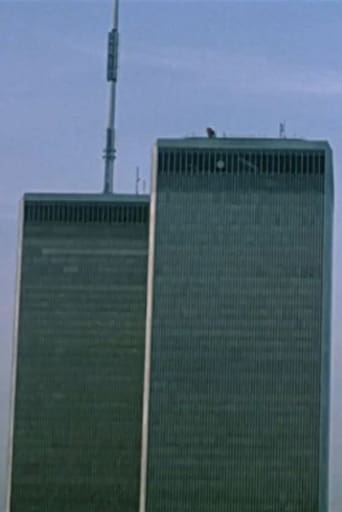
The television images of the collapse of the World Trade Center were preceded by manifold stagings of the building, either as a highly symbolic icon, a speculative destruction fantasy or merely as a spectacular backdrop. In Misty Picture, city symphony, disaster movie and media trauma therapy become one.
Misty Picture
2021
 5.0
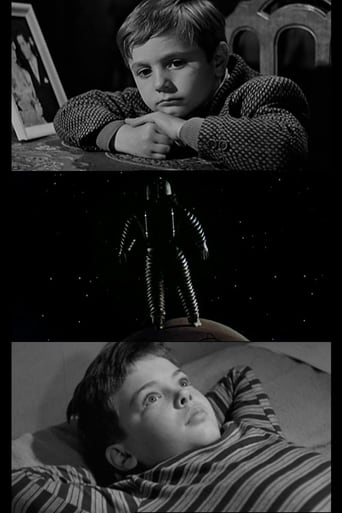
Nostalgic excerpts of fiction, fairytales and vintage science fiction from a child’s room to way out into the galaxy.
Meteor
2011
Behind the camera
7.5Combining close-ups of redundant technology gleaned from 60s US sci-fi television series with a female voice of a 40s Hollywood melodrama, Manual makes absolute detachment clash with magnified emotion. When its record of the minutae of endless buttons, switches and control panels Manual reduces the notion of any manageability of life to a sheer absurdity.
Manual
2002
Artists from feature films whose lives were invented, fictional artists: who are they, how do they live, how do they work?
Fiction Artists
2005
Artists from feature films whose lives were invented, fictional artists: who are they, how do they live, how do they work?
Fiction Artists
2005
Artists from feature films whose lives were invented, fictional artists: who are they, how do they live, how do they work?
Fiction Artists
2005
3.0The film creates a melodrama inside seemingly claustrophobic mirrored cabinets. Like an anonymous viewer, the mirror observes scenes of intimacy. It creates an image within an image, providing a frame for the characters.
Kristall
2006
“A study of light.” (Christoph Girardet/Matthias Müller)
Ray
2005
NRThe television images of the collapse of the World Trade Center were preceded by manifold stagings of the building, either as a highly symbolic icon, a speculative destruction fantasy or merely as a spectacular backdrop. In Misty Picture, city symphony, disaster movie and media trauma therapy become one.
Misty Picture
2021
5.0Nostalgic excerpts of fiction, fairytales and vintage science fiction from a child’s room to way out into the galaxy.
Meteor
2011
5.0Nostalgic excerpts of fiction, fairytales and vintage science fiction from a child’s room to way out into the galaxy.
Meteor
2011
 5.5
Composed of densely atmospheric and highly stylized recycled commercial footage of young, picture perfect models pleasurably applying personal hygiene and cosmetic products in a quick cut montage of disembodied, glistening skins, hairs, hands, and lips, juxtaposed against the sensual application of assorted foams, lotions, waxes, and creams, these carefully constructed, plastic images begin to fade, speckle, crack, distort, and burn with the material deterioration of the celluloid itself, before being reduced to the stark whiteness - and unadulterated purity - of an empty projection. At once idealized and grotesque, the disintegrating images become an integral reflection of the title's double entendre of hide as both an organic surface that inherently decays with time, and the deliberate act of concealing its irreversible plasticity
Hide
2006
 NR
In slow dissolves, loops of images of enacted absence are projected in white light. Most of the images come from the black-and-white film series The Invisible Man, dating from the 1930s to '60s. The presence of an invisible actor seems to influence minimal cinematic events on theatrical sets. These events combine to become an enigma regarding the phenomenon of disappearance.
Absence
2004
 NR
Time and again, the feature film places animal actors at the side of its human protagonists – sometimes as loyal companions, sometimes as fierce opponents. However, its stagings do not only instrumentalise animals to release emotions, but also raise a fundamental question of our anthropocentric self-image: how to deal with the experience of the otherness of the animal ?
No animal
2022
 NR
A short feature about an optical experiment.
Contre-jour
2009
 4.0
Muller/Girardet short
Catch
2005
 NR
About blind people in Hollywood films
Maybe Siam
2010
NRAbout blind people in Hollywood films
Maybe Siam
2010
Girardet reconstructs a 1950s fashion commercial using only remnants of the original footage, resulting in an intriguing silent pantomime. This montage film is based on surviving prints from a lost commercial about a synthetic tissue. Only the faulty recordings and aborted takes have remained.
Fabric
2013
 NR
"With their montage of found footage of audiences, Müller and Girardet shape a captivating dramatic arc. It contains condensed suspense with highs, lows, hesitations, peaks, tension and humour; it's all a bit uncanny, since our imagination can read fathoms deep into the faces." (Anke Groenewold, Neue Westfälische, Bielefeld, 2003)
Play
2003
 5.6
The film comprises edited excerpts from 40 Hitchcock films in six chapters, each focusing on a different motif that reveals some of Hitchcock’s dark obsessions and techniques.
Phoenix Tapes
1999
 8.0
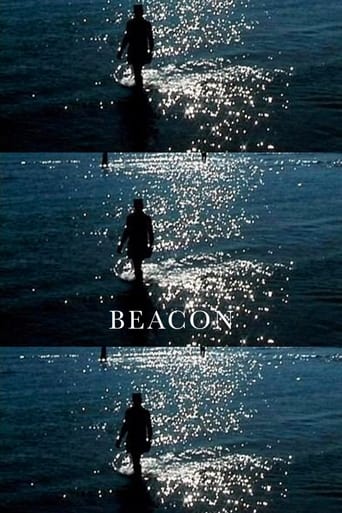
BEACON is a montage of location shots filmed at ten different places around the world. These sites are connected by the fact that each is located by the sea. Seamlessly combining travelogue footage and appropriated clips from feature films, BEACON produces a single, imaginary locale. Distant echoes of stories of the sea mingle with the banality of today's touristy beachlife. In its collage of places of expectation and with its seductive prospects of the sea, Beacon sets off on a journey with no distinct destination.
Beacon
2002
 NR
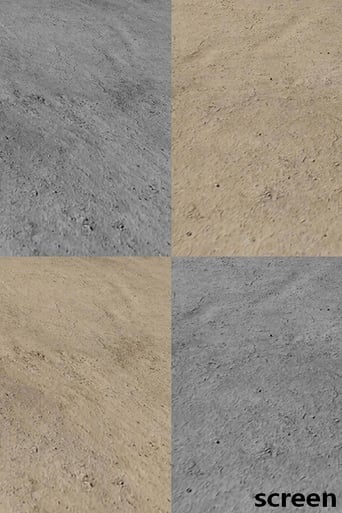
“While he mused on the effect of the flowing sands, he was seized from time to time by hallucinations in which he himself began to move with the flow.“ (Kōbō Abe) Liminal zones. Floating particles. Fire, water, earth, air. Voices of fictional characters: sometimes suggestive, sometimes strict, leading the viewer away from the here and now. Who's talking? The relationship between the hypnotized subject and the hypnotist is mirrored in the spectator's relationship to the screen.
Screen
2018
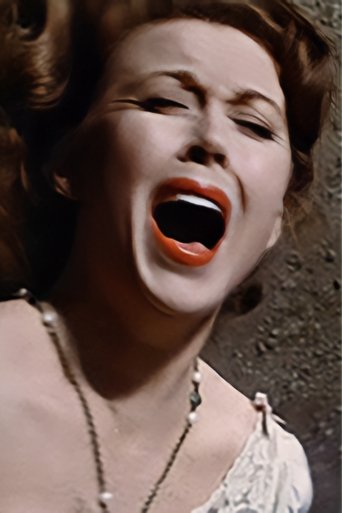
RELEASE stages once again the trivial literary film "topos" of the white woman in front of monster, and does it with relish and with violence (King Kong 1932). But Girardet proceeds in a highly artificial manner. Artificiality, anonymity and fragmentation are elaborated as the characteristics of the subject in a highly dramatic exercise. The image of the subject is defined using precise manipulation as a Dante-like ritual of agonies. His mode of working with its rapid invasion, and editing, which has only become possible in the nineties, means the destruction of the subject. Girardet's formal capacity and artistic moral is documented by the fact that he creates a temporal structure which pushes the presentation of hysteria to its limits (or even beyond them). He starts with the image of the idol and ends by destroying it. (Barbara Alms)
Release
1996
 NR
Chained up women are deprived of the narrative trappings of their film roles. You see red lips, fingernails digging in, a bosom rising and falling with the rhythm of the woman's breath, in short, all the essentials from horror films of the fifties and sixties and repeated insistently in serial collage.
Feverish Red
1993
 6.0
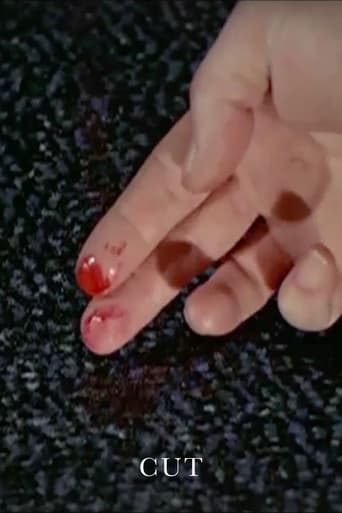
The body as a wound that never heals.
Cut
2013
 NR
A found-footage film in which time ticks away on the watches of the film industry. They do not just function as dramatic signs for expectation and suspense, but also as icons for the limitation of film (and its shelf life).
60 Seconds
2004
 6.0
This is somebody, nobody, anyone. This is us in the course of time. Persistently, in vain. The self is the need for permanent self-assertion.
Personne
2016
Short by Christoph Girardet.
Nero
2006
 9.0
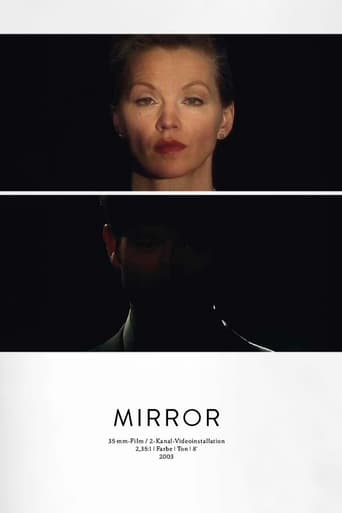
A woman, a man, guests at an evening party. Settings, which are gradually abandoned; the remains of an event, gazes that have lost their object.
Mirror
2003
The raw material for an uncompleted 1939 documentary shows art students working in painting and sculpture classes as well as in museums. Many scenes were filmed several times with only slight variations. The shots have been edited into two seemingly identical films, but this is in fact not the case. While the students involved in the creative process compare their works with the models, the viewer examines the differences between the two films projected side by side.
The Eternal Lesson
2012
Portraits of women, and the men who are spellbound by them. Painted portraits are revenants, omens of absence, metaphors for loss and death, objects of desire and fixation.
It Was Still Her Face
2017
 NR
In 1939, a second unit shot scenes for »Mr. Smith Goes to Washington« in the Lincoln Memorial with a double and extras. The long, orderly planned sequences undermine the classic cinematic narration; the plot seems to stagnate. The neoclassical architecture becomes the setting for a recurring ritual: the inconspicuous protagonist loses himself between the columns and often pauses in front of the monumental Lincoln, as if he himself was becoming a
One Hundred Years Later
2025
NRIn 1939, a second unit shot scenes for »Mr. Smith Goes to Washington« in the Lincoln Memorial with a double and extras. The long, orderly planned sequences undermine the classic cinematic narration; the plot seems to stagnate. The neoclassical architecture becomes the setting for a recurring ritual: the inconspicuous protagonist loses himself between the columns and often pauses in front of the monumental Lincoln, as if he himself was becoming a
One Hundred Years Later
2025