Acting
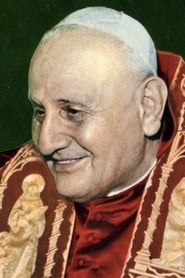
John XXIII.
Born — Died
1881-11-25 — 1963-06-03
Place of birth
Bergamo, Lombardy, Italy
Known for
Acting
Credits
14 titles
Pope John XXIII (born Angelo Giuseppe Roncalli; 25 November 1881 – 3 June 1963) was head of the Catholic Church and sovereign of Vatican City from 28 October 1958 until his death on 3 June 1963.
Known for
 6.8
6.8An ambitious reporter gets in trouble while investigating a senator's assassination which leads to a vast conspiracy involving a multinational corporation behind every event in the world's headlines.
The Parallax View
1974
 6.9
6.9A detailed account of the two millennia of intolerance and persecution suffered by the Jews, from antiquity to the present day.
A History of Antisemitism
2022
 7.6
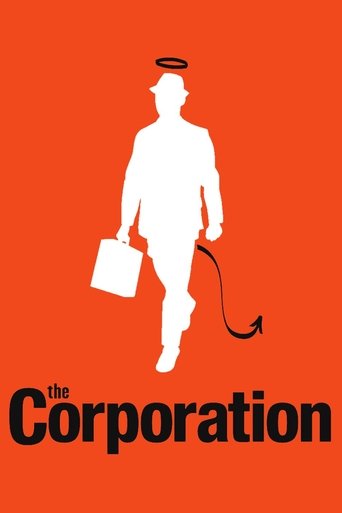
7.6Since the late 18th century American legal decision that the business corporation organizational model is legally a person, it has become a dominant economic, political and social force around the globe. This film takes an in-depth psychological examination of the organization model through various case studies. What the study illustrates is that in the its behaviour, this type of "person" typically acts like a dangerously destructive psychopath without conscience. Furthermore, we see the profound threat this psychopath has for our world and our future, but also how the people with courage, intelligence and determination can do to stop it.
The Corporation
2003
 9.0
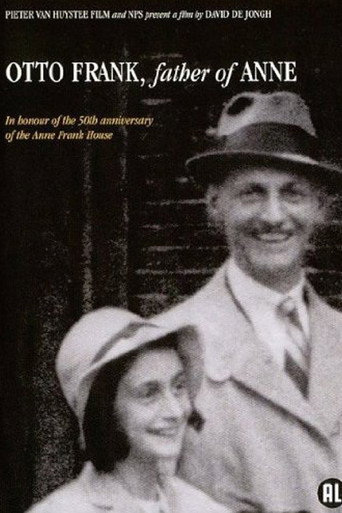
9.0Director David de Jongh represents the life Otto Frank in his documentary Otto Frank, the father of Anne. The film deals with various facets of Otto Frank’s life: his youth in Germany, including his military service during the First World War, his marriage to Edith Holländer and the birth of their daughters Margot and Anne, their flight to the Netherlands, the time in hiding and the deportation to Auschwitz, his life after the Second World War and his dedication to the diary and the ideals of his daughter Anne, and his second marriage to Fritzi Geiringer. The documentary features many photos and film images, as well as interviews, including new ones, with people who knew Otto Frank. His stepdaughter Eva Schloss is one of the interviewees. The film is produced by Pieter van Huystee Film.
Otto Frank, the Father of Anne
2010
 5.9
5.9Three actors in Hollywood live and love together. A director comes from New York to make a movie about actors and Hollywood.
Lions Love
1969
 NR
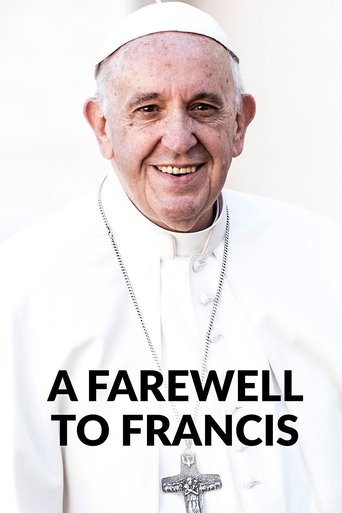
NRAs the world mourns Pope Francis, Mary Kennedy explores his journey from Argentina to the Vatican, examining the key themes that shaped his papacy.
A Farewell to Francis
2025
Film credits
2010s · 3 titles
9.0Director David de Jongh represents the life Otto Frank in his documentary Otto Frank, the father of Anne. The film deals with various facets of Otto Frank’s life: his youth in Germany, including his military service during the First World War, his marriage to Edith Holländer and the birth of their daughters Margot and Anne, their flight to the Netherlands, the time in hiding and the deportation to Auschwitz, his life after the Second World War and his dedication to the diary and the ideals of his daughter Anne, and his second marriage to Fritzi Geiringer. The documentary features many photos and film images, as well as interviews, including new ones, with people who knew Otto Frank. His stepdaughter Eva Schloss is one of the interviewees. The film is produced by Pieter van Huystee Film.
Otto Frank, the Father of Anne
2010
 8.2
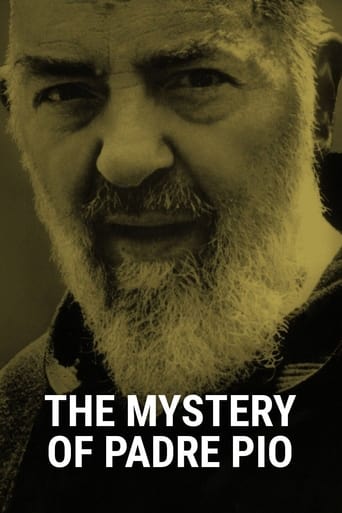
8.2The documentary offers testimonies and documents never disclosed about the plot against its protagonist, who had the stigmata of Jesus Christ in his hands, feet and side for 50 consecutive years.
The Mystery of Padre Pio
2018
 6.1
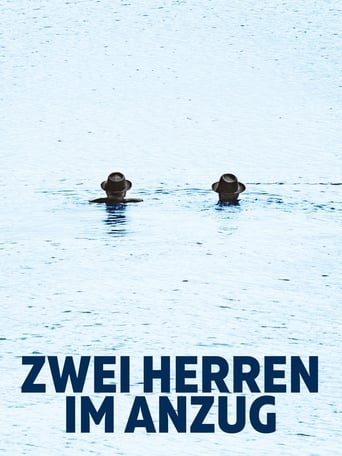
6.1In the Bavaria of the 1980s, a father and his son compare their respective views on a family past heavy with resentment and unsaid.
Zwei Herren im Anzug
2018
1970s · 2 titles
6.8An ambitious reporter gets in trouble while investigating a senator's assassination which leads to a vast conspiracy involving a multinational corporation behind every event in the world's headlines.
The Parallax View
1974
 6.5
6.5Caustic satire on bureaucracy of the Vatican authority and a simple Italian who wants to achieve the audience with the Pope.
The Audience
1972
1960s · 4 titles
5.9Three actors in Hollywood live and love together. A director comes from New York to make a movie about actors and Hollywood.
Lions Love
1969
 7.0
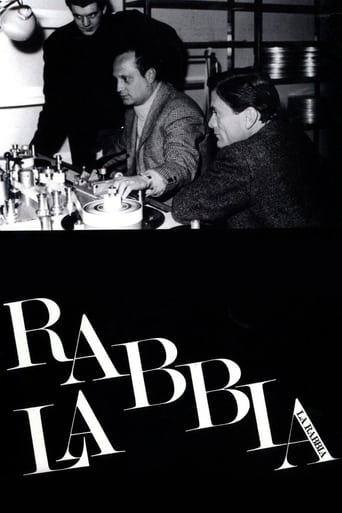
7.0Documentary footage (from the 1950s) and accompanying commentary to attempt to answer the existential question, Why are our lives characterized by discontent, anguish, and fear? The film is in two completely separate parts, and the directors of these respective sections, left-wing Pier Paolo Pasolini and conservative Giovanni Guareschi, offer the viewer contrasting analyses of and prescriptions for modern society. Part I, by Pasolini, is a denunciation of the offenses of Western culture, particularly those against colonized Africa. It is at the same time a chronicle of the liberation and independence of the former African colonies, portraying these peoples as the new protagonists of the world stage, holding up Marxism as their "salvation", and suggesting that their "innocent ferocity" will be the new religion of the era. Guareschi's part, by contrast, constitutes a defense of Western civilization and a word of hope, couched in traditional Christian terms, for man's future.
La Rabbia
1963
 6.5
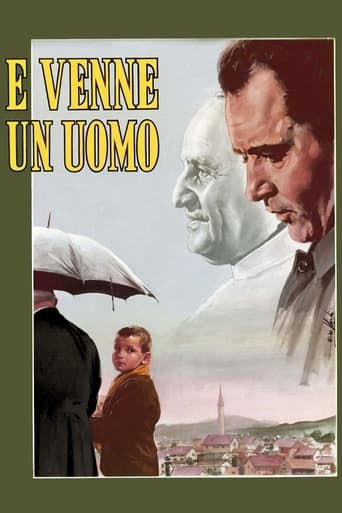
6.5Based on the diary Pope John XXIII kept between the ages of 14 and 18, his lifelong concern for tolerance, the underprivileged, and world peace is told. Rod Steiger, in the central role, acts as "intermediary" between the Pope and the audience, interpreting John's words, thoughts and actions. Steiger visits the actual places in which John lived, recreating the conditions, environment, and forces that affected his development. Through this unusual technique, we are brought close to an extraordinary man - one who's able to win the love of many people of all faiths.
A Man Named John
1965
 6.0
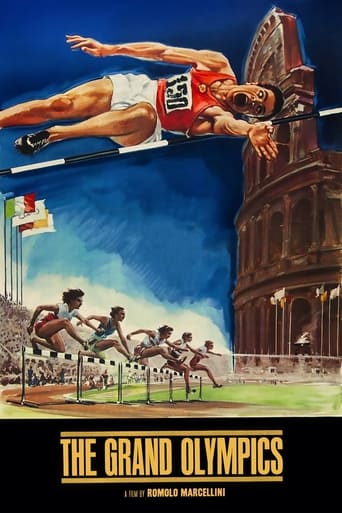
6.0Events and athletes that characterized the 1960 Summer Olympics in Rome. From the absolute protagonist Wilma Rudolph, called the black gazelle, to Livio Berruti, the first white to win the 200 meters, to the deeds of Ethiopian marathon runner Abebe Bikila, who won the marathon racing barefoot.
The Grand Olympics
1961