

Directing
Nobuhiro Aihara
Born — Died
1944-10-17 — 2011-04-30
Place of birth
Isehara, Kanagawa Prefecture, Japan
Known for
Directing
Credits
41 titles
Nobuhiro Aihara was born in Kanagawa prefecture in 1944, where he studied at the design school. He began his career in television animation in the 1960s and started producing his own independent animation in 1965. His aesthetic is distinctive for his use of flowing lines, highly complex drawings, and his love of psychedelic colours. He was a prolific artist who often produced several animated shorts a year either on his own or in collaboration with his friend and fellow artist the Keiichi Tanaami. Nobuhiro died on April the 30, 2011 and left behind 85 animated works.
Known for
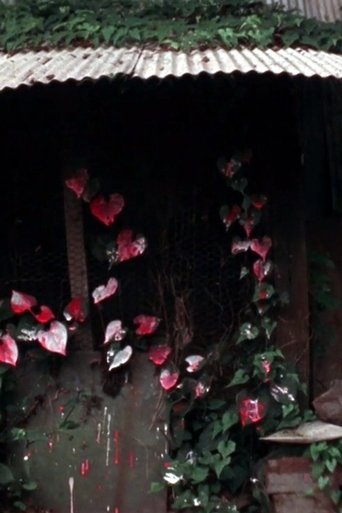
Quiet images of statues and fire, followed by animation on drawing paper sinking into the ocean.
Wind Erosion
1980
 3.5
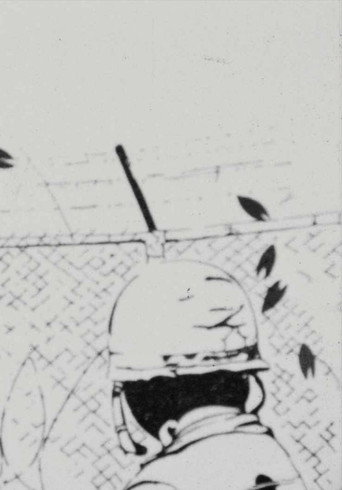
Set in a cave imagined as an air-raid shelter, images of the surrounding trees are painted over directly on the film. Vivid colors intermixed with the sound of wartime radio communications and bombing create a harmonious composition of documentary and animation.
Shelter
1980
 NR
Begun in 8mm film, but completed in 16mm following the purchase of a new camera, this work continues with the psychedelic and anti-war themes, while moments provide the seeds of his later abstract exploration.
Cherry Blossom
1970
 5.0
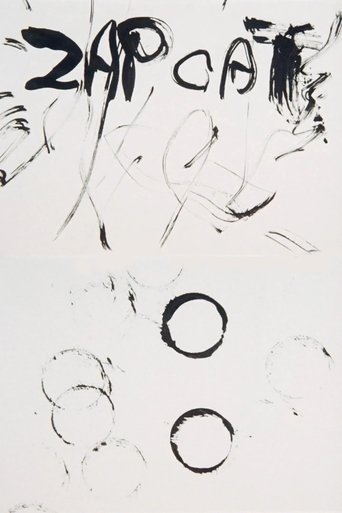
Circles printed on white paper. Animation frenzy as music becomes more erotic/erratic.
Zap Cat
2008
 NR
Following on from Shelter (1981), the setting is again an air-raid shelter. Close-up images of trees are dissected and reformed abstractly. The film culminates with images of elderly survivors of the war in another example of Aihara’s unique blending of documentary storytelling with abstract illustration.
MY SHELTER
1981
 6.0
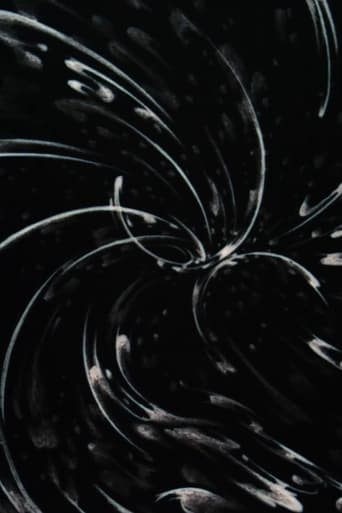
Photos taken with pinhole camera, sky + clouds. Swirling animation like smoke against a black background.
Wind
1999
Film credits
Behind the camera
Quiet images of statues and fire, followed by animation on drawing paper sinking into the ocean.
Wind Erosion
1980
3.5Set in a cave imagined as an air-raid shelter, images of the surrounding trees are painted over directly on the film. Vivid colors intermixed with the sound of wartime radio communications and bombing create a harmonious composition of documentary and animation.
Shelter
1980
NRBegun in 8mm film, but completed in 16mm following the purchase of a new camera, this work continues with the psychedelic and anti-war themes, while moments provide the seeds of his later abstract exploration.
Cherry Blossom
1970
5.0Circles printed on white paper. Animation frenzy as music becomes more erotic/erratic.
Zap Cat
2008
NRFollowing on from Shelter (1981), the setting is again an air-raid shelter. Close-up images of trees are dissected and reformed abstractly. The film culminates with images of elderly survivors of the war in another example of Aihara’s unique blending of documentary storytelling with abstract illustration.
MY SHELTER
1981
6.0Photos taken with pinhole camera, sky + clouds. Swirling animation like smoke against a black background.
Wind
1999
A turning point toward abstraction in Aihara’s career, this work was originally created for the “100 Feet Film Festival”.
Reckless Daydream
1974
 NR
A uniquely psychedelic animation of sordid and chaotic images.
Dusk
1985
Understood as an extension of Reckless Daydream (1974), abstract forms are transfigured. This version includes the intended processing of the blue hue and the animation’s timing, as instructed on the film’s original can.
Cloud Thread
1976
 NR
The interactions of troops and prostitutes near the Naval Air Facility Atsugi (Kanagawa Prefecture), animated from a child’s perspective. Aihara’s works of this period often contain a documentary view of Japanese society at the time of his childhood.
Yamakagashi
1972
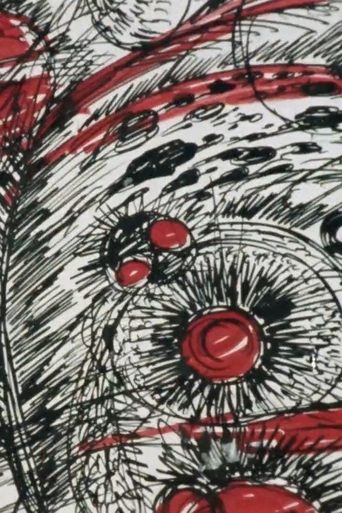
An appropriation of an ukiyo-e print of Katsuhika Hokusai, this work incorporates multiple exposures and a range of animation techniques. Recently created from a faded print, this telecine copy restores the vivid red of the original version.
Red Diamant
1973
 5.0
Hands / flicker / morphing animation suggests sexual organs in a frantic dance.
Twilight
1985
 NR
An animation that combines the motion of abstract lines and the motif of an apple.
S=13
1984
 NR
Steps with shadows. An arm shadow in the landscape - concrete/grass/flowers. Flicker and a finger morphs into abstraction. A real hand appears above the animation, a zoom - drawings/hands/feet.
Image (Shadow)
1987
The human hand transformed through various animation techniques.
Burnin'
1980
 NR
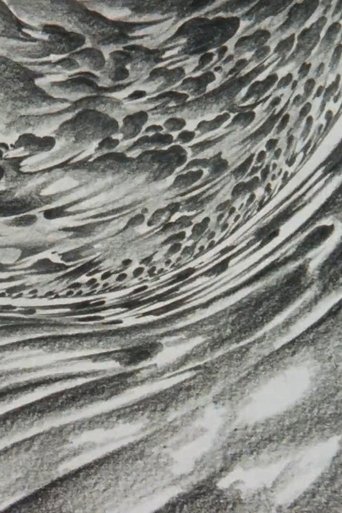
The scenery of the forest in Ogawa and the city of Kyoto and the abstract animation conceived from there are juxtaposed.
LINE
1990
Animations overlaid on a rough grained photo of the Japanese mountain countryside. The physical painting of Japanese lacquer directly onto the film is incorporated into the animation.
Lacquer
1973
 NR
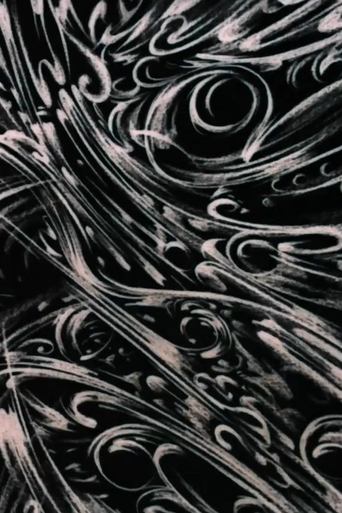
A tense abstract animation with delicate line drawing. Contemporary musician Nakamura Shigenobu is in charge of the music used in the work.
SPIN
1993
The experimental animated short is a collaborative work between Keiichi Tanaami and Nobuhiro Aihara.
Scrap Diary
2002
The experimental animated short is a collaborative work between Keiichi Tanaami and Nobuhiro Aihara.
Scrap Diary
2002
 7.0
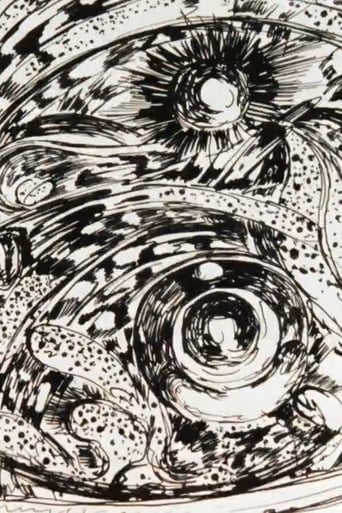
Psychedelic animation that impresses with eyeballs and other motifs.
Gavora
1989
 NR
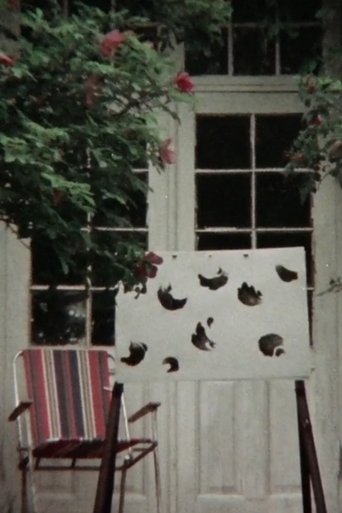
Regarded as a creative extension of Stone (1975), animation unfolds on drawing paper placed on a field and farm.
Under the Sun
1979
A black-and-white flicker film by Nobuhiro Aihara.
Eizou (Kage)
1987
 NR
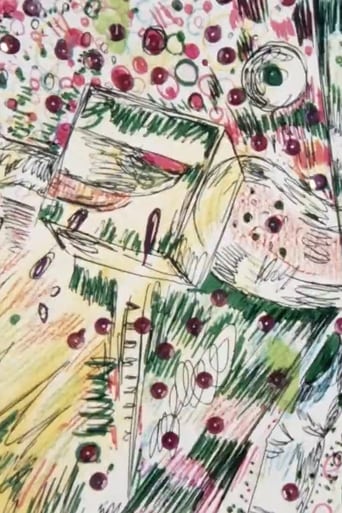
Originally titled Stone No. 2, this is considered a seminal work of Japanese independent animation. Stones, houses and the surrounding natural landscape transform continuously.
Stone
1975
 5.0
Vivid, chromatic animation.
Lotus
2007
 NR
A compendium of independent Japanese animation, featuring a wide range of experimental techniques from drawn animation to pixilation.
Japanese Independent Animation, Volume 1
2013
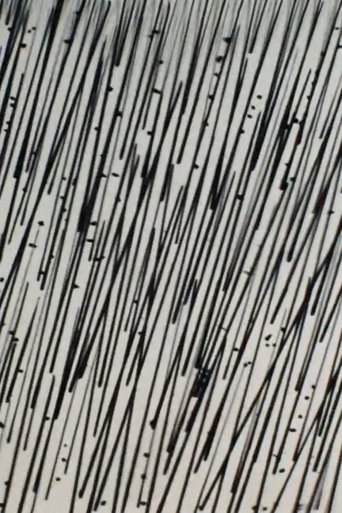
This is Aihara’s earliest surviving work. Motifs of psychedelic culture and the anti-war movement are directly scratched and painted on translucent film.
Stop
1969
 5.0
Images of the sea and clouds seen from the top of the mountain, the candles of the Tibetan temple, etc., and a chaotic psychedelic animation are juxtaposed.
Yellow Fish
1998
 NR
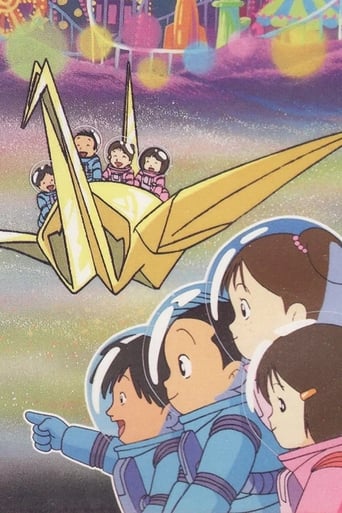
A young boy named Takeshi steals an origami crane from his friend Nobu. To Takeshi's surprise the crane begins talking to him and offers to take him and his friends to an amusement park in space where children from many planets play. While riding an attraction designed to test the children's courage, Akiko is sucked into a black hole, leaving Takeshi and his friends to save her.
Fairground in the Stars
1989
NRA young boy named Takeshi steals an origami crane from his friend Nobu. To Takeshi's surprise the crane begins talking to him and offers to take him and his friends to an amusement park in space where children from many planets play. While riding an attraction designed to test the children's courage, Akiko is sucked into a black hole, leaving Takeshi and his friends to save her.
Fairground in the Stars
1989
 7.7
A series of 16 "short stories" created by the creator's group Images Forum.
Tokyo Loop
2006
 NR
Project an abstract animation with an apple motif on various places of an old rural house and re-shoot it.
The apple and the girl
1982
 6.0
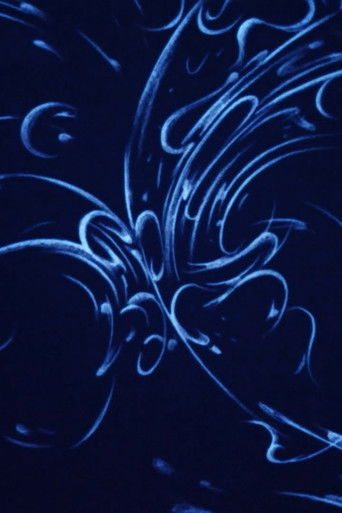
As with "SPIN", an abstract animation with delicate line drawings. There are single color and color versions. Nakamura Shigenobu is in charge of the music used in the work like the previous one.
MOVING
1994
Animation of a devil floating in air, Aihara created both a black and white and color version of this work by painting directly on the film.
Neo-Night on the Bald Mountain
1975
 NR
A photograph of Aihara’s grandmother, overlapped with a tranquil documentary style animation of her life ending at her funeral scene.
Fairy Flower
1973
Experimental short by Nobuhiro Aihara.
Hikari
1978
A documentary style animation of an apiarist at work in combination with scenes of a seaside village, overlapped with images of a boy trying to escape from fetters.
Honeybee Season Has Passed
1972
 6.0
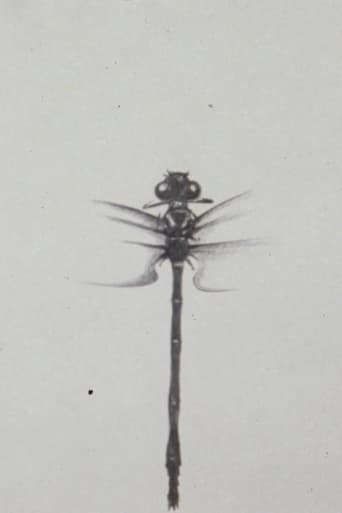
An abstract animation with a motif of a dragonfly, and a complex multi-exposure landscape of a field and a woman's naked body overlap.
Dragonfly
1988
 6.0
This animated documentary is derived from footage shot at the site of the Sanrizuka struggle opposing the construction of Narita Airport. In addition to scenes evidently shot before and after the Nihon Genyasai Festival in Sanrizuka, it features time-lapse sequences showing abandoned houses and construction equipment leveling requisitioned land. “The footage was filmed in Narita. Because this land had been seized, I became conscious of the intensity of my own inner landscape. My time-lapse filming of the landscape was intended for use in an animation-as-documentary.”
The Extinction of Landscape
1971
 NR
A colorful psychedelic animation developed by drawing motifs of each part of the ear and body.
Ringing in the ears
1995