

Acting
Salme Reek
Born — Died
1907-11-10 — 1996-06-09
Place of birth
Pernau, Pernau County, Governorate of Livonia, Russian Empire [now Pärnu, Pärnu County, Estonia]
Known for
Acting
Credits
28 titles
Salme Reek (November 10, 1907 – June 6, 1996) was an Estonian stage, film, radio, and television actress and stage director whose career spanned nearly seventy years; sixty-six of which were spent as an actress at the Estonian Drama Theatre. Salme Helene Reek was the oldest of three siblings born to paper pulp factory worker Juhan Reek and housewife Julia Reek (née Erberg) in Pärnu. Her younger siblings were Hilda (1911–1990), and Oskar (1922–1939) who died at age seventeen. During Reek's early years, the family lived in near-poverty in a one-room apartment on Suur-Kuke Street, later moving into a two-room studio apartment. Both of Reek's parents were keenly interested in music; her father …
Known for
 6.1
6.1Torn by personal guilt, Italian General Umberto Nobile reminisces about his 1928 failed Arctic expedition aboard the airship Italia.
The Red Tent
1969
 9.0
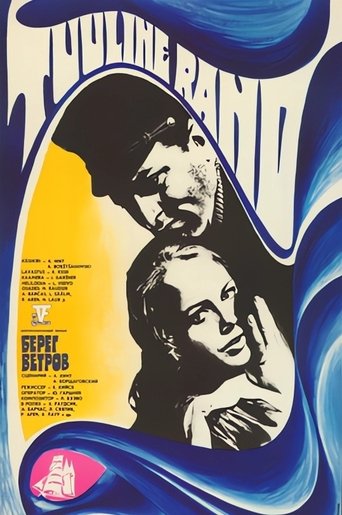
9.0The coastal people of Kaugatoma set out to build their own ship to earn a living independent of the baron's will. The baron does everything to prevent the venture, but still "Kaugatoma" raises its white sails. Unfortunately, the power of money turns out to be decisive both in the organization of joint activities and in the relations of the strong-natured captain Tõnis Tihu with the community and his loved ones. He abandons Liisu, with whom he has a son, and marries a wealthy widow. As a captain, he has the power to look after the welfare of the sailors, but he thinks more about his own safety. However, the winds of 1905 are already blowing over the sea.
Windy Beach
1971
 8.0
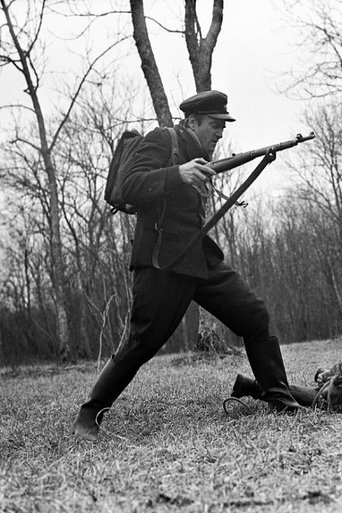
8.0Peeter Simm's diploma film about a forest-guard and a Kyrgyz Red Army soldier in Estonia during the German occupation.
Võsakurat
1976
 7.5
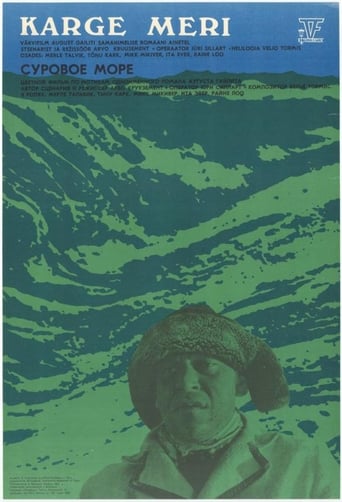
7.5The Smacking Sea is a film about the work of traditional seal hunters on the smacking Baltic Sea and their life in the coastal village.
The Smacking Sea
1981
 8.0
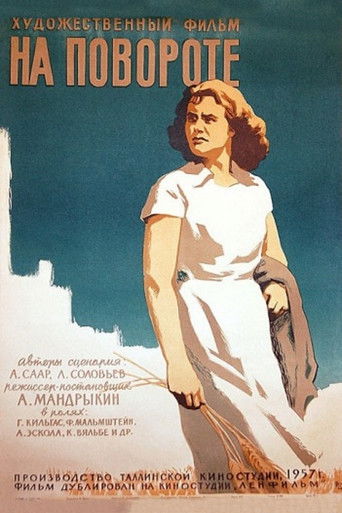
8.0Raivo Kotkas is the new head of the collective farm "Victory". His predecessor Mihkel Vutt has practiced command economy, production has gone down and the cattle has partly perished. Bookkeeper Olep is quite a crook who has played an essential role in the degradation of the collective farm - quite a few good workers have left work because of his cheating. Young agronomist Salme makes up her mind to leave the farm as well. The new chief wins the workers' trust and recovers their belief in the fruitfulness of their work.
Pöördel
1957
 5.0
5.0Karoliine is a spoiled and selfish princess who will meet swamp ogres and sleep fairies, a mermaid and a werewolf on her journey. A bunch of robbers will take her to their cave. Despite having a smart and helpful guide Kaspar with her, Karoliine has to get rid of her selfishness and inconsideration towards others. She is gradually becoming braver and good-hearted that will eventually lead her to the presence of real love.
Karoliine's Silver Yarn
1985
Film credits
1990s · 8 titles
 6.0
6.0Candles in the Dark is the story of a girl who comes to visit her father's homeland, the Soviet Republic of Estonia. After she arrives, she finds that her father is part of the dissident anti-soviet underground. She soon find her self engulfed in the struggle with her father and a lot of new friends, and finds herself being hunted by the KGB.
Candles in the Dark
1993
 4.2
4.2The last film directed by Kaljo Kiisk has been dedicated to theatre and the people in theatre. You are entering the hectic world of musicians, zanies and jesters - and don't expect to hear a symphony but a single delicate sound of a flute.
Prompter
1993
 6.2
6.2In August, 1991, Estonia reclaims its independence from the USSR and brings to its national bank nearly $1 billion in gold bullion hidden in Paris for 50 years. Russian mobsters have a bold plan to hijack the gold after shutting down the capital's power at midnight
City Unplugged
1993
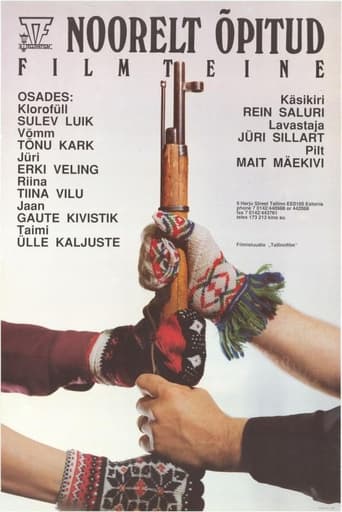 7.0
7.0A movie about the life in a small Estonian city in the 1950s. Young people face an instinct for survival that shatters ideals but can also destroy lives.
The Sunny Kids
1992
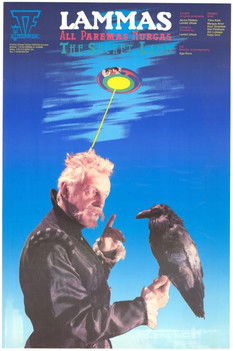 6.8
6.8A warm movie about two boys, who discover a secret of a painting that was considered to be lost. The adventures begin, when a boss of a bunch of criminals finds out about the painting.
Lamb in the Down Right Corner
1992
 8.5
8.5When the doorbell rang late night during the Soviet times, if was often the sign of military recruitment. The chain of events in the film begins from the fatal ring at the door, putting the marriage of a young photographer and his beautiful wife to the test. Being afraid of the army, the young family try to escape the situation. However, they are drifting away from freedom.
Armastuse lahinguväljad
1992
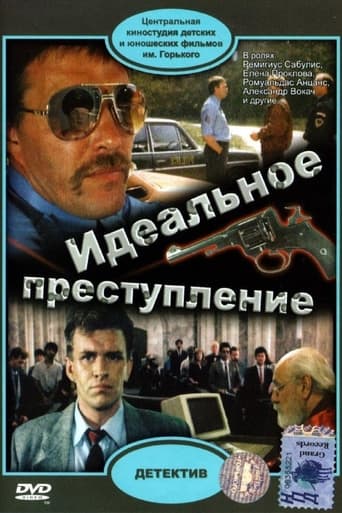 6.1
6.1The manufacturer lance Gerero on the basis of irrefutable evidence accused of killing a girl. However, the young lawyer still hopes to expose the criminals involved in the fabrication of false evidence, saving their customers from competitors…
Perfect Crime
1990
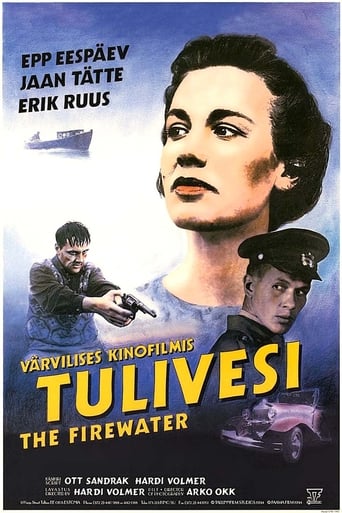 7.0
7.0At the end of the 1920-s the Finnish government proclaimed dry law which lasted 12 years. Estonian bootleggers living on the neighboring coast of the Gulf of Finland profited from prohibition......
The Firewater
1994
1980s · 8 titles
7.5The Smacking Sea is a film about the work of traditional seal hunters on the smacking Baltic Sea and their life in the coastal village.
The Smacking Sea
1981
5.0Karoliine is a spoiled and selfish princess who will meet swamp ogres and sleep fairies, a mermaid and a werewolf on her journey. A bunch of robbers will take her to their cave. Despite having a smart and helpful guide Kaspar with her, Karoliine has to get rid of her selfishness and inconsideration towards others. She is gradually becoming braver and good-hearted that will eventually lead her to the presence of real love.
Karoliine's Silver Yarn
1985
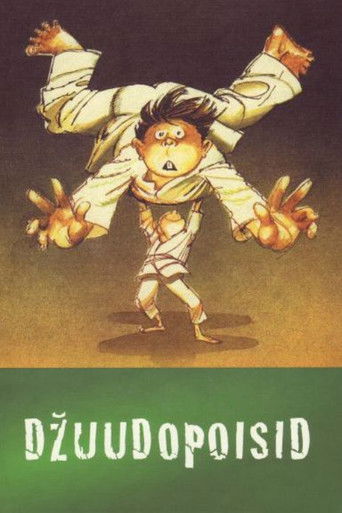 NR
NREstonian tv movie adapted from a children's novel.
Judo Boys
1987
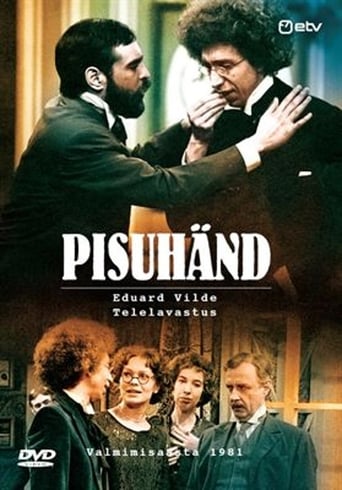 5.2
5.2Classics of the Estonian plays about how a penniless man can become a millionaire and marry his loving girl.
Pisuhänd
1982
 3.0
3.0A musical comedy about singer Toomas Aringus and rally driver Mati Uibo, whom journalist Tiina Salum considers to be one and the same person due to their external resemblance.
Doubles
1983
No synopsis available yet.
The Tin Men
1984
 7.0
7.0The protagonist of this satirical short is a photographer whose camera captures photos of people's true nature. We often have to ask ourselves whether we see the truth around us. But do we want to see it?
Giordano
1989
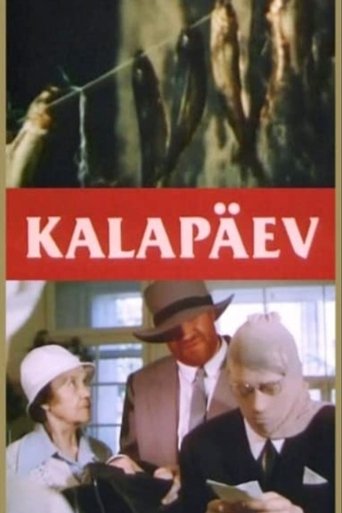 10.0
10.0Human life in the absurd of the everyday
Fish Day
1989
1970s · 8 titles
9.0The coastal people of Kaugatoma set out to build their own ship to earn a living independent of the baron's will. The baron does everything to prevent the venture, but still "Kaugatoma" raises its white sails. Unfortunately, the power of money turns out to be decisive both in the organization of joint activities and in the relations of the strong-natured captain Tõnis Tihu with the community and his loved ones. He abandons Liisu, with whom he has a son, and marries a wealthy widow. As a captain, he has the power to look after the welfare of the sailors, but he thinks more about his own safety. However, the winds of 1905 are already blowing over the sea.
Windy Beach
1971
8.0Peeter Simm's diploma film about a forest-guard and a Kyrgyz Red Army soldier in Estonia during the German occupation.
Võsakurat
1976
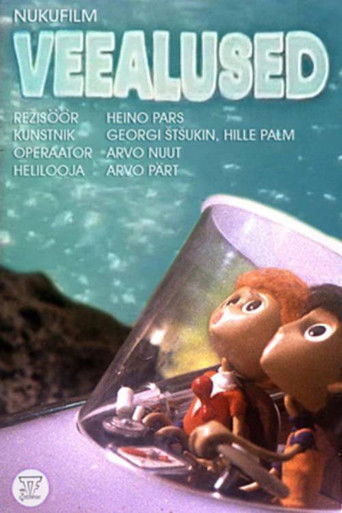 10.0
10.0This is a fairy tale about two boy-dolls who happen to be in the underwater world in the middle of fish and other habitants of the ocean.
Underwater
1973
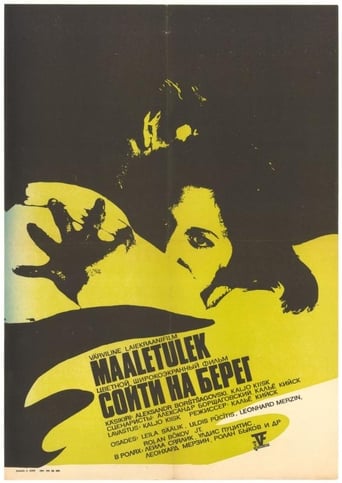 9.0
9.0Reet loves her long-distance coxswain husband Rein, but the long separations have tortured her. It seems to her that the man cares more about his work than about her. Rein really loves his work, but his wife just as passionately. He does not understand how loneliness can overwhelm Reet, when women have always been waiting for men from far away. Their family friend Mart loves Reet and cannot see her suffer. It is in Marti's power to offer Reet a safe life, and the woman plagued by internal struggles makes a choice, but happiness seems to slip even further away.
Landing
1973
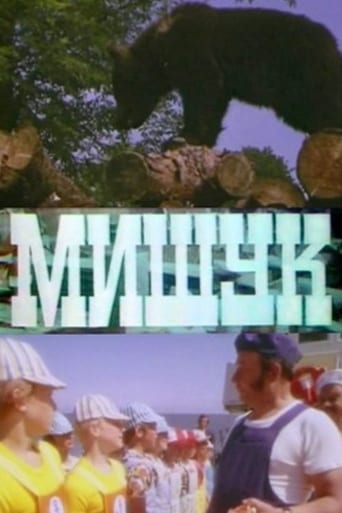 NR
NRA musical comedy about the adventures of boys, girls and a bear cub named Mishuk.
Mishuk
1975
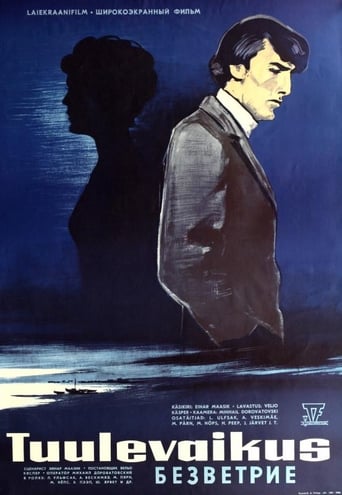 7.0
7.0Taavi is worried about the lack of wind that won't let him do his daily job as a fisherman. But he is definitely not the guy who would just sit and wait for better days to arrive.
Lack of Wind
1971
 8.0
8.0A young investigator fresh from the university gets assigned an arson case. 18-year-old Epp-Kai has admitted to the crime but he cannot see the girl's motive. His partner, an experienced investigator, already has enough work and doesn't think it's necessary to have further conversations with the accused. The young investigator senses however that Epp-Kai is hiding something.
An Unusual Story
1974
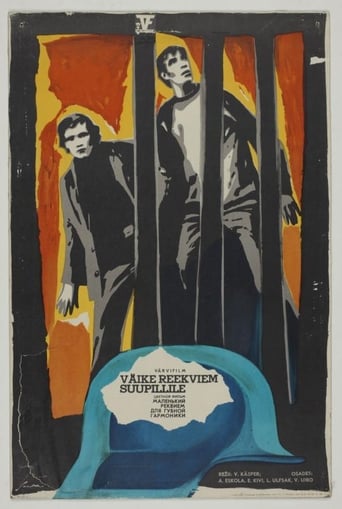 9.0
9.0Students Jaan and Heiki in 1972, inexplicably, cross the river of time and arrive in 1944, the year of the German occupation of Estonia. The film depicts the painful and conflicting contact between the two ages and mentality.
Little Requiem for Harmonica
1972
1960s · 3 titles
6.1Torn by personal guilt, Italian General Umberto Nobile reminisces about his 1928 failed Arctic expedition aboard the airship Italia.
The Red Tent
1969
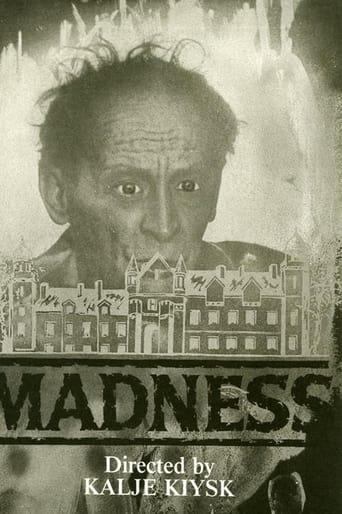 6.1
6.1Before the end of the Second World War, a special commando marches into a mental hospital located in a beautiful manor house to eliminate the patients. But the Gestapo has received an anonymous letter saying that an enemy agent is hiding among the madmen. Officer Windisch is tasked with finding a simulant among several hundred mental patients in a matter of days.
Madness
1969
 NR
NRIn a late 19th-century Estonian village, farmer Jaan struggles. He works for Andres but can't provide enough. Jaan falls for Andres' daughter, Anni, who helps. Desperate, Jaan turns to theft, gets caught, and is sent to Siberia with Anni.
To a Cold Land
1965