
Known for
 NR
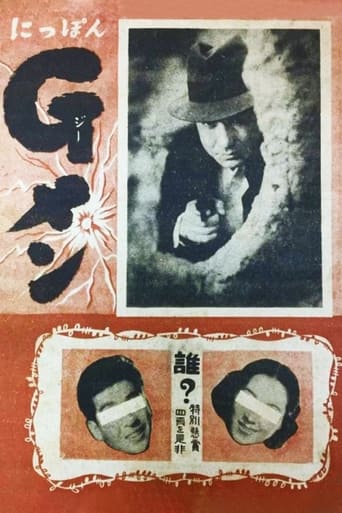
NRThe investigative unit of the Metropolitan Police Department organized a special investigative team to uncover a series of frequent gang robberies and car gangs... This is the first film in the Nippon G-Men series, of which four more films were later released.
G-Men of Japan
1948
The Opium War is a 1943 black-and-white Japanese film directed by Masahiro Makino. "Ahen senso" in Japan refers to the First Opium War. The story of the film concerns this war.
The Opium War
1943
 NR
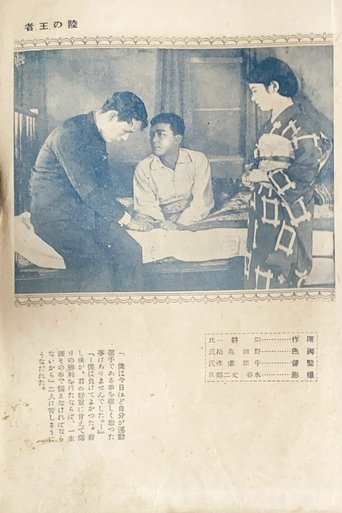
NRJapanese silent film from 1928, ranked as Kinema Junpo's second-best Japanese movie of the year.
King of the Land
1928
Japanese silent film from 1929.
Triumphant Song of the Mountain
1929
 NR
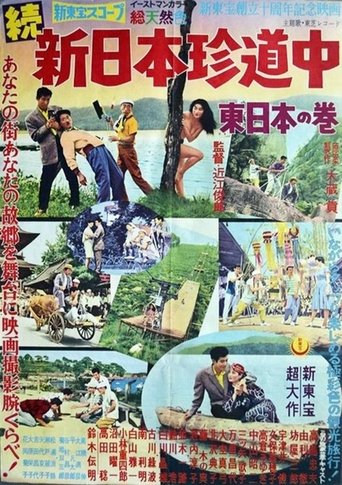
NRPart 2 of Holiday in Japan
Holiday in Japan -Chapter 2-
1958
Japanese silent film from 1927, based on a popular serialized novel by Kan Kikuchi.
Madame Pearl
1927
Film credits
1950s · 1 titles
1940s · 2 titles
NRThe investigative unit of the Metropolitan Police Department organized a special investigative team to uncover a series of frequent gang robberies and car gangs... This is the first film in the Nippon G-Men series, of which four more films were later released.
G-Men of Japan
1948
The Opium War is a 1943 black-and-white Japanese film directed by Masahiro Makino. "Ahen senso" in Japan refers to the First Opium War. The story of the film concerns this war.
The Opium War
1943
1930s · 7 titles
 NR
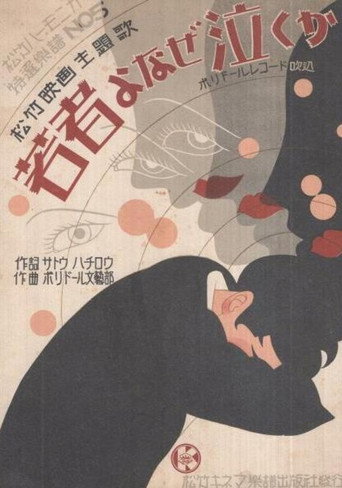
NRA modern girl suddenly intrudes into a widower's family home.
Youth, Why Do You Cry?
1930
 NR
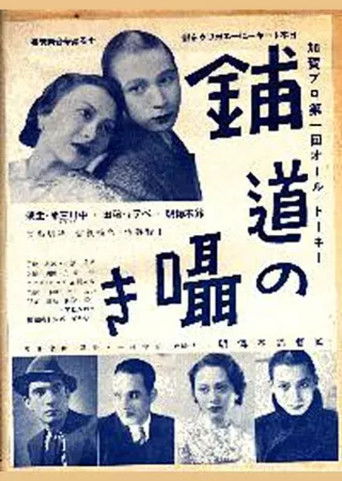
NRInada plays Betty Yoshida, a singer and dancer from America who arrives in Japan to go on tour, only to be swindled by scheming managers. Penniless and cast to the streets, Betty is taken in by Oki (Nakagawa), a talented tap dancer who introduces her to a group of struggling musicians living and working together.
Whispering Sidewalks
1936
 10.0
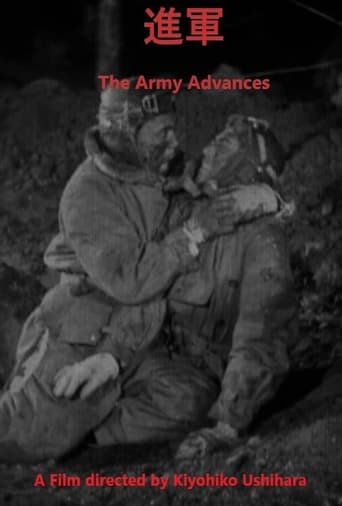
10.0A farmer’s boy, obsessed with his balsa-and-paper flying models and with dreams of real aircraft, develops a friendship with the daughter of the local squire, who introduces the lad to her pilot brother and his flying officer friends; through hard work, and despite the handicap of a lowly class status, he eventually succeeds in qualifying as a pilot and joining the air force.
Marching On
1930
 8.0
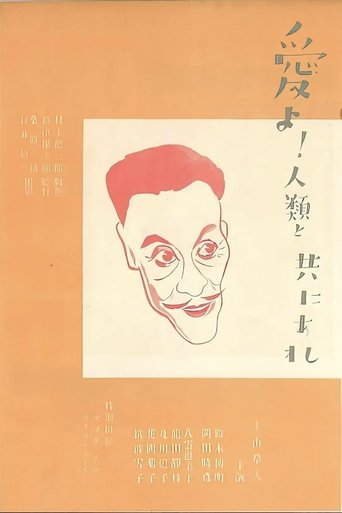
8.0The three-hour Ai yo jinrui to tomo ni are / Love, Be with Humanity (1931) starts as a satire of alienation in the world of money, develops into a lumberland epic with a forest fire on Sakhalin Island, turns into a tragedy of King Lear dimensions, and manages to amaze the blasé audience with a happy end in the Wild West.
Love, Be with Humanity: Part 2
1931
7.0The three-hour Ai yo jinrui to tomo ni are / Love, Be with Humanity (1931) starts as a satire of alienation in the world of money, develops into a lumberland epic with a forest fire on Sakhalin Island, turns into a tragedy of King Lear dimensions, and manages to amaze the blasé audience with a happy end in the Wild West.
Love, Be with Humanity: Part 1
1931
Japanese silent comedy from 1930. The directorial debut of Hiromasa Nomura.
The Beating
1930
Japanese silent film from 1930. The second chapter of "The Big City: Labor" (1929).
The Big City: Explosion
1930
1920s · 14 titles
NRJapanese silent film from 1928, ranked as Kinema Junpo's second-best Japanese movie of the year.
King of the Land
1928
Japanese silent film from 1929.
Triumphant Song of the Mountain
1929
Japanese silent film from 1927, based on a popular serialized novel by Kan Kikuchi.
Madame Pearl
1927
No synopsis available yet.
The Big City: Labor
1929
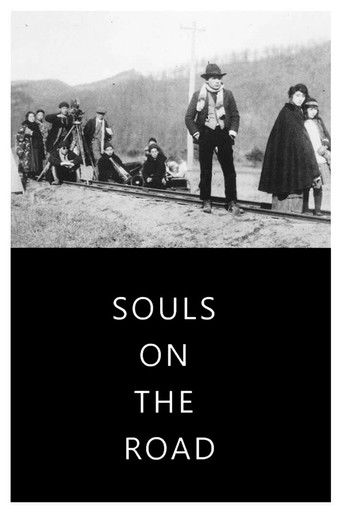 6.3
6.3A small town boy dreams of being a famous fiddler; Meanwhile, two convicts escape from prison and hide in the woods.
Souls on the Road
1921
No synopsis available yet.
Kare to Tokyo
1928
Hirano's wife Yasuko had grown weary of her life of poverty. Her feelings of dissatisfaction deepened when she met her elegantly dressed friend Hanako. When Yasuko asked Hanako for advice, Hanako spoke at length about the restrictions and meaninglessness of married life and encouraged Yasuko to divorce her husband. Persuaded by Hanako’s words, Yasuko divorced Hirano and, hoping to emulate Hanako, adorned herself in fine clothes, applied heavy makeup, and sought to revel in her newfound freedom. But instead of admiration, she was met with ridicule and contempt. Even her attempts to gain recognition from magazines like Hanako’s went unanswered. She applied to work as a café waitress but was rejected, and when she became an office clerk at a company advertised publicly, she was treated as a nuisance. After being tossed about by these setbacks, Yasuko finally came to understand the love of her husband, Hirano.
A Wife Quits
1928
Japanese silent film from 1928.
Modern Warrior Training
1928
No synopsis available yet.
Junange
1926
Comedy by Kiyohiko Ushihara. Once a full-length feature film, now only 14 minutes remain.
Kaihin no joô
1927
Japanese silent film from 1929.
Him and Life
1929
 NR
NRNo synopsis available yet.
Umi mo yusha
1927
A young man torn between love and friendship.
The Age of Emotion
1928
 NR
NRJapanese silent film from 1928.
The Glory of the Shōwa Era
1928