
Directing
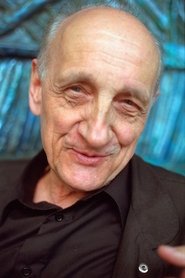
Kazimierz Karabasz
Born — Died
1930-05-06 — 2018-08-11
Place of birth
Bydgoszcz, Poland
Known for
Directing
Credits
42 titles
Kazimierz Karabasz (Polish pronunciation: [kaˈʑimjɛʑ kaˈrabaʂ]; May 6, 1930 in Bydgoszcz, Poland – August 11, 2018) was a Polish documentary filmmaker. A graduate of the Łódź Film School in 1956, he also taught the documentary programme there for many years. Although his work is now rarely seen, his most famous film, a ten-minute documentary short entitled Muzykanci / The Musicians, is an extra on the Criterion Collection edition of Krzysztof Kieślowski's film The Double Life of Véronique. Kieślowski, whom Karabasz mentored, chose this as one of his personal all-time top ten films in a 1992 poll conducted by the film magazine Sight & Sound. Karabasz is known in Poland for influencing gener…
Known for
 NR
NRKazimierz Karabasz visits circles of amateur photographers in small towns (most of the photographs were taken in Włodawa) and listens to their stories about the town, its inhabitants and photographing their everyday life. The young people, who are active at community centres, show the documentarian what role photography plays in their lives and how it influences their perception of their surroundings: places and people. Photography thus becomes a school for looking, seeing and developing sensitivity. As it turns out, it is not always the form and workshop that are the most important.
Punkt widzenia
1974
 NR
NRPigeon breeders (men mostly) are a special kind of enthusiasts. Their hobby includes an element of competition – a long-distance race of carrier pigeons.
Birds
1963
 NR
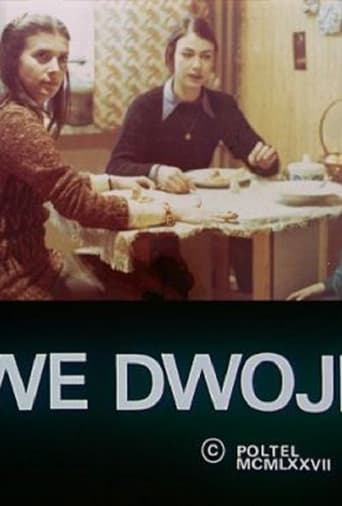
NRAn idealistic young cellist becomes dissatisfied with her relationship with a poor student who thinks primarily of money.
Two of Us
1977
"The biography of an adult man is like a multi-storey magazine - hundreds of facts, large and small events, painful places, motives extinguishing," says Kazimierz Karabasz in the film. Andrzej Sapija decided to show the life of his "teacher and guide". The documentary, which shows the method of working with the protagonist and the master's many years of film experience, is at the same time the story of Polish documentaries told by the master.
The Intensity of the Gaze
2016
 8.5
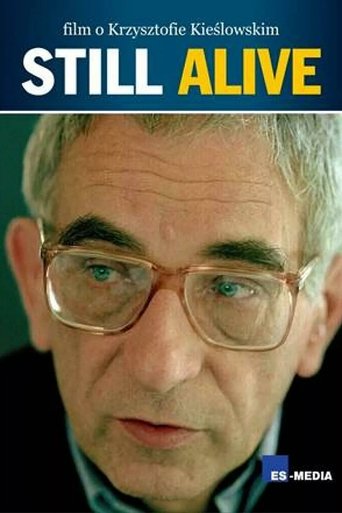
8.5Maria Zmarz-Koczanowicz directed this insightful TV documentary (2005) tracing the Polish filmmaker's career. Former classmates reminisce about Kieslowski's happy beginnings at the Lodz film school and how his dissatisfaction with some of his early documentaries prompted the dramatic work and stylistic experimentation that led to his monumental series of films The Decalogue (1989). Wim Wenders, Agnieszka Holland, and Juliette Binoche are among the many admirers weighing in on his hard-driving work methods and preoccupation with the ephemeral. In Polish, French, and German with subtitles.
Still Alive: A Film About Krzysztof Kieslowski
2006
 8.0
8.0Examines the hopes and aspirations of a group of 18-year-old girls following their graduation from a college in Warsaw.
On the Threshold
1965
Film credits
Behind the camera
NRKazimierz Karabasz visits circles of amateur photographers in small towns (most of the photographs were taken in Włodawa) and listens to their stories about the town, its inhabitants and photographing their everyday life. The young people, who are active at community centres, show the documentarian what role photography plays in their lives and how it influences their perception of their surroundings: places and people. Photography thus becomes a school for looking, seeing and developing sensitivity. As it turns out, it is not always the form and workshop that are the most important.
Punkt widzenia
1974
NRKazimierz Karabasz visits circles of amateur photographers in small towns (most of the photographs were taken in Włodawa) and listens to their stories about the town, its inhabitants and photographing their everyday life. The young people, who are active at community centres, show the documentarian what role photography plays in their lives and how it influences their perception of their surroundings: places and people. Photography thus becomes a school for looking, seeing and developing sensitivity. As it turns out, it is not always the form and workshop that are the most important.
Punkt widzenia
1974
NRPigeon breeders (men mostly) are a special kind of enthusiasts. Their hobby includes an element of competition – a long-distance race of carrier pigeons.
Birds
1963
NRPigeon breeders (men mostly) are a special kind of enthusiasts. Their hobby includes an element of competition – a long-distance race of carrier pigeons.
Birds
1963
NRAn idealistic young cellist becomes dissatisfied with her relationship with a poor student who thinks primarily of money.
Two of Us
1977
NRAn idealistic young cellist becomes dissatisfied with her relationship with a poor student who thinks primarily of money.
Two of Us
1977
8.0Examines the hopes and aspirations of a group of 18-year-old girls following their graduation from a college in Warsaw.
On the Threshold
1965
 6.0
6.0Documentary about the lives of three generations of residents of Warsaw’s Wola district.
Material Test
1981
6.0Documentary about the lives of three generations of residents of Warsaw’s Wola district.
Material Test
1981
 5.8
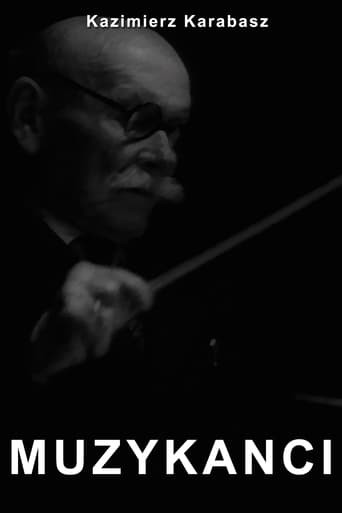
5.8A documentary about a group of Warsaw tram workers who moonlight in the city orchestra at night.
The Musicians
1960
5.8A documentary about a group of Warsaw tram workers who moonlight in the city orchestra at night.
The Musicians
1960
 9.0
9.0The street poll proves that the memory of Nowa Huta has faded in the Poles' consciousness. The documentary filmmaker and his team decided to seek out the heroes of those events from 1949-1954, from the beginning of the works to the smelting of the first pig iron from the first furnace.
Remembrance
1985
9.0The street poll proves that the memory of Nowa Huta has faded in the Poles' consciousness. The documentary filmmaker and his team decided to seek out the heroes of those events from 1949-1954, from the beginning of the works to the smelting of the first pig iron from the first furnace.
Remembrance
1985
The documentary director's reminiscences of his past protagonists, themes and inspirations as well as meetings with old friends and colleagues.
Encounters
2004
 7.0
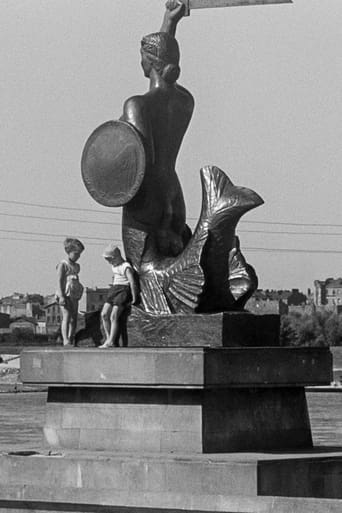
7.0A documentary depicting the Warsaw district of Powiśle where time has stopped. One of several films made by Kazimierz Karabasz included in the "black series" of Polish documentaries. Featuring a commentary typical for documentaries of the second half of the 1950s, it is distinguished by penetrating observation and lyricism.
From Powisle
1958
7.0A documentary depicting the Warsaw district of Powiśle where time has stopped. One of several films made by Kazimierz Karabasz included in the "black series" of Polish documentaries. Featuring a commentary typical for documentaries of the second half of the 1950s, it is distinguished by penetrating observation and lyricism.
From Powisle
1958
 6.8
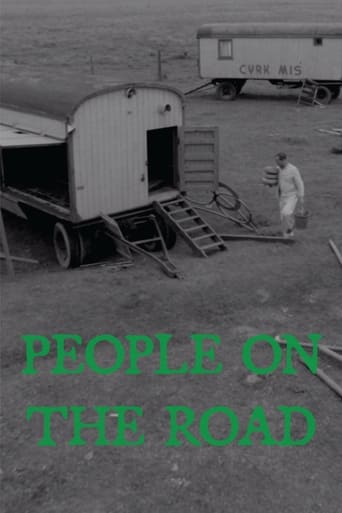
6.8A portrait of a traveling circus.
People on the Road
1960
6.8A portrait of a traveling circus.
People on the Road
1960
A short portrait of a railway junction.
Railway Junction
1961
 8.0
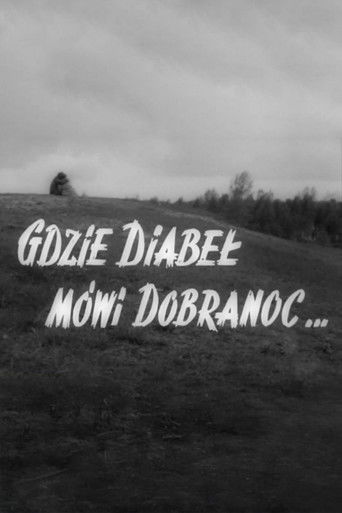
8.0A documentary depicting life in Targówek, a deprived and crime-affected district of postwar Warsaw, where reconstruction and cultural development projects have failed to materialize.
Where the Devil Says Goodnight
1956
8.0A documentary depicting life in Targówek, a deprived and crime-affected district of postwar Warsaw, where reconstruction and cultural development projects have failed to materialize.
Where the Devil Says Goodnight
1956
 7.0
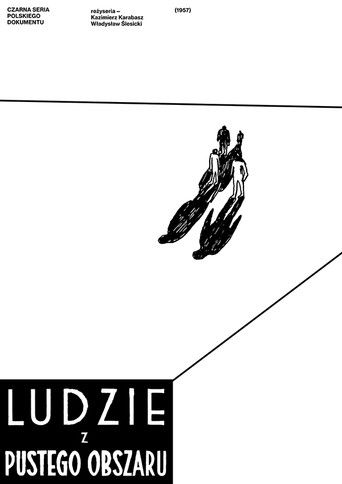
7.0The film belongs to the so-called Black Polish documentary series about a group of young people from the Praga district. The authors' intention was to draw attention to the problems inherent in society.
People of the Vacant Area
1957
7.0The film belongs to the so-called Black Polish documentary series about a group of young people from the Praga district. The authors' intention was to draw attention to the problems inherent in society.
People of the Vacant Area
1957
No synopsis available yet.
Co w bagażu?
2008
No synopsis available yet.
Co w bagażu?
2008
A day in the life of children attending the first year of music school.
First Step
1962
 NR
NRA lonely man wanders the streets of contemporary Warsaw. He reads the daily press, observes women in a beauty salon and follows the action on a film set. In each of the places he is just an observer, not a protagonist.
A Day Without Sunshine
1959
A classical Polish documentary, while at the same time trying to summarize the period 1989-1999 - politically, socially and economically. Kazimierz Karabasz interviews two generations: young people finishing high school and the older, retiring generation. They are all passengers of the train, which takes on a symbolic dimension here. At first we listen to their statements, among other peers, then look at them closely. In the background are lines by Tadeusz Rozewicz about the end of one era and the beginning of the next. In the statements of people retiring abound concerns about the financial situation, restoration of pensions. Tired of work, without prospects for a peaceful future, they recall with fondness the past. Young people are afraid of the future, talk about their perspectives and aspirations. Passengers on the train sitting next to each other often in silence.
At Dawn and Before Dusk
1999
A look into the life of a college student over the course of one month
Sierpień - zapis kronikalny
1971
A look into the life of a college student over the course of one month
Sierpień - zapis kronikalny
1971
 6.0
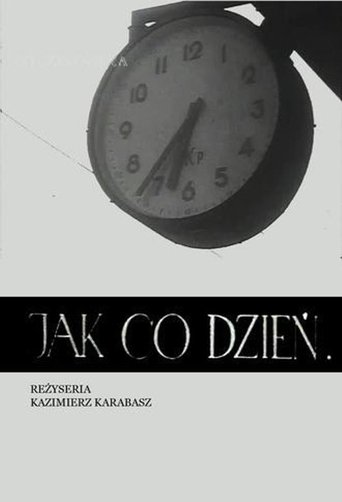
6.0Rhythmic and indicative documentary that shows how every day 150,000 people hurry to work by public transport from their homes in the suburbs of Warsaw.
Day In, Day Out
1955
6.0Rhythmic and indicative documentary that shows how every day 150,000 people hurry to work by public transport from their homes in the suburbs of Warsaw.
Day In, Day Out
1955
 NR
NRChildren, absorbed in drawing and painting, share their thoughts and preferences with the filmmaker. Not restricted by any convention, they experience their adventure with art.
A Bit Different World
1960
NRChildren, absorbed in drawing and painting, share their thoughts and preferences with the filmmaker. Not restricted by any convention, they experience their adventure with art.
A Bit Different World
1960
 NR
NRDocumentary about three inhabitants of Grzybowska street in Warsaw. Their statements, photographs and film footage reveal the characters' relationship to their place of residence, describing the "here and now" of the Poles.
For Example, 9 Grzybowska Street
1991
NRDocumentary about three inhabitants of Grzybowska street in Warsaw. Their statements, photographs and film footage reveal the characters' relationship to their place of residence, describing the "here and now" of the Poles.
For Example, 9 Grzybowska Street
1991
Documentary about the life of a young woman from the countryside who works in a city factory, her hopes and difficulties.
Krystyna M. Portrait Sketches
1973
 NR
NRThe heroine of Kazimierz Karabasz's film is Maria Kolano, a first-year student at the Warsaw Agricultural University, who returns to her hometown of Żabno during the summer vacations to help her parents with their fieldwork. The documentary filmmaker equips Maria with a camera.
Summer in Zabno
1977
NRThe heroine of Kazimierz Karabasz's film is Maria Kolano, a first-year student at the Warsaw Agricultural University, who returns to her hometown of Żabno during the summer vacations to help her parents with their fieldwork. The documentary filmmaker equips Maria with a camera.
Summer in Zabno
1977
 8.7
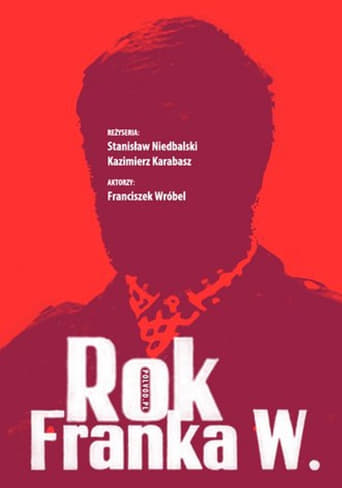
8.7On the cusp of adulthood and in search of work qualifications and a better life, Franciszek Wróbel - a baker from a small village on the Czech border of south-western Poland - emigrates to industrial Silesia to join the Voluntary Labour Corps. There he is chosen from all of the applicants to write a diary of his experiences and daily life. Between his vocational courses and training, he struggles to make friends, pass his exams, and maintain relationships with girls.
A Year in the Life of Franek W.
1968