
Known for
 8.0
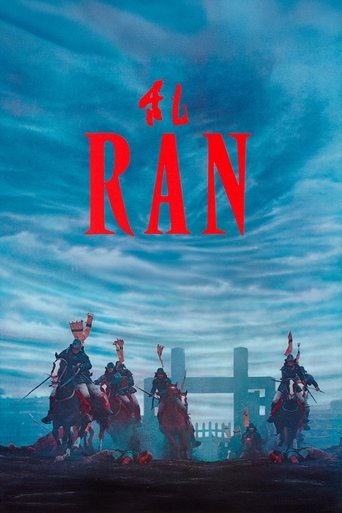
8.0Shakespeare's King Lear is reimagined as a singular historical epic set in sixteenth-century Japan where an aging warlord divides his kingdom between his three sons.
Ran
1985
 7.8
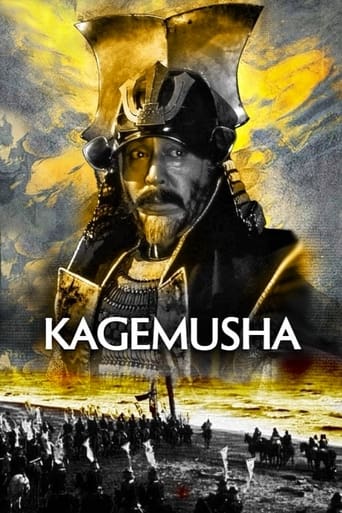
7.8A feudal epic presenting the tale of a petty thief who is recruited to impersonate Shingen, an aging warlord, in order to avoid attacks by competing clans. The impostor becomes comfortable living his life among nobility, but his responsibilities to his station grow more demanding the longer he occupies it.
Kagemusha
1980
 7.7
7.7Eight visually rich vignettes drawn from Kurosawa’s own dreams—fox weddings and vanished orchards, a soldier’s ghosts, a walk through Van Gogh’s canvases, nuclear nightmares, and a water-mill utopia—meditate on childhood, art, mortality, and humanity’s uneasy bond with nature.
Dreams
1990
 7.2
7.2An elderly Nagasaki hibakusha spends a summer caring for her four grandchildren, whose curiosity about the 1945 bombing stirs buried memories and moral questions. When an American nephew from Hawaii visits, the family confronts grief, guilt, and the possibility of reconciliation across generations.
Rhapsody in August
1991
 7.7
7.7A married Japanese forester during WWII is sent to Indochina to manage forests. He meets a young Japanese typist and promises to leave his wife. He doesn't and after the war, she turns up and the affair resumes.
Floating Clouds
1955
 7.2
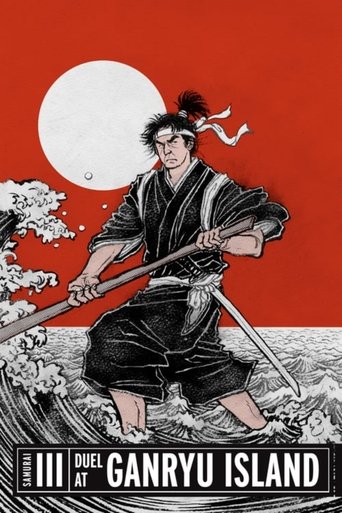
7.2A humble and simple Takezo abandons his life as a knight errant. He's sought as a teacher and vassal by Shogun, Japan's most powerful clan leader. He's also challenged to fight by the supremely confident and skillful Sasaki Kojiro. Takezo agrees to fight Kojiro in a year's time but rejects Shogun's patronage, choosing instead to live on the edge of a village, raising vegetables. He's followed there by Otsu and later by Akemi, both in love with him. The year ends as Takezo assists the villagers against a band of brigands. He seeks Otsu's forgiveness and accepts her love, then sets off across the water to Ganryu Island for his final contest.
Samurai III: Duel at Ganryu Island
1956
Film credits
1990s · 4 titles
7.7Eight visually rich vignettes drawn from Kurosawa’s own dreams—fox weddings and vanished orchards, a soldier’s ghosts, a walk through Van Gogh’s canvases, nuclear nightmares, and a water-mill utopia—meditate on childhood, art, mortality, and humanity’s uneasy bond with nature.
Dreams
1990
7.2An elderly Nagasaki hibakusha spends a summer caring for her four grandchildren, whose curiosity about the 1945 bombing stirs buried memories and moral questions. When an American nephew from Hawaii visits, the family confronts grief, guilt, and the possibility of reconciliation across generations.
Rhapsody in August
1991
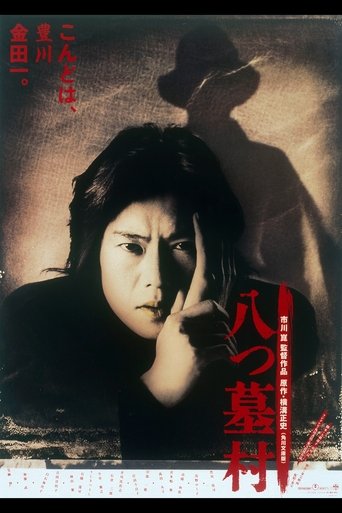 6.8
6.8A band of samurai warriors places a curse on a family fortune thus frustrating the heir 4 centuries later.
The 8-Tomb Village
1996
Office worker Kanako takes a trip to Nanki Shirahama in Wakayama Prefecture as part of a travel agency project to reunite with her first love. She was nominated by Yamano, a classmate from elementary school. Kanako meets Yamano for the first time in 15 years, but for some reason their old stories don't add up. She gradually begins to suspect that Yamano is a fake, but...
Luxury Yacht: First Love Tour Murder Case
1990
1980s · 2 titles
8.0Shakespeare's King Lear is reimagined as a singular historical epic set in sixteenth-century Japan where an aging warlord divides his kingdom between his three sons.
Ran
1985
7.8A feudal epic presenting the tale of a petty thief who is recruited to impersonate Shingen, an aging warlord, in order to avoid attacks by competing clans. The impostor becomes comfortable living his life among nobility, but his responsibilities to his station grow more demanding the longer he occupies it.
Kagemusha
1980
1960s · 9 titles
 7.8
7.8A man is involved in a fatal car accident, and though he is blameless, his company transfers him to a remote branch in a small town. Before he leaves, he gives the man's widow a large sum of money that she uses to move back to her hometown.
Two in the Shadow
1967
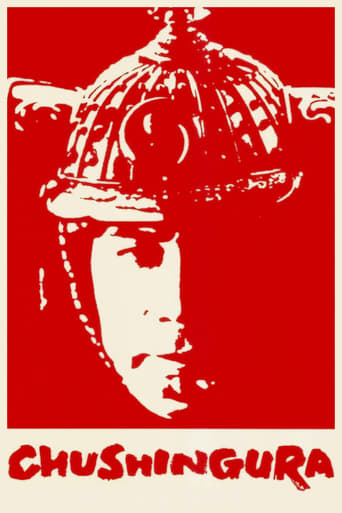 7.1
7.1After their lord is tricked into committing ritual suicide, forty-seven samurai warriors await the chance to avenge their master and reclaim their honor.
Chûshingura
1962
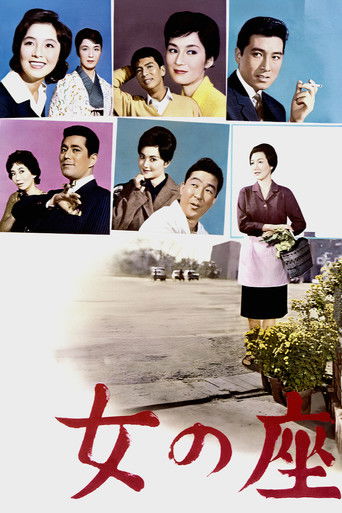 7.2
7.2Drama about the lives of the five daughters and daughter-in-law of a store owner.
The Wiser Age
1962
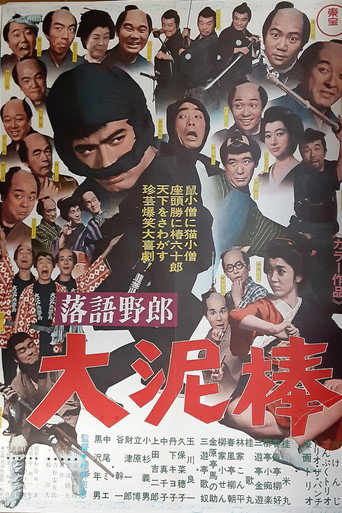 NR
NRThe fourth and final "Comic Storyteller" feature.
Comic Storyteller — The Great Burglar
1967
 NR
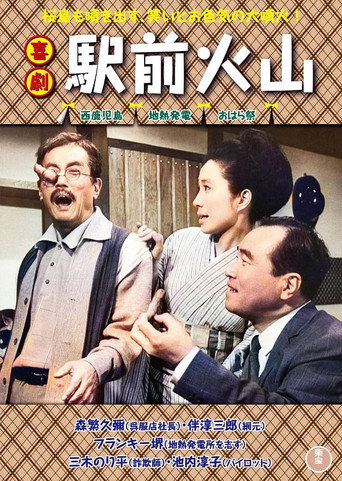
NRPenultimate 23rd "Ekimae" comedy is about oil-field exploration.
Volcano of Station Front Plaza
1968
 6.9
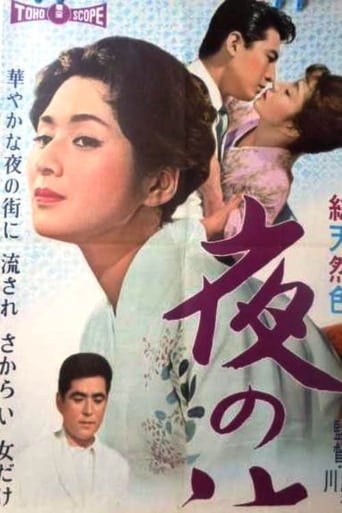
6.9A woman and her daughter are in love with the same man, a chef at the restaurant that the mother manages. He is slightly crippled from frostbite in his years in Siberian labor camps and considers himself 'already dead'.
The Lovelorn Geisha
1960
 9.0
9.0"Shacho" comedy about the president of a salt manufacturing company.
Five Gents and Karate Grandpa
1968
 NR
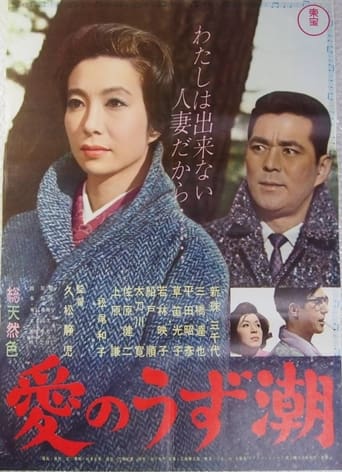
NR1962 Japanese movie
Whirlpool of Love
1962
 6.0
6.0Japanese horror thriller from 1969.
Village of Eight Tombs
1969
1950s · 17 titles
7.7A married Japanese forester during WWII is sent to Indochina to manage forests. He meets a young Japanese typist and promises to leave his wife. He doesn't and after the war, she turns up and the affair resumes.
Floating Clouds
1955
7.2A humble and simple Takezo abandons his life as a knight errant. He's sought as a teacher and vassal by Shogun, Japan's most powerful clan leader. He's also challenged to fight by the supremely confident and skillful Sasaki Kojiro. Takezo agrees to fight Kojiro in a year's time but rejects Shogun's patronage, choosing instead to live on the edge of a village, raising vegetables. He's followed there by Otsu and later by Akemi, both in love with him. The year ends as Takezo assists the villagers against a band of brigands. He seeks Otsu's forgiveness and accepts her love, then sets off across the water to Ganryu Island for his final contest.
Samurai III: Duel at Ganryu Island
1956
 7.6
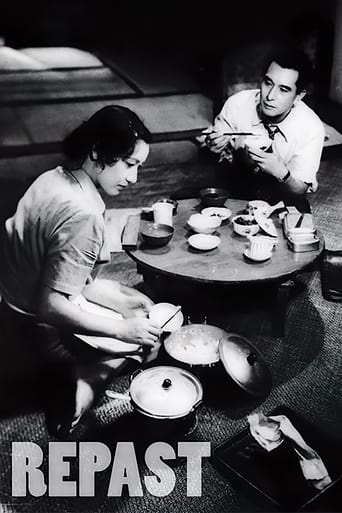
7.6In post-WWII Osaka, a middle-aged woman is forced to examine her dreary life and marriage when her husband's young and flirtatious cousin arrives for a brief stay to escape an arranged marriage.
Repast
1951
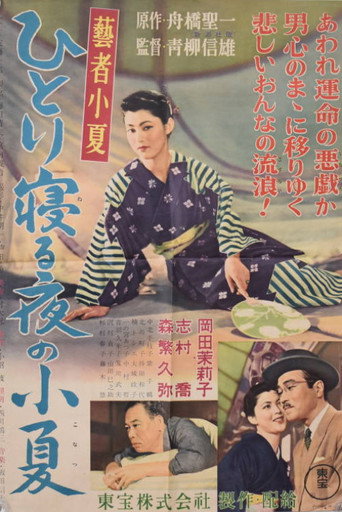 NR
NRA sequel to Geisha Konatsu (1954).
The Tears of Geisha Konatsu
1955
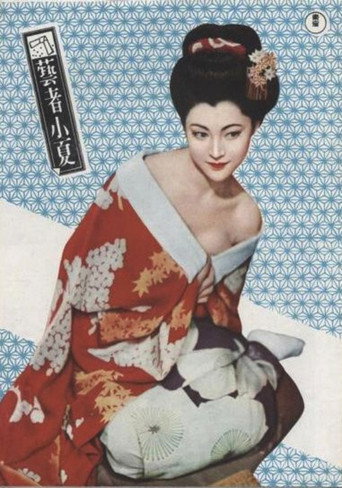 NR
NRNo synopsis available yet.
Geisha Konatsu
1954
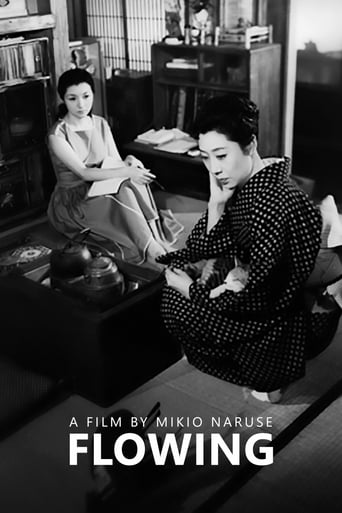 7.2
7.2Otsuta is running the geisha house Tsuta in Tokyo. Her business is heavily in debt. Her daughter Katsuyo doesn't see any future in her mother's trade in the late days of geisha. But Otsuta will not give up. This film portrays the day time life of geisha when not entertaining customers.
Flowing
1956
 8.0
8.0Historical drama about a sleep-eyed ronin
The Lonely Swordsman (Part 2)
1957
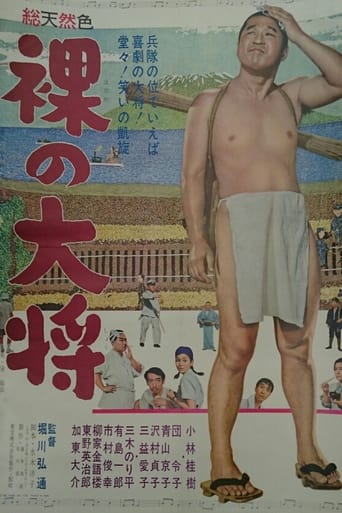 7.0
7.0A film about the life of Kiyoshi Yamashita, a Japanese painter with disabilities.
The Naked General
1958
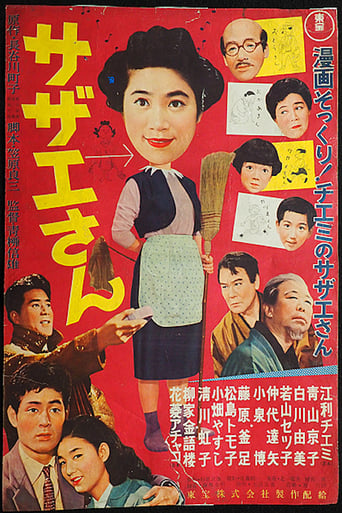 7.5
7.5An adaptation of the popular Sazae-san comic strip. The first entry in Toho's Sazae-san series.
Sazae-san
1956
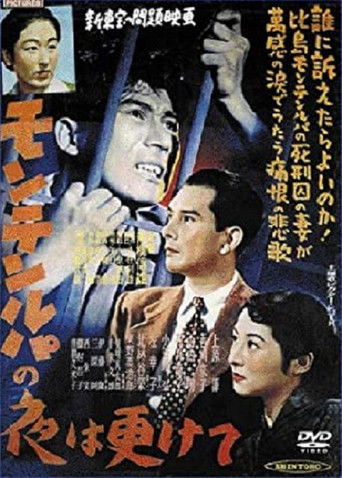 NR
NRNo synopsis available yet.
Muntinlupa no yo wa fukete
1952
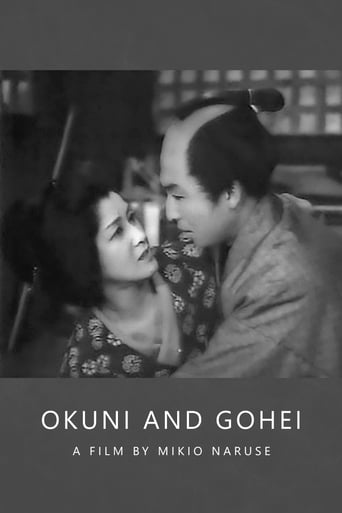 6.3
6.3A high-born woman named Okuni travels around the country with Gohei, a samurai retainer who is in service to her. They are in search of Tomonojo, who has killed the man who was Okuni’s husband and Gohei’s master, and they cannot return to their lord’s home until they have fulfilled their duty of hunting down and killing Tomonojo.
Okuni and Gohei
1952
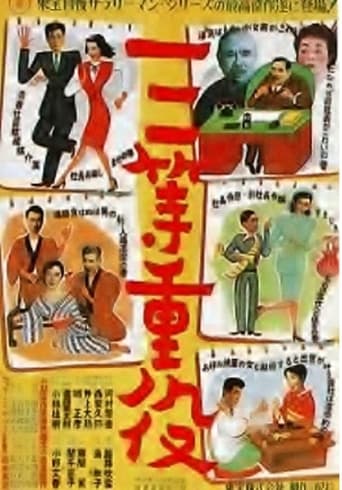 7.0
7.01950s Japanese comedy.
Third Class Executives
1952
No synopsis available yet.
Employee with the Secret Savings and the Autocrat Company President: The Employee with the Secret Savings Fights Bravely
1956
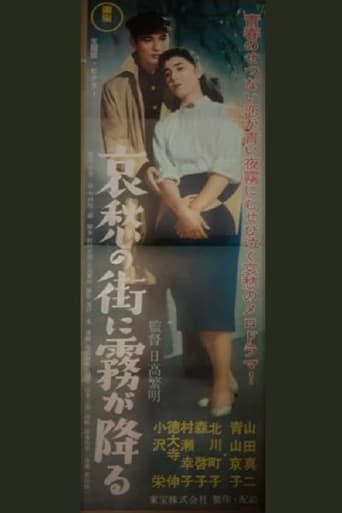 7.0
7.0No synopsis available yet.
Aishu no machi ni kiri ga furu
1956
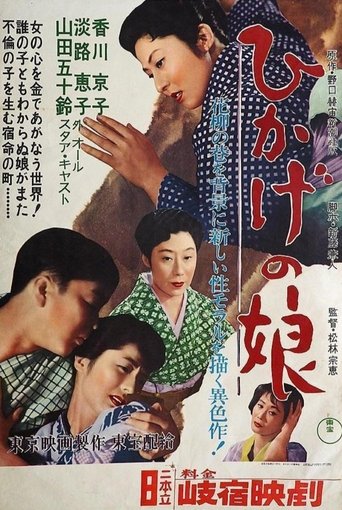 8.0
8.0Fusako, a girl raised in a geisha house, tries to escape her dark past and faces repeated heartbreaks. After an unexpected pregnancy, she has an abortion and decides to start a new life away from the geisha world.
The Shadow Daughter
1957
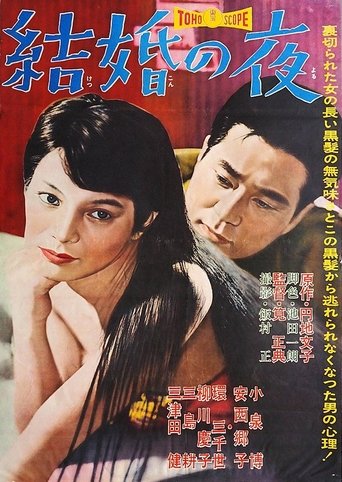 NR
NRA psychological Japanese drama about a department store clerk whose fleeting encounter with a mysterious woman leads to obsession, deceit, and tragic consequences. The film explores desire, guilt, and the blurred line between love and delusion.
The Wedding Night
1959
Japanese comedy film.
娘十八びっくり天国
1952
1940s · 10 titles
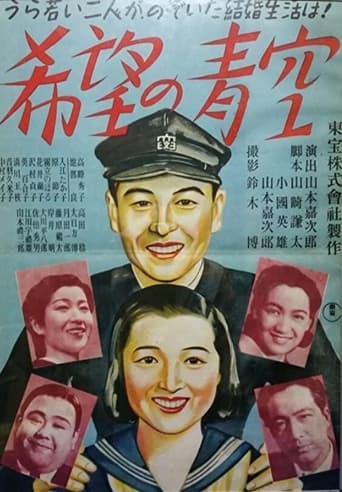 8.0
8.0What is marriage? Young couple in match-making wanted to know before they decide. They visited married couples of sisters and brothers. Love comedy in 1942.
Sky of Hope
1942
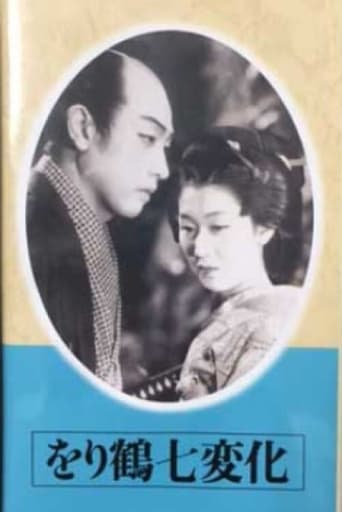 5.0
5.0The story is based on the serial novel by Tsunoda Kikuo.
The Seven Changes of a Paper Crane (Part 1)
1941
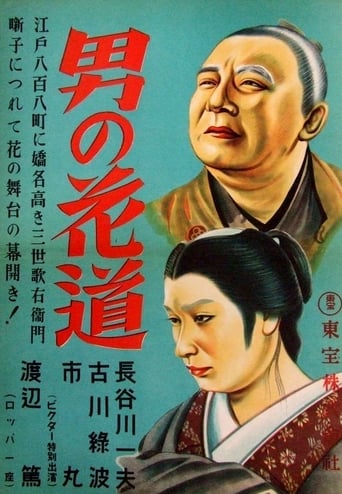 7.0
7.0No synopsis available yet.
A Man's Flower Road of Triumph
1941
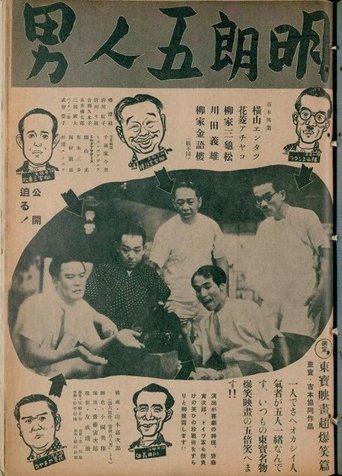 NR
NR1940 Japanese movie
明朗五人男
1940
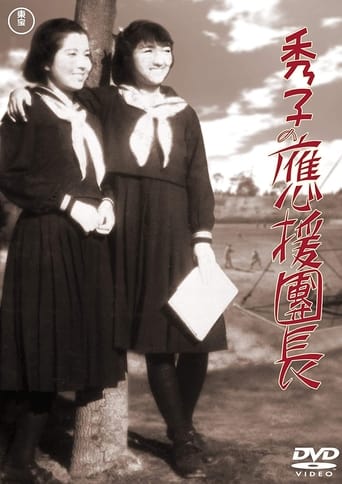 9.0
9.0Hideko, a young Baseball fan, determined to cheer for her favourite baseball team by creating a new song for them.
Hideko the Cheerleader
1940
6.0The story is based on the serial novel by Tsunoda Kikuo.
The Seven Changes of a Paper Crane (Part 2)
1941
Adaptation of a novel by Nobuko Yoshiya that was serialized in "Shufu no tomo" between 1939 and 1940.
Yukiko and Natsuyo
1941
 NR
NRPart one of two.
Hikari to kage (Zenpen)
1940
 7.0
7.0This epic depicts the battle between Uesugi Kenshin and Takeda Shingen. The focus of the story is the struggle by the unit leader in charge of the main supply wagons and the supply troops to transport materiel to the Uesugi army. To this are added episodes involving an itinerant woman.
The Battle of Kawanakajima
1941
NRPart two of two.
Hikari to kage (Kōhen)
1940
1930s · 6 titles
 6.8
6.8Masako, the daughter of an impoverished itinerant tinsmith, wins a grammar school composition contest with an essay about her neighborhood. The much publicized essay ends up causing the family problems and their chronic money troubles threaten Masako's further education.
Composition Class
1938
 7.0
7.0No synopsis available yet.
Subterranean Heat
1938
 5.0
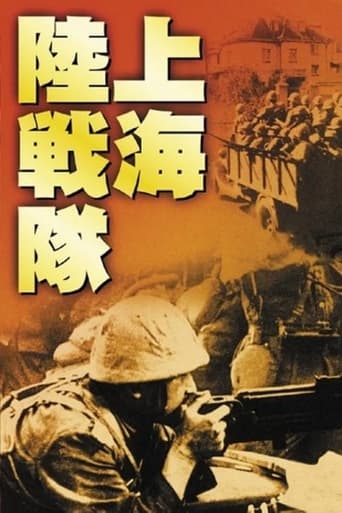
5.0This film attempts to reconstruct the tension of the Battle of Shanghai through an episode in an understated way, introducting its story in a documentary mode. In the film story, Japan's marine regiment protects Japanese residents and Chinese refugees-women and young children-from rampant street fighting, Shanhai Rikusentai unsparingly uses its first eight minutes for an official-mannered self-justification of the war. From the viewpoint of explaining Japan's military operation,the narration refers to the city s spatial division in sync with maps on screen.
Shanghai Landing Party
1939
Japanese film based on the life of writer Ichiyo Higuchi (1872-1896).
Ichiyo Higuchi
1939
 4.0
4.0No synopsis available yet.
Ushidure Express
1937
 NR
NRTwo hyper-competitive salarymen let their workplace rivalry spill over into their private lives, as both men try to one-up each other on a luxurious beach vacation neither's family can afford.
Rivals
1939