

Known for
 5.6
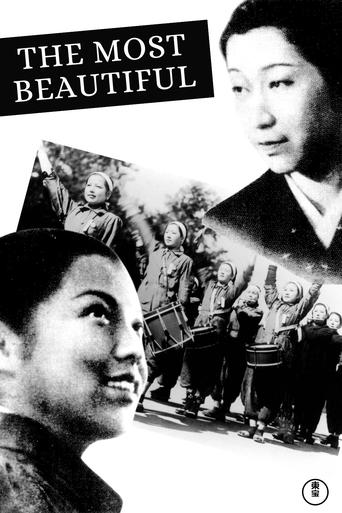
Young women at a precision optics factory in wartime Japan push to exceed production quotas, enduring illness, injury, and personal hardship to “serve the country.” Led by Tsuru Watanabe, they fight fatigue and setbacks to keep their line moving—even when duty collides with grief.
The Most Beautiful
1944
 7.1
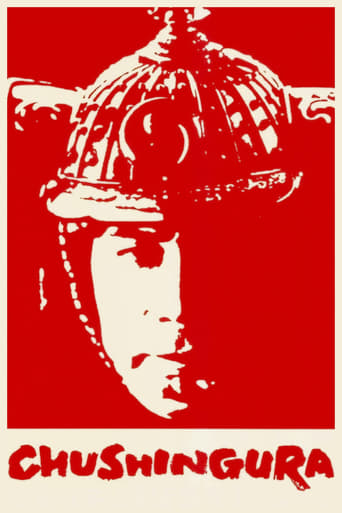
After their lord is tricked into committing ritual suicide, forty-seven samurai warriors await the chance to avenge their master and reclaim their honor.
Chûshingura
1962
 7.2
A group of rank-and-file soldiers are jailed for crimes against humanity, themselves victims of a nation refusing to bear its burdens as a whole.
The Thick-Walled Room
1956
 8.0
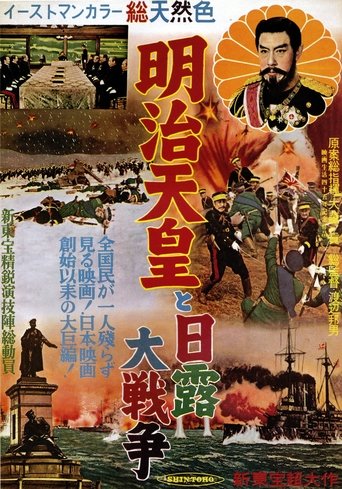
Meiji Tenno portrays the buildup to the Russo-Japan War. In addition to showing the political events that led to war, it also shows the era from the story of a farm family in rural Japan that sends their son off to war. As such, it could be considered an anti-war movie, showing how, while war is devised by governments, the people do not really understand what war is, and its combatants often do not know what they are fighting for.
Emperor Meiji and the Great Russo-Japanese War
1957
 7.4
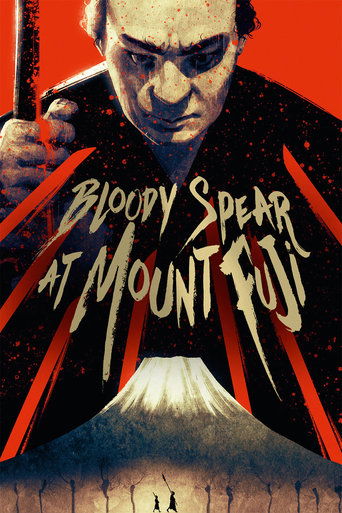
Tragicomic road movie set during the Edo period. It follows a samurai, his two servants – including spear-carrier Genpachi – and the various people they meet on their journey, including a policeman in pursuit of a thief, a young child and a woman who is to be sold into prostitution.
Bloody Spear at Mount Fuji
1955
 NR
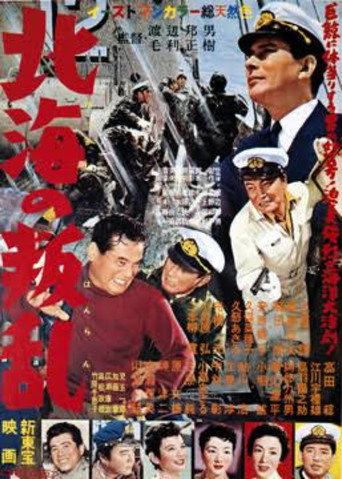
A maritime action drama set aboard a whaling ship rocked by a labor-management conflict. Shintoho's second color feature.
Mutiny in the North Sea
1956
Film credits
1960s · 3 titles
7.1After their lord is tricked into committing ritual suicide, forty-seven samurai warriors await the chance to avenge their master and reclaim their honor.
Chûshingura
1962
 9.0
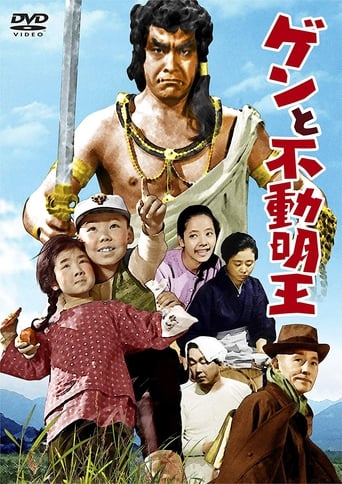
Gen is a lonely orphan boy. His sole sense of companionship comes from an imaginary friend, the god Prince Fudo-Myo. Prince Fudo-Myo comes to the boy's rescue in times of difficulty.
The Youth and His Amulet
1961
 8.5
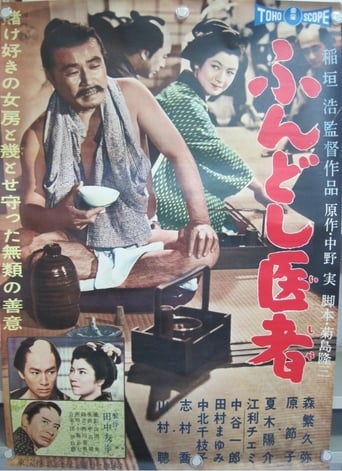
A skilled country doctor's talents are such that he can even perform operations as difficult and novel as removing a patient's kidney for the first time in Japan. Unfortunately for him, however, his wife's addiction to gambling is of such a magnitude that he is down to selling his underwear to make money. The image sticks and he becomes known as the 'underwear doctor.' On the other hand, his successful surgery's patient is so grateful he himself wants to become a physician.
Life of a Country Doctor
1960
1950s · 33 titles
7.2A group of rank-and-file soldiers are jailed for crimes against humanity, themselves victims of a nation refusing to bear its burdens as a whole.
The Thick-Walled Room
1956
8.0Meiji Tenno portrays the buildup to the Russo-Japan War. In addition to showing the political events that led to war, it also shows the era from the story of a farm family in rural Japan that sends their son off to war. As such, it could be considered an anti-war movie, showing how, while war is devised by governments, the people do not really understand what war is, and its combatants often do not know what they are fighting for.
Emperor Meiji and the Great Russo-Japanese War
1957
7.4Tragicomic road movie set during the Edo period. It follows a samurai, his two servants – including spear-carrier Genpachi – and the various people they meet on their journey, including a policeman in pursuit of a thief, a young child and a woman who is to be sold into prostitution.
Bloody Spear at Mount Fuji
1955
NRA maritime action drama set aboard a whaling ship rocked by a labor-management conflict. Shintoho's second color feature.
Mutiny in the North Sea
1956
 NR
No synopsis available yet.
My Six Favorite Men — Speedy Men
1954
 NR
No synopsis available yet.
Gendai no yokubô
1956
 7.5
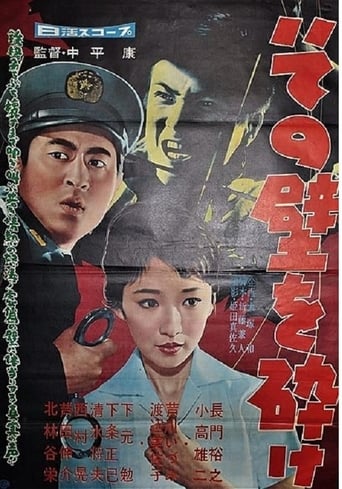
A man is wrongfully accused of murder.
Break Down that Wall
1959
 6.0
Former boxer Daishiro lost his wife, and his only son, Kaoru, went missing, it was a heavy blow for Daishiro. One day, Daishiro got a call from his relative Morihiko. He said he forgot the winning lottery ticket of 2 million yen at the hotel, so he wants Daishiro to go and pick it up. Morihiko used the hotel for secret meetings, so he said he couldn't go there himself because he was afraid it would become public. When Daishiro entered the hotel, the Yakuza, who learned about the lottery from the newspaper, threaten the hotel maid Noriko, and want to rob her. Daishiro helps Noriko and safely picks up the lottery, but a message arrives from his relative Seikichi from Osaka. His missing son Kaoru is said to be a boxer in Osaka. "My son... He has the blood of a boxer in him..." Daishiro is heading to Osaka in a hurry...
The Man Who Wagers Tomorrow
1958
 NR
Comedy-horror film by Masaki Môri.
Kuronekokan ni Kieta Otoko
1956
 8.0
While in vacation in a sea side house, a young man fall in love with a beautiful woman who pretends to live by herself in the sea. The fishermen of a nearby village think she is a monster, the female of a shark killed many years before, responsible for many disappearances.
Woman from the Sea
1959
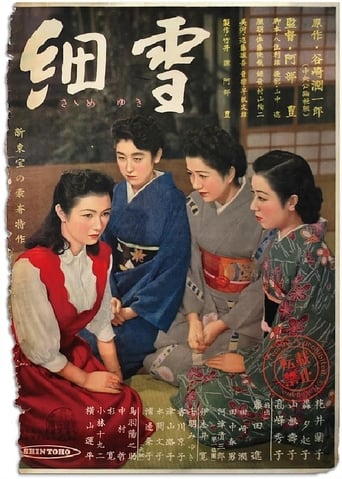 7.5
No synopsis available yet.
Snow-Flake
1950
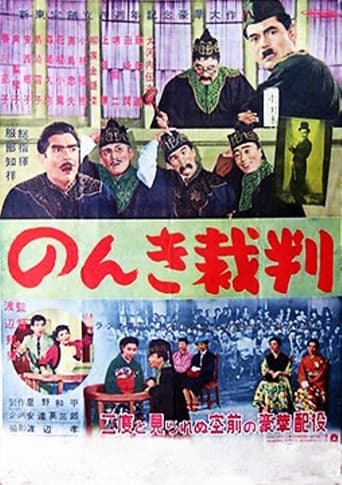 NR
A spectacular comedy with a star-studded cast that depicts unusual trials and unexpected verdicts regarding the five deadly sins: the crime of beauty, the crime of a terrifying wife, the crime of taking the wrong course, the crime of seducing, and the crime of killing with laughter.
Nonki saiban
1955
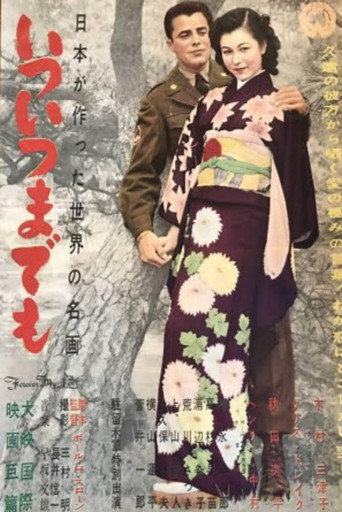 NR
American Sergeant falls in love with a Japanese woman.
Forever My Love
1952
Set in a bustling 1950s parlor, a beautiful counter clerk falls for a wealthy businessman’s son, only to have their romance derailed by a ruthless loan shark and a mounting family debt. As the parlor faces ruin, the narrative weaves through slapstick antics, musical numbers by Enka legends, and surreal interviews with real-life cultural figures. A chaotic "blueprint" for the Pachinko subgenre, this musical dramedy captures the obsession and desperation of the silver balls.
Big Hit Pachinko Girl
1952
 9.0
No synopsis available yet.
The Sacrifice of the Human Torpedoes
1955
 6.3
Oiwa has been searching for the one who killed her father for a long time. She comes to Yedo and sees a man named Naosuke. The film is based on the kabuki classic: Toukaidou Yotsuya Kaidan (1826) written by Tsuruya Nanboku and is one of the most famous ghost stories throughout Japan.
The Ghosts of Yotsuya
1956
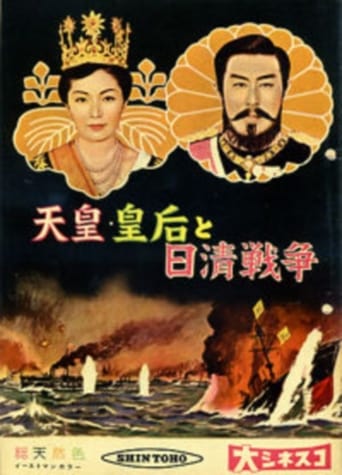 NR
No synopsis available yet.
Emperor & Empress Meiji and the Sino-Japanese War
1958
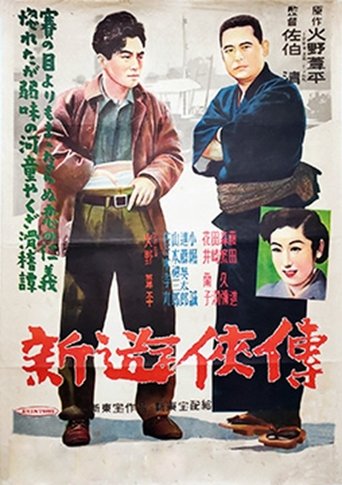 NR
No synopsis available yet.
新遊侠伝
1951
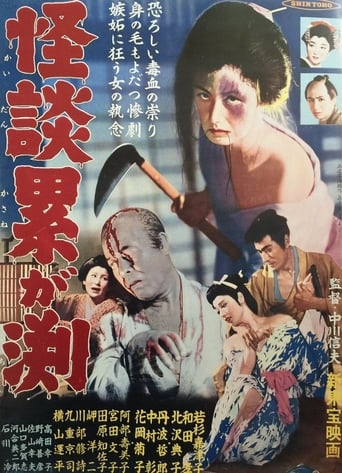 7.3
A blind masseur visits a samurai to request the return of a loan. The samurai kills him in anger, then has his servant dump the body in the Kasane swamp. However, the ghost of the masseur returns to haunt the samurai, who kills his wife by mistake and then goes to the swamp and drowns himself. 20 years later, the masseur's daughter unknowingly falls in love with the samurai's son who has been brought up to be a servant. After she is horribly disfigured in an accident, he plots to run away with another woman, but the path of their escape lies by the Kasane swamp...
The Ghost of Kasane
1957
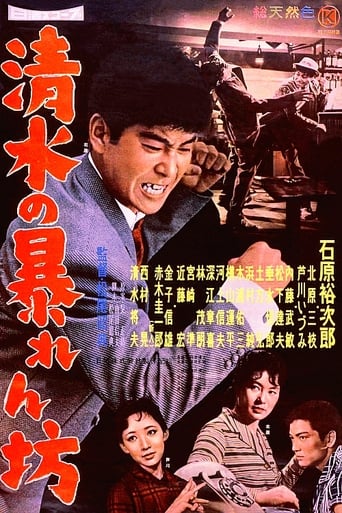 NR
Seven years ago, Ishimatsu Toshio, a talented radio producer at Zen Nihon Hōsō, witnessed a crazed drug addict murder his wife and then commit suicide, though Toshio was able to save the lives of their two children. Just transferred from Shimizu to Tokyo, Toshio hopes to produce a program that will expose the drug trade in Tokyo. One day, Toshio stops into a noodle shop where he is mistaken for a drug dealer and passed a bagful of drugs. The real dealer arrives in time to follow Toshio home. That night Toshio is attacked by the dealer, who turns out to be Kenji, one of the children Toshio had saved. Kenji can't bring himself to kill Toshio, so he runs away and goes into hiding from the mafia. While continuing to investigate the drug trade, Toshio searches for Kenji to get Kenji's testimony for his program.
The Wild Reporter
1959
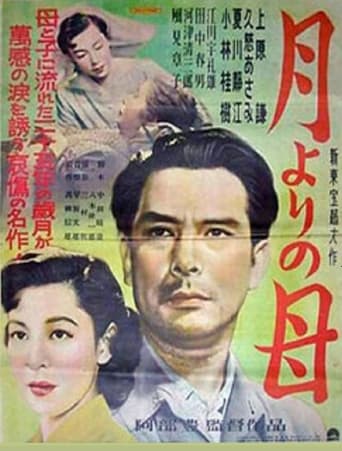 NR
Japanese drama film.
Tsuki yori no haha
1951
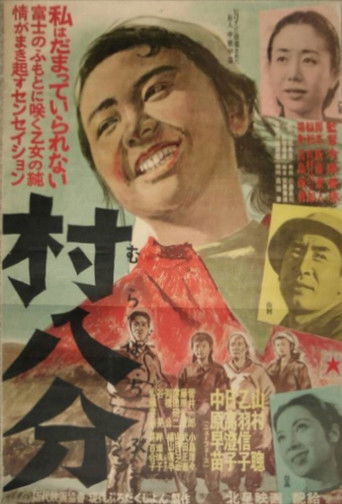 NR
A villager's family is ostracized after he makes an accusation of rigged elections
Murahachibu
1953
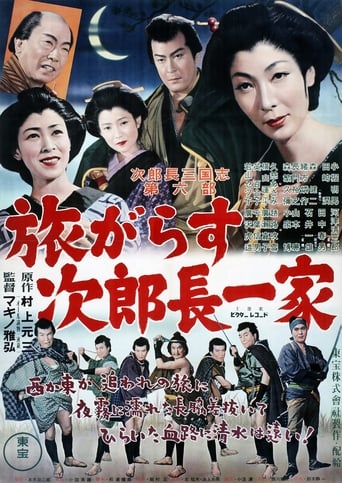 8.0
A wandering Jirocho stumbles upon his wife's possible murder and has other adventures while on the run.
Jirocho, the Hunted
1953
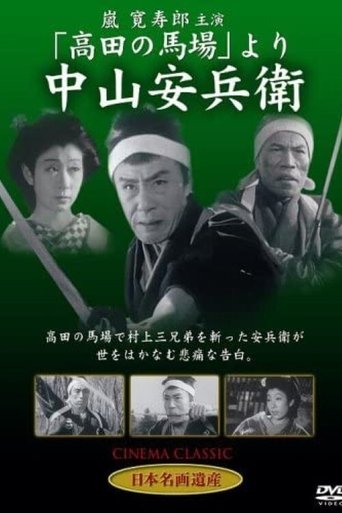 NR
Jidai-geki about the life of Yasubei Nakayama, a famous ronin who did participate in the revenge against Lord Kira Yoshinaka as detailed in Japan's famous epic Chushingura
Yasubei Nakayama
1951
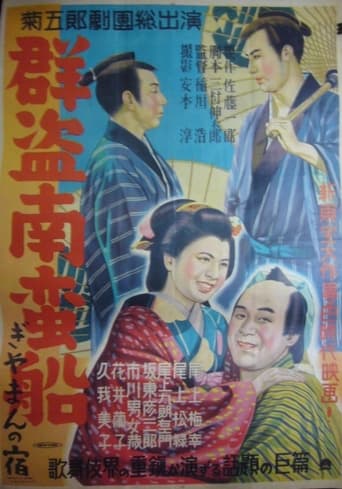 8.0
1950 Japanese movie
Guntō nanban-sen
1950
 NR
1957 Japanese movie
Sendō shimai
1957
 5.0
After mastering swordsmanship at the dojo of Chiba Shusaku, and unable to serve a clan due to his illness, Hirate Miki becomes a ronin who winds up as bodyguard to Shigezo of Sasagawa leading up to an epic battle.
Miki, the Swordman
1951
 6.2
Ryutaro is a spy employed by the shogun Tokugawa Iemitsu, who is the target of assassination attempts that aim to hand power over to his younger brother Tadanaga.
The Ceiling at Utsunomiya
1956
 NR
The story of the tender love between Junki, the son of a wealthy landowner, and Kayuki, the daughter of a forester, who decided to unite their destinies against their parents' wishes. Neither war nor years of separation could kill this love. It was only cut short by Kayuki's tragic death.
Zesshou
1958
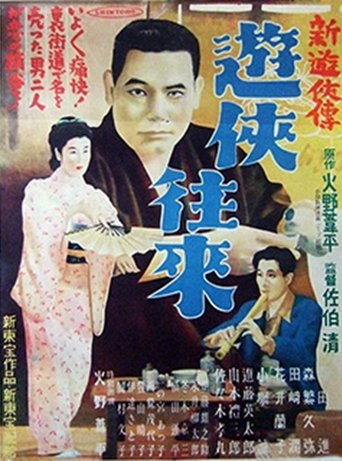 NR
No synopsis available yet.
新遊侠伝 遊侠往来
1951
Kusuo Abe stars in this kaidan.
Appeal on the Cross
1956
 NR
Movie version of NHK renzoku drama "Tokyo Romance"
Shigemori Goes To Tokyo
1954
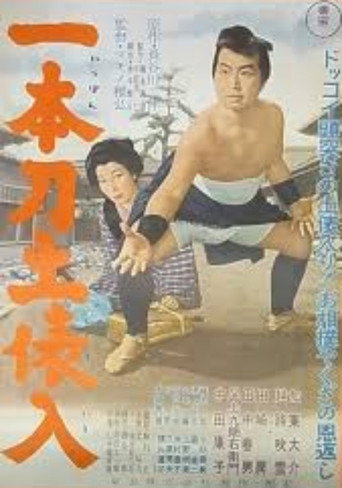 NR
No synopsis available yet.
The Ornery Entrance to the Sumo Ring with a Sword
1957
1940s · 13 titles
5.6Young women at a precision optics factory in wartime Japan push to exceed production quotas, enduring illness, injury, and personal hardship to “serve the country.” Led by Tsuru Watanabe, they fight fatigue and setbacks to keep their line moving—even when duty collides with grief.
The Most Beautiful
1944
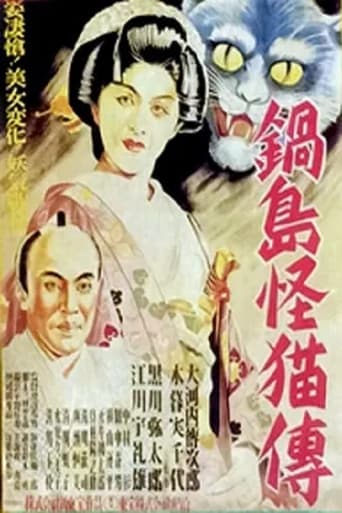 6.5
Tanuma Kandayuu is a high class samurai of the house of Nabeshima. He finds a lavish board of Go (a Chinese Board game) at Kinbei's store. He recommend Kinbei to offer it to his lord. Kinbei hesitates at first, since he knows the board has a mysterious legend surrounding it; it's believed that for every game played on the board, one death is required.
Ghost Cat of Nabeshima
1949
 10.0
With his simple appearance, eyes shining with love and a sense of justice, and voice burning with youthful passion, the eleven students felt unexpectedly in each other's hearts that "this teacher will surely be our confidant," and looked at each other and nodded their heads. This was the beginning of their collective affection for the new Ms. Shiono. The school for girls is a sacred place where the hearts of hundreds of innocent girls should ferment beautifully and freely for the day when they will become wives and mothers to come. How can we abandon them in such a state? Even after the nightmarish war was over, the nightmare remained at Shuei Girls' School.
Eleven High School Girls
1946
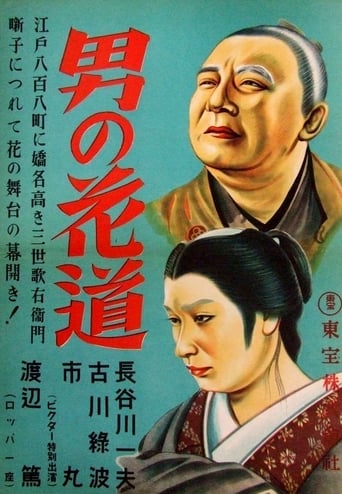 7.0
No synopsis available yet.
A Man's Flower Road of Triumph
1941
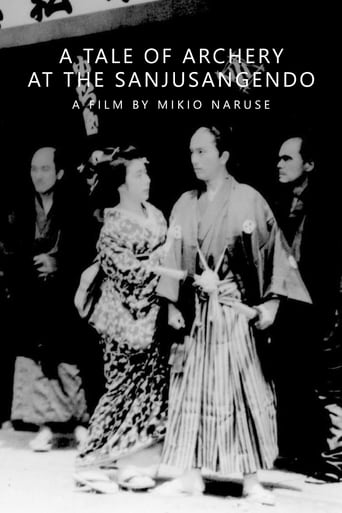 5.9
Young, timid bowmaster Kazuma seeks to beat the archery record set by Hoshino Kanzaemon, a mysterious figure who, it is rumoured, drove the previous champion—Kazuma’s father—to suicide. Possessed of much raw talent, Kazuma is very much a coward, holing up in an inn and generally avoiding confrontation. Despite his best attempts to remain clandestine, the locals know of Kazuma’s purpose and an attempt is made on his life. He's saved by Karatsu Kanbei, a samurai who offers to help Kazuma hone his archery skills, though it becomes clear that this apparently selfless stranger has potentially shady ulterior motives.
A Tale of Archery at the Sanjusangendo
1945
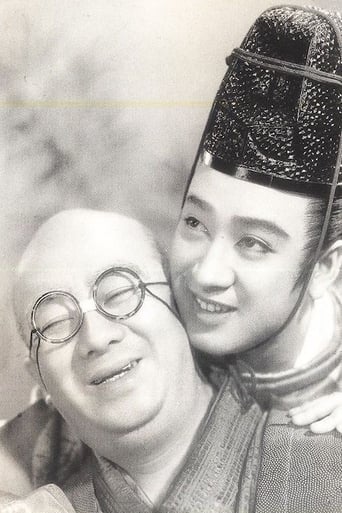 NR
A sentimental tale of the filial love between shogun Iemitsu (matinee idol Hasegawa) and his loyal old retainer Hikoza (comedian Roppa, playing somewhat against type).
Iemitsu and Hikoza
1941
 7.0
No synopsis available yet.
Sagohei the Three-footer
1944
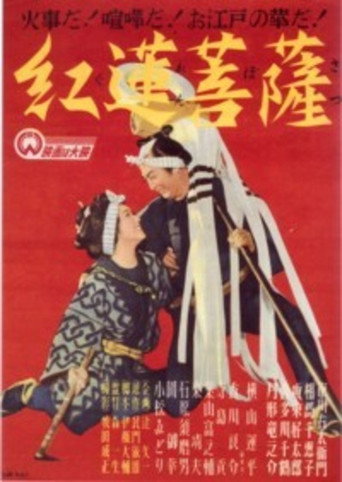 NR
Set against the backdrop of the Great Fire of Edo, this story depicts the conflict between the town fire brigades and the daimyo’s fire brigades.
Guren bosatsu
1949
 8.0
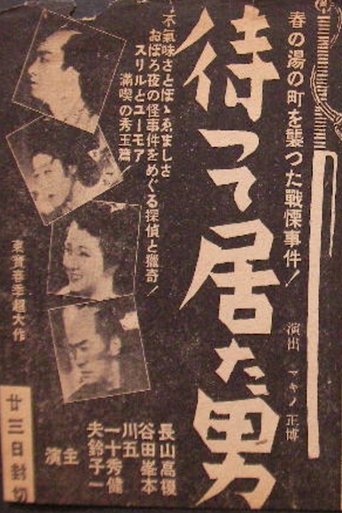
A bizarre murder at a hot springs resort threatens to disrupt an Edo detective's (Hasegawa) vacation. When his hot-blooded wife (Yamada) starts snooping around, however, he finds himself reluctantly drawn in to the case.
The Man Who Waited
1942
 NR
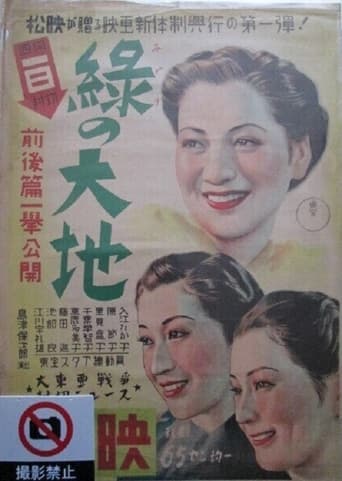
Set in Qingdao, China, a Japanese company locates an office there and begins work and cooperation with a local Chinese company for business. Many Japanese engineers also move to China, with their families, for the company in order to construct a canal. There are young Chinese resisting the Japanese in this area.
Green Earth
1942
 7.0
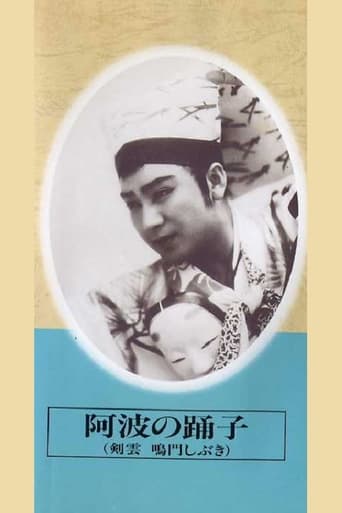
Jurobei, a kaisen tonya (wholesaler in port) in Awa, was wronged and killed on the day of the Dance Festival by the evil merchant & the chamberlin. His brother (Kazuo Hasegawa) vowed vengeance on the day of his brother's death. So every year the villains are worried during the Awa Dance Festival (which is part of the Obon festival), but nothing has ever happened, until seven years later...
Dancers of Awa
1941
 8.0
Jidaigeki from 1940
Flowers Blooming In the Storm
1940
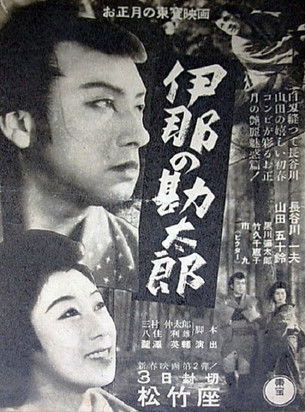 NR
War-time jidaigeki by Eisuke Takizawa.
Kantaro of Ina
1943
1930s · 10 titles
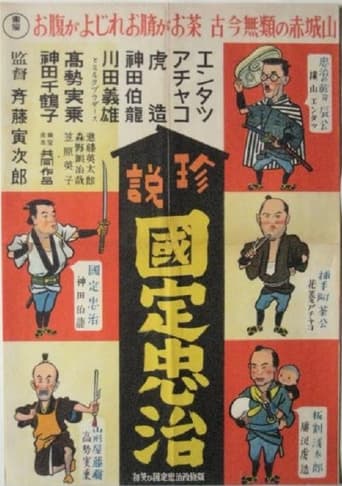 NR
No synopsis available yet.
Entatsu, Achako and Torazo: Chuji Kunisada's First Smile of the New Year
1939
The sequel to the 1935 film Great Bodhisattva Pass
Great Bodhisattva Pass 2
1936
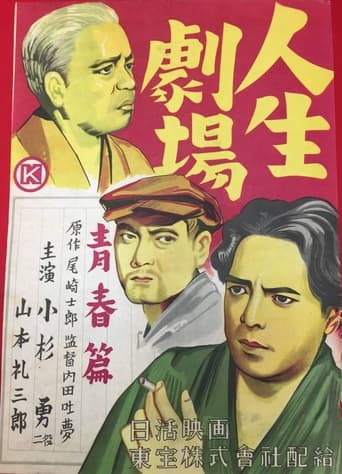 10.0
During the 20s in Japan, a romantic student at Tokyo's Waseda University is filled with noble sentiments absorbed from literature but his naive illusions will be shattered by the ruthless realities of money and power.
Theater of Life: Youth Version
1936
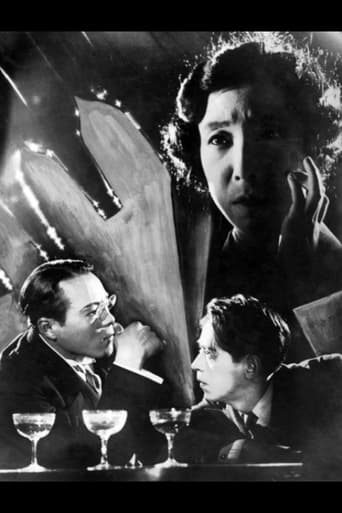 9.0
Directed by Kenji Mizoguchi. Released in 2 parts. His only release of 1931. Considered a lost film.
And Yet They Go On
1931
Song of the White Orchid was a co-production of Toho and Mantetsu, the railway that served the colonial region of Manchuria, and the first film in the Kazuo Hasegawa/Shirley Yamaguchi (Ri Koran) “Continental Trilogy.” Handsome Hasegawa (representing Japan) runs up against an impertinent Yamaguchi (representing the continent); not surprisingly, in the course of the film the woman comes around and realizes the benevolent intentions of the Japanese. In Song of the White Orchid Yamaguchi leaves Hasegawa, who plays an expatriate working for the railway, because of a misunderstanding. She joins a communist guerilla group plotting to blow up the Manchurian railway. Learning of the subterfuge that led to the misunderstanding, she renews her faith in Hasegawa—and by extension Japan—and tries to undermine the plot.
Song of the White Orchid
1939
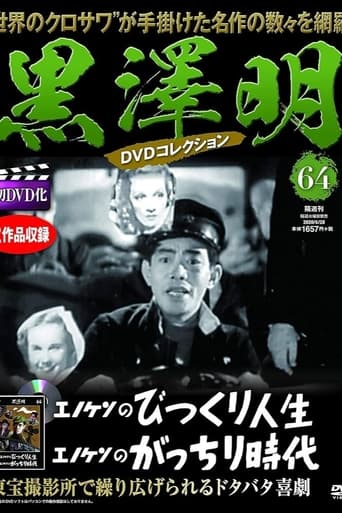 9.0
No synopsis available yet.
Enoken’s Shrewd Period
1939
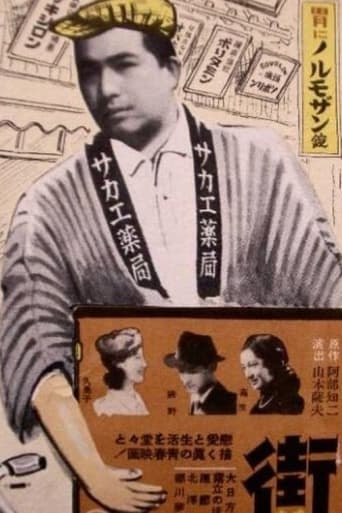 NR
No synopsis available yet.
The Town
1939
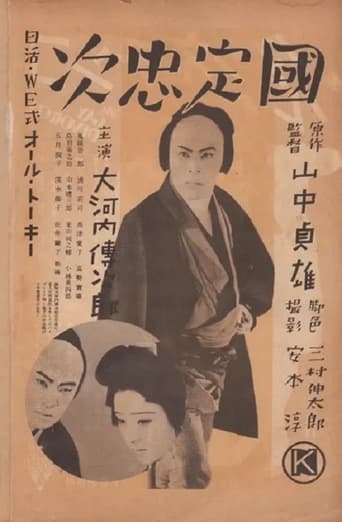 NR
Japanese historical film. Considered Lost.
Kunisada Chūji
1935
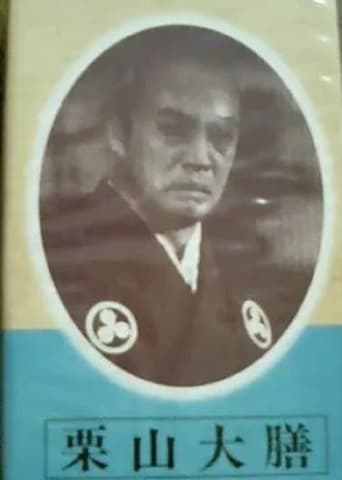 NR
Prewar jidaigeki starring Denjiro Okochi
Kuriyama Daizen
1936
 7.0
No synopsis available yet.
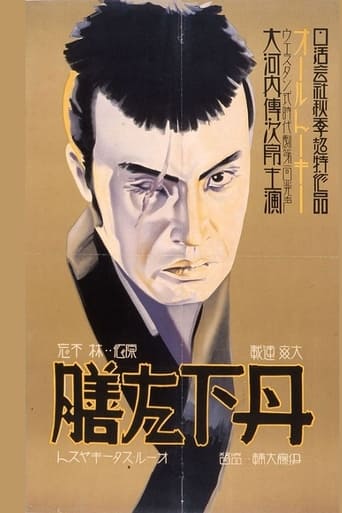
Tange Sazen - Dai-ippen
1933