
Known for
 9.0
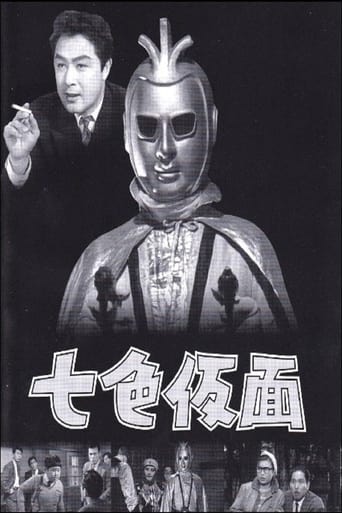
9.0Seven Color Mask (七色仮面, Nanairo Kamen) is the name and title character of a tokusatsu TV series, later called New Seven Color Mask (新七色仮面, Shin Nanairo Kamen). It was created by Kōhan Kawauchi, who also created Moonlight Mask. This B&W TV show was the first superhero TV series by Toei Company Ltd. It was broadcast on NET (now TV Asahi) from June 3, 1959 to June 30, 1960, with a total of 57 episodes divided into 7 segments. Aside from being Toei's first TV superhero show, this series was also the debut of actor Sonny Chiba, who was 19 at the time, who took over the title role from Susumu Namijima after Episode 32.
Nanairo Kamen
1959
 5.9
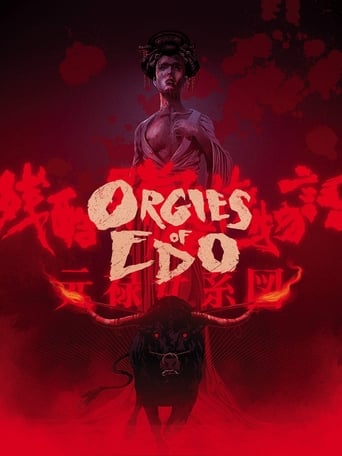
5.9Three stories of moral sickness set during Japan’s prosperous Genroku era are told in this bloody follow-up to the sexploitation classic Shogun’s Joy of Torture, the politically incorrect moral lessons paint a trio of tales of tragic heroines caught up in violence, sadomasochism, incest and torture.
Orgies of Edo
1969
 8.1
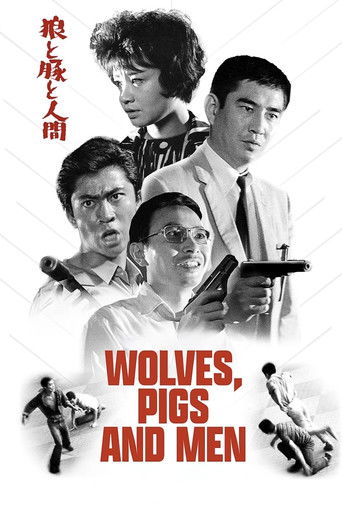
8.1Sabu and his pals hold a pauper's funeral for Sabu's mother. His brother Jiro arrives home, fresh out of jail, and Sabu pointedly states that Jiro is not invited. Jiro meanwhile is planning a big job - steal 40 million in cash and drugs, and he invites Sabu and gang to act as decoys, for 50,000 each. The sting is a success, but the double-crossing starts almost immediately. Sabu discovers how little of the take they were promised and hides the stash. Jiro and his slimy partner pressure the kids to fess up. Meanwhile, their respectable elder brother Ichiro is being leaned on by the town's big boss, whose money it was.
Wolves, Pigs & Men
1964
 7.2
7.2Discover 4 famous Japanese murderers: Takahashi Oden, the last woman beheaded in Japan, Sada Abe, a crazy lover, Kunihiko Kodaira, a rapist-killer and finally, the Toyokaku case, a woman who did everything to own a hotel.
Love and Crime
1969
 3.1
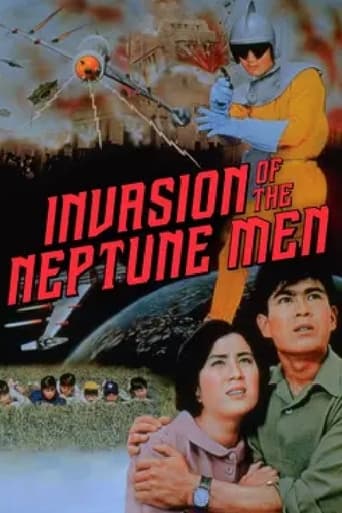
3.1Astronomer Shinichi Tachibana has a secret identity as the superhero "Iron Sharp" and is well beloved by children. When they are attacked by a group of metallic aliens, Iron Sharp drives the aliens away. The resourceful Tachibana helps develop an electric barrier to block the aliens from coming to the Earth. After several losses by the aliens, they announce that they will invade the Earth, throwing the world into a state of panic.
Invasion of the Neptune Men
1961
 8.0
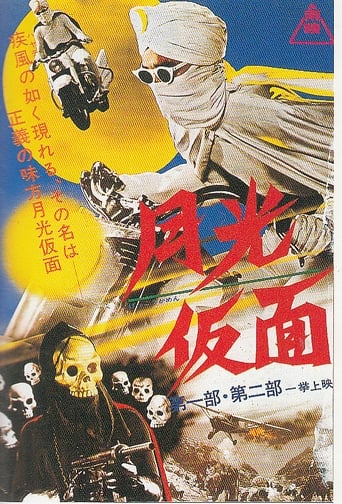
8.0First Moonlight Mask theatrical film.
Moonlight Mask
1958
Film credits
1970s · 6 titles
 5.8
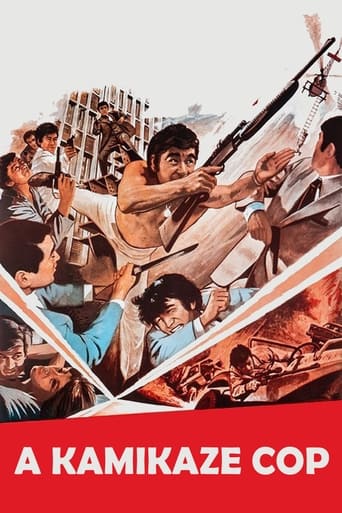
5.8An undercover cop befriends a yakuza underling who through his contacts helps him infiltrate two rival Yakuza gangs. He pits the two rival gangs against each other in hopes that they will cross each other out.
A Kamikaze Cop
1970
 7.1
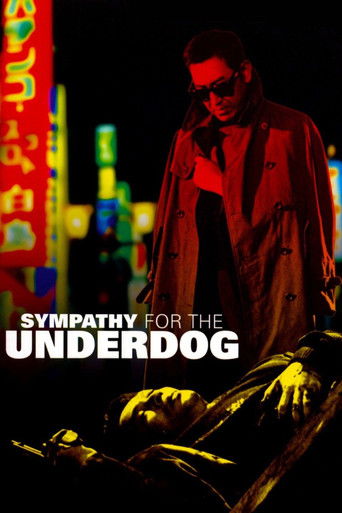
7.1A yakuza gang gets driven out of Yokohama by a big gang from Tokyo. They relocate to Okinawa to violently start over.
Sympathy for the Underdog
1971
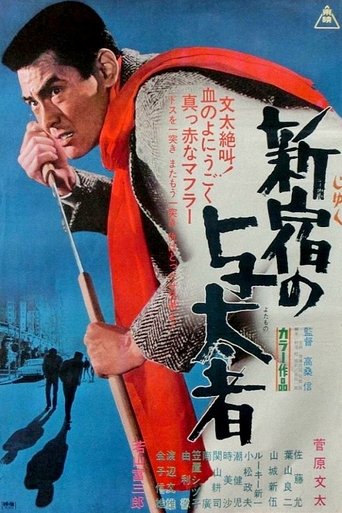 9.0
9.0Fresh out of jail, a smart-mouth wise guy Goro takes the name “Big Brother Katsumata.” Not fitting in well with established gangs, he forms a rag-tag gang called “the Shinjuku Brothers.” The members of their gang are thugs who only wish they were traditional yakuza. When they turn up at the funeral for a gangster, they are not welcomed, but a senior boss intervenes to keep things calm. The boss of bosses invites them to join a respected local council of warlords. Katsumata is suspicious of why such powerful men would extend an invitation to lowlife like himself.
Thugs of Shinjuku
1970
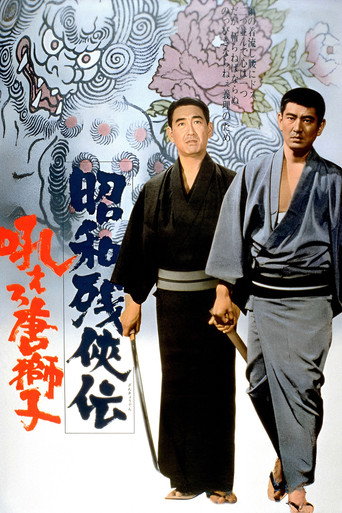 7.5
7.5The story of a lone wolf struggling with human compassion and duty.
Contemporary Tales of Chivalry: Forbidden Love
1971
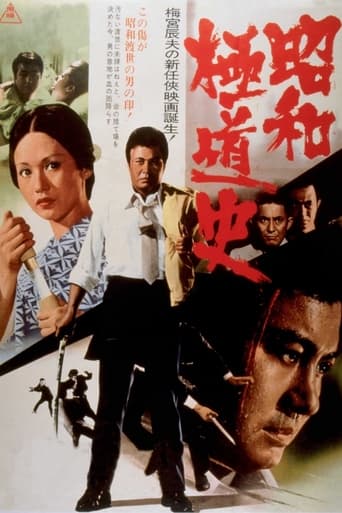 NR
NRNo synopsis available yet.
Shōwa Gokudōshi
1972
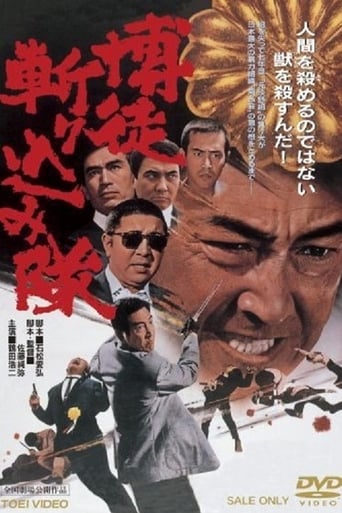 8.5
8.5Aiba is a gang boss who has just got out of jail, and finds everything has changed. His old gang has broken up, and only a few people still respect him. So he becomes a consultant to another gang who are about to be clobbered by a much larger gang moving in from out of town. Aiba proves a crafty tactician, and does very well at playing gangs off against each other in order to save the smaller gang. His advice is not always taken by those he tries to help, but he is generally proved right.
The Gambler's Counterattack
1971
1960s · 48 titles
5.9Three stories of moral sickness set during Japan’s prosperous Genroku era are told in this bloody follow-up to the sexploitation classic Shogun’s Joy of Torture, the politically incorrect moral lessons paint a trio of tales of tragic heroines caught up in violence, sadomasochism, incest and torture.
Orgies of Edo
1969
8.1Sabu and his pals hold a pauper's funeral for Sabu's mother. His brother Jiro arrives home, fresh out of jail, and Sabu pointedly states that Jiro is not invited. Jiro meanwhile is planning a big job - steal 40 million in cash and drugs, and he invites Sabu and gang to act as decoys, for 50,000 each. The sting is a success, but the double-crossing starts almost immediately. Sabu discovers how little of the take they were promised and hides the stash. Jiro and his slimy partner pressure the kids to fess up. Meanwhile, their respectable elder brother Ichiro is being leaned on by the town's big boss, whose money it was.
Wolves, Pigs & Men
1964
7.2Discover 4 famous Japanese murderers: Takahashi Oden, the last woman beheaded in Japan, Sada Abe, a crazy lover, Kunihiko Kodaira, a rapist-killer and finally, the Toyokaku case, a woman who did everything to own a hotel.
Love and Crime
1969
3.1Astronomer Shinichi Tachibana has a secret identity as the superhero "Iron Sharp" and is well beloved by children. When they are attacked by a group of metallic aliens, Iron Sharp drives the aliens away. The resourceful Tachibana helps develop an electric barrier to block the aliens from coming to the Earth. After several losses by the aliens, they announce that they will invade the Earth, throwing the world into a state of panic.
Invasion of the Neptune Men
1961
 7.0
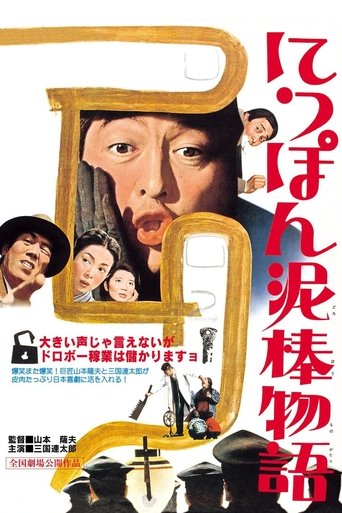
7.0Gisuke Hayashida is an illegal dentist during the day and a burglar by night. One night during a burglary he witnesses a train derailment. Some communists are found guilty of causing the incident, but he knows it wasn't them. He can save innocent people but for that he must confess his own crime.
Tale of Japanese Burglars
1965
 7.3
7.3Three robbers escape with loot from a heist before one of them kills the others. Their corpses wash up near the aftermath of a maritime calamity, provoking a policeman's interest.
A Fugitive from the Past
1965
 7.4
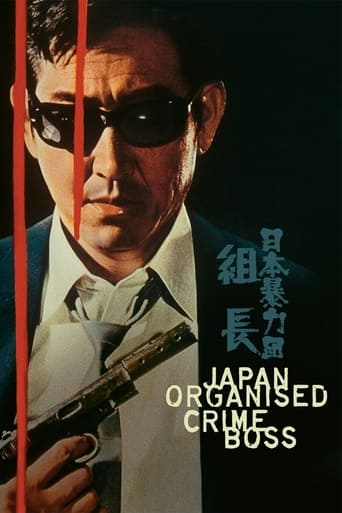
7.4Coming out of jail and hoping for a quiet life, Yokohama yakuza has to take the lead of his gang after the death of his boss. His small group is is taken in a crossfire between a big yakuza group from Osaka at war with the Tokyo alliance for the control of the city. He tries to keep to the old yakuza code but he is no match for the new thugs who live and fight without honor.
Japan Organized Crime Boss
1969
 7.2
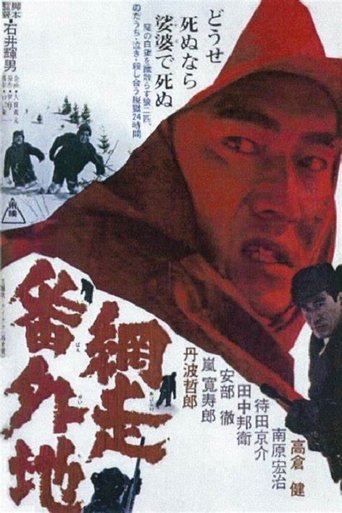
7.2Abashiri Prison is located in the coldest place in Japan. Two men, handcuffed together have escaped from the prison, one a yakuza, the other a petty criminal, and although they hate each other they must work together if they are to evade capture in this harshest of climates.
Abashiri Prison
1965
 7.5
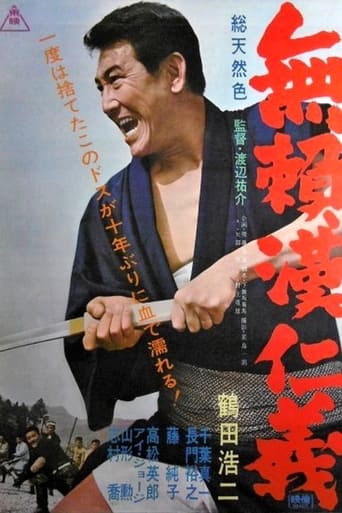
7.5Because of trickery, the Jinya Group has only seven days to complete a mountain road project or it will forfeit a major dam construction job to the scheming Ojika Group.
Code of Ruffians
1965
 6.3
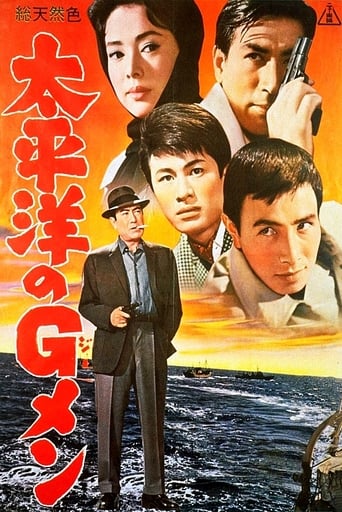
6.3G-men challenge a jewelry smuggling ring. The chase starts in Kyushu and continues to Kobe to Yokohama.
G-Men in the Pacific
1962
 7.3
7.3The third chapter of the ‘Red Peony Gambler’ saga depicts the happiness and sadness of Red Peony Oryu’s life as she seals her femininity with a red peony tattoo and lives in world of chivalry and honor of the yakuza. This story takes place in the middle of the Meiji era in Nagoya. Oryu is wandering the country, training herself to reinstate her family name. With a written recommendation from Kumatora, she appears at the door of the Nishinomaru family. At the same time, the family is preparing for the gambling competition at the Netsuda Shrine Festival, which they have been hosting for generations. Meanwhile, the crooked Kinbara family is plotting to take over the competition. And now Oryu is forced to get involved in the struggle…
Red Peony Gambler: Flower Cards Game
1969
 6.1
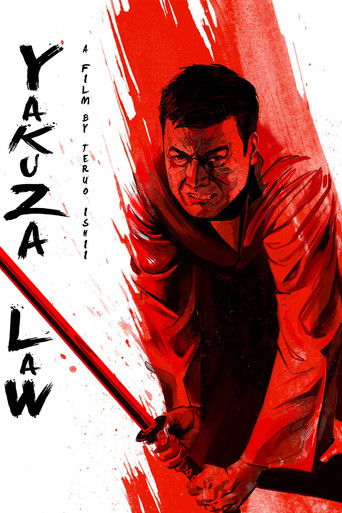
6.1A story of yakuza lynching during the Edo, Meiji, and Showa periods.
Yakuza Law
1969
 5.7
5.7After escaping from an insane asylum, a medical student assumes the identity of a mysterious dead man, who appears to be his doppelganger, and gets lured to a sinister island ruled by a mad scientist and his malformed men.
Horrors of Malformed Men
1969
 6.5
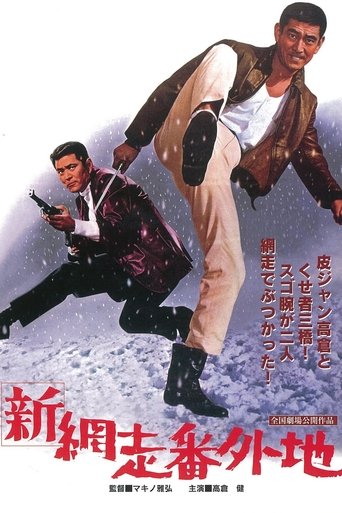
6.5Former soldier, Suehiro Katsuji, fights violent gangs and powerful Chinese merchants during the post-war period in Japan.
New Prison Walls of Abashiri
1968
 8.0
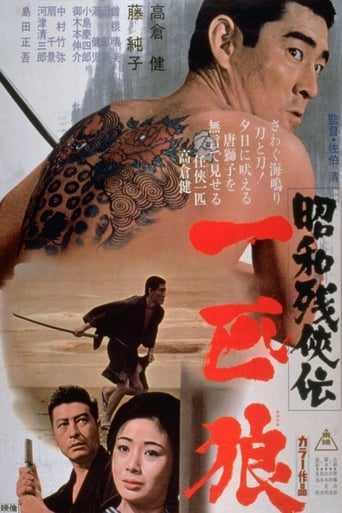
8.0The karashi Botan returns in the third chapter of the incredible Showa Zankoden series. This time legendary actor Ken Takakura plays Takei Shigejiro of the Shimazu family. When the boss of the Shimazu is killed, Shigejiro takes revenge and is sent to jail. Upon his release, he meets the dying widow of one of hid followers and takes her to her father, Boss Shiomasa, who take him into his family. But when Shiomasa is killed by an old enemy, Shigejiro is obligated to take revenge...
Contemporary Tales of Chivalry: The Lone Wolf
1966
 6.0
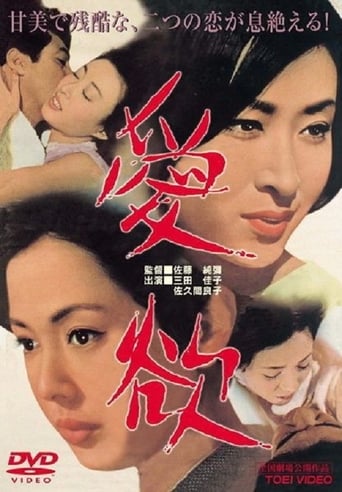
6.0Natsuko, a Tokyo bar proprietress, and Yuki, a Kyoto Ryokan owner, vie for the affections of an advertising professional.
Thirst for Love
1966
 NR
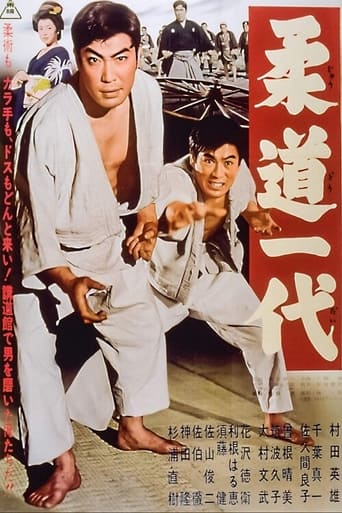
NRSonny Chiba's first martial arts film, a partially fictionalized judo biopic based on prominent judoka Shiro Saigo (Chiba), the second student of judo founder Jigoro Kano (Naoki Sugiura). Akira Kurosawa’s Sanshiro Sugata is based on the same character and shares some scenes, but Judo for Life focuses more on the martial arts philosophy and training, including scenes depicting how the protagonist learned his famous cat-like landing, coined the term judo, and trained with Tsunejiro Tomita (Hideo Murata). There’s also a slight yakuza film influence. The port street ambush scene is found in both films, but in Judo for Life it’s not Kano but a travelling yakuza that jumps out of the rickshaw. Entertaining and beautifully old fashioned, one does however with there were more shades of gray between good and evil, and a stronger ninkyo-like moral / honour conflict.
Judo Life
1963
 NR
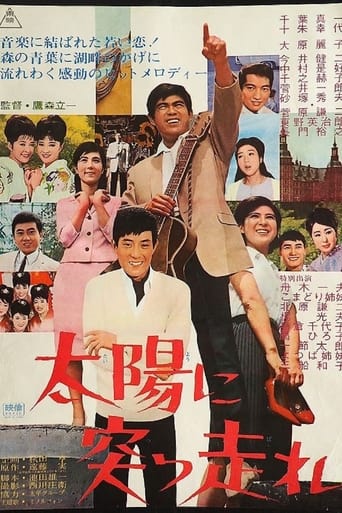
NRA song drama based on the autobiographical song "The sun is laughing" by composer Endo Minoru. It tells the story of a young man who moves to Tokyo with a big dream of becoming a composer, and despite the unfamiliar city life, sticks to his original intentions with the gentle encouragement of his young wife, and takes the music world by storm.
Dash to the Sun
1966
 6.0
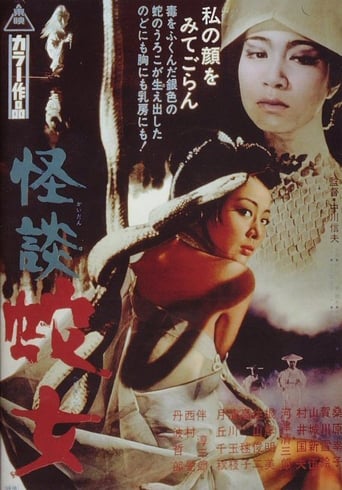
6.0An old man dies of heartbreak when a cruel landlord is about to repossess his land. The old man haunts the landlord from the grave. Since the man died in debt, his wife and daughter are indentured servants and are forced to work in the landlord's factory.
Snake Woman's Curse
1968
 7.4
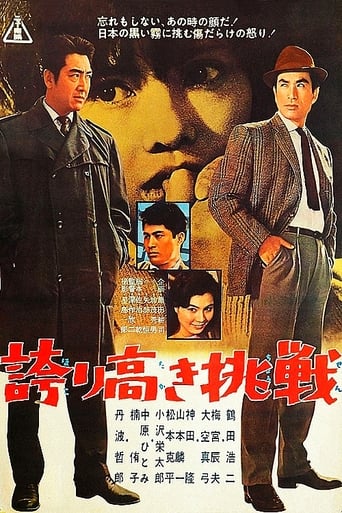
7.4Journalist Kuroki is investigating clandestine arms sales to Southeast Asia. He discovers that the point man in an arms trade was also involved in the cover-up of a murder on an American base during the Allied Occupation. The film rolls along as a suspenseful thriller while offering a critique of political corruption, hypocrisy, and journalistic cowardice in postwar Japan.
The Challenge
1962
 7.4
7.4After World War II, their town was a pile of rubble. Gennosuke, the second generation boss of the Kamizu Group was upholding yakuza chivalry by keeping black-market and illegal items out of their open-air market. Taking advantage of the mess, Iwasa and his gang take hold of goods from the US military, black-market and controlled items in order to become the most powerful group in Enko area.
Brutal Tales of Chivalry
1965
 7.5
7.5No synopsis available yet.
Organized Violence II
1967
 8.0
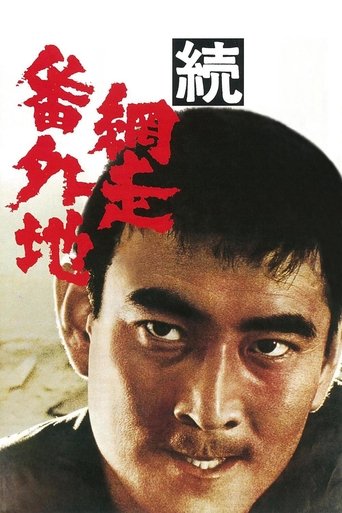
8.0Two convicts just released from prison find a green bauble filled with diamonds — and try to prove they didn't steal it.
Prison Walls of Abashiri, Part 2
1965
 NR
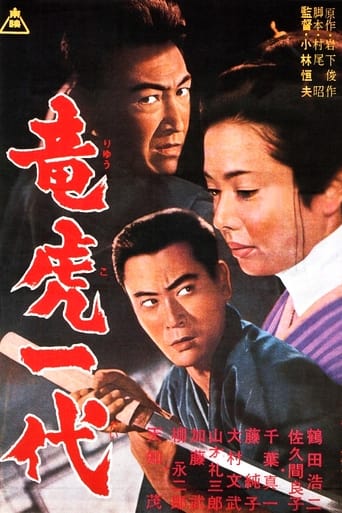
NRAn early ninkyo film from before the genre had truly established its form. Koji Tsuruta plays an honourable outlaw who saves an older man from an ambush. It turns out the man is the head of a hard working clan appointed to a railway construction project. A ruthless yakuza gang is also trying to get their share of the project and attempts to sabotage the work. After the old man dies, his son (Sonny Chiba) and daughter (Junko Fuji) try to complete the project. Tsuruta joins them while also falling in love with a local woman working in a bar (after all, Tsuruta always was more of a lover than his stoic colleague Takakura).
Two Lives, Two Yakuza
1964
 NR
NRA crime film released in 1965
The Hoodlum Brothers
1965
 NR
NRThird part in Tadashi Sawashima's Theater of Life trilogy.
Life of Hishakaku 3
1964
 8.0
8.0The three henchmen join forces to challenge the brutal gang that is trying to control the city of Izu in Shizuoka during the early Showa period. Representatives of three different yakuza gangs - Tatsuo Umemiya, Tomisaburo Wakayama and Koji Tsuruta celebrate male friendship and male chivalry in action.
Henchmen
1968
 7.0
7.0The son of a prominent member of a fishing community returns home after a stint with the yakuza to find his father has died under orders of a local gang leader. He sets out to avenge his father, keeping his plans secret from his mother who is cold to him since his perceived abandonment of the family. This wonderful, if little-seen, Fukasaku gem deals with family, community and what it means to do right by both.
Rampaging Dragon of the North
1966
 7.0
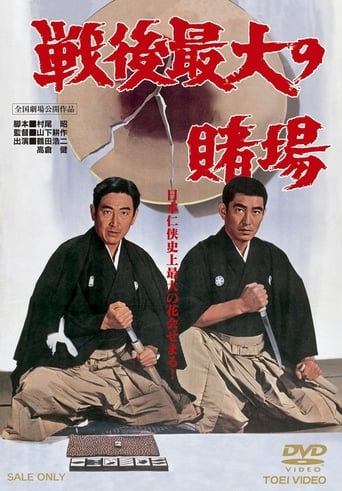
7.0When Honjo is selected as Kansai district's chairman, Iwasa of the rival gang asks Itsuki to do everything possible to have Honjo step down, which puts Itsuki between a rock and a hard place.
The Biggest Gamble
1969
 6.5
6.5Shinichi “Sonny” Chiba returns as the reckless son of a private detective takes on the case of a minor league baseball pitcher who disappears right before signing a contract into the major leagues. Meanwhile, the body of an orthopedist is discovered in the river.
Man with a Funky Hat: The 20,000,000 Yen Arm
1961
 7.7
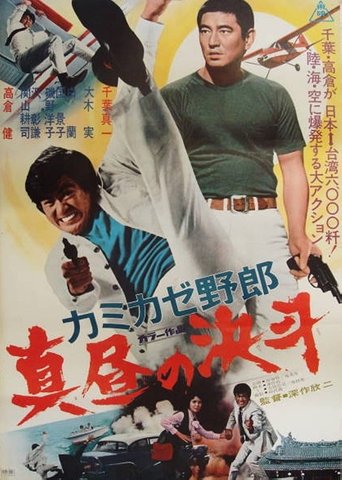
7.7Pilot Mitarai Ken is mistaken for a murder suspect after a dying man leaves his name. Sent to fly to Taipei with journalist Xiang-lan, he discovers a corpse on board and killers waiting at Songshan Airport. Co-produced by Ninjin Productions and Taiwan's Kuo Kuang Motion Picture Company, the film turns planes, cars, streets, and nightclubs into the machinery of a transregional thriller. Bai Lan shifts from her familiar tragic persona to an active reporter in a Japanese–Taiwanese genre production.
The Kamikaze Guy
1966
 NR
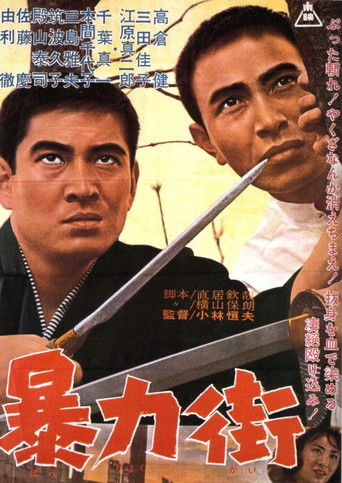
NR1963 Toei film
Violent Street
1963
 NR
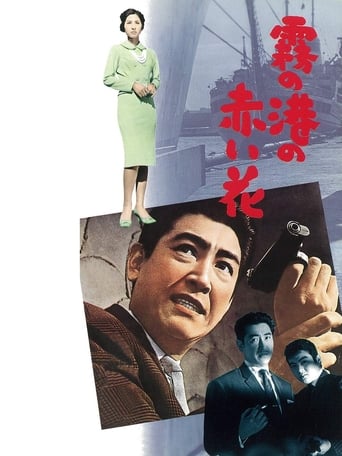
NRA bittersweet love story between yakuza Hiroshi and a married woman Reiko.
Love at the Fogged Harbor
1962
 NR
NRMovie adaptation of the TV series.
A Charming Devil
1965
 8.0
8.0Forth film in the Gokudo series with Tomisaburô Wakayama
The Yakuza Awaits
1969
 7.0
7.0After losing all his money, Kizuka Keita, a seller on the black market, is trying to commit suicide. But he is saved by Morigen, a broker on the azuki beans market. A young man tries to regain his wealth in the bean market.
Red Diamond
1964
 6.0
6.0A story about the lives of four sisters and their manipulative mother who must come to terms with each of their decisions in life.
Four Sisters
1962
 6.2
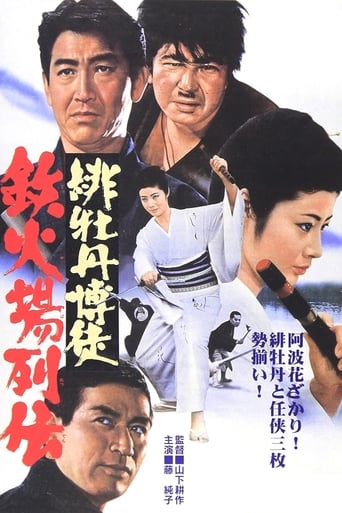
6.2Oryu the Red Peony, a wandering female yakuza on a soul-searching journey after the death of her father. After collecting her sickly follower from jail, she is taken in by a fishing village. Feeling indebted to their generosity, she stays to work for the village and promises to leave her yakuza ways behind. When a dispute breaks out for the gambling rights to a local festival, the villagers are harassed by a gang of thugs. When the harassment turns violent, Oryu must decide wither to keep her promise or protect the villagers.
Red Peony Gambler: Biographies of a Gambling Room
1969
 7.0
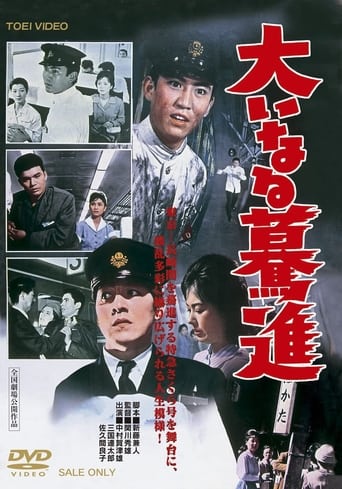
7.0A human drama of crew and passengers on a special express train named “Sakura” from Tokyo to Nagasaki...
Devotion to Railway
1960
 5.0
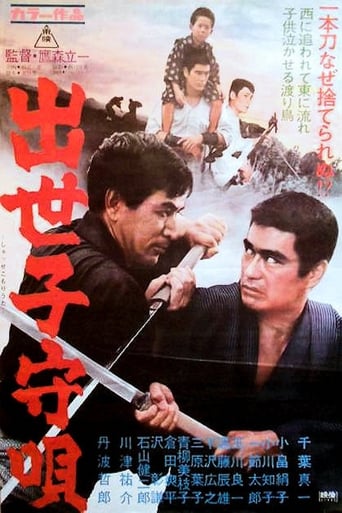
5.0Bungo, fulfilling his duty as a yakuza, kills a man from a rival gang. Since then, he has escaped the clan's vengeance by staying on the road with his son Kenichi. Tired of running, the two settle in a mountain town. Bungo finds work as a lumberjack for the Iwasaki family and Kenichi becomes a student at the local elementary school. Regrettably, their good fortune doesn't last. The yakuza boss, Tomitaka, wants control of the town's lumber and is willing to destroy the Iwasaki to get it. Natsue, Kenichi's estranged no-good mother, returns wanting to take part in the boy's upbringing. And shortly thereafter, a mysterious stranger arrives in town to lay claim on Bungo's life...
Game of Chance 3
1967
 7.5
7.5Hidejiro is a wandering yakuza with a ‘karashi botan’ (Chinese lion and peony) tattoo. Owing a favor to the Soda Family, he kills the boss of the rival Sakaki Family. When the Soda attacks the Sakaki and double-crosses him, with sword in hand, Hidejiro seeks brutal retribution.
Contemporary Tales of Chivalry 2
1966
 7.5
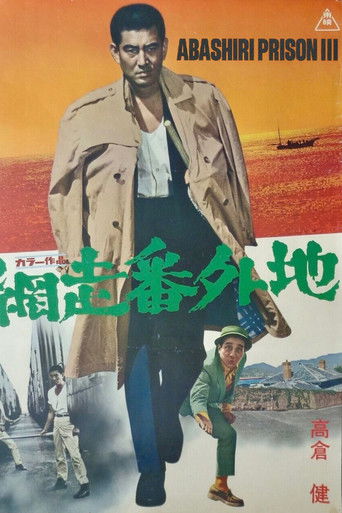
7.5Upon returning to his hometown of Nagasaki, recently released prisoner Tachibana Shinichi must rejoin the Asahi gang family in order to pay back a past debt. Trouble brews when the rival gang that was responsible for sending him to prison learns of his return. Left with no alternative to their constant harassment and threats, Tachibana decides to take them on.
Prison Walls of Abashiri 3
1965
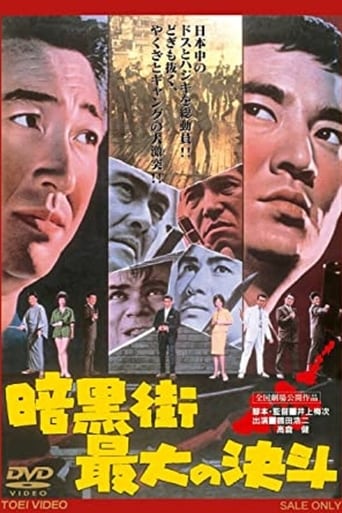 7.0
7.0No synopsis available yet.
Duel of the Underworld
1963
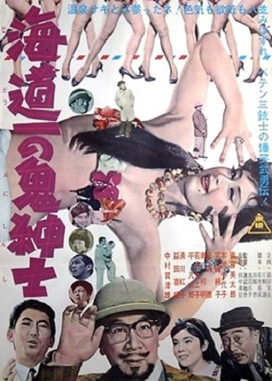 NR
NRNo synopsis available yet.
A Devil of a Gentleman
1963
 NR
NRPart 2 of the 'Onna bangaichi' series
Women Doing Time
1966
 7.0
7.0Teruo Ishii portrays the bitter conflict over the right to develop land in a gripping and humorous way. Nakagami, the head of the Kanto Joseikai, is ordered to acquire the rights to work to level the reclaimed land and prevent the Doshikai from expanding from Kansai into Tokyo, but the interference of the Koda-gumi, associated with the Kansai Doshikai, intensifies. Nakagami's younger brother Hayami, unhappy that the situation is moving slowly, tries to blackmail the mayor into moving forward, but... A true Toei gangster film with an all-star cast including Koji Tsuruta and Ken Takakura!
The Boss
1965
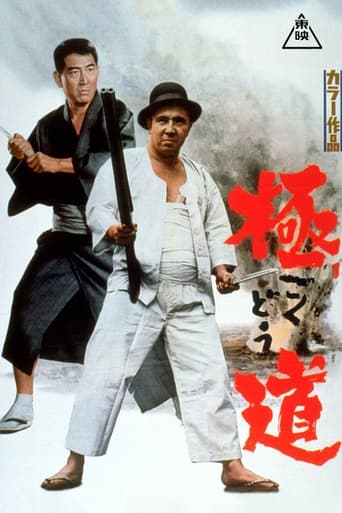 7.0
7.0Shimamura is a violent street thug who joins the yakuza & is merciless & unscrupulous on his rise, lacking any sense of either duty or chivalry. When imprisoned, he is repeatedly transferred from one prison to another, because no one can handle him.
Scoundrel
1968
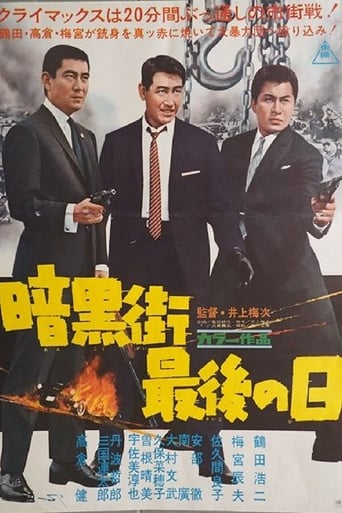 7.5
7.5No synopsis available yet.
Hell's Kitchen
1962
1950s · 6 titles
8.0First Moonlight Mask theatrical film.
Moonlight Mask
1958
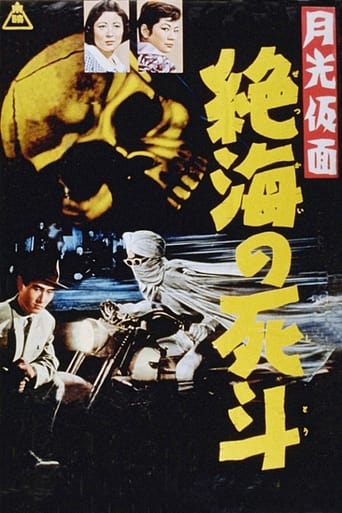 NR
NRThe masked hero 'Moon Light Mask' battles the villainous 'Skull Mask' and his numerous masked henchmen who are trying to steal the secrets of the deadly HO evaporation bomb. This movie is part one of a two-part story arc that continues in the second movie.
Moonlight Mask: Duel to the Death in Dangerous Waters
1958
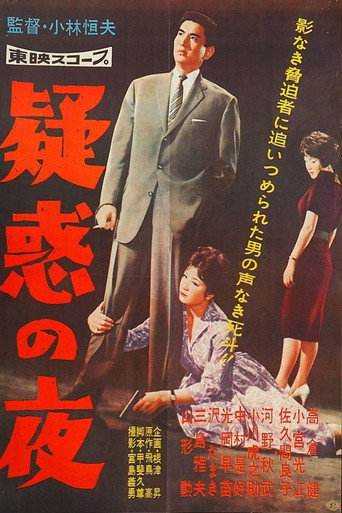 NR
NRTatsuo Torigoe, the president of Torigoe Industries, attempts suicide but survives and reveals his motives for suicide to his only daughter, Akiko.
Night of the Suspicions
1959
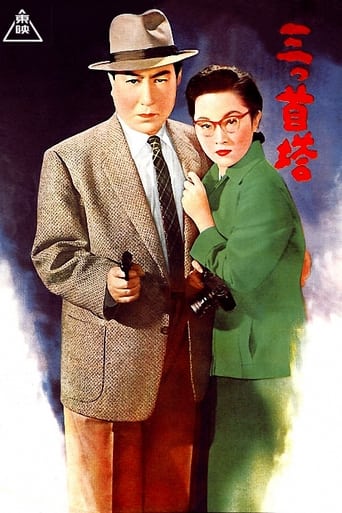 7.0
7.0Newly graduated Miyamoto Otone is to inherit a fortune from a distant relative on the condition that she marries Takato Shunsaku, a man she has never heard of. The lawyers haven't located Shunsaku yet, allowing Otone to think about whether she accepts the conditions of the will. One month later after, Takato Shunsaku is found. Murdered. At the birthday party of Otone's uncle. With Shunsaku dead and thus making it impossible for Otone to marry him, the inheritence is to split amongst all (living) family members. And yes, as always, that means that the potential successors get killed off one by one. But Kosuke Kindaichi is on the trail...
Three-Headed Tower
1956
 10.0
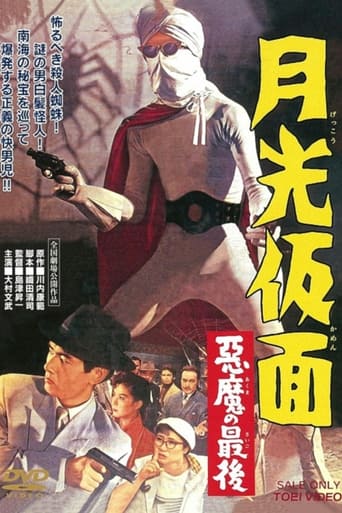
10.0The sixth and last Moonlight Mask film in the original series produced by Toei in the 1950s.
Moonlight Mask: The Last Death of the Devil
1959
 NR
NRThe first installment of Seven-Color Mask: King Rose.
Seven-Color Mask: King Rose - Devil's Rose
1959