
Directing
Marcel Łoziński
Born — Died
1940-05-17 — 2025-08-20
Place of birth
Paris - France
Known for
Directing
Credits
46 titles
Marcel Loziński was born in 1940 in Paris. He earned his degree in Film Directing from Łódź Film School. He has made a number of excellent documentaries, which include How It’s Done(2006), Anything Can Happen (1995), Microphone’s Test (1980), Front Collision (1975), The Visit (1974) and was nominated to the European Academy Award and American Oscar for his documentary film 89 mm from Europe (1993). For the past four years he has been the head of the documentary programme at the Andrzej Wajda Master School of Film Directing.
Known for
A TV film about the preparations for Wojciech Fortuna's return from Sapporo, after he won the Olympic gold medal.
Koło fortuny
1972
 6.3
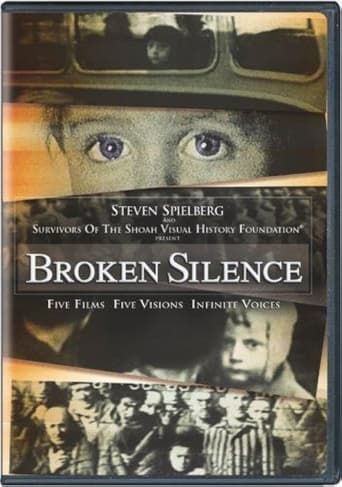
6.3Weaves together the personal recollections of four Polish survivors of the Holocaust with original footage from the present day. The film focuses specifically on the relations between Jews and Poles in Nazi occupied Poland.
I Remember
2002
 7.0
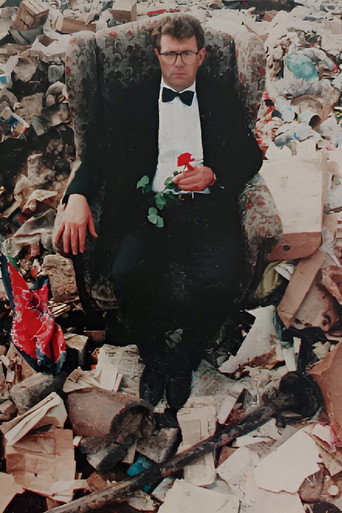
7.0No synopsis available yet.
Autoportret
1993
 NR
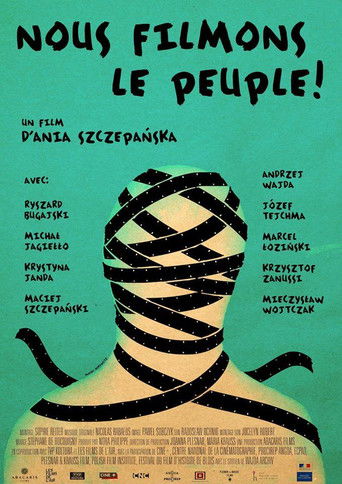
NRThe unique story of film directors who managed to critic the Communist regime while being produced by the State: this is Polish cinema's golden age, in the 1970s. Director Ania Szczepanska, born in Poland and raised in France, meets prominent filmmakers, producers, actors such as Andrzej WAJDA, Marcel LOZINSKI, Krzyszstof ZANUSSI, Kristina JANDA, Ryszard BUGAJSKI and confronts them the testimonies of the State men of that time. Through unknown archives, forgotten documentaries and excerpts of cult films, she relates how the Solidarnosc people ended up in Cannes.
We Film the People!
2013
 NR
NRIn Poland, letters with incorrect address end up at the Department of Unsent Mail in Koluszki. The film follows one of these letters, on which a child's hand has written an unusual address: 'God. Heaven.'
Poste restante
2009
This movie is about the visit of Clive Harris, the famous healer, to Warsaw. Incredible crowds gather before the entrance and Harris "heals" thousands of people by briefly touching them. Tireless on his stand, he fulfills his duty for 24 hours a day.
The Touch
1978
Film credits
2010s · 3 titles
NRThe unique story of film directors who managed to critic the Communist regime while being produced by the State: this is Polish cinema's golden age, in the 1970s. Director Ania Szczepanska, born in Poland and raised in France, meets prominent filmmakers, producers, actors such as Andrzej WAJDA, Marcel LOZINSKI, Krzyszstof ZANUSSI, Kristina JANDA, Ryszard BUGAJSKI and confronts them the testimonies of the State men of that time. Through unknown archives, forgotten documentaries and excerpts of cult films, she relates how the Solidarnosc people ended up in Cannes.
We Film the People!
2013
Marcel Lozinski was born in May 1940 in Paris, and he spent part of his childhood in various children’s homes. His Jewish communist parents were members of the resistance. After the war he went with his mother to Poland, where he became a celebrated documentary maker of some 20 films. Prompted by his son Pawel, also a renowned documentarian, the pair embark on a road trip from Warsaw to Paris. Father and son point the camera at each other and themselves and take stock of one another. In the end, the two men each made their own film about this journey.
Father and Son on a Journey
2013
 7.0
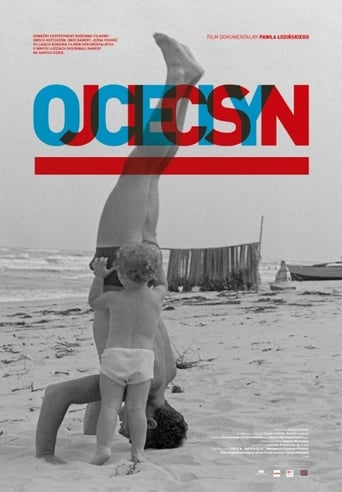
7.0Two acclaimed documentary film-makers - father and son - drive from Poland to Paris to see the place where the ashes of the father's mother are buried. What accompanies them on the way are resentments, quarrels and sincere confessions.
Father and Son
2013
1970s · 2 titles
 6.3
6.3A school teacher from a small town in Poland comes to Warsaw to see his estranged wife, a window dresser, in the hope that she will return to him rather than give him a divorce.
Pedestrian Subway
1974
 5.0
5.0A group of director's school colleagues meet after 12 years at his place. They talk about what they think of their life choices.
Absolutorium
1971
Behind the camera
A TV film about the preparations for Wojciech Fortuna's return from Sapporo, after he won the Olympic gold medal.
Koło fortuny
1972
A TV film about the preparations for Wojciech Fortuna's return from Sapporo, after he won the Olympic gold medal.
Koło fortuny
1972
6.3Weaves together the personal recollections of four Polish survivors of the Holocaust with original footage from the present day. The film focuses specifically on the relations between Jews and Poles in Nazi occupied Poland.
I Remember
2002
6.3Weaves together the personal recollections of four Polish survivors of the Holocaust with original footage from the present day. The film focuses specifically on the relations between Jews and Poles in Nazi occupied Poland.
I Remember
2002
7.0No synopsis available yet.
Autoportret
1993
7.0No synopsis available yet.
Autoportret
1993
NRIn Poland, letters with incorrect address end up at the Department of Unsent Mail in Koluszki. The film follows one of these letters, on which a child's hand has written an unusual address: 'God. Heaven.'
Poste restante
2009
NRIn Poland, letters with incorrect address end up at the Department of Unsent Mail in Koluszki. The film follows one of these letters, on which a child's hand has written an unusual address: 'God. Heaven.'
Poste restante
2009
This movie is about the visit of Clive Harris, the famous healer, to Warsaw. Incredible crowds gather before the entrance and Harris "heals" thousands of people by briefly touching them. Tireless on his stand, he fulfills his duty for 24 hours a day.
The Touch
1978
This movie is about the visit of Clive Harris, the famous healer, to Warsaw. Incredible crowds gather before the entrance and Harris "heals" thousands of people by briefly touching them. Tireless on his stand, he fulfills his duty for 24 hours a day.
The Touch
1978
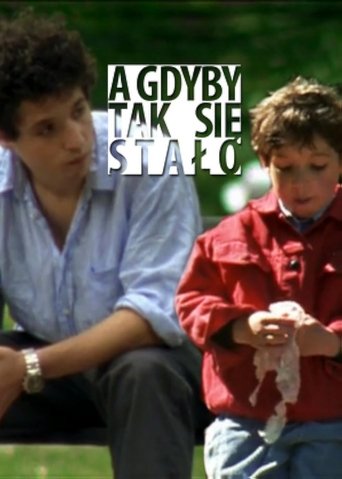 9.0
9.0Tomek, Marcel Lozinski's son, is eighteen now. Exactly twelve years ago, when he was six, his father filmed him while he was visiting a park in Warsaw. Tomek used to stop next to some old people sitting on the benches, and, with childish frankness, would ask them questions about joy, loneliness, fear of death, dreams, love and lack of love. Now, after twelve years, on his birthday, Tomek comes back to the garden of his childhood. A magical encounter will commence.
If It Happens
2007
9.0Tomek, Marcel Lozinski's son, is eighteen now. Exactly twelve years ago, when he was six, his father filmed him while he was visiting a park in Warsaw. Tomek used to stop next to some old people sitting on the benches, and, with childish frankness, would ask them questions about joy, loneliness, fear of death, dreams, love and lack of love. Now, after twelve years, on his birthday, Tomek comes back to the garden of his childhood. A magical encounter will commence.
If It Happens
2007
Marcel Lozinski was born in May 1940 in Paris, and he spent part of his childhood in various children’s homes. His Jewish communist parents were members of the resistance. After the war he went with his mother to Poland, where he became a celebrated documentary maker of some 20 films. Prompted by his son Pawel, also a renowned documentarian, the pair embark on a road trip from Warsaw to Paris. Father and son point the camera at each other and themselves and take stock of one another. In the end, the two men each made their own film about this journey.
Father and Son on a Journey
2013
Marcel Lozinski was born in May 1940 in Paris, and he spent part of his childhood in various children’s homes. His Jewish communist parents were members of the resistance. After the war he went with his mother to Poland, where he became a celebrated documentary maker of some 20 films. Prompted by his son Pawel, also a renowned documentarian, the pair embark on a road trip from Warsaw to Paris. Father and son point the camera at each other and themselves and take stock of one another. In the end, the two men each made their own film about this journey.
Father and Son on a Journey
2013
Andrzej Koszyk, a filmmaker, and Jacek Kaczmarski, a singer, take a trip around Warsaw, the place of their birth and youth, after years of emigration.
Warszawa 94. Podróż sentymentalna
1994
5.0A group of director's school colleagues meet after 12 years at his place. They talk about what they think of their life choices.
Absolutorium
1971
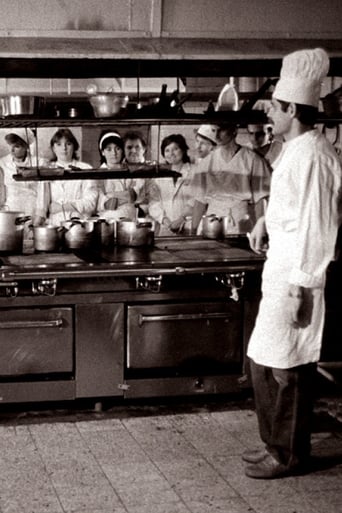 7.3
7.3At the famous Grand Hotel in Sopot, each worker - whether a porter, a maid, a cook or a stoker - feels an important part of their workplace. Perhaps even the most important.
My Place
1986
7.3At the famous Grand Hotel in Sopot, each worker - whether a porter, a maid, a cook or a stoker - feels an important part of their workplace. Perhaps even the most important.
My Place
1986
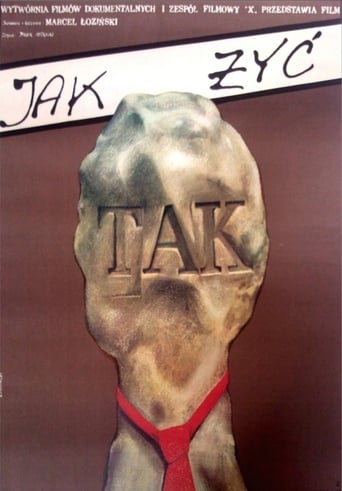 7.0
7.0A holiday training camp for young married couples who belong to the Polish Socialist Youth Union (ZSMP) begins at the campsite. From the commander's welcome speech, they learn that a film crew will record camp life and training classes under the slogan "Model Family".
How to Live
1981
7.0A holiday training camp for young married couples who belong to the Polish Socialist Youth Union (ZSMP) begins at the campsite. From the commander's welcome speech, they learn that a film crew will record camp life and training classes under the slogan "Model Family".
How to Live
1981
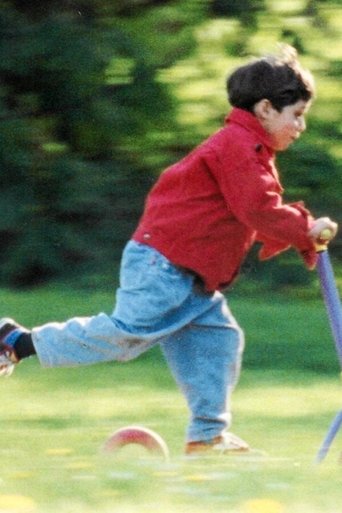 7.2
7.2A story of life and death, featuring Lozinski's six-year-old son Tomaszek and elderly people spending time on the benches of a Warsaw park. Riding his scooter, Tomaszek asks the elderly very adult, though basic, questions, which they are happy to answer. The boy's ideas of future and life are confronted with those of men at the end of their lives.
Anything Can Happen
1995
7.2A story of life and death, featuring Lozinski's six-year-old son Tomaszek and elderly people spending time on the benches of a Warsaw park. Riding his scooter, Tomaszek asks the elderly very adult, though basic, questions, which they are happy to answer. The boy's ideas of future and life are confronted with those of men at the end of their lives.
Anything Can Happen
1995
11-year-old Werka and her 9-year-old brother Marcel wind up at the front door of a children's home in Wroclaw. Asked who they are, Werka replies, "We are children of communists." In return the teacher yells, "Why do they only send us Judeo-communists?!!!" It is 1949. Werka and Marcel's mother, a pre-war communist, is arrested and charged with collaborating with American intelligence. She will do five and half years. Her children will spend these years in other children's homes. A film about a brother and a sister marked with the ideological choices of their parents.
Tonia and her Children
2011
11-year-old Werka and her 9-year-old brother Marcel wind up at the front door of a children's home in Wroclaw. Asked who they are, Werka replies, "We are children of communists." In return the teacher yells, "Why do they only send us Judeo-communists?!!!" It is 1949. Werka and Marcel's mother, a pre-war communist, is arrested and charged with collaborating with American intelligence. She will do five and half years. Her children will spend these years in other children's homes. A film about a brother and a sister marked with the ideological choices of their parents.
Tonia and her Children
2011
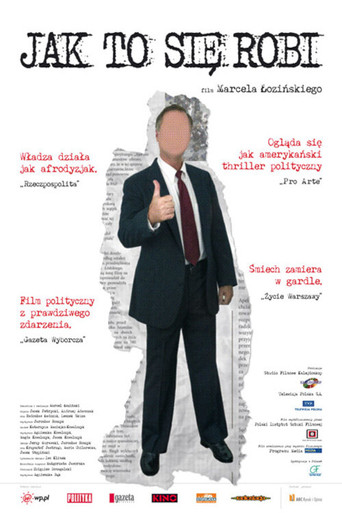 6.2
6.2Piotr Tymochowicz, media advisor to some of Poland's top politicians, claims that anybody can be molded into a charismatic leader. To prove it he's looking for a greenhorn that can be turned into a candidate. A call is put out for would-be participants, and hundreds apply. A small group is selected and under go training. Polish master Marcel Lozinksi followed Tymochowicz and this project for three years, and this beautifully shot and edited work paints a compelling portrait of cynical (and quite familiar) demagogy and populism in action.
How It's Done
2006
6.2Piotr Tymochowicz, media advisor to some of Poland's top politicians, claims that anybody can be molded into a charismatic leader. To prove it he's looking for a greenhorn that can be turned into a candidate. A call is put out for would-be participants, and hundreds apply. A small group is selected and under go training. Polish master Marcel Lozinksi followed Tymochowicz and this project for three years, and this beautifully shot and edited work paints a compelling portrait of cynical (and quite familiar) demagogy and populism in action.
How It's Done
2006
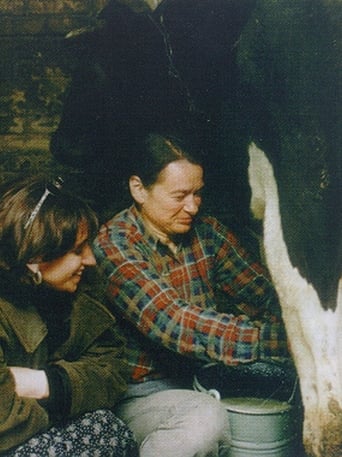 7.4
7.4Polish filmmaker Marcel Łoziński revisits the farmer/intellectual Urszula Flis, subjects of his 1978 film 'A visit'. Łoziński observes the changes that have occurred over the intervening 23 years and again persuades this sensitive, secluded woman to talk through her thoughts, fears and feelings. Through this, the morality of the documentary portrait itself is called into question.
So it Doesn’t Hurt
1998
7.4Polish filmmaker Marcel Łoziński revisits the farmer/intellectual Urszula Flis, subjects of his 1978 film 'A visit'. Łoziński observes the changes that have occurred over the intervening 23 years and again persuades this sensitive, secluded woman to talk through her thoughts, fears and feelings. Through this, the morality of the documentary portrait itself is called into question.
So it Doesn’t Hurt
1998
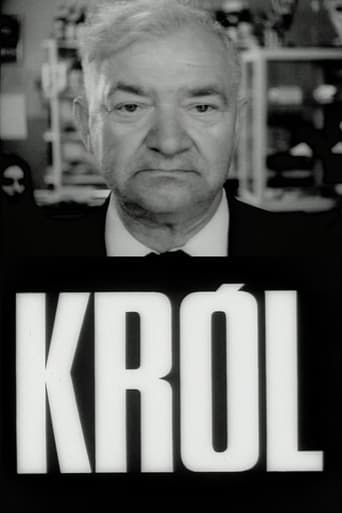 6.3
6.3Brief portrait of a conformist.
The King
1974
 NR
NRA man doing the ironing on the ground floor of a tenement house observes the yard.
Window to the Yard
1979
7.0Two acclaimed documentary film-makers - father and son - drive from Poland to Paris to see the place where the ashes of the father's mother are buried. What accompanies them on the way are resentments, quarrels and sincere confessions.
Father and Son
2013
No synopsis available yet.
Sept Jews from my class
1991
No synopsis available yet.
Sept Jews from my class
1991
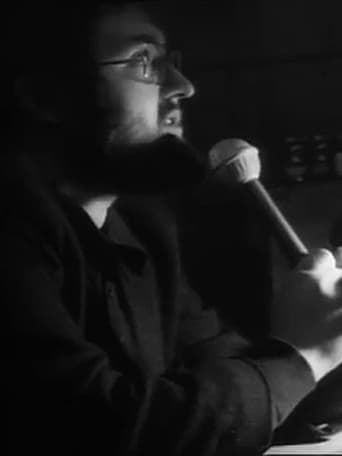 7.0
7.0A Warsaw Pollena-Uroda cosmetics factory radio broadcaster is working on a programme investigating the workers' sense of factory ownership. The workers' answers come as a surprise, especially to the management. About the ruling and the ruled in communist Poland.
Microphone's Test
1980
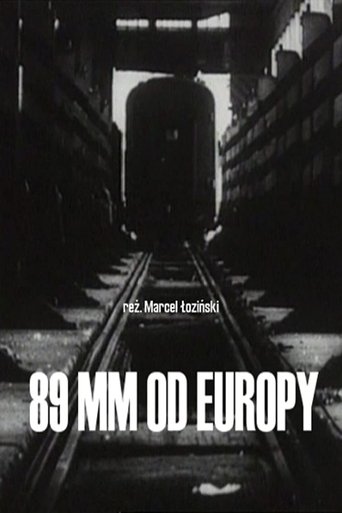 6.7
6.7This movie shows the simplest difference between Europe and former Soviet Union. It is the eponymous 89 mm - Russian train tracks are 89 mm wider than tracks in European countries. And because of this fact, it is not easy to go through the Soviet border by train in Brest as the passengers in the film do.
89 mm from Europe
1993
6.7This movie shows the simplest difference between Europe and former Soviet Union. It is the eponymous 89 mm - Russian train tracks are 89 mm wider than tracks in European countries. And because of this fact, it is not easy to go through the Soviet border by train in Brest as the passengers in the film do.
89 mm from Europe
1993
 7.0
7.0A street poll about contemporary youth. The answers are engineered to show the manipulation of propaganda and television.
Workshop Exercises
1986
 10.0
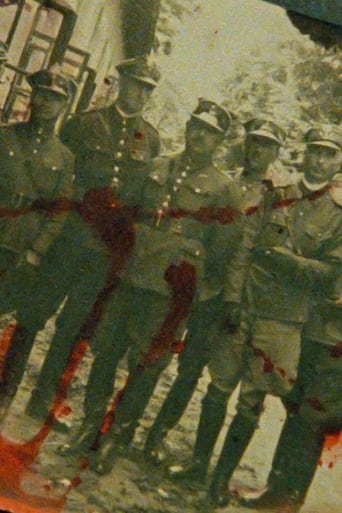
10.0Marcel Łoziński tells the story of the crime committed by the NKVD in Katyn in 1940. He interweaves accounts of witnesses and survivors with images from the pilgrimage of members of Katyn Families to the place of murder, death and nameless burial of their loved ones.
The Katyn Forest
1990
10.0Marcel Łoziński tells the story of the crime committed by the NKVD in Katyn in 1940. He interweaves accounts of witnesses and survivors with images from the pilgrimage of members of Katyn Families to the place of murder, death and nameless burial of their loved ones.
The Katyn Forest
1990
Documentary about post-communist Poland.
After the Victory 1989-1995
1995