

Directing
Heiny Srour
Born
1945-03-23 (81)
Place of birth
Beirut, Lebanon
Known for
Directing
Credits
12 titles
Heiny Srour is a Lebanese film director. She was the first female Arab filmmaker to have a film, Saat El Tahrir Dakkat or The Hour of Liberation Has Arrived, chosen for the Cannes Film Festival.
Known for
 6.6
Drawing on the Arab heritage of oral tradition and mosaic pattern, Leila and the Wolves is an exploration of the collective memory of Arab women and their hidden role in history throughout the past half century both in Palestine and in Lebanon.
Leila and the Wolves
1986
 6.8
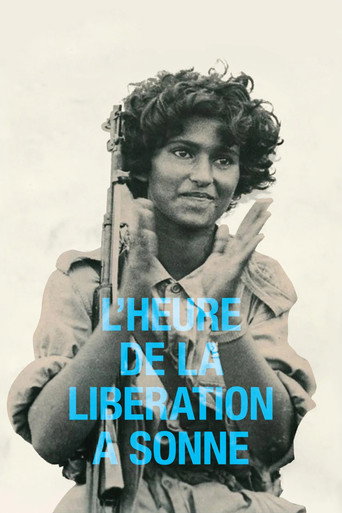
In the late 1960s, Dhofar rose up against the British-backed Sultanate of Oman, in a democratic, anti-imperialist guerrilla movement. Director Heiny Srour and her team crossed 500 miles of desert and mountains by foot, under bombardment by the British Royal Air Force, to reach the conflict zone and capture this rare record of a now mostly-forgotten war.
The Hour of Liberation Has Arrived
1974
 10.0
Sheikh Imam Mohammad Ahmad Eissa, born 1918, is famous throughout the Arab world for his folk songs indicting the ruling classes. Considered the voice of the oppressed, he is banned from state television and radio, and has been imprisoned numerous times, including in 1974 for the occasion of President Nixon’s visit. With scenes of Egyptian street life set to his often caustic musical criticisms of his native Egypt’s upper classes, the Sheikh’s message is that “If a beautiful thing is suppressed today, it will rise tomorrow.”
The Singing Sheikh
1991
Explores sexual politics in Vietnam today through the individual stories of four Vietnamese women from different social strata and different generations.
Rising Above: Women of Vietnam
1992
Film by Heiny Srour
Woman Global Strike 2000
2000
Film by Heiny Srour
The Eyes of the Heart
1994
Behind the camera
6.6Drawing on the Arab heritage of oral tradition and mosaic pattern, Leila and the Wolves is an exploration of the collective memory of Arab women and their hidden role in history throughout the past half century both in Palestine and in Lebanon.
Leila and the Wolves
1986
6.6Drawing on the Arab heritage of oral tradition and mosaic pattern, Leila and the Wolves is an exploration of the collective memory of Arab women and their hidden role in history throughout the past half century both in Palestine and in Lebanon.
Leila and the Wolves
1986
6.8In the late 1960s, Dhofar rose up against the British-backed Sultanate of Oman, in a democratic, anti-imperialist guerrilla movement. Director Heiny Srour and her team crossed 500 miles of desert and mountains by foot, under bombardment by the British Royal Air Force, to reach the conflict zone and capture this rare record of a now mostly-forgotten war.
The Hour of Liberation Has Arrived
1974
10.0Sheikh Imam Mohammad Ahmad Eissa, born 1918, is famous throughout the Arab world for his folk songs indicting the ruling classes. Considered the voice of the oppressed, he is banned from state television and radio, and has been imprisoned numerous times, including in 1974 for the occasion of President Nixon’s visit. With scenes of Egyptian street life set to his often caustic musical criticisms of his native Egypt’s upper classes, the Sheikh’s message is that “If a beautiful thing is suppressed today, it will rise tomorrow.”
The Singing Sheikh
1991
Explores sexual politics in Vietnam today through the individual stories of four Vietnamese women from different social strata and different generations.
Rising Above: Women of Vietnam
1992
Explores sexual politics in Vietnam today through the individual stories of four Vietnamese women from different social strata and different generations.
Rising Above: Women of Vietnam
1992
Film by Heiny Srour
Woman Global Strike 2000
2000
Film by Heiny Srour
The Eyes of the Heart
1994
Debut film by Heiny Srour, lost during the Lebanese civil war.
Bread of Our Mountains
1968