
Acting
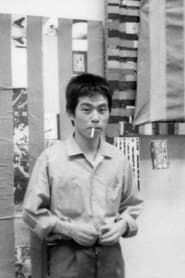
Yoshihiro Kato
Place of birth
Nagoya, Aichi, Japan
Known for
Acting
Credits
6 titles
Yoshihiro Katō (1936-2018) was an artist and one of the founding members, along with Shinichi Iwata, of the avant-garde arts group Zero Jigen (Zero Dimension) in the early 1960s. Beginning with Haitsukubari kōshin (Crawling Procession), staged in January 1963 in the Sakae district of Nagoya, over a long period of time they executed an extraordinary number of performances known as “Rituals” in Tokyo and elsewhere.
Known for
 7.6
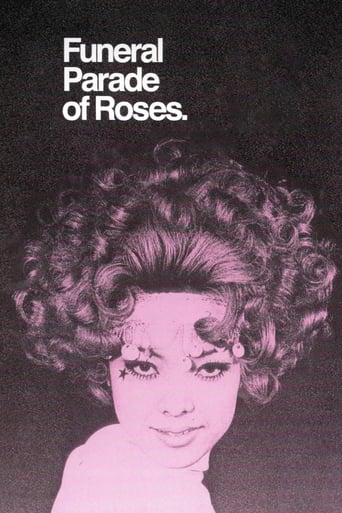
7.6In 1960s Tokyo, Gonda owns a bar in which the gay, cross-dresser, and trans scenes meet. Gonda is in a relationship with the madam of the bar, Leda. As the younger Eddie starts a passionate affair with Gonda, she ignites the jealousy of Leda, unaware of another kind of history between them.
Funeral Parade of Roses
1969
 NR
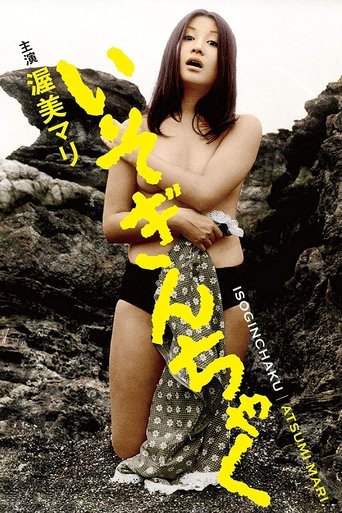
NRThe story of a sexy girl with a passion for attracting men and counting the money she entices from them with her body.
The Sea Anemone
1969
 7.0
7.0A young man reaches adolescence and escapes the nunnery where he survived a tortured upbringing; the world outside suddenly seems even more frightening than before.
The Deserted Archipelago
1969
 4.6
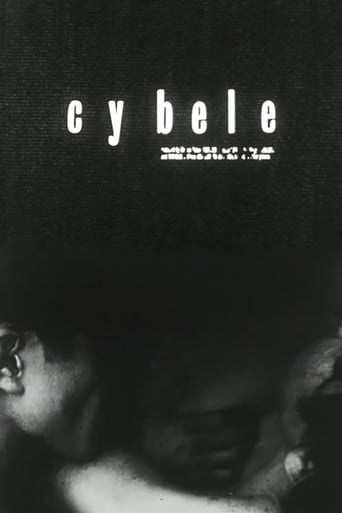
4.6A documentary of an avant-garde theatre performance, presents an orgiastic rite of sex, degradation, and bloody sacrifice, performed by Zero-Jigen.
Cybele: A Pastoral Ritual in Five Scenes
1969
 NR
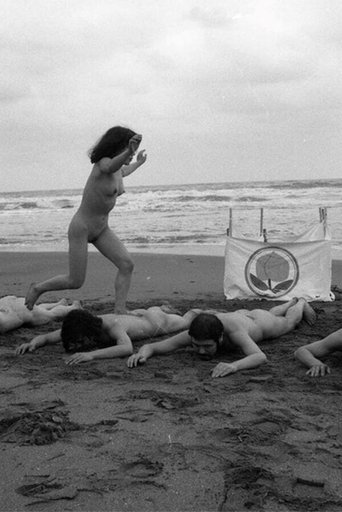
NRThe White Hare of Inaba is a film directed by Katō Yoshihiro, a central member of Zero Jigen, with cinematography by the filmmaker Ōe Masanori. Drawing on the Japanese myth of the white hare of Inaba, it presents a white hare (i.e. woman) leaping across waters full of ferocious sharks (i.e. male-dominated society), presenting a vision for a new era while capturing on film the joy of human beings’ inherent Eros and a new mode of “family” that breaks free of feudalistic social constraints.
The White Hare of Inaba
1970
 NR
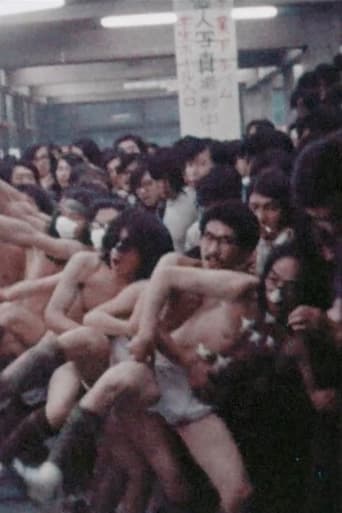
NRAfter the Expo ’70 Destruction Joint-Struggle Group disbanded, Katō released Brahmin (Burāmin, 1971-76).
Brahmin
1976
Film credits
1960s · 4 titles
7.6In 1960s Tokyo, Gonda owns a bar in which the gay, cross-dresser, and trans scenes meet. Gonda is in a relationship with the madam of the bar, Leda. As the younger Eddie starts a passionate affair with Gonda, she ignites the jealousy of Leda, unaware of another kind of history between them.
Funeral Parade of Roses
1969
NRThe story of a sexy girl with a passion for attracting men and counting the money she entices from them with her body.
The Sea Anemone
1969
7.0A young man reaches adolescence and escapes the nunnery where he survived a tortured upbringing; the world outside suddenly seems even more frightening than before.
The Deserted Archipelago
1969
4.6A documentary of an avant-garde theatre performance, presents an orgiastic rite of sex, degradation, and bloody sacrifice, performed by Zero-Jigen.
Cybele: A Pastoral Ritual in Five Scenes
1969
Behind the camera
NRThe White Hare of Inaba is a film directed by Katō Yoshihiro, a central member of Zero Jigen, with cinematography by the filmmaker Ōe Masanori. Drawing on the Japanese myth of the white hare of Inaba, it presents a white hare (i.e. woman) leaping across waters full of ferocious sharks (i.e. male-dominated society), presenting a vision for a new era while capturing on film the joy of human beings’ inherent Eros and a new mode of “family” that breaks free of feudalistic social constraints.
The White Hare of Inaba
1970
NRAfter the Expo ’70 Destruction Joint-Struggle Group disbanded, Katō released Brahmin (Burāmin, 1971-76).
Brahmin
1976