
Acting
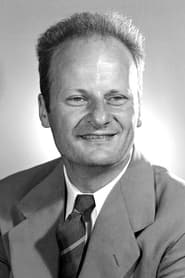
Hans Bethe
Born — Died
1906-07-02 — 2005-03-06
Place of birth
Straßburg, Alsace, Germany [now Strasbourg, Bas-Rhin, France]
Known for
Acting
Credits
10 titles
Hans Albrecht Bethe was a German-American theoretical physicist who made major contributions to nuclear physics, astrophysics, quantum electrodynamics, and solid-state physics, and who won the 1967 Nobel Prize in Physics for his work on the theory of stellar nucleosynthesis.
Known for
Presents a filmed, intercontinental conversation that links moderator Edward R. Murrow in New York with three internationally known figures located in different parts of the world. What set this apart from other televised interview/discussion programs was the fact that its participants could not see each other but could hear one another via telephone lines and radio.
Small World
1958
 8.0
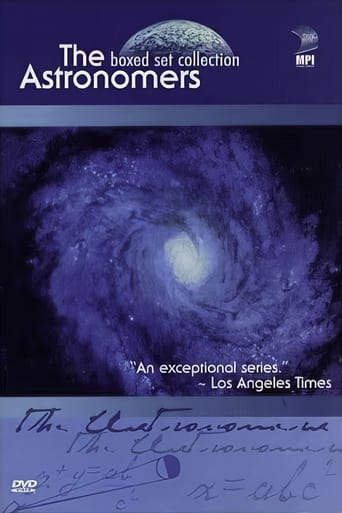
8.0This series explores the lives and work of noted modern-day astronomers, taking the viewer into the farthest reaches of outer space in search of black holes, quasars, dark matter, gravity waves, stars and evidence of planets outside our solar system. Intriguing celestial phenomena are examined from the perspectives of the experts: the men and women that are uncovering the secrets of the cosmos. Further, the series focuses not only on professional achievements, but on the scientists' personal lives as well.
The Astronomers
1991
 7.0
7.0Documentary, first broadcast in 1966, that tells the history of the superbomb, exploring the race by scientists to imitate the nuclear reactions of the sun and build the first thermonuclear weapon. The film reveals how the careers and reputations of some of the scientists involved were seared in the process.
Too Near the Sun
1966
 NR
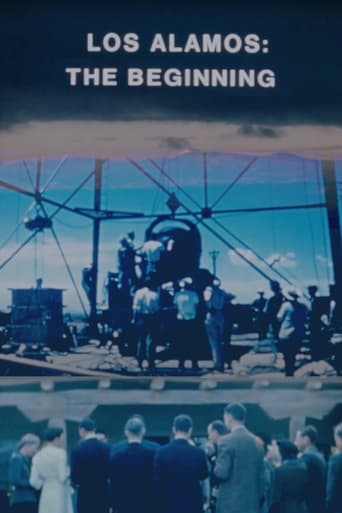
NRA documentary composed of historical footage and contemporary interviews from the men and women of Los Alamos, recalling their experiences of the community and the creation of the atomic bomb from the inception of the program in 1943.
Los Alamos: The Beginning
1982
 7.6
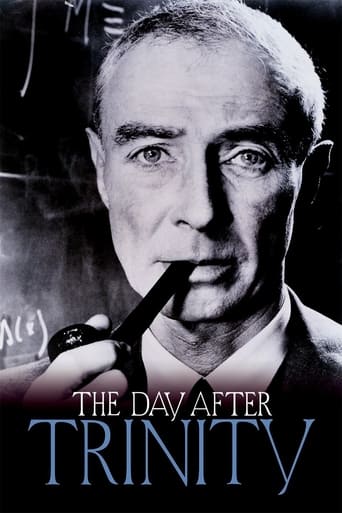
7.6Through interviews with Manhattan Project scientists and newly declassified archival footage, this documentary examines the life of physicist J. Robert Oppenheimer and his leadership of the Manhattan Project. The film traces the development and testing of the first atomic bomb and follows Oppenheimer’s later opposition to nuclear proliferation during the early years of the Cold War.
The Day After Trinity
1980
 9.0
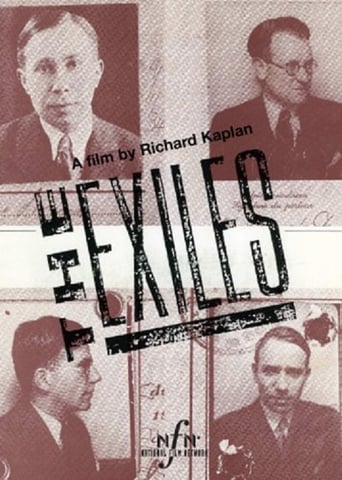
9.0A chronicle of the rescue of oppressed intellectuals and artists from Europe before the outbreak of World War II. It studies the cultural and intellectual impact of this emigre population on American life.
The Exiles
1989
Film credits

1990s · 2 titles
A rare view from within, as several of the Manhattan Project scientists, including Hans Berthe, Robert Serber, Edward Teller, Robert Wilson, and more, speak of their experiences on the path to a terrible shared destiny. As their lives and work at Los Alamos are revealed, they relate stories of contradictions and jealousies, and how each came to terms with the atomic era's most immediate consequence: the destruction of Hiroshima and Nagasaki.
I Am Become Death: They Made the Bomb
1995
 NR
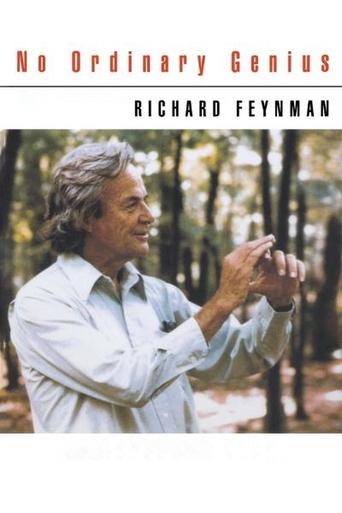
NRAn intimate, moving, and funny account of the remarkable life and times of Richard Feynman—the most extraordinary scientist of his age.
No Ordinary Genius
1993
1980s · 4 titles
NRA documentary composed of historical footage and contemporary interviews from the men and women of Los Alamos, recalling their experiences of the community and the creation of the atomic bomb from the inception of the program in 1943.
Los Alamos: The Beginning
1982
7.6Through interviews with Manhattan Project scientists and newly declassified archival footage, this documentary examines the life of physicist J. Robert Oppenheimer and his leadership of the Manhattan Project. The film traces the development and testing of the first atomic bomb and follows Oppenheimer’s later opposition to nuclear proliferation during the early years of the Cold War.
The Day After Trinity
1980
9.0A chronicle of the rescue of oppressed intellectuals and artists from Europe before the outbreak of World War II. It studies the cultural and intellectual impact of this emigre population on American life.
The Exiles
1989
 NR
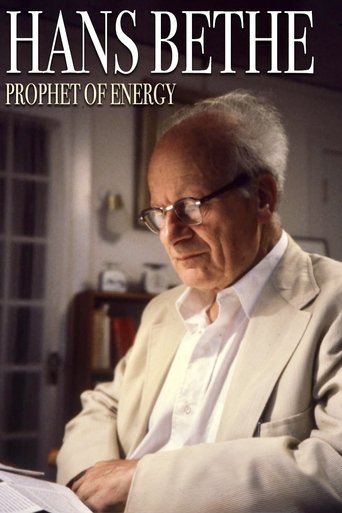
NRA portrait of the eminent Nobel Prize winning physicist who greatly advanced our knowledge of the atom. Bethe discusses the milestones of his career: his student work in Germany, his flight from the Nazis, his work on the Los Alamos Atomic Bomb project under Robert Oppenheimer, and his research on the energy production in stars. In working to help solve the energy crisis of the 1970’s, Bethe established himself as one of the country’s leading spokesmen for a safe way to use nuclear energy. Speaking in support of a sensible use, he represents a side of this controversial issue that deserves more attention. The film provides crucial insight into this complex issue by one of the world’s authorities.
Hans Bethe꞉ Prophet of Energy
1980
Series credits
Presents a filmed, intercontinental conversation that links moderator Edward R. Murrow in New York with three internationally known figures located in different parts of the world. What set this apart from other televised interview/discussion programs was the fact that its participants could not see each other but could hear one another via telephone lines and radio.
Small World
1958
8.0This series explores the lives and work of noted modern-day astronomers, taking the viewer into the farthest reaches of outer space in search of black holes, quasars, dark matter, gravity waves, stars and evidence of planets outside our solar system. Intriguing celestial phenomena are examined from the perspectives of the experts: the men and women that are uncovering the secrets of the cosmos. Further, the series focuses not only on professional achievements, but on the scientists' personal lives as well.
The Astronomers
1991