
Camera
Johann Feindt
Born
1951-03-16 (75)
Place of birth
Hamburg, Germany
Known for
Camera
Credits
18 titles
Known for
Annual awarding of the Grimme Awards.
Grimme Award
1964
This film examines two parallel German lives: that of a Nazi general who continued in his job during the democratic era and a communist bricklayer who could hardly make ends meet after the war. Both had fought in the Spanish Civil War, but their stories can’t be merged; the audience gazes into a wound that will not heal.
Unversöhnliche Erinnerungen
1979
 10.0
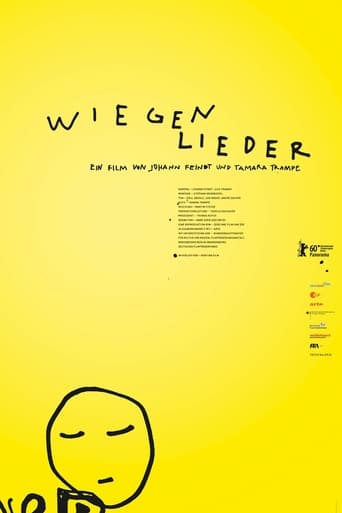
10.0Lullabies are our first connection to the world – a universal experience we all share, yet it remains deeply personal. "Can you recall a song that your mother would sing for you to fall asleep?" is the question Tamara Trampe and Johann Feindt ask people they meet in the streets of Berlin.
Lullaby
2010
 8.0
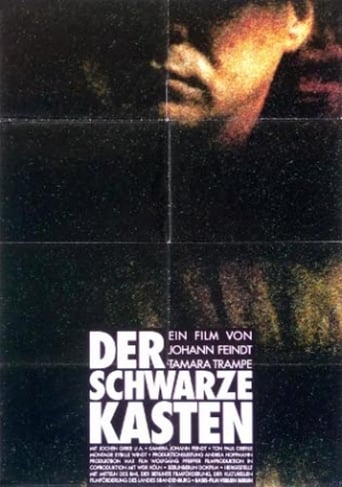
8.0Interview with Jochen Girke, a retired East German Stasi agent, filmed March, 1990 to June, 1991. Questions explore his study of psychology for use as a filmmaker and trainer of interrogators and informers. Segments include conversations with his parents, teacher, former girlfriend and wife.
Der schwarze Kasten
1992
 7.0
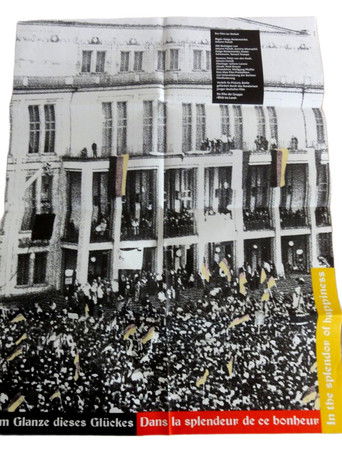
7.0Citizens of East Germany talk about their experiences and feelings in the face of upcoming elections that will lead to reunification with the West. The past is tinged with regret, frustration and anger, while the future is uncertain.
In the Splendour of Happiness
1990
 7.0
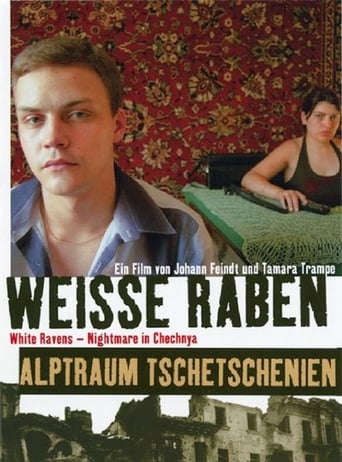
7.0The documentary film reflects on the war in Chechnya based on the experiences of young soldiers who return from the mission mentally and physically broken. Conceived as a montage of emotional confrontations, it gains from the closeness and trust between directors and protagonists. The young men's reflections are expanded and deepened by memories of an elderly Afghanistan veteran, scenes from the Moscow Committee of Soldiers' Mothers and images of a brutal operation by the Russian army against Chechens.
White Ravens - Nightmare in Chechnya
2005
Series credits
Behind the camera
This film examines two parallel German lives: that of a Nazi general who continued in his job during the democratic era and a communist bricklayer who could hardly make ends meet after the war. Both had fought in the Spanish Civil War, but their stories can’t be merged; the audience gazes into a wound that will not heal.
Unversöhnliche Erinnerungen
1979
10.0Lullabies are our first connection to the world – a universal experience we all share, yet it remains deeply personal. "Can you recall a song that your mother would sing for you to fall asleep?" is the question Tamara Trampe and Johann Feindt ask people they meet in the streets of Berlin.
Lullaby
2010
10.0Lullabies are our first connection to the world – a universal experience we all share, yet it remains deeply personal. "Can you recall a song that your mother would sing for you to fall asleep?" is the question Tamara Trampe and Johann Feindt ask people they meet in the streets of Berlin.
Lullaby
2010
8.0Interview with Jochen Girke, a retired East German Stasi agent, filmed March, 1990 to June, 1991. Questions explore his study of psychology for use as a filmmaker and trainer of interrogators and informers. Segments include conversations with his parents, teacher, former girlfriend and wife.
Der schwarze Kasten
1992
8.0Interview with Jochen Girke, a retired East German Stasi agent, filmed March, 1990 to June, 1991. Questions explore his study of psychology for use as a filmmaker and trainer of interrogators and informers. Segments include conversations with his parents, teacher, former girlfriend and wife.
Der schwarze Kasten
1992
7.0Citizens of East Germany talk about their experiences and feelings in the face of upcoming elections that will lead to reunification with the West. The past is tinged with regret, frustration and anger, while the future is uncertain.
In the Splendour of Happiness
1990
7.0The documentary film reflects on the war in Chechnya based on the experiences of young soldiers who return from the mission mentally and physically broken. Conceived as a montage of emotional confrontations, it gains from the closeness and trust between directors and protagonists. The young men's reflections are expanded and deepened by memories of an elderly Afghanistan veteran, scenes from the Moscow Committee of Soldiers' Mothers and images of a brutal operation by the Russian army against Chechens.
White Ravens - Nightmare in Chechnya
2005
7.0The documentary film reflects on the war in Chechnya based on the experiences of young soldiers who return from the mission mentally and physically broken. Conceived as a montage of emotional confrontations, it gains from the closeness and trust between directors and protagonists. The young men's reflections are expanded and deepened by memories of an elderly Afghanistan veteran, scenes from the Moscow Committee of Soldiers' Mothers and images of a brutal operation by the Russian army against Chechens.
White Ravens - Nightmare in Chechnya
2005
 7.0
7.0During the Second World War, Leningrad was besieged by German troops. A merciless struggle for survival erupted. People were starving and afraid, yet they did not give up but kept on fighting, refusing to surrender.
Blockade
1992
 8.0
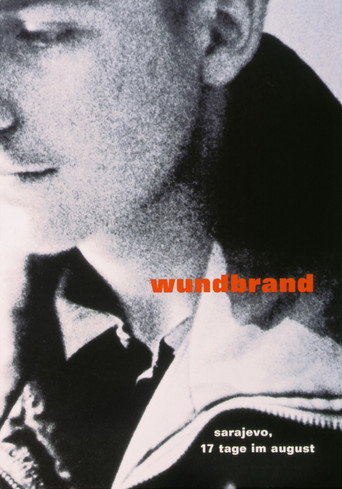
8.0Wundbrand is a document of war and life. Through images, conversations and sound collage, the film reveals the reality of the destruction of Sarajevo and its inhabitants.
wundbrand - sarajevo, 17 tage im august
1994
No synopsis available yet.
Vergeßt es nie, wie es begann! Ernst Busch 1927 - 1948
1978
A Berlin filmmaker observes local reporters and photographers from two Cologne daily newspapers at work. The insight into the mechanisms and constraints of their work repeatedly expands into a panorama of big-city life with all its tragedies and grotesqueries.
Nachtjäger
1988
Knives have a long history, almost as long as mankind itself. An invaluable tool, first made of stone and later forged in metal, essential for countless everyday activities, from farming and hunting to cooking. Its use as a weapon is just as ancient. However, it is only in our times, in this century, that the knife seems to be making a comeback as a weapon, and with a clear political connotation at that; wielded by extremists acting alone among unsuspecting crowds. The Radical Self takes on the responsibility of investigating the phenomenon of this particular form of terrorism perpetrated by jihadists. The consistent effort to comprehend it, from a historical, political, and psychological point of view, asks the viewer to direct both gaze and mind toward a space of liminal (and certainly terrifying) psychosocial realities and cultures.
The Radical Self
2026
 6.0
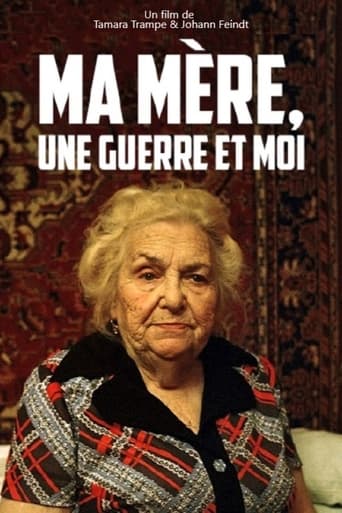
6.01942, and a spectacular wartime birth in the depths of winter: a young russian nurse unexpectedly goes into labour and, all alone and in freezing temperatures, gives birth to her daughter Tamara in a field on the banks of the Volga. The most personal film to date from co-directors Tamara Trampe and Johann Feindt is dedicated to Tamara's own family history. The search for her unknown father who, as a russian officer, made the young nurse pregnant, is complicated by the fact that her mother has never come to terms with her wartime trauma and worn family photos only seem to show happy-go-lucky life before the war. But the director won't give up so easily and, through a mixture of personal childhood recollections and conversations with relatives and former nurses who were on the front in Ukraine, she puts together the pieces of the puzzle.
My Mother, a War and Me
2014
6.01942, and a spectacular wartime birth in the depths of winter: a young russian nurse unexpectedly goes into labour and, all alone and in freezing temperatures, gives birth to her daughter Tamara in a field on the banks of the Volga. The most personal film to date from co-directors Tamara Trampe and Johann Feindt is dedicated to Tamara's own family history. The search for her unknown father who, as a russian officer, made the young nurse pregnant, is complicated by the fact that her mother has never come to terms with her wartime trauma and worn family photos only seem to show happy-go-lucky life before the war. But the director won't give up so easily and, through a mixture of personal childhood recollections and conversations with relatives and former nurses who were on the front in Ukraine, she puts together the pieces of the puzzle.
My Mother, a War and Me
2014
An experimental documentary about filmmaker Raoul Peck, who traded his director’s chair for the position of Minister of Culture of the Republic of Haiti. As a passionate filmmaker, he wanted to tell stories and perhaps bring about change. As minister, he has to deal with the turmoil of real-life Haitian politics.
Mein Freund der Minister
1998
 8.0
8.0Documentary about the Urban Hospital in Berlin.
Der Versuch zu leben
1983