
Writing
Yamada Takayuki
Place of birth
Japan
Known for
Writing
Credits
6 titles
Takayuki Yamada is known for Shinobi no shu (1970), Zatoichi and the One-Armed Swordsman (1971) and Zatôichi monogatari (1974).
Known for
 6.8
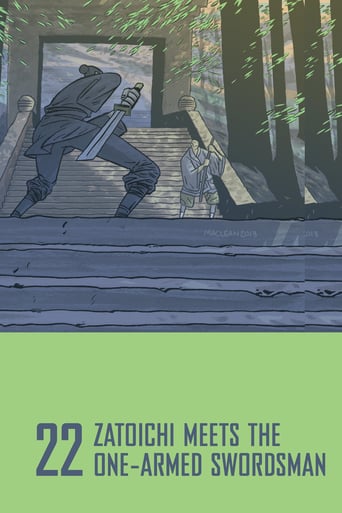
6.8Zatoichi is a blind massage therapist and swordsman who finds out that something troubling is taking place on the outskirts of town. After discovering who the guilty parties are -- an accomplished Chinese martial artist named Wang Kang and his youthful attendant -- Zatoichi finds them and discovers that the pair's mixed up with a dangerous bunch of terrorist samurai who murdered the boy's parents. Now, Zatoichi must step in to save the day.
Zatoichi Meets the One-Armed Swordsman
1971
 6.8
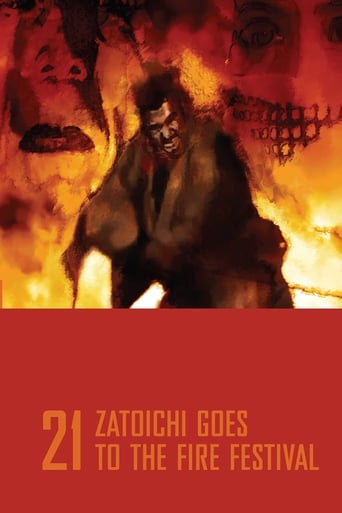
6.8The blind masseuse is targeted by the leader of a powerful yakuza group while also fending off a jealous husband bent on revenge. Zatoichi tours Edo's underground via a rousing onsen fight scene, gambling houses and the gender-bending character of Umeji, before a final, flame-filled conflagration.
Zatoichi Goes to the Fire Festival
1970
 6.0
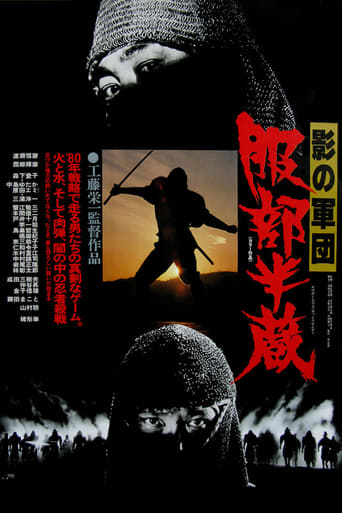
6.0The tale takes place around 1650, after the death of the third Tokugawa shogun, when ronin were expelled from Edo, the military capital. During the political instability following the death of Iemitsu Tokugawa, Hanzo's Iga ninja clan battles against the Koga clan as various factions vie to seize power. The child shogun Ietsuna is kidnapped but turns out to be hidden under (or over) everyone's noses in a castle turret which is reinforced by a comic book villain, the fire-spitting black ninja. The good ninja has to get through all the traps & save the child.
Shadow Warriors: Hattori Hanzo
1980
 6.3
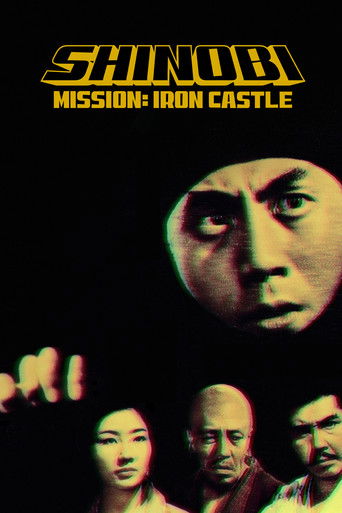
6.3The Shinobi-no-Mono series was so successful that Daiei Studios dipped into the well one more time, making the best 60′s B&W ninja movie ever seen in the otherwise color-dominated year of 1970. Issei Mori directs Hiroki Matsukata as the reluctant leader of a small band of spies charged with kidnapping a noblewoman from a heavily ninja-proofed castle. The finality of the air slowly began to fill like smoke, and in all that had become dark the loyalty of the Ninja who dared to go shone like light as they entered a world shrouded in mystery. Things do not go as planned in what is possibly the darkest and most fatalistic of the already noir-ish 60′s fare. Both the decade and it’s distinctive style of shinobi cinema went out on a high note with Mission Iron Castle.
Mission: Iron Castle
1970
 NR
NRIn this gritty Yakuza drama about the struggles between the Kanto Yakuza forces and Tohoku forces, a newcomer of the Kishimori Group takes on the dangerous task of launching a new office in rival territory.
Kanto Yakuza War: Chalice of Shura
2003
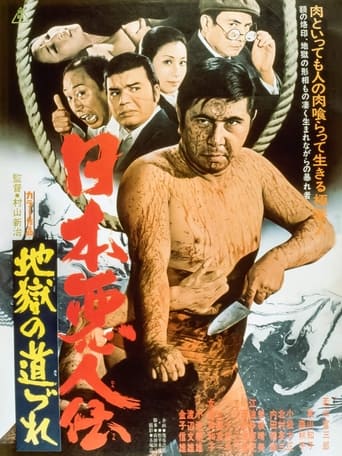 NR
NRNo synopsis available yet.
Companion to Hell
1972
Behind the camera
6.8Zatoichi is a blind massage therapist and swordsman who finds out that something troubling is taking place on the outskirts of town. After discovering who the guilty parties are -- an accomplished Chinese martial artist named Wang Kang and his youthful attendant -- Zatoichi finds them and discovers that the pair's mixed up with a dangerous bunch of terrorist samurai who murdered the boy's parents. Now, Zatoichi must step in to save the day.
Zatoichi Meets the One-Armed Swordsman
1971
6.8The blind masseuse is targeted by the leader of a powerful yakuza group while also fending off a jealous husband bent on revenge. Zatoichi tours Edo's underground via a rousing onsen fight scene, gambling houses and the gender-bending character of Umeji, before a final, flame-filled conflagration.
Zatoichi Goes to the Fire Festival
1970
6.0The tale takes place around 1650, after the death of the third Tokugawa shogun, when ronin were expelled from Edo, the military capital. During the political instability following the death of Iemitsu Tokugawa, Hanzo's Iga ninja clan battles against the Koga clan as various factions vie to seize power. The child shogun Ietsuna is kidnapped but turns out to be hidden under (or over) everyone's noses in a castle turret which is reinforced by a comic book villain, the fire-spitting black ninja. The good ninja has to get through all the traps & save the child.
Shadow Warriors: Hattori Hanzo
1980
6.3The Shinobi-no-Mono series was so successful that Daiei Studios dipped into the well one more time, making the best 60′s B&W ninja movie ever seen in the otherwise color-dominated year of 1970. Issei Mori directs Hiroki Matsukata as the reluctant leader of a small band of spies charged with kidnapping a noblewoman from a heavily ninja-proofed castle. The finality of the air slowly began to fill like smoke, and in all that had become dark the loyalty of the Ninja who dared to go shone like light as they entered a world shrouded in mystery. Things do not go as planned in what is possibly the darkest and most fatalistic of the already noir-ish 60′s fare. Both the decade and it’s distinctive style of shinobi cinema went out on a high note with Mission Iron Castle.
Mission: Iron Castle
1970
NRIn this gritty Yakuza drama about the struggles between the Kanto Yakuza forces and Tohoku forces, a newcomer of the Kishimori Group takes on the dangerous task of launching a new office in rival territory.
Kanto Yakuza War: Chalice of Shura
2003
NRNo synopsis available yet.
Companion to Hell
1972