
Acting
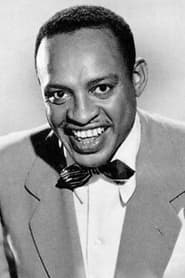
Lionel Hampton
Born — Died
1908-04-20 — 2002-08-31
Place of birth
Louisville, Kentucky, USA
Known for
Acting
Credits
25 titles
Lionel Leo Hampton (April 20, 1908 – August 31, 2002) was an American jazz vibraphonist, pianist, percussionist, and bandleader. Hampton worked with jazz musicians from Teddy Wilson, Benny Goodman, and Buddy Rich, to Charlie Parker, Charles Mingus, and Quincy Jones. In 1992, he was inducted into the Alabama Jazz Hall of Fame, and he was awarded the National Medal of Arts in 1996. Lionel Hampton was born in 1908 in Louisville, Kentucky, and was raised by his mother. Shortly after he was born, he and his mother moved to her hometown of Birmingham, Alabama. He spent his early childhood in Kenosha, Wisconsin, before he and his family moved to Chicago, Illinois, in 1916. As a youth, Hampton was …
Known for
 5.8
5.8The Mike Douglas Show is an American daytime television talk show hosted by Mike Douglas that originally aired only in the Cleveland area during much of its first two years on the air. It then went into syndication in 1963 and remained on television until 1982. It was distributed by Westinghouse Broadcasting and for much of its run, originated from studios of two of the company's TV stations in Cleveland and Philadelphia.
The Mike Douglas Show
1961
 6.8
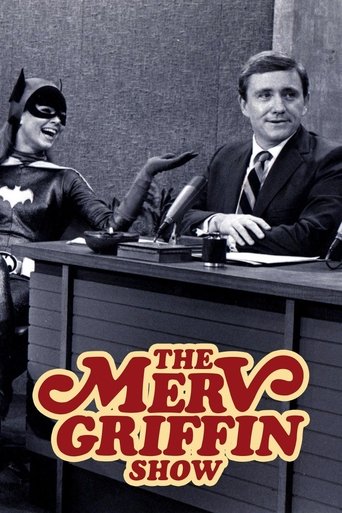
6.8No synopsis available yet.
The Merv Griffin Show
1962
 7.3
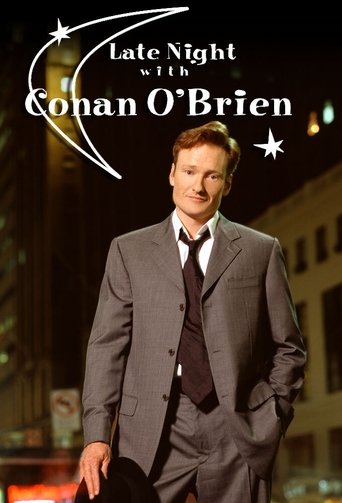
7.3Stepping into the late-late slot vacated by David Letterman, Conan O'Brien stars in a show that far outdoes its competition in sheer strangeness. Along with the celebrity interviews and musical numbers typical of late-night talk shows, this program make frequent use of odd walk-on characters and frequent "visits" from celebrity guests.
Late Night with Conan O'Brien
1993
 8.0
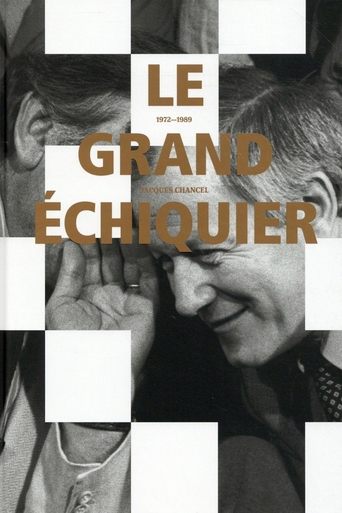
8.0Le Grand Échiquier is a French variety television program created and presented by Jacques Chancel. It aired at 8:30 pm on the first channel of the ORTF from January 12, 1972 to July 12, 1972, then on the second color channel of the ORTF from September 1972 to December 1974, and finally on Antenne 2 from January 1975 to December 21, 1989. The program returned to France 2 on December 20, 2018 and is hosted by Anne-Sophie Lapix.
Le Grand Échiquier
1972
 6.8
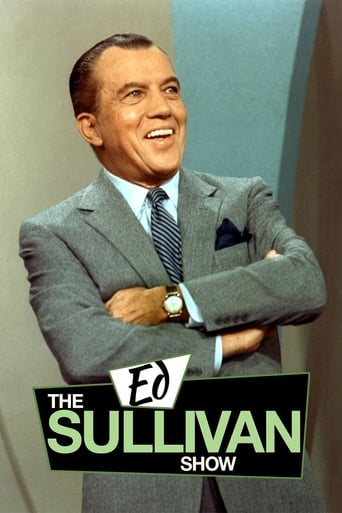
6.8The Ed Sullivan Show is an American TV variety show that originally ran on CBS from Sunday June 20, 1948 to Sunday June 6, 1971, and was hosted by New York entertainment columnist Ed Sullivan. It was replaced in September 1971 by the CBS Sunday Night Movie, which ran only one season and was eventually replaced by other shows. In 2002, The Ed Sullivan Show was ranked #15 on TV Guide's 50 Greatest TV Shows of All Time.
The Ed Sullivan Show
1948
 6.2
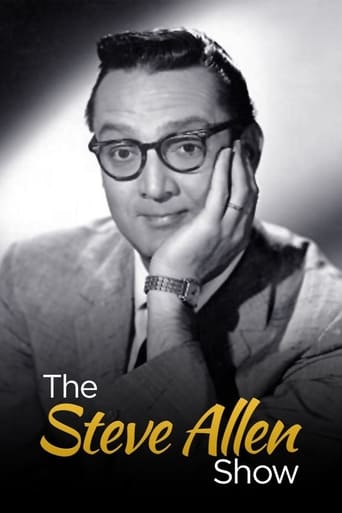
6.2No synopsis available yet.
The Steve Allen Show
1956
Film credits

1970s · 2 titles
 NR
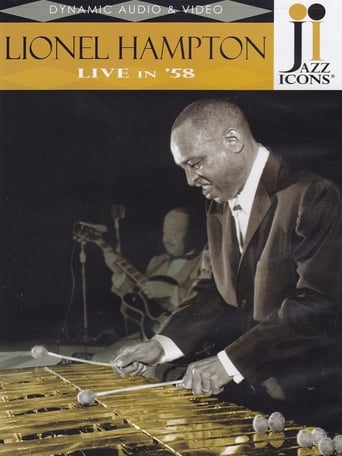
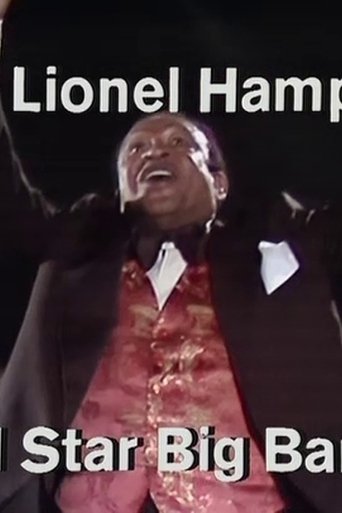
NRThe 1979 Berlin Jazz Festival was a showcase for the international jazz elite—and right in the middle of it all was Lionel Hampton. The vibraphone virtuoso and entertainer thrilled audiences with his explosive mix of swing, blues, and showmanship. His performance was one of the highlights of the renowned festival, which has made Berlin a jazz metropolis since the 1960s. A historic concert moment.
Lionel Hampton All Star Big Band @ Berliner Jazztage 1979
1979
 7.0
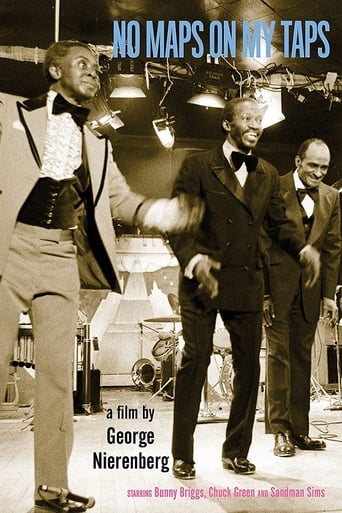
7.0The remarkable spirit of tap dancers and their history provides a joyous backdrop for intimate portraits of hoofers Sandman Sims, Chuck Green, and Bunny Briggs.
No Maps on My Taps
1979
1950s · 5 titles
 7.0
7.0A vibrant tribute to one of America's legendary bandleaders, charting Glenn Miller's rise from obscurity and poverty to fame and wealth in the early 1940s.
The Glenn Miller Story
1954
 6.4
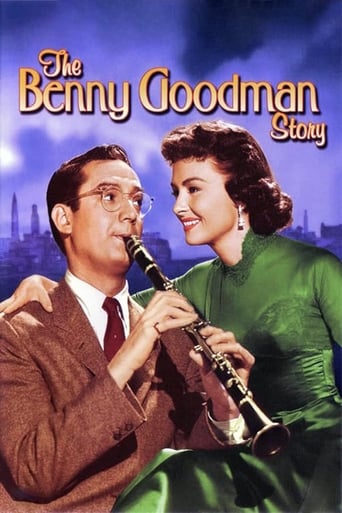
6.4Young Benny Goodman is taught clarinet by a music professor. He is advised to play whichever kind of music he likes best, but to make a living, Benny begins by joining the Ben Pollack traveling band.
The Benny Goodman Story
1956
 6.8
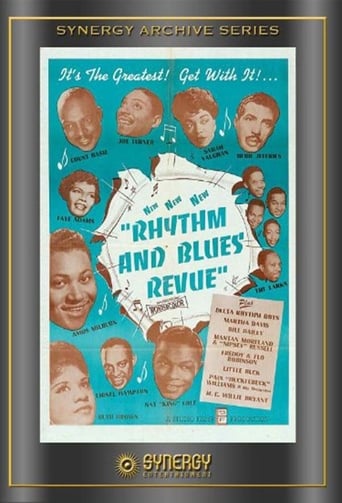
6.8Rhythm and Blues Revue is a plotless variety show, one of several compiled for theatrical exhibition from the made-for-television short films produced by Snader and Studio Telescriptions, with newly-filmed host segments by Willie Bryant. Originally 86 minutes, the "short" version available on public domain collections and websites is missing a reel
Rhythm and Blues Revue
1955
 6.0
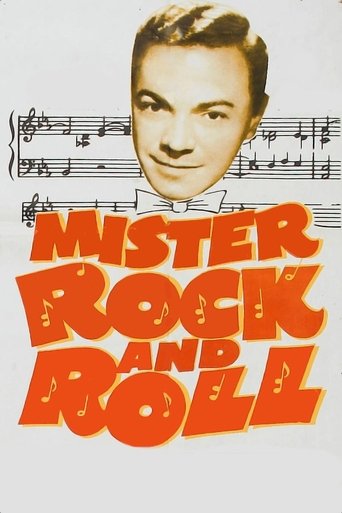
6.0Alan Freed is "Mr. Rock and Roll" as he sets out to prove that rock 'n' roll doesn't cause juvenile delinquency. Terrific original rock 'n' roll legends perform their classics!
Mister Rock and Roll
1957
 4.7
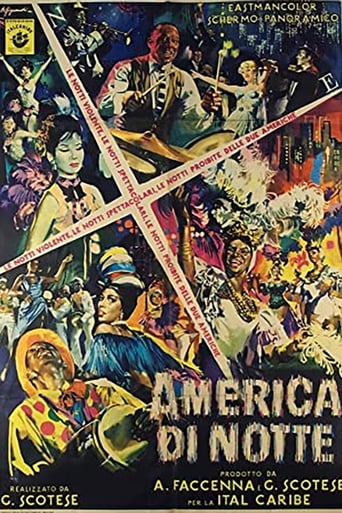
4.7Italian mondo featuring scenes of night life in North and South America, including Las Vegas, New Orleans, San Francisco, Buenos Aires and Rio de Janeiro.
America By Night
1957
1940s · 2 titles
 6.4
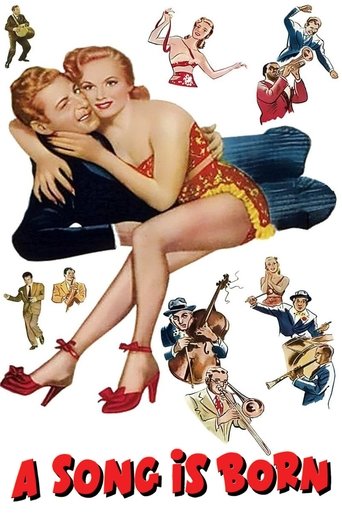
6.4The story of seven scholars in search of an expert to teach them about swing music. They seem to have found the perfect candidate in winsome nightclub singer Honey Swanson. But Honey's gangster boyfriend doesn't want to give her up.
A Song Is Born
1948
Production number 5302 in Universal-International "Name Band Musical" series of shorts featuring Lionel Hampton and His Orchestra, with a much-larger-than usual number of supporting acts.
Lionel Hampton and His Orchestra
1949
Series credits
5.8The Mike Douglas Show is an American daytime television talk show hosted by Mike Douglas that originally aired only in the Cleveland area during much of its first two years on the air. It then went into syndication in 1963 and remained on television until 1982. It was distributed by Westinghouse Broadcasting and for much of its run, originated from studios of two of the company's TV stations in Cleveland and Philadelphia.
The Mike Douglas Show
1961
6.8No synopsis available yet.
The Merv Griffin Show
1962
6.8No synopsis available yet.
The Merv Griffin Show
1962
7.3Stepping into the late-late slot vacated by David Letterman, Conan O'Brien stars in a show that far outdoes its competition in sheer strangeness. Along with the celebrity interviews and musical numbers typical of late-night talk shows, this program make frequent use of odd walk-on characters and frequent "visits" from celebrity guests.
Late Night with Conan O'Brien
1993
8.0Le Grand Échiquier is a French variety television program created and presented by Jacques Chancel. It aired at 8:30 pm on the first channel of the ORTF from January 12, 1972 to July 12, 1972, then on the second color channel of the ORTF from September 1972 to December 1974, and finally on Antenne 2 from January 1975 to December 21, 1989. The program returned to France 2 on December 20, 2018 and is hosted by Anne-Sophie Lapix.
Le Grand Échiquier
1972
6.8The Ed Sullivan Show is an American TV variety show that originally ran on CBS from Sunday June 20, 1948 to Sunday June 6, 1971, and was hosted by New York entertainment columnist Ed Sullivan. It was replaced in September 1971 by the CBS Sunday Night Movie, which ran only one season and was eventually replaced by other shows. In 2002, The Ed Sullivan Show was ranked #15 on TV Guide's 50 Greatest TV Shows of All Time.
The Ed Sullivan Show
1948
6.2No synopsis available yet.
The Steve Allen Show
1956
 6.3
6.3Now the longest-running music series in American television history, ACL showcases popular music legends and innovators from every genre.
Austin City Limits
1975
 7.4
7.4The Kennedy Center Honors is an annual honor given to those in the performing arts for their lifetime of contributions to American culture.
The Kennedy Center Honors
1978
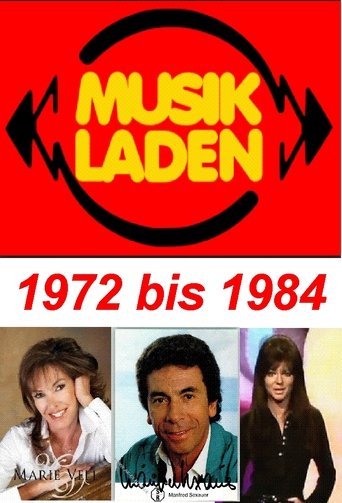 8.0
8.0Der Musikladen was a West German music television programme that ran from December 13, 1972 to November 29, 1984. The show continued the 1960s Beat-Club under a new name, and in turn was replaced by Extratour.
Musikladen
1972
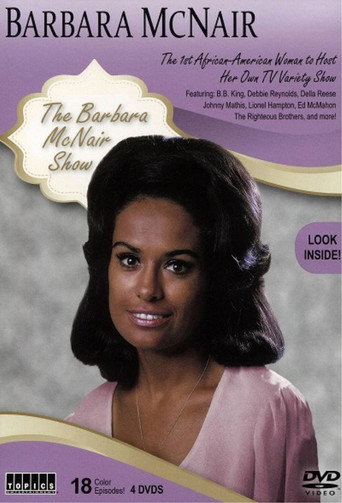 NR
NRNo synopsis available yet.
The Barbara McNair Show
1969
No synopsis available yet.
The Big Party
1959
No synopsis available yet.
Bei Bio
1983