

Acting
Costinha
Born — Died
1891-02-25 — 1976-01-24
Place of birth
Santarém, Portugal
Known for
Acting
Credits
17 titles
Born Ernestino Augusto Costa, in Santarém, Portugal.
Known for
 6.8
6.8The adventurous life of Portugal's epic poet, Luis de Camões.
Camões
1946
 6.5
6.5Aurora is a modest young girl, working as dressmaker for the women her popular district, near the OPorto cathedral. One day, through a hintz-dress design competition, she gets involved with a haut couture atelier.
My Little Seamstress
1959
 7.1
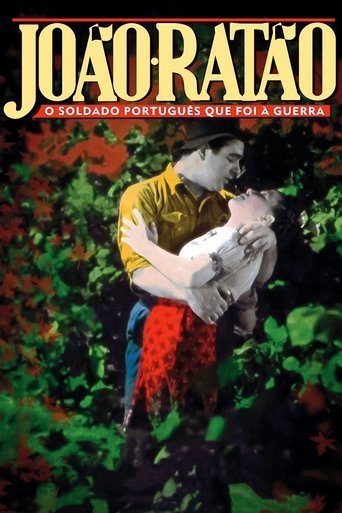
7.1João Ratão is one of many young Portuguese soldiers fighting in Flandres, France, during World War I. Back home, he now needs to fight for the love Vitória, to whom he sent love letters from France... written by a fellow soldier. João Ratão is illiterate.
João Ratão
1940
 10.0
10.0No synopsis available yet.
Perdeu-se um Marido
1957
 7.3
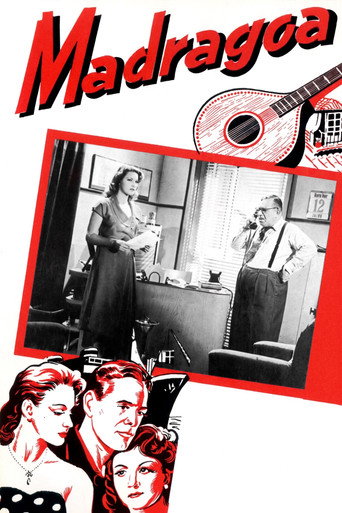
7.3In Madragoa, Zé Luís, a man of the people devoted to his work, is in love with Clara, the daughter of Santana das Carnes, his godfather and protector, who intends to marry her to D. Eusébio with the intention of financing his business. When Santana discovers the romance, he fires Zé Luís and forces him to break it off, convincing him that he owes his marriage to Margarida, a young woman of the same upbringing. Zé Luís finds employment at the docks, Margarida dies of illness, Santana goes bankrupt... Zé Luís supports him with initiative and money from his father, who has meanwhile returned from Africa, and ends up marrying Clara.
Madragoa
1952
 8.3
8.3After the brother's death by a bull, the "Bezoiro", Manuel refuses to succeed him as mayoral, the very day he marries Maria Loba.
Um Homem do Ribatejo
1946
Film credits
1950s · 6 titles
6.5Aurora is a modest young girl, working as dressmaker for the women her popular district, near the OPorto cathedral. One day, through a hintz-dress design competition, she gets involved with a haut couture atelier.
My Little Seamstress
1959
10.0No synopsis available yet.
Perdeu-se um Marido
1957
7.3In Madragoa, Zé Luís, a man of the people devoted to his work, is in love with Clara, the daughter of Santana das Carnes, his godfather and protector, who intends to marry her to D. Eusébio with the intention of financing his business. When Santana discovers the romance, he fires Zé Luís and forces him to break it off, convincing him that he owes his marriage to Margarida, a young woman of the same upbringing. Zé Luís finds employment at the docks, Margarida dies of illness, Santana goes bankrupt... Zé Luís supports him with initiative and money from his father, who has meanwhile returned from Africa, and ends up marrying Clara.
Madragoa
1952
 10.0
10.0No synopsis available yet.
O Noivo das Caldas
1956
 7.7
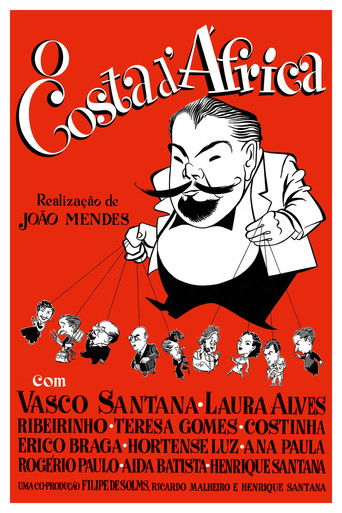
7.7Costa is travelling from Africa to London, and wishes very much to his nephew Amadeu, and see by himself how well he has been invested large sums of money he is been sending him. Amadeu 'borrows' for 24 hours a wife, a villa, a car, and a servant - for he has been lies to his uncle all the time. All goes well. But, Costa decides to prolong his stay for two weeks...
O Costa d'África
1954
 7.0
7.0Alberto has a vocation to sing, but at home run counter to their ambition. The father, owner of a shoe shop either, the force, that he work in the shop. / Alberto tem vocação para cantar, mas em casa contrariam a sua ambição. O pai, dono de uma sapataria quer, à força, que ele trabalhe na loja.
Song of the Street
1950
1940s · 6 titles
6.8The adventurous life of Portugal's epic poet, Luis de Camões.
Camões
1946
7.1João Ratão is one of many young Portuguese soldiers fighting in Flandres, France, during World War I. Back home, he now needs to fight for the love Vitória, to whom he sent love letters from France... written by a fellow soldier. João Ratão is illiterate.
João Ratão
1940
8.3After the brother's death by a bull, the "Bezoiro", Manuel refuses to succeed him as mayoral, the very day he marries Maria Loba.
Um Homem do Ribatejo
1946
 10.0
10.0A building in Lisbon where three families with very different social backgrounds live. An arrogant aristocratic family on the first floor, a modest bourgeois family on the ground floor, and a working-class family in the basement.
The Ground Floor Neighbors
1947
 10.0
10.0To get away from the boredom of the city, Henrique de Souzelas visits his aunt Doroteia, in a picturesque village in the North, where he becomes attracted to his young, beautiful cousin Madalena.
A Morgadinha dos Canaviais
1949
 8.0
8.0The film deals with the story of smugglers operating in the border areas of northern Portugal. A group of smugglers who escaped police installed in a village to have a quiet life, but facing hard times have to go back to smuggling.
Mountain Wolves
1942
1930s · 5 titles
 9.0
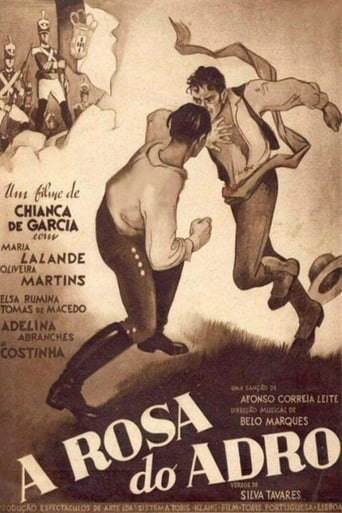
9.0The ill-conceived loves of Rosa, a modest seamstress, and Fernando a doctor, leaving in the shadow the fateful passion of António (a liberal) for the young woman.
The Rose of the Churchyard
1938
 7.8
7.8Adaptation of the homonymous novel by Júlio Dantas. Trying to highlight the romantic tone, the ruralism of the picturesque situations and environments, the spirit and characters of 1863 are revived: the characteristic loves of Margarida and Clara, the distinguished morals of Pedro and Daniel, the bonhomie of João Semana, finally the disagreements , common sense, tenderness, rituals and landscape involvement of Minho.
As Pupilas do Senhor Reitor
1935
 7.0
7.0Based on the novel of the same name, by Júlio Dantas, this is the first Portuguese all-talking sound film, dramatization of the story of the Fado singer Maria Severa Onofriana, known as A Severa.
A Severa
1931
 8.0
8.0No synopsis available yet.
Varanda dos Rouxinóis
1939
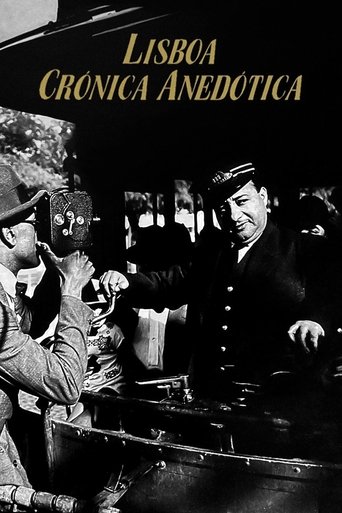 6.3
6.3Caleidoscope of documentary-like scenes and re-enacted episodes of a day in the life of a large port town – Lisbon, from the old district around Saint George's Castle down to the docks and the 'Sagres' on the Tagus river, to the new commercial districts.
Lisbon, Anecdotal Chronicle
1930