
Directing
Jacinto Esteva
Place of birth
Barcelona, Barcelona, Catalonia, Spain
Known for
Directing
Credits
17 titles
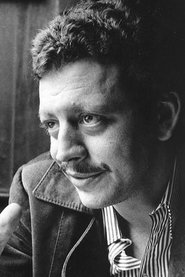
Jacinto Esteva Grewe (Barcelona, Spain, 1936 - Barcelona, September 9, 1985) was a Spanish film director, founder of the Barcelona School. In 1960 he directed a short film with Paolo Brunatto, Notes sur l'émigration. Espagne 1960. In 1962 he filmed two more short films Around the salt flats and Picasso. He debuted in 1966 with the feature film Lejos de los árboles. The film traces some Spanish traditions related to pain and death and was considered by some critics to be an update of Luis Buñuel's Las Hurdes, tierra sin pan; it was released in 1972. In 1965 he began his activity in the film industry with the foundation of the production company Filmscontacto, the basis of the so-called Barc…
Known for
 4.5
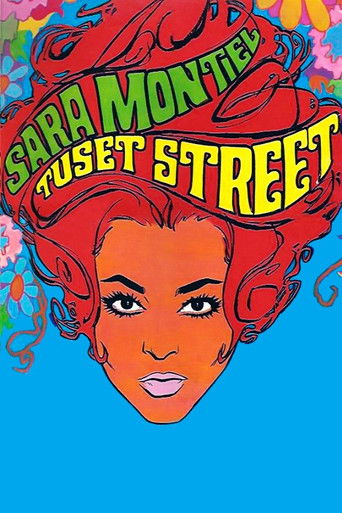
4.5Barcelona 1967. The pop culture revolution. Jordi (Patrick Bauchau) is a rich playboy who runs around with a bunch of high-end hippies, smoking, drinking, dancing and daydreaming about Tuset Street, an effort to develop a popular street in the newer section of Barcelona after the models of Haight Ashbury Street in San Francisco and Carnaby Street in London. Jordi and his gang represent the new Barcelona, wealthy, artificial and striving for imported sophistication. On the older side of the city is El Paralelo, the theater district. At El Molino, one of its many music halls, performs Violeta (Sara Montiel), a showgirl in the old style tradition who supplements her singing income with prostitution. Somehow Violeta represents the old values, the "real world" living along side an artificial creation such as Tuset.
Tuset Street
1968
 6.4
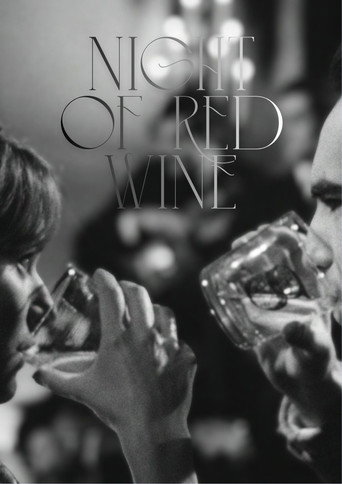
6.4A man and a woman, both disappointed with their partners, meet by chance at the beginning of the night. They will spend the night together drinking red wine in Barcelona's Chinatown.
Night of Red Wine
1967
 6.2
6.2A woman uselessly insists on entertaining a man by telling him stories that don’t interest him as much as his works. A film about the impossibility of telling a story that, to this end, concentrates on the story of two people who have a relationship that is destined to fail.
Dante Is Not Only Severe
1967
 6.2
6.2An unprejudiced portrait of Spanish folklore and a crude analysis in black and white of its intimate relationship with atavism and superstition, with violence and pain, with blood and death; a story of terror, a journey to the most sinister and ancestral Spain; the one that lived far from the most visited tourist destinations, from the economic miracle and unstoppable progress, relentlessly promoted by the Franco regime during the sixties.
Far from the Trees
1972
 6.6
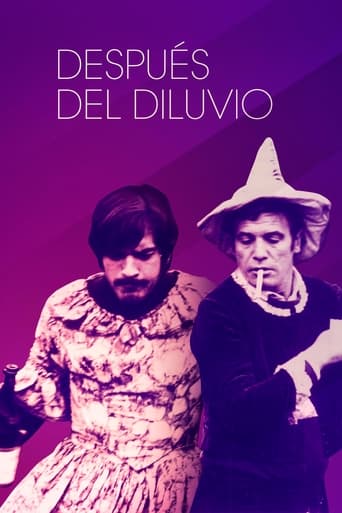
6.6Patricia (Mijanou Bardot) is a wealthy party girl who is bored with her jet-set lifestyle and friends. She gets in her car and drives off into the mountains in search of a new thrill. When two men wreck and burn her car, she joins them in their mountaineering life. She sleeps with one man, but jealousy ensues and she leaves for swinging London town with the other man. Eventually the men end up back in the mountains as the profoundly disturbed Patricia packs a loaded gun and goes after them both.
After the Deluge
1968
 NR
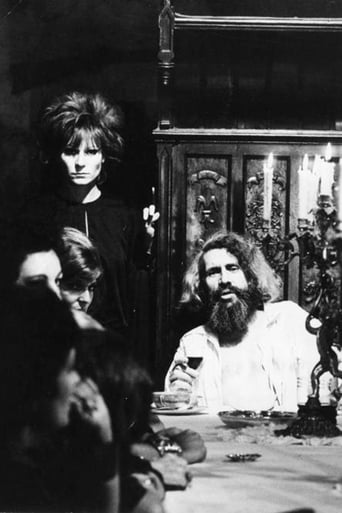
NRAn absurd gathering of venerable congressmen convenes in a decadent hotel, immediately followed by a young couple’s intimate discussion about their desire to bring a child into the world. Interwoven with echoes of the Virgin Mary’s evangelical story, the film probes the moral and existential responsibility of procreation. Opposing this is an entrenched aristocratic order, symbolized by the deadly sins, which resists the aspirations and fresh ideas of youth.
Le fils de Marie
1973
Film credits
Behind the camera
6.4A man and a woman, both disappointed with their partners, meet by chance at the beginning of the night. They will spend the night together drinking red wine in Barcelona's Chinatown.
Night of Red Wine
1967
6.2A woman uselessly insists on entertaining a man by telling him stories that don’t interest him as much as his works. A film about the impossibility of telling a story that, to this end, concentrates on the story of two people who have a relationship that is destined to fail.
Dante Is Not Only Severe
1967
6.2A woman uselessly insists on entertaining a man by telling him stories that don’t interest him as much as his works. A film about the impossibility of telling a story that, to this end, concentrates on the story of two people who have a relationship that is destined to fail.
Dante Is Not Only Severe
1967
6.2An unprejudiced portrait of Spanish folklore and a crude analysis in black and white of its intimate relationship with atavism and superstition, with violence and pain, with blood and death; a story of terror, a journey to the most sinister and ancestral Spain; the one that lived far from the most visited tourist destinations, from the economic miracle and unstoppable progress, relentlessly promoted by the Franco regime during the sixties.
Far from the Trees
1972
6.2An unprejudiced portrait of Spanish folklore and a crude analysis in black and white of its intimate relationship with atavism and superstition, with violence and pain, with blood and death; a story of terror, a journey to the most sinister and ancestral Spain; the one that lived far from the most visited tourist destinations, from the economic miracle and unstoppable progress, relentlessly promoted by the Franco regime during the sixties.
Far from the Trees
1972
6.6Patricia (Mijanou Bardot) is a wealthy party girl who is bored with her jet-set lifestyle and friends. She gets in her car and drives off into the mountains in search of a new thrill. When two men wreck and burn her car, she joins them in their mountaineering life. She sleeps with one man, but jealousy ensues and she leaves for swinging London town with the other man. Eventually the men end up back in the mountains as the profoundly disturbed Patricia packs a loaded gun and goes after them both.
After the Deluge
1968
6.6Patricia (Mijanou Bardot) is a wealthy party girl who is bored with her jet-set lifestyle and friends. She gets in her car and drives off into the mountains in search of a new thrill. When two men wreck and burn her car, she joins them in their mountaineering life. She sleeps with one man, but jealousy ensues and she leaves for swinging London town with the other man. Eventually the men end up back in the mountains as the profoundly disturbed Patricia packs a loaded gun and goes after them both.
After the Deluge
1968
NRAn absurd gathering of venerable congressmen convenes in a decadent hotel, immediately followed by a young couple’s intimate discussion about their desire to bring a child into the world. Interwoven with echoes of the Virgin Mary’s evangelical story, the film probes the moral and existential responsibility of procreation. Opposing this is an entrenched aristocratic order, symbolized by the deadly sins, which resists the aspirations and fresh ideas of youth.
Le fils de Marie
1973
NRAn absurd gathering of venerable congressmen convenes in a decadent hotel, immediately followed by a young couple’s intimate discussion about their desire to bring a child into the world. Interwoven with echoes of the Virgin Mary’s evangelical story, the film probes the moral and existential responsibility of procreation. Opposing this is an entrenched aristocratic order, symbolized by the deadly sins, which resists the aspirations and fresh ideas of youth.
Le fils de Marie
1973
 5.8
5.8A rich businessman, Julián, runs a foundation that seeks cures for people with disabilities or abnormalities. During one experiment he finds an extraordinary being, but it is just a mirage, as cerebral abnormalities begin to appear, and the being does not want to return to its primitive state.
Metamorphosis
1970
5.8A rich businessman, Julián, runs a foundation that seeks cures for people with disabilities or abnormalities. During one experiment he finds an extraordinary being, but it is just a mirage, as cerebral abnormalities begin to appear, and the being does not want to return to its primitive state.
Metamorphosis
1970
 NR
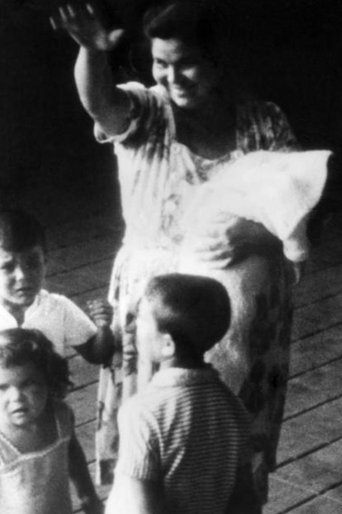
NRAn investigation into the motives of Spanish workers who migrated to Switzerland in the late 50s, early 60s turns into a sometimes caustic, sometimes melancholic rumination on the land they left behind. A work in between cultures and cinematic modes, a starting point, an opening statement - a clarion call.
Notes sur l'émigration. Espagne 1960
1960
NRAn investigation into the motives of Spanish workers who migrated to Switzerland in the late 50s, early 60s turns into a sometimes caustic, sometimes melancholic rumination on the land they left behind. A work in between cultures and cinematic modes, a starting point, an opening statement - a clarion call.
Notes sur l'émigration. Espagne 1960
1960
NRAn investigation into the motives of Spanish workers who migrated to Switzerland in the late 50s, early 60s turns into a sometimes caustic, sometimes melancholic rumination on the land they left behind. A work in between cultures and cinematic modes, a starting point, an opening statement - a clarion call.
Notes sur l'émigration. Espagne 1960
1960
 4.0
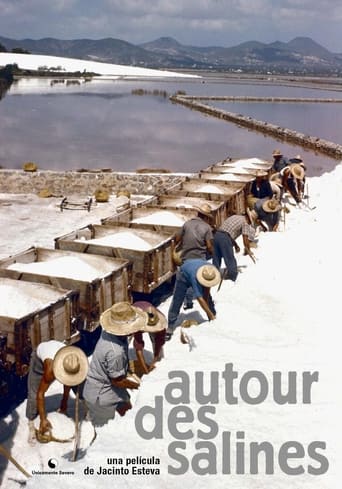
4.0Life in a rural area in Spain where the sole source of income is the physically gruelling labour of salt mining.
Autour des Salines
1964
4.0Life in a rural area in Spain where the sole source of income is the physically gruelling labour of salt mining.
Autour des Salines
1964