
Directing
Uldis Brauns
Born — Died
1932-12-19 — 2017-01-13
Known for
Directing
Credits
14 titles
Known for
 NR
NR"The Worker is the last part of the trilogy, and differs somewhat from the rest. Rather then telling of yet another building site, the film centers on the abstract image of the Worker. The voice-over commentary describes the meaning of work in Soviet life – the role and significance of each individual. Melting an old tank at the smelting plant serves as a metaphor for peace that enables all workers to fully dedicate themselves to productive construction." VERZIO International Human Rights Documentary Film Festival
The Worker
1963
 NR
NR"A humorous story about the arrival of summer offers insight into the everyday lives of a town's inhabitants. An ironic voice-over, written by Armīns Lejiņš, comments on the events attentively shot by Uldis Brauns in the town. The scenes include a fire drill, a wedding, a school graduation, and other episodes of town life. Brauns and Lejiņš originally planned to make a fiction film, and filmed in Kuldīga, but the project was not realized at the time (the script was later used for Aivars Freimanis’ Kuldīga Frescoes, 1966), and was incorporated into this short film." - VERZIO International Human Rights Documentary Film Festival
The Summer
1963
 NR
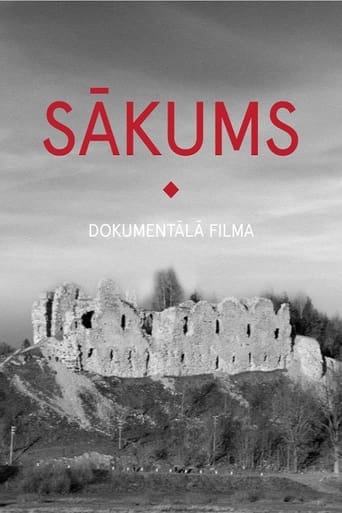
NRThe Beginning is the first installment in Brauns’ trilogy dedicated to large-scale construction development in Latvia. It captures the building process of the Pļaviņas hydroelectric station on the country’s largest river. Observation of the builders, drivers, and engineers at work highlights the human aspect of construction work. The film’s title carries symbolic weight – this is the first Riga school film, Brauns’ directorial debut, the first widescreen picture made in Latvia, and the first part of a trilogy.
The Beginning
1961
 7.5
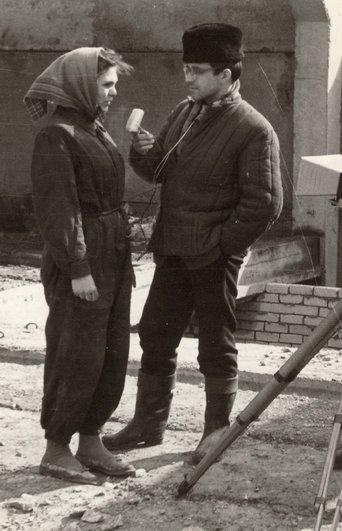
7.5"The Construction is the second part of Uldis Brauns’ trilogy. It focuses on the construction of Daugavpils' synthetic fibre factory, and includes well-balanced, wide-angle shots and dramatic camera angles. The soundtrack is used imaginatively to create new meanings, and to construct metaphor like a musical artwork. The Construction also uses live interviews recorded on set; Armīns Lejiņš, the trilogy's scriptwriter, appears on camera interviewing people." - VERZIO International Human Rights Documentary Film Festival
The Construction
1962
 5.8
5.8At the beginning of the 1960s, when the French pioneers of cinéma vérité set out to achieve a new realism, and when direct cinema in Québec began to vie for notice, the Baltics wit-nessed the birth of a generation of documentarists who favored a more romantic view of the world around them. This meditative documentary essay – from a Latvian writer and Lithuanian director whose composed touch has long dovetailed with the stylistically diverse works of the Baltic New Wave – pushes adroitly past the limits of the common his-toriographic investigation to create a portrait of less-clearly remembered filmmakers. The result is a consummate poetic treatment of the ontology of documentary creation. Also a cinematic poem about cinema poets.
Bridges of Time
2018
 NR
NRUldis Brauns' diploma film at VGIK
Krasts
1959
Film credits
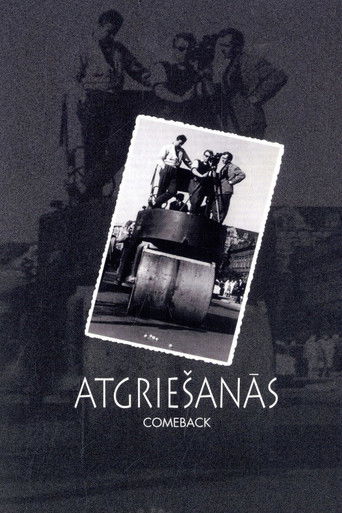
Behind the camera
NR"The Worker is the last part of the trilogy, and differs somewhat from the rest. Rather then telling of yet another building site, the film centers on the abstract image of the Worker. The voice-over commentary describes the meaning of work in Soviet life – the role and significance of each individual. Melting an old tank at the smelting plant serves as a metaphor for peace that enables all workers to fully dedicate themselves to productive construction." VERZIO International Human Rights Documentary Film Festival
The Worker
1963
NR"A humorous story about the arrival of summer offers insight into the everyday lives of a town's inhabitants. An ironic voice-over, written by Armīns Lejiņš, comments on the events attentively shot by Uldis Brauns in the town. The scenes include a fire drill, a wedding, a school graduation, and other episodes of town life. Brauns and Lejiņš originally planned to make a fiction film, and filmed in Kuldīga, but the project was not realized at the time (the script was later used for Aivars Freimanis’ Kuldīga Frescoes, 1966), and was incorporated into this short film." - VERZIO International Human Rights Documentary Film Festival
The Summer
1963
NRThe Beginning is the first installment in Brauns’ trilogy dedicated to large-scale construction development in Latvia. It captures the building process of the Pļaviņas hydroelectric station on the country’s largest river. Observation of the builders, drivers, and engineers at work highlights the human aspect of construction work. The film’s title carries symbolic weight – this is the first Riga school film, Brauns’ directorial debut, the first widescreen picture made in Latvia, and the first part of a trilogy.
The Beginning
1961
7.5"The Construction is the second part of Uldis Brauns’ trilogy. It focuses on the construction of Daugavpils' synthetic fibre factory, and includes well-balanced, wide-angle shots and dramatic camera angles. The soundtrack is used imaginatively to create new meanings, and to construct metaphor like a musical artwork. The Construction also uses live interviews recorded on set; Armīns Lejiņš, the trilogy's scriptwriter, appears on camera interviewing people." - VERZIO International Human Rights Documentary Film Festival
The Construction
1962
NRUldis Brauns' diploma film at VGIK
Krasts
1959
 8.0
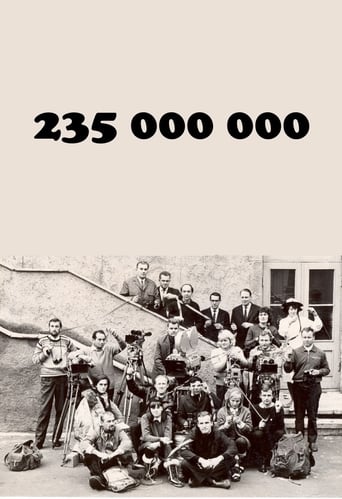
8.0In the 1966 the population of the Soviet Union was estimated at 235 million. A group of Latvian filmmakers traveled the length and breadth of the country to create a portrait of the diverse population.
235 000 000
1967
 3.0
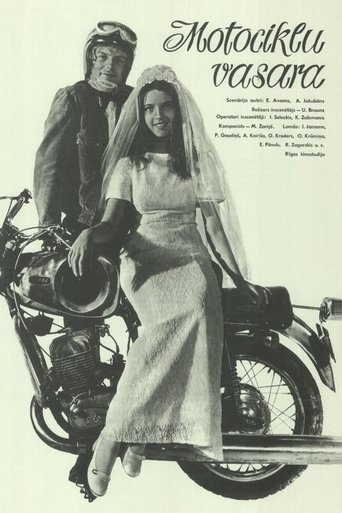
3.0On his 18th birthday, Māris receives a motorcycle from his parents, and, while driving around with his friends, they pass a wedding car. The bride, Inese, is entering a loveless marriage, so she allows Māris to steal her from the wedding reception.
Motorcycle Summer
1975
A different view on the World and European Hockey Championships in Prague in 1972.
Pasaules un Eiropas čempionāts hokejā - Prāga-1972
1972
A different view on the World and European Hockey Championships in Prague in 1972.
Pasaules un Eiropas čempionāts hokejā - Prāga-1972
1972
 NR
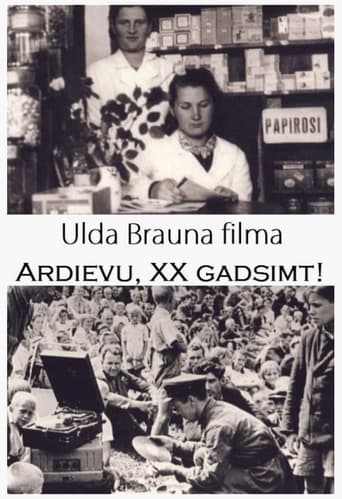
NRA chronicle created from archival materials, which in terms of form continues the path of montage films once begun by Braun. The events in the film take place during the period from the 1905 revolution to the manifestations of Latvia's efforts to regain independence in the Baltic Way and the Third Awakening.
Ardievu, divdesmitais gadsimt!
2006
 NR
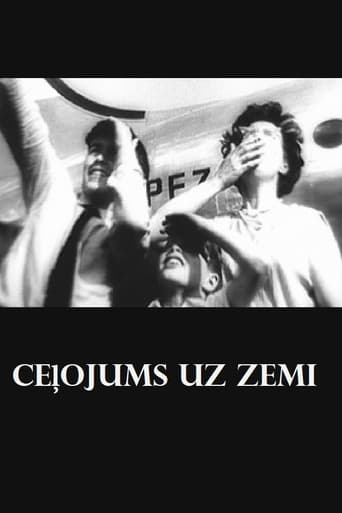
NRNo synopsis available yet.
Trip to Earth
1977
NRNo synopsis available yet.
Trip to Earth
1977