
Acting
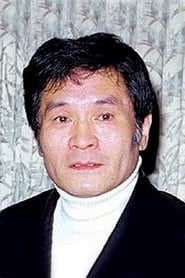
Ichirō Nakatani
Born — Died
1930-10-15 — 2004-04-01
Place of birth
Sapporo, Hokkaido, Japan
Known for
Acting
Credits
67 titles
Ichirō Nakatani (Japanese: 中谷 一郎, Hepburn: Nakatani Ichirō) was a Japanese actor. He attended Waseda University but withdrew before completing his degree and joining the Haiyuza Theatre Company. In 1959, Nakatani won Elan d'or Award for Newcomer of the Year. Nakatani was well known for his role as Ninja Kazaguruma no Yahichi in the jidaigeki drama Mito Kōmon.
Known for
 8.5
8.5Down-on-his-luck veteran Tsugumo Hanshirō enters the courtyard of the prosperous House of Iyi. Unemployed, and with no family, he hopes to find a place to commit seppuku—and a worthy second to deliver the coup de grâce in his suicide ritual. The senior counselor for the Iyi clan questions the ronin’s resolve and integrity, suspecting Hanshirō of seeking charity rather than an honorable end. What follows is a pair of interlocking stories which lay bare the difference between honor and respect, and promises to examine the legendary foundations of the Samurai code.
Harakiri
1962
 7.7
7.7Taking its title from an archaic Japanese word meaning "ghost story," this anthology adapts four folk tales. A penniless samurai marries for money with tragic results. A man stranded in a blizzard is saved by Yuki the Snow Maiden, but his rescue comes at a cost. Blind musician Hoichi is forced to perform for an audience of ghosts. An author relates the story of a samurai who sees another warrior's reflection in his teacup.
Kwaidan
1965
 8.1
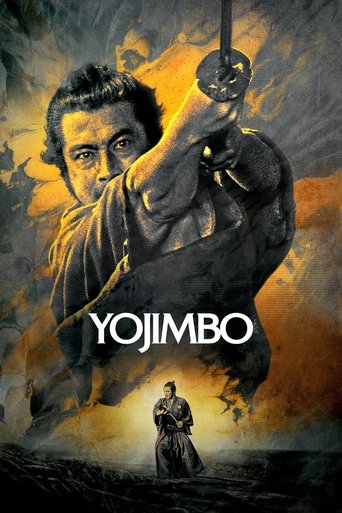
8.1A nameless ronin, or samurai with no master, enters a small village in feudal Japan where two rival businessmen are struggling for control of the local gambling trade. Taking the name Sanjuro Kuwabatake, the ronin convinces both silk merchant Tazaemon and sake merchant Tokuemon to hire him as a personal bodyguard, then artfully sets in motion a full-scale gang war between the two ambitious and unscrupulous men.
Yojimbo
1961
 6.5
6.5Mining engineer Shigeru investigates the disappearance and death of his fellow coworkers when prehistoric nymphs are discovered emerging from the mines. After an attack on the local village, Shigeru heads deeper into the mines only to make a more horrifying discovery in the form a prehistoric flying creature. Soon a second monster appears as the two converge in Fukuoka.
Rodan
1956
 NR
NRNo synopsis available yet.
Tasukenin Hashiru
1973
 NR
NRThe drama features two families, the all-male Shibata family and the all-female Inaba family, and depicts the interactions between the two families with many amusing and heartwarming episodes.
Family of Three
1968
Film credits
1980s · 3 titles
 6.6
6.6A lavish retelling of the true story of the final voyage and ultimate destruction and sinking of the battleship Yamato, Japan's greatest flagship during the Second World War.
The Imperial Navy
1981
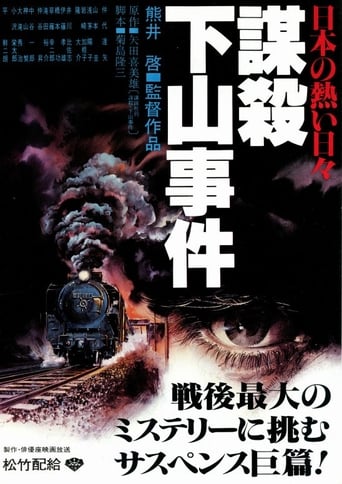 8.0
8.0The president of the Japanese National Railways is found dead during a period in which train service is plagued by numerous layoffs, strikes and shutdowns. The government says that the president was murdered; the police claim it was a suicide. A quizzical reporter follows the case for years, but the basic question remains unanswered: was the victim killed by members of the burgeoning Communist movement in Japan, or was the death stage-managed by the authorities in hopes of discrediting the Communists?
Willful Murder
1981
 9.0
9.0Seeking revenge after a brutal attack that left him disfigured, a former assassin gets drawn into a high-stakes conflict over a valuable treasure.
Tange Sazen: The Million Ryo Pot
1982
1970s · 21 titles
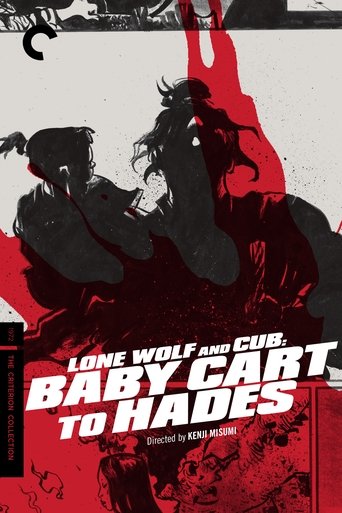 7.1
7.1Ogami Itto volunteers to be tortured by Yakuza in order to save a prostitute and is hired by their leader to kill an evil chamberlain.
Lone Wolf and Cub: Baby Cart to Hades
1972
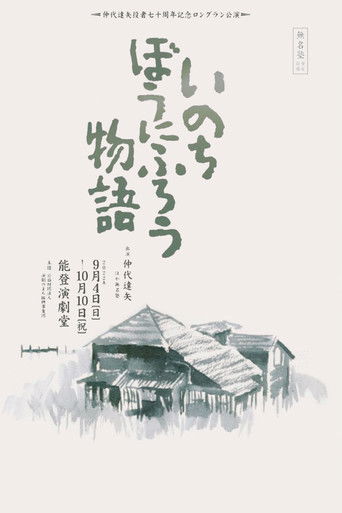 6.3
6.3In feudal Japan, when any commerce with the rest of the world is strictly prohibited, an idealist appears at an isolated inn, headquarters of smugglers with stolen money intended to ransom his loved one forced to work in a brothel.
Inn of Evil
1971
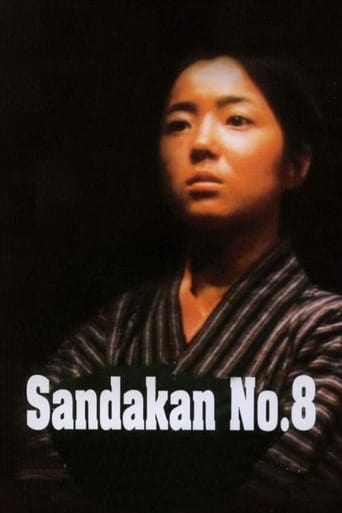 7.8
7.8A young journalist interviews an elderly woman about being forced into prostitution in Borneo at a brothel called Sandakan No. 8.
Sandakan No. 8
1974
 6.9
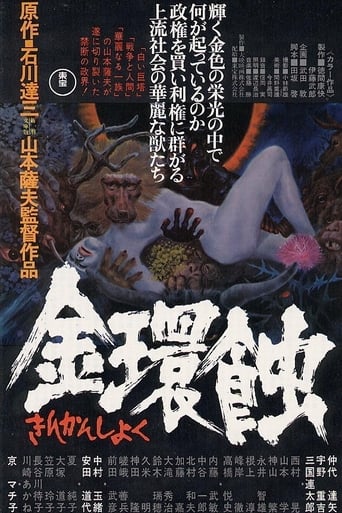
6.9When bribe money from a rigged election funnels into a dam construction project, collusion, lust, greed and even murder are on the ballot.
Solar Eclipse
1975
 6.1
6.1UFOs appear on Earth, and people who actually see them suddenly find that their blood has turned blue. Soon panic and hysteria result in the new "blue-bloods" being persecuted by the rest of mankind, and eventually certain all-too-familiar measures begin to be taken against them.
Blood Type: Blue
1978
 7.0
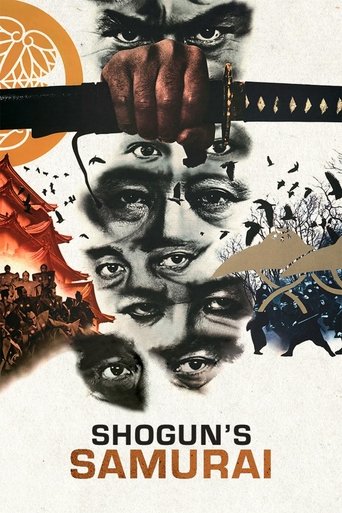
7.0Following the death of the second Tokugawa shogun, it is revealed that he was poisoned by retainers of his son Iemitsu in hopes of gaining him the shogunate despite the stammer and birthmark which undermine his respect. Iemitsu and his brother Tadanaga become bitter rivals for the shogunate, and the land is split into factions, eventually erupting into warfare. Iemitsu's mentor, his fencing instructor Yagyu, is fixated upon securing Iemitsu the shogunate and ends up betraying everyone, even his own family, in pursuit of the goal.
Shogun's Samurai: The Yagyu Clan Conspiracy
1978
 5.9
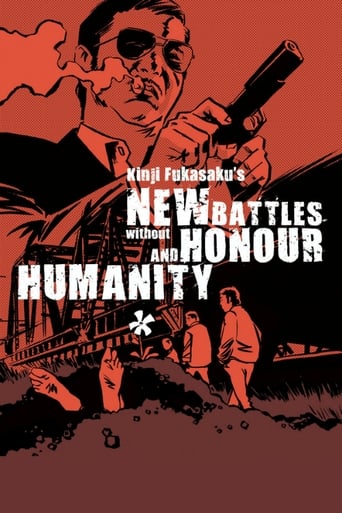
5.9Bunta Sugawara is Miyoshi, a low-level assassin of the Yamamori gang who is sent to jail after a bungled hit. While in stir, family member Aoki attempts to seize power from the boss, and Miyoshi finds himself stuck between the two factions with no honorable way out.
New Battles Without Honor and Humanity 1
1974
 7.2
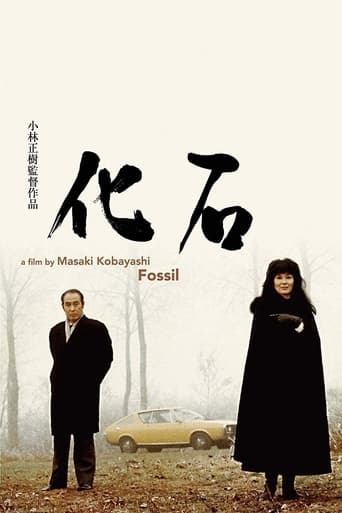
7.2An industrialist is diagnosed with terminal cancer. He is abroad in Europe at the time, and a glimpse of a Japanese woman in that setting causes him to imagine her as the personification of his impending fate. As his dialogue with his imagined mortality continues, he meets the living woman, the template for his fantasy, and together, they tour rural churches. Gradually, he comes to some kind of peace about the diagnosis. When he returns to Japan, he is met with a series of challenges that profoundly test the lessons he has learned.
The Fossil
1975
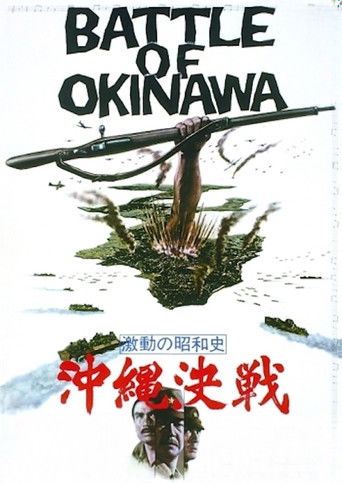 7.8
7.8The Americans are swiftly closing on Okinawa, an island just south of the Japanese mainland. The Imperial command sends top generals and several army divisions to defend it at all costs. The mission quickly degenerates as vital resources and troops are diverted to other islands. After a civilian evacuation ends in tragedy most of non-combatants are forced to remain on the island. Many convert to soldier status. Tokyo sends mixed messages that squander time and resources, as when they order the defenders to build an airstrip for aircraft that never come. The truth soon becomes obvious: the high command decides that the island cannot be held and effectively abandons the Okinawan defenders. When the Americans land many troops are deployed in the wrong places. As the slaughter mounts, a suicidal attitude takes hold. Okinawa becomes a death trap, for civilian volunteers and non-combatants as well.
The Battle of Okinawa
1971
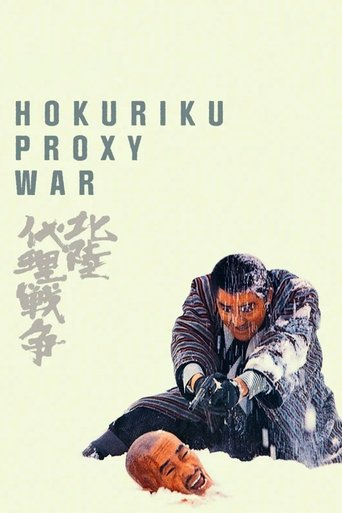 6.9
6.9A Yakuza group from Osaka with dreams of national dominance moves into the snowy Hokuriku region, sparking a bloody turf war with local gangs.
Hokuriku Proxy War
1977
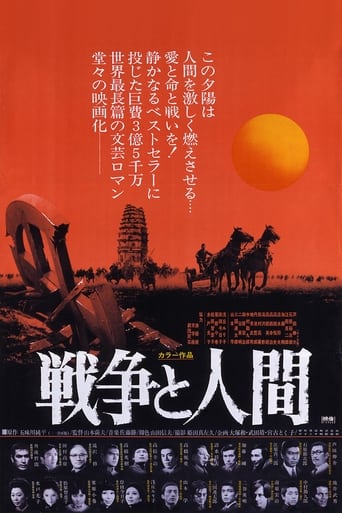 6.8
6.8The upstart Godai family conglomerate plans to strengthen ties with the hardliners in the Kwantung Army as they plan military expansion into Manchuria.
Men and War I: Prelude to Destiny
1970
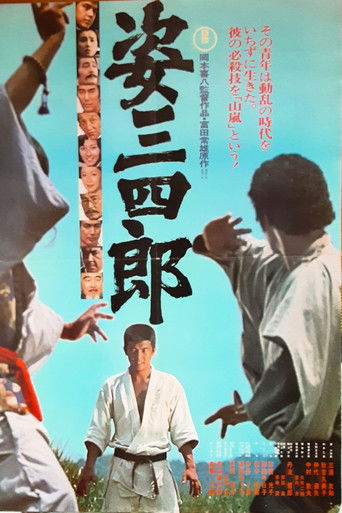 10.0
10.0The story of Sanshiro Sugata, a young man who wants to learn the new art of judo. A wise teacher reveals to Sanshiro that judo is not merely a means of combat nor a demonstration of physical skill, but an art which reveals the artist to himself.
Sugata Sanshiro
1977
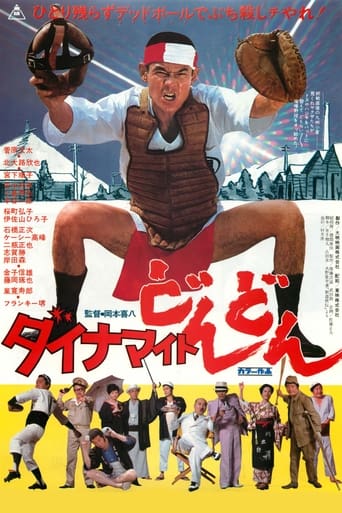 7.8
7.8Yakuza Gang War is at the height in North Kyūshū Area in the summer of 1950, particularly between the Okagen Group and the rising Hashiden Gang. Now with the mediation/interference of the Americans, they decide to settle it in a peaceful, *democratic* way, that is, to settle it with a baseball game. Now, with its money and power, The Hashiden group soon recruits a group of gamblers known to be good at baseball from the whole country. So, what is the Okagen Gumi gonna do?
Dynamite Don-Don
1978
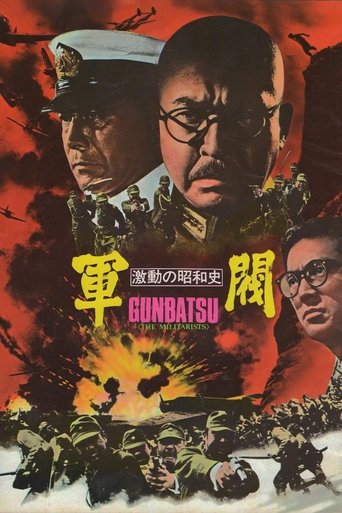 7.5
7.5The second film in Toho's series on the military history of the Showa era, Hiromichi Horikawa's war drama offers a look at the career of controversial politician Hideki Tojo and the strained relationships between Japan's government, military, and the media.
The Militarists
1970
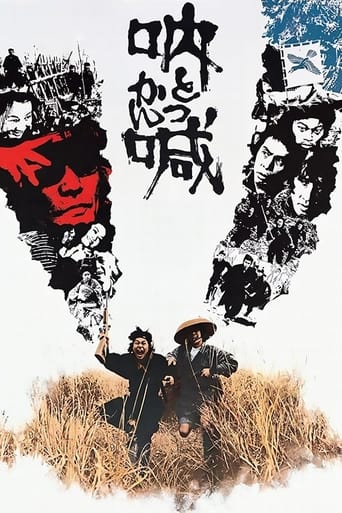 5.9
5.9During the military phase of the Meiji Restoration of 1868, Sentaro joins a local militia loyal to the Tokugawa Shogunate in order to fight Imperial troops. But Sentaro's friendship with a pickpocket, who switches sides whenever it suits his needs, leads to complications that could cost Sentaro his life as they infiltrate enemy lines.
Battle Cry
1975
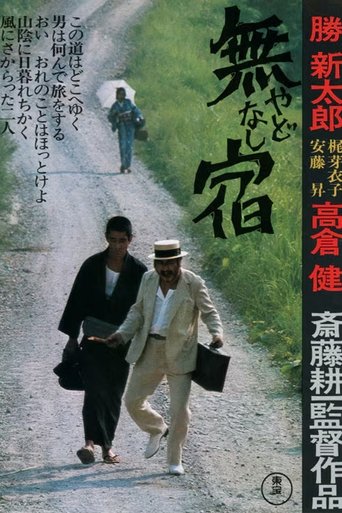 7.8
7.8Two inmates are simultaneously released from jail, but go their separate ways, only to cross paths again in the nearest brothel. There they make the acquaintance of a would-be prostitute. They help her escape and decide to guide her on her quest for sunken contraband somewhere off the coast.
The Homeless
1974
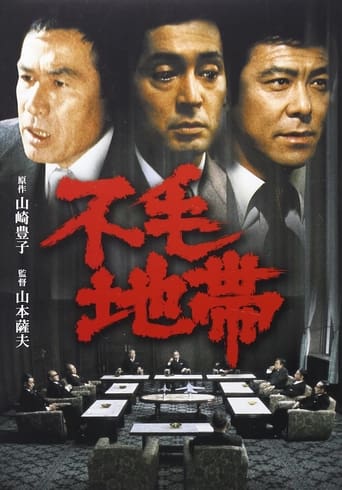 4.8
4.8Tadashi Iki returns to Japan from a Soviet gulag 11 years after being captured during the invasion of Manchuria. He is offered a position in the expansive Kinki Corporation, but rival corporations are competing for a government contract to produce fighter planes.
The Corporation
1976
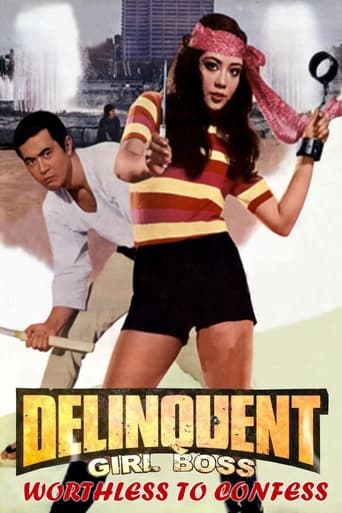 6.1
6.1Reiko Oshida stars as a young wannabe gangster tough girl, just released from reform school. She tracks down one of her classmates fathers, who runs an auto repair shop that the local Yakuza are trying to force out of business and take over, and starts working for him. At the same time a recently released from prison, and now ill Yakuza is trying to make a new life for himself and his girl, a friend of Reiko's, who also just graduated from reform school. A fateful car crash brings the two on a collision course with each other and the brutal Yakuza clan, which can only end bloody vengeance.
Delinquent Girl Boss: Worthless to Confess
1971
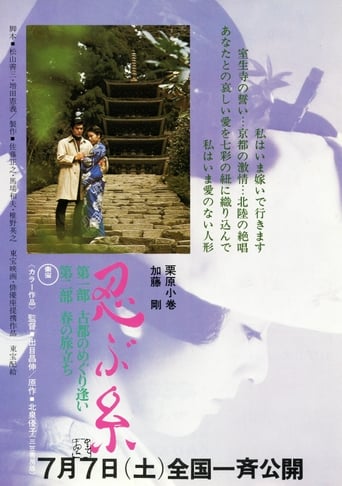 7.0
7.0A beautifully told story of a woman hardened by marriage to a man she doesn't love, after giving herself to another. She dedicates herself to her work, designing and creating plaited cords for kimono.
Long Journey into Love
1973
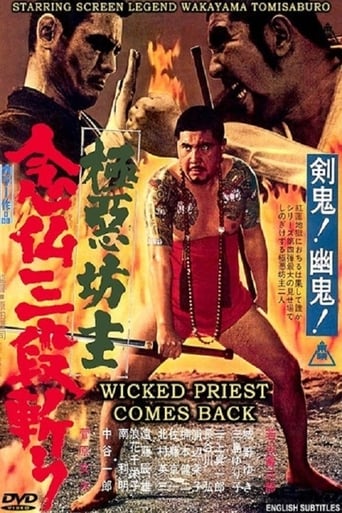 9.0
9.0In Meiji Period Japan, the carrying of swords had been outlawed, so Shikai, the Killer Priest carries his sword disguised as a Priest?s staff. One of the strongest entries in the series, Shinkai is badly injured, and must face his worst enemy in what could be their final showdown.
Wicked Priest 4: The Killer Priest Comes Back
1970
 5.4
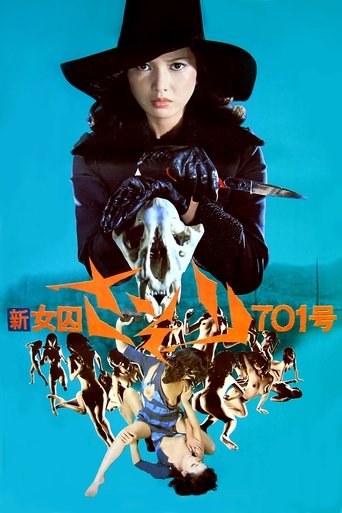
5.4Once again we focus on Nami Matsushima. This time she has a sister who goes missing and after getting too caught up in doing something about it, our innocent heroine is given a fifteen year sentence for a murder she didn't commit. She's sent to an all women prison where she's not exactly welcome. Her fellow inmates torture, humiliate and try to kill her; but the Scorpion prevails long enough to get some justice.
New Female Prisoner 701: Scorpion
1976
1960s · 32 titles
8.5Down-on-his-luck veteran Tsugumo Hanshirō enters the courtyard of the prosperous House of Iyi. Unemployed, and with no family, he hopes to find a place to commit seppuku—and a worthy second to deliver the coup de grâce in his suicide ritual. The senior counselor for the Iyi clan questions the ronin’s resolve and integrity, suspecting Hanshirō of seeking charity rather than an honorable end. What follows is a pair of interlocking stories which lay bare the difference between honor and respect, and promises to examine the legendary foundations of the Samurai code.
Harakiri
1962
7.7Taking its title from an archaic Japanese word meaning "ghost story," this anthology adapts four folk tales. A penniless samurai marries for money with tragic results. A man stranded in a blizzard is saved by Yuki the Snow Maiden, but his rescue comes at a cost. Blind musician Hoichi is forced to perform for an audience of ghosts. An author relates the story of a samurai who sees another warrior's reflection in his teacup.
Kwaidan
1965
8.1A nameless ronin, or samurai with no master, enters a small village in feudal Japan where two rival businessmen are struggling for control of the local gambling trade. Taking the name Sanjuro Kuwabatake, the ronin convinces both silk merchant Tazaemon and sake merchant Tokuemon to hire him as a personal bodyguard, then artfully sets in motion a full-scale gang war between the two ambitious and unscrupulous men.
Yojimbo
1961
 6.5
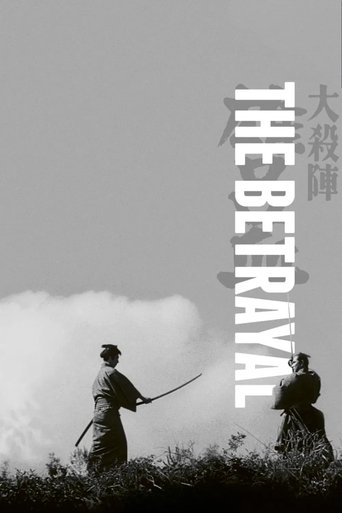
6.5A naively honorable samurai comes to the bitter realization that his devotion to moral samurai principles makes him an oddity among his peers, and a very vulnerable oddity in consequence. He takes the blame for the misdeeds of others, with the understanding that he will be exiled for one year and restored to the clan's good graces after the political situation dies down. As betrayal begins to heap upon betrayal, he realizes he'll have to live out his life as a ronin, if not hunted down and killed.
The Betrayal
1966
 7.0
7.0A ronin desperately seeks a way out of financial straits; he allies with the Tosa clan under the ruthless leader Takechi, who quickly takes advantage.
Tenchu!
1969
 7.8
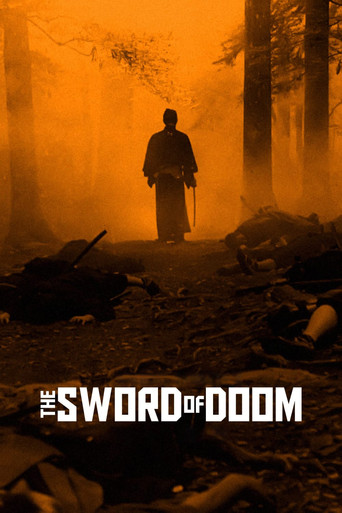
7.8Ryunosuke, a gifted swordsman plying his trade during the turbulent final days of Shogunate rule, has no moral code and kills without remorse. It’s a way of life that leads to madness.
The Sword of Doom
1966
 6.6
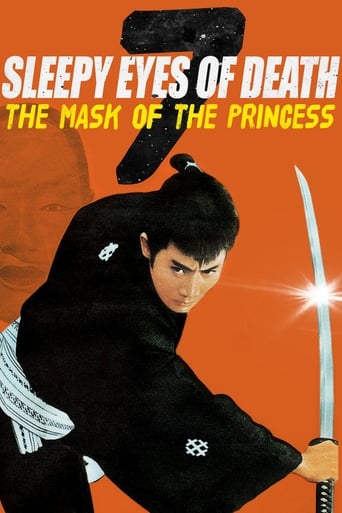
6.6The masked daughter of the Shogun wants to kill a samurai who has seen her scarred face. She sends waves of ninja warriors to kill the samurai and plots diabolical schemes / ambushes without much success.
Sleepy Eyes of Death 7: The Mask of the Princess
1966
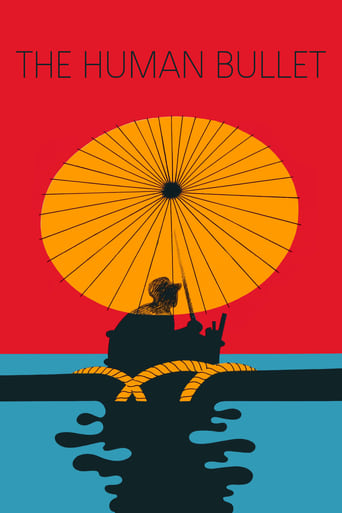 6.0
6.0A soldier has been in the Japanese military for the entirety of WWII, and in that time, his dedication to the army has never faltered. However, as the war draws to a close, his commanding officers become increasingly desperate and push their men to ever more absurd extremes. The ridiculousness of the orders from above peak when the hero of the story is assigned to drive a one-man submarine straight into the hull of an enemy battleship.
The Human Bullet
1968
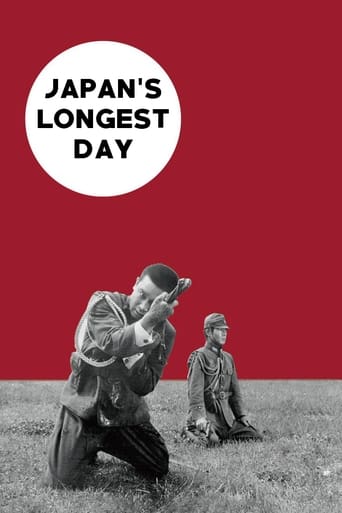 7.3
7.3A dramatisation of the 24-hour period in which the Japanese government was deadlocked over the decision to accept or reject the Allies' demand for an unconditional surrender following the bombings of Hiroshima and Nagasaki.
Japan's Longest Day
1967
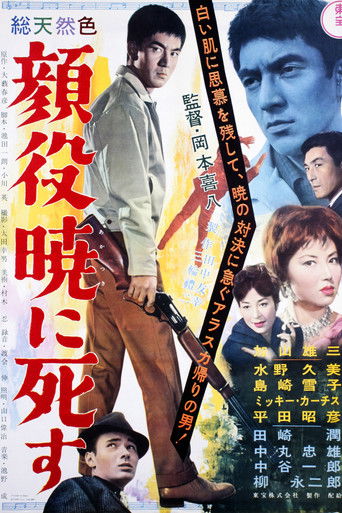 6.4
6.4Grown up son arrives home to learn his father, the newly elected mayor, has been assassinated. So he journeys down a path to find the assassin and gets involved with two opposing yakuza gangs.
Big Shots Die at Dawn
1961
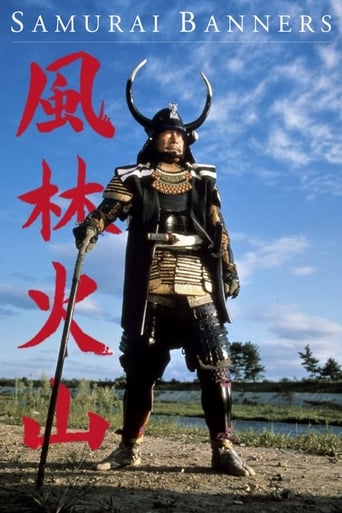 7.4
7.4Kansuke Yamamoto is a samurai who dreams of a country united, peaceful from sea to sea. He enters the service of Takeda, the lord of Kai domain. He convinces Takeda to kill the lord of neighboring Suwa and take his wife as a concubine. He then convinces the widow, Princess Yu, to accept this arrangement and to bear Takeda a son. He pledges them his life. He then spends years using treachery, poetic sensibility, military and political strategy to expand Takeda's realm, advance the claim of Yu's son as the heir, and prepare for an ultimate battle with the forces of Echigo. Has Kansuke overreached? Are his dreams, blinded by love, too big?
Samurai Banners
1969
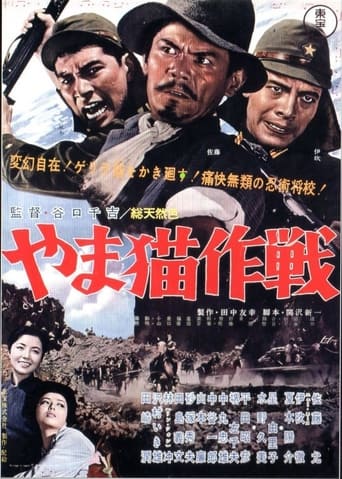 7.0
7.0Soldiers on the front lines in China during World War II are besieged by guerrilla attacks and attempt to destroy an enemy fort.
Operation Enemy Fort
1962
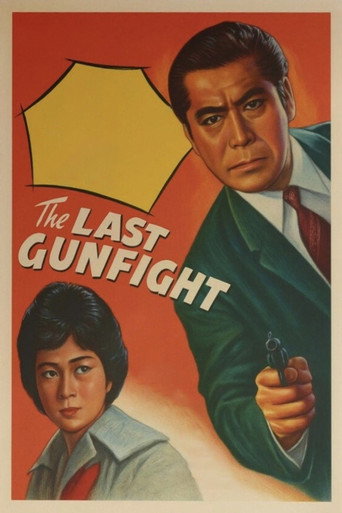 6.2
6.2Japanese police detective Saburo Fujioka is suspected of corruption, demoted, and sent to the city of Kojin. Kojin is the scene of fierce fighting between rival gangs. Fujioka is assigned to investigate the death of the wife of gangster Tetsuo Maruyama of the Kozuka gang, probably at the hands of one of the Oka gang. During a gang gunfight, Maruyama is rescued by Detective Fujioka and the two become friends. But Maruyama insists on avenging his wife's murder, even if it means conflict with his new friend.
The Last Gunfight
1960
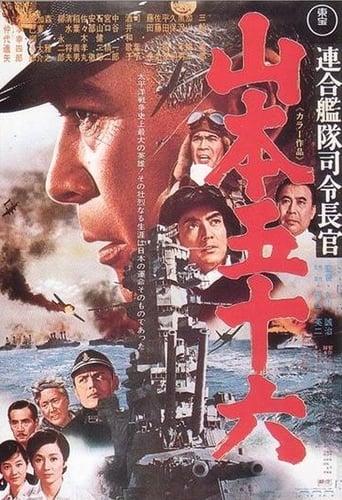 8.5
8.5As Japan joins in a political pact with Nazi Germany and fascist Italy, Admiral Isoroku Yamamoto is appointed supreme commander of the Japanese fleet. With Japan headed inexorably toward war, Yamamoto, despite his misgivings, believes the only possible victory lies in destroying the American fleet by surprise at Pearl Harbor. The attack succeeds, but fails to sink the American carrier fleet. Thus Yamamoto must lead the Japanese navy into war with ever-diminishing likelihood of success.
Admiral Yamamoto
1968
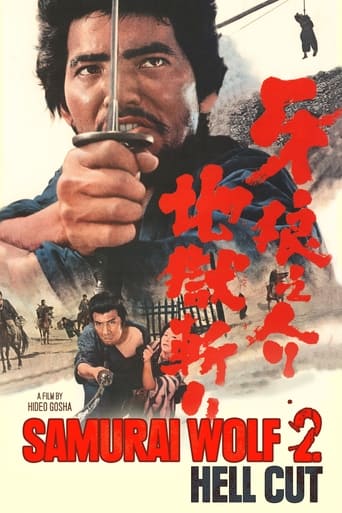 7.1
7.1Kiba Okaminosuke finds himself entangled with a group of prisoners being transported to their executions, one of whom oddly looks exactly like his dead father. There are crooked gold miners, a beautiful girl who is unfortunately a complete lunatic and a dojo master who is obsessed with killing Kiba just to prove that his school's sword style is the best.
Samurai Wolf II
1967
 6.7
6.7A brave, highly principled warrior resigns his post as a bodyguard to the head of a powerful clan after he learns that his employers have been smuggling arms to the enemy. The remaining samurai try in vain to coerce him back, but their efforts are thwarted by crooked warriors who launch an attack.
Warring Clans
1963
 6.5
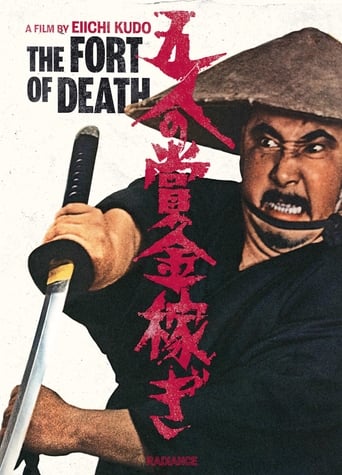
6.5The second Bounty Hunter film, when master killer Shikoro Ichibei takes up the cause of a group of farmers being driven to despair by the vile Lord Ozeki. The villainous lord has driven them to mounting their last stand at a deserted fort against an army of attackers. Wakayama Tomisaburo is superb as an expert in killing and military tactics, who leaves his medical practice at a clinic for the poor in order to counter the vicious tactics of that vile lord.
The Fort of Death
1969
 10.0
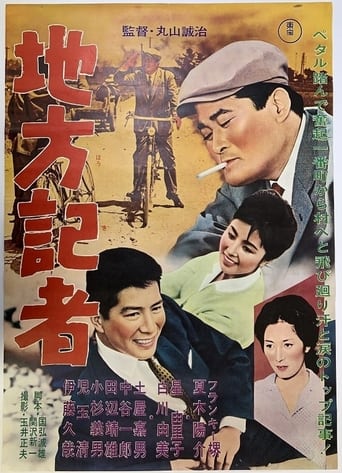
10.0No synopsis available yet.
Local Reporter
1962
 6.4
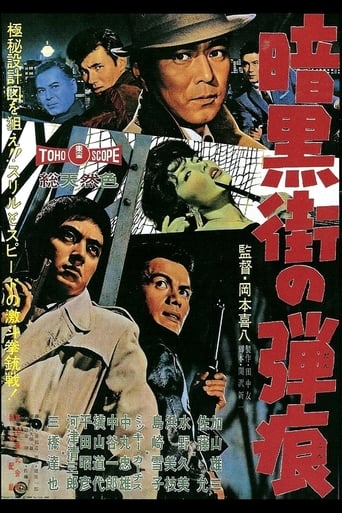
6.4Yuzo Kayama plays the protagonist, a whale-hunting cannon manufactuing supervisor, whose brother is an automobile tester for Komatsu Motors which has a fatal accident. As his brother investigates the "Accident" with his old college friend (makoto Sato), now a reporter... They stumble across murder, espionage and cover-ups. High-class night club, femme fatale, and a "Blueprint of Murder" all adds up to a bigger plot then first expected.
Blueprint of Murder
1961
 8.0
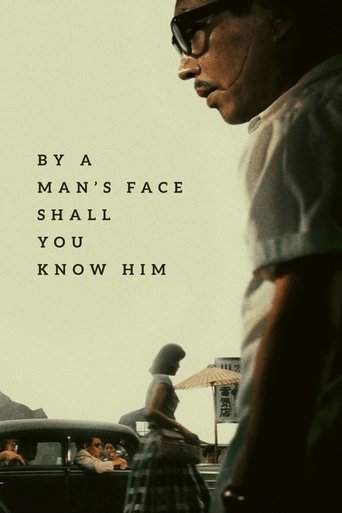
8.0Immigrant gangs terrorize a Japanese town with their threats, loud jazz, and tasteless fashion sense, and only the tough but suave Dr. Amamiya (Ando) can stop them, as long as he gets rid of his silly peace-loving ideals.
By a Man's Face Shall You Know Him
1966
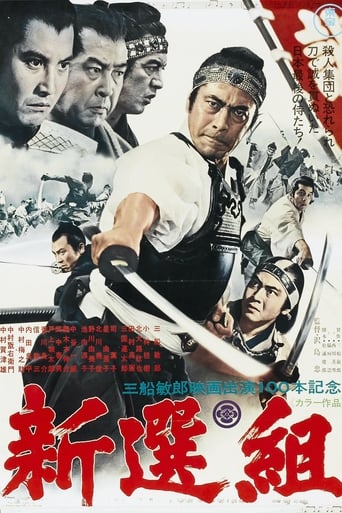 6.9
6.9Near the end of the nineteenth century, as the balance of power shifts from Shogunate towards the Emperor, Japan restlessly awaits the dawning of a new age. But not all are content...The Shinsengumi, a small army of samurai, farmers and peasants, band together to do battle against the tide of history. Their leader, Isami Kondo is a man who rises from farmer to fighter to head the fierce Shinsengumi brigade. Using a stern hand and a heart of gold, he rallies his men in defense of the tottering Shogunate. But bloodshed and treachery lurk around every corner.
Shinsengumi: Assassins of Honor
1969
 NR
NRA violent story of loyalty and revenge among the many "yakuza" or gambling groups in Japan.
The Dragon Crest
1963
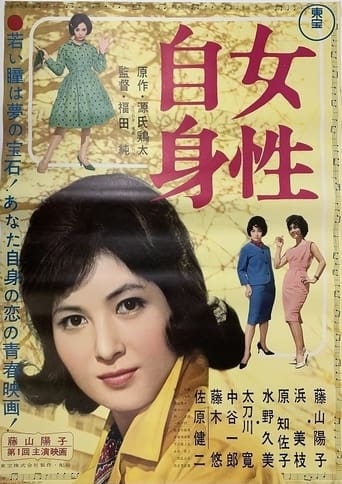 NR
NR1962 Japanese movie
A Woman's Identity
1962
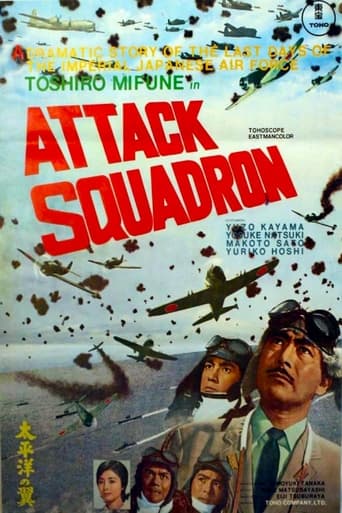 7.0
7.0Lt. Col. Senda resists the idea of sending Japanese fighter pilots on suicide missions. He believes that what is really necessary for Japan to regain momentum in the war is for the air force to gather its most brilliant pilots into an elite squadron and use the unit to pinpoint attacks on the Americans. Disrespected by the kamikaze pilots who think the "non-suicidal" pilots are afraid, the unit redeems itself by stunning victories. But success leads the military leaders to expect too much of the unit, and new orders portend disaster.
Attack Squadron
1963
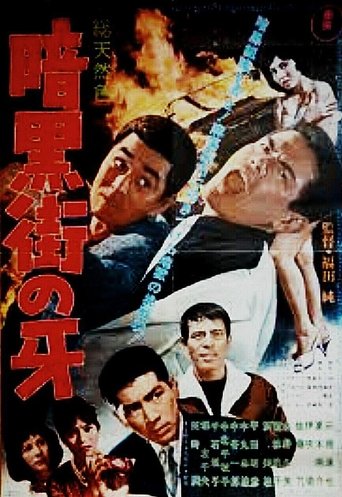 7.0
7.0Toho-produced crime drama involving the drug trade.
The Weed of Crime
1962
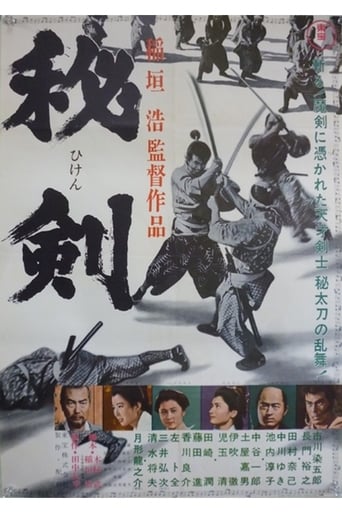 6.7
6.7This Japanese action-adventure is set in the 17th century when all forms of swordplay were banned. One fighter, an excellent swordsman believes the law is unfair. His brother keeps his opinions about the law to himself. The swordsman vents his frustration by cutting off the thumbs of an enemy. The fighter is then banished. To live, he becomes a thief. To restore the family's lost honor, the other brother is forced to challenge the fighter to a duel.
Young Swordsman
1963
 6.1
6.1In this patriotic WW II drama, the Japanese army demonstrates its courage and willingness to do anything to win as they endeavor to sneak into Communist China to bring back the flag of a defeated enemy regiment.
Westward Desperado
1960
 6.0
6.0Ryuji Oshima, a gambler, kills Saiga in self-defense, and considering himself unfit to lead men, secludes himself in a temple to atone for his misdeeds. At home, when his mother, the boss of a construction gang, bids for and gets the job of building the Town Hall, other gangs set out to disrupt her business and try to kill her.
Fight of the Gamblers
1963
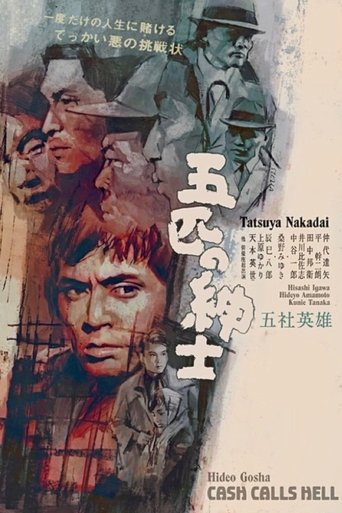 7.5
7.5Before leaving prison, Oida uncomfortably enters into an agreement with his cell mate: in exchange for a half-share of 30,000,000 yen, he is to assassinate three strangers given to him on a list. However, upon meeting his first potential victim, Oida has second thoughts. Yet, even as he tries to back out, the body count starts climbing. Oida must now try to alert the people on his list of their impending danger, and find out why they are being targeted in the first place.
Cash Calls Hell
1966
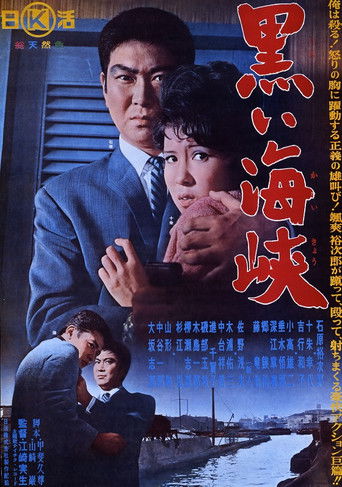 10.0
10.0Newly out of prison after killing his boss' rival, Akio Maki is eager to move on and start a new life with the boss' daughter. However, the chains of the past are not so easily broken and Maki is soon ordered to kill again.
Black Strait
1964
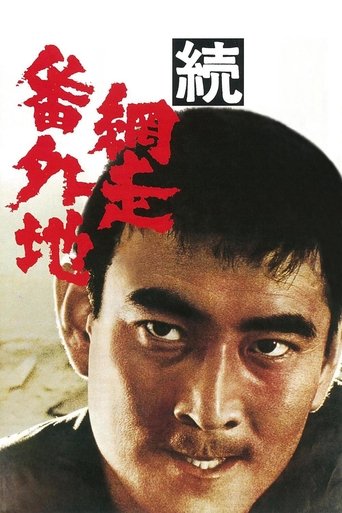 8.0
8.0Two convicts just released from prison find a green bauble filled with diamonds — and try to prove they didn't steal it.
Prison Walls of Abashiri, Part 2
1965
 NR
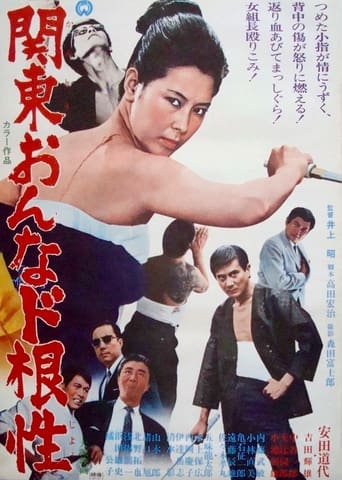
NRNo synopsis available yet.
Kanto Woman Fortitude
1969
1950s · 3 titles
6.5Mining engineer Shigeru investigates the disappearance and death of his fellow coworkers when prehistoric nymphs are discovered emerging from the mines. After an attack on the local village, Shigeru heads deeper into the mines only to make a more horrifying discovery in the form a prehistoric flying creature. Soon a second monster appears as the two converge in Fukuoka.
Rodan
1956
 6.3
6.3When Sergeant Okubo's brother is murdered at a Japanese outpost in Northern China during the Second World War, Okubo poses as a war correspondent and seeks out his brother's killer.
Desperado Outpost
1959
 4.3
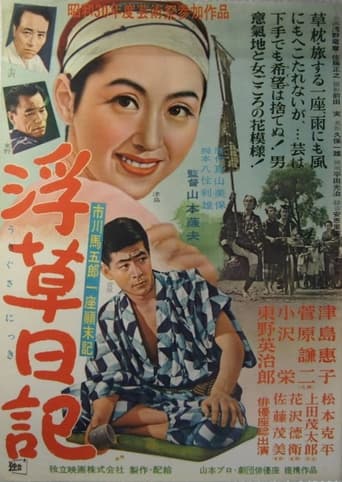
4.3A travelling theater troupe, led by Umagoro Ichikawa, comes to play in a mining town, and manages to sell every seat. Before the play begins, however, a miners' strike is announced, creating an uproar. In addition, the players find they have been cheated out of their profits by a crooked impresario.
Floating Weeds Diary
1955
Series credits
NRNo synopsis available yet.
Tasukenin Hashiru
1973
NRThe drama features two families, the all-male Shibata family and the all-female Inaba family, and depicts the interactions between the two families with many amusing and heartwarming episodes.
Family of Three
1968
No synopsis available yet.
ゴメスの名はゴメス
1967
 NR
NRTv special that follows the life of Genghis Khan. Adapted from a novel by Yasushi Inoue.
Aoki Ookami Narukichiomoase no Shougai
1980
 NR
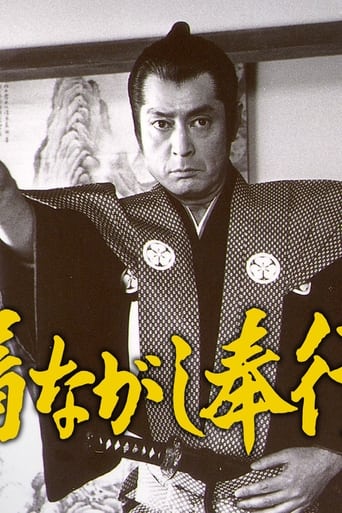
NRKoheita, a newly appointed magistrate, never shows his face in the magistrate's office, instead spending his time in the 'Horisoto', a den of evil where anything goes, from theft to prostitution to murder. However, this man is about to clean up the city in an unconventional way!
Kinagashi Bugyō
1981
 NR
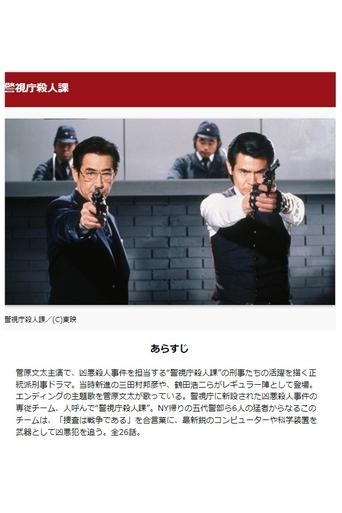
NRNo synopsis available yet.
警視庁殺人課
—
 10.0
10.0A historic figure Tokugawa Mitsukuni, former vice-shogun and retired daimyo of the Mito domain travels through Japan in the guise of Mitsuemon, a retired crêpe merchant from Echigo province, accompanied by his two samurai retainers, fun-loving Sasaki Sukesaburō (Suke-san) and studious Atsumi Kakunoshin (Kaku-san).
Mito Komon
1969