

Directing
Rolands Kalniņš
Born — Died
1922-05-09 — 2022-05-17
Place of birth
Latvian Republic
Known for
Directing
Credits
26 titles
Rolands Kalniņš (1922-2022) was a Latvian film director. The last and only Latvian cinema aristocrat. Kalniņš possesses an intelligence of the soul. His films are smart, and the passage of time becomes them; forming new contexts reveals previously unread levels of content and subtext.
Known for
 NR
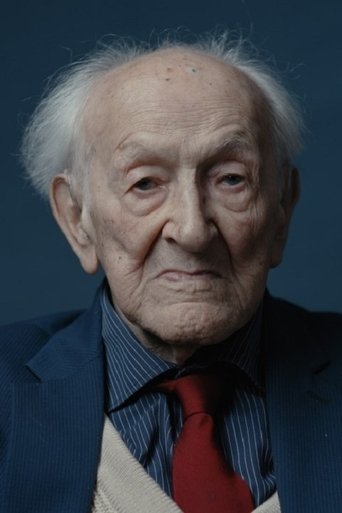
NRWhat happens in the eyes of a 100-year-old filmmaker? Rolands Kalniņš, one of the great masters of Latvian cinema, sits down to have his photo taken and looks straight in the lens. Kalniņš’ life has spanned an authoritarian regime, a world war, long years under Soviet occupation and censorship, and retirement in independent Latvia. His films have been censored, destroyed, found and restored. But here, like Herz Frank once did with a child, for ten minutes we shall observe the micro-emotions of a man who has dedicated his life to film. Confronted directly by the tool of his trade, the camera. As we face Kalniņš eye to eye, we hear the sounds of his present, and the memories of his past.
One Hundred Years Older
2022
 NR
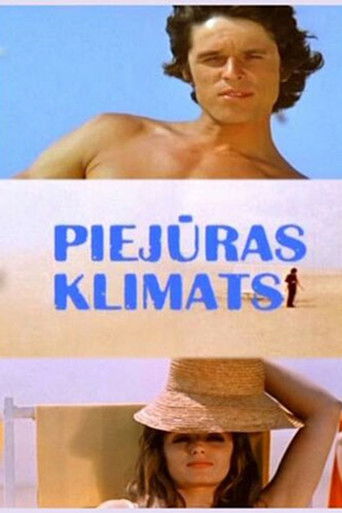
NRThe colourful musical comedy Maritime Climates could have been a triumph of smart political satire – if people in positions of power hadn’t got worried by the rushes they saw, which lead them to terminate the production. In 1992, Rolands Kalniņš made this edit of the remaining material – an elegy to lost hopes and illusions.
Maritime Climates
1974
 NR
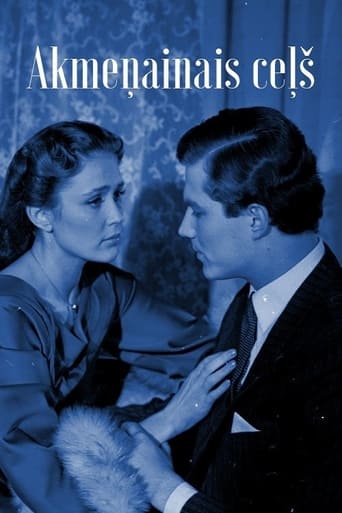
NRBased on the popular novel of the same title by Vilis Lācis. Latvia, the 1930s. Roberts Līviņš, the son of a dockhand, becomes an architect by his own efforts, thanks to arduous work and talent. But in his relationship with Līvija, the daughter of the rich entrepreneur Ulpe, Roberts realizes that the high society might look down on his common origins as well as his sister Alise, a hairdresser, and her boyfriend Ēriks, an opportunist and former boxer.
Rocky Road
1983
 6.4
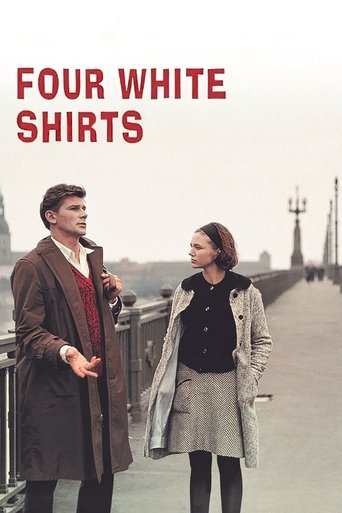
6.4Cezars Kalnins installs telephones by day and composes pop songs by night. His band has a hard time receiving the permit from Soviet censorship authorities for a public debut. A member of the Culture Committee superficially listens to Cēzars' songs and deems the lyrics "unsuitable and frivolous” and "unfit for the Soviet youth”, and is later powerless to stop the grindstone of public debate, which she has herself initiated.
Four White Shirts
1967
 5.9
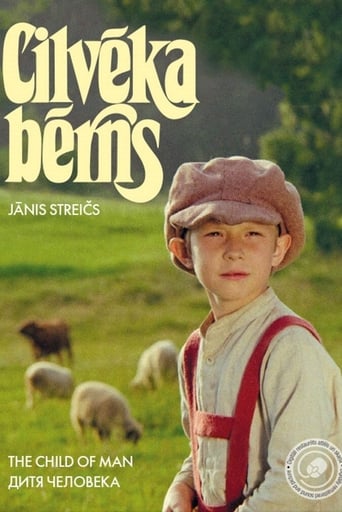
5.9A six-year-old boy plots to stop his "sweetheart", a grown-up woman in his pre-World War II Latvian village, from marrying.
The Child of Man
1992
 7.5
7.5After losing his job, Kārlis is forced into grueling work at a remote peat quarry—only to find himself caught between the Communist underground and the Latvian counterintelligence service, where every choice carries a moral cost.
Storm
1961
Film credits
2020s · 2 titles
NRWhat happens in the eyes of a 100-year-old filmmaker? Rolands Kalniņš, one of the great masters of Latvian cinema, sits down to have his photo taken and looks straight in the lens. Kalniņš’ life has spanned an authoritarian regime, a world war, long years under Soviet occupation and censorship, and retirement in independent Latvia. His films have been censored, destroyed, found and restored. But here, like Herz Frank once did with a child, for ten minutes we shall observe the micro-emotions of a man who has dedicated his life to film. Confronted directly by the tool of his trade, the camera. As we face Kalniņš eye to eye, we hear the sounds of his present, and the memories of his past.
One Hundred Years Older
2022
 NR
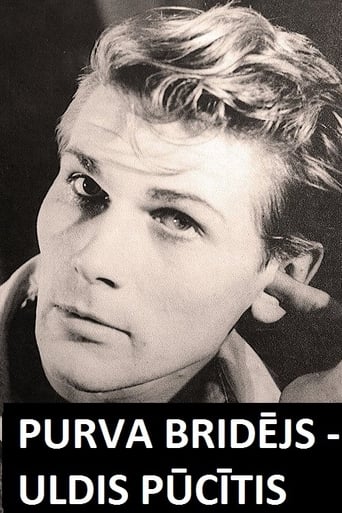
NRA TV documentary about Latvian actor Uldis Pūcītis, featuring fragments from many of his films ("Swap Treader", "Four White Shirts" and others), as well as stories by people who knew him - actors and directors, former lovers and classmates.
Purva bridējs - Uldis Pūcītis
2020
Behind the camera
NRThe colourful musical comedy Maritime Climates could have been a triumph of smart political satire – if people in positions of power hadn’t got worried by the rushes they saw, which lead them to terminate the production. In 1992, Rolands Kalniņš made this edit of the remaining material – an elegy to lost hopes and illusions.
Maritime Climates
1974
NRBased on the popular novel of the same title by Vilis Lācis. Latvia, the 1930s. Roberts Līviņš, the son of a dockhand, becomes an architect by his own efforts, thanks to arduous work and talent. But in his relationship with Līvija, the daughter of the rich entrepreneur Ulpe, Roberts realizes that the high society might look down on his common origins as well as his sister Alise, a hairdresser, and her boyfriend Ēriks, an opportunist and former boxer.
Rocky Road
1983
6.4Cezars Kalnins installs telephones by day and composes pop songs by night. His band has a hard time receiving the permit from Soviet censorship authorities for a public debut. A member of the Culture Committee superficially listens to Cēzars' songs and deems the lyrics "unsuitable and frivolous” and "unfit for the Soviet youth”, and is later powerless to stop the grindstone of public debate, which she has herself initiated.
Four White Shirts
1967
5.9A six-year-old boy plots to stop his "sweetheart", a grown-up woman in his pre-World War II Latvian village, from marrying.
The Child of Man
1992
7.5After losing his job, Kārlis is forced into grueling work at a remote peat quarry—only to find himself caught between the Communist underground and the Latvian counterintelligence service, where every choice carries a moral cost.
Storm
1961
 NR
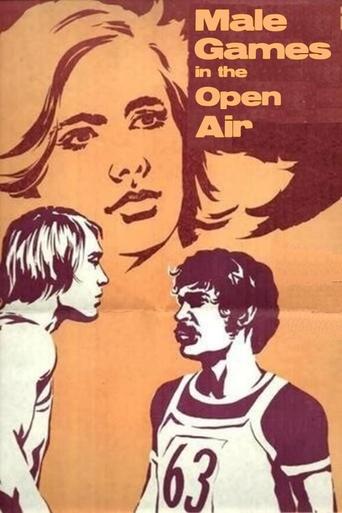
NRRelations of two sportsmen who often forget that they are not the only ones in the stadium.
Male Games in the Open Air
1978
 NR
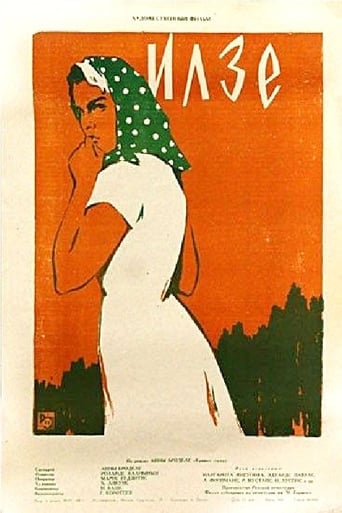
NRA political film based in Latvian countryside in 1947.
Ilze
1959
 4.2
4.2Latvia in the 1920s. The enterprising Edgars Ceplis establishes a company to produce bricks from Latvian clay for export. Many are involved in his project, hoping for the huge profits the venture promises. Ceplis soon becomes infatuated with his office typist Austra Zīle and starts neglecting the business...
Ceplis
1972
A story about the significance of Goethe’s Faust in the development of Latvian literature, language, publishing, culture and theatre. The video highlights the intersection of world cultures and their mutual development, as well as the courage of the people to break the boundaries of stereotypic attitudes.
Eternal Faust
1999
A story about the significance of Goethe’s Faust in the development of Latvian literature, language, publishing, culture and theatre. The video highlights the intersection of world cultures and their mutual development, as well as the courage of the people to break the boundaries of stereotypic attitudes.
Eternal Faust
1999
 NR
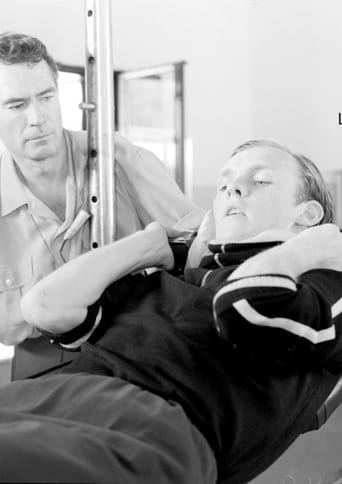
NRThe hard work plays an important role in the personal growth of a runner.
The Warrior of the Queen
1970
 7.0
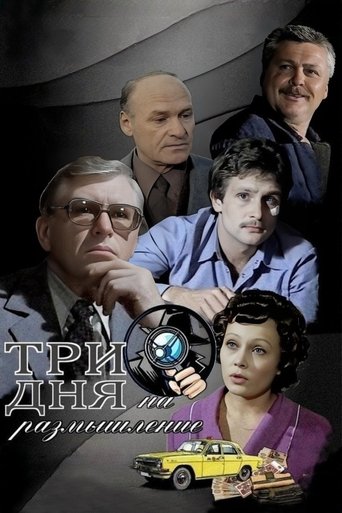
7.0Head of the CID and his colleagues are investigating a serious crime but the main witnesses are of no help.
Three Days of Reflection
1982
A film about combating venereal diseases.
Atmaksa
1962
 NR
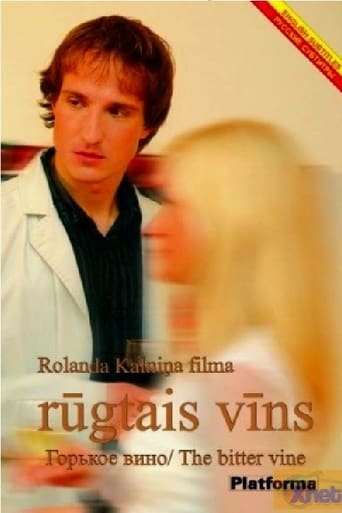
NRDonats is a modern-day Don Juan juggling the various women in his life seemingly without any consequences, until he falls in love with Agnese. Her husband, Ralfs, turns out to be a formidable opponent.
Bitter Wine
2007
 8.0
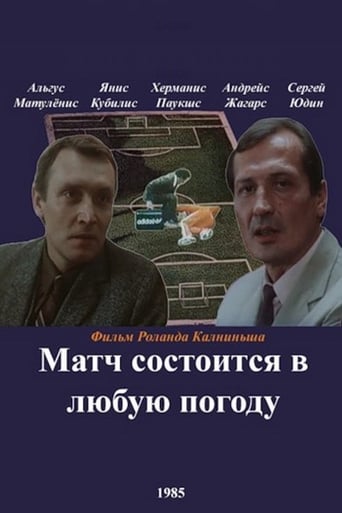
8.0A businessman and a footballer are murdered before an important football match in Prague. Investigation has to be started.
The Game Is Taking Place Anyway
1985
 7.0
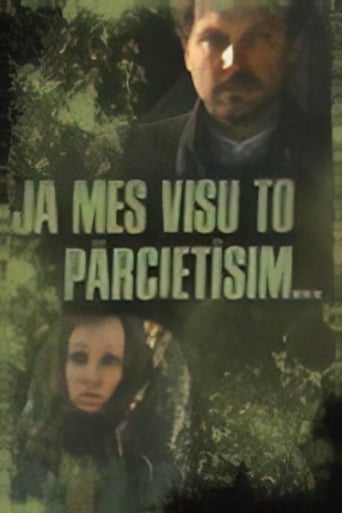
7.0Early 20th-century Latvia. Revolutionary Mārtiņš Robežnieks is arrested by the gendarmes, while his younger brother Jānis, a teacher dismissed for his rebellious speeches, returns to their family home. Initially, Jānis continues to agitate among the farm workers, but his marriage to the estate manager’s daughter gradually draws him away from the revolutionary cause. When the upheaval of 1905 reaches their homeland, Mārtiņš returns from Riga as peasants rise against the baron’s rule.
If We Live Through All This
1987
 NR
NRThe wonderful power of folk songs and dances that helps to notice the beauty of the world and human relations.
Four Springs
1975
The film focuses on composer Ādolfs Skulte (1909-2000) and his life story as told through his own memories, archival materials, and music. In interviews filmed in the late 1990s, the maestro recounts his life and recalls his childhood, his studies with Professor Jāzeps Vītols, his work as a teacher, his move from Kiev to Latvia, and his most memorable students – Imants Kalniņš, Mārtiņš Brauns, Vilnis Šmīdbergs and others – the creation of the ballet Brīvības sakta (1946-1950) and other important events in his life, which culminated in the Grand Music Award for lifetime achievement in 1999. Ādolfs Skulte is filmed by his son, cinematographer Gvido Skulte, and the composer's wife Helēna and grandson, artist Kristaps Skulte, also play an important role in the film.
Nepabeigta saruna par dzīvi, mīlestību un mūziku
2013
The film focuses on composer Ādolfs Skulte (1909-2000) and his life story as told through his own memories, archival materials, and music. In interviews filmed in the late 1990s, the maestro recounts his life and recalls his childhood, his studies with Professor Jāzeps Vītols, his work as a teacher, his move from Kiev to Latvia, and his most memorable students – Imants Kalniņš, Mārtiņš Brauns, Vilnis Šmīdbergs and others – the creation of the ballet Brīvības sakta (1946-1950) and other important events in his life, which culminated in the Grand Music Award for lifetime achievement in 1999. Ādolfs Skulte is filmed by his son, cinematographer Gvido Skulte, and the composer's wife Helēna and grandson, artist Kristaps Skulte, also play an important role in the film.
Nepabeigta saruna par dzīvi, mīlestību un mūziku
2013
 NR
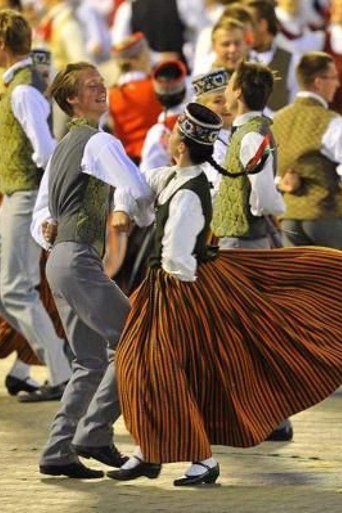
NRThe film was made for the World Expo '70 in Osaka (Japan), introducing viewers to Latvian folk dances.
Tā dejo Latvijā
1969
 7.0
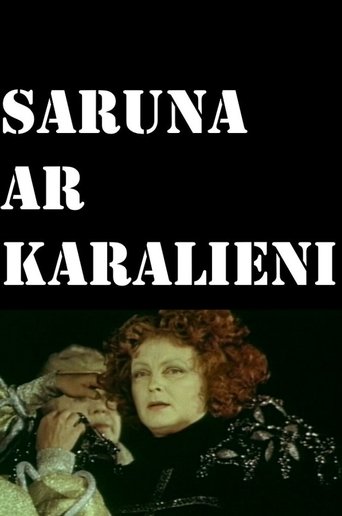
7.0A cinematic portrait of the actress and performer Vija Armane.
Conversation with a Queen
1980
 NR
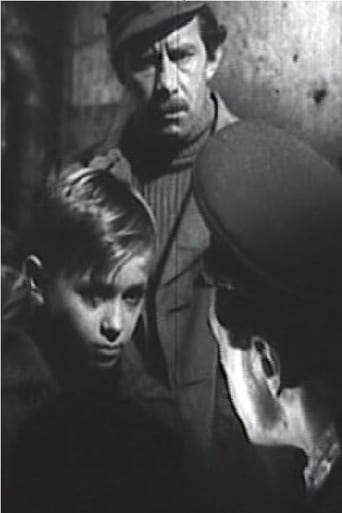
NRA story about children helping the Soviet Army during the war.
In the Underworld
1963
 NR
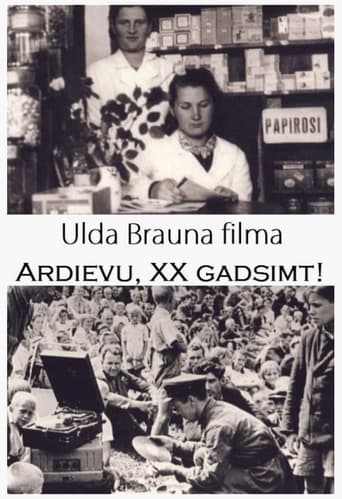
NRA chronicle created from archival materials, which in terms of form continues the path of montage films once begun by Braun. The events in the film take place during the period from the 1905 revolution to the manifestations of Latvia's efforts to regain independence in the Baltic Way and the Third Awakening.
Ardievu, divdesmitais gadsimt!
2006
 7.0
7.0During World War II three best friends are mobilized into the Waffen-SS Latvian Legion. Years later their fates continue to intertwine, as memories of war loom in back of their minds.
Rock and Splinters
1967