
Directing
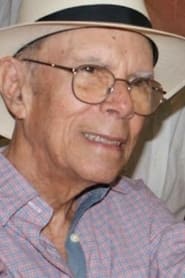
Julio García Espinosa
Born — Died
1926-09-05 — 2016-04-13
Place of birth
Havana, Cuba
Known for
Directing
Credits
33 titles
Julio García Espinosa was a Cuban film director and screenwriter. He directed fourteen films between 1955 and 1998. His 1967 film The Adventures of Juan Quin Quin was entered into the 5th Moscow International Film Festival.
Known for
 NR
NRDocumentary in four parts on Latin American cinema. Fourth episode: in Cuba, the ICAIC, created in the aftermath of the Castro revolution, is at once a film school, a production company and a state cultural branch. Cuban filmmakers testify to the situation and themes specific to their national cinema.
Claves, 4: Memories of Cuban cinema
1984
 6.4
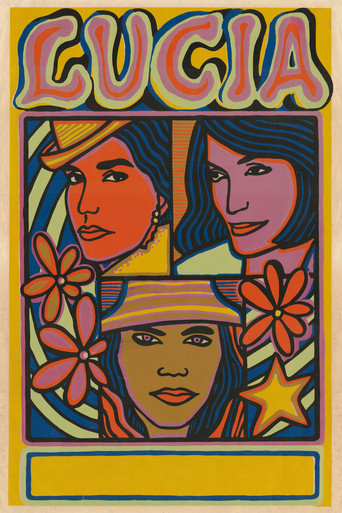
6.4Traces episodes in the lives of three Cuban women, each named Lucía, from three different historical periods: the 1890s, the 1930s, and the 1960s.
Lucía
1968
 7.6
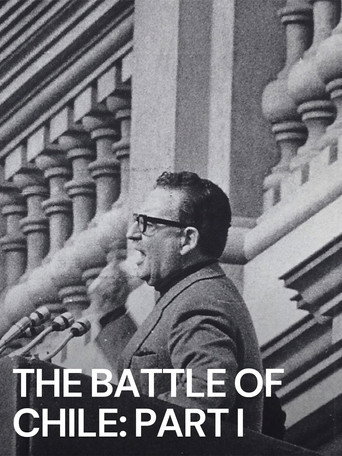
7.6The chronicle of the political tension in Chile in 1973 and of the violent counter revolution against the democratically elected government of Salvador Allende.
The Battle of Chile: Part I
1975
 NR
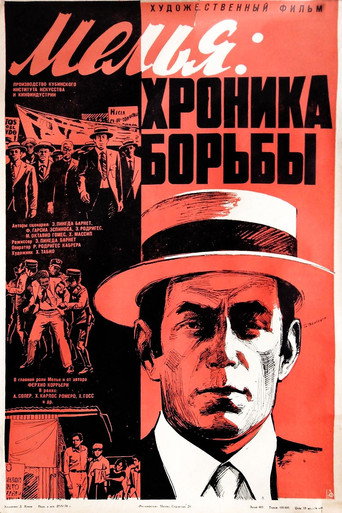
NRExperimental historical film, with documentary elements. A study of the conceptual development of the young hero Julio Antonio Mella, founder of the Communist Party of Cuba, from the process of the Student Reforms to his assassination in Mexico at the age of 25, in the arms of the Italian photographer Tina Modotti.
Mella
1975
 8.2
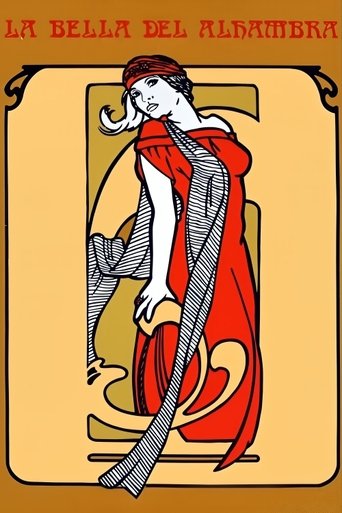
8.2In 1920s Havana, Rachel is a showgirl who longs to become a headliner at the incredibly popular Alhambra theater. On her way to attain that, she loses the love of her life and falls into the clutches of a passion that nearly destroys her career.
La bella del Alhambra
1989
 6.8
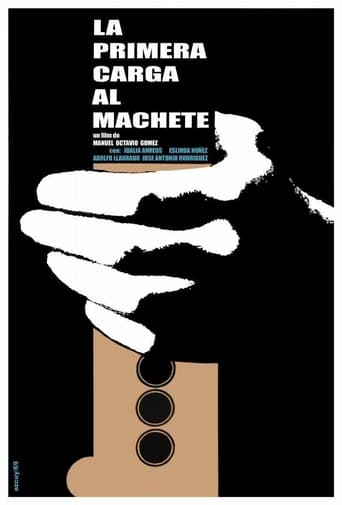
6.8Cuban peasants wield machetes in a violent uprising against Spanish authorities in the late 19th century.
The First Charge of the Machete
1969
Film credits
2000s · 2 titles
Behind the camera
6.4Traces episodes in the lives of three Cuban women, each named Lucía, from three different historical periods: the 1890s, the 1930s, and the 1960s.
Lucía
1968
7.6The chronicle of the political tension in Chile in 1973 and of the violent counter revolution against the democratically elected government of Salvador Allende.
The Battle of Chile: Part I
1975
NRExperimental historical film, with documentary elements. A study of the conceptual development of the young hero Julio Antonio Mella, founder of the Communist Party of Cuba, from the process of the Student Reforms to his assassination in Mexico at the age of 25, in the arms of the Italian photographer Tina Modotti.
Mella
1975
8.2In 1920s Havana, Rachel is a showgirl who longs to become a headliner at the incredibly popular Alhambra theater. On her way to attain that, she loses the love of her life and falls into the clutches of a passion that nearly destroys her career.
La bella del Alhambra
1989
6.8Cuban peasants wield machetes in a violent uprising against Spanish authorities in the late 19th century.
The First Charge of the Machete
1969
 7.0
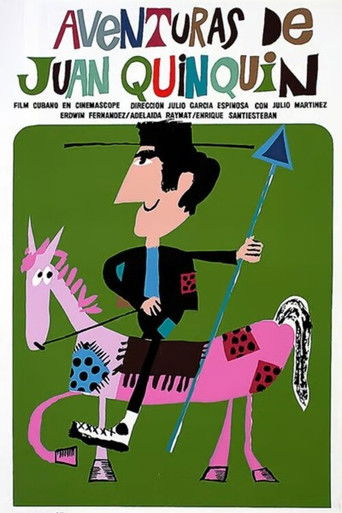
7.0The adventures, fortunes and misfortunes of resourceful peasant Juan Quin Quin - in turns bullfighter, guerrilla fighter and sacristan - who never resigns himself to his fate. Set against the backdrop of 1950s Cuba and steeped in the island's countryside traditions, this comedy is considered the first successful Cuban experimental film.
The Adventures of Juan Quin Quin
1967
7.0The adventures, fortunes and misfortunes of resourceful peasant Juan Quin Quin - in turns bullfighter, guerrilla fighter and sacristan - who never resigns himself to his fate. Set against the backdrop of 1950s Cuba and steeped in the island's countryside traditions, this comedy is considered the first successful Cuban experimental film.
The Adventures of Juan Quin Quin
1967
 9.0
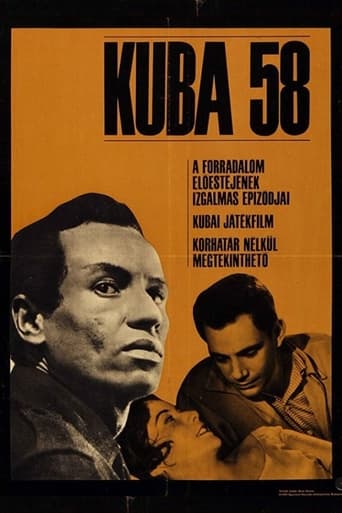
9.0Three stories reconstructing the start of the triumphant Cuban revolution which deposed Batista.
Cuba '58
1962
 6.7
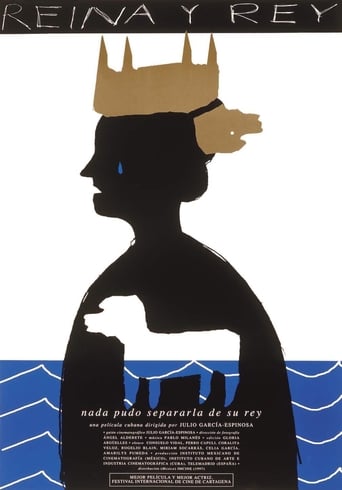
6.7Reina is an old and lonely widow whose only companion is a little black dog called Rey. When the dog disappears, Reina begins to question her own existence. Suddenly, her old patrons (who had left Cuba twenty years ago) return to Miami to stay for a week and convince her to go with them. After spending some time together, Reina discovers that her usual, lonelier, life is better than anything else and decides to stay in Cuba.
Reina y Rey
1994
6.7Reina is an old and lonely widow whose only companion is a little black dog called Rey. When the dog disappears, Reina begins to question her own existence. Suddenly, her old patrons (who had left Cuba twenty years ago) return to Miami to stay for a week and convince her to go with them. After spending some time together, Reina discovers that her usual, lonelier, life is better than anything else and decides to stay in Cuba.
Reina y Rey
1994
 6.4
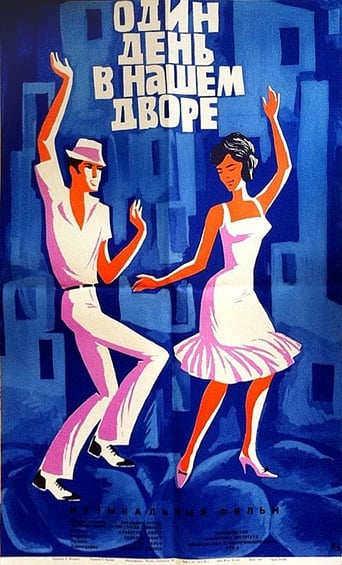
6.4The daily life of the residents of one house, most of whose lives, in accordance with the customs of southern countries, take place in the courtyard, reflects the national character, the customs of the common people, their talent, and, most importantly, the new things that each new day brings to life in Cuba in the 1960s.
Un día en el solar
1965
No synopsis available yet.
La sexta parte del mundo
1977
Documentary that portrays the life of a coal-mining town south of Havana, around 1955, prior to the triumph of the revolution.
The Sand Dune
1955
Documentary that portrays the life of a coal-mining town south of Havana, around 1955, prior to the triumph of the revolution.
The Sand Dune
1955
 5.8
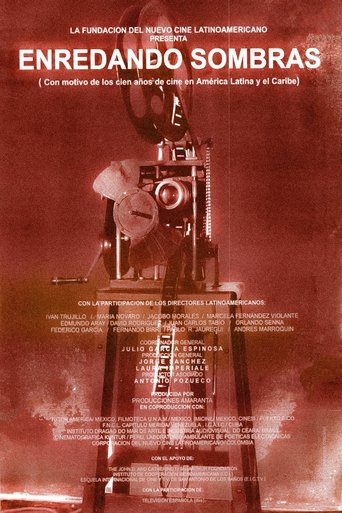
5.8Documentary that celebrates 100 years of cinema in Latin America and talks about the origins and the development of cinema in this subcontinent. Its structure is based in 12 short films directed by various Latin American directors. These are: 1) "Los inicios", Iván Trujillo 2) "Cuando comenzamos a hablar", María Novaro 3) "Jugando en serio", Jacobo Morales 4) "De cuerpo presente [Las espirales perpetuas del placer y el poder] Cine Mexicano [1931- 1997]", Marcela Fernández Violante 5) "Cuando quisimos ser adultos", Edmundo Aray and David Rodríguez 6) "Cinema Novo", Orlando Senna 7) "Memorias de una isla, Juan Carlos Tabío 8) "Un grito, 24 cuadros por segundo", Julio García-Espinosa 9) "El día de la independencia", Federico García 10) "¿Sólo las formas permanecen?", Fernando Birri and Pablo Rodríguez Gauregui 11) "Todo final es un principio", Andrés Marriquín.
Entangling Shadows
1998
 6.5
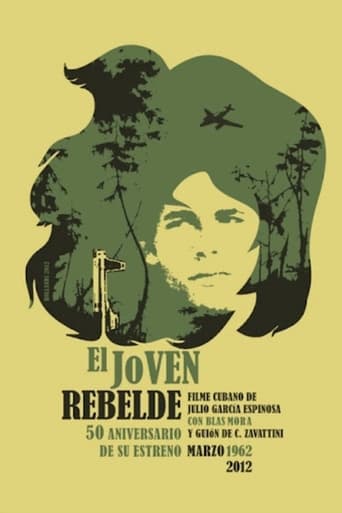
6.5Pedro is a young peasant who leaves home to join the Rebel Army, based in Sierra Maestra.
El joven rebelde
1961
6.5Pedro is a young peasant who leaves home to join the Rebel Army, based in Sierra Maestra.
El joven rebelde
1961
 9.0
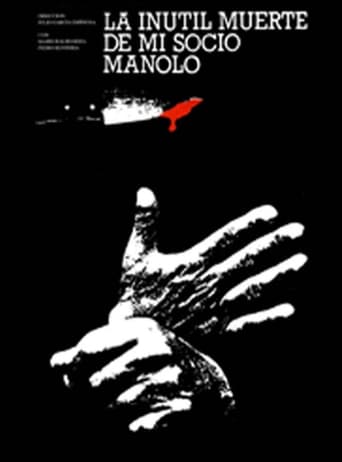
9.0Cheo visits his friend, Manolo, who he hasn't seen for many years. They drink to celebrate their reunion and fondly recall the times they spent together in years past. As they reminisce, the two friends confront the revolution, evaluate their lives, and bare their souls.
The Useless Death of My Pal, Manolo
1989
9.0Cheo visits his friend, Manolo, who he hasn't seen for many years. They drink to celebrate their reunion and fondly recall the times they spent together in years past. As they reminisce, the two friends confront the revolution, evaluate their lives, and bare their souls.
The Useless Death of My Pal, Manolo
1989
 5.6
5.6The unfair distribution of land in Cuba encourages the support of the peasants to the revolution.
This Is Our Land
1959
 NR
NRCritical testimony on American war crimes in Vietnam. A film both didactic and conscious of itself, bringing together a number of resources, techniques and documentary styles – a true paradigm of imperfect cinema.
Third World, Third World War
1970
 6.6
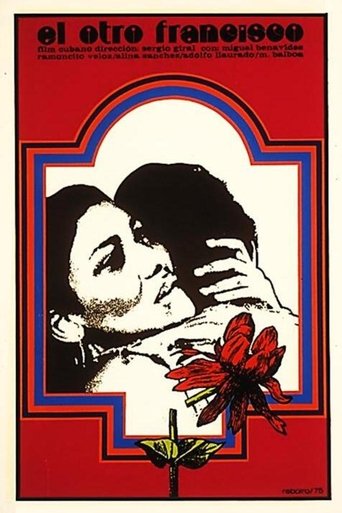
6.6Based on the novel Francisco by Anselmo Suárez y Romero, "The Other Francisco" is a socio-economic analysis of slavery and class struggle through the retelling of the original novel. The film contrasts the romantic conceptions of plantation life found in Suárez Romero's novel with a realistic expose of the actual historical conditions of slavery throughout the Americas. It offers a critical analysis of the novel, showing how the author's social background led to his use of particular dramatic structures to convey his liberal, humanitarian viewpoint.
The Other Francisco
1977
 5.0
5.0Urban reform during the first months of the Cuban revolution is the subject of this documentary
La vivienda
1959
 5.3
5.3An episodic film featuring the musical, choreographic and comedic skills of a variety of actors and actresses.
Son o no son
1980
 6.2
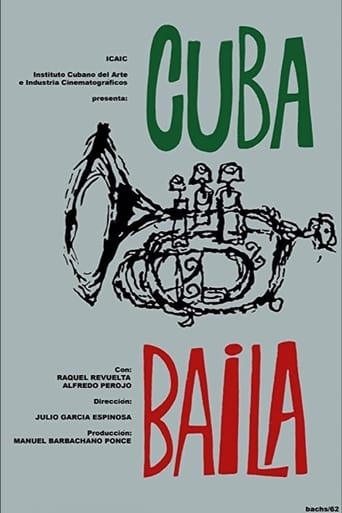
6.2Featured in a musical environment possible light anywhere in the world, adapted to a Cuban city makes good use of music. The argument is based on the desires and efforts of middle-income families, to hold a quinceanera at a level greater than that permitted by the economic status of a family.
Cuba Dances
1961
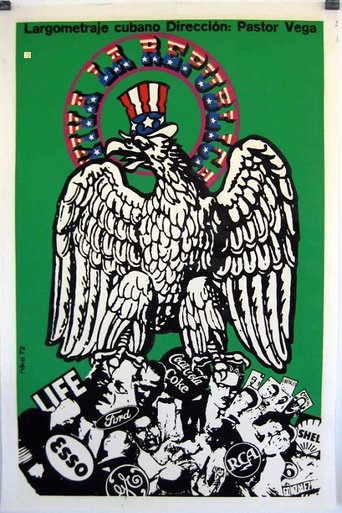 10.0
10.0Analysis of the Republic, from the end of the War of Independence to the beginning of the insurrection against the dictatorship of General Fulgencio Batista.
¡Viva la república!
1972
A commemoration of the 6th anniversary of the beginning of the Cuban revolution. 500,000 campesinos invited to celebrate the occasion pour into Havana.
Sexto aniversario
1969
A commemoration of the 6th anniversary of the beginning of the Cuban revolution. 500,000 campesinos invited to celebrate the occasion pour into Havana.
Sexto aniversario
1969