
Directing
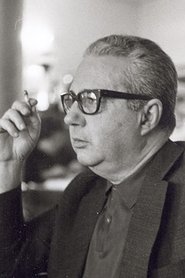
Manuel Guimarães
Born
1915-08-19 (111)
Place of birth
Valmaior, Albergaria-a-Velha
Known for
Directing
Credits
30 titles
Manuel Guimarães (1915–1975) was a Portuguese filmmaker. In 1931, Guimarães studied painting in the School of Fine Arts in Oporto. He started to work in 1936 as a theater scenographer, illustrator and cartoonist, as well as a film poster designer. He became interested in cinematic art, and started out as assistant of directors as Manoel de Oliveira, António Lopes Ribeiro, Jorge Brum do Canto, Arthur Duarte and Armando de Miranda. In 1949, he directed the short documentary O Desterrado, a film about the life and craft of the Portuguese sculptor Soares dos Reis. Saltimbancos as his first feature-film, which is an adaptation of the novel Circo (Circus) of the writer Leão Penedo. The plot is c…
Known for
 7.5
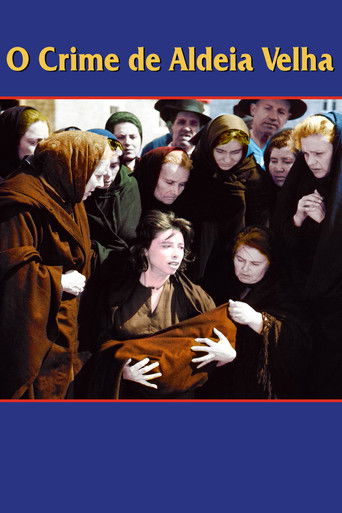
7.5Joana lives in a small and remote village where people are very primitive and religious. When accidents start happening that involves her, people slowly start believing that she is possessed by the devil.
The Crime of Aldeia Velha
1964
 8.0
8.0A sad and strong people living in the huge plains of Alentejo. Their endless struggle for bread, their nostalgic, bewitching songs and their daily toil to turn a dry, barren land into golden wheat fields.
The Wheat and the Tares
1965
 6.9
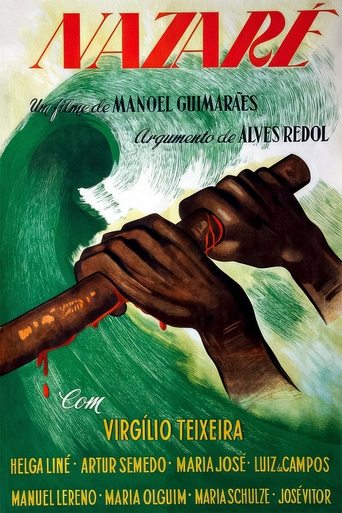
6.9The sea, often treacherous, is the only source of living of the people of Nazaré. The film tells the story of António and his family, where no dreams are allowed. There is also the mourning of the woman in black wailing silently on the beach or waiting for their children lost in the sea.
Nazaré
1952
 NR
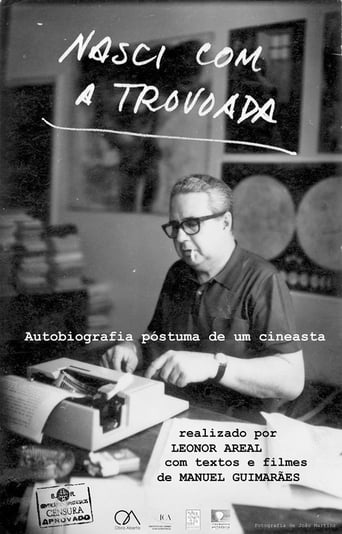
NRThe autobiographical texts and letters by film director Manuel Guimarães, and exchanged by him with friends, are the axis for the intimate narrative of his life, social concerns, passion for movies - while revisiting many movies of the 20th century and his complete filmography. One segment documents the epic way directors attempted to bypass official censorship to show their movies out of the country.
Born with a Thunderstorm
2017
 6.5
6.5Aurora is a modest young girl, working as dressmaker for the women her popular district, near the OPorto cathedral. One day, through a hintz-dress design competition, she gets involved with a haut couture atelier.
My Little Seamstress
1959
 NR
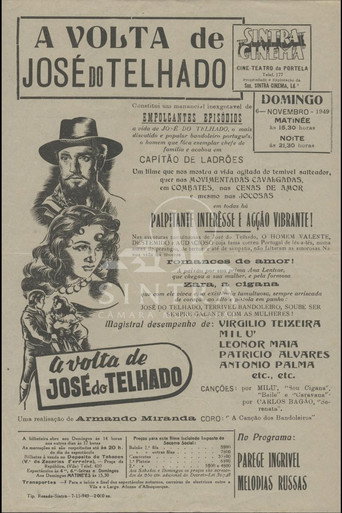
NRThe return of José do Telhado and his adventures to free his brother from the group of José Pequeno, another famous bandit of that time, and the bloody fight between both.
The Return of José do Telhado
1949
Film credits
Behind the camera
7.5Joana lives in a small and remote village where people are very primitive and religious. When accidents start happening that involves her, people slowly start believing that she is possessed by the devil.
The Crime of Aldeia Velha
1964
8.0A sad and strong people living in the huge plains of Alentejo. Their endless struggle for bread, their nostalgic, bewitching songs and their daily toil to turn a dry, barren land into golden wheat fields.
The Wheat and the Tares
1965
8.0A sad and strong people living in the huge plains of Alentejo. Their endless struggle for bread, their nostalgic, bewitching songs and their daily toil to turn a dry, barren land into golden wheat fields.
The Wheat and the Tares
1965
6.9The sea, often treacherous, is the only source of living of the people of Nazaré. The film tells the story of António and his family, where no dreams are allowed. There is also the mourning of the woman in black wailing silently on the beach or waiting for their children lost in the sea.
Nazaré
1952
6.5Aurora is a modest young girl, working as dressmaker for the women her popular district, near the OPorto cathedral. One day, through a hintz-dress design competition, she gets involved with a haut couture atelier.
My Little Seamstress
1959
6.5Aurora is a modest young girl, working as dressmaker for the women her popular district, near the OPorto cathedral. One day, through a hintz-dress design competition, she gets involved with a haut couture atelier.
My Little Seamstress
1959
NRThe return of José do Telhado and his adventures to free his brother from the group of José Pequeno, another famous bandit of that time, and the bloody fight between both.
The Return of José do Telhado
1949
 5.0
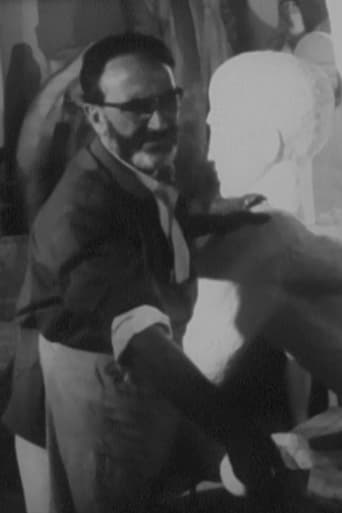
5.0Documentary about the sculptor António Duarte
António Duarte
1969
 6.0
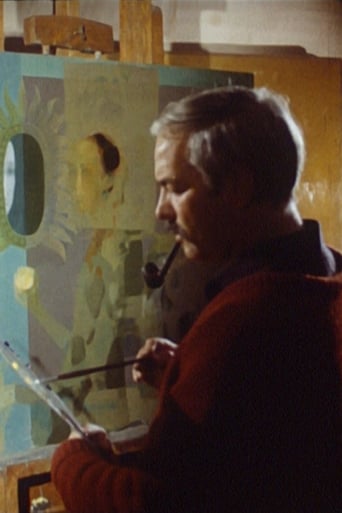
6.0The life and work of the painter Resende. An encounter with social themes and subjects portrayed in the painter's work.
Resende
1970
 7.2
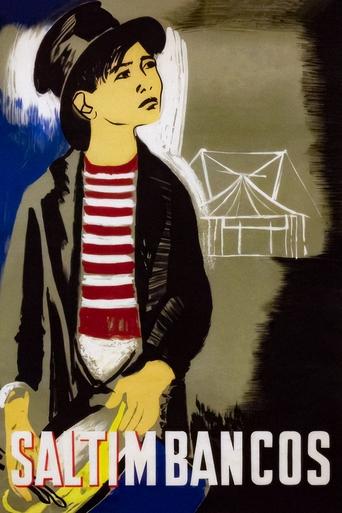
7.2Tony, a trapeze artist, gets a job at a small circus. When a tempest takes away the tent, Tony stays for the love of the beautiful Belmira who could be a rider… if they hadn’t sold the horse. They play at open-air, sleep under the stars, scrimp and save every penny, and soon there’s a new tent to be bought on credit. But Belmira is not happy, she dreams of a real home, while Tony is fascinated by the circus. And the gloomy days are back.
The Circus
1951
7.2Tony, a trapeze artist, gets a job at a small circus. When a tempest takes away the tent, Tony stays for the love of the beautiful Belmira who could be a rider… if they hadn’t sold the horse. They play at open-air, sleep under the stars, scrimp and save every penny, and soon there’s a new tent to be bought on credit. But Belmira is not happy, she dreams of a real home, while Tony is fascinated by the circus. And the gloomy days are back.
The Circus
1951
7.2Tony, a trapeze artist, gets a job at a small circus. When a tempest takes away the tent, Tony stays for the love of the beautiful Belmira who could be a rider… if they hadn’t sold the horse. They play at open-air, sleep under the stars, scrimp and save every penny, and soon there’s a new tent to be bought on credit. But Belmira is not happy, she dreams of a real home, while Tony is fascinated by the circus. And the gloomy days are back.
The Circus
1951
 NR
NRGraphic Arts
Artes Gráficas
1967
 8.0
8.0No synopsis available yet.
Prefácio a Vergílio Ferreira
1975
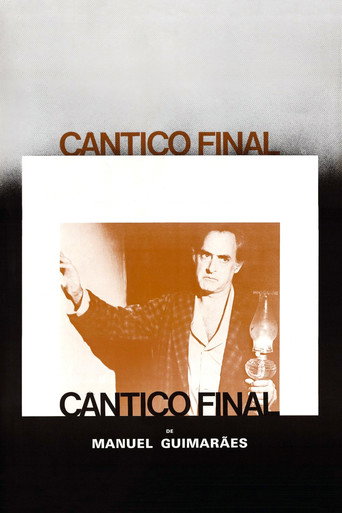 8.0
8.0Mário Gonçalves, a high school teacher threatened with death due to cancer, spends the last days of his life in the village where he was born, in the heart of Serra da Estrela. There, he expresses his talent as a painter in the intimate decoration of an abandoned chapel. This is also the twilight hour of rebellious memories: love and precariousness, choices and contingency, perennial dissatisfaction...
Cântico Final
1975
8.0Mário Gonçalves, a high school teacher threatened with death due to cancer, spends the last days of his life in the village where he was born, in the heart of Serra da Estrela. There, he expresses his talent as a painter in the intimate decoration of an abandoned chapel. This is also the twilight hour of rebellious memories: love and precariousness, choices and contingency, perennial dissatisfaction...
Cântico Final
1975
8.0Mário Gonçalves, a high school teacher threatened with death due to cancer, spends the last days of his life in the village where he was born, in the heart of Serra da Estrela. There, he expresses his talent as a painter in the intimate decoration of an abandoned chapel. This is also the twilight hour of rebellious memories: love and precariousness, choices and contingency, perennial dissatisfaction...
Cântico Final
1975
 NR
NRNo synopsis available yet.
Lotação Esgotada
—
 NR
NRNo synopsis available yet.
O Ritmo na Vida
1968
 5.0
5.0No synopsis available yet.
Tráfego e Estiva
1968
 6.0
6.0No synopsis available yet.
O Porto, Escola de Artistas
1967
 NR
NRFine Arts Education
Ensino das Belas-Artes
1967
 6.1
6.1Meia-Lua used to be a sailor, but he now makes a poor living smuggling. He is a cynical man, who doesn't care for Ana or for the child they had together. He lives with the beautiful Marlene who dances in the bars. Gull spends her whole days lulling a doll in her arms, and she waits for her love that will rise from the depths of the sea. The deaf musician Sparrow watches over her, in his despaired love and long-held wish of becoming a sea captain. There is a dispute down the piers, there is a crime that might be just an accident, there is a bad conscience that turns sour, there is a boat full of poor wretches like a rocking lullaby, a baby that passes from arms to arms, a clumsy beggar that finds some work, a courthouse of tramps... From this expressionist account that has unexpected comical moments, the censors from Salazar's regime cut away 20 minutes that were never to be found again.
Vidas sem Rumo
1956
6.1Meia-Lua used to be a sailor, but he now makes a poor living smuggling. He is a cynical man, who doesn't care for Ana or for the child they had together. He lives with the beautiful Marlene who dances in the bars. Gull spends her whole days lulling a doll in her arms, and she waits for her love that will rise from the depths of the sea. The deaf musician Sparrow watches over her, in his despaired love and long-held wish of becoming a sea captain. There is a dispute down the piers, there is a crime that might be just an accident, there is a bad conscience that turns sour, there is a boat full of poor wretches like a rocking lullaby, a baby that passes from arms to arms, a clumsy beggar that finds some work, a courthouse of tramps... From this expressionist account that has unexpected comical moments, the censors from Salazar's regime cut away 20 minutes that were never to be found again.
Vidas sem Rumo
1956
 NR
NRA Letter for master Dordio Gomes (about portuguese painter Dordio Gomes)
Carta a Mestre Dórdio Gomes
1971
On April 9, 1968, the Republican Nuno Simões (1894-1976) was honored by the Municipality of Famalicão, being assigned the insignia of the Great Officer of the Order of Benemerence. Two teams from Cultura Filmes, a Commercial Society of Cinematographic Productions in Lisbon, under the direction of Ricardo Malheiro, a cinematographic coverage of this event for the "Jornais Associados" of Brazil. They completed their work, various environments of the village and the municipality of Famalicão, and also some details of the "folates fair" - Tells us the newspaper "Estrela da Manhã" a few days after the event.
A Terra e o Homem
1969
 7.0
7.0Sand Sea - Sea Sand
Areia Mar - Mar Areia
1973
 NR
NRLisbon - Madrid train travel
Expressos Lisboa - Madrid
1969
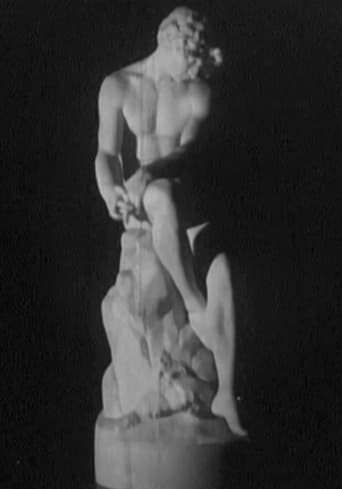 7.0
7.0No synopsis available yet.
O Desterrado - Vida e Obra de Soares dos Reis
1950