
Acting
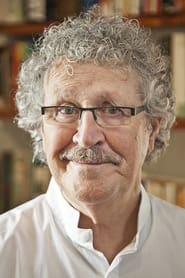
Grahame Bond
Born
1943-11-21 (82)
Place of birth
Sydney, New South Wales, Australia
Known for
Acting
Credits
11 titles
Grahame Bond (born 21 November 1943) is an Australian comic actor, writer, presenter and composer, known primary for his role as Aunty Jack. He studied architecture at Sydney University and performed in university revues. He graduated in 1967 and was a commercial jingle writer before creating his memorable Goons-inspired character Aunty Jack for an ABC children's radio show. The character was aired in an episode of The Comedy Game in 1971 and the following year The Aunty Jack Show became a cult smash on the ABC. In the 1990s Bond hosted the Channel Seven game show Whose House is it Anyway, and was a presenter on the popular Seven lifestyle series Better Homes and Gardens for six years.
Known for
 6.4
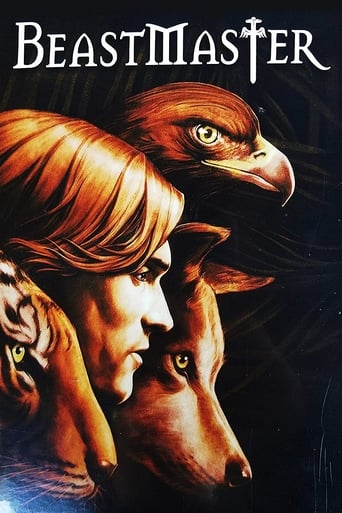
6.4BeastMaster chronicles the adventures of Dar, the last surviving male of the storied Sula tribe, who is blessed with the ability to communicate telepathically with the animals of his ancient world. Also endowed with the strength, courage and fighting skills of a great warrior, he uses his gifts to defend all living creatures oppressed by the forces of evil.
BeastMaster
1999
 4.7
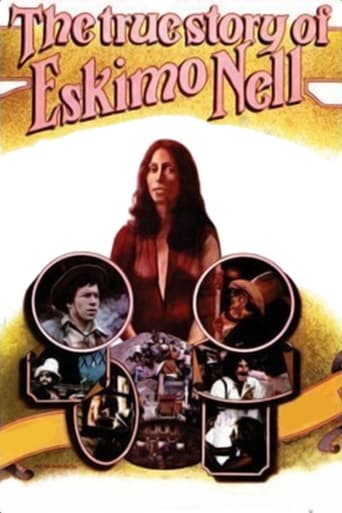
4.7The bawdy saga of the most infamous whomper of all time.
The True Story of Eskimo Nell
1975
 7.3
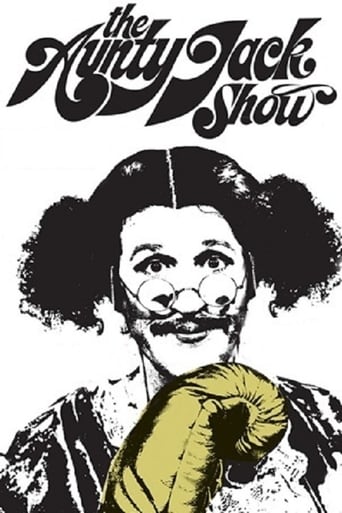
7.3The lead character, Aunty Jack, a unique comic creation — an obese, moustachioed, gravel-voiced transvestite, part trucker and part pantomime dame — who habitually solves any problem by knocking people unconscious or threatening to 'rip their bloody arms off'. Visually, she is unmistakable, dressed in a huge, tent-like blue velvet dress, football socks, workboots, and a golden boxing glove on her right hand. She rides everywhere on a Harley-Davidson motorcycle and referres to everyone as "me little lovelies" — when she is not uttering her familiar threat: "I'll rip yer bloody arms off!", a phrase which immediately passed into the vernacular.
The Aunty Jack Show
1972
 5.4
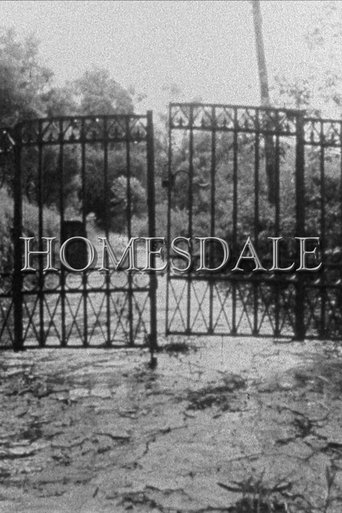
5.4At a remote guest house known as Homesdale, a group of visitors find themselves subjected to strange rituals, psychological games, and increasingly cruel entertainments devised by the lodge’s staff. As the weekend unfolds, the tensions and obsessions each guest has brought with them begin to surface.
Homesdale
1971
 7.5
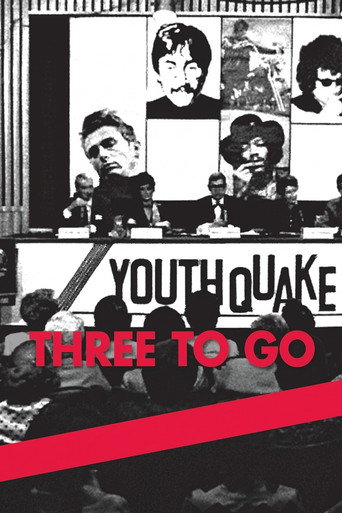
7.5This anthology film brings together three stories—"Michael", "Judy", and "Toula"—each centered on a young Australian confronting personal and social choices about their future. Produced by the Commonwealth Film Unit, the film explores themes of identity, independence, and cultural tension through distinct perspectives from directors Brian Hannant, Oliver Howes, and Peter Weir.
Three to Go
1971
This Australian television musical follows Mr. Maloon, a traveler on a heavily laden green bicycle, as he passes through a series of stylized communities, encountering the mayors of three distinct worlds—mediaeval, futuristic, and 1930s-inspired—whose lives are unsettled by his presence.
Man on a Green Bike
1969
Film credits
1970s · 5 titles
4.7The bawdy saga of the most infamous whomper of all time.
The True Story of Eskimo Nell
1975
5.4At a remote guest house known as Homesdale, a group of visitors find themselves subjected to strange rituals, psychological games, and increasingly cruel entertainments devised by the lodge’s staff. As the weekend unfolds, the tensions and obsessions each guest has brought with them begin to surface.
Homesdale
1971
7.5This anthology film brings together three stories—"Michael", "Judy", and "Toula"—each centered on a young Australian confronting personal and social choices about their future. Produced by the Commonwealth Film Unit, the film explores themes of identity, independence, and cultural tension through distinct perspectives from directors Brian Hannant, Oliver Howes, and Peter Weir.
Three to Go
1971
 8.0
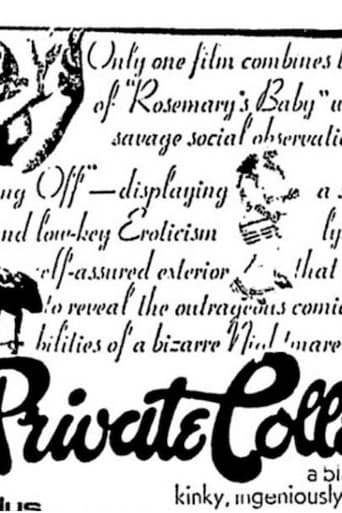
8.0A wealthy art collector and his wife have their property broken into in this strange, awkward comedy. Little does the thief realize, but the most prized artwork in the collection is protected by a small guillotine. He loses his hand and is then blackmailed into robbing an art dealer, who earlier in the film refused to sell a statue of an eagle.
Private Collection
1973
 NR
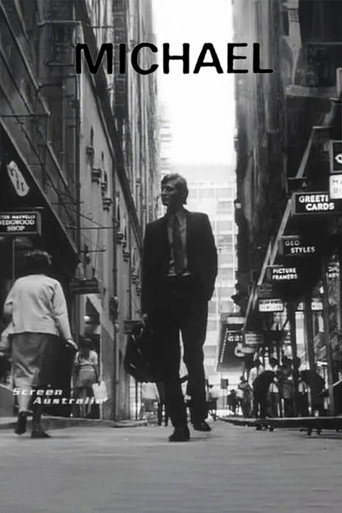
NRMichael, a young man living within a conventional middle-class environment, begins to question his future as he encounters a group aligned with the countercultural movements of the late 1960s. As he is exposed to new ideas and ways of living, he is forced to reconsider the direction of his life. (Note: This film is one segment of the anthology feature "Three to Go" (1971).)
Three to Go: Michael
1970
1960s · 2 titles
This Australian television musical follows Mr. Maloon, a traveler on a heavily laden green bicycle, as he passes through a series of stylized communities, encountering the mayors of three distinct worlds—mediaeval, futuristic, and 1930s-inspired—whose lives are unsettled by his presence.
Man on a Green Bike
1969
 NR
NRAn early short film directed by Peter Weir in 1968, centered on the life of a bird enthusiast who becomes a Christian evangelist, and described in archival sources as a surrealistic documentary.
The Life and Flight of the Reverend Buck Shotte
1968
Series credits
6.4BeastMaster chronicles the adventures of Dar, the last surviving male of the storied Sula tribe, who is blessed with the ability to communicate telepathically with the animals of his ancient world. Also endowed with the strength, courage and fighting skills of a great warrior, he uses his gifts to defend all living creatures oppressed by the forces of evil.
BeastMaster
1999
7.3The lead character, Aunty Jack, a unique comic creation — an obese, moustachioed, gravel-voiced transvestite, part trucker and part pantomime dame — who habitually solves any problem by knocking people unconscious or threatening to 'rip their bloody arms off'. Visually, she is unmistakable, dressed in a huge, tent-like blue velvet dress, football socks, workboots, and a golden boxing glove on her right hand. She rides everywhere on a Harley-Davidson motorcycle and referres to everyone as "me little lovelies" — when she is not uttering her familiar threat: "I'll rip yer bloody arms off!", a phrase which immediately passed into the vernacular.
The Aunty Jack Show
1972