
Directing
Nam June Paik
Born — Died
1932-07-20 — 2006-01-29
Place of birth
Gyeongseong, South Korea [now Seoul]
Known for
Directing
Credits
82 titles
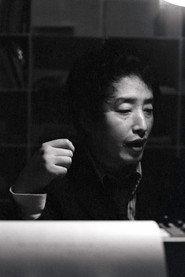
Nam June Paik was the first video artist who experimented with electronic media and made a profound impact on the art of video and television. He coined the phrase "Information Superhighway" in 1974, and has been called the "father of video art."
Known for
 7.8
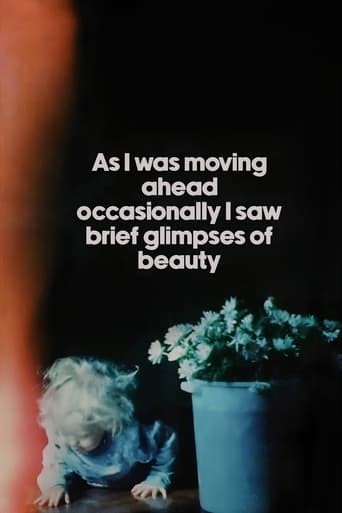
7.8A compilation of over 30 years of private home movie footage shot by Lithuanian-American avant-garde director Jonas Mekas, assembled by Mekas "purely by chance", without concern for chronological order.
As I Was Moving Ahead Occasionally I Saw Brief Glimpses of Beauty
2000
 6.8
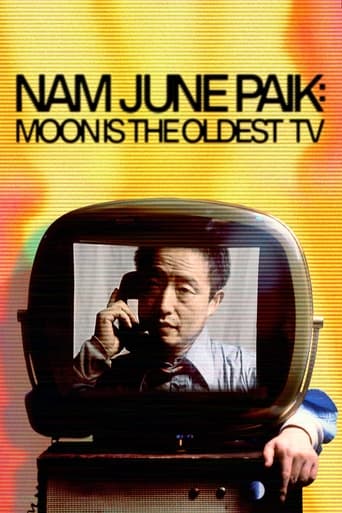
6.8The quixotic journey of Nam June Paik, one of the most famous Asian artists of the 20th century, who revolutionized the use of technology as an artistic canvas and prophesied both the fascist tendencies and intercultural understanding that would arise from the interconnected metaverse of today's world.
Nam June Paik: Moon Is the Oldest TV
2023
 NR
NRScenes from the life and work at Anthology Film Archives. Much of the footage in this video was shot by Auguste Varkalis.
Laboratorium Anthology
1999
 7.0
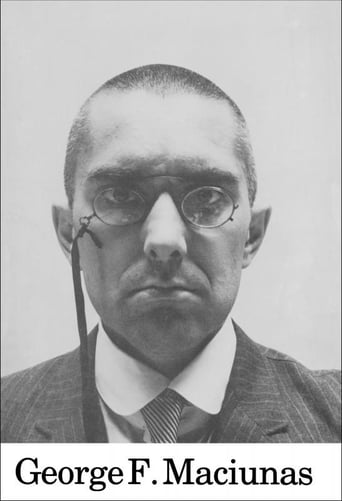
7.0In 1961 Lithuanian American artist and impresario George Maciunas established the avant-garde art movement Fluxus. George details the rise of Fluxus following a sensationalized tour of “concerts” in Europe in 1962, and continuing in New York for most of the 1960s and ’70s. During this time Maciunas was converting the dying industrial buildings of Soho into a network of artists’ lofts, creating one of the first official real estate co-ops of artist-owned buildings. Maciunas’s life and legacy—as recounted by artists of his generation, including Yoko Ono and Jonas Mekas—ignited debates that remain pivotal to artists working today.
George: The Story of George Maciunas and Fluxus
2018
 NR
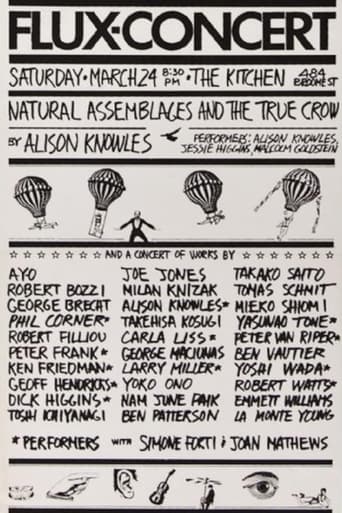
NROn March 24, 1979, The Kitchen presented a two-part program dedicated to the work of various Fluxus artists. The programming began with the premiere of Alison Knowles’s “Natural Assemblages and the True Crow.” For the piece, Knowles engaged in a dialogue with her own taped voice, which read aloud selections from various natural history books. Simultaneously, violinist Michael Goldstein provided an improvised score while dancer Jessie Higgins executed a number of one-movement phrases by following instructions on index cards. The second part of the night’s programming consisted of forty rapid performances—most sixty seconds or less—by various Fluxus members, including Yoko Ono, George Brecht, La Monte Young, and Nam June Paik. Ken Friedman and Larry Miller coordinated this portion of the event.
Flux-Concert
1979
 10.0
10.0This exhibition focuses on Jonas Mekas’ 365 Day Project, a succession of films and videos in calendar form. Every day as of January 1st, 2007 and for an entire year, as indicated in the title, a large public (the artist's friends, as well as unknowns) were invited to view a diary of short films of various lengths (from one to twenty minutes) on the Internet. A movie was posted each day, adding to the previously posted pieces, resulting altogether in nearly thirty-eight hours of moving images.
365 Day Project
2007
Film credits
2020s · 2 titles
6.8The quixotic journey of Nam June Paik, one of the most famous Asian artists of the 20th century, who revolutionized the use of technology as an artistic canvas and prophesied both the fascist tendencies and intercultural understanding that would arise from the interconnected metaverse of today's world.
Nam June Paik: Moon Is the Oldest TV
2023
 NR
NRThe tapes in the program consist of some of Mekas’ earliest cassettes from the 1990s not long after he first began working with video as well as more recent mini-DV tapes from 2010s. The contents of the tapes have not been previously seen in their entirety. The footage provides rare insight into aspects of Mekas’ video-making practice, as well as his activities, thoughts, dreams, and concerns, especially during the later years of his life.
Tapes
2020
2010s · 4 titles
7.0In 1961 Lithuanian American artist and impresario George Maciunas established the avant-garde art movement Fluxus. George details the rise of Fluxus following a sensationalized tour of “concerts” in Europe in 1962, and continuing in New York for most of the 1960s and ’70s. During this time Maciunas was converting the dying industrial buildings of Soho into a network of artists’ lofts, creating one of the first official real estate co-ops of artist-owned buildings. Maciunas’s life and legacy—as recounted by artists of his generation, including Yoko Ono and Jonas Mekas—ignited debates that remain pivotal to artists working today.
George: The Story of George Maciunas and Fluxus
2018
 NR
NR“Drawing on his personal archives, Mekas has assembled a Fluxus vaudeville starring Yoko Ono, Joseph Beuys, and the late Nam June Paik. Most of the material is relatively recent although Ben Vautieur shows some early 1960s work to hilarious effect and Mekas channels Fluxus founder George Maciunas throughout.” – J. Hoberman, VILLAGE VOICE
Re: Maciunas and Fluxus
2011
 6.8
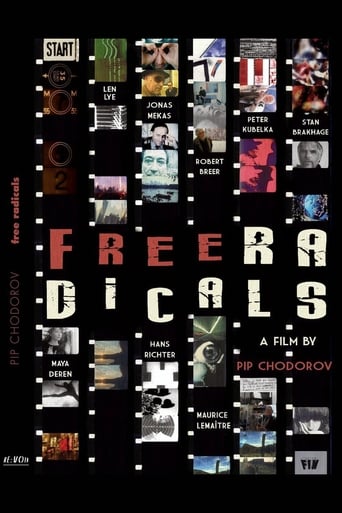
6.8Experimental filmmaker Pip Chodorov traces the course of experimental film in America, taking the very personal point of view of someone who grew up as part of the experimental film community.
Free Radicals: A History of Experimental Film
2011
 NR
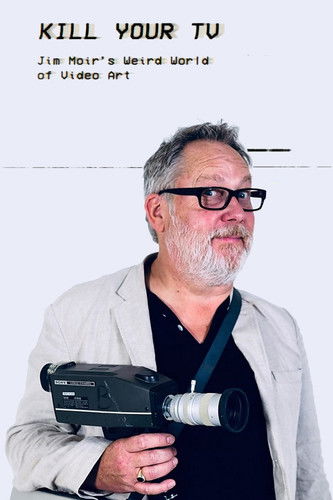
NRJim Moir (aka Vic Reeves) explores Video Art, revealing how different generations ‘hacked’ the tools of television to pioneer new ways of creating art that can be beautiful, bewildering and wildly experimental.
Kill Your TV: Jim Moir’s Weird World of Video Art
2019
2000s · 7 titles
7.8A compilation of over 30 years of private home movie footage shot by Lithuanian-American avant-garde director Jonas Mekas, assembled by Mekas "purely by chance", without concern for chronological order.
As I Was Moving Ahead Occasionally I Saw Brief Glimpses of Beauty
2000
10.0This exhibition focuses on Jonas Mekas’ 365 Day Project, a succession of films and videos in calendar form. Every day as of January 1st, 2007 and for an entire year, as indicated in the title, a large public (the artist's friends, as well as unknowns) were invited to view a diary of short films of various lengths (from one to twenty minutes) on the Internet. A movie was posted each day, adding to the previously posted pieces, resulting altogether in nearly thirty-eight hours of moving images.
365 Day Project
2007
Friends and colleagues (including Yoko Ono and Merce Cunningham) of Nam June Paik share their thoughts about the groundbreaking multimedia artist in this series of candid interviews filmed by Skip Blumberg at Paik's memorial service. This tribute to Paik also includes "Bonus Art Video," in which 17 New York City artists discuss Paik's work, and the short educational film "Lessons from the Video Artist."
Nam June Paik: Lessons from the Video Master
2006
 NR
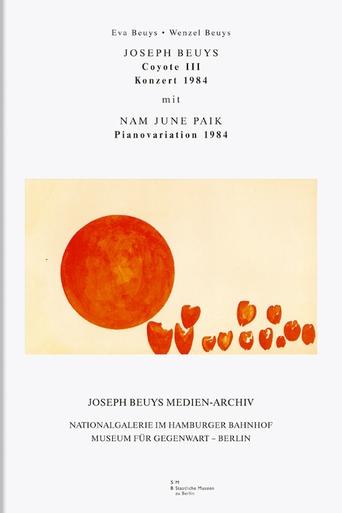
NRDVD accompanying the book "Coyote III", documenting Joseph Beuys and Nam June Paik performing at the Sôgetsu Hall in Tokyo on the 2nd of June 1984. Nam June Paik sits on one side of the stage playing European classical music, improvisations and Japanese folk music. On the other side, Joseph Beuys acts out experiences from living in an enclosed space with a coyote - a free man who turns back into an animal, into a form of life that he understands as a prerequisite for this freedom
Joseph Beuys - Coyote III
2008
 NR
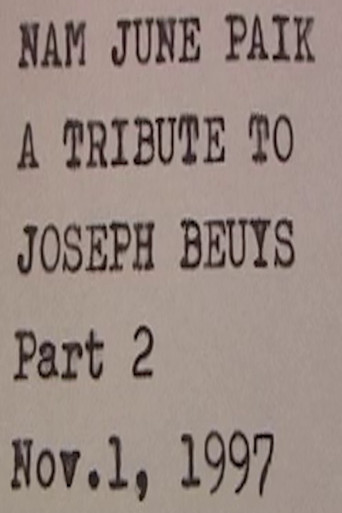
NRThis was filmed on November 1, 1997 at Anthology Film Archives during a tribute to Joseph Beuys. Nam June Paik destroys a piano. From the cycle of FIRST FORTY I made in late 2006 as an introduction to my work for my new, Internet audience. All of them are based on my earlier films but slightly, sometimes more than slightly, changed. I consider them works complete in themselves, seperate from the main body of my film work.
Nam June Paik's Piano Piece
2006
Kubota's tribute to her husband, artist Nam June Paik, who died at their home in Miami in January 2006.
Winter in Miami 2005
2006
A documentary about the life and work of video artist Nam June Paik made by the Korean Broadcasting Network.
Nam June Paik: The Tiger Lives
2003
1990s · 6 titles
NRScenes from the life and work at Anthology Film Archives. Much of the footage in this video was shot by Auguste Varkalis.
Laboratorium Anthology
1999
An intimate and humorous portrait of her husband, artist Nam June Paik, as he undergoes physical therapy after an illness.
Sexual Healing
1998
The film portrays a group of artists who since the early 1960s have completely disrupted our ideas of what art can be. In large part filmed in Venice in 1990, when many of the original Fluxus artists met to hold a large exhibition almost 30 years after the first highly untraditional Fluxus' performances. Features Eric Andersen, Philip Corner, Dick Higgins, Yoko Ono, Nam June Paik, Ben Vautier, and many others.
The Misfits - 30 Years of Fluxus
1993
 5.7
5.7Nam June Paik's first single-channel videotape since 1989 is a heartfelt tribute to his long-time collaborator Charlotte Moorman. This portrait traces Moorman's career as an avant-garde performer, from her classical training to her notorious arrest as the "Topless Cellist" and subsequent talk-show celebrity. Rare documentations of Moorman's performances include Otto Piene's Sky Kiss and Jim McWilliams' Chocolate Cello. Interviews with Moorman's friends, family and collaborators, such as Yoko Ono, Christo and Jeanne Claude, Otto Piene, and Barbara Moore, among others, provide intimate recollections of the inimitable Moorman.
"Topless Cellist" Charlotte Moorman
1995
Kubota continues her ongoing video diary project. Here she reflects on her relationship with her husband Nam June Paik.
April is the Cruelest Month
1999
 NR
NRA portrait of Nam June Paik produced as a 'video catalog' for the exhibition 'The Electronic Super Highway', which premiered at The Museum of Art in Fort Lauderdale, Florida, with recent installations, historical background and interviews.
The Electronic Super Highway: Nam June Paik in the Nineties
1994
1980s · 8 titles
 NR
NRHome movies shot on Super 8mm by W+B Hein over 10 years.
Home Movies 1971-81
1985
 8.4
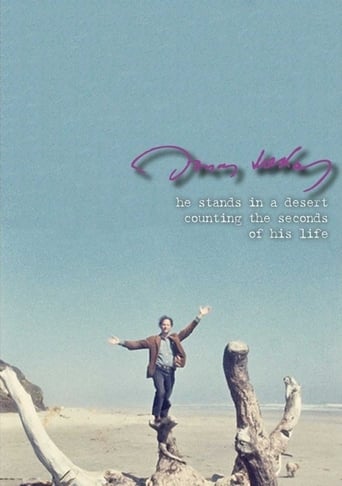
8.4A film collage tracing the story of the lives, loves, and deaths within the artistic community surrounding Jonas Mekas.
He Stands in a Desert Counting the Seconds of His Life
1986
 8.0
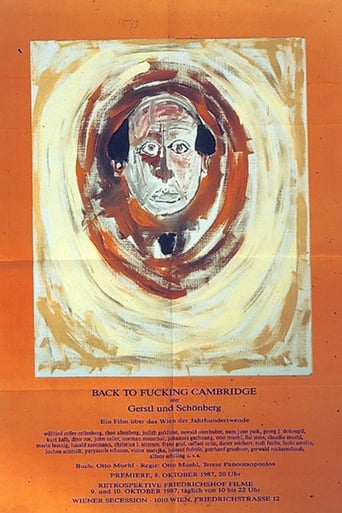
8.0About a group of graduates from Cambridge University who go back to their college to visit a friend who has stayed on there. Otto Muehl founded a community of artists in Vienna in 1970 with the aim of exploring a completely free life practice. Since 1972, this society experiment at the Friedrichshof in Burgenland, 60 kilometers from Vienna, further developed. From the mid-1970s, other municipalities were founded in 30 European cities. At Friedrichshof itself lived at times up to 240 members and visitors.
Back to Fucking Cambridge
1987
 NR
NRThis ambitious live satellite link-up of Japan, Korea and the United States features interviews with Keith Haring and architect Arata Isozaki, and performances and works by Philip Glass and the Kodo Drummers, Charlotte Moorman, Nam June Paik, and Lou Reed. In an extraordinary section, a performance in Japan of classical Western music is accompanied by a group of Kabuki dancers.
Bye Bye Kipling
1986
 6.5
6.5A compilation of avant-garde artwork and talent of the mid to late 20th century hosted by Ryuichi Sakamoto.
All Star Video
1985
Single channel video (color; sound; 1984)
Trip to Korea
1984
 NR
NRA short documentary profile of the Anthology Film Archives, shot on the eve of the move to the historic 2nd Avenue Courthouse. Staff and patrons are interviewed, and films preserved by Anthology are spotlighted.
Persistence of Vision
1984
 NR
NRA Super 8 work made in New York after Nam June Paik invited Kim Soungui to the city.
Bonjour Nam June Paik I
1982
1970s · 7 titles
NROn March 24, 1979, The Kitchen presented a two-part program dedicated to the work of various Fluxus artists. The programming began with the premiere of Alison Knowles’s “Natural Assemblages and the True Crow.” For the piece, Knowles engaged in a dialogue with her own taped voice, which read aloud selections from various natural history books. Simultaneously, violinist Michael Goldstein provided an improvised score while dancer Jessie Higgins executed a number of one-movement phrases by following instructions on index cards. The second part of the night’s programming consisted of forty rapid performances—most sixty seconds or less—by various Fluxus members, including Yoko Ono, George Brecht, La Monte Young, and Nam June Paik. Ken Friedman and Larry Miller coordinated this portion of the event.
Flux-Concert
1979
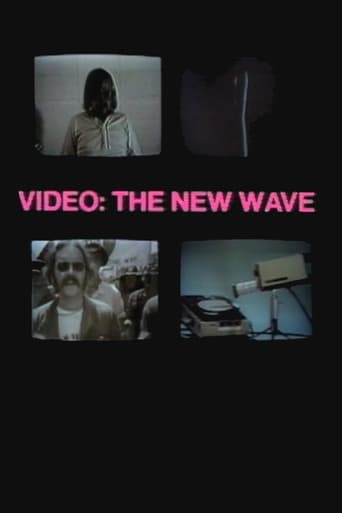 NR
NRThe New Wave is the seminal compendium of independent video work in the early 1970s. Written and narrated by Brian O'Doherty, this overview of the emerging video field includes examples of guerrilla television and "street" documentaries, early explorations with image-processing and synthesis, and performance video. This historical anthology includes excerpts of tapes by the following video pioneers: Stephen Beck and Warner Jepson, Peter Campus, Douglas Davis, Ed Emshwiller, Bill Etra, Frank Gillette, Don Hallock, Joan Jonas, Richard Serra, Paul Kos, Nam June Paik, Otto Piene, Willard Rosenquist, Dan Sandin, James Seawright, Steina Vasulka, TVTV, Stan Vanderbeek and William Wegman.
Video: The New Wave
1975
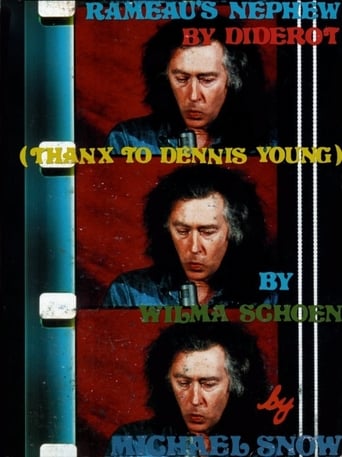 7.8
7.8Various unrelated vignettes, often juxtaposing sound and image.
‘Rameau’s Nephew’ by Diderot (Thanx to Dennis Young) by Wilma Schoen
1974
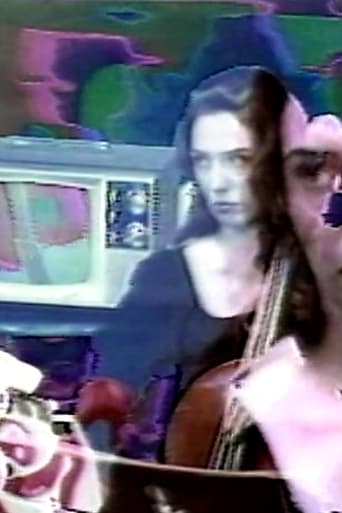 NR
NRThis tape is Jud Yalkut's video realization of Charlotte Moorman and Nam June Paik's concert performance of John Cage's composition 26'1.1499" For String Player. In this extraordinary performance, which is manipulated and synthesized by Yalkut, Paik and Moorman play Cage's score on a collection of "instruments" that include a pistol, a dish of mushrooms, balloons, a practice aerial bomb, and a telephone call to President Nixon.
26'1.1499" For A String Player
1973
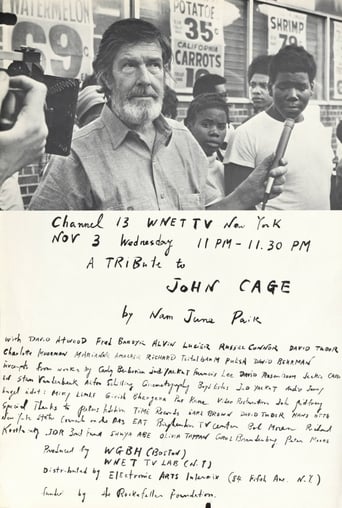 6.0
6.0A Tribute to John Cage is Paik's homage to avant-garde composer John Cage. A major figure in contemporary art and music, Cage was one of the primary influences on Paik's work, as well as his friend and frequent collaborator. In this multifaceted portrait, Paik creates a pastiche of Cage's performances and anecdotes, interviews with friends and colleagues, and examples of Paik's participatory music and television works that parallel Cage's strategies and concerns. The methodology and philosophies that inform Cage's radical musical aesthetic — chance, randomness, the democratization of sounds — are evident as he performs such seminal pieces as 4'33" (of complete silence) in Harvard Square, or throws the I Ching to determine performance sites. Among the collage of elements included in this work are segments from Paik's Zen for TV; Paik and Charlotte Moorman in early performances, including the TV Bra; and anecdotes from composer Alvin Lucier.
A Tribute to John Cage
1976
 NR
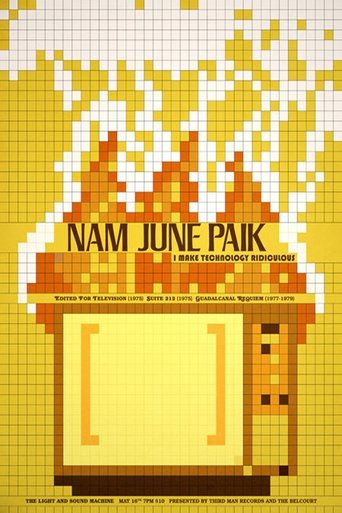
NRProduced for public television station WNET/Thirteen in New York, Nam June Paik: Edited for Television is a provocative portrait of the artist, his work and philosophies. This fascinating document features an interview of Paik by art critic Calvin Tompkins (who wrote a New Yorker profile of the artist in 1975) and ironic commentary by host Russell Connor. Taped in his Soho loft, with the multi-monitor piece Fish Flies on Sky suspended from the ceiling, Paik elliptically addresses his art and philosophies in the context of Dada, Fluxus, the Zen Koan, John Cage, Minimal art, information overload and technology.
Nam June Paik: Edited for Television
1975
The film about Nam June Paik, the pioneer of video art, provides insight into his multifaceted artistic work and at the same time paints a biographical portrait of the Korean artist.
Nam June Paik: The Good Conscience of the Avant Garde
1977
1960s · 6 titles
An unreleased diary film shot during the Fairleigh-Dickinson Artist Seminar simultaneous to the production of Back and Forth by Michael Snow.
Seminar
1969
 NR
NRHi-Red Centre were comprised of Genpei Akasegawa, Natsuyuki Nakanishi and Jiro Takamatsu, who enacted ‘happening’-style performance art in unusual spaces during the early 1960s in Japan. The film is an extremely rare document of one of their early events, where they hired out a room in the Imperial Hotel and invited many friends and professionals in the art scene to participate in the occasion. The performance parodies Cold War fears and the construction of private bomb-shelters, as they diligently measure each guest’s weight and proportions in pretence that they are to build human-size shelters for each individual. Key figures of the art scene make an appearance, including Yoko Ono, video-artist Nam June Paik, noise artist Yasunao Tone, filmmaker Masao Adachi and graphic designer Tadanori Yokoo. A rarely seen and exceptional insight into the Japanese art scene of the era, Jonouchi records the event in his characteristically erratic style.
Hi-Red Centre Shelter Plan
1964
This fascinating film documents the U.S. premiere production of Originale, a Happening by German composer Karlheinz Stockhausen. Filmed at the "2nd Annual Avant Garde Festival of New York," which was produced by Norman Seaman and Charlotte Moorman, the stage production was directed by Allan Kaprow. Performers include Nam June Paik, Moorman, Jackson Mac Low and Allen Ginsberg, among many others.
Stockhausen's Originale: Doubletakes
1964
 NR
NR1966, 16mm film on video, black-and-white and color; 10 minutes
P+A-I(k)
1966
Early documentary about the pop art scene and happenings in Germany.
Kunst und Ketchup
1966
 NR
NRShort film about performance, realized when Nam June Paik participated in Karlheinz Stockhausen's piece "Originale" in Cologne in 1961.
Nam June Paik
1962
Undated · 2 titles
Inverting the form, style and time frame of commercial television advertising, Logue has produced a unique series of dynamic video portraits of avant-garde artists, writers, musicians and performers. In 30 Second Spots: New York, which Logue terms "commercials for artists," each of the succinct vignettes conveys the artistic essence of her subject with clarity, wit, and an elegant economy of means. John Cage, Steve Reich, Philip Glass, Meredith Monk, Spalding Gray and Steve Reich are among the artists who are captured here with concise drama. Each subject performs in close-up before a stationary camera.
Thirty Second Spots: TV Commercials for Artists (1982-83)
—
No synopsis available yet.
Processing the Signal
—
Behind the camera
 NR
NRFeature-length compilation program presenting 37 out of 41 original fluxfilms produced and directed in the 1960s by Fluxus artists, including George Maciunas, Nam June Paik, Yoko Ono, Robert Watts, Paul Sharits, et al.
Fluxfilm Anthology 1962-1970
2010
 NR
NROne of Paik's most compelling and poignant tapes, Living with the Living Theatre pays tribute to Judith Malina and the late Julien Beck, founder of the Living Theatre. Reversing the theme of the earlier Allan 'n' Allen's Complaint, which dealt with two artists and their relationships to their fathers, Paik explores Malina and Beck's relationship to their children. Interviews provide the memories of actual lives lived together, while Betsy Connors' animated sequences transcend the specific to suggest the universality of childhood. Garrin and Paik edit these elements into an electronic synthesis that is at times dizzyingly psychedelic and always affectionate towards its subjects. Infused with personal and cultural memories that evoke time and place — Janis Joplin concert footage, Living Theatre performances — Paik creates a haunting and deeply moving homage.
Living with the Living Theatre
1989
Part of a collection of restored early works by Nam June Paik and Jud Yalkut, this piece is historically significant as well as remarkably prescient. Video Tape Study No.3 is a direct media intervention, in which Paik distorts and manipulates footage from news conferences by U.S. President Lyndon Johnson and New York Mayor Lindsey.
Videotape Study No. 3
1969
 8.1
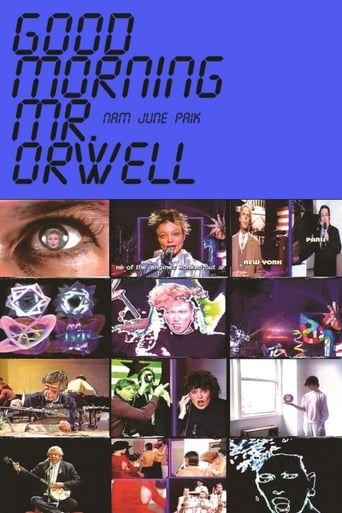
8.1In his book "1984", George Orwell saw the television of the future as a control instrument in the hands of Big Brother. Right at the start of the much-anticipated Orwellian year, Paik and Co. were keen to demonstrate satellite TV's ability to serve positive ends-- Namely, the intercontinental exchange of culture, combining both highbrow and entertainment elements. A live broadcast shared between WNET TV in New York and the Centre Pompidou in Paris, linked up with broadcasters in Germany and South Korea, reached a worldwide audience of over 10 or even 25 million (including the later repeat transmissions).
Good Morning, Mr. Orwell
1984
8.1In his book "1984", George Orwell saw the television of the future as a control instrument in the hands of Big Brother. Right at the start of the much-anticipated Orwellian year, Paik and Co. were keen to demonstrate satellite TV's ability to serve positive ends-- Namely, the intercontinental exchange of culture, combining both highbrow and entertainment elements. A live broadcast shared between WNET TV in New York and the Centre Pompidou in Paris, linked up with broadcasters in Germany and South Korea, reached a worldwide audience of over 10 or even 25 million (including the later repeat transmissions).
Good Morning, Mr. Orwell
1984
 NR
NRThe influence of Jewish fathers on their sons and the complexity of familial relationships are explored in a witty, poignant portrait of two artists. Beat poet Allen Ginsberg (whose father Louis was a poet in his own right) and performance artist/sculptor Allan Kaprow (whose father is a high-powered lawyer) are the sons who struggle with and against the influences of these patriarchal figures.
Allan ‘n Allen’s Complaint
1982
Part of the "Video-Film Concert" collection on EAI. From 1966 - 1972. Music by K. S. Narayanaswami.
Electronic Yoga
1972
 8.0
8.0Part of a collection of restored early works by Nam June Paik, the haunting Beatles Electronique reveals Paik's engagement with manipulation of pop icons and electronic images. Snippets of footage from the feature film A Hard Day's Night and the "Rain" promotional film are countered with Paik's early electronic processing.
Beatles Electroniques
1968
Part of a restored collection of rare early works by Nam June Paik, Electronic Fables is an example of Paik's early improvisations and experiments with electronic image manipulation, prior to his invention of the Paik/Abe Video Synthesizer. This piece also makes use of anecdotes by John Cage and other influential artists and cultural figures.
Electronic Fables
1971
 NR
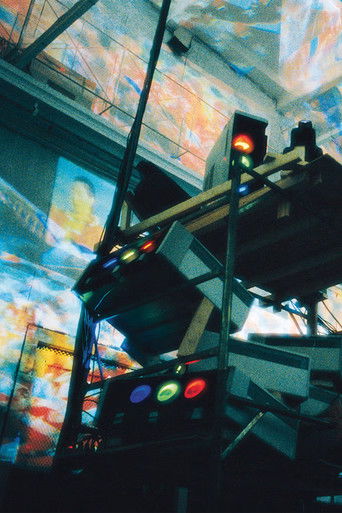
NRSistine Chapel is an audio-visual collage of new footage and samples from Paik’s past videos, which featured many of his friends, collaborators, and public figures. It was Paik’s own way of summarizing his artistic career with video. The film installation consists of fast-paced and overlapping images that completely cover the gallery walls and ceiling—one of the most under-appreciated parts of architecture, according to Paik. With its electronic visuals and booming audio, interspersed with periods of silence, the immersive installation stands in stark contrast to the experience of its namesake.
Sistine Chapel
1993
 NR
NRProduced by WGBH-TV in Boston, the Medium Is the Medium is one of the earliest and most prescient examples of the collaboration between public television and the emerging field of video art in the U.S. WGBH commissioned artists — Allan Kaprow, Nam June Paik, Otto Piene, James Seawright, Thomas Tadlock and Aldo Tambellini — to create original works for broadcast television. Their works explored the parameters of the new medium, from image processing and interactivity to video dance and sculpture.
The Medium Is the Medium
1969
NRThis ambitious live satellite link-up of Japan, Korea and the United States features interviews with Keith Haring and architect Arata Isozaki, and performances and works by Philip Glass and the Kodo Drummers, Charlotte Moorman, Nam June Paik, and Lou Reed. In an extraordinary section, a performance in Japan of classical Western music is accompanied by a group of Kabuki dancers.
Bye Bye Kipling
1986
 NR
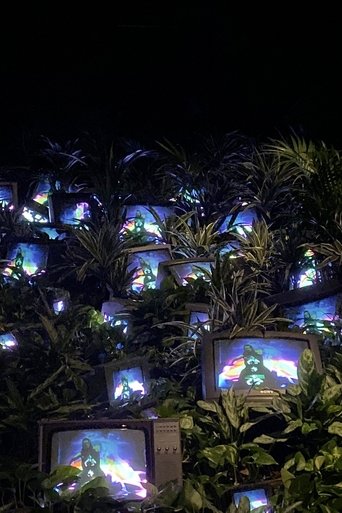
NRTV Garden is Paik’s imagined future landscape where technology is an integral part of the natural world. Placing television sets amongst live plants, he creates an environment in which the seemingly distinct realms of electronics and nature coexist. His approach follows the Buddhist philosophy that everything is interdependent. It also suggests that technology is not in conflict with nature but an extension of the human realm.
TV Garden
1974
6.5A compilation of avant-garde artwork and talent of the mid to late 20th century hosted by Ryuichi Sakamoto.
All Star Video
1985
6.0A Tribute to John Cage is Paik's homage to avant-garde composer John Cage. A major figure in contemporary art and music, Cage was one of the primary influences on Paik's work, as well as his friend and frequent collaborator. In this multifaceted portrait, Paik creates a pastiche of Cage's performances and anecdotes, interviews with friends and colleagues, and examples of Paik's participatory music and television works that parallel Cage's strategies and concerns. The methodology and philosophies that inform Cage's radical musical aesthetic — chance, randomness, the democratization of sounds — are evident as he performs such seminal pieces as 4'33" (of complete silence) in Harvard Square, or throws the I Ching to determine performance sites. Among the collage of elements included in this work are segments from Paik's Zen for TV; Paik and Charlotte Moorman in early performances, including the TV Bra; and anecdotes from composer Alvin Lucier.
A Tribute to John Cage
1976
 NR
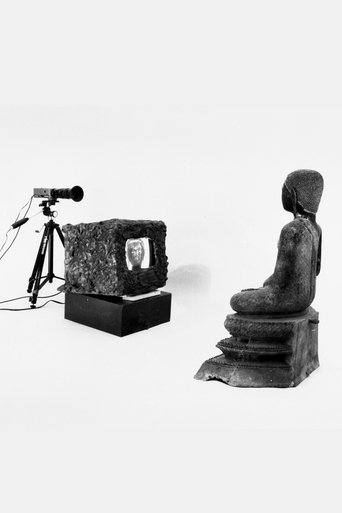
NROne of Nam June Paik’s most iconic works, TV Buddha expresses the contrasts and parallels between East and West and between technology and spirituality in a very simple and direct way. A CCTV camera films a Buddha statue, which Paik bought from an antique store. Its static, silent image appears live on a round TV set, inspired by popular sci-fi imagery. Here the Buddha is both the viewer and the viewed image, mirroring our own experience as mass media consumers.
TV Buddha
1974
 6.5
6.5Part of the "Video-Film Concert" collection released by EAI. From 1966 - 1972.
Electronic Moon No. 2
1972
 6.0
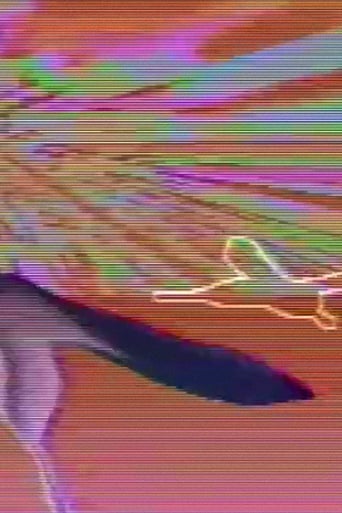
6.0The exuberant irreverence and wit of Butterfly characterizes Paik's stream-of-consciousness visual and conceptual techniques. In a vibrant image/music collage, he ironically juxtaposes high-cultural artifacts (the aria from Madame Butterfly), contemporary avant-garde icons (Laurie Anderson) and Eastern symbols (the butterfly), within a rapid-paced proliferation of vividly computerized visual effects. This abbreviated work is classic Paik.
Butterfly
1986
 6.5
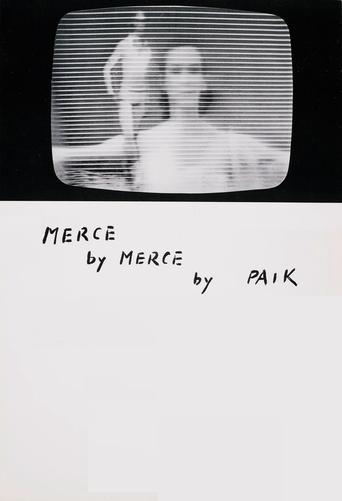
6.5Merce by Merce by Paik is a two-part tribute to choreographer Merce Cunningham and artist Marcel Duchamp. The first section, “Blue Studio: Five Segments”, is a work of video-dance produced by Merce Cunningham and videomaker Charles Atlas. The second part, produced by Paik and Shigeko Kubota, further queries the relationship between everyday gestures and formal notions of dance.
Merce by Merce by Paik
1978
 NR
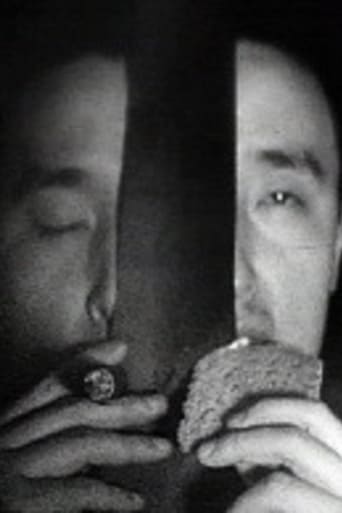
NRThis early work belongs in the company of Paik and Yalkut's classic collaborative "video-films," including Video Tape Study No. 3, Beatles Electronique, and Missa of Zen. To the accompaniment of the abrupt sonic interjections of Fluxus-affiliated composer Takehisa Kosugi, Yalkut's black and white film records brief, masked actions: an arm with clenching fist; a pair of faces, visible only about the eyes, which squint, gaze, and rest; Paik eating a slice of bread. Reminiscent of Beckett's theater, as well as the minimal movements of 1960s avant-garde dance, Cinéma Metaphysique is a study in gesture and stillness, noise and silence.
Cinema Metaphysique No. 1-5
1972
 NR
NRMarked by a playful, irreverent sense of improvisation and experimentation, these experiments with image manipulation and synthesis form a link between Paik's performance and sculptural works of the 1950s and early 1960s and the celebrated video works and installations of his later years.
Early Color TV Manipulations
1968
No synopsis available yet.
Deoksu Palace
1992
5.7Nam June Paik's first single-channel videotape since 1989 is a heartfelt tribute to his long-time collaborator Charlotte Moorman. This portrait traces Moorman's career as an avant-garde performer, from her classical training to her notorious arrest as the "Topless Cellist" and subsequent talk-show celebrity. Rare documentations of Moorman's performances include Otto Piene's Sky Kiss and Jim McWilliams' Chocolate Cello. Interviews with Moorman's friends, family and collaborators, such as Yoko Ono, Christo and Jeanne Claude, Otto Piene, and Barbara Moore, among others, provide intimate recollections of the inimitable Moorman.
"Topless Cellist" Charlotte Moorman
1995
 NR
NRBeuys Projection, 1990
Beuys
1990
 NR
NRThis spectacular satellite link-up, coordinated by Paik, connected the United States, Brazil, France, Germany, Ireland, Israel, Japan and numerous other countries. David Bowie performs with La, La, La, Human Steps, and carries out a conversation via satellite with Japanese musician Ryuichi Sacamoto, who also performs. There are also appearances by Merce Cunningham, the Viennese Art Orchestra, a game of elephant soccer in Thailand and a car race in Ireland. The whole event is held together by Paik's video graphics, which includes one of his stacked television sculptures.
Wrap around the World
1988
 NR
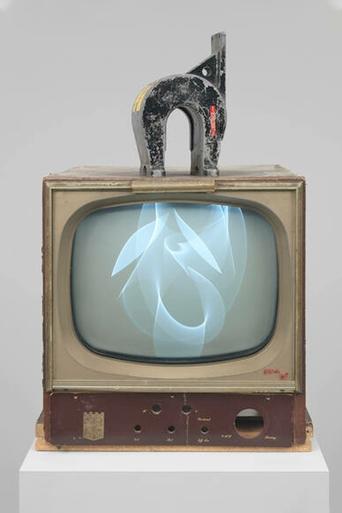
NRMagnet TV is an early example of Nam June Paik’s “prepared televisions,” in which he altered the television image or its physical casing. This work, which was featured in Paik’s first solo exhibition in New York, consists of a seventeen-inch black-and-white set on which an industrial-sized magnet rests. The magnetic field interferes with the television’s electronic signals, distorting the broadcast image into an abstract form that changes when the magnet is moved. Paik’s radical action undermines the seemingly inviolable power of broadcast television by transforming the TV set into a sculpture, one whose moving image is created by chance procedures and can be manipulated at will.
Magnet TV
1965
 NR
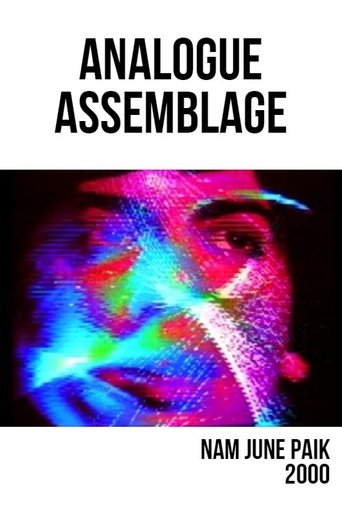
NRDrawing from Paik's earliest experiments with video synthesizers, Analogue Assemblage employs current technology to create a multilayered montage that references both the old and the new. The eerie 1969 electronic score floats over ghostly image processing; the result is a paean to the way the future was.
Analogue Assemblage
2000
 NR
NRVideo Commune is Jud Yalkut's free-form documentation of Nam June Paik's first interactive television "performance" at the public television station WGBH in Boston. Subtitled "Beatles from Beginning to End," this was a live broadcast in which Paik created a freewheeling collage of recorded images, image-processing and Beatles music.
Video Commune (Beatles from Beginning to End)
1992
 NR
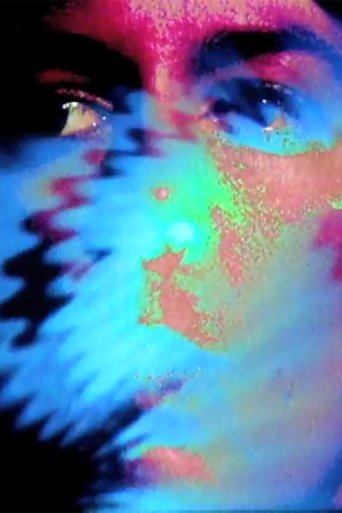
NRThis early masterwork of electronic experimentation was created by Paik while he was Artist-in-Residence at WGBH in Boston. The title refers to the day it was made — September 23, 1969. Paik creates a stunning visual collage that fuses spontaneous, free-form experimentation with virtuosity and control. Paik manipulates and merges pure electronic abstractions, footage captured "live" from television, prerecorded material, and images recorded in the studio, including the faces of WGBH producers Fred Barzyk and Olivia Tappan. Exploring the interactivity of video and audio synthesizers, Paik processes these images with live and prerecorded sounds.
9/23/69: Experiment with David Atwood
1969
 7.7
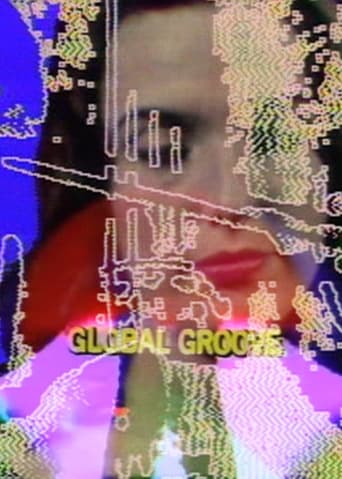
7.7Global Groove was a collaborative piece by Nam June Paik and John Godfrey. Paik, amongst other artists who shared the same vision in the 1960s, saw the potential in the television beyond it being a one-sided medium to present programs and commercials. Instead, he saw it more as a place to facilitate a free flow of information exchange. He wanted to strip away the limitations from copyright system and network restrictions and bring in a new TV culture where information could be accessed inexpensively and conveniently. The full length of the piece ran 28 minutes and was first broadcasted in January 30, 1974 on WNET.
Global Groove
1973
Nam June Paik and Shigeko Kubota remix interviews of Marcel Duchamp and Russell Connor.
Merce by Merce by Paik Part Two: Merce and Marcel
1978
 NR
NRCollaboration with Nam June Paik and Dimitri Devyatkin, combining footage from the US and Russia: Brezhnev on TV, a May Day parade, veterans in the park. The film was shown internationally in New York.
Media Shuttle: New York - Moscow
1978
 NR
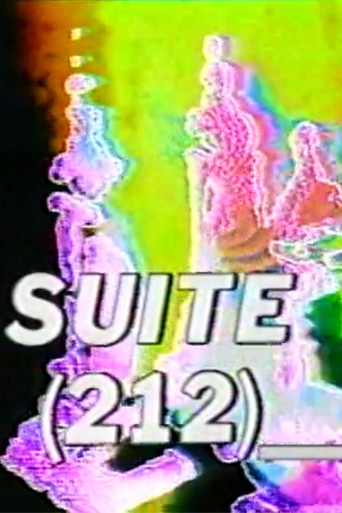
NRSuite 212 is Paik's "personal New York sketchbook," an electronic collage that presents multiple perspectives of New York's media landscape as a fragmented tour of the city. Paik critiques the selling of New York by multinational corporations and the city's role as the master of the media and information industries; Collaborators Yalkut, Davis and Kubota contribute their own vibrant and punchy segments.
Suite 212
1974
 NR
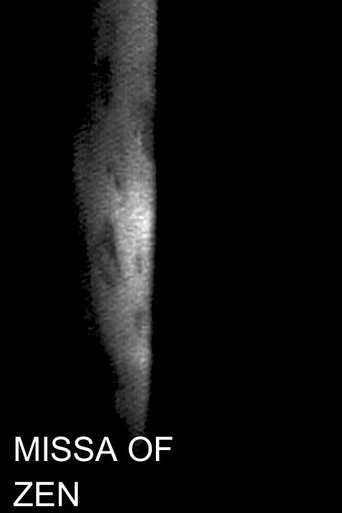
NRIn Missa of Zen, a TV screen, filmed from an extremely oblique angle, appears as a ghostly, flickering sliver at the side of a darkened frame. The images playing across its surface are rendered abstract by the perspective: we witness the transmission of information, but at a great distance. Isolated in silence and darkness, the television set slips into the realm of the unheimlich — an uncanny object, at once familiar and unfamiliar. Situating mediated America at the crossroads of missa — Latin for the Christian mass — and Zen Buddhism, Paik highlights the connections between mass culture and the transcendental.
Missa of Zen
1967
 NR
NRUsing Bell Lab's pioneering research facilities, Paik creates a starkly minimal experiment in computer imaging, in which a shifting dot appears on a black ground.
Digital Experiment at Bell Labs
1967
 NR
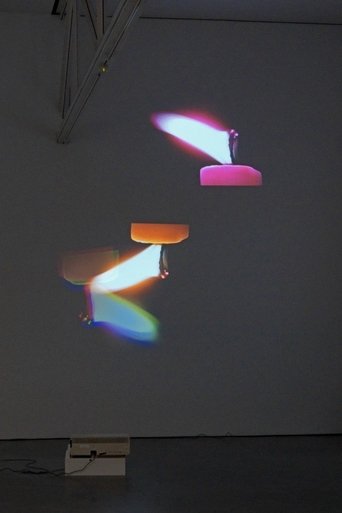
NROne Candle, One Projection
One Candle, One Projection
1988
 8.0
8.0Paik produced this exuberant, high-speed collage as a commission for the National Fine Arts Committee of the 1980 Olympic Winter Games. In a fractured explosion of densely layered movement and action, images of Olympic sports events are mixed with Paik’s recurring visual and audio motifs.
Lake Placid '80
1980
 NR
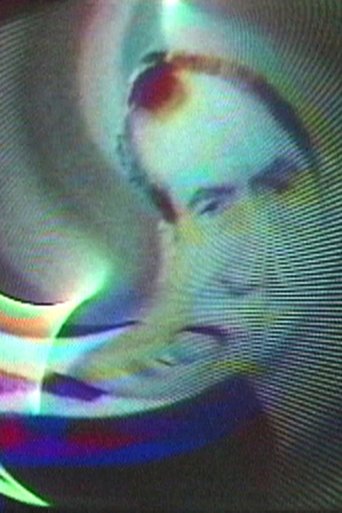
NRNam June Paik’s Electronic Opera no. 1 first aired in 1969 as part of The Medium is the Medium, a special “artist transmission” commissioned by WGBH-Boston featuring experimental segments by Paik and artists Allan Kaprow, Otto Piene, James Seawright, Thomas Tadlock, and Aldo Tambellini. Set to classical music and featuring “hippies,” a dancing model, and national political figures, Paik’s five-minute contribution is a form of what he called “participation television.” Here, he instructs you — his audience — to open or close your eyes while the hallucinatory images swirl and twist into frame. The original premiere marked Paik’s first foray into television broadcast and remains an early and ironic example of his ambition to turn inherently passive viewers into active and integral participants.
Electronic Opera no. 1
1969
 NR
NRButton Happening is Nam June Paik's earliest extant tape, and possibly his first tape ever. Recorded in 1965 on the day he acquired his first Sony Portapak camera, this previously unknown work has recently been rediscovered and restored. Recorded on computer tape, this technically fragile piece documents a single performance action — Paik buttoning and unbuttoning his jacket. A spirit of conceptual Fluxus humor underlies this seminal recording.
Button Happening
1965
 NR
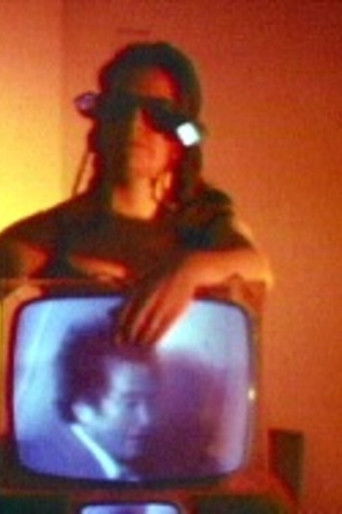
NRTV Cello Premiere is a silent film documentation of Charlotte Moorman in her first performance on Paik's eponymous TV Cello at the Bonino Gallery in New York in 1971.
TV Cello Premiere
1971