
Directing
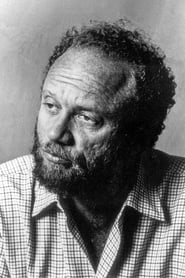
Leon Hirszman
Born — Died
1937-11-22 — 1987-09-15
Place of birth
Rio de Janeiro, Rio de Janeiro, Brazil
Known for
Directing
Credits
51 titles
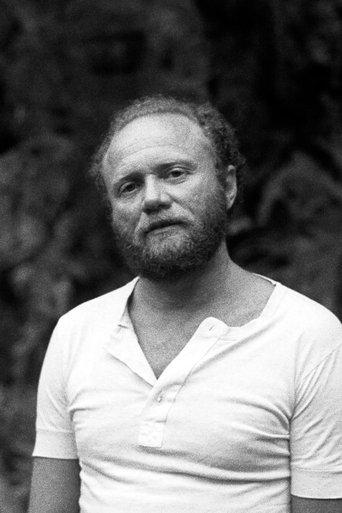
Leon Hirszman (Rio de Janeiro, November 22, 1937 — Rio de Janeiro, September 15, 1987) was a Brazilian filmmaker and one of the main exponents of the movement known as Cinema Novo. A member of the Brazilian Communist Party (PCB), his work is marked by the influence of central Marxist theses in political debates in Latin America and by the politicized representation of the working class.
Known for
Didactic documentary on the History of Brazil
Which Country is this?
1981
 8.3
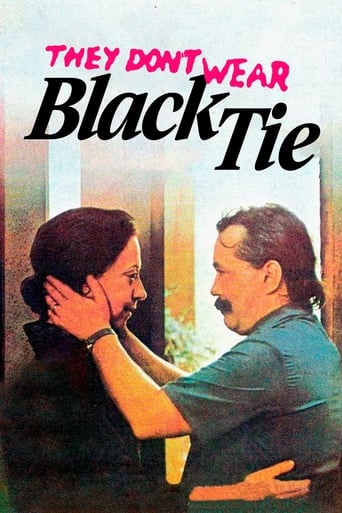
8.3Otavio is an idealistic union leader trying to organize workers at a factory to resist the company's exploitative practices. His son, Tião, one of the employees, is more of a realist and doesn't want to risk losing his job by striking. This clash of perspectives puts the father and son at odds. Fortunately, Tião's mother, Romana, is on hand to act as a moderator between the two opinionated men.
They Don't Wear Black Tie
1981
 7.7
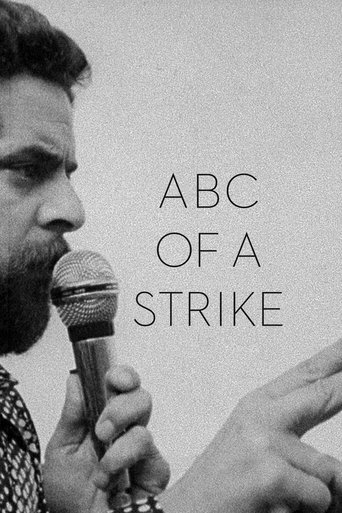
7.7ABC of a Strike captures the 1979 metal workers strikes outside of São Paulo. The footage sat untouched until after the death of highly-regarded director Leon Hirszman in 1987, by which time the material had a new relevance. The gripping film captures the negotiations between the labor unions and the factory bosses and shows the birth of the region’s Worker’s Party, as well as the emergence of its charismatic leader, Luiz Inácio Lula da Silva. Rising from extreme poverty, Lula gained national prominence as a union activist during the late 70s and early 80s. After being jailed during his time as a union leader, he eventually becomes Brazil’s president from 2003 to 2010.
ABC of a Strike
1990
 6.3
6.3Chronicles the life of a 17 year-old girl living in the upper-class Rio de Janeiro neighbourhood of Ipanema. Márcia lives a life of parties and spend her days among bohemians, musicians and intellectuals. While seeming happy in the outside, she's extremely anguished inside. Based on the famous song by Antonio Carlos Jobim and Vinicius de Moraes.
The Girl from Ipanema
1967
 7.2
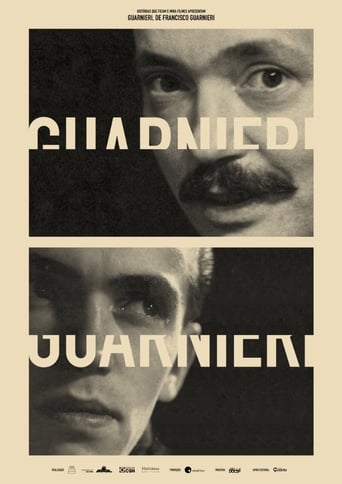
7.2Develops from the life, work and memory of Gianfrancesco Guarnieri, one of the most important names in the history of Brazilian theater, to examine the courses of dramaturgy and politics in the last decades. Guarnieri, besides being a TV star, was also seen as the synthesis of the politically engaged artist in Brazil. His sons, also actors, saw a separation between art, work, and politics. As he investigates the portraits of two generations, grandson and director Francisco aims to understand the place of his own generation in history, in art and the world as a whole.
Guarnieri
2017
 NR
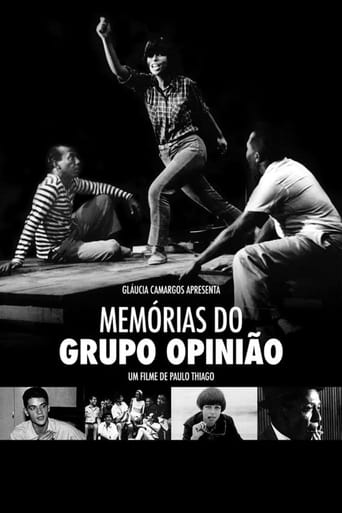
NRFollows the story of Opinião, a theatre group created in 1964 during the early Brazilian dictatorship period to oppose the government through artistic performances. Considered the first left-wing response to the dictatorship, the group gathered now famous Brazilian artists such as Nara Leão, Maria Bethânia, João do Vale and Millôr Fernandes.
Memórias do Grupo Opinião
2019
Film credits
2010s · 5 titles
7.2Develops from the life, work and memory of Gianfrancesco Guarnieri, one of the most important names in the history of Brazilian theater, to examine the courses of dramaturgy and politics in the last decades. Guarnieri, besides being a TV star, was also seen as the synthesis of the politically engaged artist in Brazil. His sons, also actors, saw a separation between art, work, and politics. As he investigates the portraits of two generations, grandson and director Francisco aims to understand the place of his own generation in history, in art and the world as a whole.
Guarnieri
2017
NRFollows the story of Opinião, a theatre group created in 1964 during the early Brazilian dictatorship period to oppose the government through artistic performances. Considered the first left-wing response to the dictatorship, the group gathered now famous Brazilian artists such as Nara Leão, Maria Bethânia, João do Vale and Millôr Fernandes.
Memórias do Grupo Opinião
2019
 5.5
5.5A rescue of the history of Ipanema beach in the 1970s, when the construction of a pier changed the landscape and created fertile soil for a generation of artists and sportsmen.
Dunas do Barato
2017
Dialoguing directly with the trilogy of documentaries “Images of the Unconscious”, made between 1983 and 1986 and based on clinical cases and therapies with a humanist approach and artistic expression, conducted by the pioneering psychiatrist Nise da Silveira (1905-1999) – screenwriter of that film –, here is presented, in two parts, an interview with the doctor, a student of Carl Jung and a pioneer in the application of non-violent treatments for psychiatric patients, given to director Leon Hirszman, in 1986. The conversation is divided in two parts: the first, "The emotion of dealing", the second, "The egress".
Afterword: Images of the Unconscious
2014
 6.7
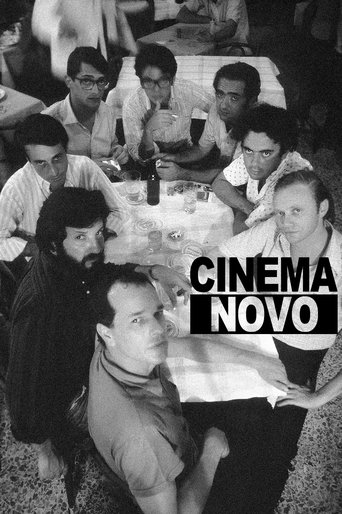
6.7A deep investigation, in the way of a poetic essay, on one of the main Latin American movements in cinema, analyzed via the thoughts of its main authors, who invented, in the early 1960s, a new way of making movies in Brazil, with a political attitude, always near to people's problems, that combined art and revolution.
Cinema Novo
2016
1990s · 2 titles
7.7ABC of a Strike captures the 1979 metal workers strikes outside of São Paulo. The footage sat untouched until after the death of highly-regarded director Leon Hirszman in 1987, by which time the material had a new relevance. The gripping film captures the negotiations between the labor unions and the factory bosses and shows the birth of the region’s Worker’s Party, as well as the emergence of its charismatic leader, Luiz Inácio Lula da Silva. Rising from extreme poverty, Lula gained national prominence as a union activist during the late 70s and early 80s. After being jailed during his time as a union leader, he eventually becomes Brazil’s president from 2003 to 2010.
ABC of a Strike
1990
 8.0
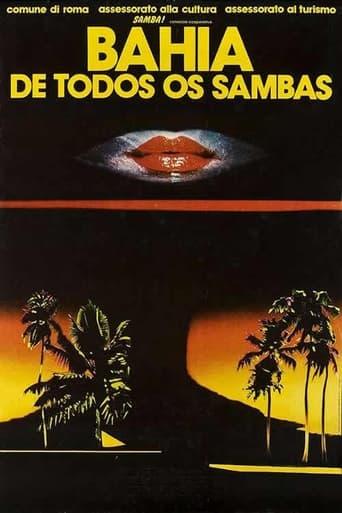
8.0Between August 23 and 31, 1983, at the "Circo Massimo", in Rome, there was a musical event that brought together artists from Bahia. This film brings a recording of the event, also featuring backstage, rehearsals, testimonies and some relaxing moments of these great names in Bahia's music.
Bahia de Todos os Sambas
1996
1980s · 1 titles

1960s · 2 titles
 7.5
7.5Originally produced for German TV, Improvised and Purposeful is a firsthand look at the "Cinema Novo" movement (otherwise known as the 'Brazilian New Wave'). Director Joaquim Pedro de Andrade focuses on six Cinema Novo filmmakers working in Rio in 1967.
Improvised and Purposeful: Cinema Novo
1967
 9.0
9.0A young female fugitive escapes from a juvenile institution (the Child Assistance Service) and joins a group of poor beggars with the intention of finding a potential partner to marry in order to avoid her return to that place.
The Beggars
1963
Behind the camera
Didactic documentary on the History of Brazil
Which Country is this?
1981
8.3Otavio is an idealistic union leader trying to organize workers at a factory to resist the company's exploitative practices. His son, Tião, one of the employees, is more of a realist and doesn't want to risk losing his job by striking. This clash of perspectives puts the father and son at odds. Fortunately, Tião's mother, Romana, is on hand to act as a moderator between the two opinionated men.
They Don't Wear Black Tie
1981
8.3Otavio is an idealistic union leader trying to organize workers at a factory to resist the company's exploitative practices. His son, Tião, one of the employees, is more of a realist and doesn't want to risk losing his job by striking. This clash of perspectives puts the father and son at odds. Fortunately, Tião's mother, Romana, is on hand to act as a moderator between the two opinionated men.
They Don't Wear Black Tie
1981
7.7ABC of a Strike captures the 1979 metal workers strikes outside of São Paulo. The footage sat untouched until after the death of highly-regarded director Leon Hirszman in 1987, by which time the material had a new relevance. The gripping film captures the negotiations between the labor unions and the factory bosses and shows the birth of the region’s Worker’s Party, as well as the emergence of its charismatic leader, Luiz Inácio Lula da Silva. Rising from extreme poverty, Lula gained national prominence as a union activist during the late 70s and early 80s. After being jailed during his time as a union leader, he eventually becomes Brazil’s president from 2003 to 2010.
ABC of a Strike
1990
6.3Chronicles the life of a 17 year-old girl living in the upper-class Rio de Janeiro neighbourhood of Ipanema. Márcia lives a life of parties and spend her days among bohemians, musicians and intellectuals. While seeming happy in the outside, she's extremely anguished inside. Based on the famous song by Antonio Carlos Jobim and Vinicius de Moraes.
The Girl from Ipanema
1967
6.3Chronicles the life of a 17 year-old girl living in the upper-class Rio de Janeiro neighbourhood of Ipanema. Márcia lives a life of parties and spend her days among bohemians, musicians and intellectuals. While seeming happy in the outside, she's extremely anguished inside. Based on the famous song by Antonio Carlos Jobim and Vinicius de Moraes.
The Girl from Ipanema
1967
6.3Chronicles the life of a 17 year-old girl living in the upper-class Rio de Janeiro neighbourhood of Ipanema. Márcia lives a life of parties and spend her days among bohemians, musicians and intellectuals. While seeming happy in the outside, she's extremely anguished inside. Based on the famous song by Antonio Carlos Jobim and Vinicius de Moraes.
The Girl from Ipanema
1967
8.0Between August 23 and 31, 1983, at the "Circo Massimo", in Rome, there was a musical event that brought together artists from Bahia. This film brings a recording of the event, also featuring backstage, rehearsals, testimonies and some relaxing moments of these great names in Bahia's music.
Bahia de Todos os Sambas
1996
 7.9
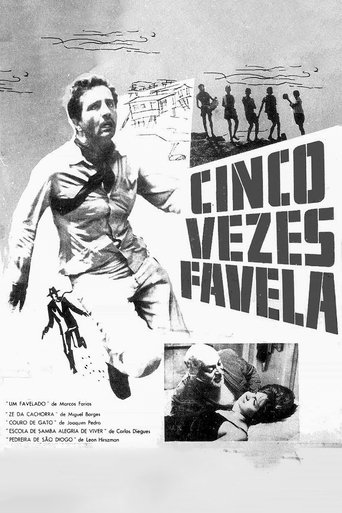
7.9Five segments about the hardships faced by people living in slums on hills in Rio de Janeiro.
Five Times Favela
1962
7.9Five segments about the hardships faced by people living in slums on hills in Rio de Janeiro.
Five Times Favela
1962
7.9Five segments about the hardships faced by people living in slums on hills in Rio de Janeiro.
Five Times Favela
1962
 5.0
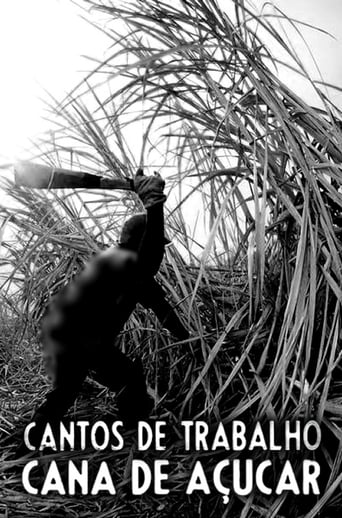
5.0Between 1974 and 1976, while researching for his filme "S. Bernardo", Leon Hirszman shot three documentary shorts produced by the Brazilian Ministry of Education on the chores of the men who worked in the sugar cane fields in the town of Feira de Santana, in the cocoa fields of Itabuna, and in the efforts of building households in Chã Preta.
Cantos de Trabalho - Cana de Açúcar
1976
 5.0
5.0Between 1974 and 1976, while researching for his filme "S. Bernardo", Leon Hirszman shot three documentary shorts produced by the Brazilian Ministry of Education on the chores of the men who worked in the sugar cane fields in the town of Feira de Santana, in the cocoa fields of Itabuna, and in the efforts of building households in Chã Preta.
Cantos de Trabalho - Mutirão
1975
5.0Between 1974 and 1976, while researching for his filme "S. Bernardo", Leon Hirszman shot three documentary shorts produced by the Brazilian Ministry of Education on the chores of the men who worked in the sugar cane fields in the town of Feira de Santana, in the cocoa fields of Itabuna, and in the efforts of building households in Chã Preta.
Cantos de Trabalho - Mutirão
1975
 7.5
7.5In hopes of unraveling the causes and cure for various forms of insanity, a psychiatrist in Brazil created the Museum of Images from the Unconscious in 1952. It gathered paintings and drawings made by mental patients from all over Brazil. Many of the works in the museum are paired with the case-histories of the patients who created them in this fascinating film.
Images of the Unconscious
1987
7.5In hopes of unraveling the causes and cure for various forms of insanity, a psychiatrist in Brazil created the Museum of Images from the Unconscious in 1952. It gathered paintings and drawings made by mental patients from all over Brazil. Many of the works in the museum are paired with the case-histories of the patients who created them in this fascinating film.
Images of the Unconscious
1987
 5.0
5.0Between 1974 and 1976, while researching for his filme "S. Bernardo", Leon Hirszman shot three documentary shorts produced by the Brazilian Ministry of Education on the chores of the men who worked in the sugar cane fields in the town of Feira de Santana, in the cocoa fields of Itabuna, and in the efforts of building households in Chã Preta.
Cantos de Trabalho - Cacau
1976
 7.2
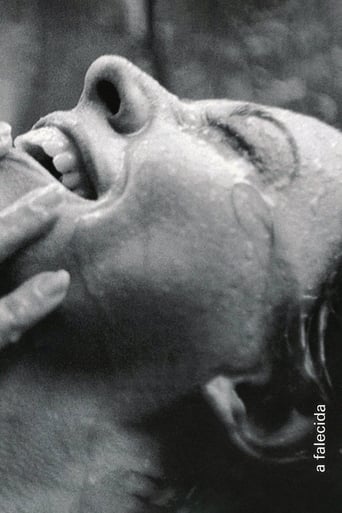
7.2After visiting a fortune teller, Zulmira is informed that a blonde woman will threaten her peace. After talking to her husband Toninho, she suspects that her cousin Glorinha may be that blonde.
The Deceased
1965
7.2After visiting a fortune teller, Zulmira is informed that a blonde woman will threaten her peace. After talking to her husband Toninho, she suspects that her cousin Glorinha may be that blonde.
The Deceased
1965
 7.4
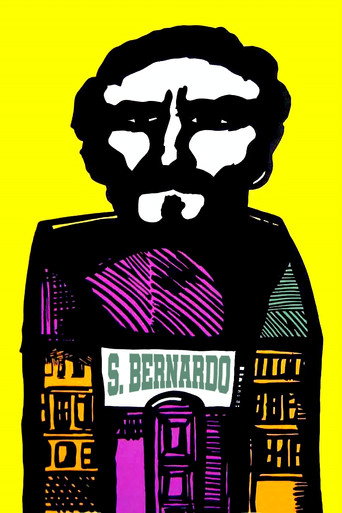
7.4The story of Paulo Honório, a poor ploughman who becomes a rich farmer. Obsessed by his desire to get even richer, he doesn't pay much attention to his wife, Madalena, a teacher who reacts against his tyrannical ways.
Saint Bernard
1972
7.4The story of Paulo Honório, a poor ploughman who becomes a rich farmer. Obsessed by his desire to get even richer, he doesn't pay much attention to his wife, Madalena, a teacher who reacts against his tyrannical ways.
Saint Bernard
1972
 NR
NRDocumentary about the history of Jornal do Brasil, founded on April 14, 1891. In 1965, the Jornal do Brasil marked its innovative and active position, as recorded in the documentary "A Seventv-Four- Year-Old Fellow" by the filmmaker Nelson Pereira dos Santos, and the story itself was in charge of confirming. In the following years, the newspaper would witness the most remarkable events of the second half of the twentieth century in Brazil and in the world. It would applaud the democratic struggles and independence of peoples, support social demonstrations against oppression and justice at all levels. Tirelessly, he did not hesitate to report the truth of the facts, regardless of the circumstances in which they presented themselves.
A Seventy-Four Year-Old Fellow
1964
 9.0
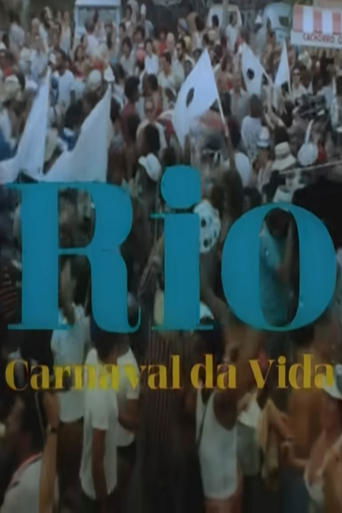
9.0A documentary short on the 1978 Carnaval celebration in Rio de Janeiro, covering many aspects of the celebration's popular culture.
Rio, Carnaval da Vida
1978
 NR
NRNo synopsis available yet.
Sexta-feira da Paixão, Sábado de Aleluia
1969
 9.0
9.0Adelina Gomes, a poor girl, daughter of peasants, with a primary education and some manual training, shy and submissive to her mother, had never had a boyfriend until she was 18 years old, when she fell in love with a man who was not accepted by her mother. He submitted himself to the fact and gradually withdrew until one day he strangled the cat, which he liked very much. By killing the cat, Adelina denied herself as a woman, taking refuge in madness with great aggression.
No Reino das Mães - Adelina Gomes
1987
9.0Adelina Gomes, a poor girl, daughter of peasants, with a primary education and some manual training, shy and submissive to her mother, had never had a boyfriend until she was 18 years old, when she fell in love with a man who was not accepted by her mother. He submitted himself to the fact and gradually withdrew until one day he strangled the cat, which he liked very much. By killing the cat, Adelina denied herself as a woman, taking refuge in madness with great aggression.
No Reino das Mães - Adelina Gomes
1987
Dialoguing directly with the trilogy of documentaries “Images of the Unconscious”, made between 1983 and 1986 and based on clinical cases and therapies with a humanist approach and artistic expression, conducted by the pioneering psychiatrist Nise da Silveira (1905-1999) – screenwriter of that film –, here is presented, in two parts, an interview with the doctor, a student of Carl Jung and a pioneer in the application of non-violent treatments for psychiatric patients, given to director Leon Hirszman, in 1986. The conversation is divided in two parts: the first, "The emotion of dealing", the second, "The egress".
Afterword: Images of the Unconscious
2014
 8.8
8.8The documentary depicts the everyday of illiterate rural workers in Northeast Brazil, living under extreme misery. Although incapable of writing, they are aware of their condition and qualified to proposing solutions they hope for to their problems.
Absolute Majority
1964
8.8The documentary depicts the everyday of illiterate rural workers in Northeast Brazil, living under extreme misery. Although incapable of writing, they are aware of their condition and qualified to proposing solutions they hope for to their problems.
Absolute Majority
1964
 8.0
8.0The episode dives into the mystical universe of Carlos Pertius, the son of a family of French immigrants, hospitalized at the age of 29. After facing personal problems such as the death of his father, one day he caught a glimpse of a cosmic image, which he named “the planetarium of God”. He was incarcerated at Praia Vermelha hospital, in Rio de Janeiro, and was diagnosed with schizophrenia. In 1946, he began to attend the studio created by Nise da Silveira, becoming fond of it as if it were his home. His works are marked by the presence of mandalas, signs of his attempts to organize psychic chaos.
Imagens do Inconsciente: A Barca do Sol
1987
8.0The episode dives into the mystical universe of Carlos Pertius, the son of a family of French immigrants, hospitalized at the age of 29. After facing personal problems such as the death of his father, one day he caught a glimpse of a cosmic image, which he named “the planetarium of God”. He was incarcerated at Praia Vermelha hospital, in Rio de Janeiro, and was diagnosed with schizophrenia. In 1946, he began to attend the studio created by Nise da Silveira, becoming fond of it as if it were his home. His works are marked by the presence of mandalas, signs of his attempts to organize psychic chaos.
Imagens do Inconsciente: A Barca do Sol
1987
 10.0
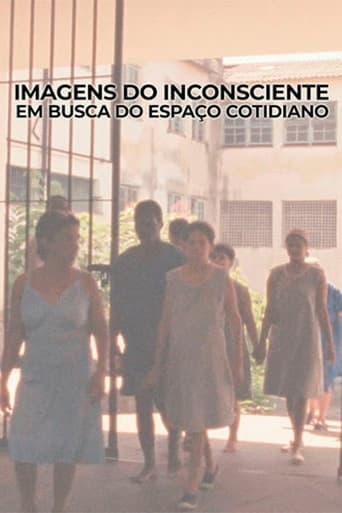
10.0Part 1 of the "Images of the Unconscious" documental series.
Imagens do Inconsciente - Em Busca do Espaço Cotidiano
1987
 6.3
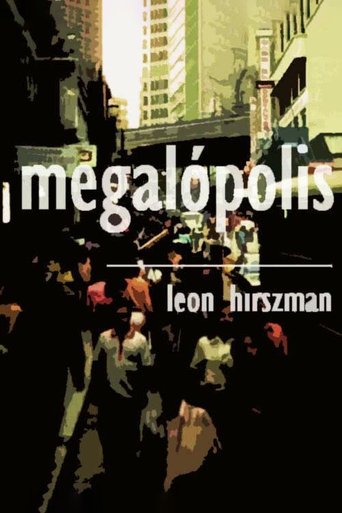
6.3An analysis of the phenomenon of accelerated urbanization in Brazil, and more particularly in Rio de Janeiro and Sao Paulo.
Megalopolis
1973
 NR
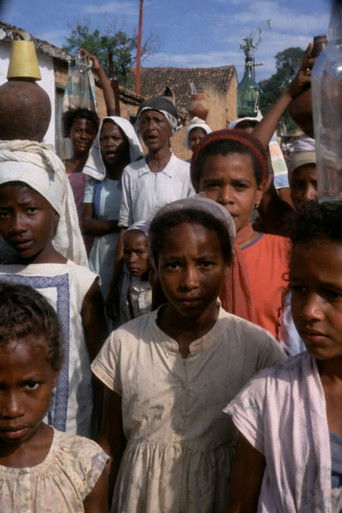
NRNo synopsis available yet.
Médio São Francisco
1971
Film in four segments: "Colagem", "Balanço", "Bandeira Zero" and "Sexta-Feira da Paixão, Sábado de Aleluia", having in common a strongly allegorical and gross protest tone in the approach of its subjects.
América do Sexo
1969
 7.0
7.0Documentary by Leon Hirszman about the economic conditions of film production in Brazil, produced in 1975 with sponsorship from Embrafilme and kept unreleased since then.
Cinema Brasileiro, Mercado Ocupado
1997
7.0Documentary by Leon Hirszman about the economic conditions of film production in Brazil, produced in 1975 with sponsorship from Embrafilme and kept unreleased since then.
Cinema Brasileiro, Mercado Ocupado
1997
 8.6
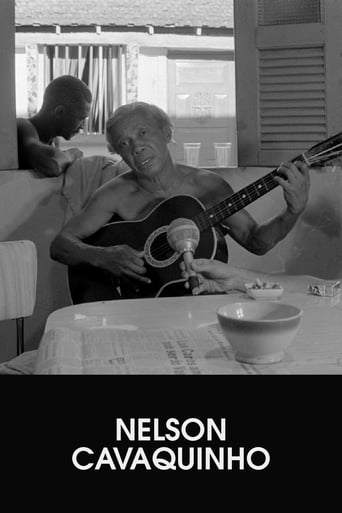
8.6A short film of lovely poetic, observational elements and interviews with the famed samba singer/songwriter Nelson Antônio da Silva, whose adopted last name ‘Cavaquinho’ refers to the small guitar-like instrument that he played and used to compose his songs.
Nelson Cavaquinho
1969
No synopsis available yet.
Pedreira de São Diogo
1962
No synopsis available yet.
Pedreira de São Diogo
1962