
Directing
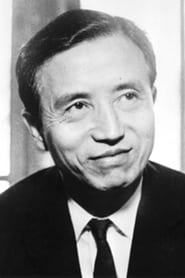
Noboru Nakamura
Born — Died
1913-08-04 — 1981-05-20
Place of birth
Tokyo, Japan
Known for
Directing
Credits
41 titles
Noboru Nakamura (中村登, Nakamura Noboru, 4 August 1913 – 20 May 1981) was a Japanese film director and screenwriter. After graduating from the Tokyo Imperial University Faculty of Letters in 1936, Nakamura joined the Shochiku film studios, working as an assistant director for Torajirō Saitō and Yasujirō Shimazu. He debuted as director in 1941 with Life and Rhythm, and finally received recognition with his 1951 film Home Sweet Home. His most noted works include the Yasunari Kawabata adaptation Twin Sisters of Kyoto (1963), The Kii River (1966) and Portrait of Chieko (1967). Both Twin Sisters of Kyoto and Portrait of Chieko were nominated for the Academy Award for Best Foreign Language Film Na…
Known for
 NR
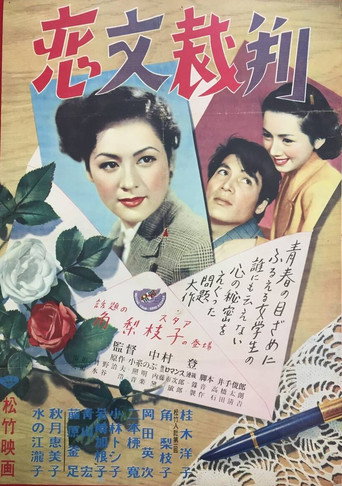
NRThis story takes place at a school under the new educational system. It all began when a love letter addressed to Takeshi Kodama, the straightforward art teacher, from Yoko Kagawa, a young and beautiful female teacher, was found lying in the school hallway. It soon became clear that Ms. Kagawa was not the one who had written the letter, but this incident made her feel the need to explore the emotions of her adolescent female students.
The Love Letter Trial
1951
Shuzenji Monogatari (The Mask and Destiny) is based on a 12th-century Japanese legend. An abortive royal romance leads to an escalating series of tragedies. The central character is a Japanese monarch who would prefer to live a humble existence as a maskmaker. Unfortunately, events -- and destiny -- are against him. When first released, Shuzenji Monogatari was held in far lower esteem than such recent Japanese films as Gate of Hell and Samurai. Nevertheless, the film was selected as an entry at the Venice Film Festival, possibly on the strength of its excellent production values.
The Mask and Destiny
1955
 6.5
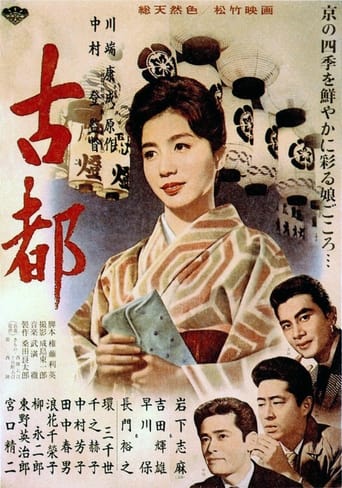
6.5In this Japanese drama, a dry goods merchant's daughter is surprised to discover that she has a twin sister. In rural Japan it was thought that twins bring bad luck, so the sister was abandoned at birth. Later her parents tell her that her sister was kidnapped. The woman doesn't believe this and when she eventually meets her twin, both women are involved in love affairs. The merchant's daughter is seeing an educated fellow. Trouble ensues when she begins suspecting that he may be more interested in her sister.
Twin Sisters of Kyoto
1963
 6.8
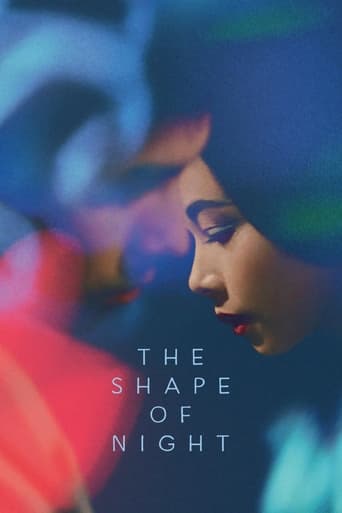
6.8Yoshie Nogami, a factory worker by day, works as a bar hostess at night. She begins a passionate affair with one of her regulars, but his changing demeanor and constant demands for money lead Yoshie down a dark path.
The Shape of Night
1964
 7.5
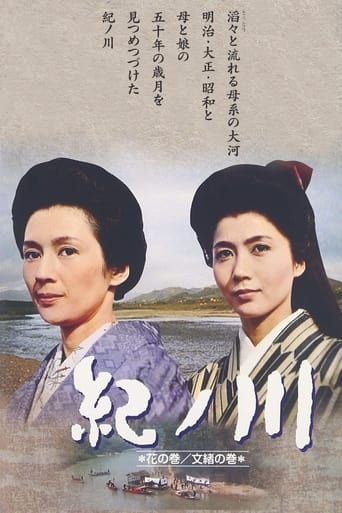
7.5Epic saga of an idealistic land-owning family dealing with militarism, war, social change and economic reform.
The Kii River
1966
 7.5
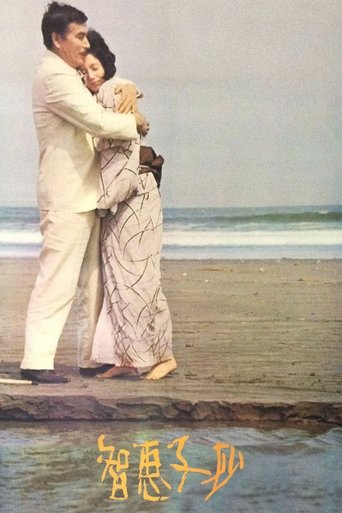
7.5Takamura, a poet and sculptor, marries a budding artist named Chieko who dreams of becoming an oil painter. When a series of hardships befall her family, she finds herself unable to confide in her husband, and the pain she carries within begins to weigh heavily on her sanity...
Portrait of Chieko
1967
Film credits
Behind the camera
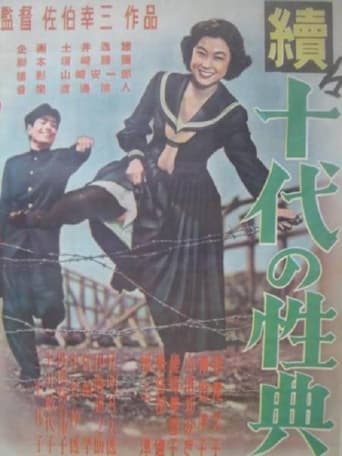
NRThis story takes place at a school under the new educational system. It all began when a love letter addressed to Takeshi Kodama, the straightforward art teacher, from Yoko Kagawa, a young and beautiful female teacher, was found lying in the school hallway. It soon became clear that Ms. Kagawa was not the one who had written the letter, but this incident made her feel the need to explore the emotions of her adolescent female students.
The Love Letter Trial
1951
Shuzenji Monogatari (The Mask and Destiny) is based on a 12th-century Japanese legend. An abortive royal romance leads to an escalating series of tragedies. The central character is a Japanese monarch who would prefer to live a humble existence as a maskmaker. Unfortunately, events -- and destiny -- are against him. When first released, Shuzenji Monogatari was held in far lower esteem than such recent Japanese films as Gate of Hell and Samurai. Nevertheless, the film was selected as an entry at the Venice Film Festival, possibly on the strength of its excellent production values.
The Mask and Destiny
1955
6.5In this Japanese drama, a dry goods merchant's daughter is surprised to discover that she has a twin sister. In rural Japan it was thought that twins bring bad luck, so the sister was abandoned at birth. Later her parents tell her that her sister was kidnapped. The woman doesn't believe this and when she eventually meets her twin, both women are involved in love affairs. The merchant's daughter is seeing an educated fellow. Trouble ensues when she begins suspecting that he may be more interested in her sister.
Twin Sisters of Kyoto
1963
6.8Yoshie Nogami, a factory worker by day, works as a bar hostess at night. She begins a passionate affair with one of her regulars, but his changing demeanor and constant demands for money lead Yoshie down a dark path.
The Shape of Night
1964
7.5Epic saga of an idealistic land-owning family dealing with militarism, war, social change and economic reform.
The Kii River
1966
7.5Takamura, a poet and sculptor, marries a budding artist named Chieko who dreams of becoming an oil painter. When a series of hardships befall her family, she finds herself unable to confide in her husband, and the pain she carries within begins to weigh heavily on her sanity...
Portrait of Chieko
1967
7.5Takamura, a poet and sculptor, marries a budding artist named Chieko who dreams of becoming an oil painter. When a series of hardships befall her family, she finds herself unable to confide in her husband, and the pain she carries within begins to weigh heavily on her sanity...
Portrait of Chieko
1967
 NR
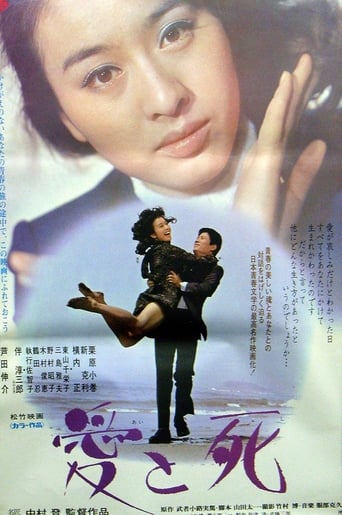
NRYuji, a budding writer, meets and starts falling in love with his best friend’s girlfriend, Natsuko. The attraction is mutual but due to the circumstances, they try to not act on their attraction. However, as time goes by, they realise that, perhaps, they cannot be without each other. Will the forbidden love affair move forward and can they finally be with each other?
Love and Death
1971
 6.8
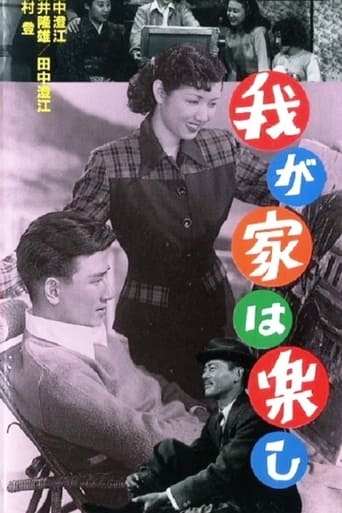
6.8The Ueki family may not be wealthy, but smiles are never in short supply. The father is awarded prize money for 25 years of service to his workplace, but has it stolen on the way home from the ceremony...
Home Sweet Home
1951
 7.0
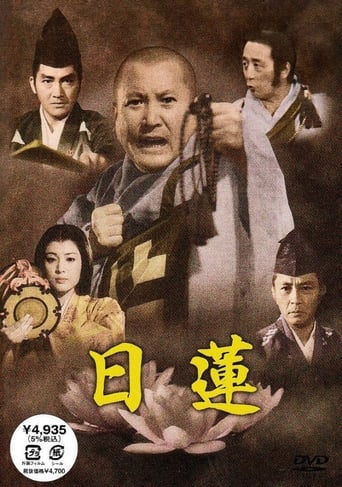
7.0An epic drama about Nichiren's life. Nichiren was a Buddhist monk who lived for 60 years during the Kamakura period (1185-1333) in Japan. Nichiren taught devotion to the Lotus Sutra as the exclusive means to attain enlightenment. Because of his devout belief, Nichiren is met with opposition throught his travels, with life on the line, can Nichiren accomplish his goal?
Nichiren
1979
7.0An epic drama about Nichiren's life. Nichiren was a Buddhist monk who lived for 60 years during the Kamakura period (1185-1333) in Japan. Nichiren taught devotion to the Lotus Sutra as the exclusive means to attain enlightenment. Because of his devout belief, Nichiren is met with opposition throught his travels, with life on the line, can Nichiren accomplish his goal?
Nichiren
1979
 NR
NRHiroyuki, a married executive, falls madly in love with Ikuko, the mistress of a ruthless jeweler. The two arrange to meet at a hot spring, but Hiroyuki becomes torn between his love for Ikuko and his duty towards his sick wife.
Hibi no haishin
1958
 9.0
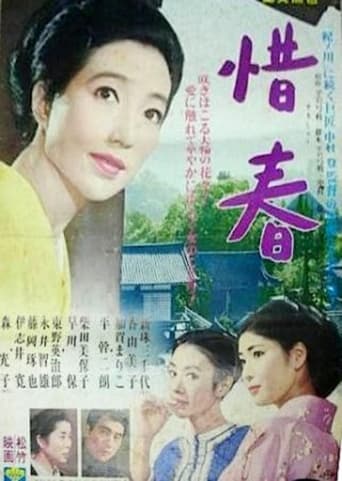
9.0When a gifted Japanese craftsmen dies, his three daughters are summoned to decide who will take over the family ribbon business in this family drama. Only one daughter cares to carry on her father's work, but she is met with resistance from her stepmother. One sister cares nothing for the artisan tradition, while the other is an icy opportunist whose only love is for money. It is the daughter who cares the most for her father's work who wanders away in a symbolic journey of self discovery.
Three Faces of Love
1967
9.0When a gifted Japanese craftsmen dies, his three daughters are summoned to decide who will take over the family ribbon business in this family drama. Only one daughter cares to carry on her father's work, but she is met with resistance from her stepmother. One sister cares nothing for the artisan tradition, while the other is an icy opportunist whose only love is for money. It is the daughter who cares the most for her father's work who wanders away in a symbolic journey of self discovery.
Three Faces of Love
1967
 NR
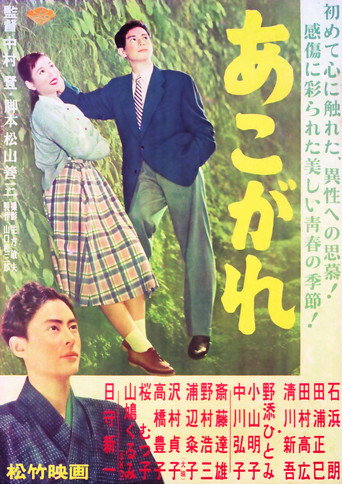
NRNo synopsis available yet.
Youth
1955
 NR
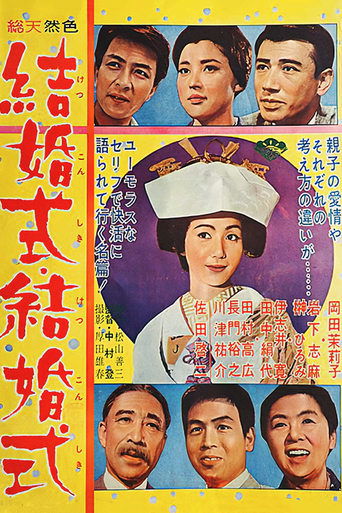
NRNo synopsis available yet.
Double Wedding
1963
 2.7
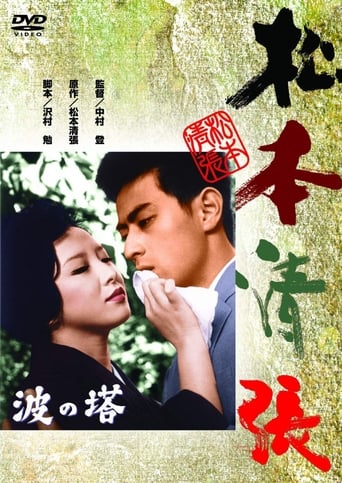
2.7A young prosecutor named Takao falls in love with Yoriko, only to discover that her husband is the target of his investigation into a major corruption scandal. Torn between professional duty and their forbidden affair, the couple finds themselves trapped by societal expectations and legal consequences.
Towering Waves
1960
 NR
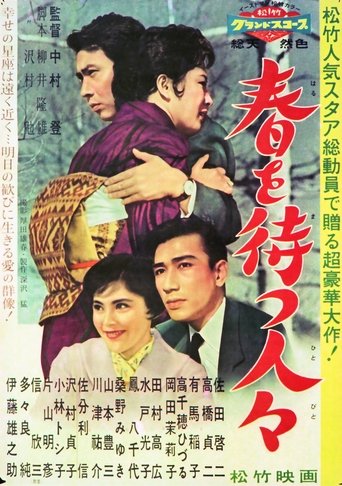
NRThis drama centers on an elderly politician and depicts how humans can return to their true selves when they are freed from selfish desires and self-interest.
People Waiting for Spring
1959
 NR
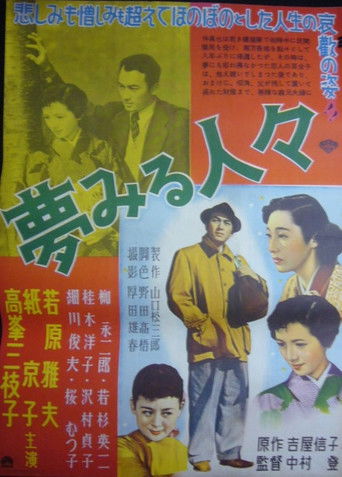
NRShinya Ban (Masao Wakahara) returns from the south and is deeply disappointed when he learns that his mutual friend Yuriko (Mieko Takamine) is marrying Toshio (Toshio Hosokawa), the son of Zenpei Hamaguchi (Yoshito Yamaji), for her obligation. He encouraged the unhappy Yuriko and taught her how to make her marriage with Toshio a happy one. He makes a fresh start as an architect under the care of Ryosuke Shibata (Jiro Yanagi), who had taken care of his father, but Ryosuke's daughter Sumiko (Yoko Katsuragi) has feelings for him. Fujie Kakimoto's (Sadako Sawamura) son Koichi (Eiji Wakasugi) came to know about Sumiko and asked her to marry him after coming to Shinya to ask for her design. Knowing that Shinya's love for Yuriko would not be easily wiped away, Sumiko decided to marry Koichi, who had a bad leg. Shinya watches the beautiful bond between Koichi and Sumiko and decides to forget his past and move forward on the path to self-perfection.
Dreaming People
1953
NRShinya Ban (Masao Wakahara) returns from the south and is deeply disappointed when he learns that his mutual friend Yuriko (Mieko Takamine) is marrying Toshio (Toshio Hosokawa), the son of Zenpei Hamaguchi (Yoshito Yamaji), for her obligation. He encouraged the unhappy Yuriko and taught her how to make her marriage with Toshio a happy one. He makes a fresh start as an architect under the care of Ryosuke Shibata (Jiro Yanagi), who had taken care of his father, but Ryosuke's daughter Sumiko (Yoko Katsuragi) has feelings for him. Fujie Kakimoto's (Sadako Sawamura) son Koichi (Eiji Wakasugi) came to know about Sumiko and asked her to marry him after coming to Shinya to ask for her design. Knowing that Shinya's love for Yuriko would not be easily wiped away, Sumiko decided to marry Koichi, who had a bad leg. Shinya watches the beautiful bond between Koichi and Sumiko and decides to forget his past and move forward on the path to self-perfection.
Dreaming People
1953
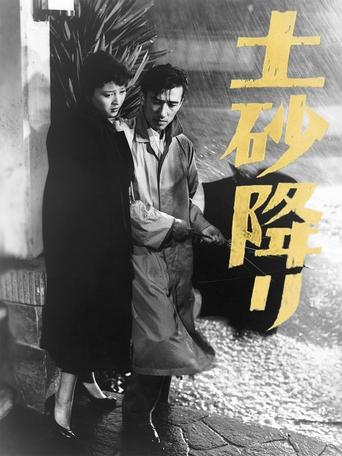 6.0
6.0Tane, the lady proprietor of an inn for amorous couples, lives there with her three children. When her eldest daughter loses her fiancé due to the fact her mother is a mistress, her despair drives her to become a cabaret hostess.
When It Rains, It Pours
1957
6.0Tane, the lady proprietor of an inn for amorous couples, lives there with her three children. When her eldest daughter loses her fiancé due to the fact her mother is a mistress, her despair drives her to become a cabaret hostess.
When It Rains, It Pours
1957
 NR
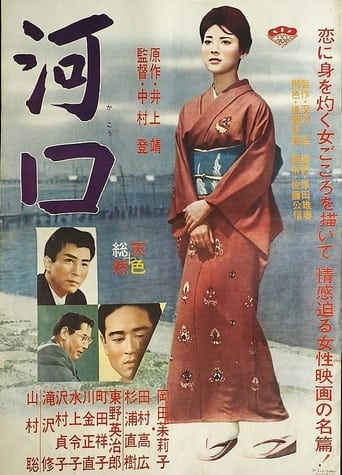
NRNo synopsis available yet.
The Estuary
1961
 NR
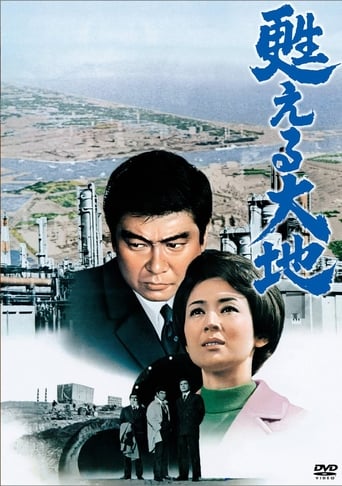
NRA dramatic film that recorded the history of Japan in the period of high economic growth. This work deals with Kashima Rinkai industrial zone development. The men who dream of making the overlooking wasteland as a big industrial area draw the courage to realize the ideal purely with the fishy desire swirling back to the coastal industrial area of Kashima Nada in Ibaraki prefecture.
The Earth is Born Again
1971
 NR
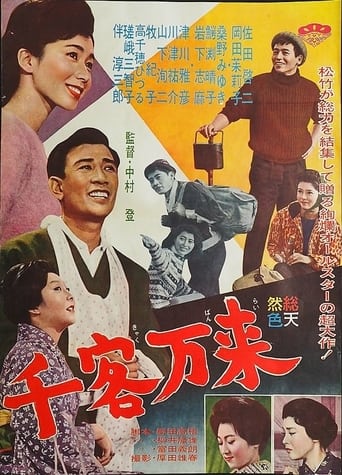
NRNo synopsis available yet.
A Roaring Trade
1962
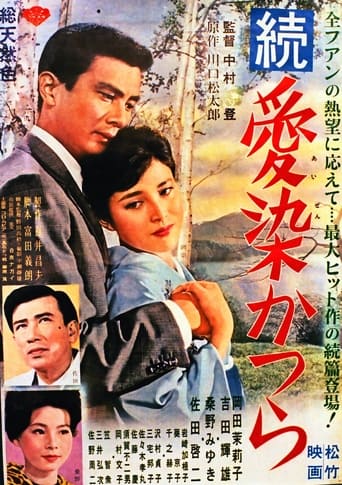 NR
NR1962 Japanese movie
Zoku aizen katsura
1962
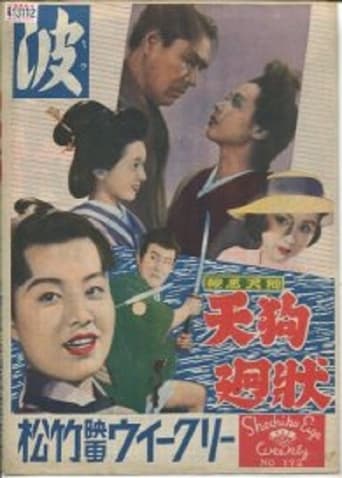 5.5
5.5Before a young woman can be sold to a geisha, she becomes pregnant.
The Waves
1952
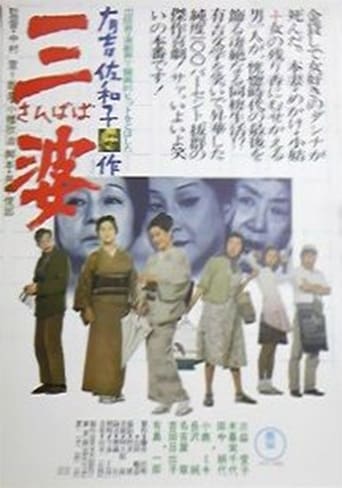 9.0
9.0A story about being scared of getting old.
Sanbaba
1974
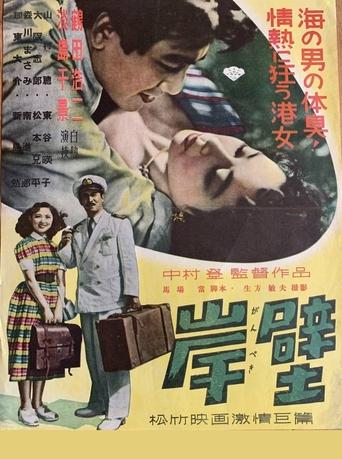 NR
NR1953 Japanese movie
Ganpeki
1953
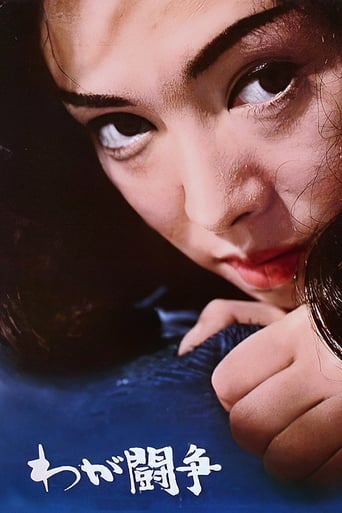 9.0
9.0No synopsis available yet.
My Destiny
1968
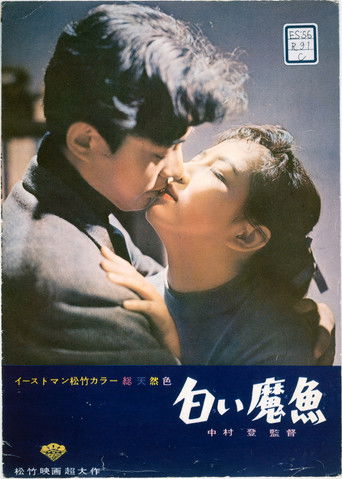 NR
NRNo synopsis available yet.
The Lady Was Pawn
1956
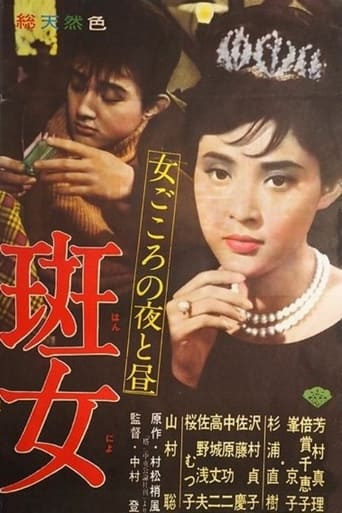 NR
NRNo synopsis available yet.
Women of Tokyo
1961
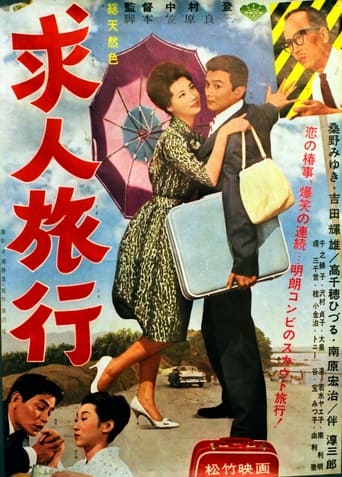 NR
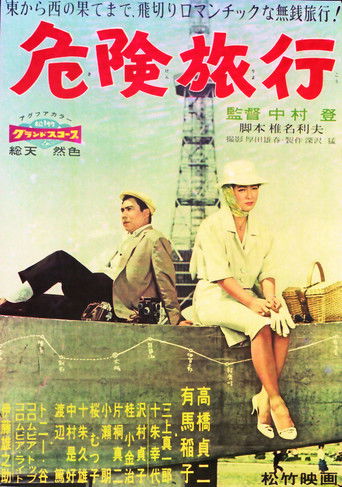
NR1962 Japanese movie
Kyūjin ryokō
1962
 NR
NRNo synopsis available yet.
Vagabond Lovers
1959
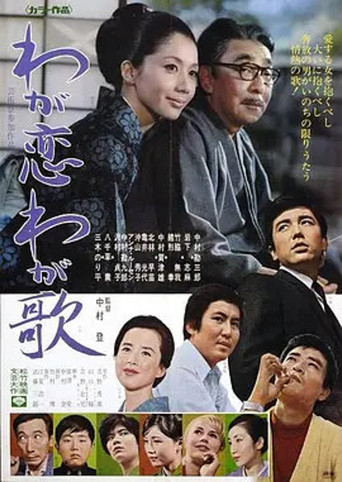 7.0
7.0No synopsis available yet.
The Song from My Heart
1969
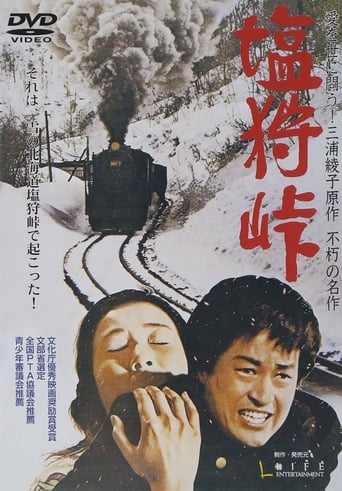 9.5
9.5Based on a novel by Ayako Miura.
Love Stopped the Runaway Train
1973
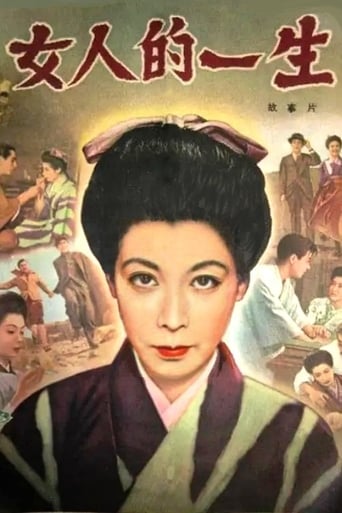 NR
NRThe film adaptation of Yuzo Yamamoto's novel tells the story of the difficult fate of a single mother in pre-war Japan.
A Woman's Life
1955
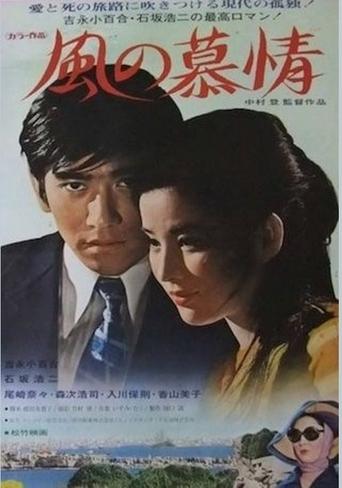 8.0
8.0Sayuri Yoshinaga played the first appearance of the Shochiku film. Yufuko who was married from a lover who had been married for a year. However, she believes in true love without feeling the heart of her heart, she decides to visit her sister and go to Australia.
Journey of Love
1970
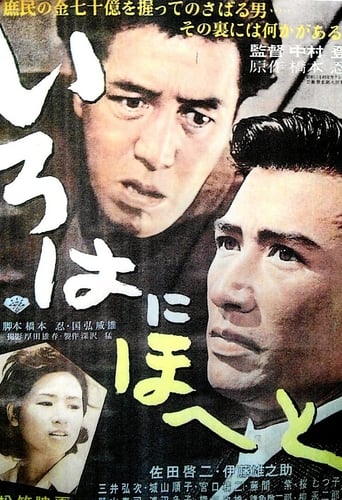 NR
NRThe anonymous partnership Investment Economic Association, led by its president Ryuichi Amano, collected money from many ordinary people and paid out large dividends, making it famous as "Japan's only investment bank for ordinary people." On the other hand, Detective Muneharu Matsumoto of the Metropolitan Police Department's Second Investigative Division has suspicions about this organization, and has been spying on the business association for many years. However, Matsumoto was having a hard time getting any solid proof of the nature of the incident...
Irohanihoheto
1960
No synopsis available yet.
Kigeki wa owarinu
1946