
Known for
The film commences with Ching (Tang Bik-wan) lamenting over her bleak life through singing: her mother died early and her stepmother (Lam Mui-mui) is wicked. The song precedes her appearance in the house while the cinematography helps to tug at the emotional heartstrings. Because of her debt-ridden father, Ching is forced by the stepmother to marry an old invalid. To prevent the marriage, Ching's lover Ho (Chan Kam-tong) raises money by agreeing to marry his own cousin (Fung Wong Nui). Ching's life is doomed, yet, when the stepmother absconds with the money. With all her hopes dashed to the ground, Ching decides to opt out of marriage for life. However, witnessing her 'self-combed' sworn sisters being bullied even to the point of committing suicide further devastates her. This tragic heroine comes to life through Tang's masterful performance both as a singer and an actor. The climatic and tear-jerking scene of Ching dying is definitely a highlight of the film.
Silk Factory Girl
1955
Battle at Liu-hua Bridge
Huang Fei-hong's Battle at Liu-hua Bridge
1950
 7.0
Shot at the same time as the inaugural chapter, The Story of Wong Fei-hung, Part Two is a continuation of the story. Solving the cliffhanger at the end of Part One and carrying on with a series of fights against a lineup of martial artists recruited by Master Wong's nemesis, Part Two culminates in a showdown with Grey Hair Fu, played by the great character actor Sek Kin, who is to appear as the archvillain in most of the following chapters, each time in a different guise.
Wong Fei-Hung Burn the Tyrant's Lair
1949
 NR
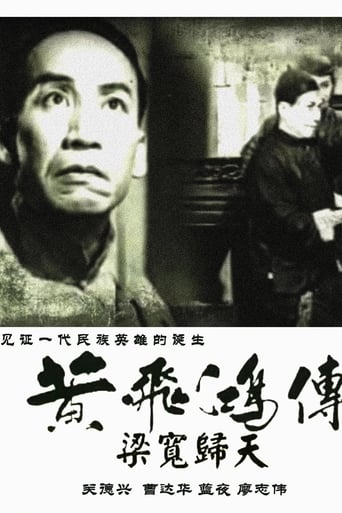
The Story of Wong Fei-Hung, Part 4: The Death of Liang Huan is the fourth movie in Kwan Tak-Hing's Wong Fei-Hung series.
The Story of Wong Fei-Hung, Part 4: The Death of Liang Huan
1950
Martial artist Wong is confronted by other masters. After he returns to his disciples, he vents his anger during a fierce fight.
Wong Fei-hung: The Whip That Smacks the Candle
1949
Behind the camera
The film commences with Ching (Tang Bik-wan) lamenting over her bleak life through singing: her mother died early and her stepmother (Lam Mui-mui) is wicked. The song precedes her appearance in the house while the cinematography helps to tug at the emotional heartstrings. Because of her debt-ridden father, Ching is forced by the stepmother to marry an old invalid. To prevent the marriage, Ching's lover Ho (Chan Kam-tong) raises money by agreeing to marry his own cousin (Fung Wong Nui). Ching's life is doomed, yet, when the stepmother absconds with the money. With all her hopes dashed to the ground, Ching decides to opt out of marriage for life. However, witnessing her 'self-combed' sworn sisters being bullied even to the point of committing suicide further devastates her. This tragic heroine comes to life through Tang's masterful performance both as a singer and an actor. The climatic and tear-jerking scene of Ching dying is definitely a highlight of the film.
Silk Factory Girl
1955
Battle at Liu-hua Bridge
Huang Fei-hong's Battle at Liu-hua Bridge
1950
7.0Shot at the same time as the inaugural chapter, The Story of Wong Fei-hung, Part Two is a continuation of the story. Solving the cliffhanger at the end of Part One and carrying on with a series of fights against a lineup of martial artists recruited by Master Wong's nemesis, Part Two culminates in a showdown with Grey Hair Fu, played by the great character actor Sek Kin, who is to appear as the archvillain in most of the following chapters, each time in a different guise.
Wong Fei-Hung Burn the Tyrant's Lair
1949
NRThe Story of Wong Fei-Hung, Part 4: The Death of Liang Huan is the fourth movie in Kwan Tak-Hing's Wong Fei-Hung series.
The Story of Wong Fei-Hung, Part 4: The Death of Liang Huan
1950
Martial artist Wong is confronted by other masters. After he returns to his disciples, he vents his anger during a fierce fight.
Wong Fei-hung: The Whip That Smacks the Candle
1949