

Acting
Célia Helena
Born — Died
1936-03-13 — 1997-03-29
Place of birth
São Paulo, São Paulo, Brazil
Known for
Acting
Credits
23 titles
Célia Camargo Silva, better known as Célia Helena (São Paulo, March 13, 1936 — São Paulo, March 29, 1997), was a Brazilian actress, theater director and pedagogue.
Known for
 8.0
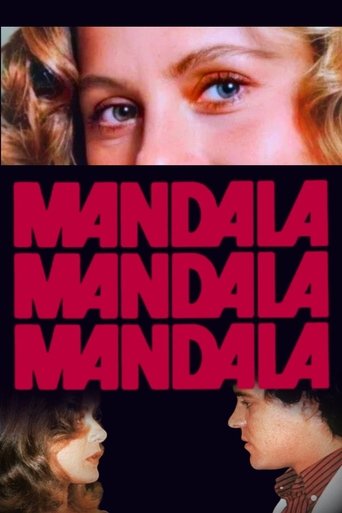
8.0Jocasta, an 18-year-old sociology student and daughter of communist activist Túlio Silveira, is actively involved in the country's political landscape. She is in love with Laio—her polar opposite—a disengaged, esoteric young man who lives off his wealthy father's allowance. A mystic, Laio makes no move without consulting his guru and friend Argemiro, whom he turns to upon learning of Jocasta's pregnancy. The cowrie shell reading reveals that his son is destined to kill him and enter into a romantic relationship with his mother. Terrified, Laio disappears with the child immediately after birth, aided by Argemiro—who loves Laio and loathes Jocasta. Twenty-five years later, Jocasta is a successful yet restless woman searching for her missing son. She is estranged from Laio, who has spent recent years expanding his father's fortune through involvement in underground gambling. On a highway, he encounters Oedipus, unaware that the young man is his son.
Mandala
1987
 8.5
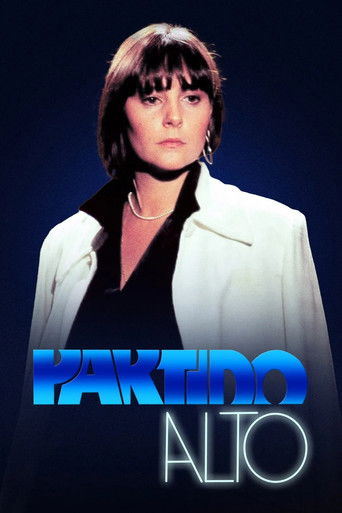
8.5No synopsis available yet.
Partido Alto
1984
In 1889, a conflict arose between the decadent and ruined rural aristocracy following the liberation of slaves and a new class of wealthy individuals, comprised of entrepreneurs emerging from the republican industrial class, interested in free labor. In the city of Ouro Negro, in the interior of São Paulo state, the conservative, aristocratic, and monarchist Almeida Santos family, which traditionally dominated the region, began to lose ground to the Lobo Ferraz family, representing the nascent progressive and republican bourgeoisie.
Dead Gods
1971
 7.4
7.4An industrialist is forced to marry his daughter Rosalia to a banker to save himself from bankruptcy. But Rosalia is in love with Adriano, unaware that he is the banker's son.
Direito de Amar
1987
 7.5
7.5No synopsis available yet.
Brilhante
1981
No synopsis available yet.
Tilim
1970
Film credits
1970s · 5 titles
No synopsis available yet.
O Gesto, a Festa, a Mensagem - Dois Mil Anos de Teatro
1976
 5.0
5.0Armando, a single high-school teacher living a steady life, sees his world crumbles when he falls in love with Laura, the ex-girlfriend of one of his favorite students.
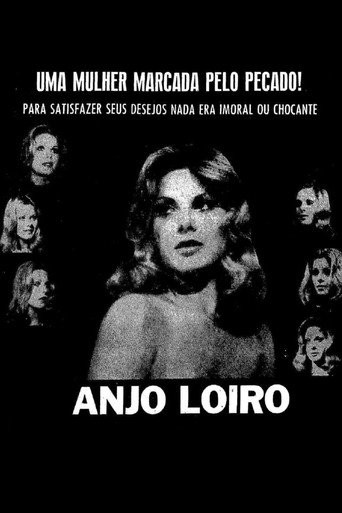
Anjo Loiro
1973
 10.0
10.0Tired of her boring husband, secretary Cordélia finds refuge in a love affair with her boss and afterwards, believes she has found true love in the person of a car salesman.
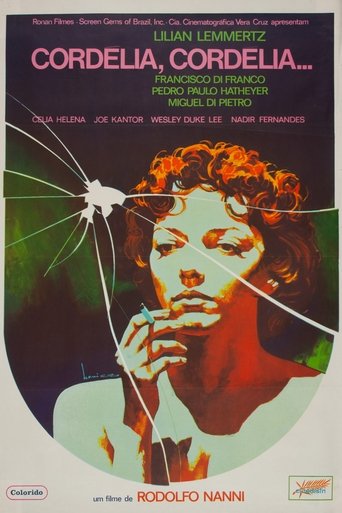
Cordélia, Cordélia
1971
 3.3
3.3Four couples go to a country seat. One of the girls is still a virgin, and his boyfriend proposes a game which changes the group behavior.
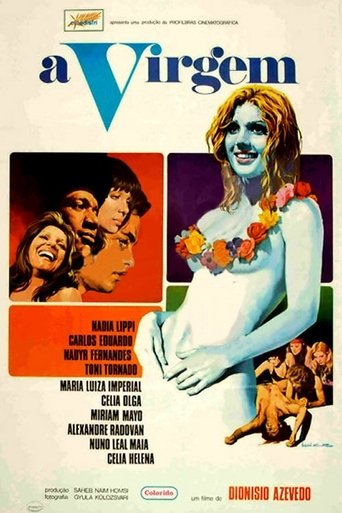
A Virgem
1973
 8.0
8.0Based on the novel "Totônio Pacheco", written by João Alphonsus. At the time of the decadence of the great farms of Minas Gerais, Totônio is a symbol of the golden age of state farms: old and accustomed to having all his wills obeyed. However, after moving to his son's home because of his wife's death and the resulting loneliness, he realizes that he has lost his job as a boss and is struggling to regain his prestige by moving to a brothel.
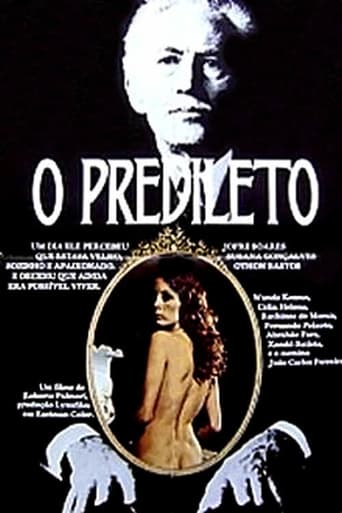
O Predileto
1975
Series credits
8.0Jocasta, an 18-year-old sociology student and daughter of communist activist Túlio Silveira, is actively involved in the country's political landscape. She is in love with Laio—her polar opposite—a disengaged, esoteric young man who lives off his wealthy father's allowance. A mystic, Laio makes no move without consulting his guru and friend Argemiro, whom he turns to upon learning of Jocasta's pregnancy. The cowrie shell reading reveals that his son is destined to kill him and enter into a romantic relationship with his mother. Terrified, Laio disappears with the child immediately after birth, aided by Argemiro—who loves Laio and loathes Jocasta. Twenty-five years later, Jocasta is a successful yet restless woman searching for her missing son. She is estranged from Laio, who has spent recent years expanding his father's fortune through involvement in underground gambling. On a highway, he encounters Oedipus, unaware that the young man is his son.
Mandala
1987
8.5No synopsis available yet.
Partido Alto
1984
In 1889, a conflict arose between the decadent and ruined rural aristocracy following the liberation of slaves and a new class of wealthy individuals, comprised of entrepreneurs emerging from the republican industrial class, interested in free labor. In the city of Ouro Negro, in the interior of São Paulo state, the conservative, aristocratic, and monarchist Almeida Santos family, which traditionally dominated the region, began to lose ground to the Lobo Ferraz family, representing the nascent progressive and republican bourgeoisie.
Dead Gods
1971
7.4An industrialist is forced to marry his daughter Rosalia to a banker to save himself from bankruptcy. But Rosalia is in love with Adriano, unaware that he is the banker's son.
Direito de Amar
1987
7.5No synopsis available yet.
Brilhante
1981
No synopsis available yet.
Tilim
1970
No synopsis available yet.
Vila do Arco
1975
 10.0
10.0No synopsis available yet.
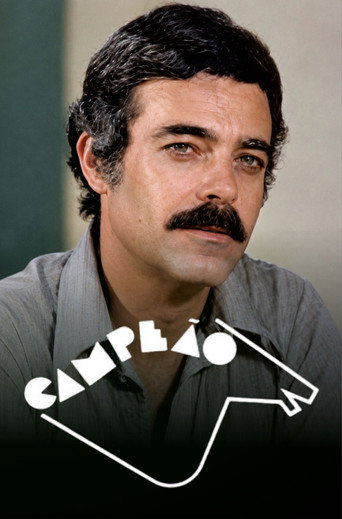
Campeão
1982
 7.0
7.0No synopsis available yet.
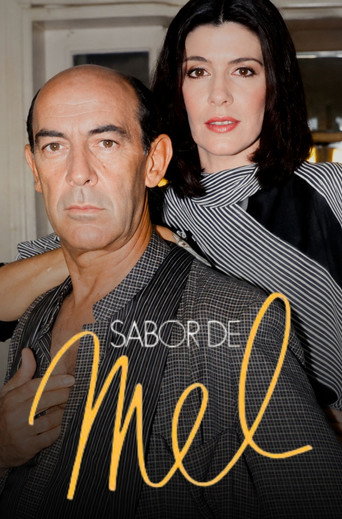
Sabor de Mel
1983
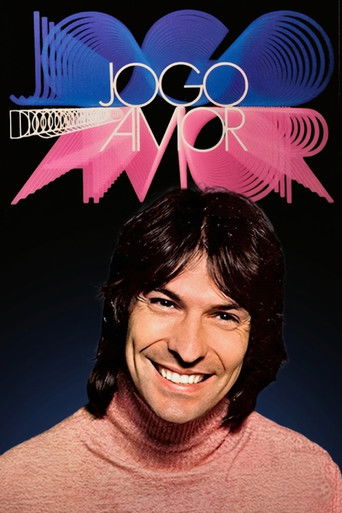 9.0
9.0No synopsis available yet.
Jogo do Amor
1985
No synopsis available yet.
Editora Mayo, Bom Dia
1971
No synopsis available yet.
Canção para Isabel
1976
No synopsis available yet.
O Décimo Mandamento
1968
No synopsis available yet.
Pingo de Gente
1971