
Known for
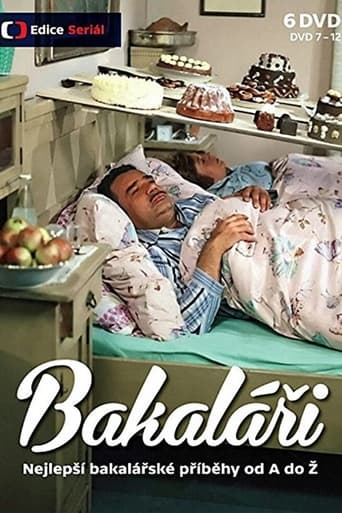 7.0
7.0No synopsis available yet.
Bakaláři
1972
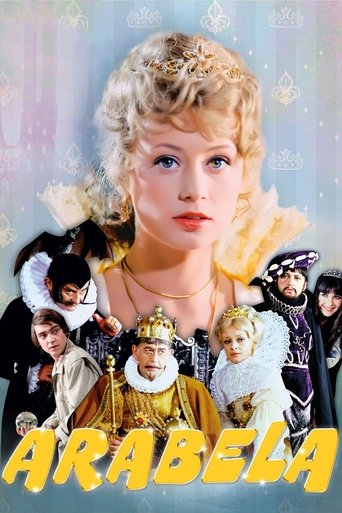 8.2
8.2Arabela was a children's television series produced in Czechoslovakia which aired from 1979 to 1981. The series has 13 episodes and is in the Czech language.
Arabela
1980
 7.5
7.5Sanitka was a Czech television, drama series, first broadcast in 1984 and eleven episodes were made. It starred Jaromír Hanzlík, Tomáš Juricka and Zlata Adamovská among others.
Sanitka
1984
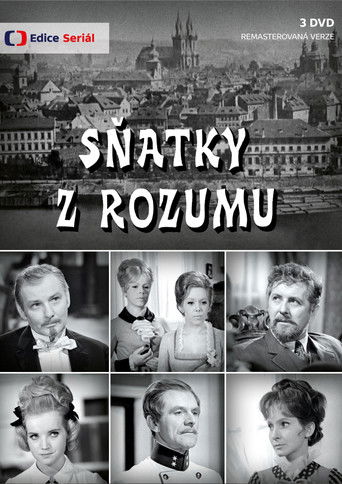 7.8
7.8Sňatky z rozumu was a Czechoslovak television programme which was first broadcast in 1968. The programme was directed by František Filip.
Sňatky z rozumu
1968
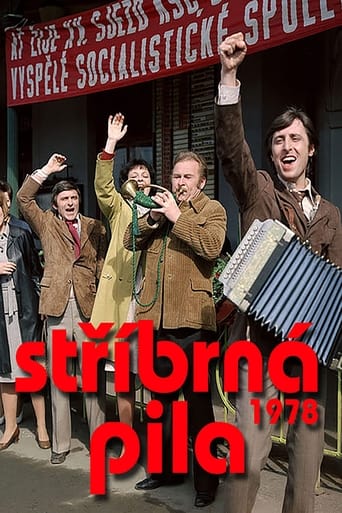 10.0
10.0No synopsis available yet.
Stříbrná pila
1978
No synopsis available yet.
Tři chlapi v chalupě
1961
Film credits
1990s · 2 titles
 6.9
6.9In post-WWII Communist Czechoslovakia, several characters considered bourgeois are sentenced to work in a junkyard for rehabilitation. Among them is a young man who pines for a female convict.
Larks on a String
1990
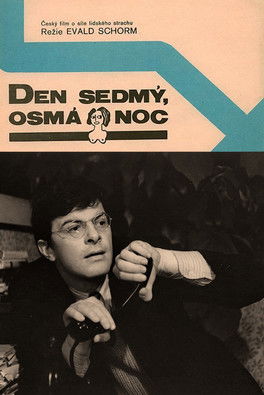 4.8
4.8An allegory set in an archetypal Czech village, it tells the story of what happens when a series of mysterious events take place, including the disappearance of the station master. While everything has a rational explanation, collective paranoia takes over and everyone's worst instincts are unleashed. Interrogations, disenfranchisement, and the search for scapegoats ultimately lead to murder. The movie was completed in 1969, but it was banned and not released till 1990, Evald Schorm who died in 1988 never saw it completed.
The Seventh Day, the Eighth Night
1990
1980s · 14 titles
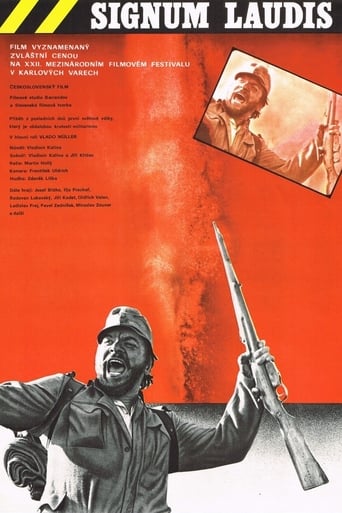 7.0
7.0The trenches of World War I provide for a captivating backdrop to the drama of Corporal Hoferik. In his devotion to the Habsburg Monarchy, he fanatically carries out his military orders, but he ultimately suffers the Empire's disfavor.
The Medal
1980
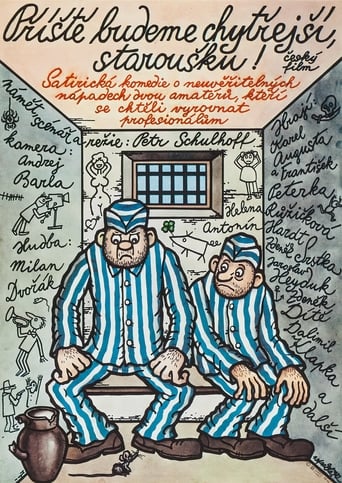 7.4
7.4This satirical comedy depicts the fate of two con artists who constantly encounter sharper and more experienced rivals. In their quest for easy profits, they often change several jobs and come up with a variety of original tricks and thievery. Each time, however, someone else profits from their ideas. And when they seek revenge on their crooked rivals, they end up back where they started - behind bars...
Příště budeme chytřejší, staroušku!
1982
In the spring of 1945, the last war clashes took place on the Czech-Moravian border. However, amidst the heavy gunfire, colourful boyhood adventures also take place. The main characters, however, are oblivious to the dangers lurking around them and bravely enter situations in which even adults would hesitate.
Dva kluci v palbě
1985
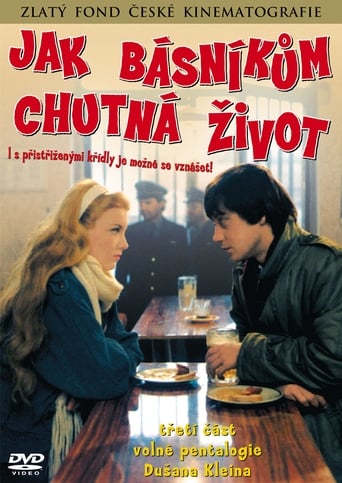 6.3
6.3While Kendy returns to his hometown as an assistant director to film a thirteen-part series with a television crew, Štěpán Šafránek, equipped with his mother's advice after graduation, takes up his first position - as an intern at the local hospital. However, his inadaptability to local conditions and his sense of ethics in his chosen profession do not suit his other established colleagues. While they are amused by his zeal and responsibility, Štěpán has increasing problems with his superiors, until he is finally transferred to the position of rural district doctor, which everyone rejects. In Bezdíkov, however, he meets a new, perhaps permanent and reciprocated love, with whom he eventually decides to live and work in northern Bohemia.
How Poets Are Enjoying Their Lives
1988
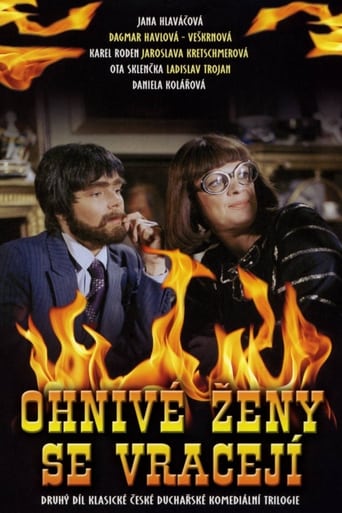 7.0
7.0A loose continuation of the production of The Fiery Women. The souls of the witches Marta and Magdalena, burned in the 17th century, enter the bodies of two members of a group of antique thieves. Marta is now an expert in antiques, and Magdalena, to her horror, the body of a young man from an antique shop. In addition to the swindles - exchanging for imitations - the group is preparing to steal a valuable painting from a museum. Its employee Boženka is supposed to exchange it for a copy. In the middle of the action, a gas explosion occurs in the museum, and our women come to the bodies. It takes them quite a while to realize that they have fallen into their clutches...
Ohnivé ženy se vracejí
1987
A comedy about the love of the Czech nobleman Záviš of Falkenštejn for the Hungarian princess Kunhuta, who later married Přemysl Otakar II and became the Czech queen.
Hra o královnu
1981
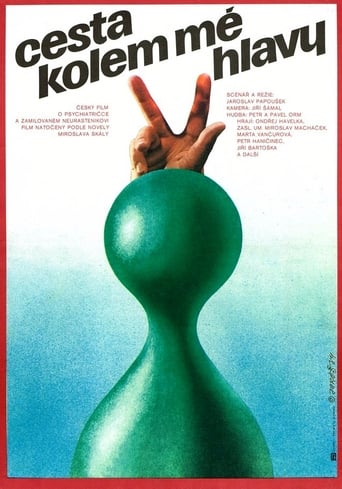 5.4
5.4A new patient enters the psychiatric sanatorium Sluneční dvůr. It is a high school Czech professor Robert Kilian, suffering from depressive neurasthenia, which manifests itself in a morbid indecision. His biggest problem at the moment is that he doesn't know if he should marry his girlfriend. He soon gets to know the other patients, the treatment regimen and the medical staff...
Cesta kolem mé hlavy
1985
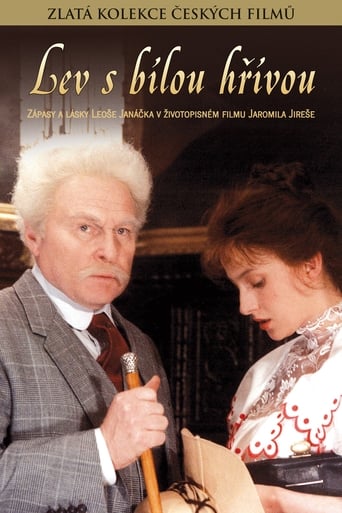 6.0
6.0The film tells the exciting life of the great Czech composer Leos Janácek (1854-1928), also known by the thick silver hair that crowned his head and his strong character, which could overcome the adversities of fate.
Lion with a White Mane
1987
No synopsis available yet.
O rybáři a rybce
1986
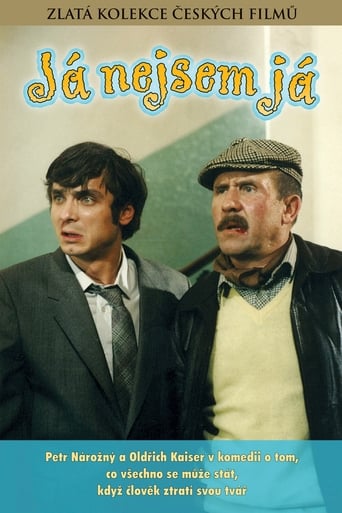 5.2
5.2The two heroes of the film's story - the decent but dry engineer Zárub and the marriage swindler Majer - are granted this wish by the mysterious forces of the moon. The two men change their appearance, which, however, contrasts sharply with their unchanged characters and voices. The incomprehensible swap naturally becomes the source of many comic plots and situations.
It's Not Me
1986
 5.2
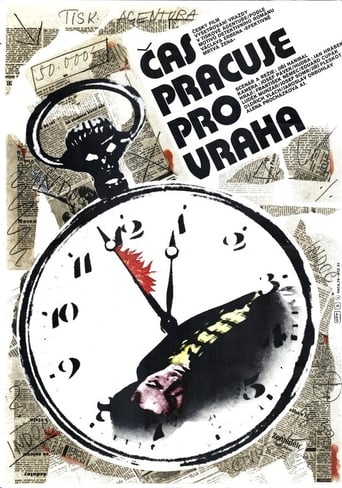
5.2Vera, wife of the plumber Simandl (Josef Somr), is found murdered in the cinema next to the IDOC (Information and Documentation) agency where she worked. Police captain Marha (Frantisek Nemec), who is leading the investigation, is informed by Simandl that on the day of the murder Vera promised to bring home fifty thousand crowns to buy a car. Marha's primary suspects are the three men working at the agency: deputy editor-in-chief Brandl (Jirí Pleskot) and editors Pernata (Eduard Cupák) and Remes (Ludek Munzar, and of course also Simandl.
Čas pracuje pro vraha
1980
 8.0
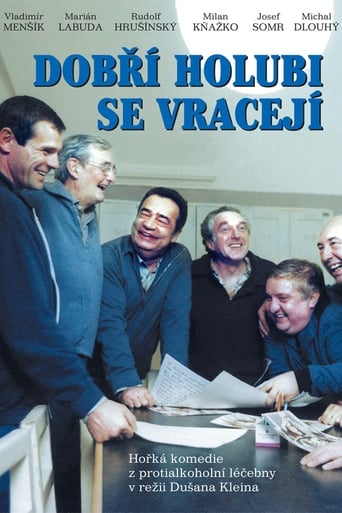
8.0The film is a concert of well-known actors from an alcohol rehab where a middle-aged man has taken refuge to get rid of his addiction. In the rehab, cruelty is personified by the attendant who, with sadistic satisfaction, hands out demerit points for the slightest sign of displeasure or rebellion.
Dobří holubi se vracejí
1989
 6.0
6.0The difference in personalities and lifestyles is the core of Zdeněk Svěrák's hilarious comedy. The story of two elderly gentlemen begins in a hospital, where they are both hospitalized. Former tram driver Havlík discovers that his new acquaintance Chouň does not have an apartment and offers him that he can temporarily live with him. The latter happily accepts the offer and soon changes Havlík's proper and honorable life as a widower. The old conductor realizes that he can also live differently: cheerfully and carefree. The idyll is ruined when Chouň robs Havlík...
Utopím si ho sám
1989
 7.0
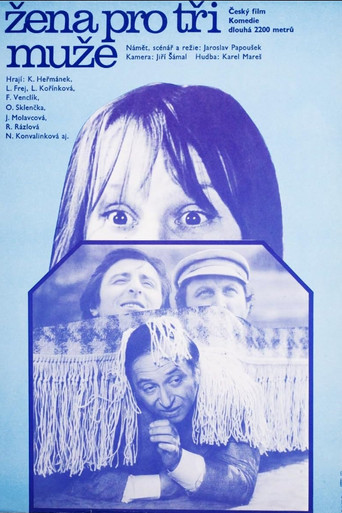
7.0At the beginning is a suicide attempt by sculptor Jiří Malek, which is foiled by a thief hidden in his apartment. Malek is thirty-five, divorced, caring for his five-year-old son, and the reason he turned on the gas in his studio is, of course, his wife. Mr. Karas, who takes care of Málka's household, tries to get rid of his gloomy mood by using alcohol. But after Jiří insults the old man and they break up badly, Málka's older brother Oldřich decides to find a woman who would be a good wife to Jiří, a mother to little Martin and a good friend to him. She should be pretty, intelligent, understanding, love children and be able to cook, wash and clean. To avoid any mistake, Oldrich will draw up a test, the results of which should decide. Without suspecting that he is undergoing an important test, a number of potential sisters-in-law find themselves in the studio - Edita, a radio editor, Martina, a nurse, Pavla, a student, and others...
Žena pro tři muže
1980
1970s · 20 titles
 6.4
6.4The heroes of this absurd comedy, full of confusion and humor are Dzharda Zemanek and Frantisek Liska.
A Nice Plate of Spinach
1977
 6.1
6.1An historical depiction of the events preceding the political murder of Archduke Franz Ferdinand, would-be emperor of the Austro-Hungarian throne, in Sarajevo on June 28th, 1914.
The Day That Shook the World
1975
 5.1
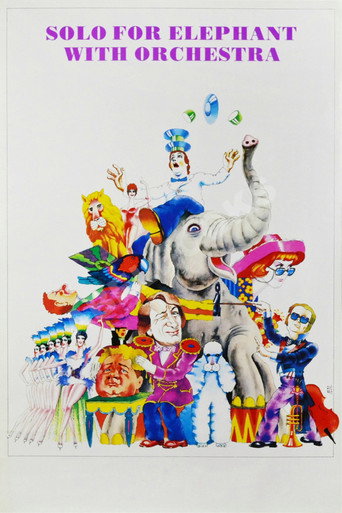
5.1To Moscow have arrived the participants of the international conference of the zoophilologists and also the international jury which is to elect for the world festival the best performance of the program of Moscow circus. Mrs Whistler, British associate professor, makes her understood with the animals in their language but the Czech professor Ruzicka, though he is capable of using the animals language, prefers teaching the animals the human language. Ruzicka's friend, the poodle Archibald, speaks "in Human" very well. The scientific dispute ends with a bet - if Ruzicka teaches the circus elephant to sing, Mrs Whistler will eat up her hat.
Circus in the Circus
1976
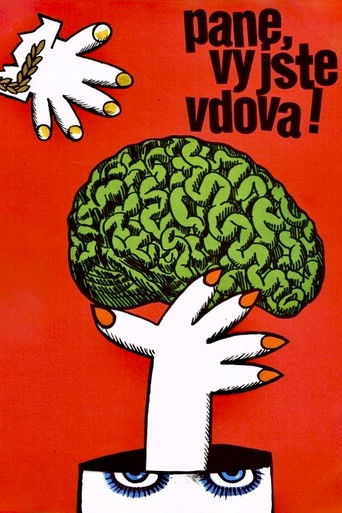 6.8
6.8After a soldier cuts off the arm of king's cousin, king decides to deactivate the army. Of course, generals don't like it at all and they try to kill the king. The assassin should be artificial body in the shape of actress Evelina Keleti and with brain of psychotic serial killer Fany Stubová. They also manage to kill king's astrologer Stuart Hampl, who warns the king. Accidentally, Hampl's brain is implanted into assassin's body, actress Keleti is killed and chaos begins.
You Are a Widow, Sir
1971
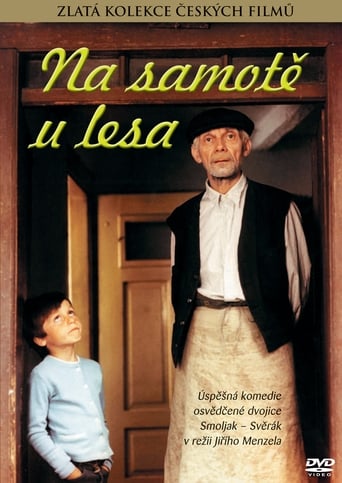 7.4
7.4The Lavicka's, a Czech family from the city, rents a house in the country with the option to buy. However, old Mr Komarek seems reluctant to sell the house as they agreed.
Secluded, Near Woods
1976
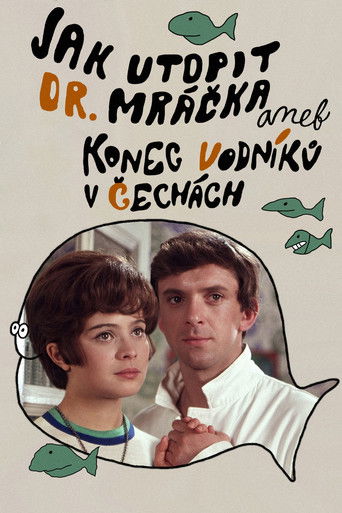 6.6
6.6There are still water spirits among us. One group lives in Prague, led by Mr. Wassermann, who is using his wife's family as a servants. All they need is their old house near the river. But the house is to be demolished. They have to stop it. And the only way is to drown Dr. Mrácek, who is responsible for the demolition. But he falls in love with Wassermann's niece Jana. He changes to fish, is mistaken for water spirit from Germany, is drowned and revived again. The other problem is the flour with ears... and so on...
How to Drown Dr. Mracek, the Lawyer
1975
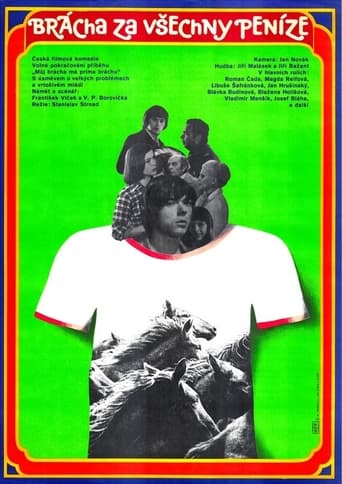 5.0
5.0Honza and Zuzana are very young husband and wife. They have a little daughter of whom willingly occasionally take care the grandparents and Honza's fifteen-year-old brother Martin. Zuzana continues studying and Honza devotes all weekends as an amateur competitor to the motor-cycles at the speedway. Zuzana is not interested in motor-cycles. Martin holds responsible for his brother's marriage and at the advice of his friend Magda, who is of the same age, invites her sister-in-law to the club of Hucul horses so that she does not feel bored. But by misfortunes and unexplained quarrels both young husband and wife start being jealous of one another.
Brother for All the Money
1979
The female employees of the poultry-processing factory find relief from their monotonous work in chatting about weddings and marriages. The very young Zdena (Marta Vancurová), too, dreams about a white veil and an entourage of bridesmaids. On her return home from work, she runs into a peculiar man on an abandoned road who pertinaciously offers to read her palm for a few crowns to buy soup. His augury is rather usual - wealth and poverty, suffering and happiness. Then however, he declares that Zdena must marry exactly on 3 November of that year otherwise she will be unhappy.
Nevěsta
1970
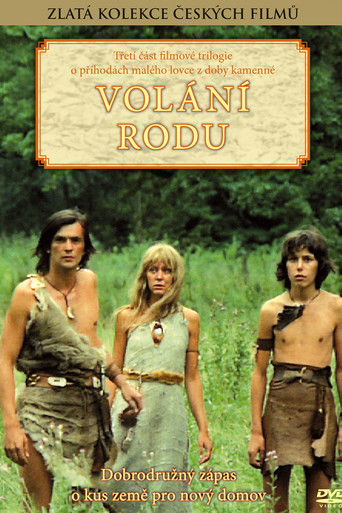 8.5
8.5Third movie of the famous Czech adventure trilogy: Osada Havranů Na veliké rece Volání rodu
House Call
1979
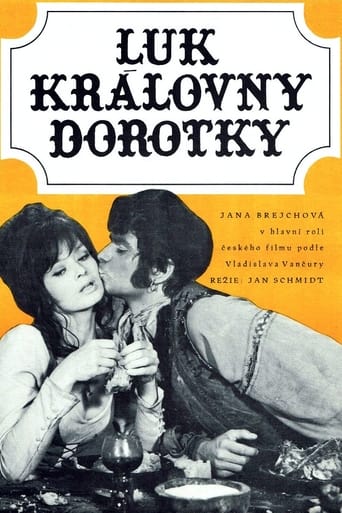 10.0
10.0Set in a vagabond and petty bourgeois environment, the three stories deal with the pitfalls of love, the petty and insidious betrayals of trust.
Luk královny Dorotky
1971
 7.5
7.5Exotic, yet lyrically aimed fairy tale about a young gypsy Pista in search of a beautiful, gentle and faithful bride. An old man told him where to find a girl with those qualities, so Pista sets out on a journey to find the girl of his dreams without knowing that she is special: an hour a day human and rest of the day a chicken...
The Bride with the Most Beautiful Eyes
1976
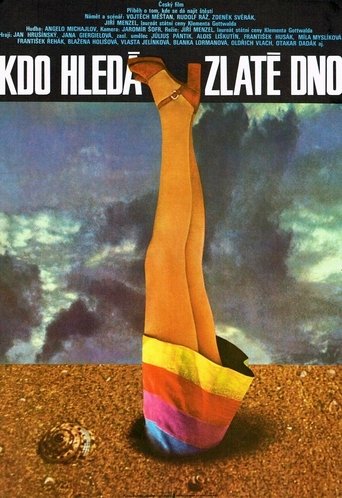 5.6
5.6When he returns to Prague from a stint in the Army, Lada does not seem to fit in anywhere, and he cannot get the hang of the system of deliberately underperforming on the job. His girlfriend tries to keep him in the city with a variety of stratagems, but he eventually takes a job as a truck driver on a dam-building project. He uses the truck to visit his girl on weekends. Ingenuous, he is unaware that the truck is being used for black-market smuggling, and that his girlfriend two-times on him when he cannot arrange to leave on time for his weekend.
Who Looks for Gold?
1974
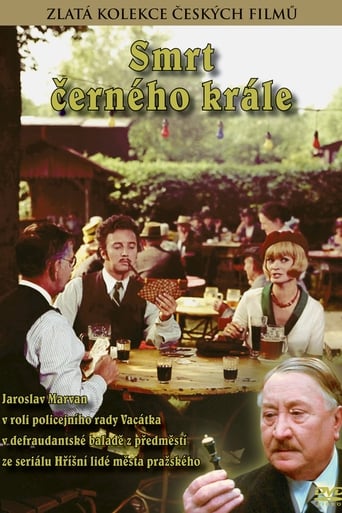 5.2
5.2Prague in the 1930s. A young, pretty girl gets on a crowded tram. She immediately catches the attention of a young man who not only appreciates the girl's charm, but also tries to steal her handbag discreetly. And so we meet one of the main characters of the film, a swindler, pickpocket and generally strange being Josef Kořínek alias Pépi. In addition to him, the story is populated by other characters from the Prague outskirts. Of course, the film also features the shrewd councilman Vacátko and his inseparable investigators Brůžek and Bouše. They have a sad duty - to track down the murderer of the collector Krále, who was found dead and who lost a sum of money on the way from the bank that could interest many people from his surroundings...
The Death of Black King
1972
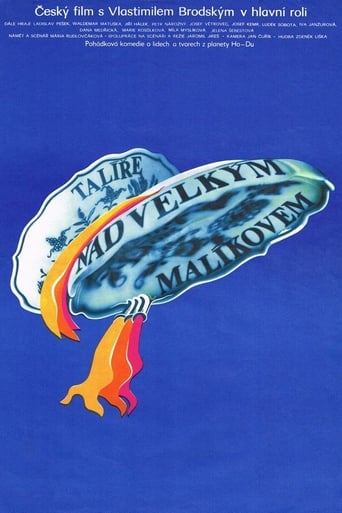 6.3
6.3A model Communist village is visited by a flying saucer.
Flying Saucers Over Our Village
1977
 6.0
6.0In 1900, Stepha, the vivacious 30 year old daughter of a wealthy couple, agrees to marry her cousin Paul, who has accumulated large debts as an Austrian army officer. Paul refuses to work or to consummate the marriage, and then his health steadily declines.
Oil Lamps
1971
No synopsis available yet.
Ta slepička kropenatá
1971
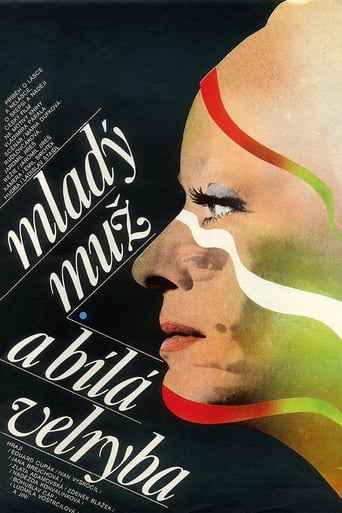 4.2
4.2Good-looking Edita Beningerová (Jana Brejchová) arrives at a chemical factory in the North Bohemian town of Ústí nad Labem together with her young assistant Nada (Zlata Adamovská). She is hoping that her ex-husband, outstanding practical chemical engineer Vik Panc (Eduard Cupák), will help her conduct an experiment to validate her proposed theoretical method of isolating cholesterol from lanolin. The success of Edita's invention is crucial for her career at the Prague Institute of Chemistry. Vik's roommate from his hostel Bréta (Ivan Vyskocil) is thrilled. He will finally meet the mysterious and fascinating Edita about whom he has learned so much from Vik.
The Young Man and Moby Dick
1979
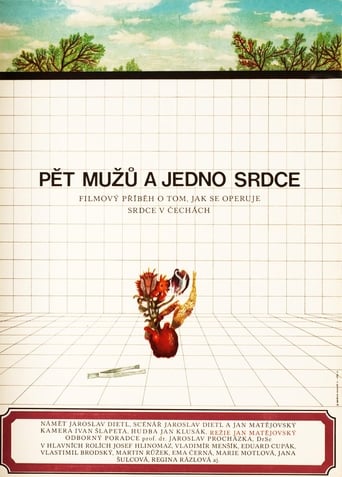 10.0
10.0In modern hospitals are carried out intensive cardiac surgery. Daily operations individually comments attendant Cajthaml ... Stylized ,, dream "scene are combined with documentary footage of actual operations, which were filmed at the University Hospital in Hradec Králové. The unique cinematic experiment theater and TV director after only a few years remind viewers.
Five Men and One Heart
1971
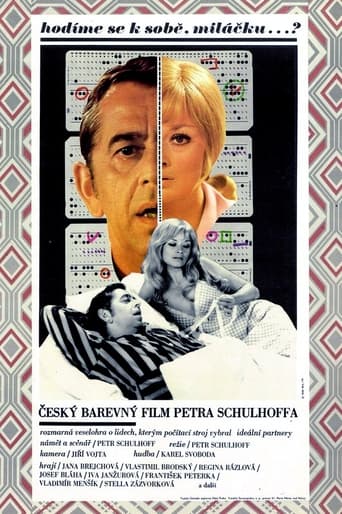 4.5
4.5Marta (Jana Brejchová) and Viktor (Vlastimil Brodský) celebrate the tenth anniversary of their wedding half-heartedly. They both think they don't suit together. While visiting Marta's friend Alena (Iva Janzurová), who just got married for the third time, they learn an interesting thing. It was a computer which selected a husband for Alena and she claims she is happy. The couple gets off after certain hesitation to a cybernetic institute, where the computer tells them that living together is a risk for them. At the same time the computer selects them ideal partners - Mrs Tuchlová, a doctor for Viktor, and Petr Karát, a music composer for Marta. By a coincidence Viktor and Marta meet wrong people.
Do We Match Each Other, Darling?
1975
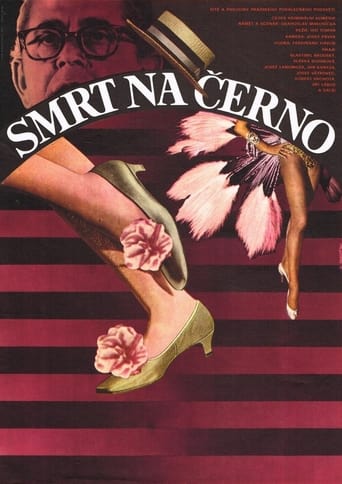 10.0
10.0Webs of Prague's post-war underworld.
Smrt na černo
1977
1960s · 16 titles
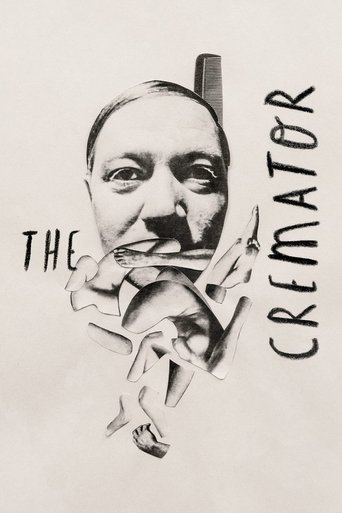 7.8
7.8In 1930s Prague, a Czech cremator who firmly believes cremation relieves one from earthly suffering is drawn inexorably to Nazism.
The Cremator
1969
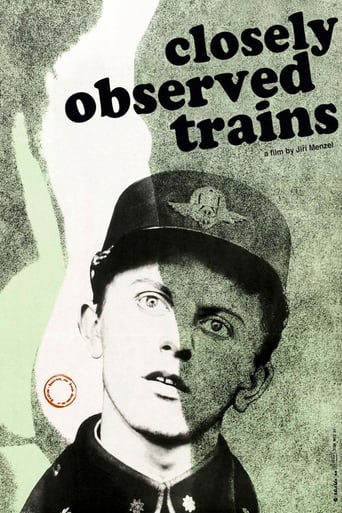 7.2
7.2At a village railway station in occupied Czechoslovakia, a bumbling dispatcher’s apprentice longs to liberate himself from his virginity. Oblivious to the war and the resistance that surrounds him, this young man embarks on a journey of sexual awakening and self-discovery, encountering a universe of frustration, eroticism, and adventure within his sleepy backwater depot.
Closely Watched Trains
1966
 6.5
6.5Middle-aged Antonin and his friends, the major, now retired, and the canon, are in the river, swimming and philosophizing. Then it starts to rain. It just seems to be that sort of summer. Antonin runs the swimming bath with his portly wife Katherine... A man appears with his horse-drawn caravan. He lays a striped pole across the river and walks over. With a handstand and a magic trick, Ernie the Conjuror invites everyone to that evening's performance... Ernie is a tightrope walker of only modest skill, but with a slim and beautiful assistant, Anna. Antonin speaks to her. The two spend the night in the change room by the river, Antonin massaging her feet all night long. Katherine decides to move into the caravan with Ernie. But now the major and even the canon sense Anna's attractiveness...
Capricious Summer
1968
 7.0
7.0In this zany Czechoslovakian comedy, a scientist invents a machine that projects a sleeping person's dream on a screen; disaster soon follows when the machine malfunctions and the cartoon-like dream characters become very real!
Who Wants to Kill Jessie?
1966
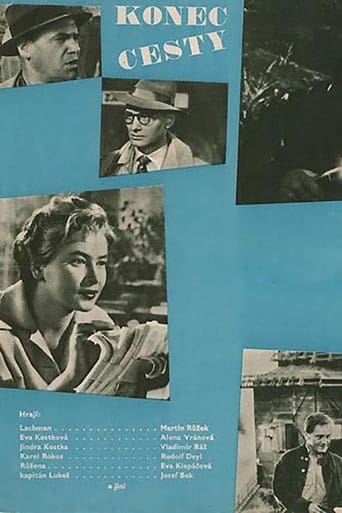 7.3
7.3Josef Lachman, once a security officer, serves twelve years for aiding an SS fugitive’s escape. Upon release, he works as a driver on a dam project, hunting buried English pounds Meyer told him about. With miner Rokos’s help, he retrieves the cash and hides it with his daughter Eva, but she spends some at Tuzex, Rokos blackmails him, and they discover the notes are WWII forgeries.
Konec cesty
1960
 6.8
6.8Comedy based on short Sean O'Casey play. John Jo Mulligan finds himself in a situation with which his pious conscience cannot cope. He has spent a night with the cunning seductress Angela. Full of remorse and dreading the ruin of his reputation, he tries to get rid of her, fearing that his pal Halibut or his landlady Miss Mossie might get to know. Angela sees her chance, turns gold-digger and does not leave before relieving John of a considerable amount of money.
Bedtime Story
1968
 7.5
7.5A military base. An awkward soldier. A statue of Bach. And suddenly all guns in the area change into music instruments. Great mystery is immediately found by TV station. And soon the military base becomes a stage for huge TV show.
If a Thousand Clarinets
1965
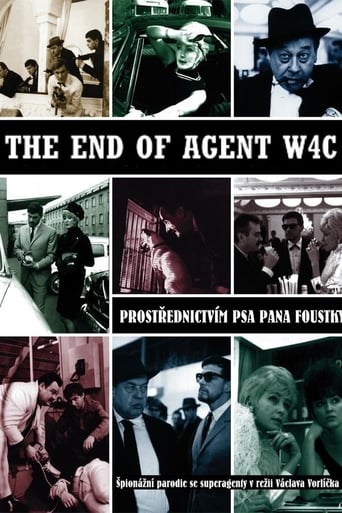 6.1
6.1The invincible agent Cyril Juan Borguette alias W4C has been assigned a mission to go to a hotel in Prague, get hold of a saltcellar with a plan for the military exploitation of Venus hidden in it, and hand it over to the beautiful agent Alice. He will have to compete for the saltcellar with other agents working for the world's various greater and smaller powers. The head of the Prague counter-intelligence unit gets news of agent W4C's mission. Deficient in personnel, he nominates accountant Foustka as agent 13B. Mr Foustka takes his dog Pajda with him and the two head for the airport. Pajda helps him track down agent W4C in a classy hotel that becomes the battleground for the interests and plans of the secret agents from different countries, each trying to get hold of the precious saltcellar.
The End of Agent W4C
1967
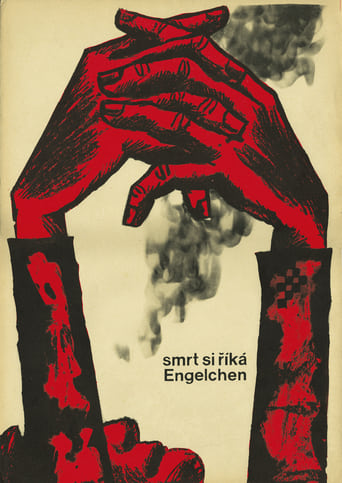 6.4
6.4Pavel is a Czech partisan fighter in the waning days of the war. Just as peace is declared, Pavel is shot in the spine and sent to the hospital emergency ward. As he fades in and out of consciousness, he recalls the events that led to his participation in the underground. Holding German occupation commander Engelchen responsible for all the horrors and deprivations heaped upon his comrades, Pavel is kept alive by the possibility of recovering and exacting vengeance upon the Nazi officer - no matter how long it takes.
Death Is Called Engelchen
1963
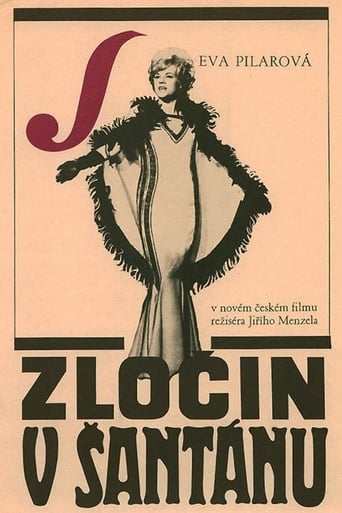 6.3
6.3The theft of a pearl necklace and subsequent murder took place at the Tartaros cabaret. All this could compromise the minister, who is an admirer of the singer Clara. The real culprits must be found as soon as possible...
Crime in the Night Club
1968
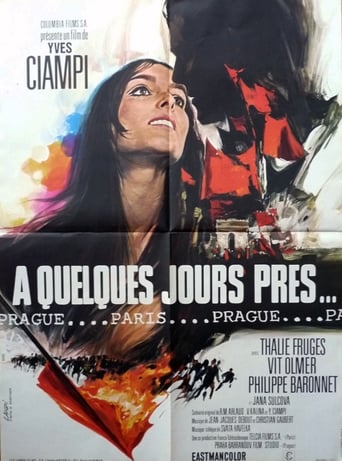 3.8
3.8Françoise, a French sociology student, moves to Czechoslovakia to write her thesis. She falls in love with Pavel, a professor. But the events of the "Prague Spring" begin and Pavel decides to collaborate. Françoise returns to France and meets up with her militant friends on the eve of the events of May 68 in Paris.
A Matter of Days
1969
 7.9
7.9A comedy about two bumbling policemen investigating an alleged rape in a small Czech town. One of the alleged rapists is supposed to get married the day he's locked up.
The Unfortunate Bridegroom
1967
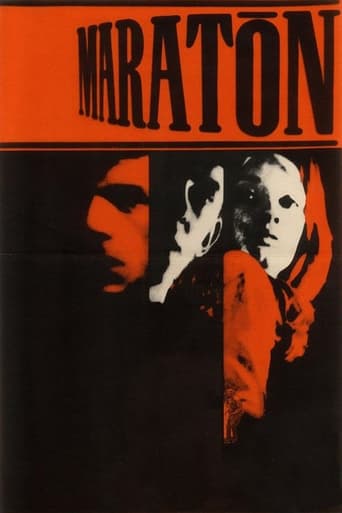 5.6
5.6It is 5 May 1945 and the uprising against the hated German occupiers has broken out in Prague. The Czech guards open the gate of the Pankrác prison to allow the prisoners to escape en masse. Many of them are shot dead by the German guards but young Ruda (Jaromír Hanzlík) manages to run away. He is taken care of by one of the Prague fighters, concierge Kytka. Kytka hides him in the flat of the house's owner where only the young maid Karla (Jana Brejchová) is left, ordering her to take care of Ruda.
Marathon
1968
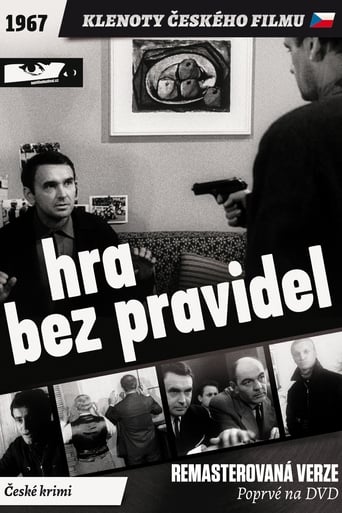 5.3
5.3A robbery in a Prague jeweler's shop results in the shop manager Kubát and his deputy Litera being shot and wounded. The culprits take the jewelery away in a stolen car and that very night hide the loot tens of kilometers outside Prague in a forest. Then the three robbers part with each other. One of them, Burian, leaves in the same car, the other two, Duda and Hovorka, take to flight in another car, which soon ends up in a car crash. Hovorka dies in the accident, but Duda survives and hides in an abandoned cottage. Burian is arrested, Duda is traced out by a police dog. Duda confesses to the robbery to the criminologist Málek, but refuses to say where is the jewelery. The robber then begins to shoot and Málek kills him in self-defense. The court fails to prove Litera's involvement in the robbery and the only one convicted is Burian. The disappointed Málek leaves the police and begins to work as a cab driver.
A Game Without Rules
1967
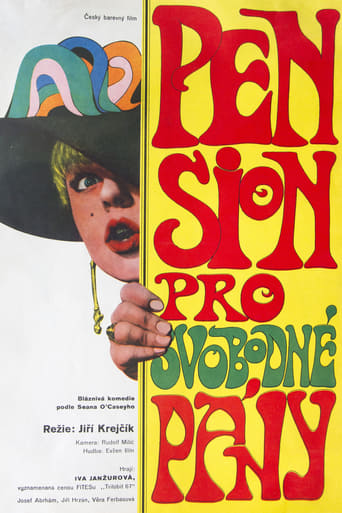
A young man living in a strictly run boarding house secretly brings a girl of loose morals into his room at night, who is nevertheless well-groomed and takes great advantage of her situation. For the heart of the comedy lies in the problem of how to get rid of a difficult girl in the morning.
Pension pro svobodné pány
1965
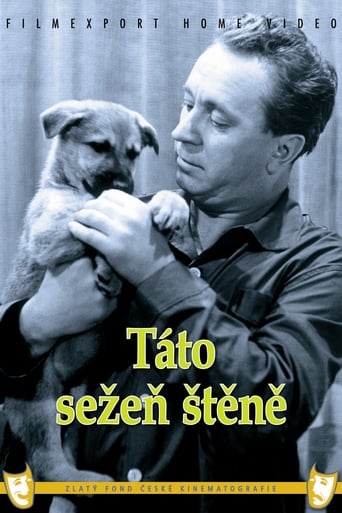 5.6
5.6The holiday story revolves around the children of editor Hlavsa and their desire to get a dog. Dad bravely faces his children's wish and all he cares about is the dreamed summer peace. However, the editor's unexpectedly requested regular feature stories from the children's lives change everything. The uproar in the pages of the newspaper and the children's determination not to give up on their dream leads to the hope that something four-legged might eventually turn up at the Hlavs' after all.
Táto sežeň štěně
1964
1950s · 8 titles
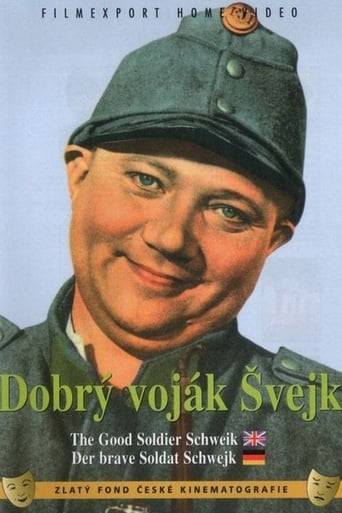 7.5
7.5Good-natured and garrulous, Schweik becomes the Austrian army's most loyal Czech soldier when he is called up on the outbreak of World War I -- although his bumbling attempts to get to the front serve only to prevent him from reaching it. Playing cards and getting drunk, he uses all his cunning and genial subterfuge to deal with the police, clergy, and officers who chivy him toward battle.
The Good Soldier Švejk
1957
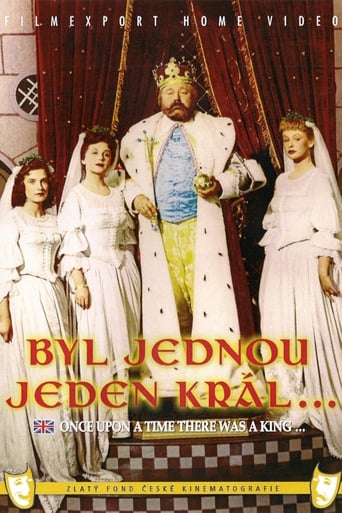 8.0
8.0A selfish self-centered widowed ruler, barely tolerated by his subjects and called appropriately enough, 'King Myself, First' asks his three daughters to name the measure of their love for him. When one of them says, "more than salt", he banishes her from the kingdom. Not understanding what she meant the King assumes love can only be measured by precious metals or one's own talent, the 'correct' answers from his other two daughters. The arrogance of the King leads him to gather all the salt in the kingdom and destroy it. Of course, this backfires as he slowly learns the universal value of the substance, and of course, the essence of his daughter's reply. With the help of the wise and magical old 'herb woman', the King also learns what it means to be a true and wise ruler.
Once Upon a Time, There Was a King...
1955
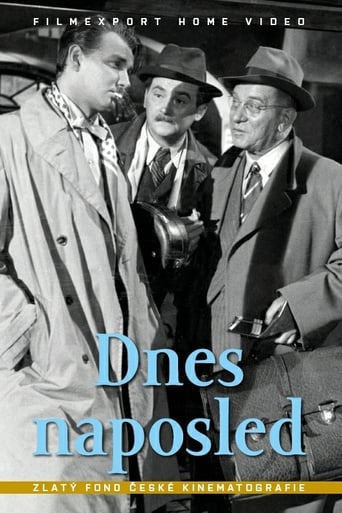 8.2
8.2Concert master Karel Mašek is a drunk, as well as engineer Danda and other regular guests of the pub U Kroců. Mašek returns from the pub in the morning and promises the woman that he will stop drinking. But he failed again, and the orchestra players refuse to play with him. Danda returns home without a bag and goes to Krocs again in the morning, even though he has an important job at work. He has been degraded to subordinate job position, but he refused to admit it at home.
Today for the Last Time
1958
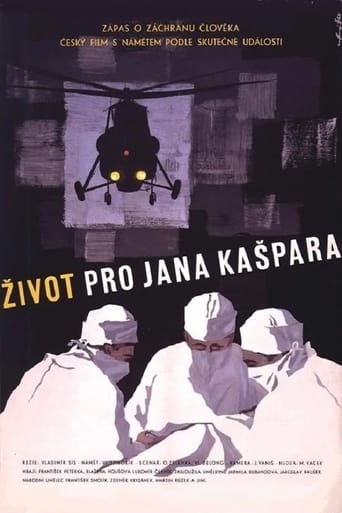 4.0
4.0The bridegroom Jan Kaspar is an officer in the Klement Gottwald's Nová Hut rolling-mill. After bidding farewell to his freedom, he accidentally takes a sip from the bottle of tetrachlore which he stores at home. He disregards the dizziness, but the next day, he faints in the factory and has a brain concussion. During her regular tests, doctor Dudková is shocked by a high percentage of residual nitrogen found in Kaspar's blood. Doctor Bohácek, with whom Dudková consults, thinks that it is a liver disease and informs the head physician Filip. The doctors know nothing about tetrachlore and are in the dark about the case. Despite that, they immediately start to fight for Kaspar's life and their struggle consequently affects their personal lives.
Life for Jan Kaspar
1959
On his first day in a new place, waiter Josef Kučera stands up for his old servant Bartoš and bellhop Svát. His actions earn him the distrust of the café owner Stýbl, the admiration of the maid Jindřiška, and the hatred of her suitor, the waiter Vacek. One evening, Kučera overhears a strange conversation between two guests and confides in the editor of Rudý právo Rokos. When a scandal breaks out about the bank robbery of the minister's son-in-law Zakhar, Rokos deduces from the conversation that it was a fake robbery...
Kavárna na hlavní třídě
1954
 6.2
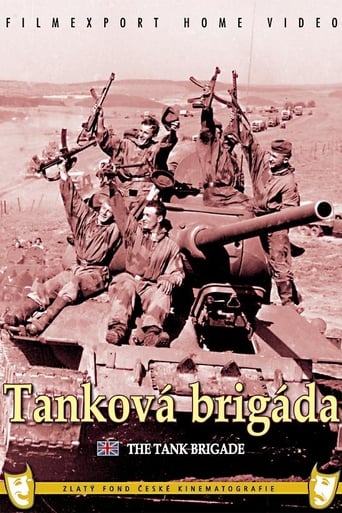
6.2The fate of a tank crew on the most difficult part of the First Czechoslovak Independent Brigade's combat path during World War II. We also follow the fate of its commander, Sergeant Juraj Klimka. During the bloody battles for the Dukel Pass, he falls in love and it turns out that behind the mask of a sovereign, he is actually a shy and sensitive person.
Tank Brigade
1955
 7.5
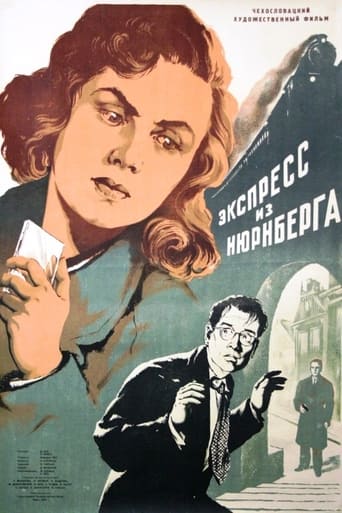
7.5An adventure film about the struggle of the Czechoslovak security authorities against Western agents. In an express train departing from Nuremberg station, a cigarette box with plans and instructions for the destruction of one of the Czechoslovak dams is stuck under the seat. The State Security is informed about the whole operation and tries to catch the foreign agents.
Expres z Norimberka
1954
 6.0
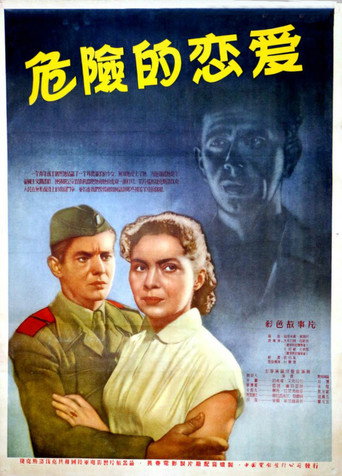
6.0The adventurous story of a young soldier, lance corporal Milan Pazdera, who falls in love with a beautiful young girl at a party who claims to be in the countryside on medical leave. However, it turns out that she is a dangerous spy who is trying to obtain the call lists with the help of Milan, a scribe at the military camp headquarters.
Everything Ends Tonight
1955
Series credits
7.0No synopsis available yet.
Bakaláři
1972
8.2Arabela was a children's television series produced in Czechoslovakia which aired from 1979 to 1981. The series has 13 episodes and is in the Czech language.
Arabela
1980
7.5Sanitka was a Czech television, drama series, first broadcast in 1984 and eleven episodes were made. It starred Jaromír Hanzlík, Tomáš Juricka and Zlata Adamovská among others.
Sanitka
1984
7.8Sňatky z rozumu was a Czechoslovak television programme which was first broadcast in 1968. The programme was directed by František Filip.
Sňatky z rozumu
1968
10.0No synopsis available yet.
Stříbrná pila
1978
No synopsis available yet.
Tři chlapi v chalupě
1961
 7.0
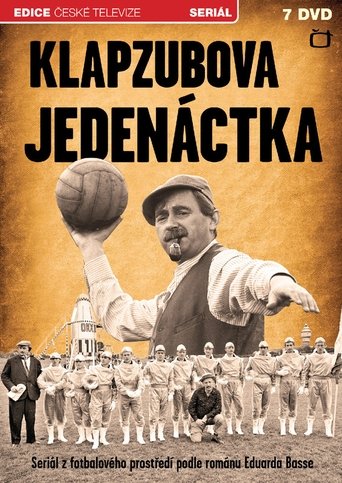
7.0No synopsis available yet.
Klapzubova jedenáctka
1968
 NR
NRNo synopsis available yet.
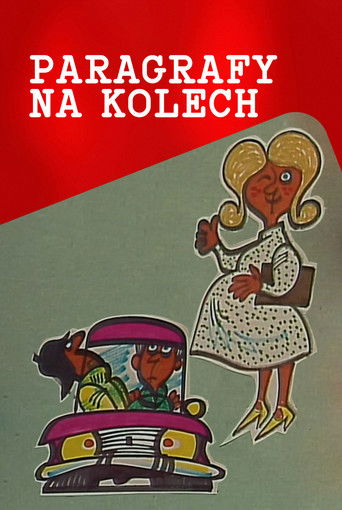
Paragrafy na kolech
1985
 NR
NRNo synopsis available yet.
Eliška a její rod
1966
No synopsis available yet.
Zastretý farebný svet
1980