
Acting
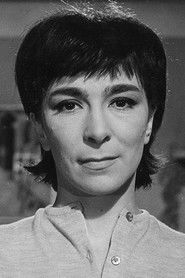
Hana Hegerová
Born — Died
1931-10-20 — 2021-03-23
Place of birth
Bratislava, Czechoslovakia [now Slovakia]
Known for
Acting
Credits
32 titles
Known for
No synopsis available yet.
Die Drehscheibe
1964
No synopsis available yet.
Einer wird gewinnen
1964
 7.3
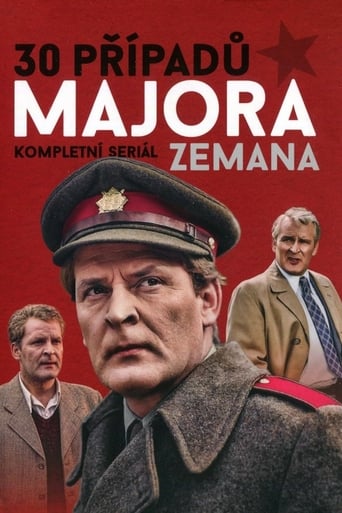
7.3Thirty Cases of Major Zeman is a Czechoslovak action-drama television show intended as a political propaganda to support the official attitude of the communist party. The series were filmed in the 1970s. Each episode encompasses one year, and investigations are stylized to that year. Most are inspired by real cases. The series follows the life of police investigator Jan Zeman during his career from 1945 to 1975.
Thirty Cases of Major Zema
1976
 NR
NRNo synopsis available yet.
Ententýky
2012
 6.4
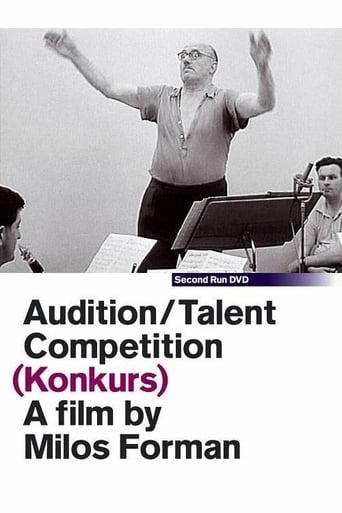
6.4Two closely related episodes. Youths make problems for two local orchestras about to compete nationally, and in a talent competition a young girl gets stage fright, while another lies to her boss to compete.
Audition
1964
 8.0
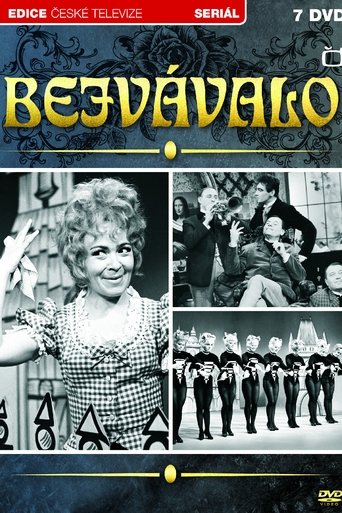
8.0No synopsis available yet.
Bejvávalo
1966
Film credits
2000s · 4 titles
No synopsis available yet.
Ecce Homo Bedřich Smetana
2004
 8.0
8.0No synopsis available yet.
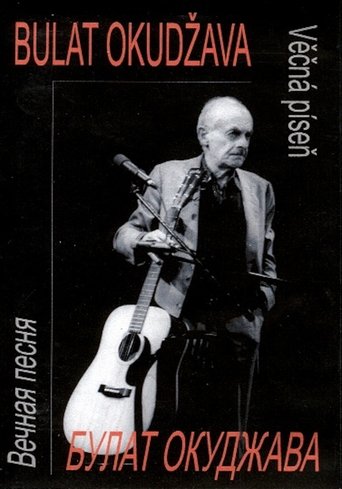
Bulat Okudžava - Věčná píseň
2004
 5.5
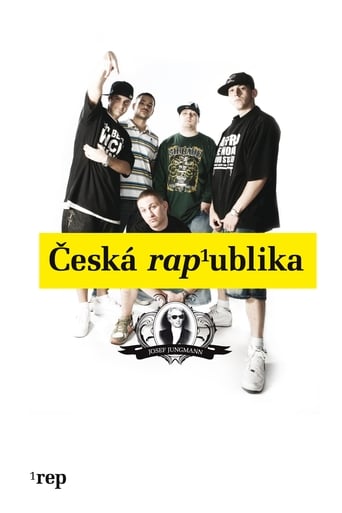
5.5First documentary about the Czech hip hop scene shows how close the Czech rap can come to humour and irony. Three protagonists of the film, James Cole, Hugo Toxxx and Orion appear in situations where they are confronted with a professor of linguistics, children of a Romany quarter, a strict birth registry clerk, classical music trio, a statute of national revival hero Josef Jungmann, and the chanson singer Hana Hegerova, with whom they have a chance to sing the national anthem: "mimino mi mele nohu máma mele maso a máma mele sele kde domov můj?"
Czech RAPublic
2008
In this 1999 documentary, which took three years to shoot, director Jan Mudra reveals Hapka's obsession with creativity, his incredible energy, and his abundance of ideas. He recalls his family background, his studies at the acting conservatory, and his first roles in Czech films. Petr Hapka began his career as a composer in the 1960s. Even then, he began writing for Hana Hegerová, with whom, as he says, he entered into a musical marriage that continues to this day. In the film, his three main lyricists—Petr Rada, Zdeněk Rytíř, and Michal Horáček—recall their work with Hapka. Many viewers may be surprised to learn that Petr Hapka also composed the music for three famous plays by the Divadlo Za branou theater: Provaz o jednom konci (A Rope with One End), Zelený papoušek (The Green Parrot), and Hodina lásky (The Hour of Love), as recalled in the film by director Otomar Krejča. He also composed the music for several films.
Petr Hapka
2002
1990s · 3 titles
 5.8
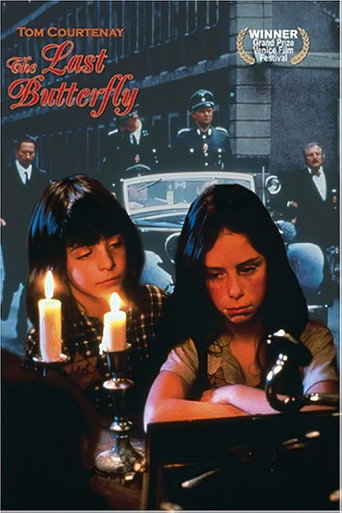
5.8Stage mime Antoine Moreau is compelled by the Gestapo to put on a performance for the children of Terezin, a "model" concentration camp, to convince the Red Cross observers that the camp is truly what it seems. Reluctant at first, Moreau slowly learns the true nature of the camp, including the meaning of the "transports" on which people leave. With a world-class orchestra (made up of people interned in the camp) and a cast of children, Moreau stages a show to end all shows.
The Last Butterfly
1991
No synopsis available yet.
Omyly tradičnej morálky
1990
A television recital by a singer who can breathe life into poetic lyrics like few other performers. It features a selection of her most famous songs and her memories.
Nešťastná šťastná Hana Hegerová
1990
1960s · 13 titles
6.4Two closely related episodes. Youths make problems for two local orchestras about to compete nationally, and in a talent competition a young girl gets stage fright, while another lies to her boss to compete.
Audition
1964
A television adaptation of the successful 1961 Semafor Theatre performance of the same name. The Zuzana who listens to songs from a tape recorder and meditates on them is Zuzana Stivínová. The songs by Jiří Suchý and Jiří Šlitr, which were performed by the theatre stars of the time, became hits and are still sung today. Who doesn't know "Aria of the Moon", "Little Kitten", "Na konče seděla kočka", "Ach, ta láska nebeská", "Zuzana" and many others.
Zuzana je zase sama doma
1961
 7.5
7.5A military base. An awkward soldier. A statue of Bach. And suddenly all guns in the area change into music instruments. Great mystery is immediately found by TV station. And soon the military base becomes a stage for huge TV show.
If a Thousand Clarinets
1965
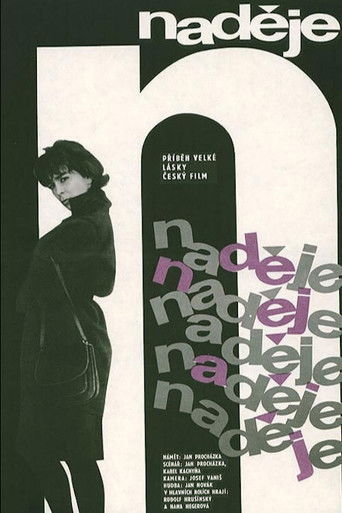 6.7
6.7A group of outcasts, including a vagabond and a prostitute, gather at the outskirts of the industrial area of a large Czech city, one of the things that helps some of them survive is alcohol.
The Hope
1964
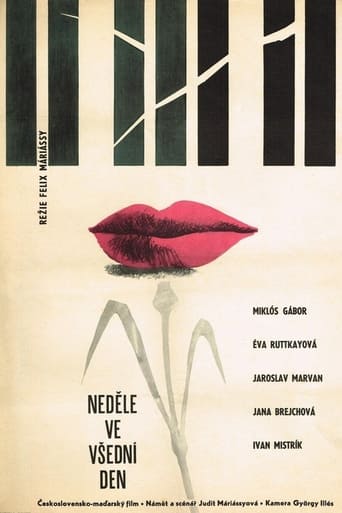 7.0
7.0Jirka is a composer, his wife, Jana, a pianist. Jana would like to have an own concert, but so far she has only been selected to accompany Valenta during his concerts in Budapest. After some resentments, she accepts the proposal.
Every Day - Sunday
1962
No synopsis available yet.
Zhasněte lampióny
1962
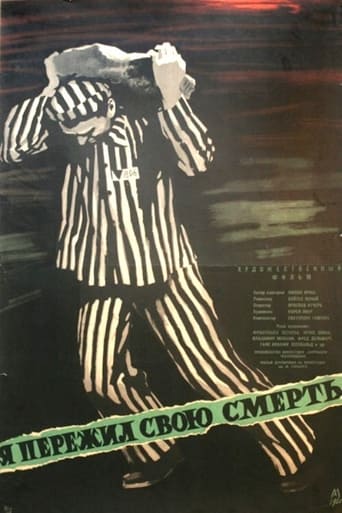 7.0
7.0Telling the prisoners of a death camp. Boxer Tony Majer, who got into a concentration camp for a fight with the Gestapo, remembers the murderous work in quarries, on the cruel torture of the Nazis and prison solidarity that helped him survive.
I Survived Certain Death
1960
Dobře placená procházka (English title: Worth While or A Well Paid Walk) is a Czech musical and film. The young couple Uli and Vanilla want to split up, but lust and money get in their way.
A Well Paid Walk
1966
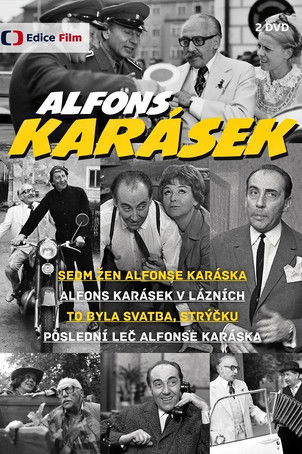 4.2
4.2Alfons Karásek says goodbye to his wife Růžena at the train station, who is going to the spa. He plans an erotically filled week, full of women and flings. One lover for each day. But right from the start, the intricately constructed itinerary goes awry. In the end, he finds himself in his apartment full of beautiful women, including, unfortunately, his returning wife...
Sedm žen Alfonse Karáska aneb Když holky berou, já nevím kterou
1967
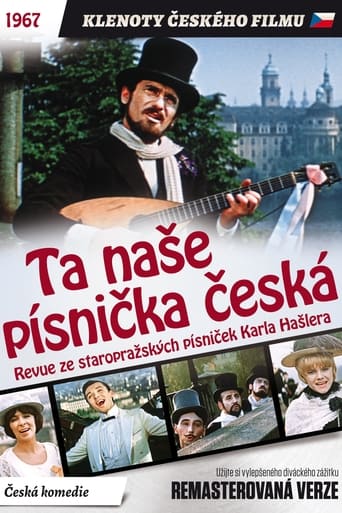 7.7
7.7The Haszler songs of Prague, so popular in the late nineteenth and early twentieth centuries, have not aged. They are still sung in pubs and on construction sites, in short, everywhere. They also have their place in the love stories from old Prague, so beautifully told by Miss Veronika. Their heroine is Miss Stázi, who at first had no luck in love with the student Tadeáš. But then she fell in love with three gentlemen at once. The shy Mr. Alois, the cheerful Mr. France and Mr. Johannes, who seduced her behind the Horse Gate. But in the end she preferred the old but rich landlord. Three abandoned gentlemen nearly took their own lives under the Stone Bridge. But grief overcame them and the gentlemen settled down to marriages richly blessed with adorable children. And Miss Stasi? She ran away from the old man and returned to Mr. Franco when he came home from the army.
Ta naše písnička česká
1967
No synopsis available yet.
Revue na scestí
1966
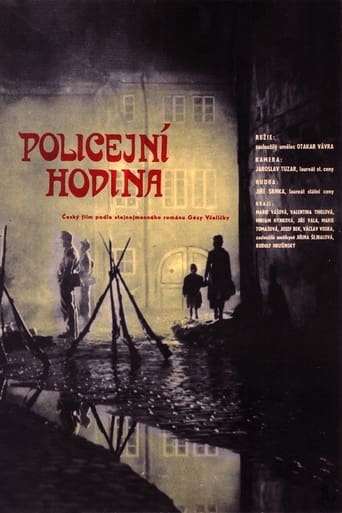 7.0
7.0The story of a poor, disintegrating family of a mother Fišerová and her three children. It is set in the 1890s - a time when the poor working classes did not yet have the right to vote or a permanent eight-hour working day.
Policejní hodina
1961
The music and dance revue about the clown and the girl from the poster takes place in the streets of Prague, in the quiet corners of the Old Town, Lesser Town and Hradčany with the famous motifs of the Gothic gargoyles of St. Vitus Cathedral at Prague Castle, but also on the keyboard of a mechanical typewriter and in the dramaturgical meetings of the then Czechoslovak Television.
Ztracená revue
1961
1950s · 3 titles
No synopsis available yet.
Previerka lásky
1956
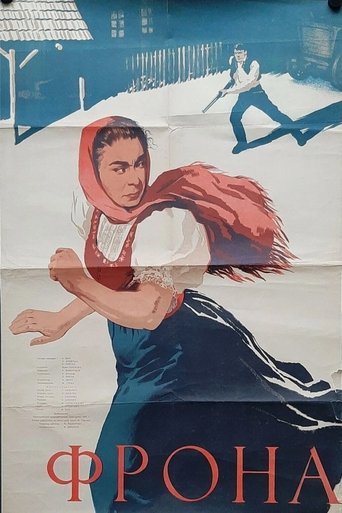 7.5
7.5Frona Filípková, out of a desire for a better life, married Floriš Zobač on the land. However, the ownership of the land has affected both her husband and her father-in-law, who, out of hatred, intrigue against the emerging agricultural cooperative and against each other, so Frona looks for a way to free herself.
Frona
1954
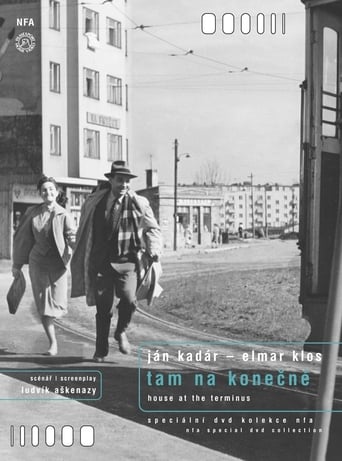 6.6
6.6Several bittersweet stories set in a Prague apartment building.
At the Terminus
1957
Series credits
No synopsis available yet.
Die Drehscheibe
1964
No synopsis available yet.
Einer wird gewinnen
1964
7.3Thirty Cases of Major Zeman is a Czechoslovak action-drama television show intended as a political propaganda to support the official attitude of the communist party. The series were filmed in the 1970s. Each episode encompasses one year, and investigations are stylized to that year. Most are inspired by real cases. The series follows the life of police investigator Jan Zeman during his career from 1945 to 1975.
Thirty Cases of Major Zema
1976
NRNo synopsis available yet.
Ententýky
2012
8.0No synopsis available yet.
Bejvávalo
1966
No synopsis available yet.
Písně českých básníků
2021