
Acting
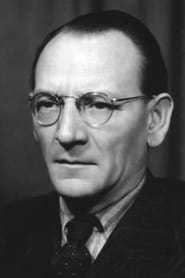
Bohuš Hradil
Born — Died
1905-06-27 — 1984-02-28
Place of birth
Vérovany u Tovacova, Austria-Hungary [now Czech Republic]
Known for
Acting
Credits
60 titles
Known for
 7.0
7.0The Emperor's mismanagement of his country is provoking some in his court to plot to overthrow him. He feels successful, at least, when he discovers the legendary Golem, which he believes can protect him and even cure his imaginary illnesses but, when he disappears while on a bender, his kindly baker, who looks just like him, is mistaken for him, and begins to put things in order. However, the conspirators, not to be outdone, determine to bring the Golem back to life to do their bidding.
The Emperor and the Golem
1951
 8.2
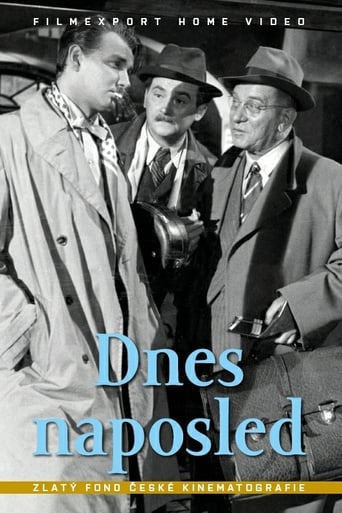
8.2Concert master Karel Mašek is a drunk, as well as engineer Danda and other regular guests of the pub U Kroců. Mašek returns from the pub in the morning and promises the woman that he will stop drinking. But he failed again, and the orchestra players refuse to play with him. Danda returns home without a bag and goes to Krocs again in the morning, even though he has an important job at work. He has been degraded to subordinate job position, but he refused to admit it at home.
Today for the Last Time
1958
 6.5
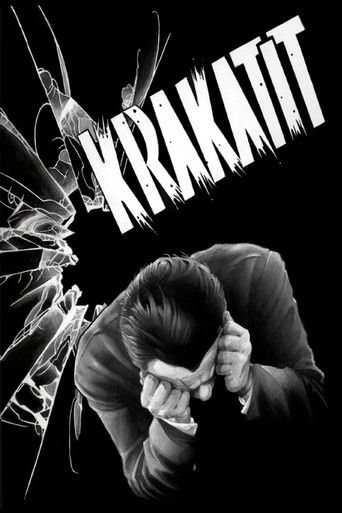
6.5In Czechoslovakia, in the early 20th century, a seriously ill chemist recalls how he discovered a powerful explosive and how it ended up in the hands of anarchists.
Krakatit
1948
 5.0
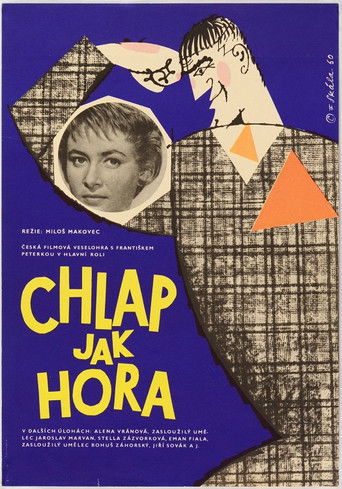
5.0We learn that the greatest virtue of socialist competition is collective cooperation. This is what the young, physically fit assembler refuses to understand. He suspects his co-workers of overlooking his merits out of jealousy. And it takes him a long time to understand that the individual alone can do nothing, that only the collective has the necessary strength - and therefore the truth.
Chlap jako hora
1960
No synopsis available yet.
Naši furianti
1955
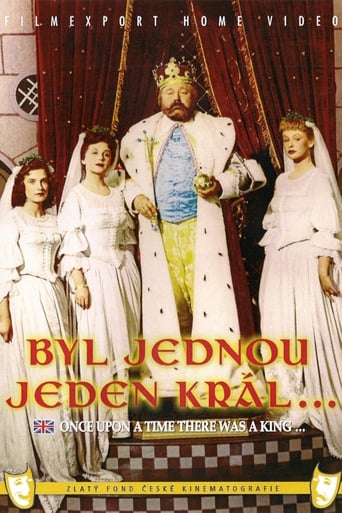 8.0
8.0A selfish self-centered widowed ruler, barely tolerated by his subjects and called appropriately enough, 'King Myself, First' asks his three daughters to name the measure of their love for him. When one of them says, "more than salt", he banishes her from the kingdom. Not understanding what she meant the King assumes love can only be measured by precious metals or one's own talent, the 'correct' answers from his other two daughters. The arrogance of the King leads him to gather all the salt in the kingdom and destroy it. Of course, this backfires as he slowly learns the universal value of the substance, and of course, the essence of his daughter's reply. With the help of the wise and magical old 'herb woman', the King also learns what it means to be a true and wise ruler.
Once Upon a Time, There Was a King...
1955
Film credits
1960s · 12 titles
5.0We learn that the greatest virtue of socialist competition is collective cooperation. This is what the young, physically fit assembler refuses to understand. He suspects his co-workers of overlooking his merits out of jealousy. And it takes him a long time to understand that the individual alone can do nothing, that only the collective has the necessary strength - and therefore the truth.
Chlap jako hora
1960
 5.3
5.3A car deliberately runs down a young man on a road by a small border town. The locals recognize the dead man as one of the students who were there on volunteer work some time before. The police detectives, Major Kalas (Rudolf Hrusínský) and Lieutenant Varga (Radoslav Brzobohatý) can then get on the trail of the people with whom the victim was involved, especially at the photographic studio headed by Bohuslav Pacer (Bohus Záhorský).
Fear
1964
 8.2
8.2During the Nazi occupation of a Czech city civilians are being rounded up on the slightest of pretexts and shot. One day three high school boys who crack jokes about a recently deceased "hero of the Reich" are pulled out of school by the Gestapo.
Higher Principle
1960
 7.5
7.5Criminals have their hands full: first a shoplifting, soon the murder of a young driver. Do these crimes have anything in common? But the attempt to create a suspenseful story is broken by its unimaginative nature.
Bílá spona
1961
No synopsis available yet.
Jejich den
1962
Three stories (Gabriela, Eda and Jana), two of which are dedicated to girls. They share a common motif of disillusionment when the protagonists encounter scorn and disinterest.
Strakatí andělé
1965
 6.3
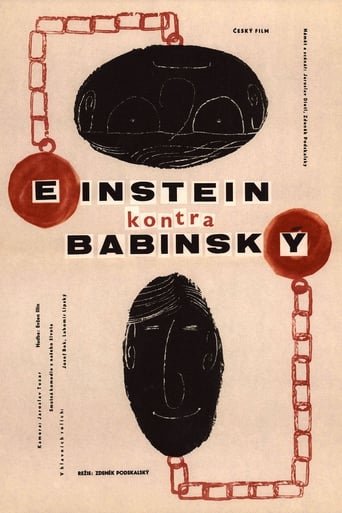
6.3A satire about small and large crooks who thrive in a planned economy. They made great use of all its strengths and weaknesses.
Einstein kontra Babinský
1964
No synopsis available yet.
Zdravý nemocný
1961
 8.0
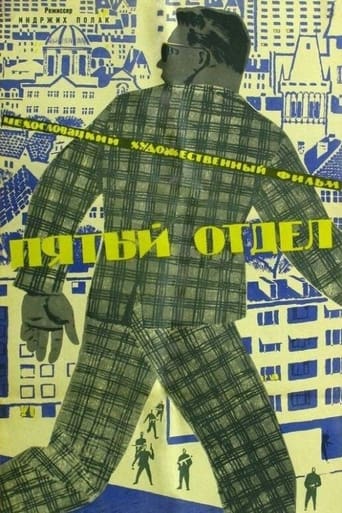
8.0An American spy agency located in West Germany is interested in information concerning Czechoslovak commercial activities in the Middle East. Agent Rudolf Karlik creates a network of associates in Prague...
Páté oddělení
1961
A "fairly ordinary and mundane" working day in various operations of large steel mills...
Lidé jako ty
1960
 6.5
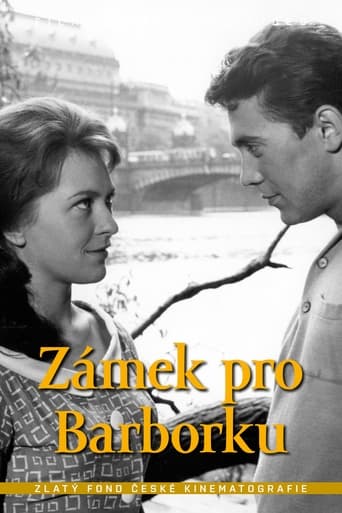
6.5Twelve graduates of one year of DAMU decide to go to the regional theatre together. During the first season, the enthusiastic collective breaks up and only five remain, determined to continue.
Zámek pro Barborku
1963
The years 1851-1856: events from the life of the writer Božena Němcová, who, because of her free-thinking views and strong patriotic feelings, comes into conflict with the society, the church and the Austrian authorities... A cold, too readable version of the writer's biography. The playwright František Pavlíček dealt with the theme of "Němcová" also later - in the times of his dissidence.
Horoucí srdce
1963
1950s · 36 titles
7.0The Emperor's mismanagement of his country is provoking some in his court to plot to overthrow him. He feels successful, at least, when he discovers the legendary Golem, which he believes can protect him and even cure his imaginary illnesses but, when he disappears while on a bender, his kindly baker, who looks just like him, is mistaken for him, and begins to put things in order. However, the conspirators, not to be outdone, determine to bring the Golem back to life to do their bidding.
The Emperor and the Golem
1951
8.2Concert master Karel Mašek is a drunk, as well as engineer Danda and other regular guests of the pub U Kroců. Mašek returns from the pub in the morning and promises the woman that he will stop drinking. But he failed again, and the orchestra players refuse to play with him. Danda returns home without a bag and goes to Krocs again in the morning, even though he has an important job at work. He has been degraded to subordinate job position, but he refused to admit it at home.
Today for the Last Time
1958
No synopsis available yet.
Naši furianti
1955
8.0A selfish self-centered widowed ruler, barely tolerated by his subjects and called appropriately enough, 'King Myself, First' asks his three daughters to name the measure of their love for him. When one of them says, "more than salt", he banishes her from the kingdom. Not understanding what she meant the King assumes love can only be measured by precious metals or one's own talent, the 'correct' answers from his other two daughters. The arrogance of the King leads him to gather all the salt in the kingdom and destroy it. Of course, this backfires as he slowly learns the universal value of the substance, and of course, the essence of his daughter's reply. With the help of the wise and magical old 'herb woman', the King also learns what it means to be a true and wise ruler.
Once Upon a Time, There Was a King...
1955
 6.7
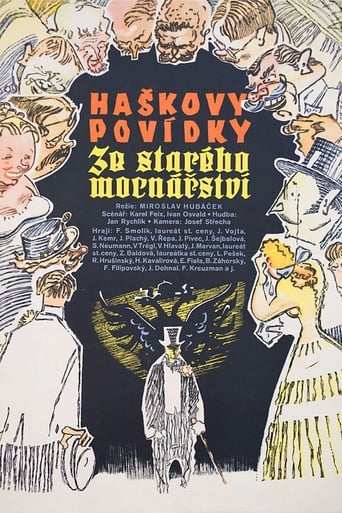
6.7Four short stories by the greatest Czech satirist Jaroslav Hašek. "Soup for Poor Children" tells the story of how Prince Robert himself cooked soup for poor children, "Meeting of the Municipal Council in Mejdlovary" is the history of filling the position of municipal policeman, "Trampotes of Mr. Tenkrát" shows how strange events lead to marriage and promotion, "Revolt of the Convict Šejba" depicts the victorious fight of the convict Šejba for a dumpling for ministering at mass.
Hasek’s Tales from the Old Monarchy
1952
 7.5
7.5Young bricklayers Franta Doubrav and his friend Béla meet two girls, Mařka and Vlasta, on their way back from a friend's wedding, but they only manage to call them by their name and the construction site they are currently working on. Imagine their surprise when they discover that Mařka is a trained bricklayer who has joined Franta's father's work crew, where she proposes a new way of working that will help catch up on the construction delays. As a young girl, however, she must first deal with the distrust of the older and more experienced bricklayers.
Štika v rybníce
1952
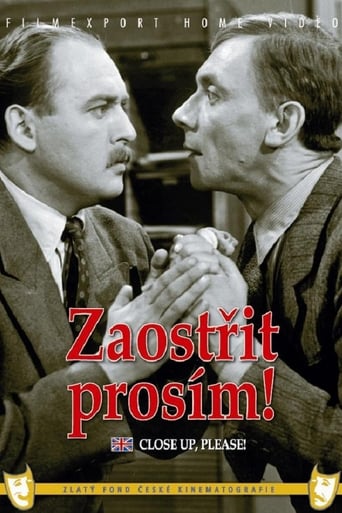 7.3
7.3A Czech satirical comedy, filmed according to a script by the State Prize laureate Jiří Marek based on several of his satirical short stories. The film contains three stories, the first of which mocks careerism, the second takes aim at the inadequate attitude of some of our literary critics, and the final story is a satirical picture of how irresponsible construction work is still done in some parts of our country.
Zaostřit prosím!
1956
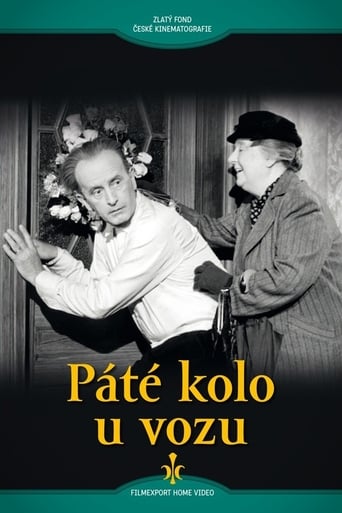 7.5
7.5Although the emancipated editor of a women's magazine proclaims that grandparents in particular should not be abused by their adult children, she accepts without scruple the fact that her mother, still a sprightly pensioner, works in her household as a jack-of-all-trades without receiving not only any pay but also no recognition. However, the grandmother learns from an article written by her daughter - and rebels.
Páté kolo u vozu
1958
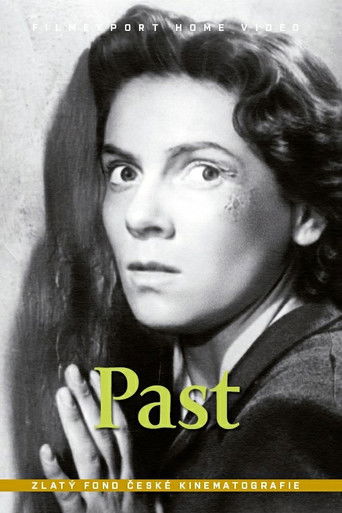 7.5
7.5The drama from the time of the Nazi occupation begins at the train station, where a transport with German soldiers is passing. The train is stopped due to improvised sabotage by one of the railway workers. Resistance liaison Růžena Kubínová is arrested in a random raid. The cynical councilor Dönnert discovers her false documents and has her brutally interrogated. He suspects that she could contribute to exposing the entire group. He puts a informant, Herta, in her cell.
The Trap
1950
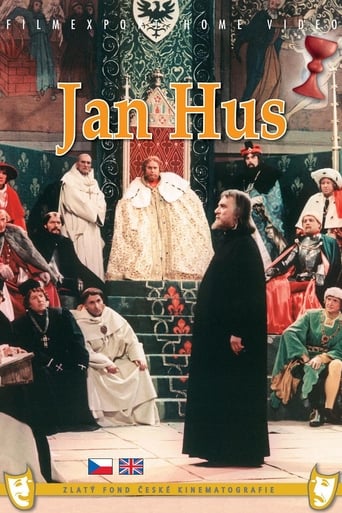 6.3
6.3The first part of the "Hussite Revolutionary Trilogy", completed with Jan Žižka (1955) and Proti všem (Against All Odds, 1957). The film captures the period from May 1412 to the summer of 1415, a turbulent time in the Czech Kingdom, during which there were protests in Prague against the sale of "omnipotent indulgences" whose sale throughout the kingdom was announced by Pope John XXIII. The ideological leader of this movement is the preacher Master Jan Hus, whose words, calling for the elimination of church abuses, are listened to in the Bethlehem Chapel by thousands of ordinary Praguers, Czech lords and Queen Sophie, wife of the Czech King Wenceslas IV.
Jan Hus
1955
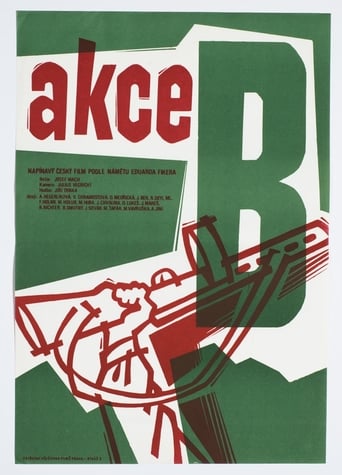 6.3
6.3Film shows the struggle of the Czechoslovak armed forces against groups of Ukrainian Insurgent Army (UPA) under command Burlak, who tried to pass through the territory of Slovakia.
Action B
1952
A hardworking employee at a printing plant takes on all sorts of roles until he nearly collapses under their weight. He learns that those who try to do everything end up doing nothing.
Nechte to na mně
1955
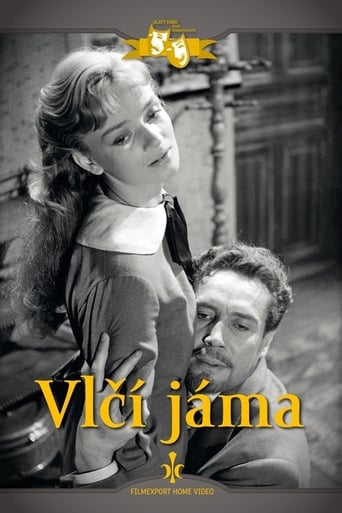 5.6
5.6An orphaned young woman named Jana moves into the household of Robert and his older, possessive wife, Klára. While Klára maintains a strict and manipulative control over the home, a mutual attraction develops between Robert and Jana. The three characters continue to live together as their domestic tensions increase.
Wolf Trap
1958
No synopsis available yet.
Nad námi svítá
1953
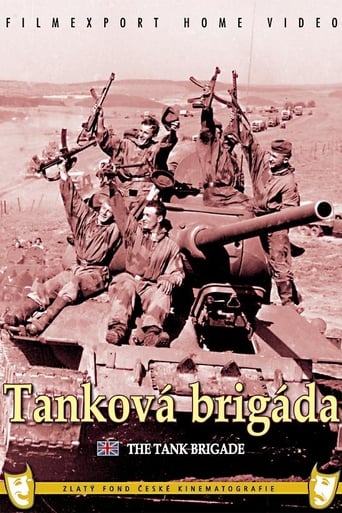 6.2
6.2The fate of a tank crew on the most difficult part of the First Czechoslovak Independent Brigade's combat path during World War II. We also follow the fate of its commander, Sergeant Juraj Klimka. During the bloody battles for the Dukel Pass, he falls in love and it turns out that behind the mask of a sovereign, he is actually a shy and sensitive person.
Tank Brigade
1955
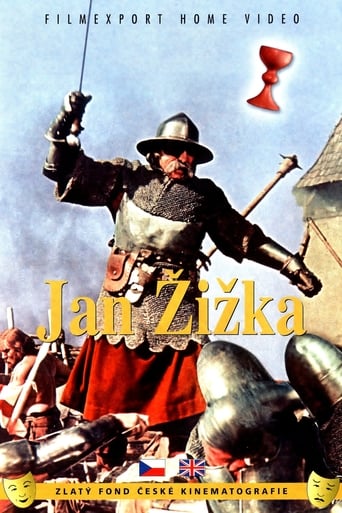 7.3
7.3The second part of the revolutionary Hussite trilogy takes place in the years 1419-1420.
Jan Žižka
1956
7.3The second part of the revolutionary Hussite trilogy takes place in the years 1419-1420.
Jan Žižka
1956
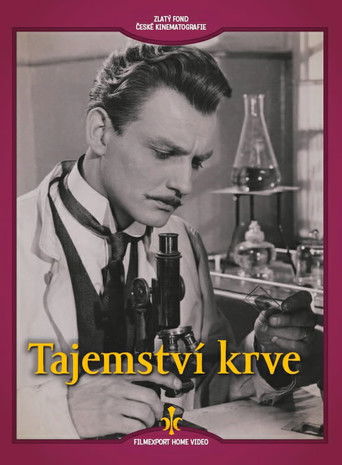 6.5
6.5A biographical film about a Czech doctor, Dr. Jánský. The athletically inclined medic Jánský successfully completes his studies. He wants to become a surgeon, but finds himself in Professor Kuffner's psychiatric clinic, where, together with his colleague Kozdera, he tries to uncover the connection between blood clotting and mental illness. They make the surprising discovery that human blood can be divided into four groups and thus prevent it from clotting during transfusions. However, Jánský's discovery is met with misunderstanding by the Czech medical community...
The Secret of Blood
1953
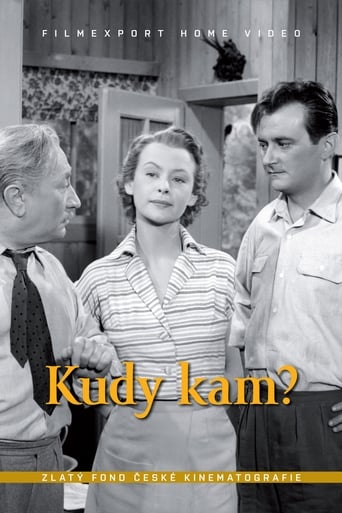 5.7
5.7Spouses Vojta and Růžena Koskub are an ideal couple: they both love each other and are both doing well at work. But six months after their wedding, they appear before the divorce court. The reason? Růžena refuses to do all the housework herself. In addition to their main jobs, she and Vojta have other work responsibilities. Růžena draws illustrations for a tree atlas, Vojta writes a book about after-school child care. Neither of them has time for the household. The sitting judge, Mack, can't get the quarreling pair of teachers out of his head, so the man decides to give the Koskubs a well-meaning lesson in marital cohabitation. The two married couples find themselves together at a summer cottage, where men and women can demonstrate what they think is right. But it won't be easy for anyone...
Kudy kam?
1956
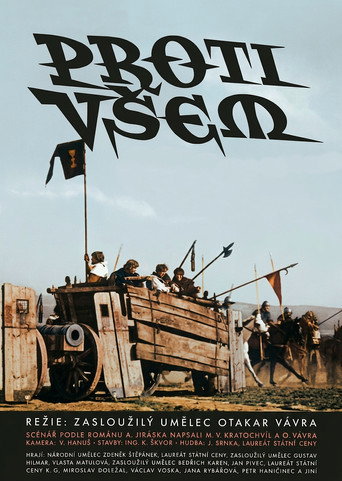 6.1
6.1After the battle of Sudoměř the Hussite teaching spreads through the whole country and people start leaving their homes to help build the fortification of Tábor. Prague citizens request help against the army of Zikmund. The Hussite army with Jan Žižka in the lead make their way towards Prague. They fortify themselves on the mountain Vítkov and engage in a bloody battle with Zikmund’s huge army.
Against All
1957
In the last days of the war, American planes bomb a synthetic gasoline plant in the Sudetenland. The workers are then faced with the enormous task of building a new plant on the site of the ruins and starting production. Their efforts are truly bearing fruit - after immense sacrifices, Stalin's plants are back in full swing, which is something that competitors abroad don't like to see and they try to use the reaction to liquidate the production of synthetic gasoline...
Výstraha
1954
No synopsis available yet.
Korunka ke korunce
1956
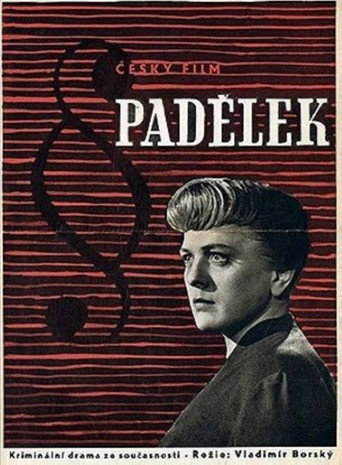 5.0
5.0Olga finds her husband Karel Brand, whom she has just divorced, shot dead after returning from the cinema. It appears to be a clear case of suicide, but Lieutenant Dusek of the Public Security Service suspects that it is a murder, which, it is not impossible, as a number of evidences point against it, could have been committed by Mrs Olga. A letter from the dead man to his wife seems to dispel any doubt that it could have been murder. Lieutenant Dusek, however, investigates further. Much more than he, however, learns about the true circumstances from Mrs. Olga's legal advisor, Dr. Klimesh. He learns that the letter is indeed a forgery and that Brand's death is linked to the raids of an anti-state gang. He hesitates for a long time whether to confide in security, believing that doing so would testify in favor of Dusek's theory that the murder was committed by Olga...
Padělek
1957
On his first day in a new place, waiter Josef Kučera stands up for his old servant Bartoš and bellhop Svát. His actions earn him the distrust of the café owner Stýbl, the admiration of the maid Jindřiška, and the hatred of her suitor, the waiter Vacek. One evening, Kučera overhears a strange conversation between two guests and confides in the editor of Rudý právo Rokos. When a scandal breaks out about the bank robbery of the minister's son-in-law Zakhar, Rokos deduces from the conversation that it was a fake robbery...
Kavárna na hlavní třídě
1954
No synopsis available yet.
Něco se tu změnilo
1955
 3.2
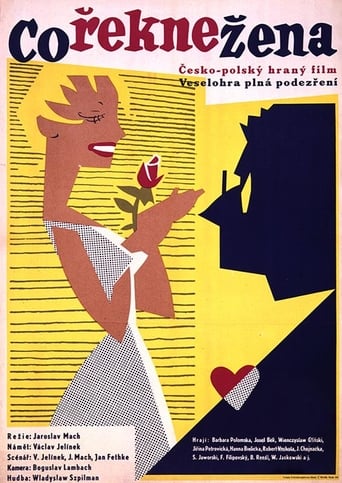
3.2The hero of the story is the writer Vladimír Tůma, who is invited to spend a month studying in a neighbouring country. There, the foreign office assigns him a guide, Irena Stepowska. The two young people are attracted to each other, but there is a catch - Vladimír is married, Irena is married. But as they say, opportunity makes the thief, so it's no wonder that Tůma has his work cut out for him, and Irena, too, sometimes recovers only at the last minute. And she doesn't even know that her husband is coming to visit her...
What Will My Wife Say to This?
1958
 5.0
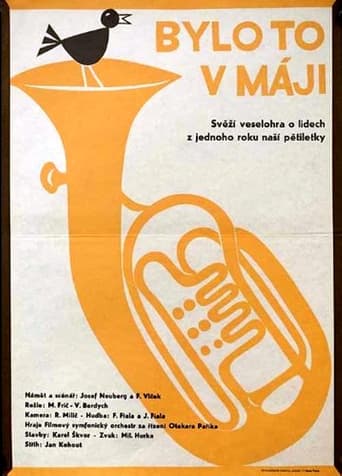
5.0Worker Šebesta does not rejoice with the others in the May Day parade, as his boots are weighing him down. The following working day does not bring him a good mood either. At a plant-wide meeting, he comes into conflict with the young striker Brejcha from the United Engineering Works. He demands an increase in the production of heating elements so that the new hall can be completed before the deadline. The workers react to his passionate speech about the improvement efforts with distrust and, with a bit of mockery, challenge him to prove his words with action in their plant...
It was in May
1951
 6.3
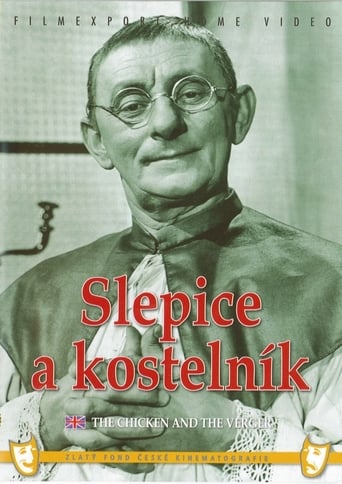
6.3Cooperative members are harvesting crops, trying to get new water piping installed and preparing to plough away the field boundaries in autumn. Local kulak Voznica (Vladimír Repa) doesn't like any of this so he forces sexton Kodýtek (Vlasta Burian) to help him sabotage their efforts.
The Hen and the Sexton
1951
An ideologically-oriented film set in a prestigious medical sanatorium - a young doctor sympathizes with the poor people of the area, helping workers and their sick children.
Případ dr. Kováře
1950
The growing conflict between the unruly owner of the villa and his lodger ends up in court. The cohabitation ends in bodily harm - and the film actually translates two versions of the same events, as seen by each of the parties involved. However, the attempt at morality, which proclaimed the necessity of removing the old survivals in people's thinking, did not quite work, and the testimony presented is at times a bit stiff.
Dům na Ořechovce
1959
 5.1
5.1A group of union members, impressed by the First World Festival of Democratic Youth, held in Prague in 1947, decide to found a dance troupe. However, they are looking for someone who can teach them everything they need...
Zítra se bude tančit všude
1952
A detective drama set just before the unification of our physical education system. Criminal investigators investigate the murder of a football club official, bribery, and manipulation of match results.
V trestném území
1951
 7.0
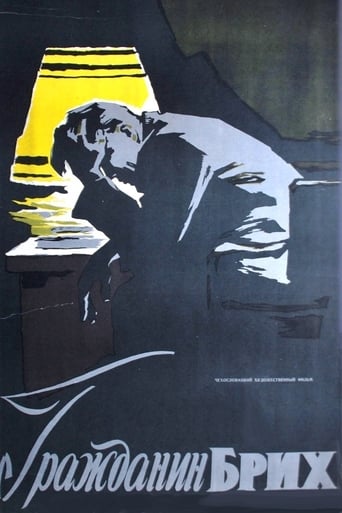
7.0František Brych, a principled lawyer, refuses to back the new Communist regime at his factory and grows increasingly alienated, even as his former love Irena, unhappily married to factory owner Ondřej Ráž, seeks his understanding. When he helps plan an escape over the Šumava border, the group’s panic and violence lead to murder, prompting Brych to abandon the scheme and return home with Irena.
Občan Brych
1959
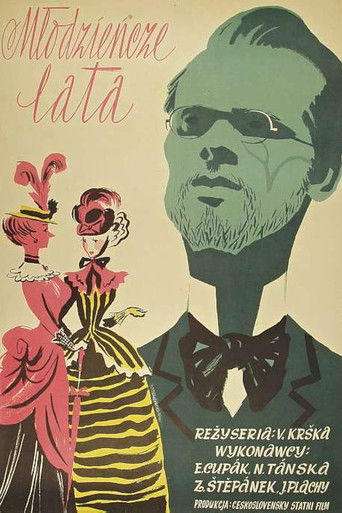 6.5
6.5Early Days follows the early life of famous Czech writer Alois Jirásek. Jirásek had already developed his own view of the history of the Czech nation while he was at grammar school in Broumov. When he becomes the supply teach in Litomyšl, he has already written his first book and a number of poems. The local dignitaries await the arrival of the young writer in excited anticipation. Jirásek, however, is sickened by the empty patriotism from the depths of his soul and soon becomes disagreeable to the notables. The district sheriff tries to remove Jirásek from the school and drive him out of town. Unable to do this, the sheriff appoints a pro-Austrian headmaster who attempts to sabotage Jirásek. The students stand behind Jirásek , however, and discontent is not only felt in Litomyšl but throughout Bohemia.
Early Days
1953
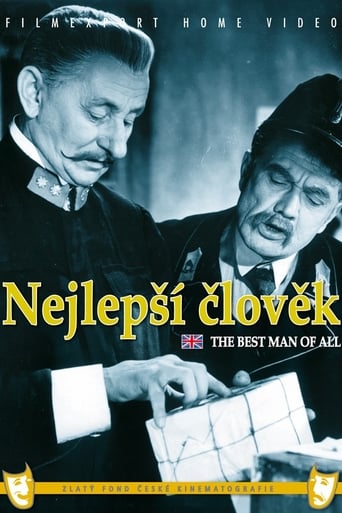 7.5
7.5A Czech satirical comedy set around 1900. The inhabitants of the small town of Pětice are excited by a mysterious package that is to be delivered to the best person in the village. Of course, all members of the town council claim the title of best person. In the end, it turns out that it was a cleverly thought-out prank intended to reveal the true character of the "better people" of the town.
The Best Man of All
1954
The course of an organized strike by workers from North Moravian steelworks in 1931 to resist mass layoffs during the economic crisis.
The Trap
1951
1940s · 11 titles
6.5In Czechoslovakia, in the early 20th century, a seriously ill chemist recalls how he discovered a powerful explosive and how it ended up in the hands of anarchists.
Krakatit
1948
No synopsis available yet.
Veřejný nepřítel
1948
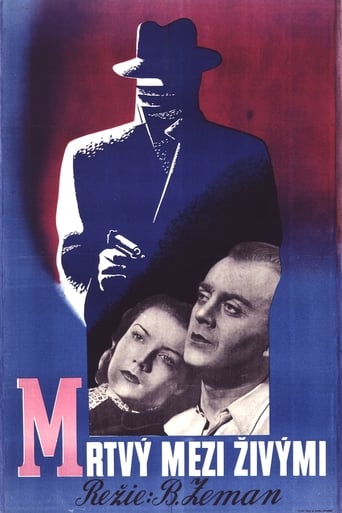 7.0
7.0Human bravery can take many forms, just as ideas about it can. Small-town public opinion begins to despise a postal clerk because he gave cash to robbers who didn't hesitate to shoot. The result is a successful study of a man whose previous certainties begin to crumble due to a fateful event.
A Dead Man among the Living
1947
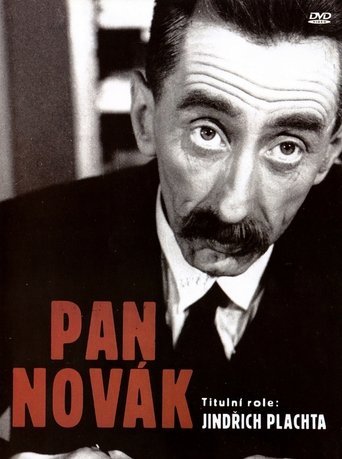 NR
NRMr. Novák, an insurance company clerk, only cares about his job, nothing else interests him. Even the social changes in February 1948 leave him indifferent. He only becomes aware of them when the insurance company is closed down. He has to make a decision: either retire or go to work in a factory. Neither of these options appeals to Mr. Novák...
Pan Novák
1949
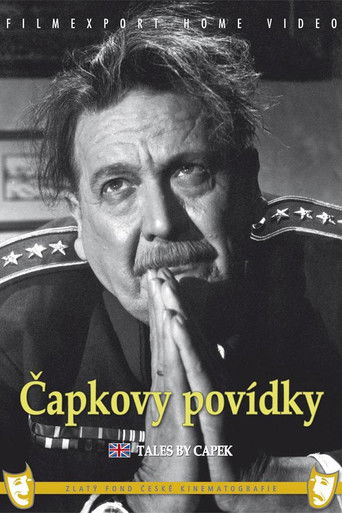 7.7
7.7Five crime stories connected by the narration of police superintendent Bartosek.
Capek's Tales
1947
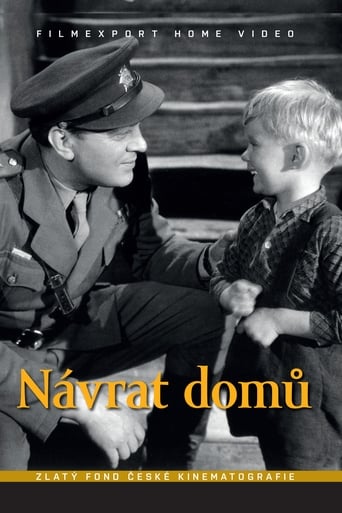 8.0
8.0Czechoslovak drama film about soldiers returning from World War II
Lost in the Suburbs
1949
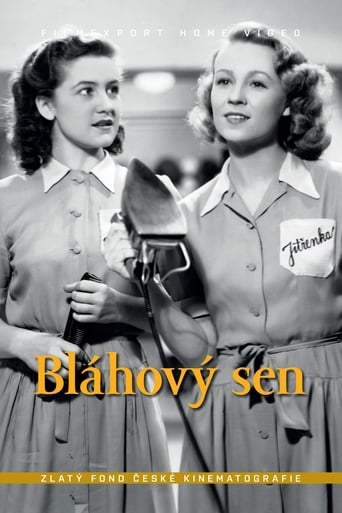 5.5
5.5Hairdresser Žofka Stárková desires fame perhaps more than other girls. The petty plans of her fiancé František do not satisfy her wild imagination. Žofka suddenly gains popularity when, while on her way to get an autograph, she discovers the dead body of the famous tenor Helbich and is arrested on suspicion of murder. Helbich actually committed suicide because he lost his voice. After being released from prison, Žofka receives an offer for the lead role in a forthcoming film. The dubious fame confuses her. She leaves her parents' modest apartment and quits her hairdressing business. Unfortunately, it soon becomes clear that she has no talent for acting, and the desperate director has the film edited in such a way that Žofka practically disappears from it...
Bláhový sen
1943
 7.2
7.2Josef Houbička, the owner of the U pěti veverek apartment building in Malostran, is a kind and forgiving good man who allows himself to be ruthlessly oppressed by his proud wife, Filoména, and secretly fixes her problems with the tenants. He lends rent money to two poor painters and bribes offended maids just to keep the house quiet. He would like to restore the old soap factory in the house, but Filoména promotes more profitable garages. And since neither of them wants to back down, Houbička eventually leaves the house after one of the arguments. He makes friends with the innkeeper Pulec, who runs the not-so-prosperous inn At the Leaky Jug...
The House of the Five Squirrels
1944
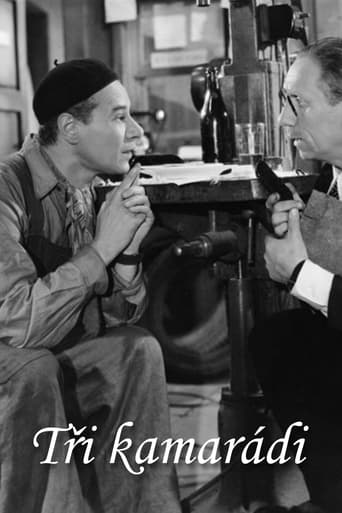 5.5
5.5Young men Štěpán, Ludvík and Karel became friends abroad, where they fought during World War II. Now they have returned home and are thinking about their future. Štěpán is a designer, so he starts a car repair shop. There is also work for Ludvík, while Karel gets a job at the Omega car factory. However, the young entrepreneurs are all in debt and their business is not prospering. Štěpán invents a car carburetor, but he has no way to test it. In his greatest need, he receives news that Štěpán will inherit from his uncle from South America...
Three Pals
1947
 6.0
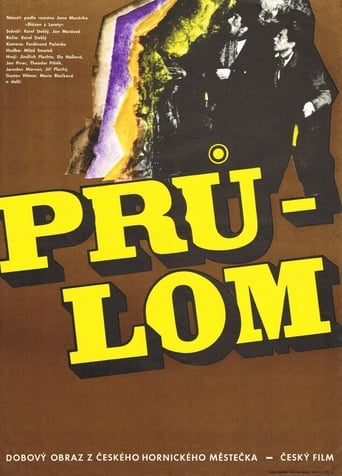
6.0A small Czech town in the 1860s. The townspeople once made a fortune from the proceeds of gold mines that are now flooded. However, they do not want to invest in draining them, as they are convinced that it is not worth it. However, the cessation of mining has plunged the miners' family into poverty. After vain requests for help in the town and the governor's office, the miners decide to take action themselves...
Průlom
1946
The management of the Meteor motorcycle factory is forced by a representative of the central headquarters to accept the expensive design of a racing machine and abandon the unfinished prototype of a folk motorcycle of their own design. However, the factory's workers and technical team decide to complete the prototype of the "Pepíky", as they call their five-hundred-horsepower motorcycles, ahead of schedule.
Pětistovka
1949