
Known for
 7.0
No synopsis available yet.
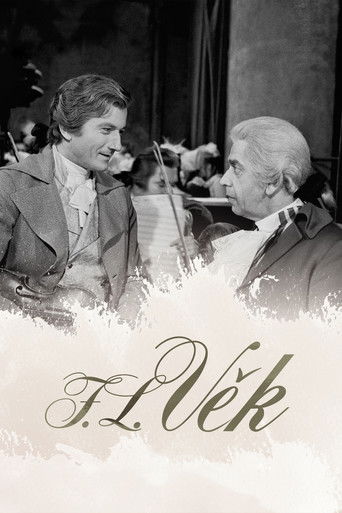
F. L. Věk
1971
No synopsis available yet.
Bližní na tapetě
1970
 7.0
Five young people take off in a lighter-than-air machine at the Prague Centennial Exhibition. In an Art Nouveau style, the film consists of live action generally shot in black and white, as well as hand-drawn, stop-motion, and cutout animation. Various live-action and animated elements are often composited into the same scene.
The Stolen Airship
1967
 7.5
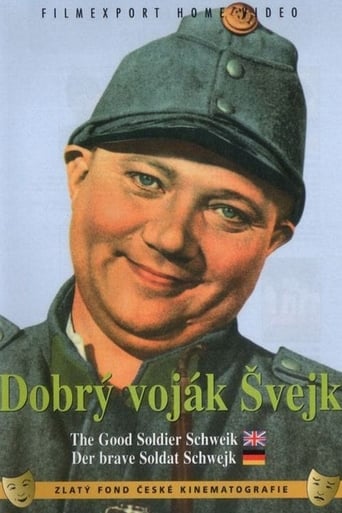
Good-natured and garrulous, Schweik becomes the Austrian army's most loyal Czech soldier when he is called up on the outbreak of World War I -- although his bumbling attempts to get to the front serve only to prevent him from reaching it. Playing cards and getting drunk, he uses all his cunning and genial subterfuge to deal with the police, clergy, and officers who chivy him toward battle.
The Good Soldier Švejk
1957
 7.2
It's very human and nice story about lofty princess (her father is amiable but incapable - unforgettable performance of S. Neumann) and good, nice, kind and well-principled young king (prince) who tries to make tender her calm heart to get married with her. After being refused (she's very capricious), he conclude to make her better. He start to work as a gardener at her castle (in secret) and successively bring she to her senses...The story continues when already reformed princess and the young king (she learn about his real identity later) have to take refuge from troops, that princess father (old king) has sent (of course he took a bad and mean counsellors advice). They have to take shelter by several ordinary and poor families, which are always very friendly and give them a help... Of course the tale has happy end.
The Proud Princess
1952
 7.0
The Emperor's mismanagement of his country is provoking some in his court to plot to overthrow him. He feels successful, at least, when he discovers the legendary Golem, which he believes can protect him and even cure his imaginary illnesses but, when he disappears while on a bender, his kindly baker, who looks just like him, is mistaken for him, and begins to put things in order. However, the conspirators, not to be outdone, determine to bring the Golem back to life to do their bidding.
The Emperor and the Golem
1951
Film credits
1970s · 3 titles
 7.0
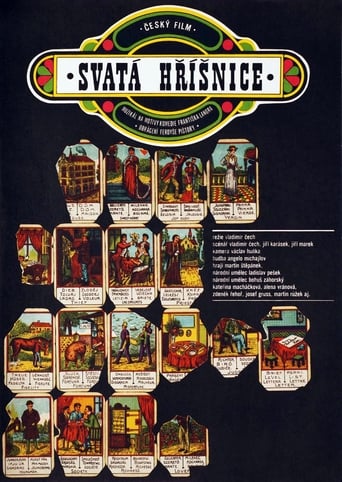
In the Prague Old Town and the adjoining streets there is always plenty of life. Housewives shop, beggars arouse sympathy, the Salvation Army tries to put the godless on the road to salvation by hymns and sermons, and Ferdys Pistora hunts in the pockets of his fellow men and isn't even put off by the presence of an officer of the law. Ferdys sets off to burgle villa of the banker Rosenstok, but a fire breaks out in the house and Ferdys ends up saving the banker's two small children. For this he is celebrated as a hero and gets a place as an errand boy with the Rosenstoks. At home he is visited by representatives of the Salvation Army, Captain Kosterka and Terezka, with whom Ferdys instantly falls in love.
Svatá hříšnice
1970
 4.5
The actress, who is starring in a successful theatre production, is offered a big film role by an Italian director. She decides to leave her current certainties behind and throw herself into the whirlwind of a tempting opportunity, only she doesn't count on the fact that not every expectation will actually come true as she had ideally hoped...
Chance
1971
 5.6
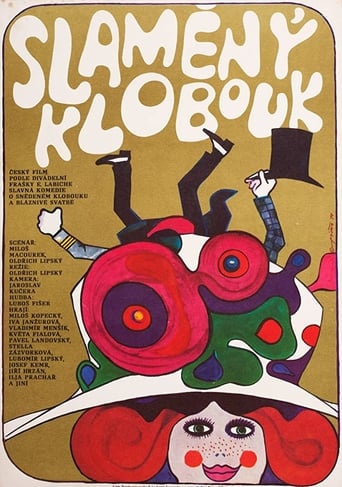
Slacker Maurice Fadinar wasted his whole inheritance and the only way out of this situation, as it seems, to marry Helen Nonankur - daughter of a wealthy farmer. At the last meeting with his mistress in a nearby forest Fadinar's horse eats straw hat which belongs to a married lady, spending time in the company of young and hot Lieutenant Emil. Emil literally puts a knife to Maurice throat - or the lady will get back the exact same hat immediately, or he will arrange such a scandal that no wedding will not happen ...
Straw Hat
1972
1960s · 18 titles
7.0Five young people take off in a lighter-than-air machine at the Prague Centennial Exhibition. In an Art Nouveau style, the film consists of live action generally shot in black and white, as well as hand-drawn, stop-motion, and cutout animation. Various live-action and animated elements are often composited into the same scene.
The Stolen Airship
1967
 9.0
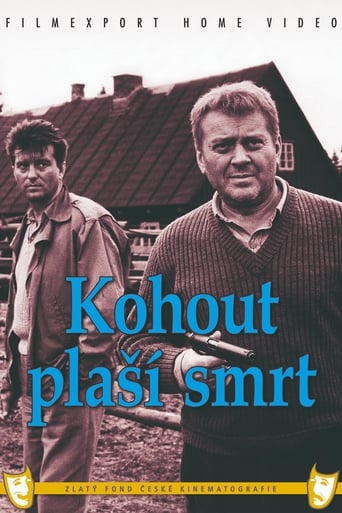
A group of saboteurs search for a weapons cache hidden by the Nazi army. Beskydy in the summer of 1950: the StB agent Borek infiltrates a group of saboteurs hidden in the Beskydy mountains. They are preparing terrorist actions against the ongoing collectivisation in the village. The group is led by Ervín Kopal and Metud Hanák. Borek is to make contact with them, secure the saboteurs and discover a weapons depot. After many dramatic events, the task is accomplished, but at the highest cost...
Kohout plaší smrt
1962
 6.0
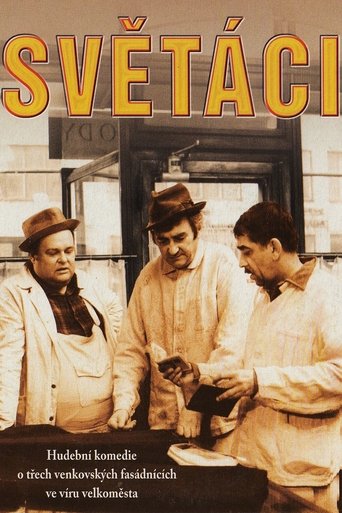
Two families live in a weaver's cottage - the Menecs and the Hroms. The women are pretty from the start. Musicians come, inviting fellow weavers who play in Menec's band to the May Day festival. Wanderers wander through the region, encountering a procession on their way. The police disperse it, so the men, who have various professions, join the wanderers. They wander around the world until they reach a tavern, where they get food and a bed. An old spinning wheeler composes a song at the request of one wanderer, inviting everyone to a "wanderer's convention". And so they get together and play together...
Světáci
1963
 6.8
Miroslav Hornicek is a deluded young man who is convinced he is Faust incarnate. This turn of mind leads to some ludicrous situations, such as when he believes a woman is really a cat. Before he can be rounded up and interned wherever they keep people with this type of a problem, love enters his life and the clouds that obscured his vision begin to dissipate.
When the Woman Butts In
1960
No synopsis available yet.
Tvrdohlavá žena a zamilovaný školní mládenec
1962
 10.0
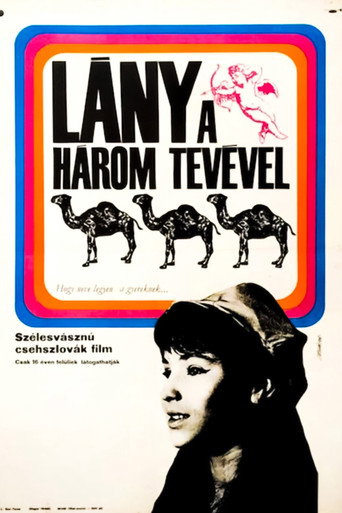
The fates of the women are repeated: the 16-year-old daughter of a 32-year-old mother is also pregnant. Like her mother, the child remains unmarried and fatherless. From him, the girl receives only an exotic postcard with the titular three camels...
The Girl with Three Camels
1967
 5.4
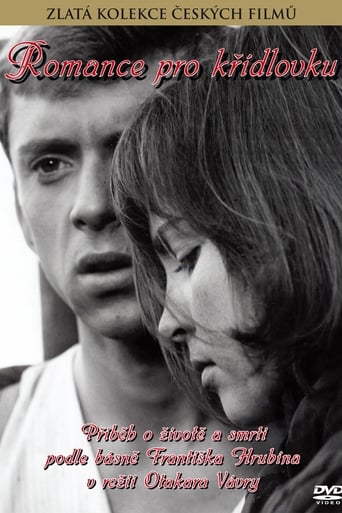
A lyrical story about first love, death and disappointment, based on a poem of the same title.
Romance for Bugle
1967
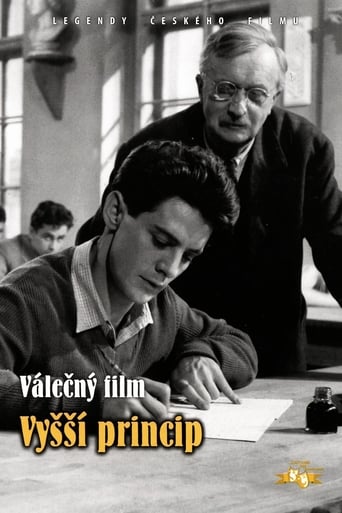 8.2
During the Nazi occupation of a Czech city civilians are being rounded up on the slightest of pretexts and shot. One day three high school boys who crack jokes about a recently deceased "hero of the Reich" are pulled out of school by the Gestapo.
Higher Principle
1960
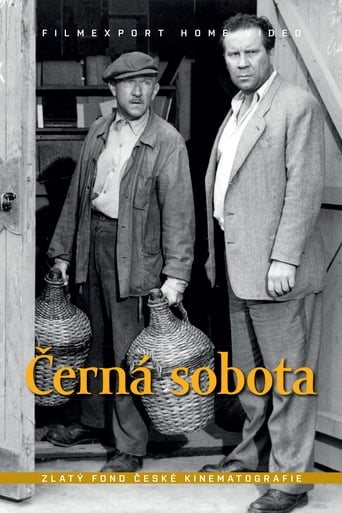 5.0
In this crime story, surprisingly, neither the all-powerful criminals nor the spies or saboteurs are pursued, as was once common. The plot is almost mundane: someone unwittingly siphoned off alcohol from a tanker, unaware that it was deadly methyl alcohol, intended for industrial use. Finding out where the poison has been transported and which people it endangers requires painstaking work.
Black Saturday
1961
 9.0
If a girl has such an uninteresting occupation that she sells flowers, she likes to indulge in daydreaming, where she can experience unsuspected adventures. But a real suitor who courts a girl is more attractive...
Prosím, nebudit
1963
 6.8
A poor miner, Kuba Dařbuján, cares for his wife Markýtka and eleven children. When a newborn arrives, he seeks a godfather and, finding only Death fair to all, accepts a pact: as a doctor whom Death accompanies at the foot of a patient’s bed, he can heal; but if Death stands at the head, no cure is possible. Kuba eventually heals even a miserly brewer, violating the pact and imprisoning Death, leading to a world where no one can die and unforeseen chaos follows.
Darbujan and Pandrhola
1960
 6.0
The unfortunate 1930s also befell the student Standa Půlpán. For existential reasons, he had to abandon his studies and entered the mines. However, he only slowly and with difficulty became close to the older miners, rough men who were closed in on themselves. Only his brave stand in rescuing people who were trapped in a mining accident will win him the solidarity of the entire mining collective. Even Karel Čapek's draft once lent itself to promoting an exacerbated class interpretation of social relations.
První parta
1960
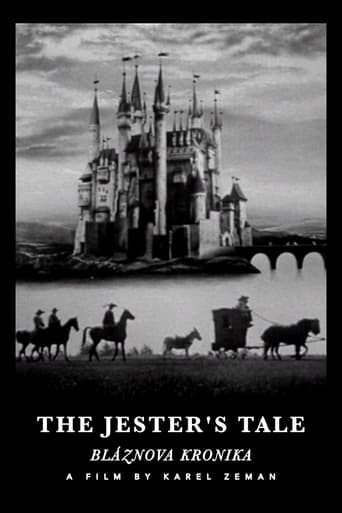 7.3
During the Thirty Years' War, ploughman Petr, recruiter Matěj and country girl Lenka are caught up in both sides of the war and experience many adventures before they find happiness.
The Jester's Tale
1964
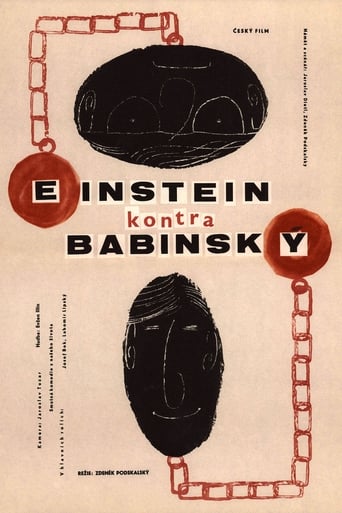 6.3
A satire about small and large crooks who thrive in a planned economy. They made great use of all its strengths and weaknesses.
Einstein kontra Babinský
1964
 8.0
An American spy agency located in West Germany is interested in information concerning Czechoslovak commercial activities in the Middle East. Agent Rudolf Karlik creates a network of associates in Prague...
Páté oddělení
1961
No synopsis available yet.
Spravedlnosti se meze nekladou
1966
 6.8
The sad hero of the story, Petr, an ordinary lawyer in a construction company, is crowded into a small apartment in Žižkov with his wife and grandparents, desperately struggling with the lack of money. One day he offers an old man a seat on a crowded trolley bus and is generously rewarded for his good deed, for the unknown old man is a fabulous grandfather. He gives Peter a magic bell and the opportunity to make three wishes, but the first two slip through his fingers. For the third, the astonished man must take time to think...
Three Wishes
1963
 7.0
Prague in the 1870s. Work in Smolík's sulphur factory is hard and dangerous to health. The poorly paid workers resemble torches because their clothes are soaked with poisonous phosphorus. Young Josef Rezler also works in the sulphur factory and uses his earnings to feed his mother and little sisters. He throws his perpetually drunken father out of the house. The older worker Brož forces Josef to learn to read and write. A cholera epidemic breaks out in Prague and Josef is the only one of his family to survive the disease...
Pochodně
1961
1950s · 16 titles
7.5Good-natured and garrulous, Schweik becomes the Austrian army's most loyal Czech soldier when he is called up on the outbreak of World War I -- although his bumbling attempts to get to the front serve only to prevent him from reaching it. Playing cards and getting drunk, he uses all his cunning and genial subterfuge to deal with the police, clergy, and officers who chivy him toward battle.
The Good Soldier Švejk
1957
7.2It's very human and nice story about lofty princess (her father is amiable but incapable - unforgettable performance of S. Neumann) and good, nice, kind and well-principled young king (prince) who tries to make tender her calm heart to get married with her. After being refused (she's very capricious), he conclude to make her better. He start to work as a gardener at her castle (in secret) and successively bring she to her senses...The story continues when already reformed princess and the young king (she learn about his real identity later) have to take refuge from troops, that princess father (old king) has sent (of course he took a bad and mean counsellors advice). They have to take shelter by several ordinary and poor families, which are always very friendly and give them a help... Of course the tale has happy end.
The Proud Princess
1952
7.0The Emperor's mismanagement of his country is provoking some in his court to plot to overthrow him. He feels successful, at least, when he discovers the legendary Golem, which he believes can protect him and even cure his imaginary illnesses but, when he disappears while on a bender, his kindly baker, who looks just like him, is mistaken for him, and begins to put things in order. However, the conspirators, not to be outdone, determine to bring the Golem back to life to do their bidding.
The Emperor and the Golem
1951
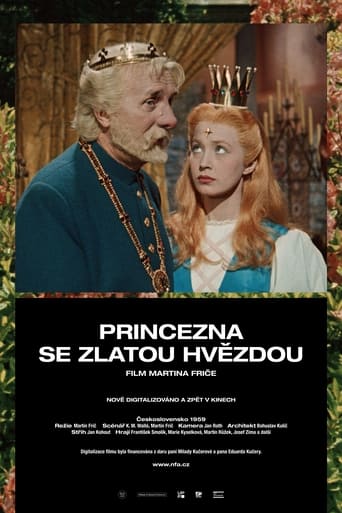 6.8
A Czech fairy tale about a princess named Lada who runs away from home in a mouse fur disguise in order to escape an unwanted and forced marriage.
The Princess with the Golden Star
1959
 6.7
Four short stories by the greatest Czech satirist Jaroslav Hašek. "Soup for Poor Children" tells the story of how Prince Robert himself cooked soup for poor children, "Meeting of the Municipal Council in Mejdlovary" is the history of filling the position of municipal policeman, "Trampotes of Mr. Tenkrát" shows how strange events lead to marriage and promotion, "Revolt of the Convict Šejba" depicts the victorious fight of the convict Šejba for a dumpling for ministering at mass.
Hasek’s Tales from the Old Monarchy
1952
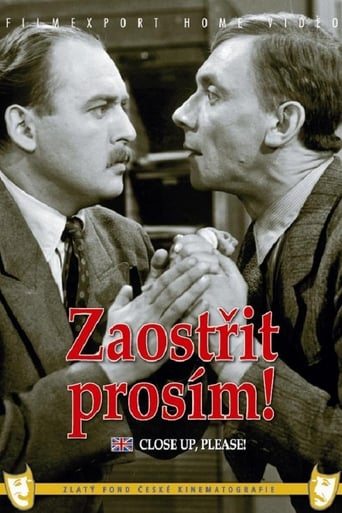 7.3
A Czech satirical comedy, filmed according to a script by the State Prize laureate Jiří Marek based on several of his satirical short stories. The film contains three stories, the first of which mocks careerism, the second takes aim at the inadequate attitude of some of our literary critics, and the final story is a satirical picture of how irresponsible construction work is still done in some parts of our country.
Zaostřit prosím!
1956
No synopsis available yet.
Jak se vám líbí
1955
An optimistic collective drama from the life of the workers on the construction site of the Youth Track. An amnestied prisoner wants to atone for his wrongdoing with an honest strike and reveals the vandal who was going to poison the drinking water cistern.
Veliká příležitost
1950
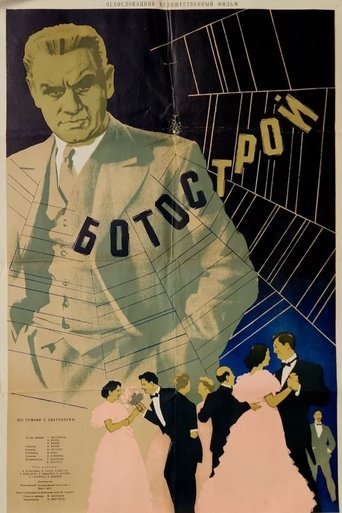 8.0
The happenings in a shoe factory serve as a not very thinly veiled examination of the pros and cons of both socialism and democracy.
Shoesmachine
1954
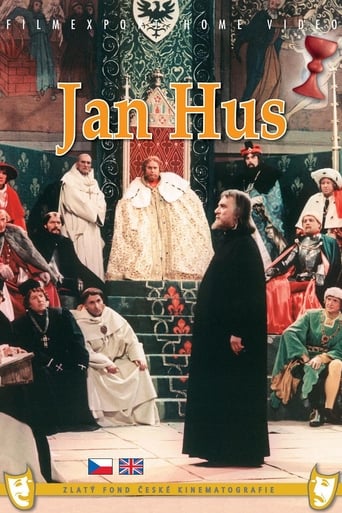 6.3
The first part of the "Hussite Revolutionary Trilogy", completed with Jan Žižka (1955) and Proti všem (Against All Odds, 1957). The film captures the period from May 1412 to the summer of 1415, a turbulent time in the Czech Kingdom, during which there were protests in Prague against the sale of "omnipotent indulgences" whose sale throughout the kingdom was announced by Pope John XXIII. The ideological leader of this movement is the preacher Master Jan Hus, whose words, calling for the elimination of church abuses, are listened to in the Bethlehem Chapel by thousands of ordinary Praguers, Czech lords and Queen Sophie, wife of the Czech King Wenceslas IV.
Jan Hus
1955
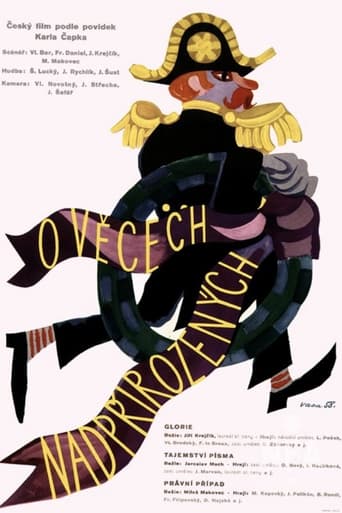 5.5
An anthology of three absurd, ironic tales inspired by Čapek’s “Tales from One Pocket” and “Fables and Side Stories,” each showing uncanny forces disrupting ordinary lives: in Krejčík’s “Glorie,” a gentle clerk is haunted by a sudden halo; the other two segments by Mach and Makovec similarly blend everyday routines with ironic, supernatural twists.
Of Things Supernatural
1959
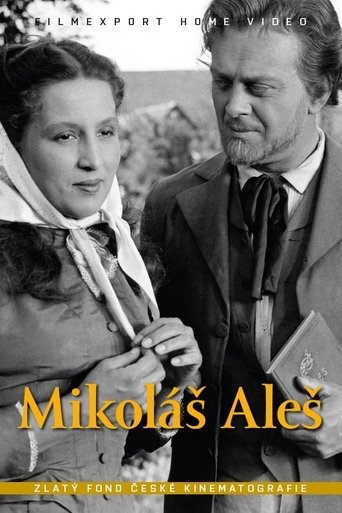 7.5
A biographical film about the famous Czech painter Mikoláš Aleš, portrayed as part of the vanguard of the working class and a spokesman for the oppressed, who asserts himself despite the opposing bourgeoisie and reactionaries of all kinds. The film focuses on the period when Mikoláš Aleš participated in the competition to decorate the National Theatre.
Mikoláš Aleš
1952
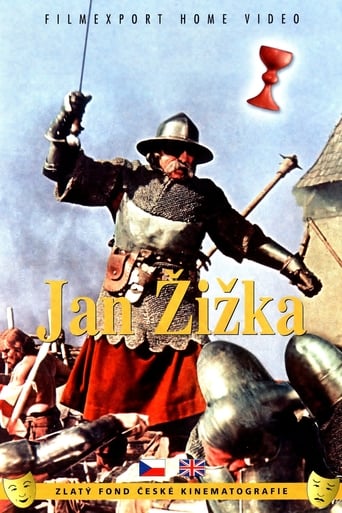 7.3
The second part of the revolutionary Hussite trilogy takes place in the years 1419-1420.
Jan Žižka
1956
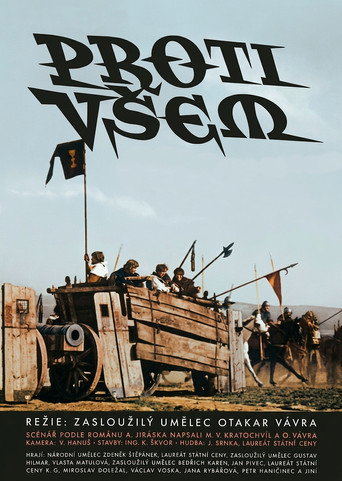 6.1
After the battle of Sudoměř the Hussite teaching spreads through the whole country and people start leaving their homes to help build the fortification of Tábor. Prague citizens request help against the army of Zikmund. The Hussite army with Jan Žižka in the lead make their way towards Prague. They fortify themselves on the mountain Vítkov and engage in a bloody battle with Zikmund’s huge army.
Against All
1957
The story of a traveling comedy family that ends up in court, where young Fricek is charged with attempted murder because he protected his sister Olga from a rapist.
Comedians
1954
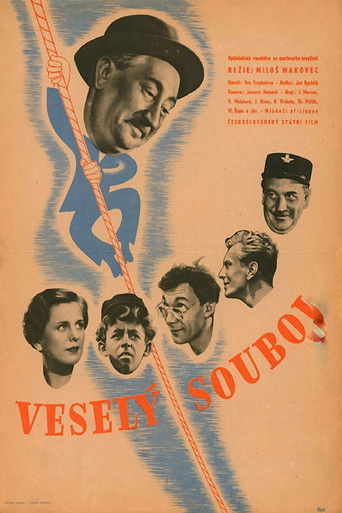 6.3
A young company doctor will awaken interest in active and regular sports activities among employees of repair shops of Prague transport companies. Through her personal example, she will lead them to fulfill the conditions of the Tyrš badge of fitness.
Veselý souboj
1951
1940s · 18 titles
 8.5
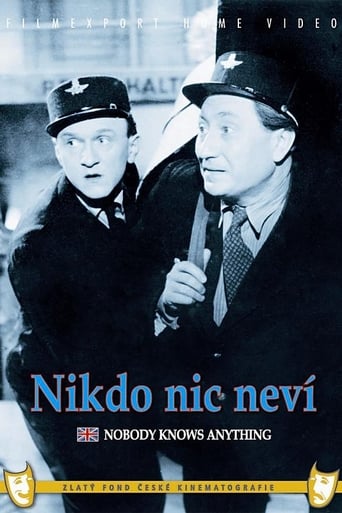
Martin Plechatý and Petr Nový roam occupied Prague with their trams. Times are hard and sometimes survival is not easy - especially when, in an attempt to help a threatened (and charming) neighbor, you get involved with an SS man, hit him on the head and kill him. At least that's how the two friends explained the situation to each other when their opponent collapsed to the ground. What to do with the body now? An endless anabasis begins, in which even a baby stroller comes into play...
Nobody Knows Anything
1947
 7.0
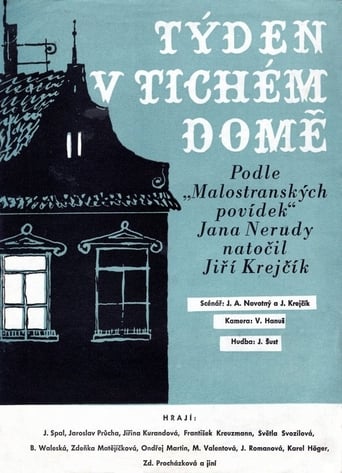
A sometimes humorous, sometimes more serious look at the hustle and bustle of a house in Lesser Town with a diverse array of tenants living there, and often petty quarrels that break out between them. Behind the facade of the house in Lesser Town "U dvou slunců" (Two Suns) there is life. The Bavors live here, eternal slaves to the grocery store. The Ebros, who need to marry their daughter off at a good price. The bachelor Dr. Loukota and other interesting Nerudov characters.
A Week in the Quiet House
1947
 7.0
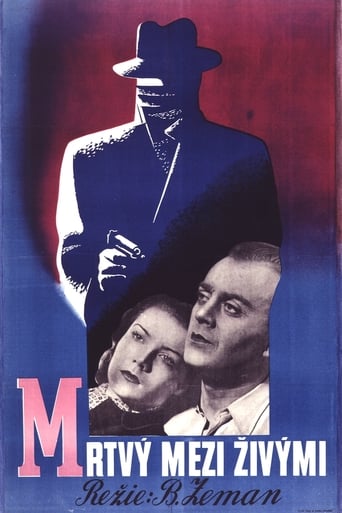
Human bravery can take many forms, just as ideas about it can. Small-town public opinion begins to despise a postal clerk because he gave cash to robbers who didn't hesitate to shoot. The result is a successful study of a man whose previous certainties begin to crumble due to a fateful event.
A Dead Man among the Living
1947
 5.0
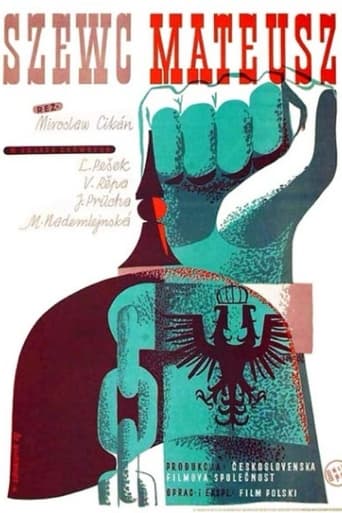
The revolutionary year of 1848 brought great hopes among the hitherto silent classes, awakening social and national hopes. The response also penetrated the remote countryside, even as far as the Podkrkonoše Mountains. The young shoemaker there began to take an interest in social and political events, and he also experienced disappointment in later developments.
O ševci Matoušovi
1948
No synopsis available yet.
The Musician
1948
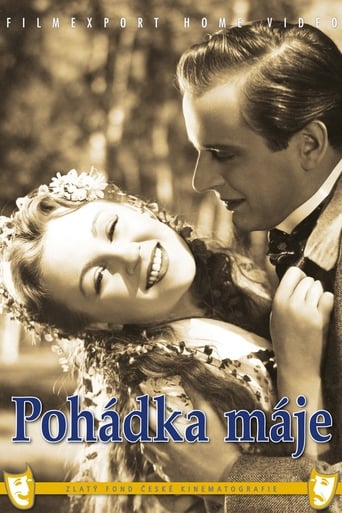 7.5
Ríša, a student of law, neglects his studies in favour of parties and pranks. His angry father refuses to continue helping him out of his debts. Ríša, however, is not entirely beyond hope. He decides to go and stay for a while with his uncle, a priest, who lives in Moravia, in order to prepare for his exams. He meets Helenka, the timid daughter of the local gamekeeper, at a village ball and is enchanted by her. The days pass and their idyllic relationship begins to tire Ríša. He begins to tell Helenka about his former debauched life the about the broken hearts of beautiful women. Helenka is hurt and refuses to see Ríša anymore. His uncle, the priest, is incensed at his behaviour and orders his nephew out of the house. Ríša tries desperately to find Helenka so he can make it up to her.
May Fairy Tale
1940
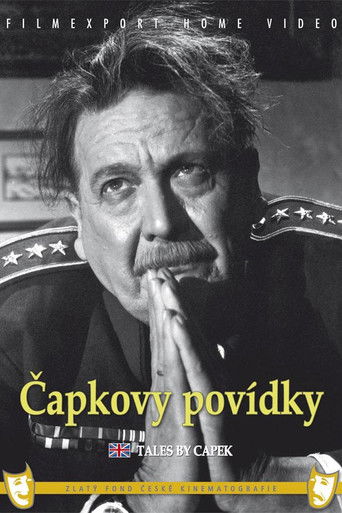 7.7
Five crime stories connected by the narration of police superintendent Bartosek.
Capek's Tales
1947
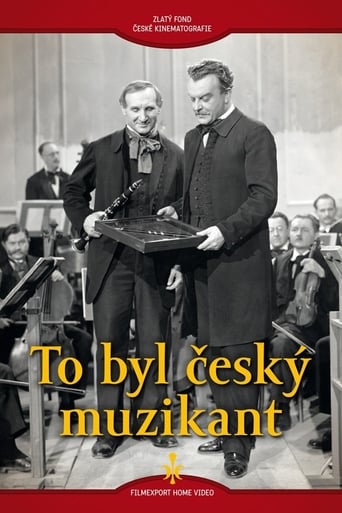 6.0
Teacher František Kmoch is suspended because he plays at dances or composes at night. He forms a band in Kolín and his supporter Baron Hrubý helps him perform in public. His music is popular not only at home but also around the world...
To byl český muzikant
1940
No synopsis available yet.
Portáši
1947
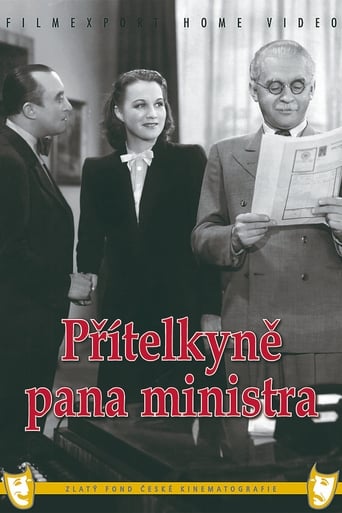 8.1
The main character of the funny story is an ordinary typist Julinka Svobodová, who works for the established business firm Hrubý a syn and lives in a sublet with the seamstress Mrs. Pokorná. Although she is poor and sometimes manages to be late, she is still cheerful and pleasant. However, a small coincidence is enough and everything changes. That is when she takes an elevator ride with the Minister of Trade, Dr. Horák, who coincidentally lives in the same building. Mrs. Pokorná, in good faith, hints to the inquisitive landlady that Julinka is the Minister's girlfriend. From the talkative woman, an innocent rumor spreads like wildfire and, surprisingly, it helps the girl in every way...
Přítelkyně pana ministra
1940
The Czech revival movement is divided at the end of the first half of the 19th century. While the older generation, such as František Palacký, urges restraint, students lean towards radical positions. A report on the revolutionary events in Paris prompts Czech Prague residents to write down the demands of the Czech nation for self-determination and the proclamation of a constitution. Tensions peak during the All-Slavic Congress in Prague's Žofín. Vienna rejects the Czech demands and the congress is brutally dispersed by the Austrian police. Prague begins to build barricades...
Year of the Revolution 1848
1949
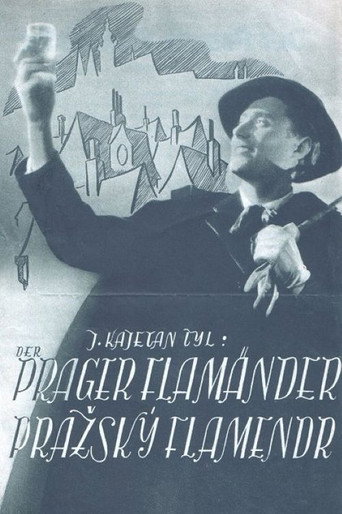 7.0
No synopsis available yet.
Pražský flamendr
1942
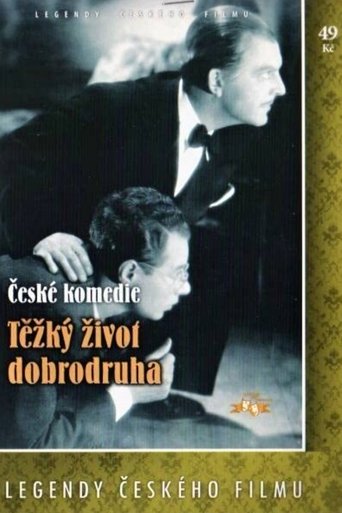 7.0
A writer of pulp crime novels is drawn into a series of real crimes. This film was one of the first Czech attempts on a genre parody.
The Hard Life of an Adventurer
1941
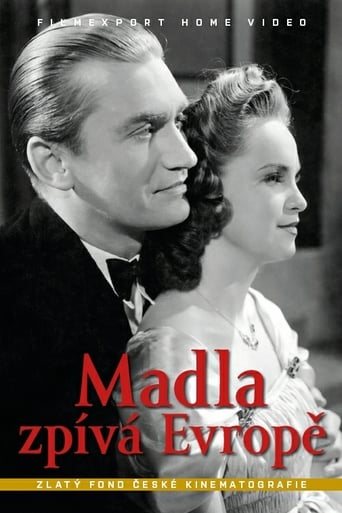 5.8
Folk song collector Dr. Šerk arrives in the remote village of Lesov. He is enchanted by the singing of sixteen-year-old Madla Satranová and he records her songs for radio broadcast. Šerk's friend, composer Jaroslav Klán, takes care of a group of orphans, from whom he has formed a choir. Šerk brings the orphaned Madla to him. The teenage girl begins to help the housewife Nána with the care of the children.
Madla zpívá Evropě
1940
Oldřich Nový was and will forever remain the embodiment of charm, elegance and personal charm for Czech cinema, to which all women, regardless of age, were subject. In his unforgettable lover roles, he was not only a romantic who was able to fall in love with a girl from an ancient painting, succumb to the chocolate-brown eyes of the minister's girlfriend, but also a seducer for whom infidelity was a regularly practiced sport, or, conversely, a newlywed obsessed with jealousy. This was exactly Viktorin, the main character of a crazy Art Nouveau comedy, where everything revolves around a massive deer antler. Its involuntary owner becomes the jealous Viktorin, and it is certainly not difficult to guess what such a "right" gift can cause.
Parohy
1947
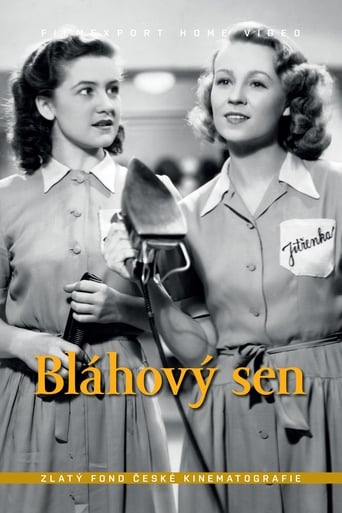 5.5
Hairdresser Žofka Stárková desires fame perhaps more than other girls. The petty plans of her fiancé František do not satisfy her wild imagination. Žofka suddenly gains popularity when, while on her way to get an autograph, she discovers the dead body of the famous tenor Helbich and is arrested on suspicion of murder. Helbich actually committed suicide because he lost his voice. After being released from prison, Žofka receives an offer for the lead role in a forthcoming film. The dubious fame confuses her. She leaves her parents' modest apartment and quits her hairdressing business. Unfortunately, it soon becomes clear that she has no talent for acting, and the desperate director has the film edited in such a way that Žofka practically disappears from it...
Bláhový sen
1943
 5.7
No synopsis available yet.
Vy neznáte Alberta
1940
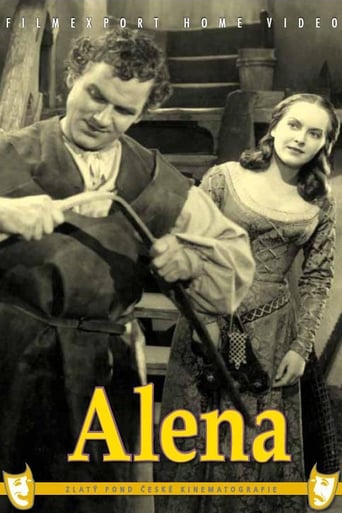 8.8
Master armourer Tomás has young wife Alena, of whom he is very jealous. One day the ruler of town sees Alena and decides to win her over for himself. To get a free hand for his love affairs, he sends Master Tomás to acquire more skills in Flanders. Jealous husband does not know how to secure fidelity of his beautiful wife while he is away, and finally accepts aid of the devil, to whom he signs his soul as a reward. Devil in the disguise of Master Ondrej works in Tomás's workshop and protects Alena against various courtiers and the ruler of town. But finally he falls in love with Alena himself and becomes her lover.
Alena
1947
1930s · 5 titles
 5.2
Landlord Orlický has had three failed marriages. This experience has made him a sworn enemy of all women. Only old bachelors can work on his estate, and he forces his nephew and universal heir, Ríša, to the same fate. One day, however, the uncle discovers that Ríša is secretly seeing a girl, becomes angry, and decides to remove him from his will. He has a more suitable heir in reserve: the cabaret dancer and singer Ada Bártů, a descendant of his sister, who once married against her parents' will. She has not had any contact with her relatives for years, so the old man has no idea that Ada's supposed nephew is actually his energetic and enterprising niece...
Holka nebo kluk?
1938
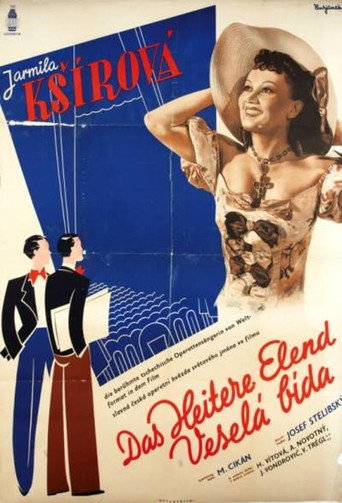 10.0
Two young composers offer their operetta in vain - it is rejected before anyone reads it. By a coincidence, when its text ends up in the wrong briefcase, it ends up with a popular singer who, on the contrary, likes it very much, but has no idea who wrote the play... The search for the authors, personality confusion and budding love become the main plot elements of this pleasantly naive film, where there is constant singing.
Veselá bída
1939
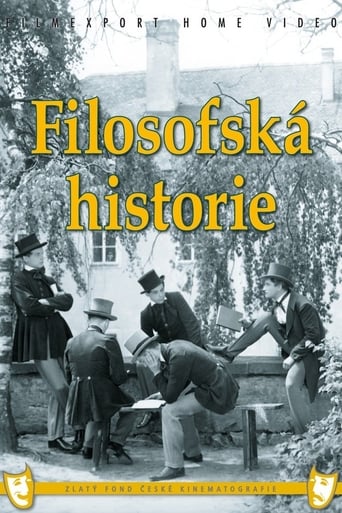 7.0
A student rebellion precedes revolutionary events in Prague.
History of Philosophy
1937
No synopsis available yet.
Kdybych byl tátou
1939
Juraj Hordubal returns from America after eight years, where he has earned enough money to improve his farm. However, his daughter Hafia does not recognize him and his wife Polana does not show any joy at his return. Štěpán Manya has been a farmhand on the farm all these years, and people claim that he has become Polana's lover. Juraj denies the accusations and believes that his wife's distance from him is only due to the long separation...
The Hordubals
1938