
Known for
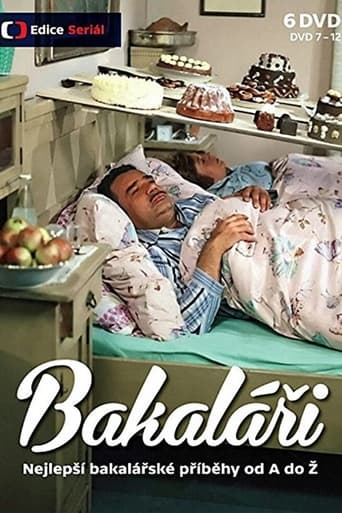 7.0
7.0No synopsis available yet.
Bakaláři
1972
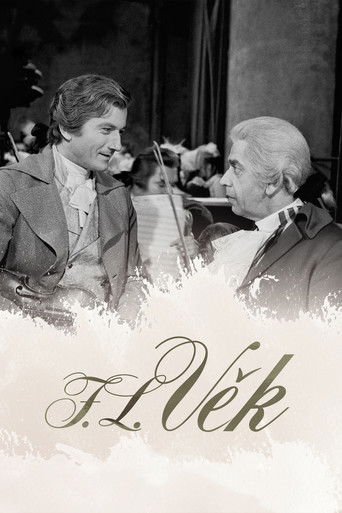 7.0
7.0No synopsis available yet.
F. L. Věk
1971
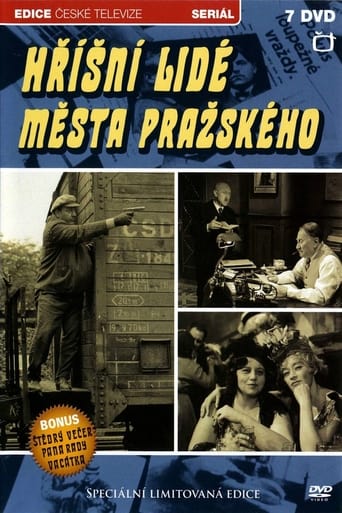 8.0
8.0No synopsis available yet.
Hříšní lidé města pražského
1969
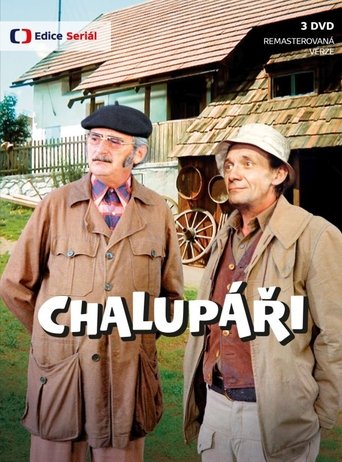 8.0
8.0Chalupáři is a Czechoslovak comedy TV series filmed in 1974 and 1975 by František Filip.
Chalupáři
1975
 NR
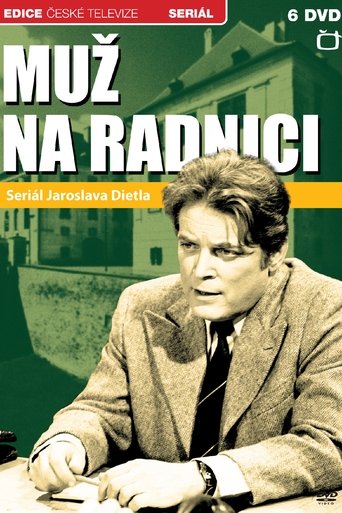
NRMuž na radnici was a Czechoslovak television program which was broadcast in 1976. The program was directed by Evžen Sokolovský. In 2011, it was announced that the program, along with 17 others, would be released on DVD within three years.
Muž na radnici
1976
 NR
NRNo synopsis available yet.
Nejmladší z rodu Hamrů
1975
Film credits
1970s · 10 titles
 6.2
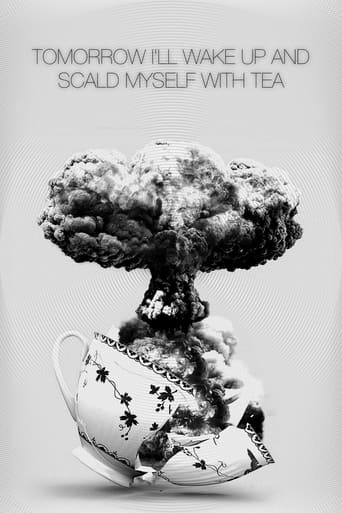
6.2Former Nazi Klaus Abard survives to the 1990s by taking anti-ageing pills. He plans to use a time travel trip to return to Germany in 1944 and present Hitler with a hydrogen bomb, so that he can win the war. Unfortunately the pilot, woman-chasing Karel Bures, dies on the morning of the trip and his earnest twin brother Jan impersonates him, without knowing about the plot.
Tomorrow I'll Wake Up and Scald Myself with Tea
1977
 5.3
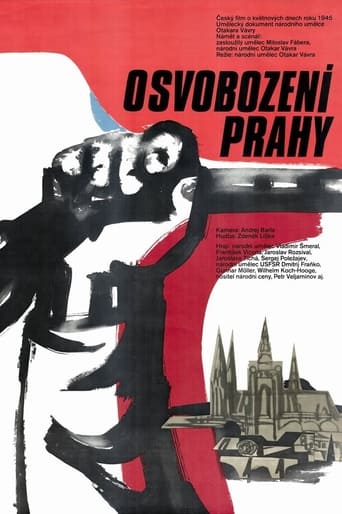
5.3On 20th of April 1945 the Soviet army launches its attack on Berlin. The end has come for Nazi Germany and Hitler decides to commit suicide. In Prague K.H. Frank (Nazi Secretary of State and Chief of police in the Protectorate of Bohemia a Moravia) discusses with his commanders how to transform the city into an impregnable fortress, but the Praguers do not intend to wait any longer. From the early hours of 4th of May people start assembling in the streets and tearing down German signs. On the next day, the 5th of May, the uprising begins.
The Liberation of Prague
1977
No synopsis available yet.
Kateřina zlé pověsti
1976
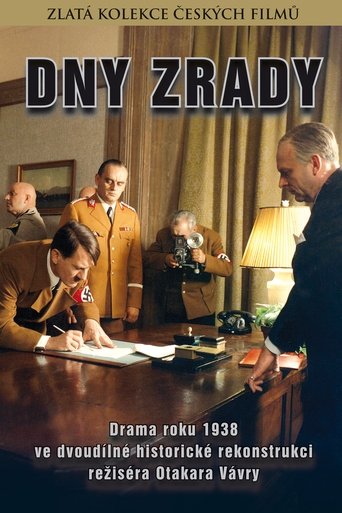 5.6
5.6This feature film based on the events of 1938 is a chronicle of the futile efforts of the Czechoslovak president Edvard Benes (Jirí Pleskot), politicians and ordinary citizens, to save the independence and the territorial integrity of the state from the advance of Hitler's Germany. On the 29th of March 1938 the leader of the Sudeten Germans Henlein (Werner Ehrlicher) has a meeting with Hitler (Gunnar Möller). Hitler orders him to intensify pressure on the Czechoslovak government. On the 24th of April in Carlsbad, the Sudetendeutsche Partei (Sudeten German Party) decides upon eight demands that are unacceptable to the Czechoslovak President, since they would ultimately lead to the break-up of the Republic. Benes still shows a certain willingness to negotiate, and Henlein resents this. The Germans are determined to make further negotiations impossible through incidents and violence.
Days of Betrayal
1973
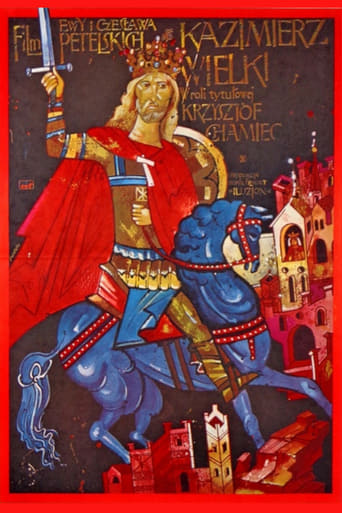 7.5
7.5The life and reign of Polish king Casimir III The Great.
Kazimierz Wielki
1976
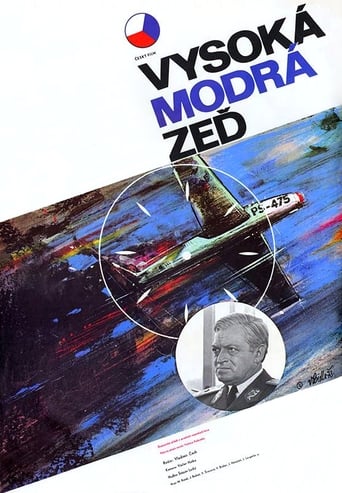 5.3
5.3Even in the 1970s, films were made in this country that emphasized not only the necessity to defend the impermeability of the Western borders by all means, but mainly rehabilitated the Stalinist era. Told with ridiculous patheticness, the story is set in 1951 and takes place in army circles, depicting the disputes over the most effective air defence of the border... It chooses to depict the working disputes between an experienced, but already mentally stagnant general and a young politruk who advocates a modern conceptual solution to the common task.
Vysoká modrá zeď
1974
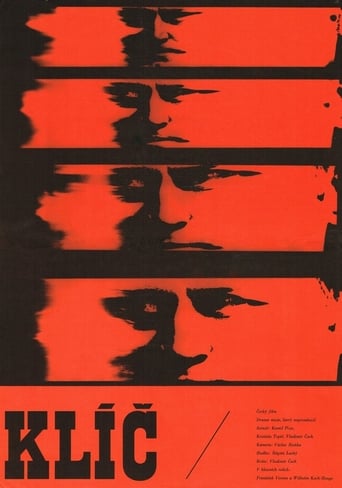 6.0
6.0Jan Zika is the legendary hero of the communist resistance movement during World War II and leading functionary of the second underground Central Committee of the Communist Party of Czechoslovakia.
The Key
1971
No synopsis available yet.
Sám proti městu
1974
 10.0
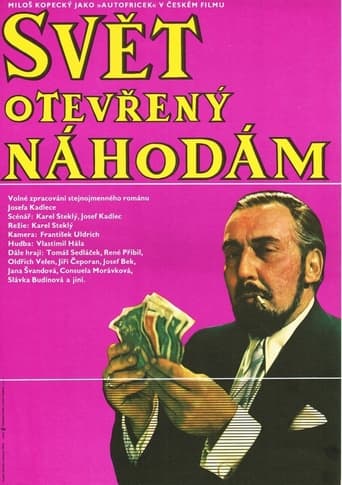
10.0An unemployed young man in the second half of the 1930s, he tries various ways of making a living and, under the influence of a group of communist youth, eventually goes to Spain as an inter-brigadista...
Svět otevřený náhodám
1972
No synopsis available yet.
Kdo hledá, najde
1974
1960s · 9 titles
 5.3
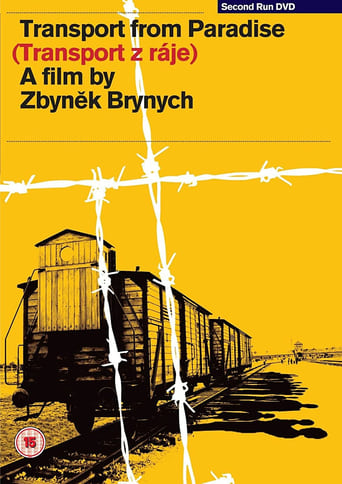
5.3Czechoslovakian Zbynek Brynych directs this psychological drama set in World War II Terezin ghetto. A dark, visual portrayal of the trials and tribulations the Theresienstadt people faced on a daily basis presented in a series of memorable stories. Their hopes and dreams unfold against the perpetual threat of deportation (or worse) by the Nazis. Based on the novel "Night and Hope" by Arnost Lustig.
Transport from Paradise
1963
 8.2
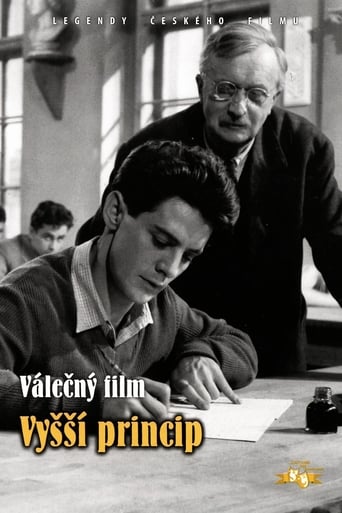
8.2During the Nazi occupation of a Czech city civilians are being rounded up on the slightest of pretexts and shot. One day three high school boys who crack jokes about a recently deceased "hero of the Reich" are pulled out of school by the Gestapo.
Higher Principle
1960
 5.6
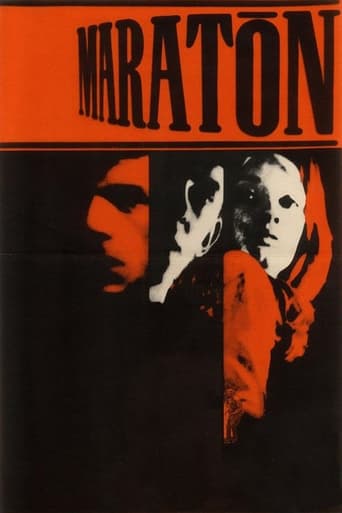
5.6It is 5 May 1945 and the uprising against the hated German occupiers has broken out in Prague. The Czech guards open the gate of the Pankrác prison to allow the prisoners to escape en masse. Many of them are shot dead by the German guards but young Ruda (Jaromír Hanzlík) manages to run away. He is taken care of by one of the Prague fighters, concierge Kytka. Kytka hides him in the flat of the house's owner where only the young maid Karla (Jana Brejchová) is left, ordering her to take care of Ruda.
Marathon
1968
 6.2
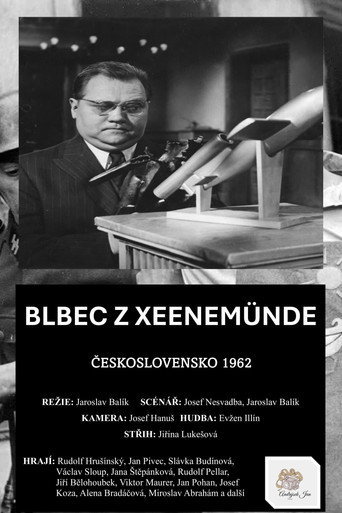
6.2A tragicomedy set in wartime Germany. The protagonist is 16-year-old Bruno, who is considered by everyone to be an uneducated goofus. But he hates the people who mock him so much that he starts to eliminate them with precisely aimed missiles. What the Third Reich's most respected scientists can't decipher, he has intuitively cracked...
Blbec z Xeenemünde
1963
 6.4
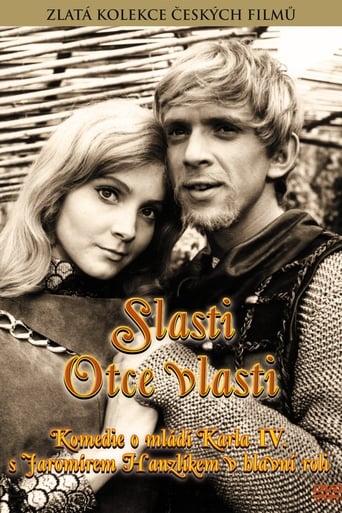
6.4The young Prince Charles (Jaromír Hanzlík), the future King of his country Charles IV, is being educated at the French court in the company of his fiancée Blanche (Daniela Kolárová). One day he receives a summons from his father John of Luxembourg (Milos Kopecký) in Italy. He leaves for Italy accompanied by a deputation from Bohemia. On the way the prince's company fights a battle with armed Milanese against heavy odds. Thanks to Charles's perspicacity, the prince's almost naked soldiers win through. In Lucca in Italy Charles joins his father, and here he experiences an amorous adventure and escapes from the traps laid by the Italian rebels.
Slasti Otce vlasti
1969
Three stories (Gabriela, Eda and Jana), two of which are dedicated to girls. They share a common motif of disillusionment when the protagonists encounter scorn and disinterest.
Strakatí andělé
1965
No synopsis available yet.
Vajíčko
1969
The years 1851-1856: events from the life of the writer Božena Němcová, who, because of her free-thinking views and strong patriotic feelings, comes into conflict with the society, the church and the Austrian authorities... A cold, too readable version of the writer's biography. The playwright František Pavlíček dealt with the theme of "Němcová" also later - in the times of his dissidence.
Horoucí srdce
1963
 7.0
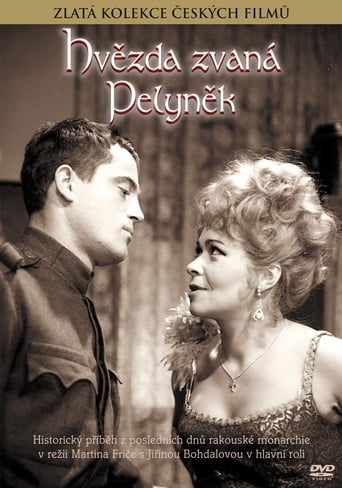
7.0At the end of May 1918, released prisoners return to the Rumburk garrison from Russian captivity, hoping that the war is over for them. The only thing they want is to get their withheld ...
A Star Named Wormwood
1965
1950s · 16 titles
 8.0
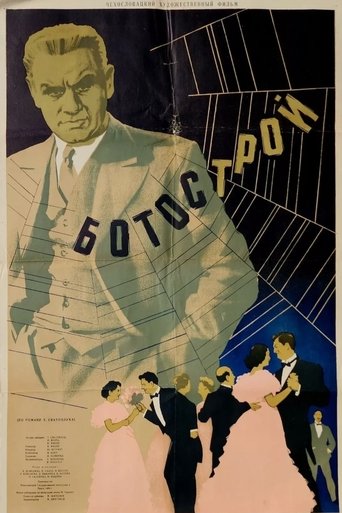
8.0The happenings in a shoe factory serve as a not very thinly veiled examination of the pros and cons of both socialism and democracy.
Shoesmachine
1954
 7.5
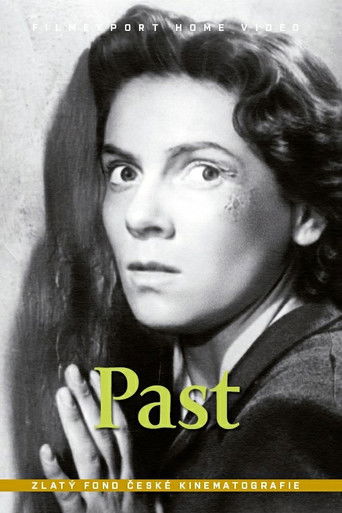
7.5The drama from the time of the Nazi occupation begins at the train station, where a transport with German soldiers is passing. The train is stopped due to improvised sabotage by one of the railway workers. Resistance liaison Růžena Kubínová is arrested in a random raid. The cynical councilor Dönnert discovers her false documents and has her brutally interrogated. He suspects that she could contribute to exposing the entire group. He puts a informant, Herta, in her cell.
The Trap
1950
No synopsis available yet.
Třicet stříbrných
1954
 5.9
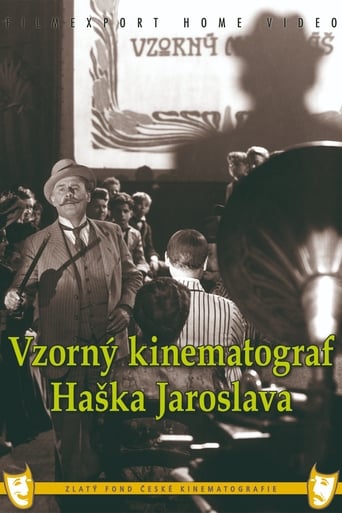
5.9Jaroslav Hašek screens four film stories in the fairground shed around 1900. After period advertising slides and a "newspaper", we see "the first part of a sensational, exemplary, parfuss, salon program - a film from the life of school-age children, shot under very difficult circumstances". The plot of this film takes place partly in a school classroom and partly in a gymnasium toilet, where the primate Chocholka took refuge from a Latin composition. "Exemplary Family Happiness" is the second film that takes the viewer into the family of the municipal official Honzátek, in which many stormy scenes occurred when the hamster, provided by Honzátek Jr., moved into the sofa - a wedding gift from Sister Ema. Equally surprising are two other stories, one of which tells about the "father of the poor", the owner of a company with unrecoverable cash flow and a famous patron, and the other about the fateful consequences of a joint trip between the old bachelor Mr. Hanzlíček and his neighbors.
Jaroslav Hasek's Exemplary Cinematograph
1956
In a South Bohemian village in 1951, the local rich organize acts of sabotage and try to stop the establishment of an agricultural cooperative with threatening letters and arson. A kulak's son even secretly returns from the West to terrorize the village with his brother. However, the ordinary villagers stand up to them.
Přicházejí z tmy
1954
 6.3
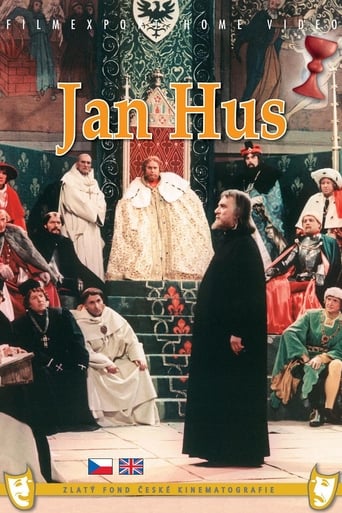
6.3The first part of the "Hussite Revolutionary Trilogy", completed with Jan Žižka (1955) and Proti všem (Against All Odds, 1957). The film captures the period from May 1412 to the summer of 1415, a turbulent time in the Czech Kingdom, during which there were protests in Prague against the sale of "omnipotent indulgences" whose sale throughout the kingdom was announced by Pope John XXIII. The ideological leader of this movement is the preacher Master Jan Hus, whose words, calling for the elimination of church abuses, are listened to in the Bethlehem Chapel by thousands of ordinary Praguers, Czech lords and Queen Sophie, wife of the Czech King Wenceslas IV.
Jan Hus
1955
 7.3
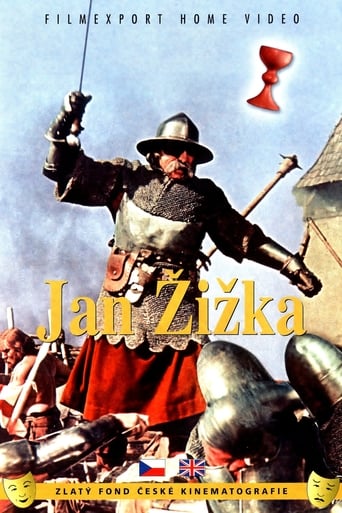
7.3The second part of the revolutionary Hussite trilogy takes place in the years 1419-1420.
Jan Žižka
1956
In the last days of the war, American planes bomb a synthetic gasoline plant in the Sudetenland. The workers are then faced with the enormous task of building a new plant on the site of the ruins and starting production. Their efforts are truly bearing fruit - after immense sacrifices, Stalin's plants are back in full swing, which is something that competitors abroad don't like to see and they try to use the reaction to liquidate the production of synthetic gasoline...
Výstraha
1954
 7.5
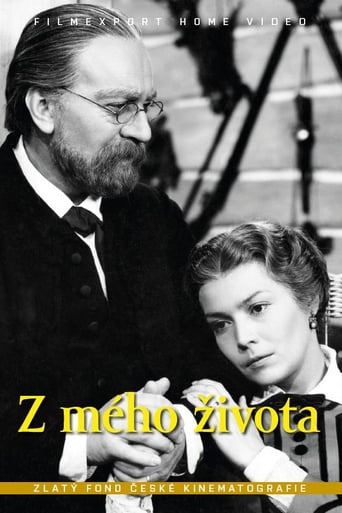
7.5The film, in individual episodes, captures the fate of Bedřich Smetana from 1856 until the end of his life, from his young years until the moment when, exhausted by human and artistic hardship, he sees the fulfillment of his great dream, the opening of the National Theatre.
From My Life
1955
Innovator Ludvík Zach is in love with his technical data and improvement proposals and does not believe that women could be able to understand these problems. However, on his way back from a conference, he meets Jarmila, an electromechanic, and arranges a meeting with her. He would prefer to talk to her about technology, but he discovers that Jarmila is more interested in poetry and music...
Slovo dělá ženu
1953
 7.0
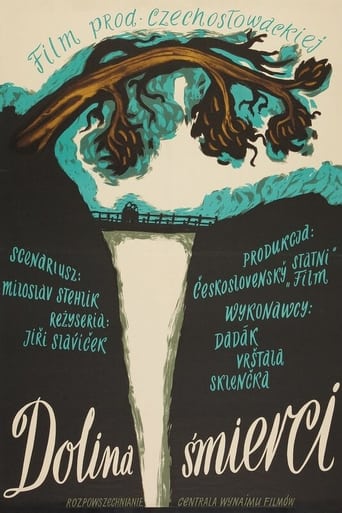
7.0A new owner of the estate, Konrád Ritter von Schiess, arrives in the Czech village of Sluky. On his orders, the inhabitants of the village are to be evicted and only 30 families are allowed to remain, who volunteer to work on the estate. However, the inhabitants refuse to work for the lords, and their solidarity only strengthens when one of them is murdered by the Gestapo based on a report by the estate manager Prokeš...
Mordová rokle
1952
 6.5
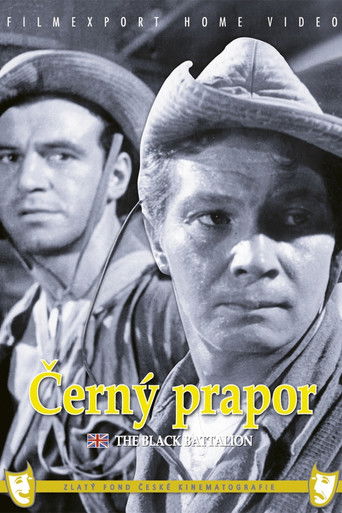
6.5A fictionalized account of Czech soldiers who fought for the French Foreign Legion in Vietnam.
The Black Battalion
1958
An optimistic collective drama from the life of the workers on the construction site of the Youth Track. An amnestied prisoner wants to atone for his wrongdoing with an honest strike and reveals the vandal who was going to poison the drinking water cistern.
Veliká příležitost
1950
 5.7
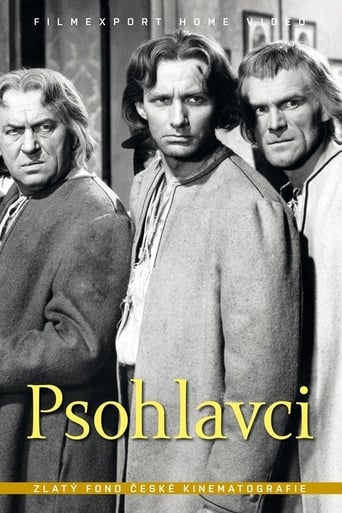
5.7The history of the rebellion of the brave Chody, led by Jan Sladký Kozina and Matěj Přibek, against the violent tyranny of the foreign nobleman Maximilian Lamminger of Albenreuth. Based on the novel of the same name by Alois Jirásek.
Dog's Heads
1955
The course of an organized strike by workers from North Moravian steelworks in 1931 to resist mass layoffs during the economic crisis.
The Trap
1951
 6.7
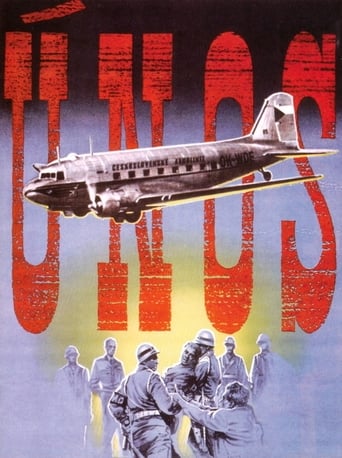
6.7American agents hijack a plane on the Ostrava-Prague route to launch a campaign against the People's Democratic Czechoslovakia. The plane lands in West Germany, but the Americans have an unexpected problem convincing the hijackers to stay in the West. Based on a true story.
Kidnapped
1953
1940s · 2 titles
 6.9
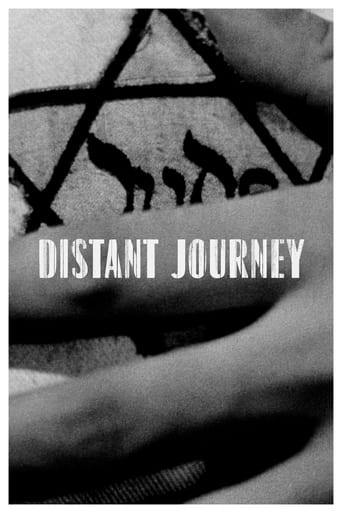
6.9Prague, during World War II. Hana Kaufmann, a Jewish ophthalmologist, marries Dr. Antonín Bureš, a Christian man. When her family is sent to the Theresienstadt concentration camp, their romance turns into a struggle for survival.
Distant Journey
1949
 7.0
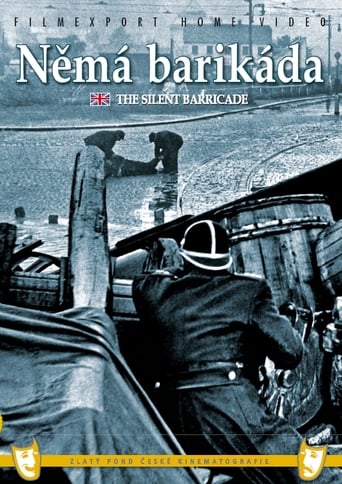
7.0A fiction piece centered around the Czech resistance to the Nazis.
Silent Barricade
1949
Series credits
7.0No synopsis available yet.
Bakaláři
1972
7.0No synopsis available yet.
F. L. Věk
1971
8.0No synopsis available yet.
Hříšní lidé města pražského
1969
8.0Chalupáři is a Czechoslovak comedy TV series filmed in 1974 and 1975 by František Filip.
Chalupáři
1975
NRMuž na radnici was a Czechoslovak television program which was broadcast in 1976. The program was directed by Evžen Sokolovský. In 2011, it was announced that the program, along with 17 others, would be released on DVD within three years.
Muž na radnici
1976
NRNo synopsis available yet.
Nejmladší z rodu Hamrů
1975
 6.8
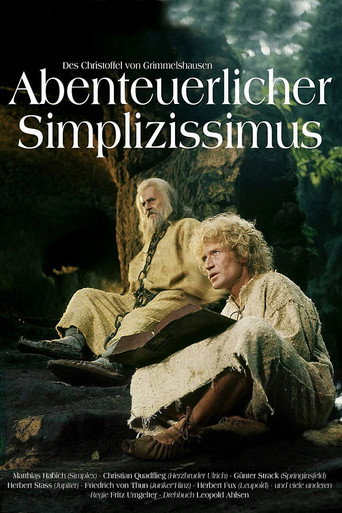
6.8The boy Simplizissimus grows up with simple farmers in the Spessart region. But the idyll is abruptly destroyed by the Thirty Years' War. Simplizissimus is sent to the besieged fortress of Hanau. When the lansquenets there play crude jokes on him, he flees with his friend Herzbruder to the Croats. But even here he does not fare much better.
Des Christoffel von Grimmelshausen abenteuerlicher Simplizissimus
1975