
Creator
Chico de Assis
Born — Died
1933-12-10 — 2015-01-03
Place of birth
São Paulo, São Paulo, Brazil
Known for
Creator
Credits
5 titles
Known for
 7.0
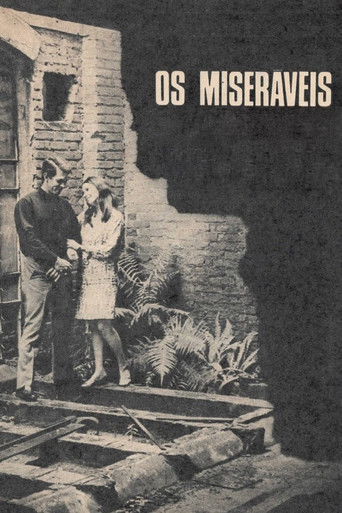
The story begins during the French Revolution, at the end of the 18th century. Jean Valjean steals a loaf of bread to feed his younger sister and ends up imprisoned for it. Released many years later, he tries to start his life anew and redeem himself. He becomes a rich man, but always lives in the shadow of his "criminal" past. While trying to escape the pursuit of Inspector Javert, Jean meets the poor girl Cosette. Treated as a slave, he takes her into his home to raise her as his daughter.
Os Miseráveis
1967
 5.0
Rui is determined to persuade Lucena to replace his horse-breeding operation with sugarcane cultivation and to jointly set up an ethanol plant. To this end, he forces a marriage between his son, Marcelo, and Lucena’s daughter, Diana. The "Black Beetle" intervenes in this plot. Lima, who, like Marcelo, seeks a way to defeat his rival, the car, pursues his goal by doing what he knows best: taming Cleide, the "other woman" in Marcelo's life. The Black Beetle acts as the connecting link, creating an atmosphere of fear and curiosity for both parties and driving the story toward an unexpected conclusion.
Fuscão Preto
1983
 8.0
Young woman goes looking for her missing boyfriend, a photographer last seen going down huge São Francisco River, in Brazil. On her search, she is told many stories about that river.
Espelho d'Água - Uma Viagem no Rio São Francisco
2004
 7.0
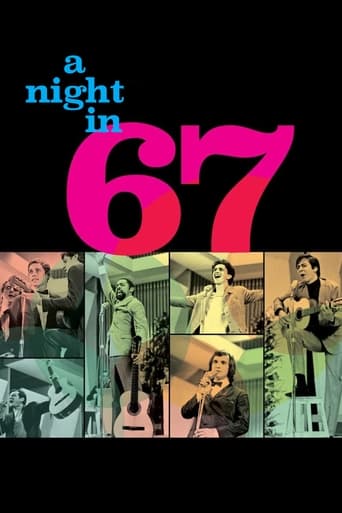
In the 1970s, "festivals" were incredibly popular in Brazil, as they were recorded before a live studio audience, and usually featured a number of elimination rounds. They also formed the springboard for the career of many a big-name stars, such as Chico Buarque, Caetano Veloso, Roberto Carlos and Gilberto Gil. Appearing on such a program was no cakewalk, however: audiences could be as wild in their condemnation as in their appreciation of an artist. Extensive archive footage (including performances and behind-the-scenes interviews) from the turbulent final evening of the Festival of Brazilian Popular Music 1967 paints a fascinating picture, not only of the transformation of Brazilian music into real "festival" music, but also of a society starting to buck against the yoke of military rule.
A Night in 67
2010
 7.6
The film follows two men living in a Rio de Janeiro slum: a black shoe-shiner and a white mill worker.
Esse Mundo é Meu
1964
Film credits
Series credits
Behind the camera
5.0Rui is determined to persuade Lucena to replace his horse-breeding operation with sugarcane cultivation and to jointly set up an ethanol plant. To this end, he forces a marriage between his son, Marcelo, and Lucena’s daughter, Diana. The "Black Beetle" intervenes in this plot. Lima, who, like Marcelo, seeks a way to defeat his rival, the car, pursues his goal by doing what he knows best: taming Cleide, the "other woman" in Marcelo's life. The Black Beetle acts as the connecting link, creating an atmosphere of fear and curiosity for both parties and driving the story toward an unexpected conclusion.
Fuscão Preto
1983
7.6The film follows two men living in a Rio de Janeiro slum: a black shoe-shiner and a white mill worker.
Esse Mundo é Meu
1964