
Directing
Gilles Groulx
Born — Died
1931-09-30 — 1994-09-22
Place of birth
Montreal, Québec, Canada
Known for
Directing
Credits
26 titles
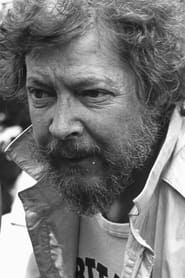
Gilles Groulx (August 30, 1931 in Montreal, Quebec – August 22, 1994) was a Canadian film director. He grew up in a working-class family with 14 children. After studying business in school, he went to work in an office but found the white-collar environment too stultifying. Deciding that the only way out was to become an intellectual, he attended the École du meuble de Montréal [fr] for a time and was a supporter of Borduas' automatiste movement. He also made 8 mm amateur films, which landed him a job as picture editor in the news department of the CBC. After three short personal films that confirmed his talent, he was hired by the National Film Board (NFB) at what was the beginning of the c…
Known for
 5.7
5.7This short documentary records the celebration and ritual surrounding a snowshoe competition in Sherbrooke in the late 1950s. The film marked the beginning of a new approach to reality in documentary and prefigures the trademark style of the NFB's newly formed French Unit. Today, "Les raquetteurs" is considered a precursor to the birth of direct cinema.
The Snowshoers
1958
 NR
NRThis feature-length documentary brings together six of the rare television interviews given by Gilles Groulx between 1966 and 1983. Through these interviews, the filmmaker's ethical and aesthetic concerns are revealed. A striking coherence emerges in his thinking regarding his conception of cinema and the role the filmmaker should play in his culture and society.
Entretien en six temps avec Gilles Groulx
2002
 7.4
7.4Trying to describe oneself is a movie about representation. How it is possible, through film, to describe oneself and describe others. With the camera as mirror and third eye. At first, a collage-like combination of letter-writing, investigation and journey, something between documentary and feature film. Finally, a portrait of Boris Lehman from 1989 to 1995, part II of BABEL.
Trying to Describe Oneself
2005
 NR
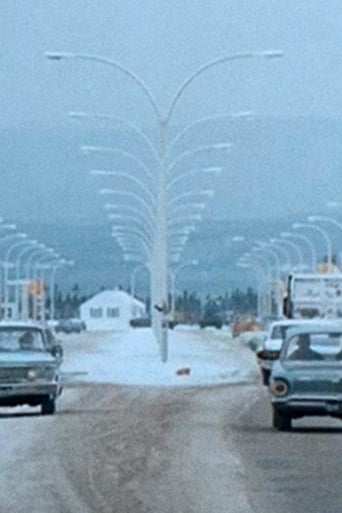
NRThis short documentary film is a fascinating portrait of urban and rural Quebec in the late 1960s, as the province entered modernity. The collective work produced for the Quebec Ministry of Industry and Commerce calls on several major Quebec figures.
Québec...?
1967
Filmed in the town of Normétal in northern Québec, this short documentary provides a first-hand introduction to life in a frontier mining community where all roads lead to the pithead. Dweller of two worlds, the copper miner's life is one of contrasts. A mile underground are the rock face, the clattering drills, the dust of explosions; above ground, all the familiar activities of a small town. - NFB
Normetal
1960
 7.0
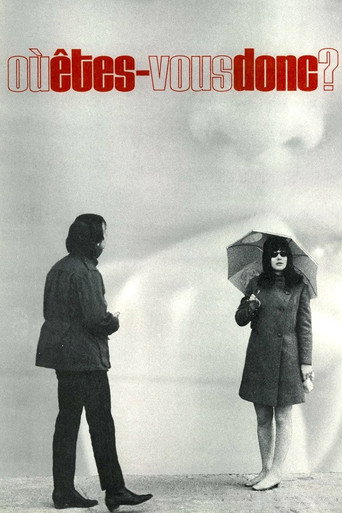
7.0An experimental drama following three main characters who embody different attitudes about consumerism. A window onto Quebec in the late 1960s, this protest film explores these characters' daily lives, their trials and aspirations. Regarded as an innovative and militant work, buoyed by hard-hitting film language that includes subtitles and intertitles, quotations, offscreen voices and songs and references to advertising.
Where Are You?
1970
Film credits
2000s · 3 titles
NRThis feature-length documentary brings together six of the rare television interviews given by Gilles Groulx between 1966 and 1983. Through these interviews, the filmmaker's ethical and aesthetic concerns are revealed. A striking coherence emerges in his thinking regarding his conception of cinema and the role the filmmaker should play in his culture and society.
Entretien en six temps avec Gilles Groulx
2002
7.4Trying to describe oneself is a movie about representation. How it is possible, through film, to describe oneself and describe others. With the camera as mirror and third eye. At first, a collage-like combination of letter-writing, investigation and journey, something between documentary and feature film. Finally, a portrait of Boris Lehman from 1989 to 1995, part II of BABEL.
Trying to Describe Oneself
2005
No synopsis available yet.
Voir Gilles Groulx
2002
1960s · 2 titles
NRThis short documentary film is a fascinating portrait of urban and rural Quebec in the late 1960s, as the province entered modernity. The collective work produced for the Quebec Ministry of Industry and Commerce calls on several major Quebec figures.
Québec...?
1967
 7.5
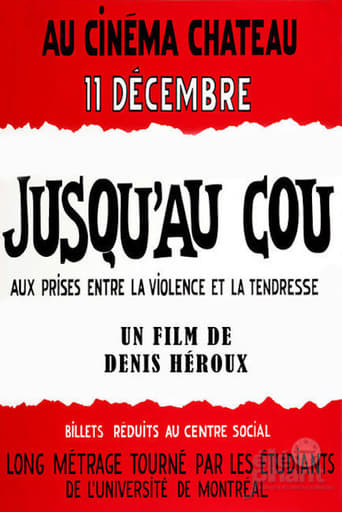
7.5The story of a young university student who deals with love in the midst of the Quebec separatist movement in the 1960s.
Jusqu'au cou
1964
Behind the camera
5.7This short documentary records the celebration and ritual surrounding a snowshoe competition in Sherbrooke in the late 1950s. The film marked the beginning of a new approach to reality in documentary and prefigures the trademark style of the NFB's newly formed French Unit. Today, "Les raquetteurs" is considered a precursor to the birth of direct cinema.
The Snowshoers
1958
NRThis short documentary film is a fascinating portrait of urban and rural Quebec in the late 1960s, as the province entered modernity. The collective work produced for the Quebec Ministry of Industry and Commerce calls on several major Quebec figures.
Québec...?
1967
Filmed in the town of Normétal in northern Québec, this short documentary provides a first-hand introduction to life in a frontier mining community where all roads lead to the pithead. Dweller of two worlds, the copper miner's life is one of contrasts. A mile underground are the rock face, the clattering drills, the dust of explosions; above ground, all the familiar activities of a small town. - NFB
Normetal
1960
7.0An experimental drama following three main characters who embody different attitudes about consumerism. A window onto Quebec in the late 1960s, this protest film explores these characters' daily lives, their trials and aspirations. Regarded as an innovative and militant work, buoyed by hard-hitting film language that includes subtitles and intertitles, quotations, offscreen voices and songs and references to advertising.
Where Are You?
1970
7.0An experimental drama following three main characters who embody different attitudes about consumerism. A window onto Quebec in the late 1960s, this protest film explores these characters' daily lives, their trials and aspirations. Regarded as an innovative and militant work, buoyed by hard-hitting film language that includes subtitles and intertitles, quotations, offscreen voices and songs and references to advertising.
Where Are You?
1970
 6.2
6.2A chronicle of the lives of a couple and the gradual dissolution of their relationship.
Between You and You All
1970
6.2A chronicle of the lives of a couple and the gradual dissolution of their relationship.
Between You and You All
1970
 NR
NRGilles Groulx's first film shot in 1955 with a camera borrowed from his brother and edited during his spare time when he worked as an editor at the Radio-Canada news service a few years before he joined the NFB. Silent film, presented as its author left it, where the soil and the dialectic of Groulx's work are already there: documentary realism, the social space to be explored, daily life, the relationship between individual and society, social disparities, the consumer society, seduction and happiness.
Les héritiers
1955
 6.2
6.2A young journalist is unhappy with society and contemplates what he can do about it. Symbolizes the political coming of age of the people of Québec.
The Cat in the Bag
1964
6.2A young journalist is unhappy with society and contemplates what he can do about it. Symbolizes the political coming of age of the people of Québec.
The Cat in the Bag
1964
 8.3
8.3This feature film made during an exceptionally feverish period of popular revolt that saw the coming together of Quebec’s 3 main unions (CSN, FTQ, CEQ) is a cinematic tract by socially engaged filmmaker Gilles Groulx. Propped against the backdrop of the 1970 October Crisis, the film is a frontal assault denouncing a “consumer society” viewed as the ultimate embodiment of evil.
24 Hours or More
1973
8.3This feature film made during an exceptionally feverish period of popular revolt that saw the coming together of Quebec’s 3 main unions (CSN, FTQ, CEQ) is a cinematic tract by socially engaged filmmaker Gilles Groulx. Propped against the backdrop of the 1970 October Crisis, the film is a frontal assault denouncing a “consumer society” viewed as the ultimate embodiment of evil.
24 Hours or More
1973
This short 1964 documentary depicts the national sport of French Canadians: hockey. Seen "from the inside" this seemingly simple game turns out to be not so simple. Hockey is dream of mythic proportions that mirrors the aspirations of an entire people. Its heroes are national figures. At the Montreal Forum, there is total symbiosis between the crowd and the Habs. In 1955, idol Maurice Richard is suspended for striking a referee. The people take to the streets in unison and the riots begin... - NFB
Such a Simple Game
1964
 7.0
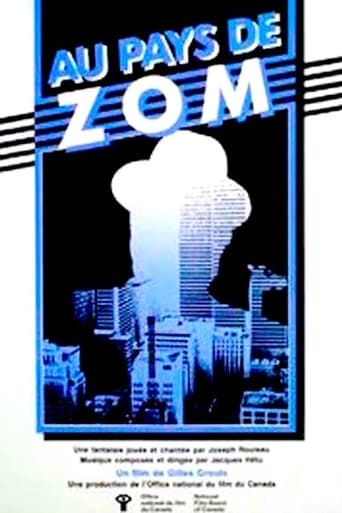
7.0A film-opera divided into nine segments, Au pays de Zom tells a day in the life of Mister Zom, a capitalist infatuated with his own person, whose conformism is only matched by his artistic velleity. A thematic sequel to his movie filmed with Mexican peasants, here Groulx asks, by making a business man sing, a second question on happiness: this time about the ones for whom happiness is linked with the possession of overabundance. He delivers, by developing the theatrical dimension with great emphasis, a social pamphlet with a strong satirical charge that he himself qualified as a "neo-surrealist fantasy".
Au pays de Zom
1982
 7.0
7.0A classic NFB documentary about the Golden Gloves boxing tournament, the Canadian amateur's hope for success in the boxing world. This Gilles Groulx film shows three Montreal boxers in training. In behind-the-scenes interviews they talk about their ambitions and what prompted them to take up the sport. - NFB
Golden Gloves
1961
 6.0
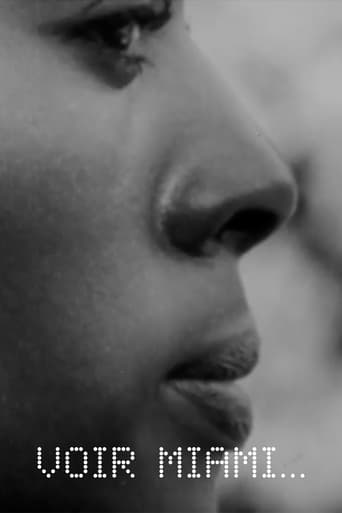
6.0A cinematic allegory of the modern U.S. at the time of the Cuban Missile Crisis, Gilles Groulx’s masterfully poetic montage essay evokes Quebecers’ simultaneous aversion and attraction to the El Dorado that is Florida—both a giant nursing home and an ideal of progress, American style.
Seeing Miami...
1962
 6.0
6.0The 4,000 inhabitants of the archipelago of Saint-Pierre-et-Miquelon describe it as a caillou—a tiny rock on which they live, lost in the shadow of Newfoundland. There is something mysterious and inexplicable about this extension of faraway France. In broad strokes, the film paints a picture of this insular population, revealing their history, daily lives and singular character.
France on a Pebble
1960
 NR
NRNo synopsis available yet.
Place de l'équation
1973
NRNo synopsis available yet.
Place de l'équation
1973
 7.0
7.0No synopsis available yet.
Santa Gertrudis, la première question sur le bonheur
1978