

Acting
Fudeko Tanaka
Born — Died
1913-03-16 — 1981-02-23
Place of birth
Koto, Tokyo, Japan
Known for
Acting
Credits
62 titles
Known for
 8.2
8.2The series depicts the employees of a security company from different generations and backgrounds facing many difficult questions. It features a guard who survived a suicide mission during the war and his conflicts, rebellion, empathy and reconciliation with the younger generation born after the war.
The Roads Men Travel
1976
 7.7
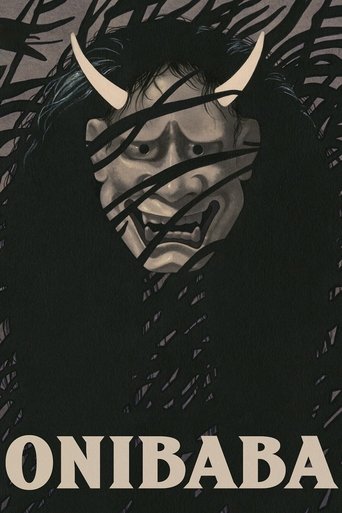
7.7While her son, Kichi, is away at war, a woman and her daughter-in-law survive by killing samurai who stray into their swamp, then selling whatever valuables they find. Both are devastated when they learn that Kichi has died, but his wife soon begins an affair with a neighbor who survived the war, Hachi. The mother disapproves and, when she can't steal Hachi for herself, tries to scare her daughter-in-law with a mysterious mask from a dead samurai.
Onibaba
1964
 7.2
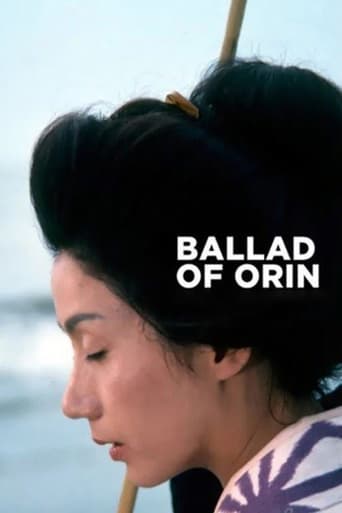
7.2Expelled from her group for losing her virginity, blind travelling musician Orin endures a life of hardship, abuse, and poverty while wandering the countryside, finding brief companionship with an army deserter, and struggling against a society that marginalises her.
Ballad of Orin
1977
 7.0
7.0After being used and betrayed by the detective she had fallen in love with, young Matsu is sent to a female prison full of sadistic guards and disobedient prisoners.
Female Prisoner Scorpion: Jailhouse 41
1972
 6.2
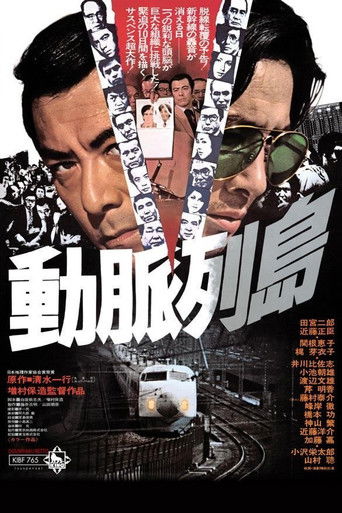
6.2Akiyama is an intern, disgusted with the noise pollution caused by the bullet trains and the heart attacks that noise has been causing in older hospital patients, plots to disrupt and, in ten days, destroy a unit of the operation. He warns the Japan National Railway, that, if nothing is done to reduce the noise, he will derail a bullet train. Takigawa is the police detective sent to stop him.
Main Line to Terror
1975
 7.4
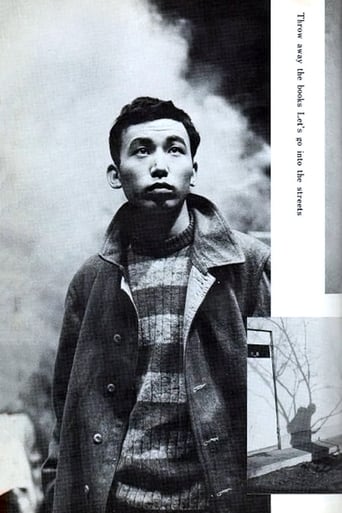
7.4An experimental, psychedelic odyssey through Japanese subculture experienced via the eyes of a disillusioned young man, who must contend with intense familial dysfunction, psychosexual alienation, and existentialist malaise.
Throw Away Your Books, Rally in the Streets
1971
Film credits
1980s · 1 titles
1970s · 14 titles
7.2Expelled from her group for losing her virginity, blind travelling musician Orin endures a life of hardship, abuse, and poverty while wandering the countryside, finding brief companionship with an army deserter, and struggling against a society that marginalises her.
Ballad of Orin
1977
7.0After being used and betrayed by the detective she had fallen in love with, young Matsu is sent to a female prison full of sadistic guards and disobedient prisoners.
Female Prisoner Scorpion: Jailhouse 41
1972
6.2Akiyama is an intern, disgusted with the noise pollution caused by the bullet trains and the heart attacks that noise has been causing in older hospital patients, plots to disrupt and, in ten days, destroy a unit of the operation. He warns the Japan National Railway, that, if nothing is done to reduce the noise, he will derail a bullet train. Takigawa is the police detective sent to stop him.
Main Line to Terror
1975
7.4An experimental, psychedelic odyssey through Japanese subculture experienced via the eyes of a disillusioned young man, who must contend with intense familial dysfunction, psychosexual alienation, and existentialist malaise.
Throw Away Your Books, Rally in the Streets
1971
 6.6
6.6When a lone traveller stumbles upon a remote, drought-stricken village, he finds himself engulfed in a whirlpool of myth, mystery, and magic: in a nearby pond reside spirits who hold the fate of the town’s inhabitants, including lovers Akira and Yuri, in their hands.
Demon Pond
1979
 6.1
6.1A man whose son has been murdered pushes to create laws to financially protect victims' families.
Oh, My Son!
1979
 6.1
6.1As Japan's war of aggression against China intensifies, beginning with the Nanjing Massacre in December 1937, Kohei, who had secretly married Junko, the second daughter of the Godai family, deploys to the front lines, witnessing the atrocities of the Japanese army firsthand. Meanwhile, Shunsuke also takes to the front lines of the battlefield, engaging in a fierce battle against the Soviet army at Nomonhan.
Men and War III: The Final Chapter
1973
 7.0
7.0Teenagers are rebels without a cause. Let it be for stress relief or just a way to kill time, Mami (Kumiko Akiyoshi) and Chiaki were always up to no good – but their luck runs out when they shoplift with some other girls at a local supermarket. They flee from the scene and head back home, only to find detectives at their front door.
Virgin Blues
1974
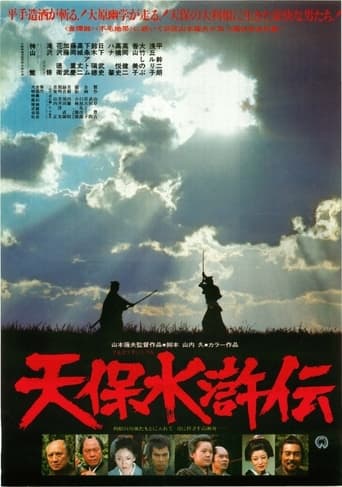 NR
NRA great famine struck all of Japan: the so-called Great Tenpō famine. It was a time when there were frequent uprisings in rural areas due to farmers losing their land as a result of strict tax collection. The Tonegawa area of Boso was a lawless area for a generation, as two major forces fought against each other: Sukegoro of Iioka, who wields power with his industrial capital behind him, and Shigezo of Sasakawa, a rising yakuza. Furthermore, the successive floods of the Tone River, which could be called fate, forced the farmers into even more poverty and despair. Meanwhile, farmers in Nabe Village continue to live a lethargic life, but agricultural reform is about to begin under the hands of Yugaku Ohara, a ronin who has settled in the village.
The Tempō Outlaws of the Marsh
1976
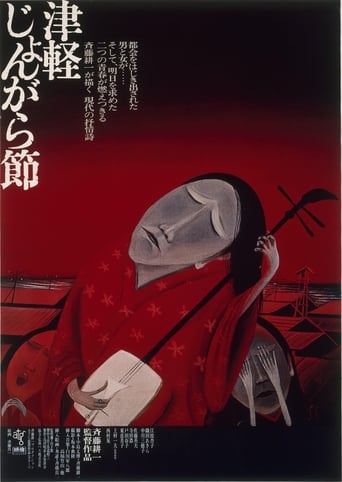 6.9
6.9A young girl is being asked about a man with whom she was keeping company, as her grandmother plays a lament on a shamisen. Then the focus changes to a couple arriving from Tokyo - the woman returning to her home, the man an escapee from the yakuza. The man doesn't seem to mind when the woman sells her favours to tourists at the local bar, just as she seems to take his attentions to Yuki, a blind girl, with equanimity.
Tsugaru Folksong
1973
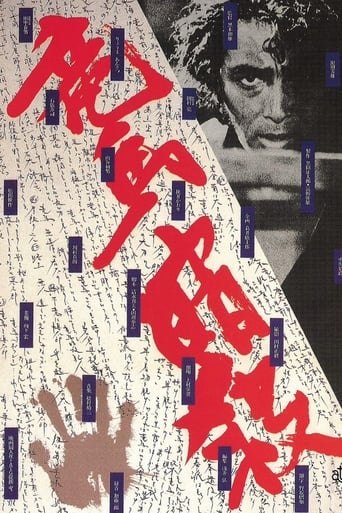 4.8
4.8Story of the last three days in the life of Sakamoto Ryoma (1836-1867), the imperial loyalist who tried to unite the Choshu and Satsuma clans and prepared the way for the Meiji Restoration (1868).
The Assassination of Ryoma
1974
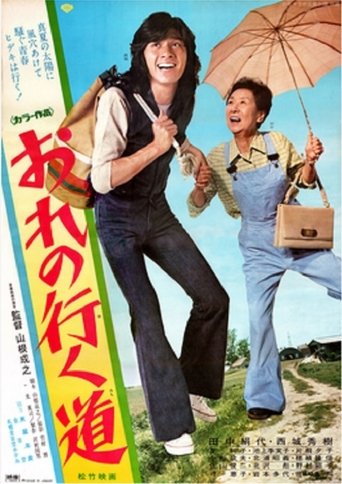 10.0
10.0Let's Go, Grandma! plays like an exuberant, goofy update to Yasujiro Ozu's Tokyo Story. Kinuyo Tanaka plays the titular Grandma, who, after selling her Hokkaido property, is apparently flush with cash but newly homeless. Her grown children take turns hosting her, making extravagant performances of filial devotion with an eye to potential profit. Making use of a catalog of wacky visual effects, bracketed by gratuitous ham-fisted fight scenes, and costarring pop singer Hideki Saijo, the film is balanced by Tanaka's nuanced performance, which delivers a denunciation of hypocrisy and greed.
Let's Go, Grandma!
1975
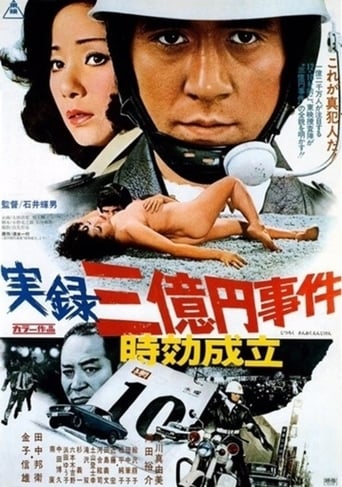 9.0
9.0In this retelling of an infamous unsolved heist, a couple tries to outlast the statute of limitations after successfully stealing 300 million yen.
300 Million Thief: Statute of Limitations
1975
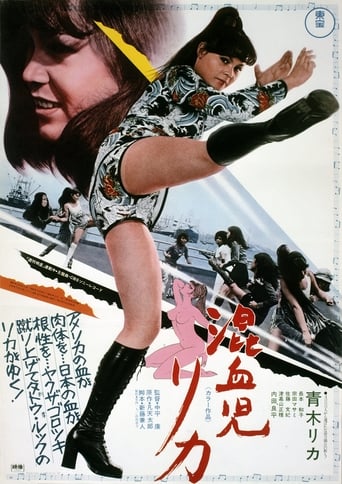 4.9
4.9First film of a trilogy following the dramatic life of Rika, a half-Japanese/half-American woman who becomes the tough-as-nails leader of an all-girl crime gang.
Rika: The Mixed-Blood Girl
1972
1960s · 14 titles
7.7While her son, Kichi, is away at war, a woman and her daughter-in-law survive by killing samurai who stray into their swamp, then selling whatever valuables they find. Both are devastated when they learn that Kichi has died, but his wife soon begins an affair with a neighbor who survived the war, Hachi. The mother disapproves and, when she can't steal Hachi for herself, tries to scare her daughter-in-law with a mysterious mask from a dead samurai.
Onibaba
1964
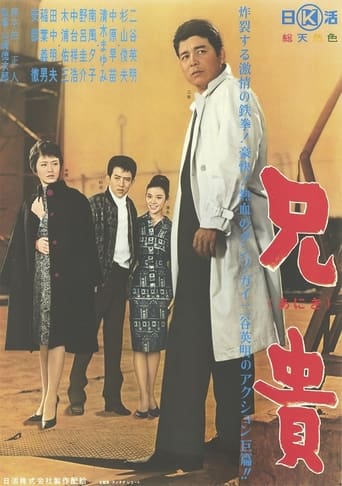 NR
NR1962 Japanese movie
Aniki
1962
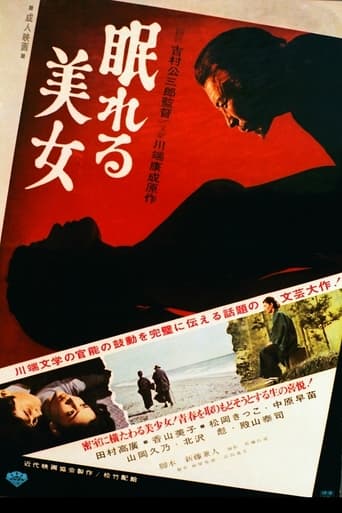 8.0
8.0About an establishment where old men pay to sleep besides young girls that had been narcotized and happen to be naked, the sleeping beauties. The old men are expected to take sleeping pills and share the bed for a whole night with a girl without attempting anything of bad taste like putting a finger inside their mouths.
The House of the Sleeping Virgins
1968
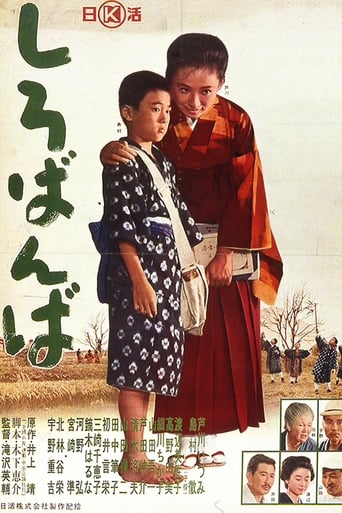 NR
NRNo synopsis available yet.
Children of Izu
1962
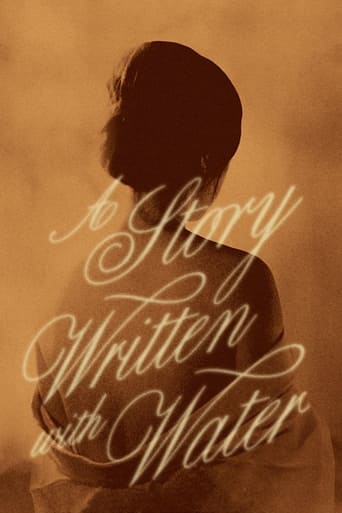 6.3
6.3Struggling with his true emotions, dreams, memories of the past and the reality Shizuo is about to marry, but is torn between his wife-to-be and the love to his mother.
A Story Written with Water
1965
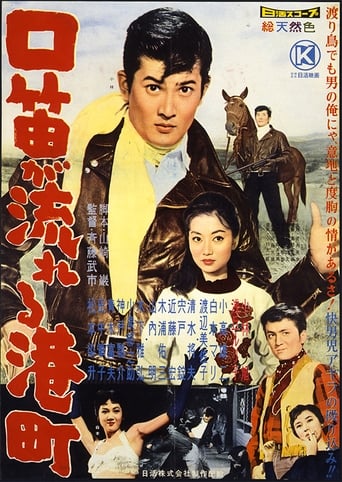 NR
NRRambler Shinji arrives in town armed with nothing but a guitar. With assistance from an old gun-for-hire friend, he sets about to stop the mob from turning an honest ranch into a gambling resort.
The Guitarist and the Rancher
1960
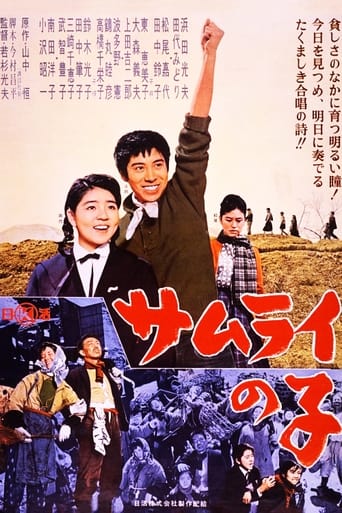 9.0
9.0Tajima Yumi, in grade school, is overjoyed when her father says they are moving to an apartment in a big city. But the beautiful home she had imagined is in a slum area called Samurai Village, a little settlement, where people live from hand to mouth. To make things worse, a group of vagrants descends on the already crowded ragpickers' village. The sight depresses and saddens little Yumi, but when her father gives up drinking, it makes up for everything in her eyes, and when he runs past liquor shops to avoid temptation, Yumi's laughter rings out merrily again. A unique social drama depicting the growth of a new generation that confronts the world of adults full of vanity in the image of a girl living in poverty.
A Modern Samurai Village
1963
 7.2
7.2Ayako, a young woman from a rural fishing village, is sold by her family into a brothel when her father takes ill. There, she is quickly stripped of her innocence and illusions.
An Innocent Witch
1965
 10.0
10.0As Japan's economic growth policies intensify, small-scale farmers embark on a first-ever communal dairy farming initiative in their village. They are joined by Riki, a young man who thinks communal farming will give him some leisure time.
Farm Girls
1962
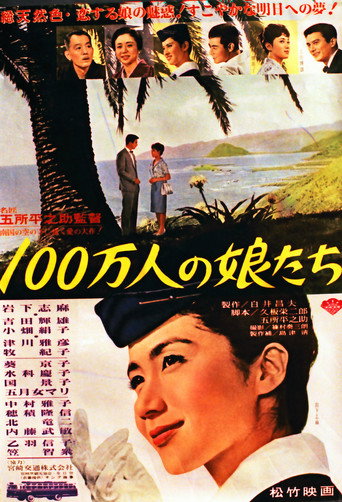 5.0
5.0No synopsis available yet.
A Million Girls
1963
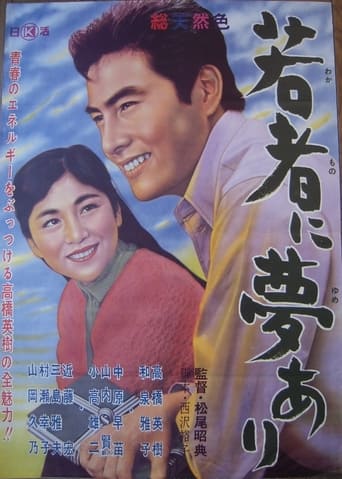 NR
NRNo synopsis available yet.
The President's Son
1962
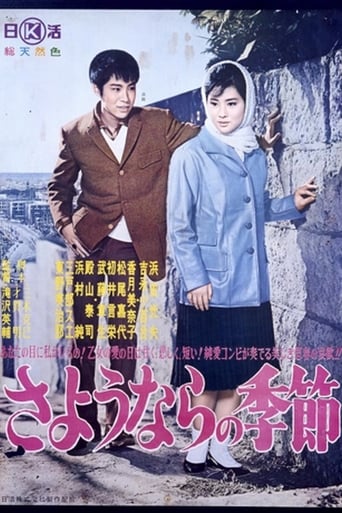 NR
NRA touching story of a girl who sails away from her love to keep her family together.
Season of Farewell
1962
 NR
NR1961 Japanese movie
Shōjo
1961
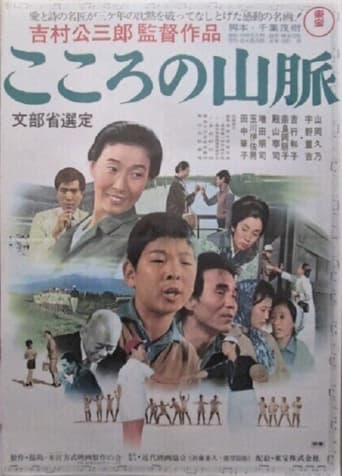 9.0
9.0A film dealing with the trials and tribulations of a primary school before and after the Pacific War, set in Fukashima Prefecture.
Kokoro no sanmyaku
1966
1950s · 21 titles
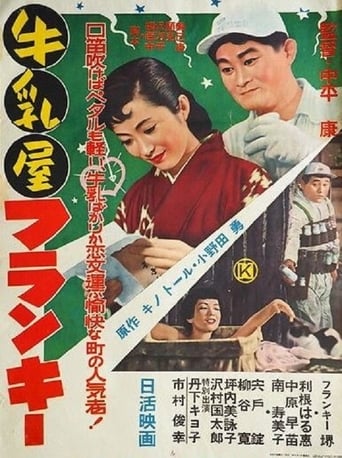 8.5
8.5Roppeita is big in size, clumsy and full of energy. When his grandfather orders him to move out to Tokyo to save a sinking milk delivery business a distant relative of his runs, he encounters the most strangest of clientele.
Frankie the Milkman
1956
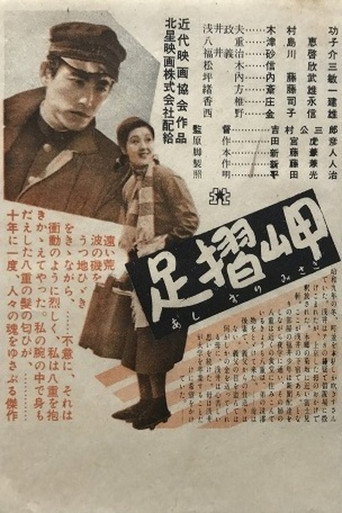 9.0
9.0Among Yoshimura’s complex and political works, this episodic film, set in the early 1930s, follows the life of a young left-wing student activist disenchanted by the increasingly hawkish state of Japanese society.
Cape Ashizuri
1954
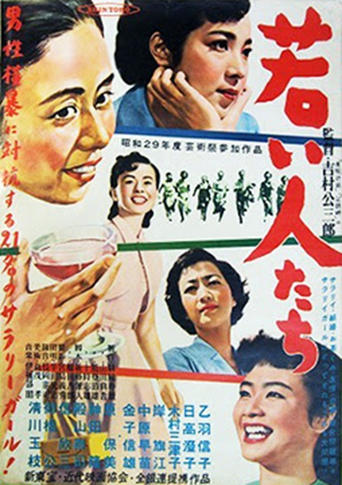 8.0
8.0No synopsis available yet.
Wakai hito-tachi
1954
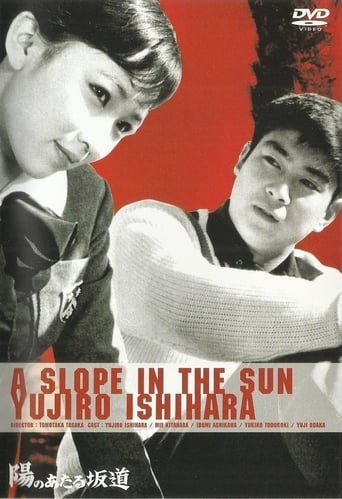 5.9
5.9The young Takako Kuramoto has come to Tokyo to study and starts working for the rich Tashiro family as tutor of the daughter, Kumiko, while she receives attention from her two older brothers, Yukichi and Shinji. Meanwhile, the exact parentage of Shinji comes to light.
A Slope in the Sun
1958
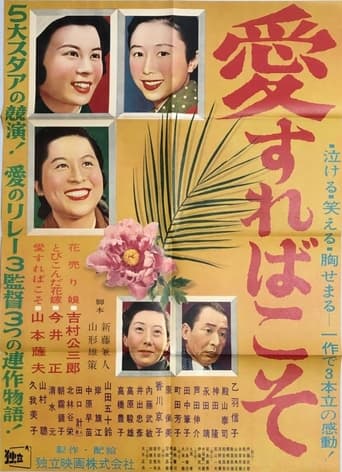 10.0
10.0The film consists of three short stories. Tomiko, the heroine of the first story, "The Flower Girl" (dir. Kozaburo Yoshimura), is a little girl who bears the unbearable burden of caring for her family. Tomiko's father has been unable to find work for a long time, and her older sister is terminally ill—it is unlikely that she will ever recover. To feed her family, Tomiko runs around the city from morning until late at night selling flowers... The second novella (dir. Tadashi Imai) also depicts the lives of the poor. An unfamiliar girl brings young Kavano a letter from his mother. It turns out that the girl's name is Kuniko, she is very hardworking, but her family is dying of hunger. Therefore, her mother decided to send Kuniko to her son so that he would marry her. The short story is called "The Unexpected Bride." The third short story, which gave the film its title, is particularly interesting: "When You Love" (dir. Satsuo Yamamoto). It shows the family of a young peace activist.
If Indeed One Loves
1955
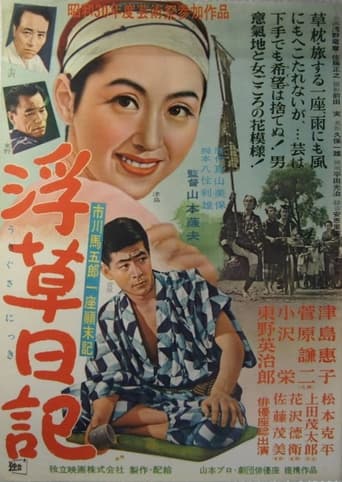 4.3
4.3A travelling theater troupe, led by Umagoro Ichikawa, comes to play in a mining town, and manages to sell every seat. Before the play begins, however, a miners' strike is announced, creating an uproar. In addition, the players find they have been cheated out of their profits by a crooked impresario.
Floating Weeds Diary
1955
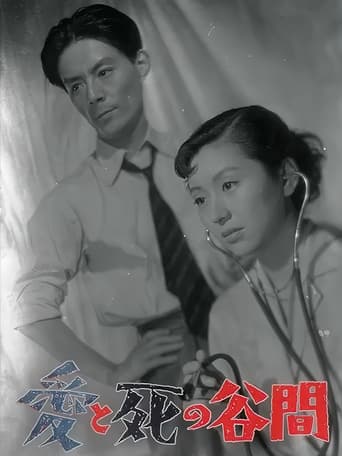 8.0
8.0A great ambition to portray with sharp satire and humor the course of modern anxiety and love that is about to be driven to despair.
The Valley Between Love and Death
1954
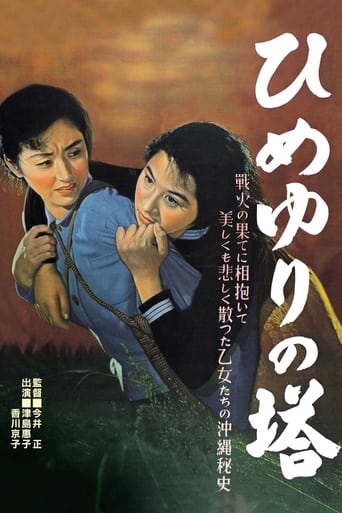 6.8
6.8A group of Okinawan high school girls are drafted as nurses during the American invasion of the island. As the enemy army advances further, the situation for the girls becomes increasingly desperate as food and shelter run out and the number of injured climbs, leading to the film's tragic finale.
Tower of Lilies
1953
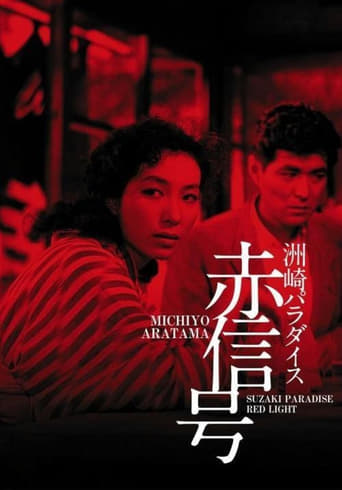 7.0
7.0A jobless young couple, Yoshigi and Tsutue, wind up at the outskirts of the Suzaki red-light district in Tokyo. Tsutue talks her way into a job pouring sake for male customers at a small bar run by a sympathetic older woman, while Yoshigi is shunted off into a nearby noodle shop, where he gets a job delivering noodles. Tsutue charms and runs off with one of her clients. Yoshigi, ignoring the attentions of a sweet co-worker, pursues Tsutue.
Suzaki Paradise: Red Light District
1956
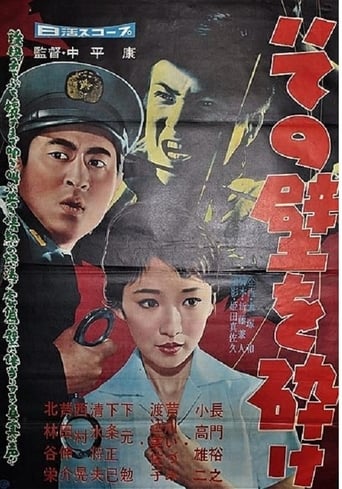 7.5
7.5A man is wrongfully accused of murder.
Break Down that Wall
1959
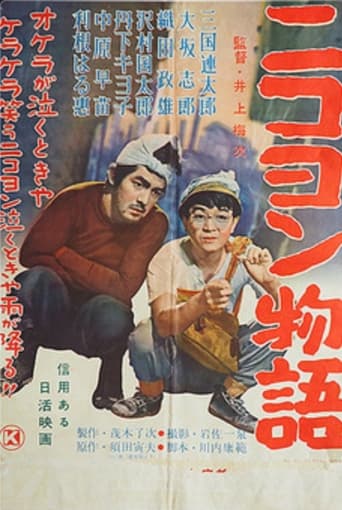 9.0
9.0Japanese drama film.
Nikoyon monogatari
1956
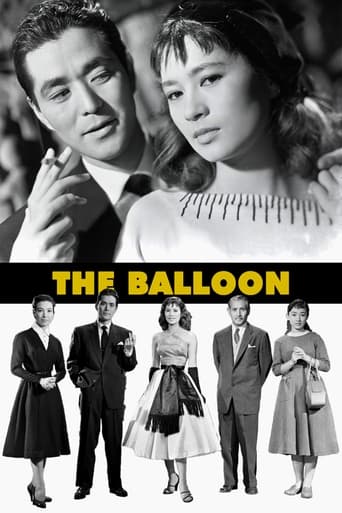 6.3
6.3Haruki Murakami is a successful family man and the head of a camera company. Unbeknownst to Murakami, his arrogant son oscillates between a mistress and a new lover who sings at a nightclub. When Murakami’s daughter befriends the mistress, the affair throws the family into turmoil.
The Balloon
1956
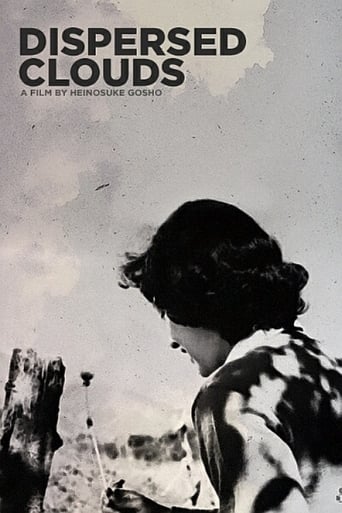 7.0
7.0Five women classmates from a college in Tokyo are on the first stretch of a walking tour when one of them, Masako, falls ill at a railway station. Osen, a middle-aged maid from a nearby inn, takes her in and nurses her, assisted by Dr. Minami, a young physician who diagnoses her illness as a mild case of pneumonia. With Masako in good hands and needing a few days to recuperate, her classmates continue their tour. Masako’s recovery, however, is hampered by her spoiled and immature nature and her determination to punish the world for the loss of her mother.
Dispersed Clouds
1951
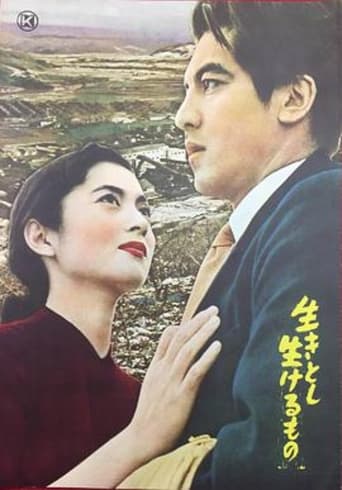 NR
NRYasuichiro Isa, who works in the labor section of Sone Mining Tokyo Headquarters, paid a monthly fee for his younger brother, Reiji, who was in trouble because he had a bonus of 10,000 yen more.
Striving to Live
1955
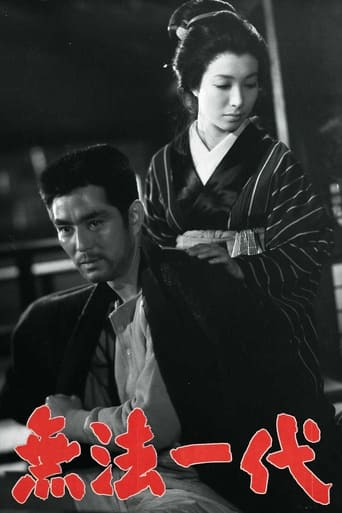 NR
NRThe movie is about a man who started a brothel to make money out of his poor circumstances in the late Meiji period.
Muhō Ichidai
1957
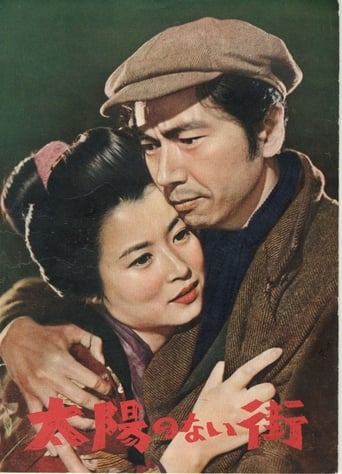 7.0
7.0Based on the novel by proletarian writer Sunao Tokunaga. The story is about a long strike by workers at a large printing house and the strikers' steadfastness, which neither hunger nor violence could break. The heroine of this story actively participates in her colleagues' struggle against layoffs, oppression, and police brutality.
The Street Without Sun
1954
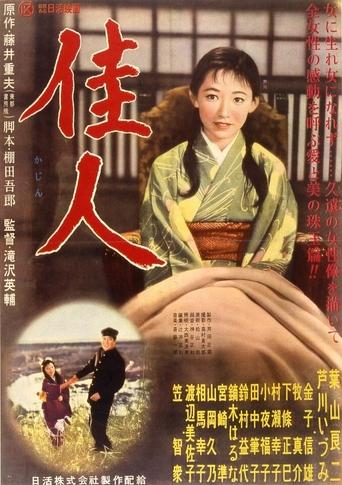 NR
NRNo synopsis available yet.
Forever, My Love
1958
Japanese drama film.
Kanshō fujin
1956
Japanese drama film.
The Motherless
1955
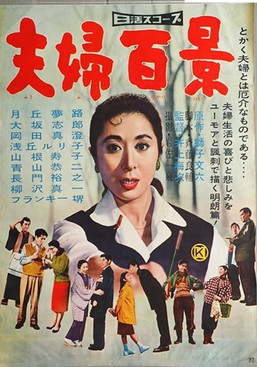 NR
NRIn the Okawa household, Miharu is the breadwinner, while her husband, Soma, handles the domestic chores. One day, a poor student couple moves into their home. Things get even more complicated after their cousin, Matsue, runs away from home after a fight with her husband.
The Husband Wore the Apron
1958
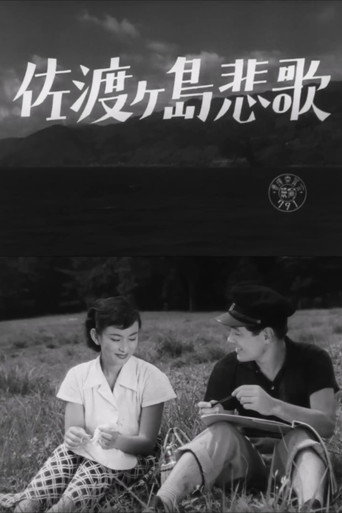 NR
NRMedical student Makoto Tachibana took advantage of his summer break to visit Sado Island, the hometown of his best friend Tago. Tago was the son of the owner of a ryokan in Ryotsu Port on Sado, and his younger sister, the aspiring singer Chieko, had also come to the island. The day Makoto arrived on the island was the opening ceremony for the Ryōtsu River, and the entire town was buzzing with the Okesa dance. That night, Chieko introduced Makoto to Fumiyo, whom she had noticed on the ferry and had been curious about. Although Makoto and Fumiyo were attracted to each other, her grandfather and older brother vehemently opposed their relationship.
Sado Island Elegy
1952
1940s · 9 titles
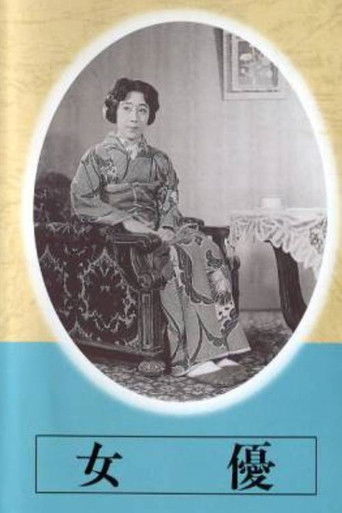 7.0
7.0During the late Meiji period, at the beginning of the twentieth century, Sumako, a country girl, becomes a great actress with the help of Hogetsu, a scholar who brought European realism to the Japanese stage. The relationship leads to the end of his marriage and the breakup of his Arts Society.
Actress
1947
 6.3
6.3A small community in wartime Japan learn how to make do with less.
This Happy Life
1944
 6.8
6.8Slice of life film centered on a couple of years in the life of a rural high school girl.
Spring Awakens
1947
 NR
NRNo synopsis available yet.
The Sculpture of Master Choji
1943
 9.0
9.0A woman remarries after receiving official notification that her husband has died, but he returns.
War and Peace
1947
1942 adaptation of Izumi Kyoka's novel.
Onna keizu
1942
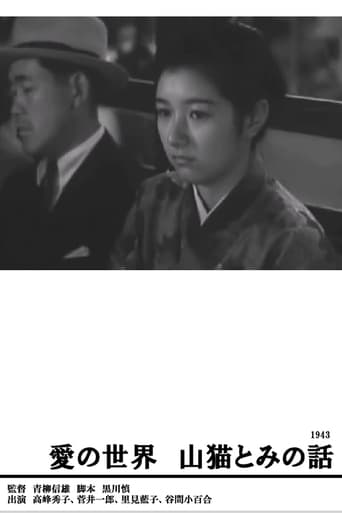 10.0
10.0A sixteen-year-old who had been living on her own since her mother died, frequently gets in trouble with the police. She gets sent to an "institute" for young girls in the countryside. There the residents grow their own food, cook and clean for themselves, and are taught language, music, and sewing. While there the young girl slowly begins to form friendships and come out of her shell.
World of Love
1943
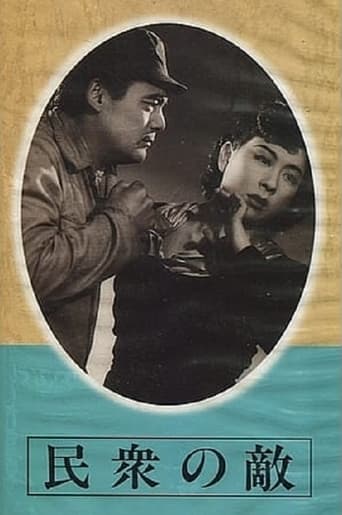 9.0
9.0Tadashi Imai 1946 movie
An Enemy of the People
1946
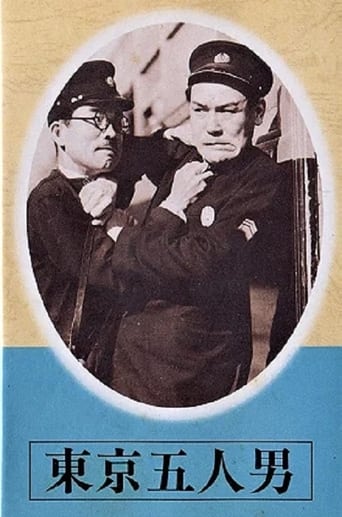 7.0
7.0Newly released from the army, five men return to Tokyo to find no place to live in the bombed-out city, food and necessities rationed out by people who don't care, and a thriving black market.
Five Tokyo Men
1945
Series credits
8.2The series depicts the employees of a security company from different generations and backgrounds facing many difficult questions. It features a guard who survived a suicide mission during the war and his conflicts, rebellion, empathy and reconciliation with the younger generation born after the war.
The Roads Men Travel
1976
 NR
NRNo synopsis available yet.
タイム・トラベラー
1972