

Acting
Mesquitinha
Born — Died
1902-04-19 — 1956-06-10
Place of birth
Lisbon, Portugal
Known for
Acting
Credits
21 titles
Mesquitinha, stage name of Olympio Bastos (Lisbon, April 19, 1902 — Rio de Janeiro, June 10, 1956) was a Brazilian actor. Notable actor of the stage and of the early years of Brazilian cinema.
Known for
 10.0
10.0No synopsis available yet.
Estudantes
1935
 10.0
10.0No synopsis available yet.
Noites Cariocas
1935
 9.0
9.0João Ninguém is a humble composer who made the waltz "Sonhos Azuis" as a gift to his girlfriend on her birthday. To give it to her, he asked for help from a friend, but on the way, an accident happens and puts at risk not only the relationship, but also João's life and career.
João Ninguém
1936
 7.0
7.0No synopsis available yet.
Cem Garotas e Um Capote
1946
 NR
NRA lawyer and an elderly professor (who has been engaged to his cousin for so long), make a plan to freely enjoy the delights of a wild party, far from those who know them. (Cinemateca Brasileira)
Bombonzinho
1937
 8.0
8.0A wealthy sugar mill owner, widowed and living with his only son, suffers from profound melancholy. To alleviate his suffering, he seeks entertainment in the form of any jerk willing to lend a hand. Among the many candidates his secretary presents to fill the "position", a certain "Penguin", who along with his sister "Picolé" lives on the favela hill under the protection of a kind Portuguese shopkeeper, completely pleases the "sovereign" of sugar. With "Penguin"'s entry into the court as the sugar king's "fool", great transformations take place in the home of the wealthy misanthrope.
The King's Jester
1937
Film credits
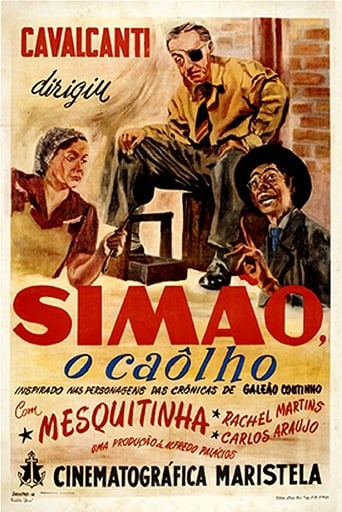
1940s · 3 titles
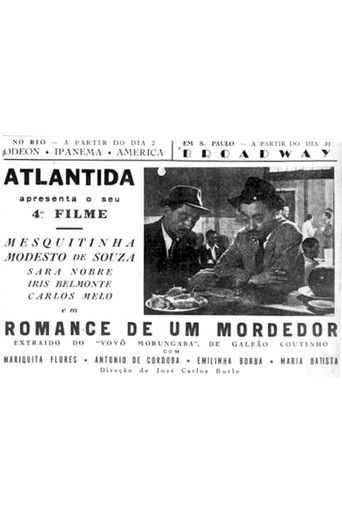

1930s · 10 titles
10.0No synopsis available yet.
Estudantes
1935
10.0No synopsis available yet.
Noites Cariocas
1935
9.0João Ninguém is a humble composer who made the waltz "Sonhos Azuis" as a gift to his girlfriend on her birthday. To give it to her, he asked for help from a friend, but on the way, an accident happens and puts at risk not only the relationship, but also João's life and career.
João Ninguém
1936
NRA lawyer and an elderly professor (who has been engaged to his cousin for so long), make a plan to freely enjoy the delights of a wild party, far from those who know them. (Cinemateca Brasileira)
Bombonzinho
1937
8.0A wealthy sugar mill owner, widowed and living with his only son, suffers from profound melancholy. To alleviate his suffering, he seeks entertainment in the form of any jerk willing to lend a hand. Among the many candidates his secretary presents to fill the "position", a certain "Penguin", who along with his sister "Picolé" lives on the favela hill under the protection of a kind Portuguese shopkeeper, completely pleases the "sovereign" of sugar. With "Penguin"'s entry into the court as the sugar king's "fool", great transformations take place in the home of the wealthy misanthrope.
The King's Jester
1937
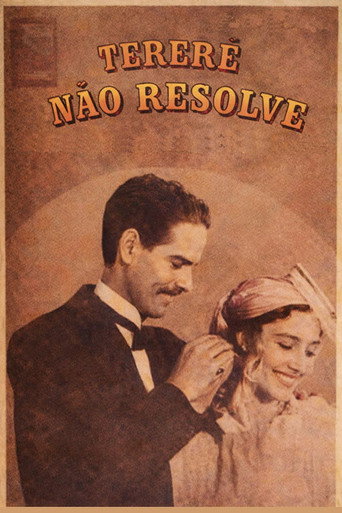 10.0
10.0Three couples, two already living in Rio; and the third, with 'the one who hates carnival', coming to visit an aunt. One of the women bets that all husbands are unfaithful. They send invitations to their husbands to the carnival ball. They find a pretext to be able to attend. They, in turn, go in disguise, just like the maid. Hence the confusion at the ball, each one dating the other's wife.
Tererê Não Resolve
1938
 9.0
9.0A man is looking for a radio singer named "Dulcineia." For this, he goes through the biggest hassles and problems. The plot, in fact, is an excuse for the exhibition of the musical numbers of the greatest Brazilian Radio artists.
Hello, Hello, Brazil!
1935
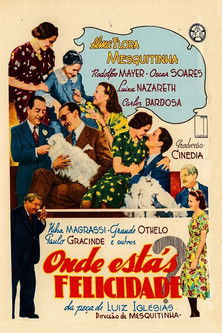 10.0
10.0Badly advised by a high-class friend (who covets her husband) and by her scatterbrained father (always preoccupied with making cocktails), singer Noêmia forces her husband to abandon suburban life for the noisy 'big life' of Copacabana.
Onde Estás, Felicidade?
1939
 6.0
6.0A pampered girl decides to marry in a different way: buying a husband.
Maridinho de Luxo
1938
An elderly head of the family, unlike his family—wife, daughters, future son-in-law, and servants—horrifies Carnaval, forming a humorous contrast. But, in need of money, he finds himself forced to accept the demands of an old Luzitano, who will only lend him money if he joins his group and joins the revelry.
Está Tudo Aí!
1939
Behind the camera
9.0João Ninguém is a humble composer who made the waltz "Sonhos Azuis" as a gift to his girlfriend on her birthday. To give it to her, he asked for help from a friend, but on the way, an accident happens and puts at risk not only the relationship, but also João's life and career.
João Ninguém
1936
NRA lawyer and an elderly professor (who has been engaged to his cousin for so long), make a plan to freely enjoy the delights of a wild party, far from those who know them. (Cinemateca Brasileira)
Bombonzinho
1937
8.0A wealthy sugar mill owner, widowed and living with his only son, suffers from profound melancholy. To alleviate his suffering, he seeks entertainment in the form of any jerk willing to lend a hand. Among the many candidates his secretary presents to fill the "position", a certain "Penguin", who along with his sister "Picolé" lives on the favela hill under the protection of a kind Portuguese shopkeeper, completely pleases the "sovereign" of sugar. With "Penguin"'s entry into the court as the sugar king's "fool", great transformations take place in the home of the wealthy misanthrope.
The King's Jester
1937
10.0Badly advised by a high-class friend (who covets her husband) and by her scatterbrained father (always preoccupied with making cocktails), singer Noêmia forces her husband to abandon suburban life for the noisy 'big life' of Copacabana.
Onde Estás, Felicidade?
1939
10.0Badly advised by a high-class friend (who covets her husband) and by her scatterbrained father (always preoccupied with making cocktails), singer Noêmia forces her husband to abandon suburban life for the noisy 'big life' of Copacabana.
Onde Estás, Felicidade?
1939
An elderly head of the family, unlike his family—wife, daughters, future son-in-law, and servants—horrifies Carnaval, forming a humorous contrast. But, in need of money, he finds himself forced to accept the demands of an old Luzitano, who will only lend him money if he joins his group and joins the revelry.
Está Tudo Aí!
1939
An elderly head of the family, unlike his family—wife, daughters, future son-in-law, and servants—horrifies Carnaval, forming a humorous contrast. But, in need of money, he finds himself forced to accept the demands of an old Luzitano, who will only lend him money if he joins his group and joins the revelry.
Está Tudo Aí!
1939