
Acting
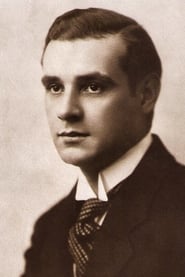
Victor Varconi
Born — Died
1891-03-30 — 1976-06-06
Place of birth
Kisvárda, Austria-Hungary
Known for
Acting
Credits
62 titles
From Wikipedia, the free encyclopedia Victor Varconi (born Mihály Várkonyi, 31 March 1891 – 6 June 1976) was a highly successful silent film actor in Hungary. Born in Kisvárda, Austria-Hungary, Varconi was the first Hungarian actor to make a film in the United States. His normal speaking accent sounded almost exactly like that of Transylvanian Bela Lugosi. He worked under contract to Cecil B. DeMille, and played Pontius Pilate in DeMille's 1927 production of The King of Kings. Because of his accent, Varconi's popularity waned with the advent of sound films and he was cast in smaller parts, often playing Hispanic characters. He worked on the New York City stage and wrote for radio. He di…
Known for
 5.4
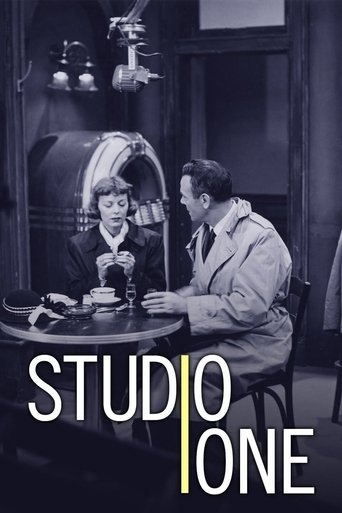
5.4An American radio–television anthology series, created in 1947 by Canadian director Fletcher Markle, who came to CBS from the CBC. Studio One, presented by Westinghouse, was one of the first of the anthology TV programs. The episodes were often abridged remakes of movies from years gone by and many future well-known television and movie actors appeared in the productions.
Studio One
1948
 7.8
7.8A television anthology series hosted by Alfred Hitchcock featuring dramas, thrillers, and mysteries.
Alfred Hitchcock Presents
1955
 6.6
6.6When strongman Samson rejects the love of the beautiful Philistine woman Delilah, she seeks vengeance that brings horrible consequences they both regret.
Samson and Delilah
1949
 7.2
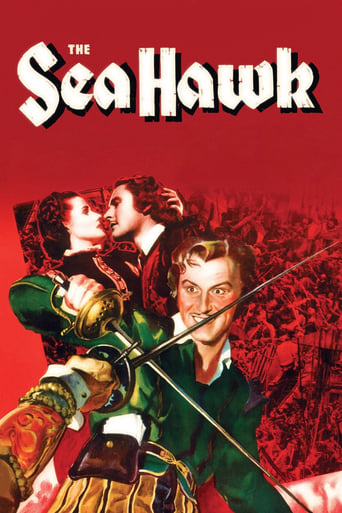
7.2Dashing pirate Geoffrey Thorpe plunders Spanish ships for Queen Elizabeth I and falls in love with Dona Maria, a beautiful Spanish royal he captures.
The Sea Hawk
1940
 6.4
6.4The King of Kings is the Greatest Story Ever Told as only Cecil B. DeMille could tell it. In 1927, working with one of the biggest budgets in Hollywood history, DeMille spun the life and Passion of Christ into a silent-era blockbuster. Featuring text drawn directly from the Bible, a cast of thousands, and the great showman’s singular cinematic bag of tricks, The King of Kings is at once spectacular and deeply reverent—part Gospel, part Technicolor epic.
The King of Kings
1927
 6.5
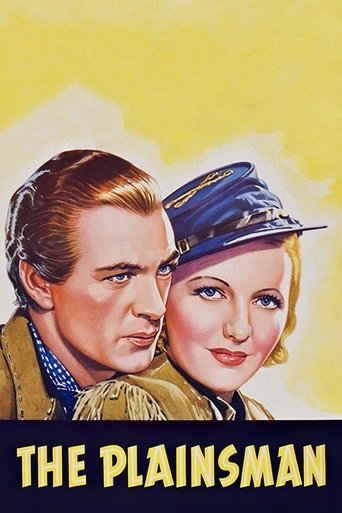
6.5Wild Bill Hickok, Calamity Jane, and Buffalo Bill go up against Indians and a gunrunner.
The Plainsman
1936
Film credits
1950s · 2 titles
 5.3
5.3Ships disappear on route across the Arctic Sea, and a special submarine is sent to investigate.
The Atomic Submarine
1959
 5.2
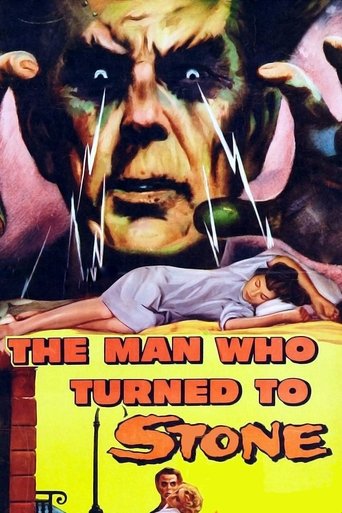
5.2A new social worker at a girls' reformatory discovers that her charges are being used by a group of ancient alchemists, who have insinuated themselves as the prison's chief staffers, to keep themselves alive and free from an insidious petrification, which is already afflicting one of their number.
The Man Who Turned to Stone
1957
1940s · 14 titles
6.6When strongman Samson rejects the love of the beautiful Philistine woman Delilah, she seeks vengeance that brings horrible consequences they both regret.
Samson and Delilah
1949
7.2Dashing pirate Geoffrey Thorpe plunders Spanish ships for Queen Elizabeth I and falls in love with Dona Maria, a beautiful Spanish royal he captures.
The Sea Hawk
1940
 6.5
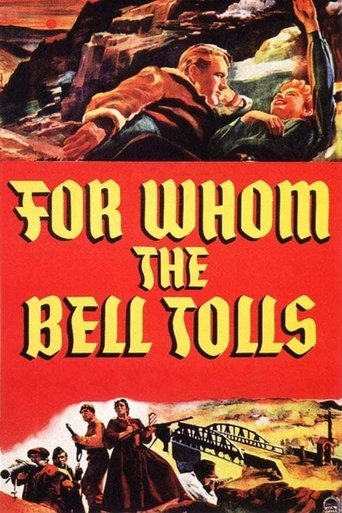
6.5Spain in the 1930s is the place to be for a man of action like Robert Jordan. There is a civil war going on and Jordan—who has joined up on the side that appeals most to idealists of that era—has been given a high-risk assignment up in the mountains. He awaits the right time to blow up a crucial bridge in order to halt the enemy's progress.
For Whom the Bell Tolls
1943
 7.0
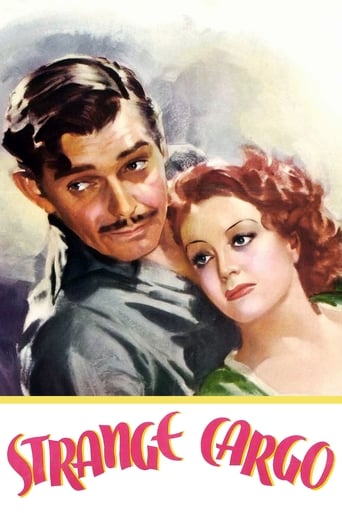
7.0Convicts escaping from Devil's Island come under the influence of a strange Christ-like figure.
Strange Cargo
1940
 6.5
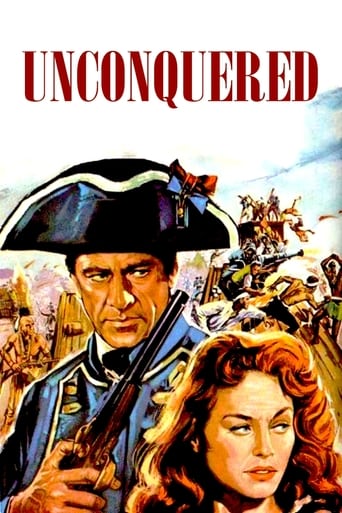
6.5England, 1763. After being convicted of a crime, the young and beautiful Abigail Hale agrees, to escape the gallows, to serve fourteen years as a slave in the colony of Virginia, whose inhabitants begin to hear and fear the sinister song of the threatening drums of war that resound in the wild Ohio valley.
Unconquered
1947
 6.3
6.3The Florida Keys in 1840, where the implacable hurricanes of the Caribbean scream, where the salvagers of Key West, like the intrepid and beautiful Loxi Claiborne and her crew, reap, aboard frail schooners, the harvest of the wild wind, facing the shark teeth of the reefs to rescue the sailors and the cargo from the shipwrecks caused by the scavengers of the sea.
Reap the Wild Wind
1942
 6.5
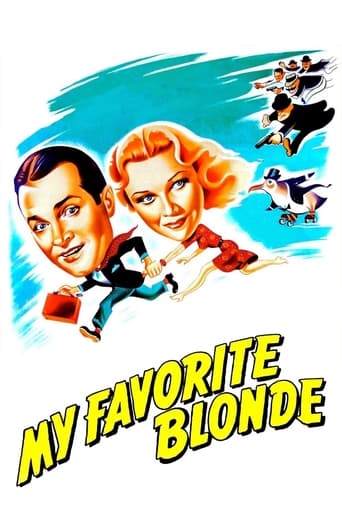
6.5Larry Haines, a mediocre vaudeville entertainer, boards a train for Los Angeles. Aboard, he meets an attractive, blonde British agent carrying a coded message hidden in a brooch—and is being pursued by Nazi agents.
My Favorite Blonde
1942
 6.4
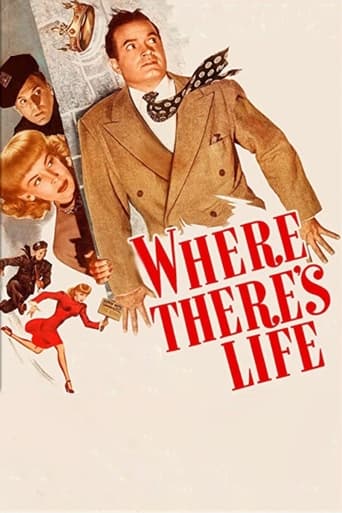
6.4In a far off country, their king is critically wounded after an assassination attempt and the only heir is a timid New York radio personality, Michael Valentine (Bob Hope). After reluctantly traveling to his father's homeland, Michael is not happy that he's become the target of the same terrorist organization that attacked the king.
Where There's Life
1947
 6.0
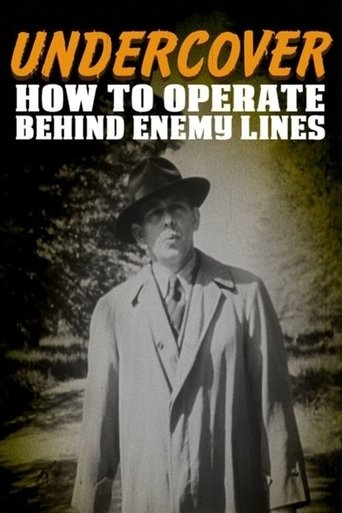
6.0A training film for OSS agents who are to be dropped behind enemy lines.
Undercover: How to Operate Behind Enemy Lines
1943
 6.3
6.3The Hitler Gang adopts the style of a gangster film as it charts Adolf Hitler’s rise from small-time politico to dictator of Germany.
The Hitler Gang
1944
 6.5
6.5A London curator loses the Mona Lisa to a collector, who discovers it's a fake.
Scotland Yard Investigator
1945
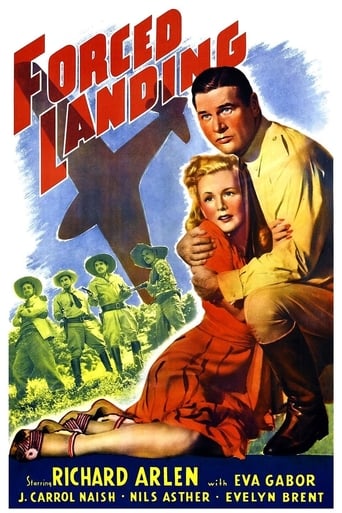 6.0
6.0On faraway Mosaque, an American pilot finds that he is in a desperate struggle with a military officer intent on sabotaging a local fort.
Forced Landing
1941
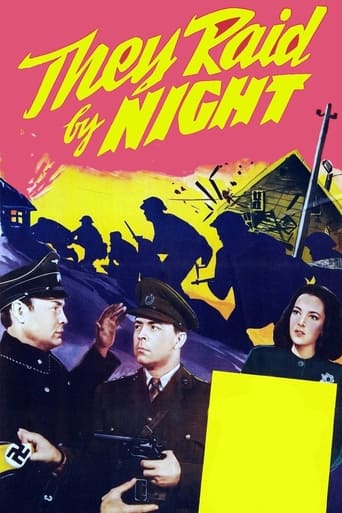 5.3
5.3The British Commandos send Bob Owen to Norway to prepare for a raid. His mission also includes freeing General Heden who is being held by the Nazis. His aides include Eric Falken and Harry. Inga, a Norwegian girl to whom Falken was once engaged but who has become the sweetheart of Oberst Von Ritter, betrays their hiding place.
They Raid by Night
1942
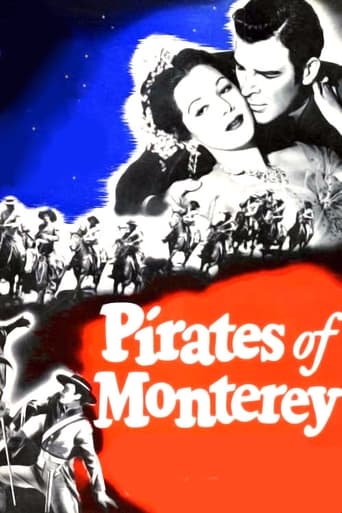 5.6
5.6A woman journeys to Spanish California to marry a Spanish officer, but on the way she meets and falls in love with an American adventurer who is part of a movement to overthrow the Spanish in California.
Pirates of Monterey
1947
1930s · 20 titles
6.5Wild Bill Hickok, Calamity Jane, and Buffalo Bill go up against Indians and a gunrunner.
The Plainsman
1936
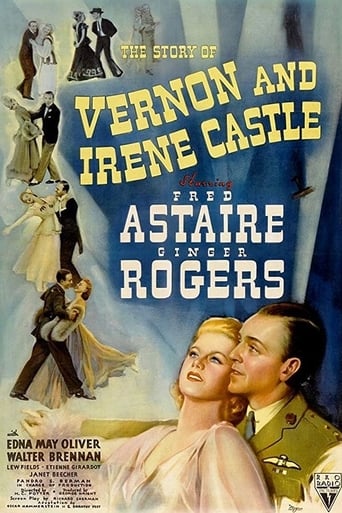 7.0
7.0In 1911, minor stage comic, Vernon Castle meets the stage-struck Irene Foote. A few misadventures later, they marry and then abandon comedy to attempt a dancing career together. While they're performing in Paris, an agent sees them rehearse and starts them on their brilliant career as the world's foremost ballroom dancers. However, at the height of their fame, World War I begins.
The Story of Vernon and Irene Castle
1939
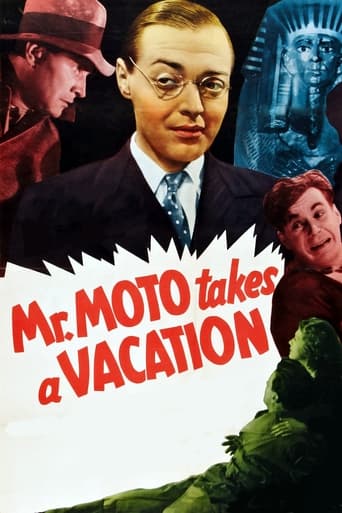 6.6
6.6Mr. Moto is in Egypt to thwart a criminal mastermind determined to steal the priceless crown of the Queen of Sheba. When the precious treasure is transported to America, Mr. Moto must race against time to unmask the cunning thief who will stop at nothing—not even murder—to get what he wants.
Mr. Moto Takes a Vacation
1939
 6.7
6.7To avoid the rigors of the law, Gilda flees New Orleans and hides on a Caribbean island where the worst criminals can ask for asylum. Besieged by the scum of the earth, Gilda will soon find out that she has found refuge in hell.
Safe in Hell
1931
 7.7
7.7Anna and Joe are newly married, playful and deeply in love. Joe is scraping by as cab driver in New York City during a period of corruption, mob control and violence between cab companies.
Big City
1937
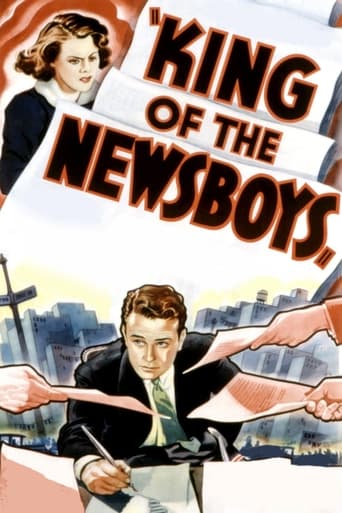 4.8
4.8A poor young man's girlfriend leaves him for a gangster, who has the money and power she wants and the young man doesn't have. Determined to show her that he can be a success--and how much of a mistake she made by leaving him--he starts up a newspaper distribution business that is soon the biggest in the city, but things don't turn out exactly the way he wanted them to.
King of the Newsboys
1938
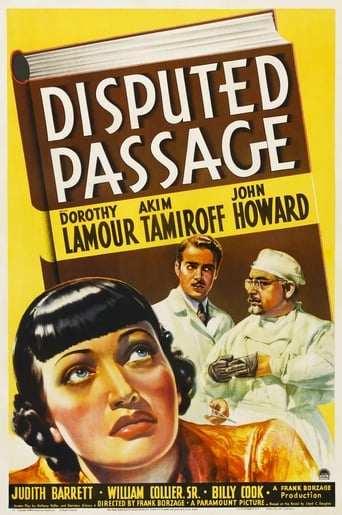 7.0
7.0A doctor's medical studies are threatened by his infatuation with a Chinese girl. The girl returns to China, but complications ensue when she runs into him in Nanking during a Japanese bombing raid.
Disputed Passage
1939
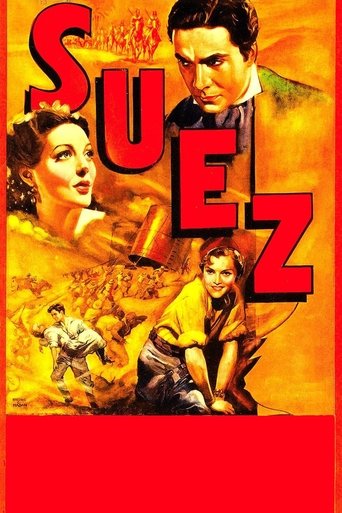 5.5
5.5Ferdinand de Lesseps, disappointed in love, is sent as a junior diplomat to the Isthmus of Suez, and realizes it's just the place for a canal.
Suez
1938
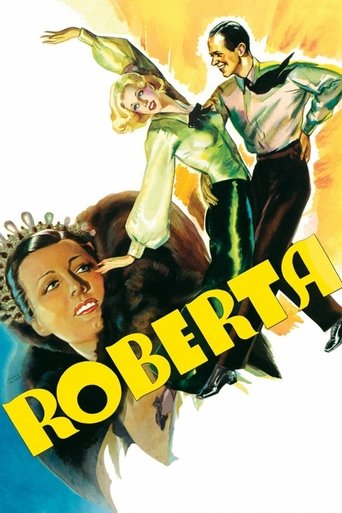 7.1
7.1Football player John Kent tags along as Huck Haines and the Wabash Indianians travel to an engagement in Paris, only to lose it immediately. John and company visit his aunt, owner of a posh fashion house run by her assistant, Stephanie. There they meet the singer Scharwenka (alias Huck's old friend Lizzie), who gets the band a job. Meanwhile, Madame Roberta passes away and leaves the business to John and he goes into partnership with Stephanie.
Roberta
1935
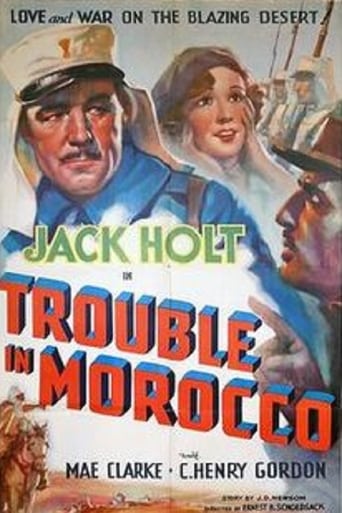 6.5
6.5A newspaperman Paul Cluett (Jack Holt) gets rival reporter Linda Lawrence (Mae Clark) to admit that she is investigating a story that guns are being smuggled illegally into Morocco.
Trouble in Morocco
1937
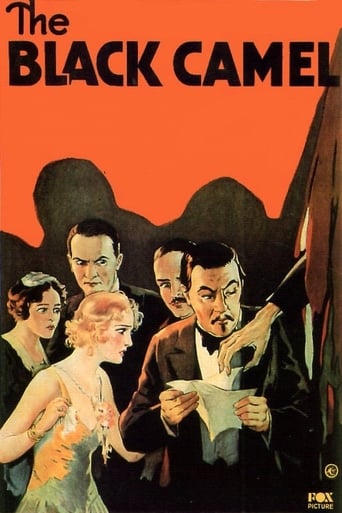 6.1
6.1Movie star Shelah Fane is seeing wealthy Alan Jaynes while filming in Honolulu, Hawaii, but won't marry him without consulting famed psychic Tarneverro first. Enter inspector Charlie Chan of the Honolulu Police, investigating the unsolved murder, three years earlier, of a Hollywood actor.
The Black Camel
1931
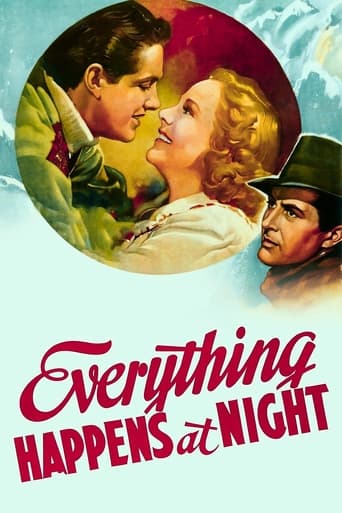 5.3
5.3Two reporters compete to discover a scientist living in hiding and win his daughter.
Everything Happens at Night
1939
 6.1
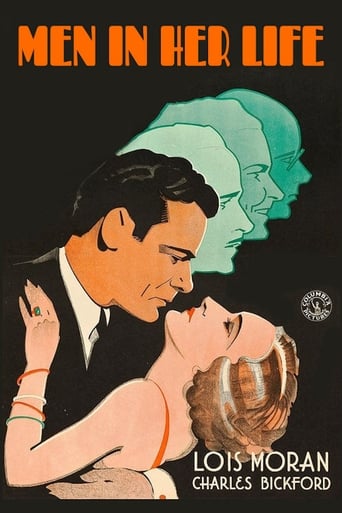
6.1A wealthy ex-bootlegger comes to the rescue of a formerly rich society girl after her gold-digging fiancé leaves her stranded when he finds out she's broke. The bootlegger proposes a deal: he will settle her debts if she teaches him how to be "a gentleman".
Men in Her Life
1931
 7.0
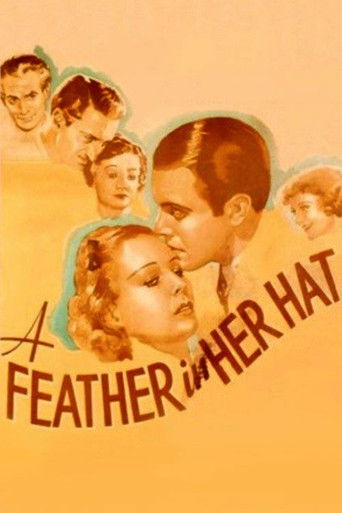
7.0After the woman who raised him claims he's not her son, Richard searches for clues about his identity. Urged on by his mentor, Capt. Randolph Courtney, Richard focuses on Julia Trent Anders, a middle-aged actress who just might be his real mother. But soon, Richard begins to fall for Julia's stepdaughter. Amidst the upheaval, Richard schemes to return Julia to the stage -- but he's in for another big surprise.
A Feather in Her Hat
1935
 5.7
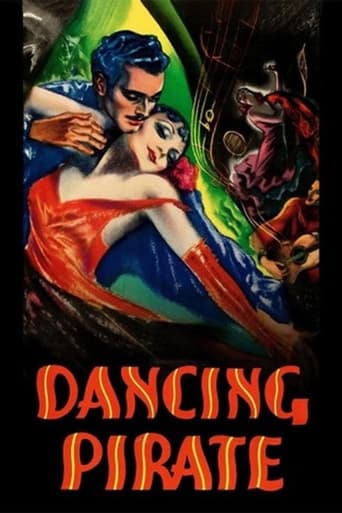
5.7Jonathan Pride is a mild-mannered dance instructor in 1820 Boston. En route to visit relatives, Jonathan is shanghaied by a band of zany pirates and forced to work as a galley boy. When the pirate vessel arrives at the port of Las Palomas, Jonathan, clad in buccaneer's garb, makes his escape. Everyone in Las Palomas, including Governor Alcalde (Frank Morgan) and fetching senorita Serafina (Steffi Duna), assumes that Jonathan is the pirate chieftain, leading to a series of typical comic-opera complications.
Dancing Pirate
1936
 6.7
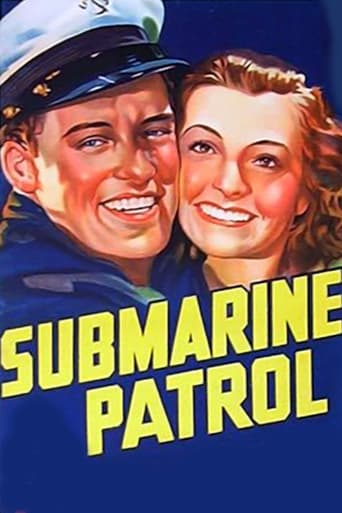
6.7A naval officer is demoted for negligence and put in command of a run-down submarine chaser with a motley crew.
Submarine Patrol
1938
 4.4
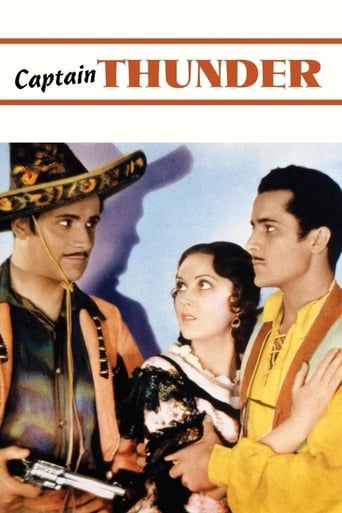
4.4A notorious Mexican bandit goes all soft and mushy when he falls for a beautiful senorita. Warner Bros.' Captain Thunder contains some of the darndest Mexican accents you've ever heard in your life. The star is Hungarian-born Victor Varconi, portraying a legendary south of the border outlaw who tries to force Canadian senorita Fay Wray to marry a rival rustler whom she despises. She pleads with the bandito so pathetically that he is moved to grant her a single wish. Without hesitation she chooses her poor but true love. The bandit king, being a somewhat honorable fellow grants the wish and without a twitch, guns down the wicked cattle thief. Fortunately the film was played for comedy, a wise decision since it probably would have garnered laughs as a straight drama anyway.
Captain Thunder
1930
 5.0
5.0An ex-con takes flight after he's framed for a jewelry store robbery and murder.
Men in Exile
1937
 7.0
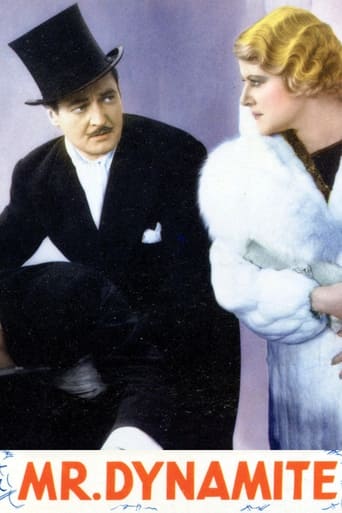
7.0A gambler hires a detective to investigate when a murder is committed in his casino.
Mister Dynamite
1935
 6.0
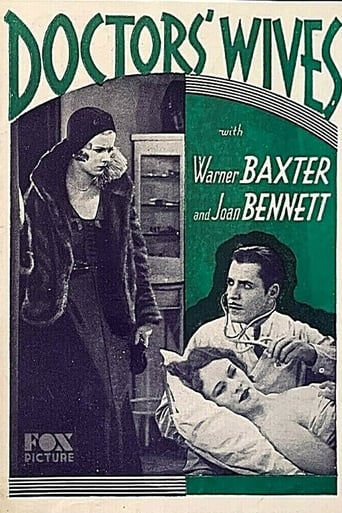
6.0The trials of being a doctor's wife are presented in this drama. The story centers upon the problematic marriage of one couple. Their troubles begin when the doctor makes a housecall to a seductive woman with designs upon him. His suspicious wife follows him and spies on him. She thinks they are getting romantic when he is actually trying to extricate himself from his predatory patient. She decides to get revenge with his best friend, but nothing happens.
Doctors' Wives
1931
1920s · 16 titles
6.4The King of Kings is the Greatest Story Ever Told as only Cecil B. DeMille could tell it. In 1927, working with one of the biggest budgets in Hollywood history, DeMille spun the life and Passion of Christ into a silent-era blockbuster. Featuring text drawn directly from the Bible, a cast of thousands, and the great showman’s singular cinematic bag of tricks, The King of Kings is at once spectacular and deeply reverent—part Gospel, part Technicolor epic.
The King of Kings
1927
 6.5
6.5During the Russian Revolution Princess Vera, though betrothed to Prince Dimitri, is attracted to the peasant Feodor.
The Volga Boatman
1926
 5.9
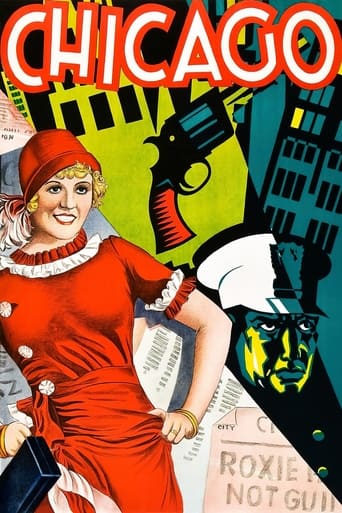
5.9Based on a true story, two-timing boozing wife Roxie Hart kills her lover in cold blood after he leaves her, and finagles her way out being indicted.
Chicago
1927
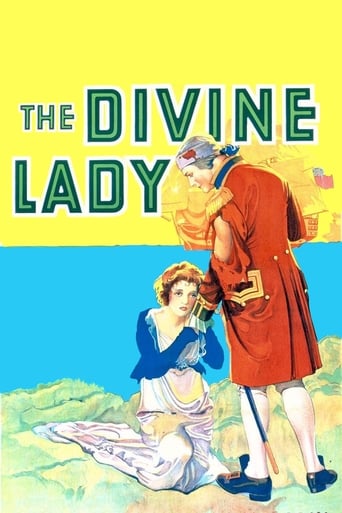 5.3
5.3Lady Hamilton's love affair with Admiral Horatio Nelson rocks the British Empire.
The Divine Lady
1928
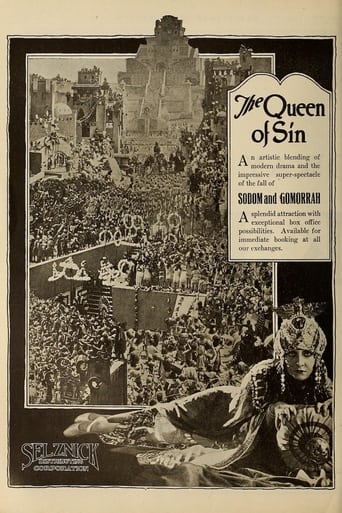 6.1
6.1Exposed to bad influences since childhood, Mary, a young girl is pushed by her mother to approach an elderly banker by the name of Harber. After almost driving her fiancee to suicide and seducing his mentally-ill son, she realizes through a metaphorical dream the scope of her negligence. Sentenced to prison for incitement to murder Harber, she sees herself as a parallel figure to Lea, Lot's wife in Sodom, where the Angel of the Lord warns the sinful citizens of the city of their impending doom. Lea oppresses the angel and eventually turns it over to the pagan priests when her sexual advances to it are rejected. In another dream sequence, Mary becomes the Queen of Syria, whose oppressed people turn against her and who, in turn, condemns a young man who loves her to death. Finally, her dream returns to the present time and when she awakens, she runs back to her former lover.
Sodom and Gomorrah
1922
 10.0
10.0A modern adaptation of Dumas' Camille.
The Red Peacock
1920
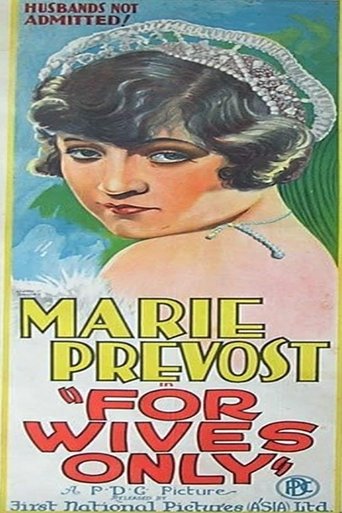 10.0
10.0Dr. Josef Rittenhaus, a popular young society physician of Vienna, at the behest of his friend Waldstein, goes to consider a proposal by Countess von Nessa to donate a site and funds for the erection of a new sanitarium. His wife, Laura, piqued by his apparent indifference, is left in the hands of Carl Tanzer, supposedly the doctor's best friend, whose advances she rejects. Laura contrives to make her husband jealous with a bogus letter, but to no avail; later, escaping from a masher, she meets her husband's friend Fritz Schwerman, from whom she escapes after accepting a luncheon offer. While Laura tries to vamp her husband's other friends at a card game, the countess tries to make love to the doctor. Rittenhaus returns home in disgust and is happily reconciled with his wife.
For Wives Only
1926
Joe, a weakling gangster, and Bob, an ex-gambler, compete for Lyla Mason, a working girl who also runs a 10th Avenue rooming house in New York city. Bob's desire to show Lyla he can support her leads him back to the gambling table when past-due rent threatens her with eviction. Bob and Joe are both suspected when Fink, a bootlegger, is found murdered in his room.
Tenth Avenue
1928
 5.8
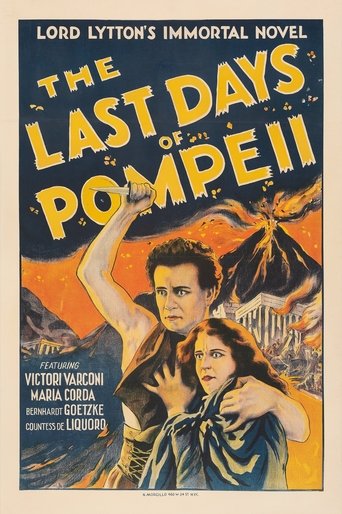
5.8Carmine Gallone and Amleto Palermi’s The Last Days of Pompeii 1926 stages in sumptuous colour tinting the epic fall of the ancient city buried by Mount Vesuvius’ eruption. Adapted from Edward Bulwer-Lytton’s love story, the film was innovative in its special effects and an early major box-office hit. A beautiful tinted restoration print was prepared using photochemical processes by Centro Sperimentale di Cinematografia-Cineteca Nazionale in the mid-1990s and the premiere screening of the restoration print was held in the amphitheatre in Pompeii, followed by a screening at the major restoration festival ‘Il Cinema Ritrovato’ in Bologna in 1998.
The Last Days of Pompeii
1926
 7.0
7.0No synopsis available yet.
Her Dancing Partner
1925
 5.8
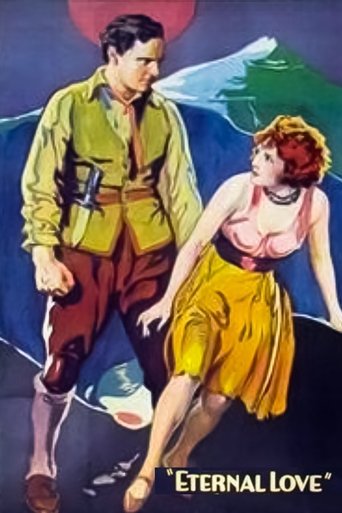
5.8In the Swiss Alps of the early 19th century, a couple forced into loveless marriages struggle to find happiness with one another.
Eternal Love
1929
 8.0
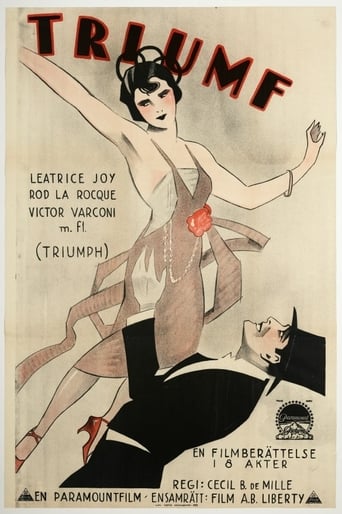
8.0At the center of the story is Ann Land. Ann is a small factory worker and has only ever dreamed of great fame, recognition as an artist and applause ...
Triumph
1924
 10.0
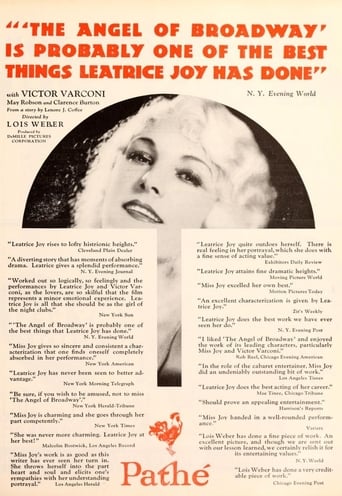
10.0Babe Scott, a cabaret dancer who is constantly searching for sensational material to shock her customers, conceives of burlesquing a Salvation Army girl and attends mission meetings on the East Side for atmosphere. There she meets Jerry Wilson, an honest truckdriver and friend of the Army captain. Although the act is a success, Babe is disillusioned to find Lonnie, a fellow worker who has been romancing her, stealing her money and making overtures to Big Bertha, the hard-boiled club hostess.
The Angel of Broadway
1927
Early Hungarian silent version of Franz Lehar operetta about a soldier ordered to return a rich widow to her native country, in order to protect its economy.
The Merry Widow
1920
 7.0
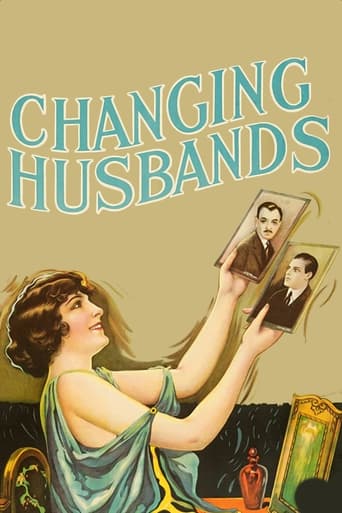
7.0A bored rich housewife wants to go on the stage, but her husband won't let her. When she meets a despairing actress who looks exactly like her, she suggests they swap places for a little while, giving the actress a break while the rich husband is out of town. But the rich husband comes back early, causing havoc for the actress, plus the rich housewife is finding herself attracted to the actress's boyfriend.
Changing Husbands
1924
 9.0
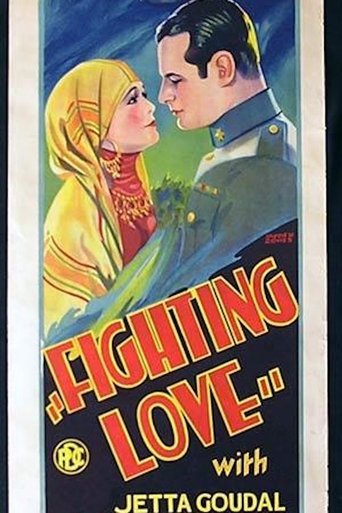
9.0To escape an arranged marriage, a young Italian girl marries an older man, a military officer who is also a family friend, and when he is assigned to North Africa, she accompanies him. His unit is sent into the desert to subdue some unruly tribes, and when he is later reported killed in action, his widow marries a young soldier with whom she has fallen in love. However, word soon comes back that her "dead" husband is very much alive.
Fighting Love
1927
1910s · 8 titles
 NR
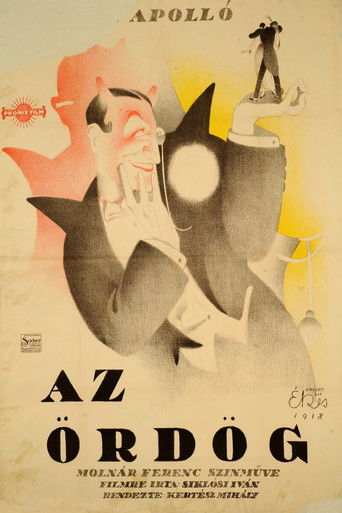
NRThe Devil, in the guise of a human, meets a young couple who remark upon looking at a Renaissance painting of a martyr that Evil could never triumph over Good.
The Devil
1918
 7.0
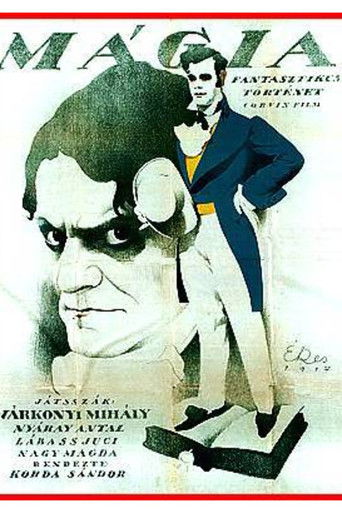
7.0Count Merlin pursues an alchemical quest requiring the blood of young men to complete his rituals. An early version of the vampire on film.
Mágia
1917
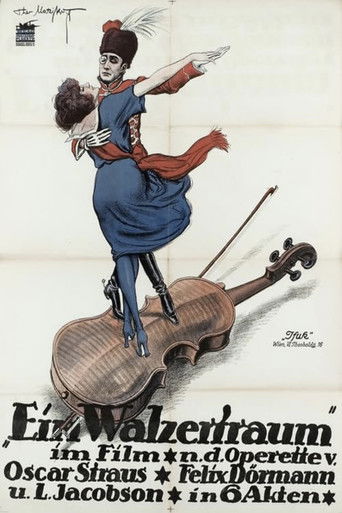 NR
NREarly Curtiz feature
Magic Waltz
1918
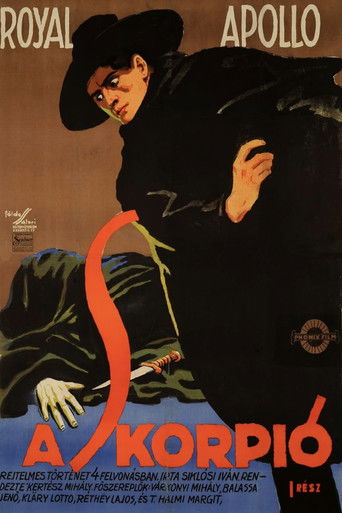 NR
NRNo synopsis available yet.
The Scorpion
1918
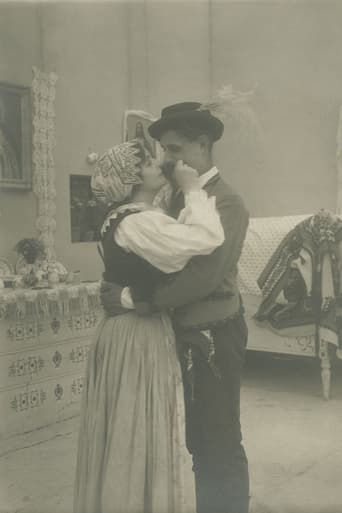 7.0
7.0Márton Csorba chases the officer who has approached his wife. András Bakaj is on his way to fetch a doctor for his sick daughter, but the fleeing officer tries to take his horse. In the scuffle, a gun accidentally goes off, wounding the officer to death, who is robbed by a beggar. The bailiff arrests Csorba, who arrives on the scene. Bakaj does not have the strength to give himself up because of his sick daughter, so Csorba is sentenced to 15 years for murder.
The Yellow Foal
1914
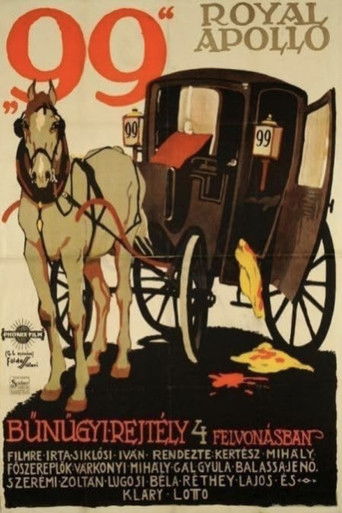 NR
NREarly Curtiz feature.
99
1918
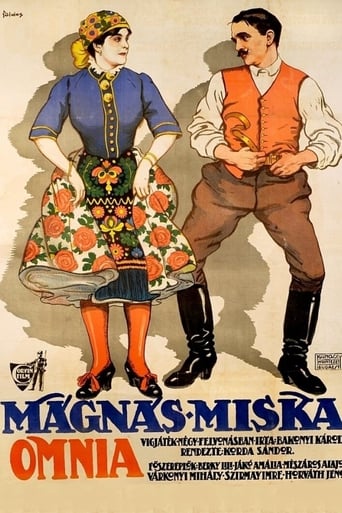 NR
NRBased on a popular stage musical comedy by Károly Bakonyi and Andor Gábor, the film tells the story of a young engineer who tries to construct a railway in his hometown, helped by the Count's daughter, Marcsa (Lili Berky).
Mágnás Miska
1917
No synopsis available yet.
Bánk bán
1915
Series credits
5.4An American radio–television anthology series, created in 1947 by Canadian director Fletcher Markle, who came to CBS from the CBC. Studio One, presented by Westinghouse, was one of the first of the anthology TV programs. The episodes were often abridged remakes of movies from years gone by and many future well-known television and movie actors appeared in the productions.
Studio One
1948
7.8A television anthology series hosted by Alfred Hitchcock featuring dramas, thrillers, and mysteries.
Alfred Hitchcock Presents
1955