
Acting
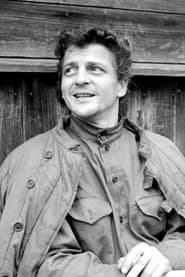
Gabriel Nehrebecki
Born — Died
1937-12-30 — 1991-02-14
Place of birth
Gdynia, Pomorskie, Polska
Known for
Acting
Credits
16 titles
Known for
 7.0
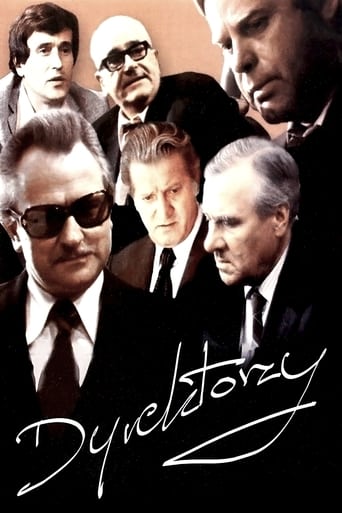
1957. Excessively high production standards imposed by the authorities result in the plan not being fulfilled, and the workers cannot imagine living normally without rewards and bonuses. A rebellion breaks out. Worker democracy wins – the working class elects a director from among its own ranks. He is an old locksmith with no managerial experience. Although he believes in the socialist spirit and has a communist past, he does not hold the position for long, as he makes promises too easily that he is unable to keep.
Dyrektorzy
1975
 8.0
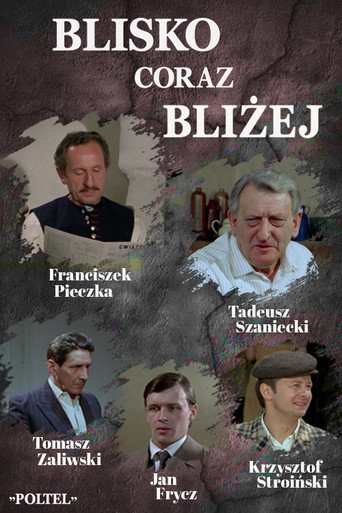
The story stretches from 1863 to 1945. Its main characters are representatives of the Pasternik family, who live in the fictional village of Wielowice near Pszczyna. The protagonist of the first three episodes is Franciszek Pasternik, the following parts tell about the fate of his many children and even more grandchildren. The viewer follows their history against the backdrop of great changes and historical events that influenced the lives of Silesian Poles. So there is the Kulturkampf, Prussian rugi, the revolution of 1905, World War I and the Silesian Uprisings.
Blisko, coraz bliżej
1983
 7.0
A dramatic story about a young man entangled in complicated matters of war, conspiracy and political struggle. The action of each part of the triptych presents one day from different years. These are fictionalized experiences of an authentic participant of the Polish resistance movement during the Nazi occupation.
Departures, Returns
1974
 8.0
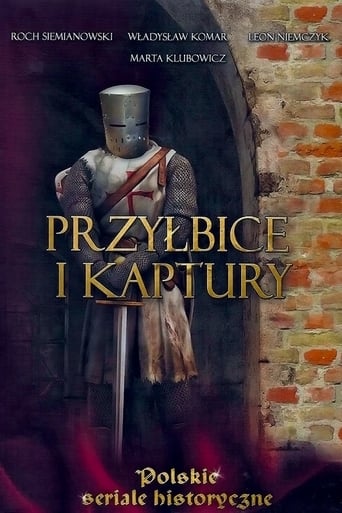
No synopsis available yet.
Przyłbice i kaptury
1986
 6.0
A promising but hot-headed young. boxer studies with a kind, knowing manager, grooming him for the Olympics.
Boxer
1967
 8.0
WWII. Joined forces of Polish and Russian partisans (despite they are in conflict) stand against German Sturmwind I & II actions.
The Crossing
1988
Film credits
1980s · 5 titles
8.0WWII. Joined forces of Polish and Russian partisans (despite they are in conflict) stand against German Sturmwind I & II actions.
The Crossing
1988
The film begins with two symbolic scenes: an eagle fluttering in a cage. Cossacks cut down pine trees with sabers to clear the field of fire. It is June 1980. A large rubbish dump near Wólka Węglowa, exactly where Polish cavalrymen charged German troops in 1939. Not far away is the Warsaw Steelworks. A group of former cavalrymen renew their efforts to erect a monument to the Polish cavalry. The cavalrymen stage a reenactment of the charge; it is a commented reconstruction of those events, supported by film documents. A strike breaks out on the coast, then at the Warsaw Steelworks. On radio and television, editor Ryszard Wojna warns the public against a repeat of the events of 1863. This has no effect on the workers' decision. A strike committee is formed at the steelworks, and the workers formulate their demands. The scenes at the steelworks and the strike situations are filmed live.
Szarża, czyli przypomnienie kanonu
1981
 8.0
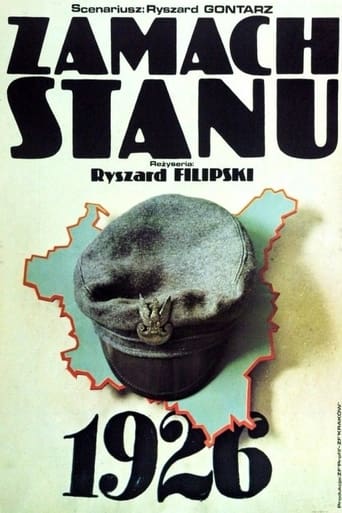
Fall 1925. Six hundred officers demonstrate in front of Józef Piłsudski’s country house in Sulejówek, demanding the Marshal’s return to active political life. May 1926—a government crisis; Wincenty Witos forms a new government. Piłsudski’s move sparks clashes between supporters and opponents of the ousted government. Piłsudski appoints Kazimierz Bartel as prime minister. The beginning of the “moral reform.” Ignacy Mościcki becomes president. Summer 1930. A joint platform of opponents to the Sanacja government is formed. “Centrolew” is established.
Zamach stanu
1981
 10.0
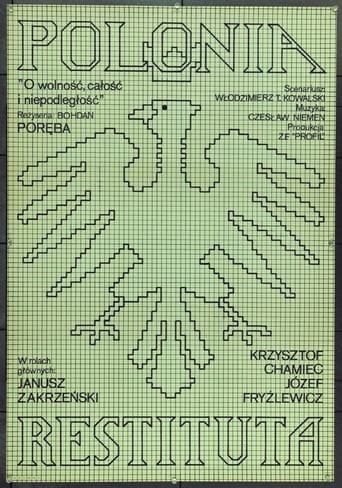
A two-part historical film covering the years of the First World War and the post-war period up to 1919 - until the signing of the peace treaty in Versailles near Paris. An attempt to show the great and complicated process of regaining an independent existence by a nation within its own state. The screen shows characters from history textbooks: Józef Piłsudski, Ignacy Paderewski, Roman Dmowski, Wojciech Korfanty as well as representatives of the world political scene, incl. David Lloyd George, Woodrow Wilson, Georges Clemenceau, Vladimir Lenin and others.
Polonia Restituta
1981
Film about the famous Battle of Vienna and the events surrounding it.
Na odsiecz Wiedniowi
1983
1970s · 1 titles
1960s · 5 titles
6.0A promising but hot-headed young. boxer studies with a kind, knowing manager, grooming him for the Olympics.
Boxer
1967
 6.8
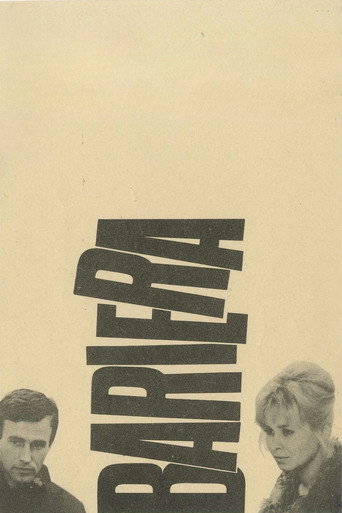
A dream-like meditation on post-industrial life in Communist Poland.
Barrier
1966
 10.0
A group of juvenile delinquents working in a shipyard try to clear themselves of a false accusation.
Banda
1965
 10.0
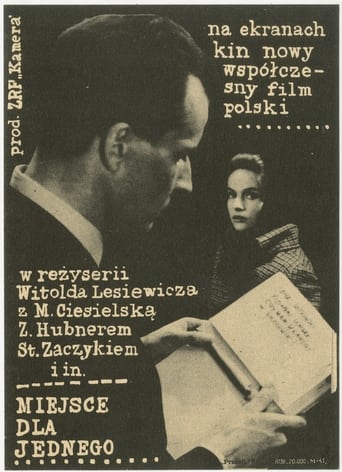
The deputy director of a machine plant is injured in a car accident and loses important documents. An uncompromising controller is sent to the plant to investigate the matter.
Miejsce dla jednego
1966
 10.0
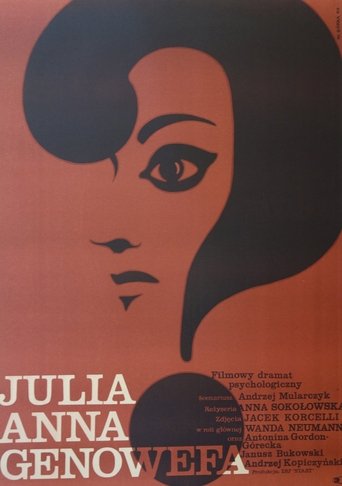
25-year-old Anna works in the laboratory of the Lodz textile factory. She lives with her mother and recently married husband. Her life collapses when a stranger appears, looking for a daughter who has disappeared during the war.
Julia, Anna, Genowefa...
1968
Series credits
7.01957. Excessively high production standards imposed by the authorities result in the plan not being fulfilled, and the workers cannot imagine living normally without rewards and bonuses. A rebellion breaks out. Worker democracy wins – the working class elects a director from among its own ranks. He is an old locksmith with no managerial experience. Although he believes in the socialist spirit and has a communist past, he does not hold the position for long, as he makes promises too easily that he is unable to keep.
Dyrektorzy
1975
8.0The story stretches from 1863 to 1945. Its main characters are representatives of the Pasternik family, who live in the fictional village of Wielowice near Pszczyna. The protagonist of the first three episodes is Franciszek Pasternik, the following parts tell about the fate of his many children and even more grandchildren. The viewer follows their history against the backdrop of great changes and historical events that influenced the lives of Silesian Poles. So there is the Kulturkampf, Prussian rugi, the revolution of 1905, World War I and the Silesian Uprisings.
Blisko, coraz bliżej
1983
7.0A dramatic story about a young man entangled in complicated matters of war, conspiracy and political struggle. The action of each part of the triptych presents one day from different years. These are fictionalized experiences of an authentic participant of the Polish resistance movement during the Nazi occupation.
Departures, Returns
1974
8.0No synopsis available yet.
Przyłbice i kaptury
1986