
Writing
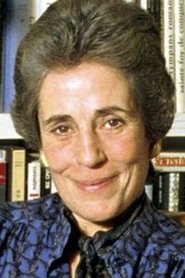
Françoise Giroud
Born — Died
1916-09-21 — 2003-01-19
Place of birth
Lausanne, Vaud, Switzerland
Known for
Writing
Credits
21 titles
Françoise Giroud (born Lea France Gourdji; 21 September 1916 – 19 January 2003) was a French journalist, screenwriter, writer, and politician. Giroud was born in Lausanne, Switzerland, to immigrant Sephardi Turkish Jewish parents; her father was Salih Gourdji Al Baghdadi, Director of the Agence Télégraphique Ottomane in Geneva. She was educated at the Collège de Groslay and the Lycée Molière in Paris. She did not graduate from university. She married and had two children, a son (who died before her) and a daughter. Giroud's work in cinema began with director Marc Allégret as a script-girl on his 1932 adaptation of Marcel Pagnol's play Fanny. In 1936, she worked with Jean Renoir on the set …
Known for
 9.5
9.5Marcello Mastroianni, Isabelle Adjani, Alain Delon, Martin Scorsese, Woody Allen... the biggest stars in cinema were welcomed by Christian Defaye on his show Spécial cinéma. Between intimate confessions from actors and immersion in the world of the greatest filmmakers, Christian Defaye took viewers on a journey into the fascinating world of cinema for nearly thirty years.
Spécial cinéma
1974
 5.7
5.7No synopsis available yet.
Sacrée soirée
1987
 6.8
6.8No synopsis available yet.
Champs-Elysées
1982
 3.6
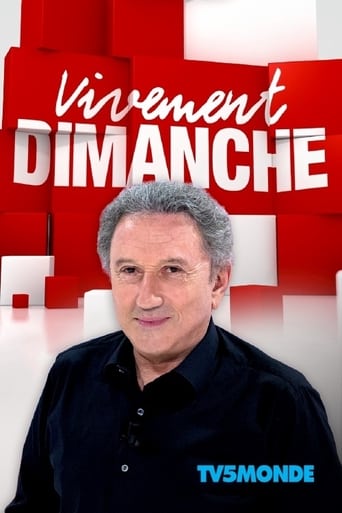
3.6No synopsis available yet.
Vivement dimanche
1998
 8.5
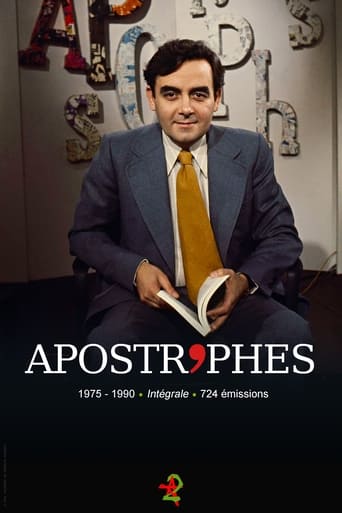
8.5Apostrophes was a live, weekly, literary, prime-time, talk show on French television created and hosted by Bernard Pivot. It ran for fifteen years (724 episodes) from January 10, 1975, to June 22, 1990, and was one of the most watched shows on French television (around 6 million regular viewers). It was broadcast on Friday nights on the channel France 2 (which was called "Antenne 2" from 1975 to 1992). The hourlong show was devoted to books, authors and literature. The format varied between one-on-one interviews with a single author and open discussions between four or five authors.
Apostrophes
1975
 8.0
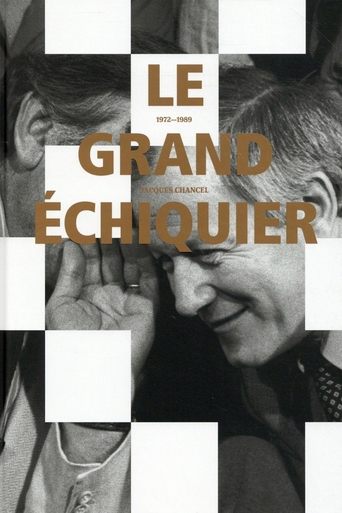
8.0Le Grand Échiquier is a French variety television program created and presented by Jacques Chancel. It aired at 8:30 pm on the first channel of the ORTF from January 12, 1972 to July 12, 1972, then on the second color channel of the ORTF from September 1972 to December 1974, and finally on Antenne 2 from January 1975 to December 21, 1989. The program returned to France 2 on December 20, 2018 and is hosted by Anne-Sophie Lapix.
Le Grand Échiquier
1972
Film credits
2020s · 2 titles
 6.4
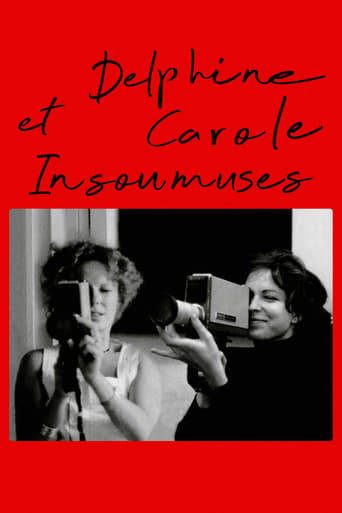
6.4In the 70s, actress Delphine Seyrig and director Carole Roussopoulos, both militant feminists, were the pioneers of video activism in France. They documented the demonstrations of French feminists and used the new technologies to counter the poor representation of women in the public media.
Delphine and Carole
2020
 7.0
7.0No synopsis available yet.
Entretien politique : Histoire et mode d'emploi
2020
1990s · 1 titles

Series credits
9.5Marcello Mastroianni, Isabelle Adjani, Alain Delon, Martin Scorsese, Woody Allen... the biggest stars in cinema were welcomed by Christian Defaye on his show Spécial cinéma. Between intimate confessions from actors and immersion in the world of the greatest filmmakers, Christian Defaye took viewers on a journey into the fascinating world of cinema for nearly thirty years.
Spécial cinéma
1974
5.7No synopsis available yet.
Sacrée soirée
1987
6.8No synopsis available yet.
Champs-Elysées
1982
3.6No synopsis available yet.
Vivement dimanche
1998
8.5Apostrophes was a live, weekly, literary, prime-time, talk show on French television created and hosted by Bernard Pivot. It ran for fifteen years (724 episodes) from January 10, 1975, to June 22, 1990, and was one of the most watched shows on French television (around 6 million regular viewers). It was broadcast on Friday nights on the channel France 2 (which was called "Antenne 2" from 1975 to 1992). The hourlong show was devoted to books, authors and literature. The format varied between one-on-one interviews with a single author and open discussions between four or five authors.
Apostrophes
1975
8.0Le Grand Échiquier is a French variety television program created and presented by Jacques Chancel. It aired at 8:30 pm on the first channel of the ORTF from January 12, 1972 to July 12, 1972, then on the second color channel of the ORTF from September 1972 to December 1974, and finally on Antenne 2 from January 1975 to December 21, 1989. The program returned to France 2 on December 20, 2018 and is hosted by Anne-Sophie Lapix.
Le Grand Échiquier
1972
Behind the camera
 5.8
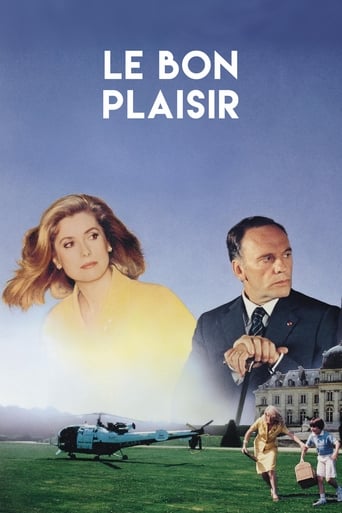
5.8Claire's handbag is stolen. It contained a letter written ten years previously by the man who is now the French President. In the letter, he urges his pregnant mistress to have an abortion. Claire immediately alerts the President's men. From that moment, the machinery of state swings into action.
Le Bon Plaisir
1984
 6.2
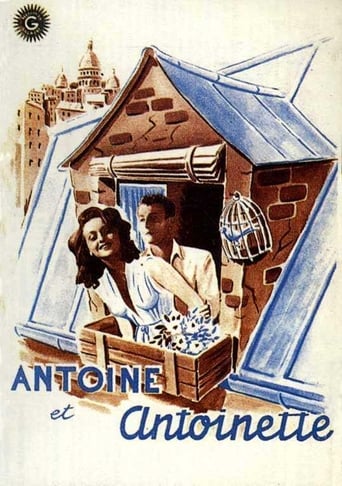
6.21947, in France, Antoine and Antoinette, a young couple living in Paris, lead a monotonous existence: he works in a print shop while she is a shop assistant. But one evening, they regain hope: Antoine finds a winning lottery ticket in his girlfriend's handbag. He decides to cash it in, but loses his wallet. What follows is a series of twists and turns that redefine the couple's priorities while forcing them to remain optimistic.
Antoine & Antoinette
1947
 5.8
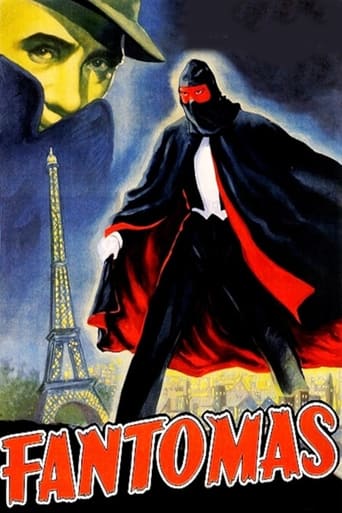
5.8The invincible bandit faces his daughter, courageous and honest, who wants to end his criminal activities. With a young journalist, her fiancé, she discovers his hideout.
Fantômas
1947
 7.0
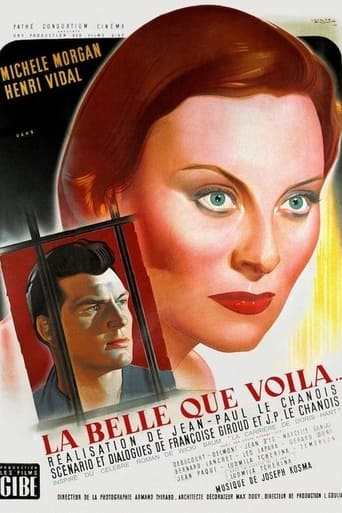
7.0Melodrama of two struggling artists whose love for each other is thwarted.She has some success as a ballerina despite being wounded by him in a fit of jealousy. His career as a sculptor is stymied when he is arrested.
Here Is the Beauty
1950
 8.0
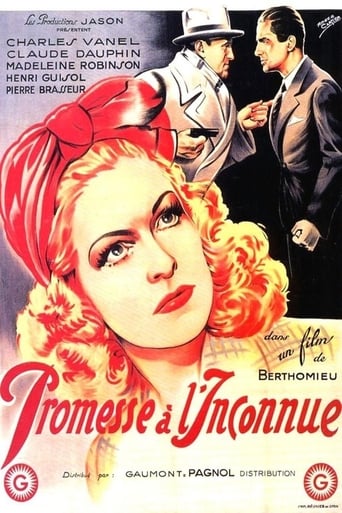
8.0A young woman is in love with a young writer, winner of the Prix Goncourt. Married to a banker, she must face her husband's anger and the blackmail of a former suitor.
Promise to the Unknown One
1942
 6.4
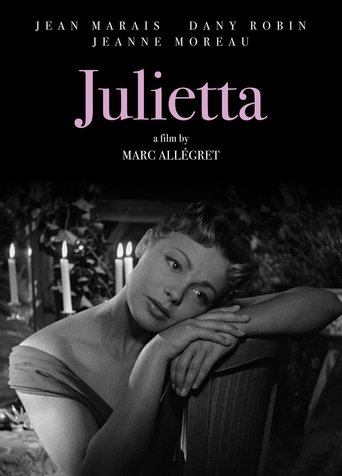
6.4Julietta Valendor is in love with lawyer André Landrecourt. He is unaware of her feelings. He puts her up one day when he has his fiancée, Rosie, staying with him... Based on a novel of Louise de Vilmorin.
Julietta
1953
 7.5
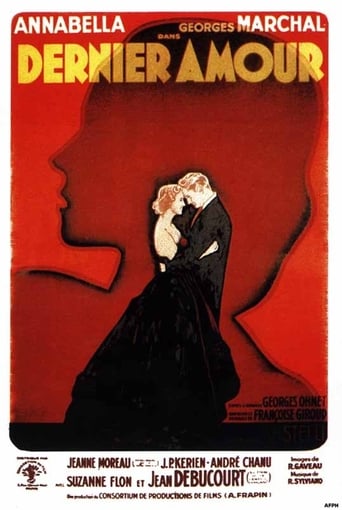
7.5Hélène has an affair with Alain for ten years, but does not want to divorce her husband. Alain receives one letter from a girl Michelle one day. Hélène, who is very jealous, receives that letter by chance and interprets it incorrectly.
Last Love
1949
 6.7
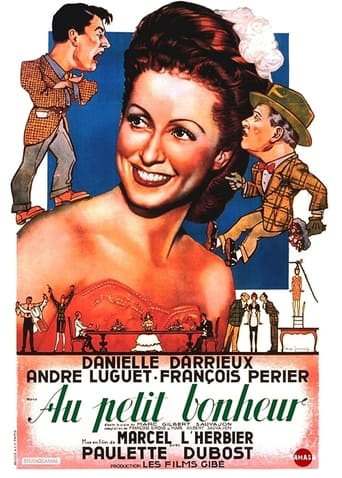
6.7After lovers fight, the boy leaves for the Riviera. On her way to rejoin him, the girl meets a distinguished but embittered novelist and decides to spend time comforting him.Which is not going to help when she returns to her boyfriend.
Happy Go Lucky
1946
 5.0
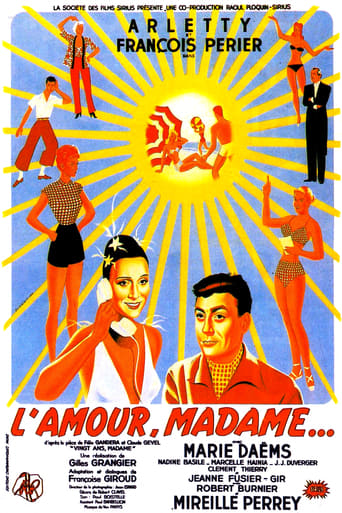
5.0Madame Célerier is determined to marry off her son François to a rich and haughty woman but François has other plans.
Love, Madame
1952
 9.0
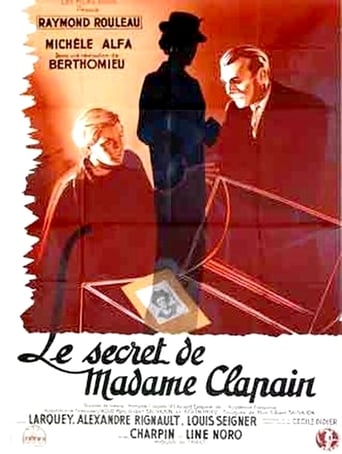
9.0Madame Clapain dies in dubious circumstances at the home of the Cadifon ladies, of which she was a tenant. A friendly inspector and Thérèse Cadifon each carry out their own investigation.
The Secret of Madame Clapain
1943
 9.0
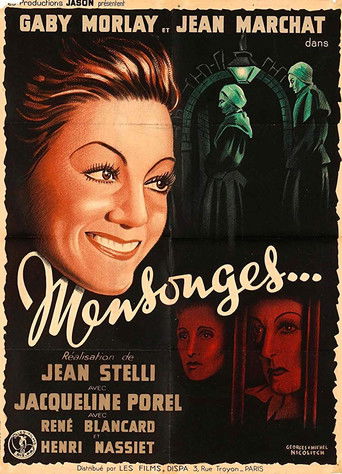
9.0Marie Leroux, who is married to Charles, an honest, understanding country doctor, lives an uneventful, rather monotonous life.Her husband is a kind man but he does not give her any thrill or excitement. One day, Marie meets Olivier Dumas-Beaulieu, a handsome industrialist, who is in the process of leaving his fiancée Corinne, despite her being pregnant by him. It is easy for the confirmed womanizer he is, to seduce Marie, who very foolishly thinks she has found true love. Shortly afterward Charles is shot dead by Olivier while the two men were having a quarrel about Marie. The latter, who finds the corpse, believes her husband has committed suicide. Which is not the police's opinion and Marie is arrested and condemned to ten years in prison. Annihilated by such unfair treatment and, worse, by the separation from her beloved eight-year-old daughter, she still manages to survive and to serve her sentence.
Mensonges
1946