
Acting
Ľudovít Greššo
Born — Died
1916-01-03 — 1982-02-08
Place of birth
Zvolen, Slovakia
Known for
Acting
Credits
83 titles
Known for
 7.3
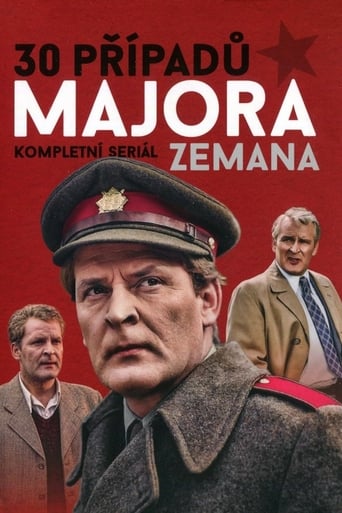
7.3Thirty Cases of Major Zeman is a Czechoslovak action-drama television show intended as a political propaganda to support the official attitude of the communist party. The series were filmed in the 1970s. Each episode encompasses one year, and investigations are stylized to that year. Most are inspired by real cases. The series follows the life of police investigator Jan Zeman during his career from 1945 to 1975.
Thirty Cases of Major Zema
1976
 7.0
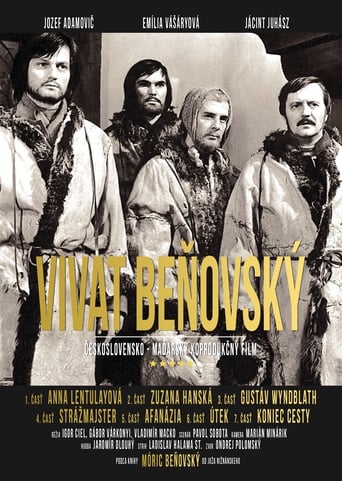
7.0No synopsis available yet.
Vivat Beňovský!
1975
No synopsis available yet.
Svadba bez nevesty
1980
No synopsis available yet.
Zaprášené histórie Ema Bohúňa
1970
No synopsis available yet.
Kúzelné mestečko
1983
No synopsis available yet.
Oco, mama a ja
1981
Film credits
1980s · 9 titles
 6.8
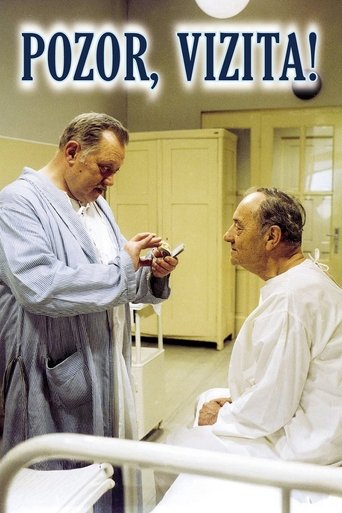
6.8A story about an everyday life of an inflectional department of Prague hospital.
Attention, Rounds!
1982
 NR
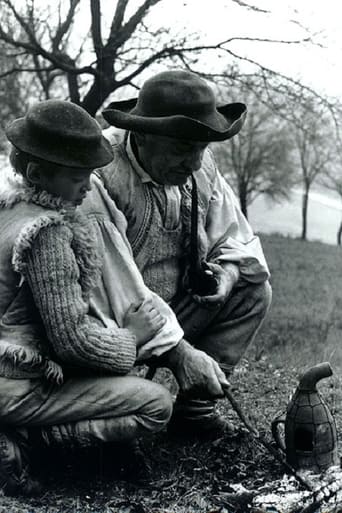
NRThe Old Beekeeper brings a suggestive reflection on the pure soul of a brave simple man who strives to live honestly and selflessly. His relationship to the order of the world and nature also reflects his relationship to people, and he achieves harmony in life through his ability to live in accordance with his conscience and moral principles.
Starý včelár
1981
No synopsis available yet.
Ako si Mišo biedu vyslúžil
1981
No synopsis available yet.
Pánska spoločnosť
1981
Even a top athlete, a discus thrower, faces difficulties when she has to consider her future. She seems to lack nothing: the socialist physical education provides her with all the necessary facilities to prepare for the Olympics, she trusts a responsible coach. However, when she returns to her hometown, she still considers whether she made the right decision. When she becomes pregnant, she finds herself at a crucial moment.
Fénix
1981
 6.6
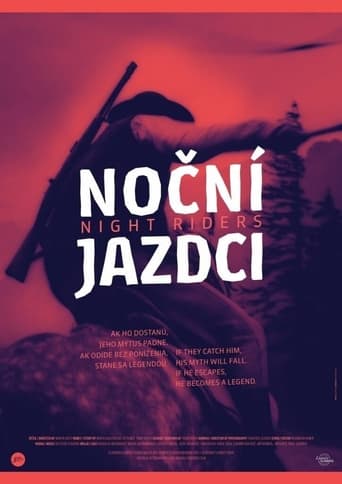
6.6Two men of principle face each other. One is backed by a whole, however poor village, the other by the law. It is a conflict that reaches it's climax in the closing shoot-out. Instead of the Wild West, the gunshots go off on the Slovak-Polish border. Michal Docolomansky as the horse smuggler and Radoslav Brzobohaty as the customs officer from Prague meet in Holly's Night Riders in a western-like confrontation set in the insecure years of the newly founded Czechoslovak Republic.
Night Riders
1981
TV movie "Triptych of love" was created by short stories by famous Slovak writer Ladislava Nádaši - Jégeho. Historical themes in his works have an ambition to bring over to look attractive environment and time bygone era strong dramatic stories and exciting human destinies. Renaissance short stories from the collection "Italy" are a variety of views from different backgrounds, linking theme of many forms of love, its tones and semitones, from bitterly ridiculous after tragic. Screenwriter Ján Števček that dramatically processed three Jégeho stories.
Triptych o láske
1981
No synopsis available yet.
Hodiny
1981
No synopsis available yet.
Patálie s kamerou
1980
1970s · 36 titles
 7.0
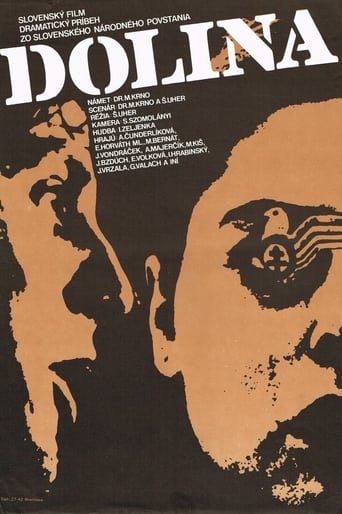
7.0A dramatic story of the emotional, moral and political maturation of two young people during the Slovak National Uprising.
Dolina
1973
 10.0
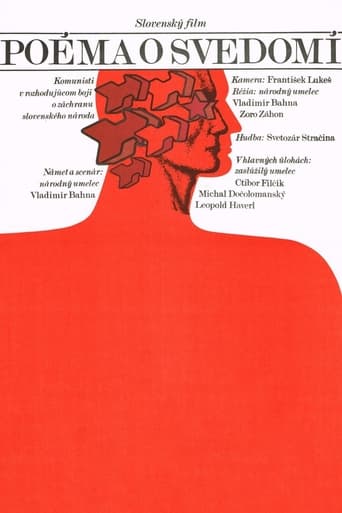
10.0Historical reconstruction of the events of the anti-fascist struggle in Slovakia in 1943 and 1944.
Poéma o svedomí
1979
No synopsis available yet.
Tetované časom
1976
 10.0
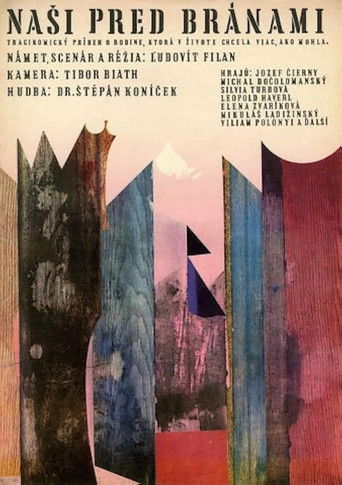
10.0A tragicomedy about people who are able to make use of the war situation for their own benefit. The Gavora family of four leave their secure village home blinded by the vision of a big career and easy earning of money in the capital city.
Naši pred bránami
1970
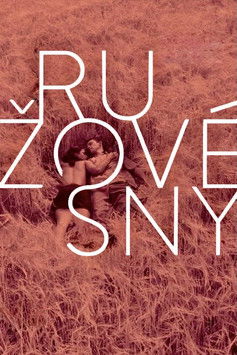 6.4
6.4Jakub, a dreamer and budding magician, juggles between parcels and services rendered to the villagers. His eyes cross that of the beautiful gypsy Jolanka. Together, they will try to live a first and big love, despite the pressure of their respective communities.
Rose Tinted Dreams
1977
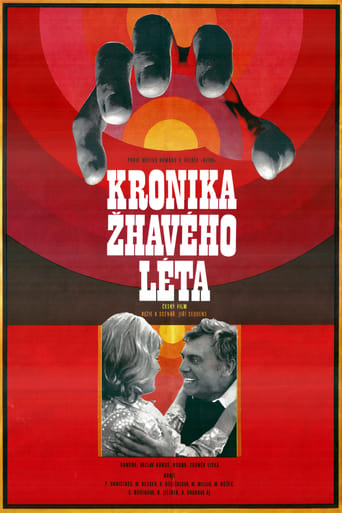 6.5
6.5A broadly drawn ideological epic set in the summer of 1947 in the borderlands of northern Bohemia: reactionary elements plot to undermine postwar social change while committed local communists struggle to organize workers and defend the emerging order. The narrative follows several archetypal figures—steadfast party activists, wary peasants, and obstructive reactionaries—whose clashes illustrate the claimed inevitability of working-class victory under communist leadership.
Kronika žhavého léta
1973
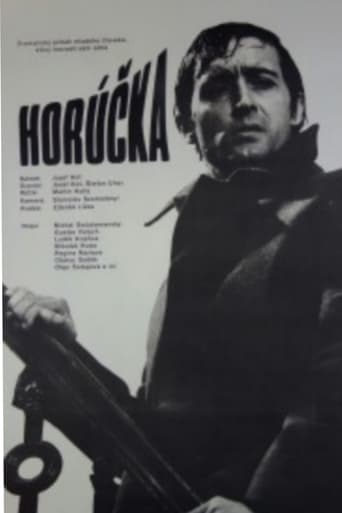 NR
NRA psychological story of a young printing house leader and his subordinates and a "dangerous contract from the West".
Horúčka
1975
A television film, an adaptation of Vladimír Mináč's first novel. The dramatic story of two brothers during the Slovak National Uprising provides artistic testimony to authentic events from the Slovak mountains in 1944.
Smrť chodí po horách
1979
No synopsis available yet.
V predvečer
1979
A drama from the period of village collectivisation in 1947-1948, it depicts the life of former beggars who, after the war and land reform, acquire land and dream of becoming wealthy landlords. New social conditions, the onset of collectivisation, but also the great drought bring with them unwelcome changes.
Kto odchádza v daždi...
1975
No synopsis available yet.
10 % nádeje
1976
An unconventionally seen story from the period of the Slovak National Uprising will especially interest you with the character of the village lad and brawler Vince Kucek, played by Ivan Romančík. Hours and hours spent in the pub, riots with friends, scenes of jealousy towards his old rival Petr Chuťek, now a partisan commander, hostile memories of the strict teacher Machoň – all this fills the seemingly carefree days of the self-confident farmer, father of two small children, husband of the faithful, devoted Eva. However, the situation in the village is getting worse. Some of the men go to fight in the mountains, but the stubborn Kucek refuses to go with them.
Ako sa Vinco zaťal
1977
No synopsis available yet.
Sezam, otvor sa!
1974
The poverty of Slovak workers during the Great Depression during the Masaryk Republic reached such a level that it led to a well-organized strike. The capitalists and their minions tried by all means to break it. Even the workers who had not yet been elected soon recognized their place and supported the initiative of the communists, who selflessly led the strike movement. The poster-like, purely ideological story succumbs to paper-like dialogues and plots, and the narrative portrayal hardly convinces of the credibility of the whole story.
Nie
1978
 8.1
8.1Two repatriated soldiers search for stability and love when they return home after the First World War.
Field Lilies
1973
No synopsis available yet.
Čenkovej deti
1975
No synopsis available yet.
Desatinka citu
1973
No synopsis available yet.
Anjel prichádza oknom
1976
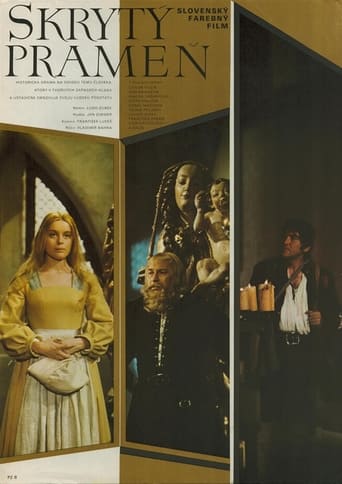 NR
NRLevoča, first half of the 16th century. Master Paul creates his most famous work - a late Gothic altar in the Church of St. James. He has just recruited the carving companion Kristof into his service.
Skrytý prameň
1974
A group of drivers paid according to their performance are struggling with hard work in a large quarry, somewhere where foxes say good night. A new worker, Marek Orban, joins the team of foreman Peter Hotka, known as Maco. Deep down, he is a deeply moral person, although he was given a suspended sentence for bodily harm. He beat up his wife's lover, to whom he must also pay compensation. Marek hides this from the other members of the group because he is ashamed. Maco, out of friendship with Marko, attributes non-existent trucks to the group, which, of course, backfires. However, the team eventually shows its strength and works off the undeserved reward.
Dosť dobrí chlapi
1972
 6.5
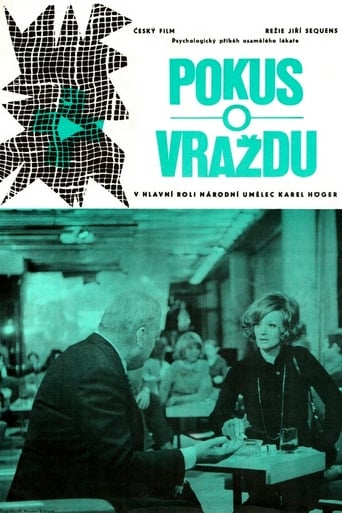
6.5The main character of the story is Professor Trojan, the head of a Prague clinic, who is not experiencing the happiest of times. His cat has been poisoned with cyanide, he has a falling out with his son Petr, who has moved to Brno to be with his wife, the promising singer Eva, and only seeks out his father when he needs money, and as if that weren't enough, someone shoots him in the evening. Trojan initially considers it a mistake or a prank and does not share the fears of those around him. But then cyanide is discovered and one of the patients takes it from the assistant Dvoracek, who borrowed it for an unauthorized experiment. Trojan pairs the cyanide with a gunshot and slowly begins to suspect that someone is trying to kill him. At first he suspects Dvorak, who might become the foreman after his death, but later, as he falls deeper and deeper into a psychosis of fear and apprehension, he begins to suspect everyone around him...
Pokus o vraždu
1973
No synopsis available yet.
Prievidzký mriežkovaný
1979
 8.0
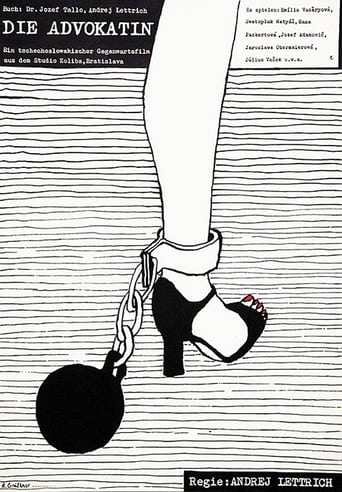
8.0The story of a young lawyer who finds herself in a difficult situation when she encounters troubles in her burgeoning career and complications in private her life.
The Lawyer
1978
No synopsis available yet.
Olejkár
1979
No synopsis available yet.
Bitka o van Gogha
1979
 9.0
9.0An original television film about a city who goes to the village for vacations and finds real friends there.
Vacations at Grandma's
1977
Slovakian villagers towards the end of WW II are despairing as German troops fall back to their village.
Big Night and Big Day
1975
No synopsis available yet.
Biela stužka v tvojich vlasoch
1978
No synopsis available yet.
Humánna povinnosť
1977
No synopsis available yet.
Džarkovia
1973
No synopsis available yet.
Prešporská kasáreň maľovaná
1975
No synopsis available yet.
Najvzdialenejšia hviezda na nebi
1976
No synopsis available yet.
Sen o Krištofovi Kolumbusovi
1977
 NR
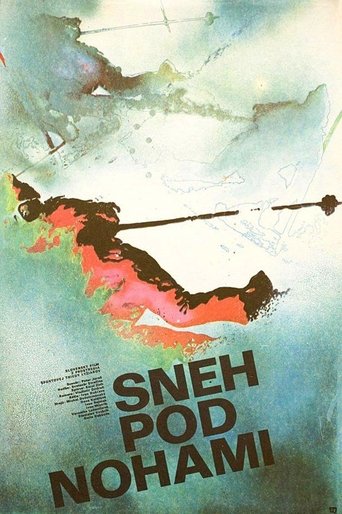
NRA contemporary story from the lives of young people, students of a ski high school, who, in addition to their studies, are preparing for a career as active sports competitors.
Sneh pod nohami
1979
No synopsis available yet.
Pochábeľ
1979
 8.0
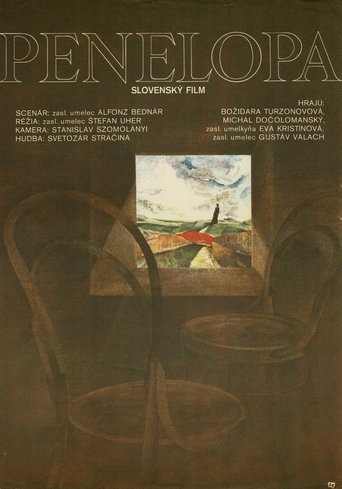
8.0An emancipated restorer restores rare castle frescoes in an ancient village with figures of ancient heroines - and one of them, Penelope, resembles an old woman who has been waiting for the return of her husband and son for forty years, who have supposedly gone to work in America.
Penelopa
1978
1960s · 14 titles
On Christmas Eve, 1944, in Nazi-occupied Slovakia, the Kubiš family grapples with survival amidst brutal reprisals. Marián collaborates as a fascist guard leader, while his sister Angela has an affair with their Nazi lodger, Major Brecker. The situation escalates when their younger son, Juraj, a former partisan fighter, returns home wounded. As Germans search homes for escapees, Juraj hides in the attic, while an unsettling Christmas dinner unfolds below with Major Brecker present.
Midnight Mass
1962
 6.7
6.7Maria, an inn keeper, is always a bride but never a wife. She meets newcomer Pierre, who disturbs the peace of the small village and teaches the locals how to enjoy life. E. Havetta's debut was inspired by naïve art, French impressionism, silent slap-stick and Western Slovakian folk traditions.
Celebration in the Botanical Garden
1969
A two-part television film based on the novel of the same name by Rudolf Jašík, depicting a realistic picture of life and interpersonal relationships during World War II in the mixed Slovak-German environment of the town of Pravna and the nearby village of Planice, as well as life and relationships between soldiers on the Eastern Front. From this perspective, the plot follows a unit of Slovak soldiers, their realisation that they are fighting for foreign interests, their dissatisfaction and distrust of everything, especially their officers.
The Dead Don't Sing
1965
 7.0
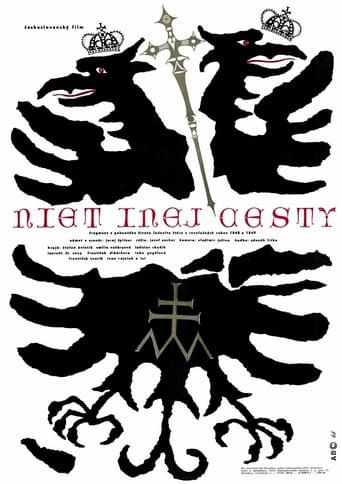
7.0A biographical film about the Slovak nationalist Ľudovít Štúr. It captures the revolutionary events of 1848 in Austria-Hungary, when Štúr, as a member of the Diet, led the fight for the national rights of the Slovak people.
Niet inej cesty
1968
 9.0
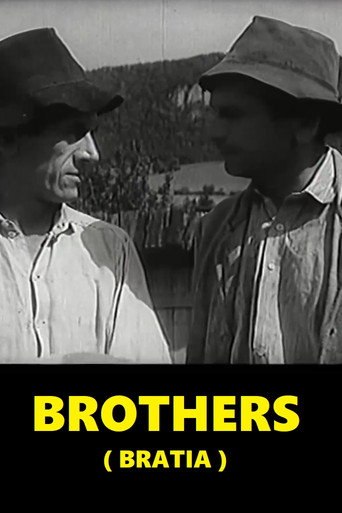
9.0A bricklayer, Jozef Haviar, decides to live with his family on the small farm of his father through the difficult years of the economic crisis. But on his return to his father's house he gets into a conflict with his brother. The life-and-death conflict between the two brothers documents the difficult situation of Slovak country life in the 1930s, the time of economic depression.
Brothers
1962
No synopsis available yet.
„Od štvrtka do zmŕtvychvstania...“
1969
The story, set in the context of the construction of long-distance power lines, captures the life and work of a group of fitters who come to a mountain village to electrify the local cooperative. After being transferred to a lower-paid and "demeaning" job, the group's relationships begin to break down. Debut film of Slovakian director Martin Hollý.
Raven's Route
1962
 6.4
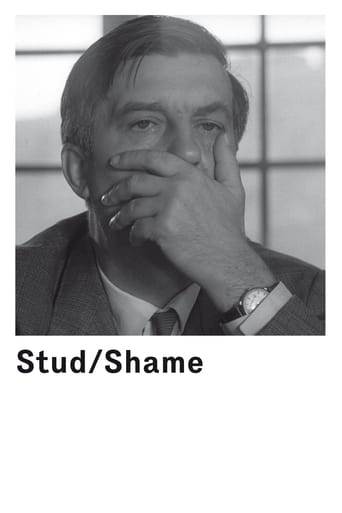
6.4The drama offers Arnošt Pánek, chairman of the National Committee, as the protagonist of the story. Pánek is disturbed by news of the arrest of his protégé Kvasil – chairman of a JZD agricultural cooperative in the nearby village of Spádová. He is responsible for the revival of a neglected village, but is now accused of theft, fraud, and – on top of that – the rape of an under-aged girl.
Stud
1968
 NR
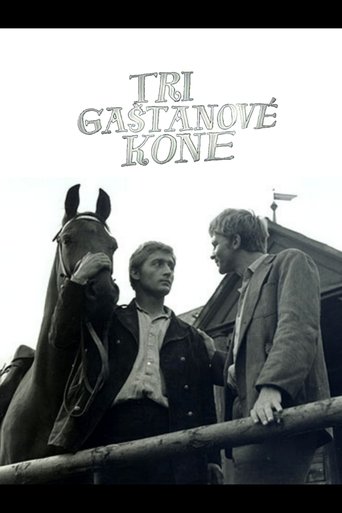
NRMagdaléna, pure-hearted and guided by emotion, attracts Zápotočný, a callous egoist and abuser. Their turbulent relationship, set against a backdrop of social hardship, forces Magdaléna to confront the limits of compassion and the price of innocence when faced with brutal selfishness.
Three Chestnut Horses
1966
Seven people waiting for their death. A group of assasins - three men and two women - and Gypsy thief spend their time in prison to be tucked up.
The Ballad of Seven Hanged Men
1968
Slovak partisans, bravely fighting against Nazi superiority, would never have succeeded to such an extent if they had not been supported by the villagers. Despite the threat of repression, it is the villagers who care for the wounded, hide them, and behave conscientiously. Although the film was made in the late 1960s, it fully adopts the patterns of partisan stories, perhaps the only thing it can be credited with is a more developed sense of authenticity in the story, characters, and setting.
Stopy na Sitne
1969
 NR
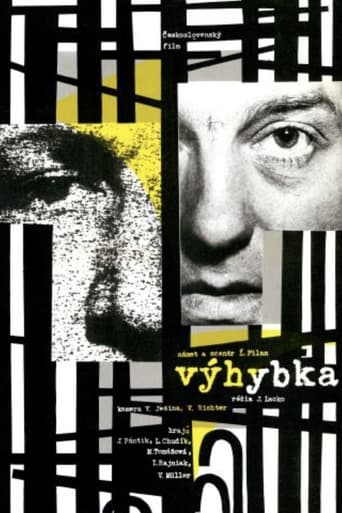
NRA story of two old friends, who after ten years - one as the deputy director and the other as the chairman of the party organization - meet on a large construction site.
Výhybka
1963
 8.0
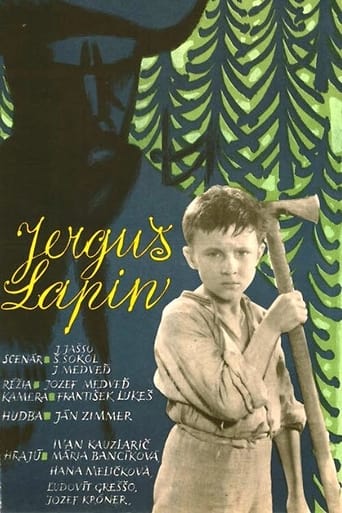
8.0Little Jerguš's father was killed by gendarmes. To help his mother, the boy is hired as a laborer, then goes to the factory, to the city, but, unable to withstand the cruel exploitation, hoping to become free and independent, returns to the mountains, where his father once fought for the good of the people.
Jerguš Lapin
1960
 NR
NRThe story of a man who, in a supposed struggle to save his own life and home, kills a helpless man. His victim is a Jewish doctor who is hidden by partisans in a secluded peasant home.
In The Hour Of Fear...
1968
Series credits
7.3Thirty Cases of Major Zeman is a Czechoslovak action-drama television show intended as a political propaganda to support the official attitude of the communist party. The series were filmed in the 1970s. Each episode encompasses one year, and investigations are stylized to that year. Most are inspired by real cases. The series follows the life of police investigator Jan Zeman during his career from 1945 to 1975.
Thirty Cases of Major Zema
1976
7.0No synopsis available yet.
Vivat Beňovský!
1975
No synopsis available yet.
Svadba bez nevesty
1980
No synopsis available yet.
Zaprášené histórie Ema Bohúňa
1970
No synopsis available yet.
Kúzelné mestečko
1983
No synopsis available yet.
Oco, mama a ja
1981
No synopsis available yet.
Rembrandt van Rijn
1981
No synopsis available yet.
Moje kone vrané
1981
No synopsis available yet.
Parížski mohykáni
1972
No synopsis available yet.
Ľudia z kanálovej štvrte
1975
No synopsis available yet.
Miesto v dome
1973
No synopsis available yet.
Rok má šesť dní
1976
No synopsis available yet.
Vrabce z Tŕnia
1984
 NR
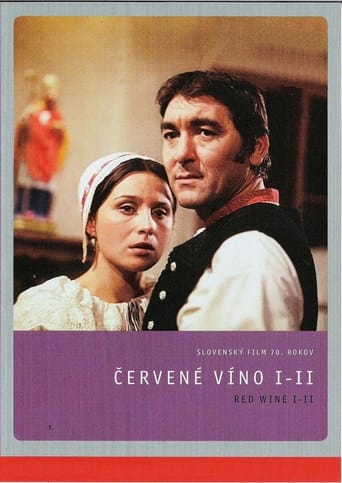
NRAn epic saga of the Habdza family of vineyard keepers set in western Slovakian countryside at the beginning of the 20th century. Director Andrej Lettrich's novel adaptation talks of plotting, forbidden love. family discord, and struggle for heritage and power. The story is engaging thanks to the impressive performances of popular actors, dramatic situations, and sensitive music. Red Wine is not so much inventive in terms of auteurship as it is a work of excellent craftsmanship. The resulting picture is a costume production neatly adapted to the character of Slovak rural life in the past.
Red Wine
1972
No synopsis available yet.
Generácia
1969
No synopsis available yet.
Sedem krátkych rokov inžiniera Hagaru
1978
No synopsis available yet.
V tieni vlkov
1972
No synopsis available yet.
Zastretý farebný svet
1980
No synopsis available yet.
Jedenáste prikázanie
1977
A story about a young Slovak peasant boy from the 17th century. After the death of his father, who was hanged for poaching, Adam Šangala decides to leave home and become a gentleman. However, he gets involved in a dispute with Count Markoč, who abuses a peasant girl, beats him up, and forces him to flee from his police officers. On the run, he meets the charming Betka, the daughter of a craftsman from Trnava, with whom he falls in love, but with Markoč's police still hot on his heels, there is no time for love. In his desperate situation, Adam enlists as a soldier for Count Pálfy...
Adam Šangala
1974
No synopsis available yet.
Mŕtvi nespievajú
1964
No synopsis available yet.
Jedno malé sídlisko
1980
No synopsis available yet.
Prípad jasnovidca Hanussena
1970