

Acting
Fernando Peixoto
Born — Died
1937-05-19 — 2012-01-15
Place of birth
Porto Alegre, Rio Grande do Sul, Brazil
Known for
Acting
Credits
21 titles
Fernando Amaral dos Guimarães Peixoto (Porto Alegre, May 19, 1937 - São Paulo, January 15, 2012) was a writer, translator, actor and theater director, linked to Teatro Oficina de São Paulo, until 1968. Author of several works linked to Brechtian conceptions, having been a member of the central committee of the Brazilian Communist Party.
Known for
No synopsis available yet.
Telerromance
1981
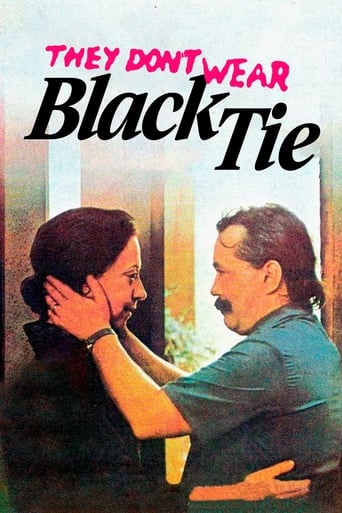 8.3
8.3Otavio is an idealistic union leader trying to organize workers at a factory to resist the company's exploitative practices. His son, Tião, one of the employees, is more of a realist and doesn't want to risk losing his job by striking. This clash of perspectives puts the father and son at odds. Fortunately, Tião's mother, Romana, is on hand to act as a moderator between the two opinionated men.
They Don't Wear Black Tie
1981
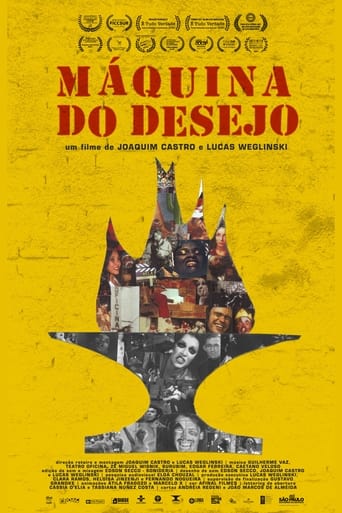 5.0
5.0In six decades, Teatro Oficina has done more than revolutionize theatrical language in the country: the aesthetic influence of José Celso Martinez Corrêa's company extends from Tropicalism to the renewal of Brazilian audiovisual languages from the 1960s onwards. The film revisits a story that it involves personalities such as Caetano Veloso, Glauber Rocha, Lina Bo Bardi, Chico Buarque and Zé do Caixão, brings together scenic art, ecology, architecture and sexuality, and mixes art and life in the search for a Brazilian based language.
Desire Machine: 60 Years of Teatro Oficina
2021
 5.0
5.0Fantasy comedy about Brazilian writer Oswald de Andrade, one of the most important icons of Modernism in Brazil. In the film, Oswald is played by two actors: Ítala Nandi, as his feminine anima, and Flávio Galvão, as the masculine half.
The Brazilwood Man
1982
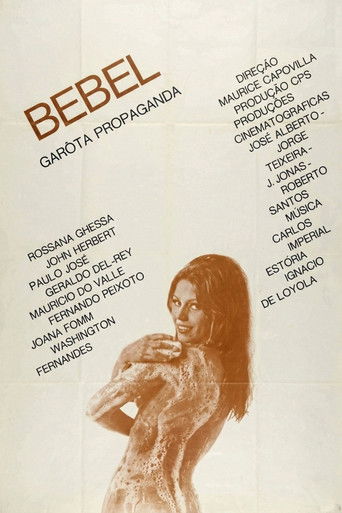 7.0
7.0Poor and beautiful girl is hired by a sales promoter to advertise a new brand of soap. The success is immediate, but the need for a new face hinders her way to stardom.
Bebel, Garota Propaganda
1967
 10.0
10.0A docufiction film about the fall of Virgulino Ferreira da Silva, widely known as Lampião – the mythical bandit leader from the Brazilian northeast who fought the local power and put his name in history.
O Último Dia de Lampião
1975
Film credits
1990s · 1 titles
1980s · 5 titles
8.3Otavio is an idealistic union leader trying to organize workers at a factory to resist the company's exploitative practices. His son, Tião, one of the employees, is more of a realist and doesn't want to risk losing his job by striking. This clash of perspectives puts the father and son at odds. Fortunately, Tião's mother, Romana, is on hand to act as a moderator between the two opinionated men.
They Don't Wear Black Tie
1981
5.0Fantasy comedy about Brazilian writer Oswald de Andrade, one of the most important icons of Modernism in Brazil. In the film, Oswald is played by two actors: Ítala Nandi, as his feminine anima, and Flávio Galvão, as the masculine half.
The Brazilwood Man
1982
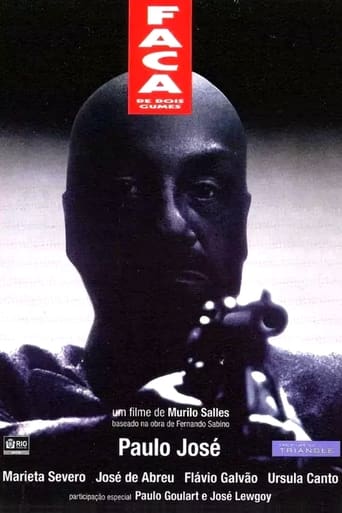 6.0
6.0Paulo is a rich lawyer who has a happy and comfortable family life, with his kid and very loyal to his wife. But when he finds out that the woman is cheating on him with his business partner and best friend, he decides to execute a perfect plan that involves murdering both and easily getting away with murder. However, Paulo's plans are about to be ruined due to some unpredictable factors involving powerful people, plenty of money, the kidnap of his son and a tenacious inspector following his steps.
Two-Edged Knife
1989
 5.0
5.0No synopsis available yet.
Vianinha
1987
 NR
NRNo synopsis available yet.
Senhora dos Afogados
1985
1970s · 7 titles
 6.8
6.8An accident at a construction site, resulting in one death, sets one worker off on a struggle for justice that exposes the mechanisms of exploitation and the class relations of a country that had undergone one decade of fast-paced ‘conservative modernisation’ at the hands of the military. As a sort of sequel to the classic The Guns (1964), following the fate of those characters as they move from enforcers of exploitation to exploited, it offers more than a snapshot of the period: the correspondent time lapses in fiction and reality capture the passage of a chunk of Brazilian history between the two films, and, therefore, also the transformations in cinematographic approaches to the social and political between the two moments. Equally daring in content and form, and in the originality of the adequacy of one to the other, it won the Silver Bear at Berlin.
The Fall
1976
 7.0
7.0Symbolic film from the Underground Movement of Brazilian Cinema (Cinema Marginal) about a woman, three men and some apes. In the director's own words: “a fable where realism and logic have no place, and in which sex is a translation of all the tortures, circumstances and violent actions.”
Gamal, O Delírio do Sexo
1970
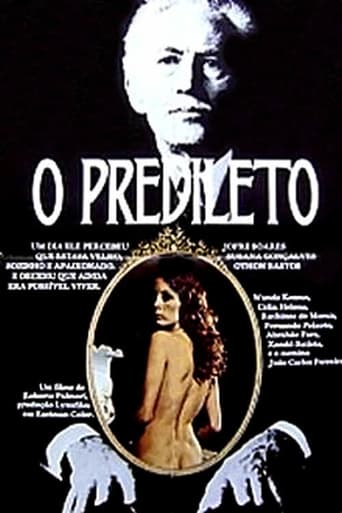 8.0
8.0Based on the novel "Totônio Pacheco", written by João Alphonsus. At the time of the decadence of the great farms of Minas Gerais, Totônio is a symbol of the golden age of state farms: old and accustomed to having all his wills obeyed. However, after moving to his son's home because of his wife's death and the resulting loneliness, he realizes that he has lost his job as a boss and is struggling to regain his prestige by moving to a brothel.
O Predileto
1975
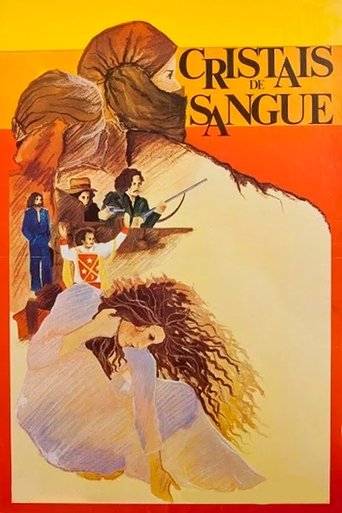 8.0
8.0Rui arrives in a small town looking for his father, a prospector. Before that, he gets involved with Maria, who is facing problems in the family. Maria's stepfather is the head of a gang and will go to any lengths to prevent Rui from finding his father.
Cristais de Sangue
1975
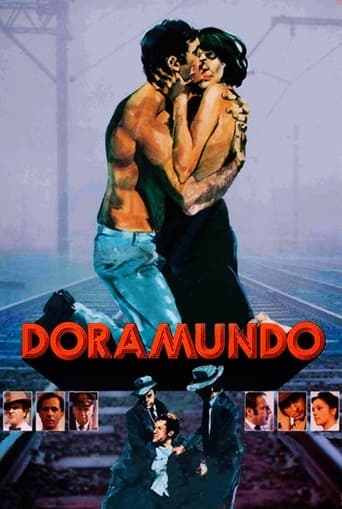 5.5
5.5A series of murders begins to haunt Cordilheira, a small town near São Paulo, Brazil. The investigations show there is a love triangle involved.
Doramundo
1978
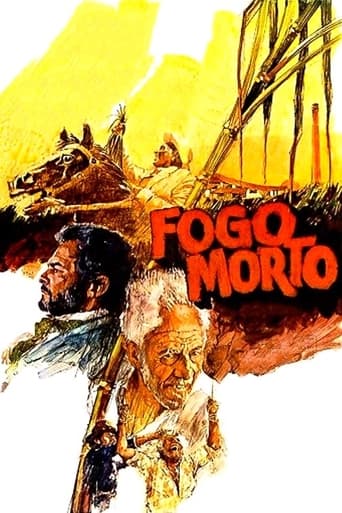 8.0
8.0In 1910, in the State of Paraíba, Brazil, a man is expelled from his own land by the ruthless colonel who owns the sugar mill. He asks some outlaws to help him retrieve his land.
Fogo Morto
1976
 NR
NRNo synopsis available yet.
Sangria
1972
Series credits
Behind the camera
10.0A docufiction film about the fall of Virgulino Ferreira da Silva, widely known as Lampião – the mythical bandit leader from the Brazilian northeast who fought the local power and put his name in history.
O Último Dia de Lampião
1975
 6.8
6.8The story of a fakir who works in a decadent circus. He and his colleagues do weirder numbers each day to attract audience, and warrant their survival. The numbers resemble a horror-show and they get marginalized. Through fable and allegory, reality turns stronger and stronger, and more absurd.
The Prophet of Hunger
1970