

Acting
Ana Maria Miranda
Born
1951-08-19 (75)
Place of birth
Fortaleza, Ceará, Brazil
Known for
Acting
Credits
22 titles
Known for
 8.0
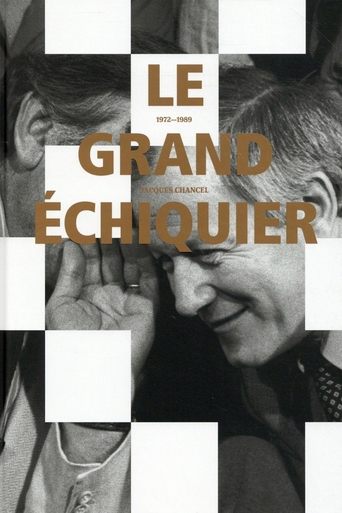
8.0Le Grand Échiquier is a French variety television program created and presented by Jacques Chancel. It aired at 8:30 pm on the first channel of the ORTF from January 12, 1972 to July 12, 1972, then on the second color channel of the ORTF from September 1972 to December 1974, and finally on Antenne 2 from January 1975 to December 21, 1989. The program returned to France 2 on December 20, 2018 and is hosted by Anne-Sophie Lapix.
Le Grand Échiquier
1972
 5.4
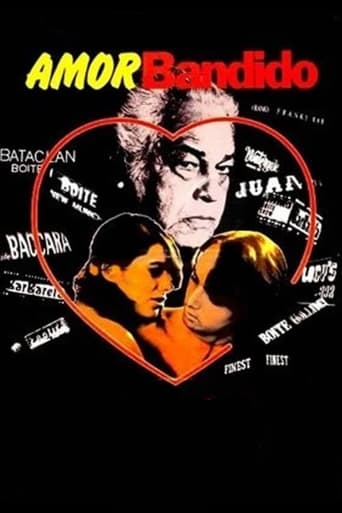
5.4Police investigator Galvão is pursuing two trails, one professional and one personal. While he looks for a serial killer, he also searches for his estranged daughter, Sandra, whom he kicked out of the house. Lives intersect when the serial killer, Toninho, befriends Sandra, now an exotic dancer and prostitute living and working in the seamy underside of late 1970s Rio.
Amor Bandido
1979
 6.1
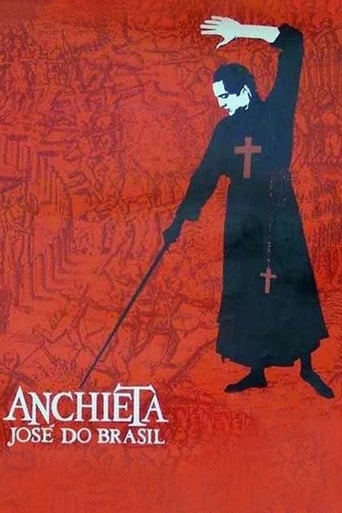
6.1Life and death of the jesuit who fought for the peaceful relationship between colonists and the indigenous peoples of Brazil.
Anchieta, José do Brasil
1977
 6.1
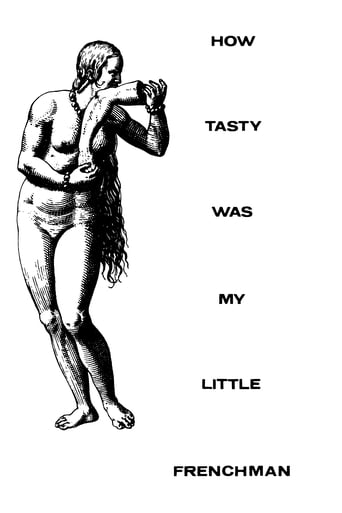
6.1In 1594 Brazil, a frenchman becomes a prisoner of the Tupinambás. While waiting to be executed, the foreigner learns the habits of the indigenous people and joins a woman who tries to help him escape.
How Tasty Was My Little Frenchman
1971
 6.5
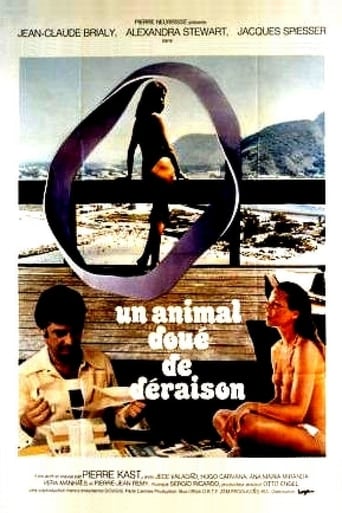
6.5A wealthy French promoter living in Rio tries to seduce Alexandra, a young woman of high society, but a prisoner of her strict education. He then shared his project with a journalist friend, who decided to make it the theme of a novel he imagined in 18th century Brazil...
Un animal doué de déraison
1976
 9.0
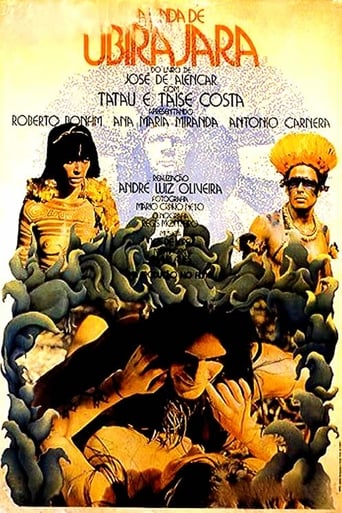
9.0In order to earn a warrior name, the son of Araguaia chief wanders the forest, falls in love with a girl from the Tocantins tribe, and defeats their bravest warrior. When his true identity is discovered, he makes a deal: promises to fight the Tapuias, another tribe which threatens the Tocantins, marries the Indian girl, and establishes the Ubirajara nation.
The Legend of Ubirajara
1975
Film credits
1980s · 1 titles
1970s · 18 titles
5.4Police investigator Galvão is pursuing two trails, one professional and one personal. While he looks for a serial killer, he also searches for his estranged daughter, Sandra, whom he kicked out of the house. Lives intersect when the serial killer, Toninho, befriends Sandra, now an exotic dancer and prostitute living and working in the seamy underside of late 1970s Rio.
Amor Bandido
1979
6.1Life and death of the jesuit who fought for the peaceful relationship between colonists and the indigenous peoples of Brazil.
Anchieta, José do Brasil
1977
6.1In 1594 Brazil, a frenchman becomes a prisoner of the Tupinambás. While waiting to be executed, the foreigner learns the habits of the indigenous people and joins a woman who tries to help him escape.
How Tasty Was My Little Frenchman
1971
6.5A wealthy French promoter living in Rio tries to seduce Alexandra, a young woman of high society, but a prisoner of her strict education. He then shared his project with a journalist friend, who decided to make it the theme of a novel he imagined in 18th century Brazil...
Un animal doué de déraison
1976
9.0In order to earn a warrior name, the son of Araguaia chief wanders the forest, falls in love with a girl from the Tocantins tribe, and defeats their bravest warrior. When his true identity is discovered, he makes a deal: promises to fight the Tapuias, another tribe which threatens the Tocantins, marries the Indian girl, and establishes the Ubirajara nation.
The Legend of Ubirajara
1975
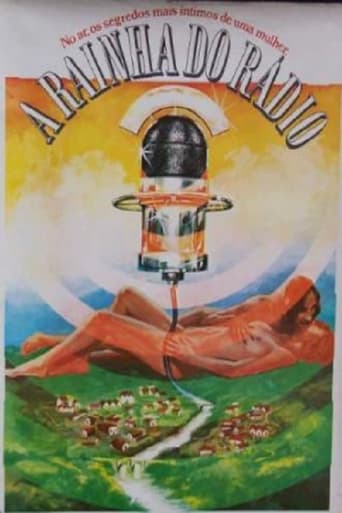 9.0
9.0No synopsis available yet.
A Rainha do Rádio
1979
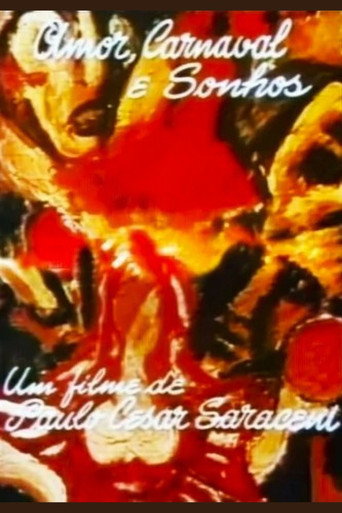 4.7
4.7On Carnival's eve, girl dreams of a man to stay with her during these four days. She meets a photographer, with whom she has an affair.
Love, Carnival and Dreams
1972
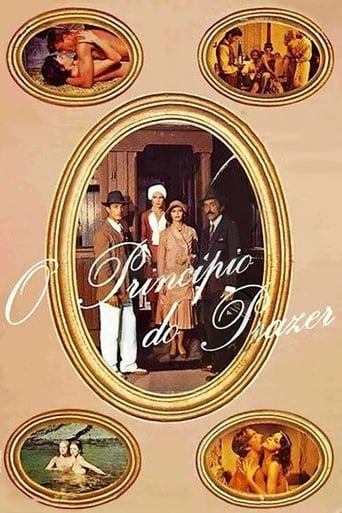 4.7
4.7In a financially troubled farm in the 1930's, its depraved owners become attracted to their new handsome and young handyman.
The Pleasure Principle
1979
 6.5
6.5Against all advice, a destitute Brazilian old man marries a nineteen-year-old girl. Because he can’t give her any children, he moves to the interior to make money, so she will at least have a good life. When he returns, he is told she has a three-year-old daughter. He buys himself a knife.
João and the Knife
1972
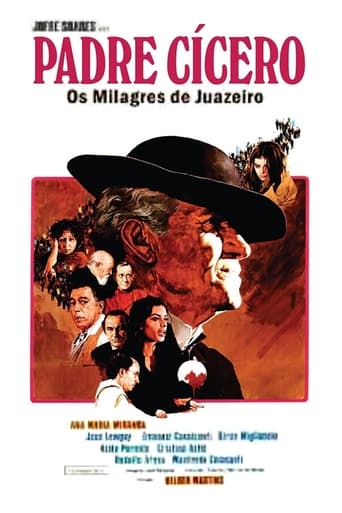 10.0
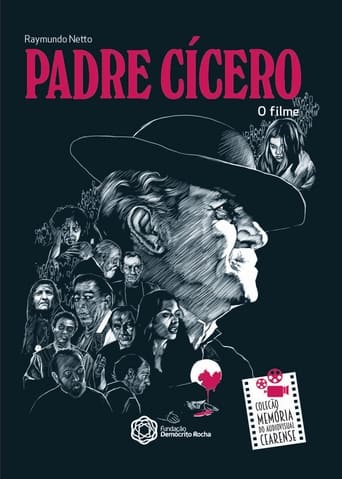
10.0No synopsis available yet.
Padre Cícero: Os Milagres de Juazeiro
1976
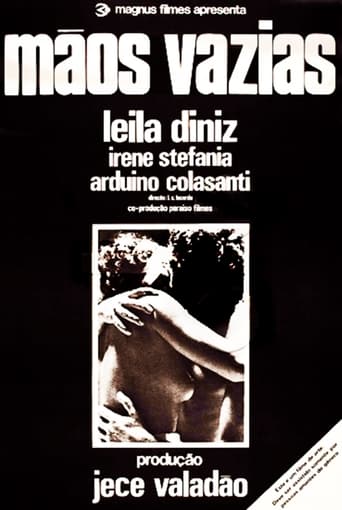 5.0
5.0In a small town in the State of Minas Gerais, Brazil, a woman rebels against local morality after her child dies, with tragic results.
Mãos Vazias
1971
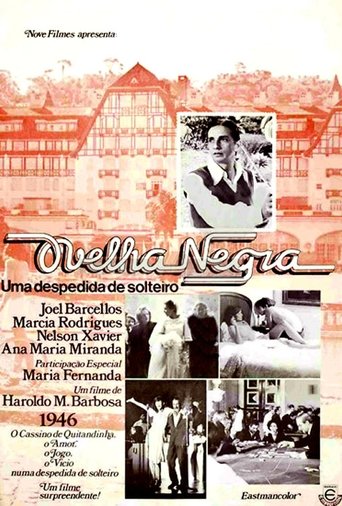 5.8
5.8João, a playboy, spends his last day as a single in a resort hotel, where he seduces a teenager and gets involved with the casino singer.
Ovelha Negra, Uma Despedida de Solteiro
1974
 5.4
5.4The critical success in France of How Tasty Was My Little Frenchman made possible dos Santos’ delirious science-fiction vision of free love in a post-apocalyptic wilderness besieged by flesh hungry zombies contaminated by an unnamed nuclear attack. Who is Beta? follows two statuesque survivors drawn irresistibly together only to be entranced by the arrival and sudden disappearance of a third, the bewitching raven haired Beta. With its cartoon-like depiction of extreme violence and desire, Who is Beta? offers a heady Pop-infused companion to Hunger for Love. Yet beneath its giddy play of surfaces, dos Santos' underappreciated film gradually reveals a darkly ambiguous metaphoric dimension. -Harvard Film Archive
Who Is Beta?
1972
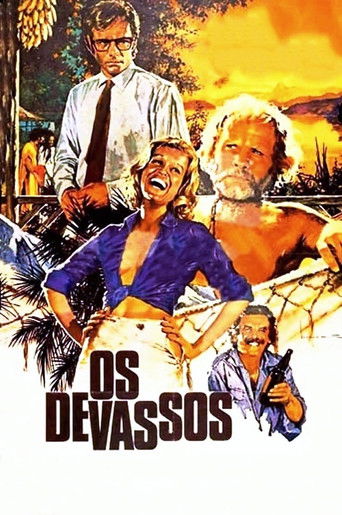 7.0
7.0Wanted by the police, a university professor flees to a hotel in the interior and causes changes in the lives of the owner of the establishment and his wife.
Os Devassos
1971
After a life of richness, a conservative industrialist blames himself for abandoning his youth's left values. In existential misery, he keeps looking for a possible personal redemption after a foreign company buys his business. His life breaks into pieces.
Chronicle of an Industrial
1978
 9.0
9.0Expedito, after being abandoned by his parents, became Zefa's adopted son until he became a man and started earning his living as an independent fisherman. As soon as he finds out that Zefa is very ill, Expedito runs back home and finds his adoptive mother in agony. At the edge of the bed, a mysterious woman, who claims to be Death, sits.
Tatu Bola
1971
 8.0
8.0Adventures of a migrant who comes from Northeast Brazil to Rio de Janeiro, where he meets a prostitute.
Na Ponta da Faca
1977
 5.0
5.0A lesson in conciseness, expressiveness, and humor on the inexhaustible theme of the dream of making movies. A parodic lesson, a Brazilian version of historical scenes filmed by the Lumiére brothers in 1895—the baby, the bath in the garden, the workers leaving, and the arrival of the train. The melodrama of a couple of lovers through time and the history of cinema. Many sequence shots, as preferred and taught by Cinema Novo. Everything about a film being made and being watched. The language of cinema (shot, reverse shot, tracking shot, editing, mixing, dubbing, etc.), interspersed with quotes from Humberto Mauro, Godard, Glauber Rocha, and Rossellini.
Cinema
1974