

Acting
Leila Diniz
Born — Died
1945-03-25 — 1972-06-14
Place of birth
Niterói, Rio de Janeiro, Brazil
Known for
Acting
Credits
36 titles
Leila Roque Diniz (25 March 1945 – 14 June 1972) was a Brazilian television, movie and theatre actress, whose liberal ideas and attitudes about sex had raised the discontent of both the feminists and the Brazilian military government of the 1960s. Born in a middle-class family and the daughter of a communist activist, Leila worked as a kindergarten teacher at age 15. At age 17, she met movie director Domingos de Oliveira, with whom she lived until age 21. Between 1962 and 1964 she had minor roles on stage. In 1965, Diniz started working in television, where she made several telenovelas and various commercials. In 1967, she also started to make movies. She died on 14 June 1972, aged 27, at …
Known for
No synopsis available yet.
A Menina do Veleiro Azul
1969
 7.0
7.0No synopsis available yet.
Dez Vidas
1969
No synopsis available yet.
Os Acorrentados
1969
 7.0
7.0No synopsis available yet.
Anastácia, a Mulher sem Destino
1967
 NR
NRNo synopsis available yet.
O Sheik de Agadir
1966
 NR
NRNo synopsis available yet.
A Rainha Louca
1967
Film credits



1970s · 6 titles
 4.7
4.7On Carnival's eve, girl dreams of a man to stay with her during these four days. She meets a photographer, with whom she has an affair.
Love, Carnival and Dreams
1972
 4.0
4.0A documentary that presents home movies and several excerpts of known films of famous actress Leila Diniz. Friends of the late actress, tragic killed on a plane crash in 1972, discuss about her life, her work and her legacy in Brazilian culture.
Leila Para Sempre Diniz
1976
 10.0
10.0No synopsis available yet.
O Donzelo
1971
 10.0
10.0Documentary on famous Brazilian actresses, female directors and the role of women in Brazilian film history.
Mulheres de Cinema
1978
 6.3
6.3Father Simão Bacamarte arrives in the small town of Serafim to investigate a certain phenomenon of madness.
The Alienist
1970
 5.0
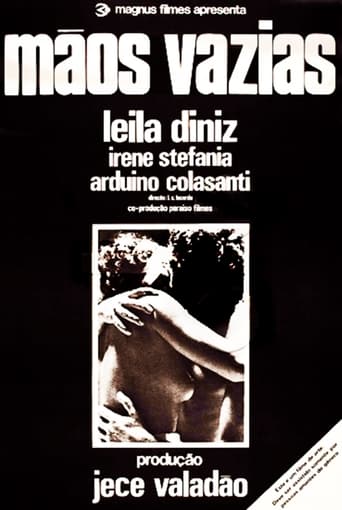
5.0In a small town in the State of Minas Gerais, Brazil, a woman rebels against local morality after her child dies, with tragic results.
Mãos Vazias
1971
1960s · 14 titles
 NR
NRMario is a playboy who is married to Lucía, a millionaire who has fallen on hard times, and he also maintains an adulterous relationship with one of her friends, the temperamental and libertine millionaire Lena Anderson.
Divertimento
1967
 5.8
5.8Two dark-comedy stories involving blackmail, murder and love triangles in Rio de Janeiro
Dangerous Game
1967
 7.0
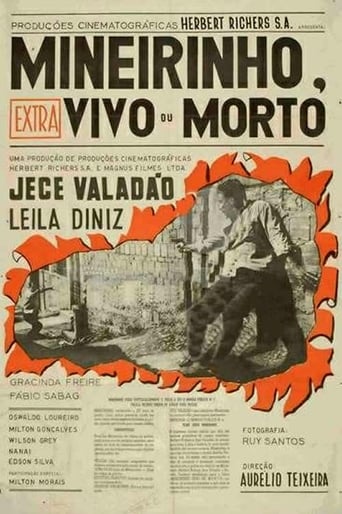
7.0Based on real-life Brazilian bandit "Mineirinho", the film follows the story of Zezé, a man falsely accused by sensasionalist press of being a high-caliber criminal who suddenly becomes one of the most wanted men of Rio de Janeiro.
Mineirinho, Vivo ou Morto
1967
 7.0
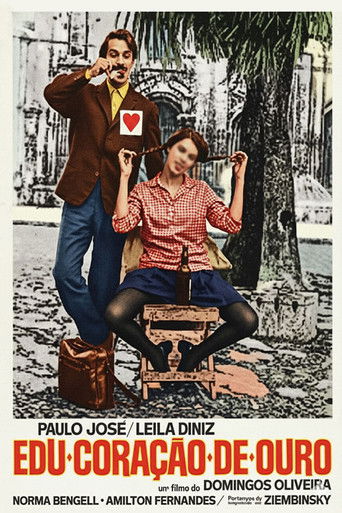
7.0A volatile young man, Edu is a typical Rio de Janeiro middle-class kind, who flirts with multiple women at the same time. None of them, however, had managed to make him fall in love, until he met with mysterious Tatiana.
Edu, Coração de Ouro
1968
 6.3
6.3Two ladykillers living in Rio de Janeiro know no limits when courting a beautiful woman. A problem arises when one of them starts coming on to a girl, not knowing she's his buddy's daughter.
Os Paqueras
1969
 8.0
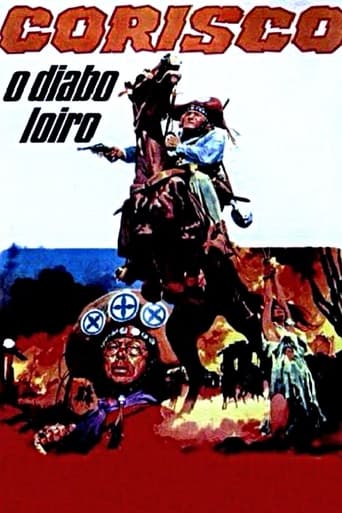
8.0After killing a troublemaker, Cristino flees to a town in the Northeast and is forced to join Lampião's gang, where he becomes his right-hand man, under the name Corisco, the Blond Devil. He falls in love with Dadá, a farmer's daughter, and takes her with him by force. Gradually, she learns to love him, and they live together for 13 years in the cangaço. Corisco escapes the Angico massacre but is captured by Lieutenant Zé Rufino's volante after beheading the family of Lampião's informant. Dadá and Corisco, on the way to hand them over to the authorities, reminisce about the adventurous adventures of their lives.
Corisco, o Diabo Loiro
1969
 7.5
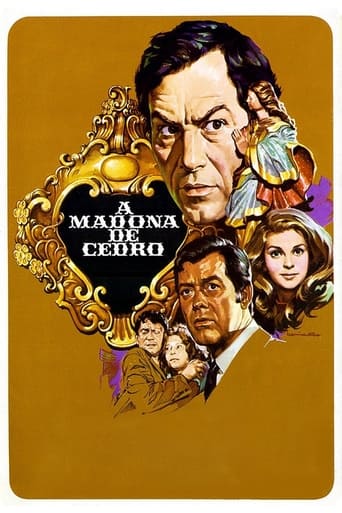
7.5Delfino, a quiet man who lives in Congonhas do Campo, a small historical town in the state of Minas Gerais, Brazil, is urged by his friend to steal the image of the Madona de Cedro (the Cedar Madonna), sculpted by Aleijadinho in the 18th century, from the town sanctuary.
A Madona de Cedro
1968
 7.5
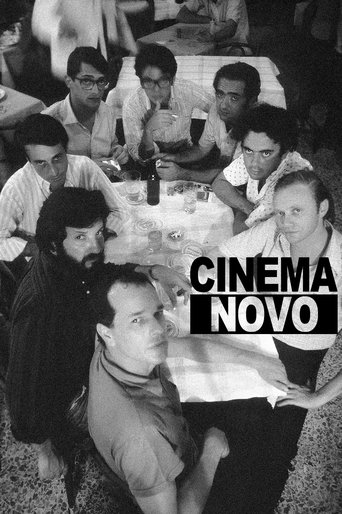
7.5Originally produced for German TV, Improvised and Purposeful is a firsthand look at the "Cinema Novo" movement (otherwise known as the 'Brazilian New Wave'). Director Joaquim Pedro de Andrade focuses on six Cinema Novo filmmakers working in Rio in 1967.
Improvised and Purposeful: Cinema Novo
1967
 9.0
9.0No synopsis available yet.
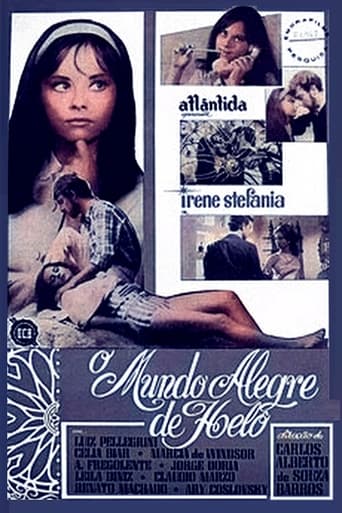
O Mundo Alegre de Helô
1967
 6.9
6.9When womanizer Paulo meets a friend’s fiancée, she changes the way he looks at the opposite sex. He falls in love, and believes she is in fact all women in one. Because of that, he has to face an important decision: to go on with his old life, or embrace this special relationship and become a monogamous man.
All the Women in the World
1966
 5.9
5.9A man gets locked naked outside of his apartment.
The Naked Man
1968
No synopsis available yet.
Fantasia para Ator e TV
1968
 5.1
5.1An extended research tour of US university film programs introduced dos Santos to the American avant-garde filmmakers, among them Jonas Mekas and Stan Brakhage, who would directly inspire his formally radical adaptation of an allegorical short story about adultery and colonialism by Guilherme de Figueiredo. Filmed in both Manhattan and Brazil and set against the background of the Vietnam War and its protests, Hunger for Love uses a rigorously abstract soundtrack and narrative structure to evoke the acute paranoia of the period building up to the December 1968 military coup that tipped Brazil perilously close to a conservative dictatorship. With its harsh critique of the decadent tendencies of the Sixties counterculture, Hunger for Love offers a key expression of the self-consciously “ideological” phase of Cinema Novo. -Harvard Film Archive
Hunger for Love
1968
 6.4
6.4Documentary about middle-class people in Rio de Janeiro, in the 1960s, when Brazil was going through a hard period in its history, with the military coup and the following dictatorship. Interviews with people in the street disclose their fears, aspirations and political alienation.
A Public Opinion
1967
Series credits
No synopsis available yet.
A Menina do Veleiro Azul
1969
7.0No synopsis available yet.
Dez Vidas
1969
No synopsis available yet.
Os Acorrentados
1969
7.0No synopsis available yet.
Anastácia, a Mulher sem Destino
1967
NRNo synopsis available yet.
O Sheik de Agadir
1966
NRNo synopsis available yet.
A Rainha Louca
1967
 8.0
8.0No synopsis available yet.
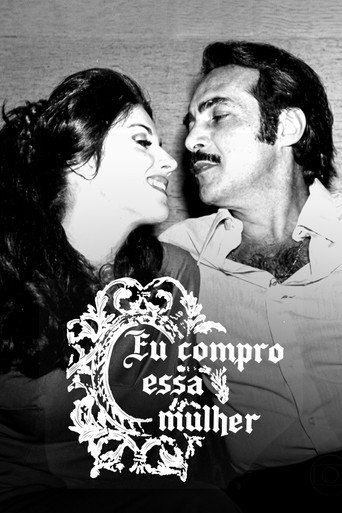
Eu Compro Essa Mulher
1966
No synopsis available yet.
Vidas em Conflito
1969
 10.0
10.0No synopsis available yet.
E Nós, Aonde Vamos?
1970
 NR
NRNo synopsis available yet.
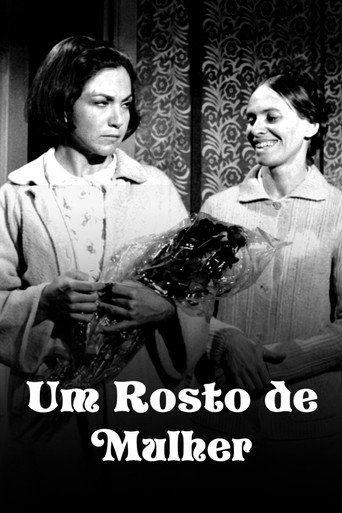
Um Rosto de Mulher
1965
 9.0
9.0No synopsis available yet.
Paixão de Outono
1965
 7.0
7.0No synopsis available yet.
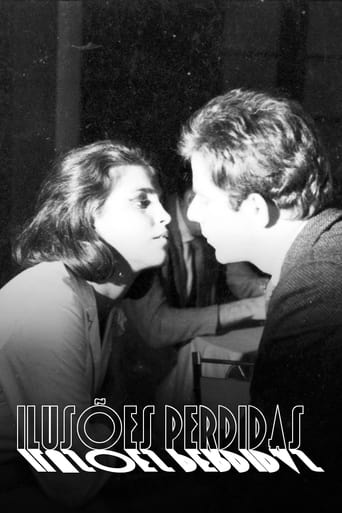
Ilusões Perdidas
1965
No synopsis available yet.
O Direito dos Filhos
1968