

Writing
Armando Costa
Born — Died
1933-05-05 — 1984-04-09
Place of birth
Rio de Janeiro, Rio de Janeiro, Brazil
Known for
Writing
Credits
25 titles
Armando Costa (Rio de Janeiro, May 5, 1933 - Rio de Janeiro, April 9, 1984). Author, director and animator. He marked Grupo Opinião not only as co-author of some of its most important shows, but also for his role in resistance theater, which he exercised through ideological coherence and criticism in defense of popular interests.
Known for
 NR
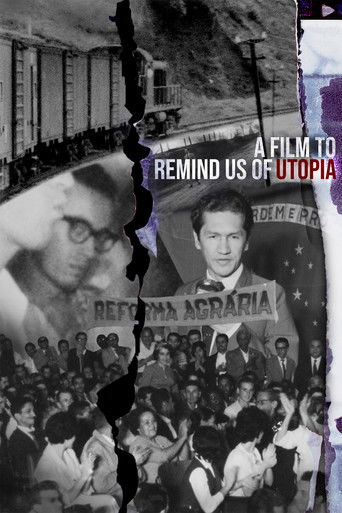
NRIn Esdras Baptista's film archives, kept at his home for decades, one can feel the fervor of those who believed in a new tomorrow. Filmed in Brazil in the early 1960s, in the heat of a libertarian political movement, the filmmaker's images materialize the incandescence of collective desires at the historic moment of their emergence. Utopia, though unattainable, is never a mere abstraction. A force that mobilizes actions and feelings, it constitutes the impetus necessary for human existence.
A Film to Remind Us of Utopia
2026
 NR
NRFollows the story of Opinião, a theatre group created in 1964 during the early Brazilian dictatorship period to oppose the government through artistic performances. Considered the first left-wing response to the dictatorship, the group gathered now famous Brazilian artists such as Nara Leão, Maria Bethânia, João do Vale and Millôr Fernandes.
Memórias do Grupo Opinião
2019
 7.9
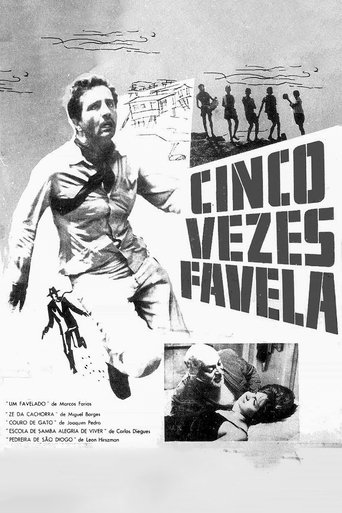
7.9Five segments about the hardships faced by people living in slums on hills in Rio de Janeiro.
Five Times Favela
1962
 7.0
7.0Erotic comedy in five segments, starring the same actor, Chico Anysio: O Torneio (The Tournament), A Boca (The Mouth), O Filminho (The Short Film), A Suspeita (The Suspicion) and O Apartamento (The Apartment).
O Doce Esporte do Sexo
1971
 6.0
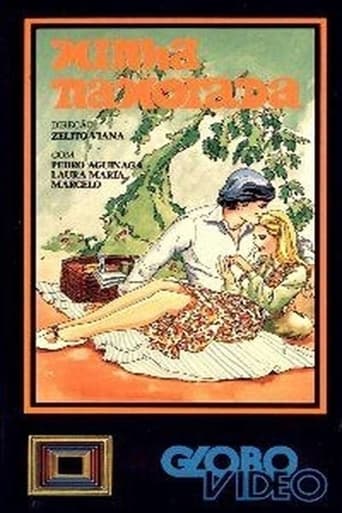
6.0Middle-class teenage girl has a serious boyfriend that her parents approve of. Suddenly, she meets another boy with whom she is shown to have a greater identification.
Minha Namorada
1970
 4.8
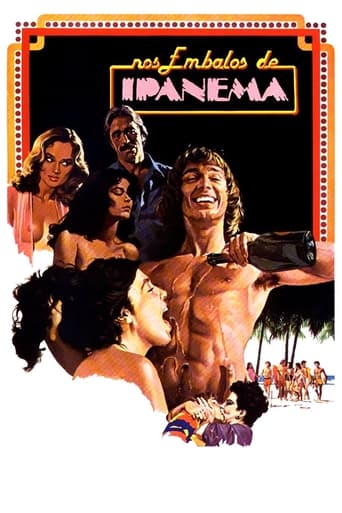
4.8Toquinho is a young man living in Marechal Hermes, a poor neighborhood in Rio de Janeiro, together with his widow mother and a younger sister. Although he is poor, he is also ambitious, and wants to change his life. He spends all his time on the beach, at Arpoador, Ipanema, where he dreams to become a famous surfer. Besides, he usually finds Patricia there, a rich and liberated young woman, whom he likes a lot. To impress Patricia and satisfy some of her wishes, he lets himself be seduced by André, a gay guy who, in return for his sexual favors, promises him a trip to Hawaii for a surf championship.
Nos Embalos de Ipanema
1978
Film credits
2020s · 2 titles
NRIn Esdras Baptista's film archives, kept at his home for decades, one can feel the fervor of those who believed in a new tomorrow. Filmed in Brazil in the early 1960s, in the heat of a libertarian political movement, the filmmaker's images materialize the incandescence of collective desires at the historic moment of their emergence. Utopia, though unattainable, is never a mere abstraction. A force that mobilizes actions and feelings, it constitutes the impetus necessary for human existence.
A Film to Remind Us of Utopia
2026
 NR
NRArmando Costa was one of Brazil's most successful authors, both in terms of audience and critical acclaim, responsible for shows like "A Grande Família" and "Malu Mulher." Despite this, he didn't care about fame or signing his works.
Armando Costa: “Televisão pra Mim Não é Bico”
2024
1960s · 4 titles
7.9Five segments about the hardships faced by people living in slums on hills in Rio de Janeiro.
Five Times Favela
1962
 10.0
10.0Unhappy with what he'd got from life, Pedro Diabo becomes a dread outlaw, whom the police is looking for. In his life of crime, he has the love and support of a strange woman, Rosa Meia-Noite, chorus girl who likes to wear rich costumes in Carnival Balls.
Pedro Diabo Loves Rosa Meia Noite
1969
No synopsis available yet.
Canalha em Crise
1965
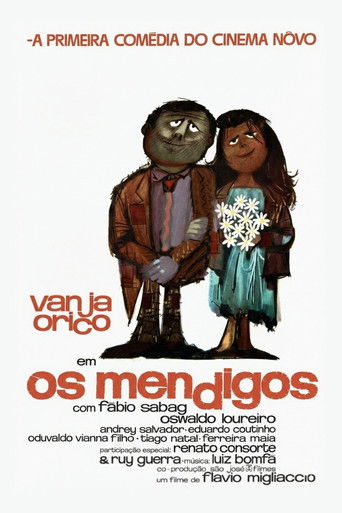 9.0
9.0A young female fugitive escapes from a juvenile institution (the Child Assistance Service) and joins a group of poor beggars with the intention of finding a potential partner to marry in order to avoid her return to that place.
The Beggars
1963
Behind the camera
7.0Erotic comedy in five segments, starring the same actor, Chico Anysio: O Torneio (The Tournament), A Boca (The Mouth), O Filminho (The Short Film), A Suspeita (The Suspicion) and O Apartamento (The Apartment).
O Doce Esporte do Sexo
1971
6.0Middle-class teenage girl has a serious boyfriend that her parents approve of. Suddenly, she meets another boy with whom she is shown to have a greater identification.
Minha Namorada
1970
6.0Middle-class teenage girl has a serious boyfriend that her parents approve of. Suddenly, she meets another boy with whom she is shown to have a greater identification.
Minha Namorada
1970
4.8Toquinho is a young man living in Marechal Hermes, a poor neighborhood in Rio de Janeiro, together with his widow mother and a younger sister. Although he is poor, he is also ambitious, and wants to change his life. He spends all his time on the beach, at Arpoador, Ipanema, where he dreams to become a famous surfer. Besides, he usually finds Patricia there, a rich and liberated young woman, whom he likes a lot. To impress Patricia and satisfy some of her wishes, he lets himself be seduced by André, a gay guy who, in return for his sexual favors, promises him a trip to Hawaii for a surf championship.
Nos Embalos de Ipanema
1978
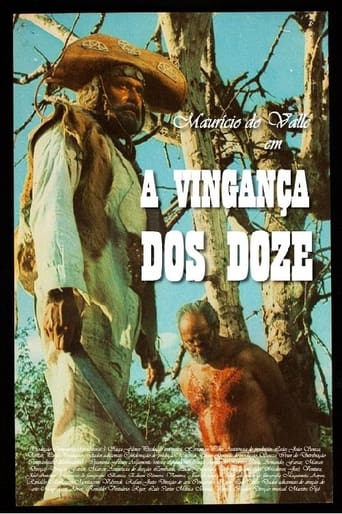 8.0
8.0No synopsis available yet.
A Vingança dos Doze
1970
10.0Unhappy with what he'd got from life, Pedro Diabo becomes a dread outlaw, whom the police is looking for. In his life of crime, he has the love and support of a strange woman, Rosa Meia-Noite, chorus girl who likes to wear rich costumes in Carnival Balls.
Pedro Diabo Loves Rosa Meia Noite
1969
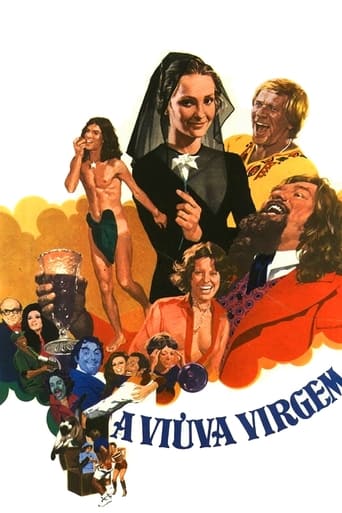 4.4
4.4In Minas Gerais, the powerful "colonel" Alexandrão gets married with the young and virgin Cristina and promotes a huge wedding party in his farm. He eats and drinks a lot along the day, but in his "first night" with the bride, he dies before consummating his marriage. The marital status of Cristina becomes very unusual, being a virgin widow. Her doctor advises her to travel to Rio de Janeiro to rest, and she moves with her aunt to an inherited apartment in Leme. Once in Rio de Janeiro, the rascal Constantino, who is aware of her wealth, courts her and borrows money, clothes and a Mercedes Benz from his friends, pretending he is businessman man. His friends release "stocks" in a parallel stock market, based and supported in the expectation of the possible marriage of Constantino with Cristina. However, the ghost of Coronel Alexandrão appears for her whenever she intends to have sex with Constantino.
A Viúva Virgem
1972
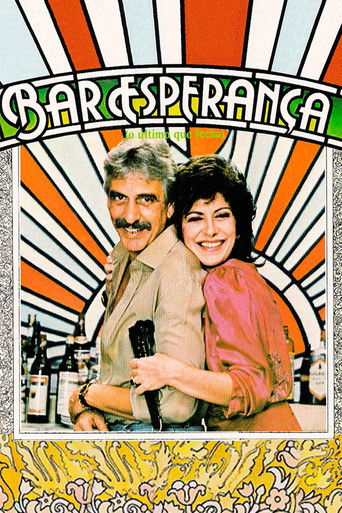 6.2
6.2A group of eccentric people gather at a popular bar in Ipanema, Rio de Janeiro.
Bar Esperanza
1983
 4.1
4.1An industrial couple spends more than they can afford. In financial trouble, the husband Afraninho devises a strange kind of business, for foreign executives, in which the product is his own wife Malu. They succeed, and soon other couples start doing the same thing, establishing the competition.
O Bom Marido
1978
 4.6
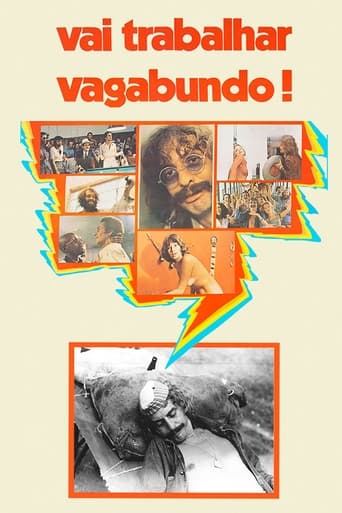
4.6Having come out recently from jail, a tramp, willing to make quick money, decides to organize a pool match between two famous retired players.
Go to Work You Bum!
1973
 9.0
9.0Willing to do anything to succeed in an artistic career, and roused by her own mother, the TV go-go girl Zelinda tries to seduce the director of the studio where she works.
Em Busca do Su$exo
1970
 8.5
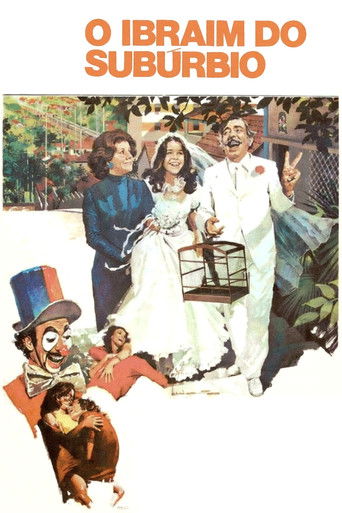
8.5A poor man from the North Zone of Rio, head of a family, Roy struggles in every way to survive and accepts a job as a professional laugher on a TV station; Casimiro de Abreu de Sousa lives in a fantasy world in which he imagines himself to be part of high society. His daughter's wedding awakens in Casimiro the desire to achieve everything he has always fantasized about.
O Ibraim do Subúrbio
1977
 4.5
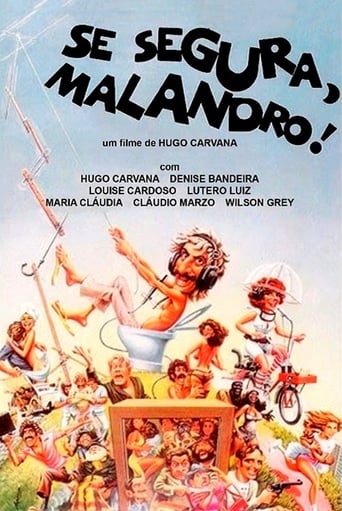
4.5Paulo Otávio is the host of a pirate radio station on the slums of Rio de Janeiro. He struggles to mantain the station working, since the only help he's got comes from news reporter Calói. Their story goes beyond as the city starts to face a crime wave.
Se Segura, Malandro!
1978
 6.4
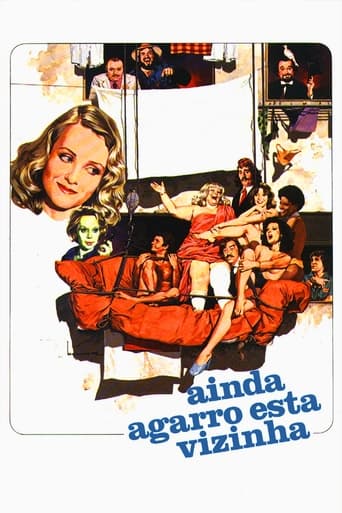
6.4Tatá is a typical Rio de Janeiro guy, easy living, hedonistic, living in an apartment in one of those buildings where everything goes, in Copacabana, near the beach. One day a beautiful new neighbor, Teresa, moves into the apartment in front of his, and he falls in love.
Ainda Agarro Esta Vizinha
1974
 9.0
9.0In the early 17th century, the Dutch have occupied Bom Jesus village, the last native stronghold in the Pernambuco captaincy. An adventurer, João Fernandes Vieira, sees himself in the middle of a conflict, torn between joining his friend Mauricio de Nassau alongside the ruling Dutch and siding with his lover Ana Paes in the fight to free his homeland.
Batalha dos Guararapes
1978
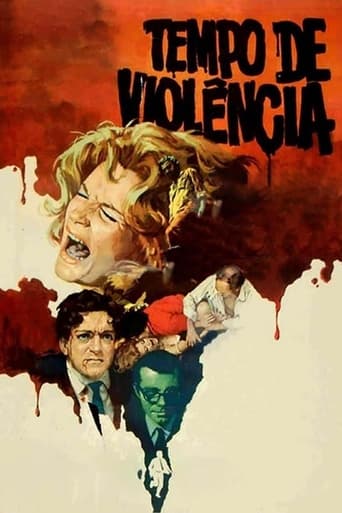 7.5
7.5Wealthy banker Antônio witnesses the murder of a journalist, who got killed for exposing the activities of a gang of smugglers. After they find out about him, Antônio and his wife are both targeted and pursued by the criminals.
Time of Violence
1969
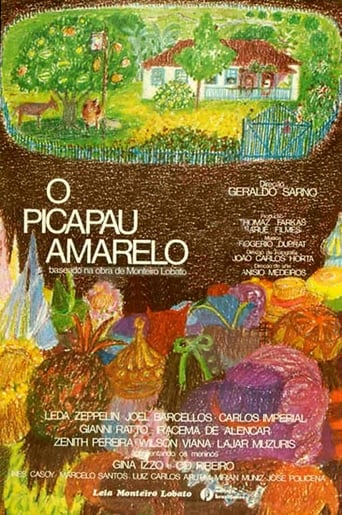 8.5
8.5The Viscount of Sabugosa is locked in the library writing an encyclopedia about the characters in children's fables. Dona Benta receives a letter from little Thumb, written on a rose petal, in which he, realizing that the inhabitants of the world of fables are forgotten in the books on the shelves, requests that everyone live in Sítio do Picapau Amarelo. Emília and the children love the idea, and Dona Benta says yes. They move
O Picapau Amarelo
1973
 NR
NRHistory and decadence of the city of Alcântara narrated through what remains of its buildings and ancient documents.
Alcântara: Ghost Town
1968