
Acting
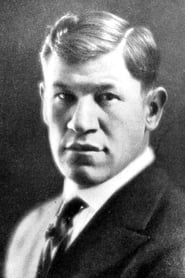
Jim Thorpe
Born — Died
1887-05-22 — 1953-03-28
Place of birth
Prague, Indian Territory [now Oklahoma], USA
Known for
Acting
Credits
52 titles
From Wikipedia, the free encyclopedia James Francis Thorpe (Sac and Fox (Sauk): Wa-Tho-Huk, translated as "Bright Path"; May 22 or 28, 1887 – March 28, 1953) was an American athlete and Olympic gold medalist. A member of the Sac and Fox Nation, Thorpe became the first Native American to win a gold medal for the United States. Considered one of the most versatile athletes of modern sports, he won Olympic gold medals in the 1912 pentathlon and decathlon, and played American football (collegiate and professional), professional baseball, and basketball. He lost his Olympic titles after it was found he had been paid for playing two seasons of semi-professional baseball before competing in the Ol…
Known for
 7.6
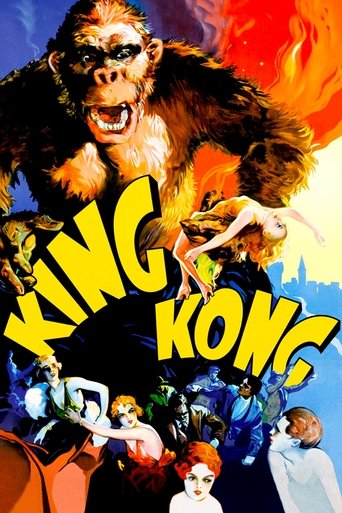
7.6Adventurous filmmaker Carl Denham sets out to produce a motion picture unlike anything the world has seen before. Alongside his leading lady Ann Darrow and his first mate Jack Driscoll, they arrive on an island and discover a legendary creature said to be neither beast nor man. Denham captures the monster to be displayed on Broadway as King Kong, the eighth wonder of the world.
King Kong
1933
 7.7
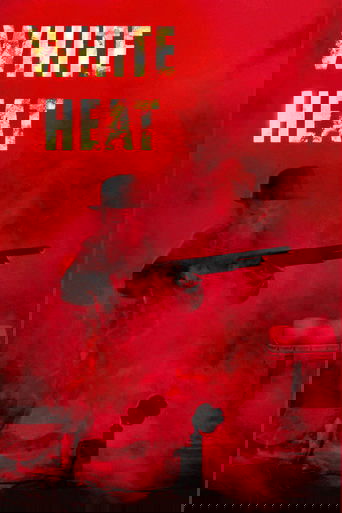
7.7A psychopathic criminal with a mother complex makes a daring break from prison and then leads his old gang in a chemical plant payroll heist. After the heist, events take a crazy turn.
White Heat
1949
 7.3
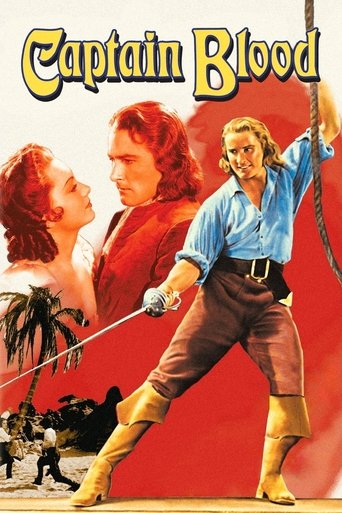
7.3Dr. Peter Blood, unjustly convicted of treason and exiled from England, becomes a notorious pirate.
Captain Blood
1935
 7.3
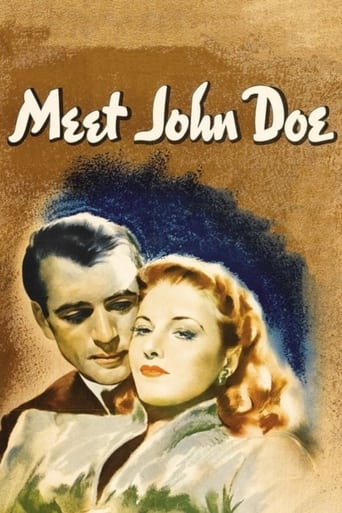
7.3As a parting shot, fired reporter Ann Mitchell prints a fake letter from unemployed "John Doe," who threatens suicide in protest of social ills. The paper is forced to rehire Ann and hires John Willoughby to impersonate "Doe." Ann and her bosses cynically milk the story for all it's worth, until the made-up "John Doe" philosophy starts a whole political movement.
Meet John Doe
1941
 6.7
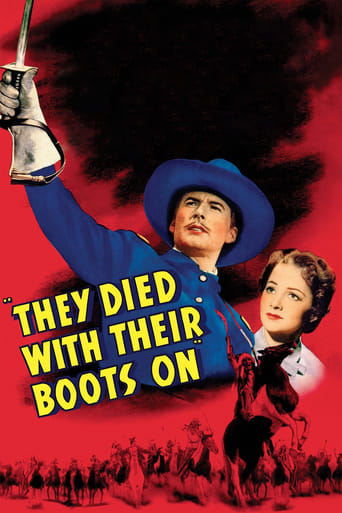
6.7The story follows General George Armstrong Custer's adventures from his West Point days to his death. He defies orders during the Civil War, trains the 7th Cavalry, appeases Chief Crazy Horse and later engages in bloody battle with the Sioux nation.
They Died with Their Boots On
1941
 6.7
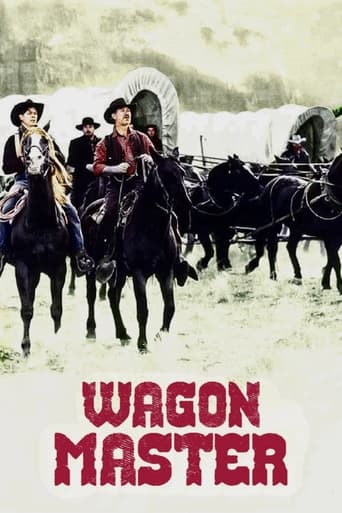
6.7Two young horse traders guide a Mormon wagon train to the San Juan Valley and encounter rugged terrain, the cutthroat Clegg gang, hospitable Navajo, and moral challenges on the journey.
Wagon Master
1950
Film credits
2020s · 2 titles
 6.4
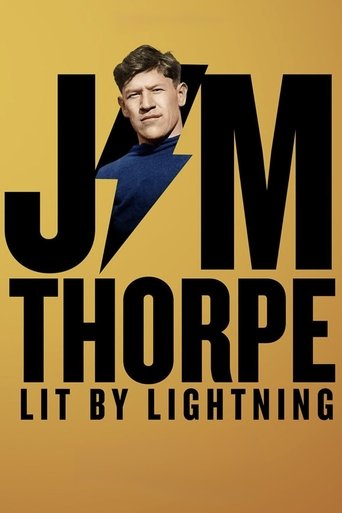
6.4Jim Thorpe was a Native American icon whose athletic prowess reshaped the landscape of 20th-century sports, defying the brutal challenges of racial prejudice along the way. Based on extensive interviews and utilizing Jim’s own writing this documentary brings together a diverse array of Native American scholars, historians, athletes, and influential sports commentators.
Jim Thorpe: Lit by Lightning
2025
 NR
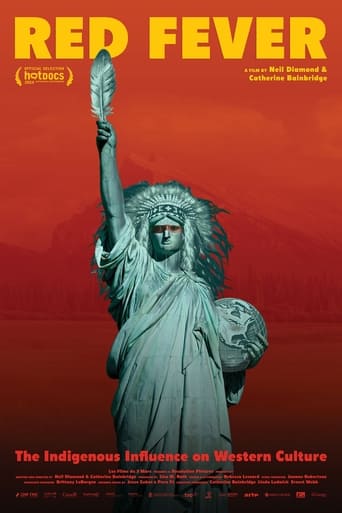
NRRed Fever is a witty and entertaining feature documentary about the profound -- yet hidden -- Indigenous influence on Western culture and identity. The film follows Cree co-director Neil Diamond as he asks, “Why do they love us so much?!” and sets out on a journey to find out why the world is so fascinated with the stereotypical imagery of Native people that is all over pop culture. Why have Indigenous cultures been revered, romanticized, and appropriated for so long, and to this day? Red Fever uncovers the surprising truths behind the imagery -- so buried in history that even most Native people don't know about them.
Red Fever
2024
1940s · 9 titles
7.7A psychopathic criminal with a mother complex makes a daring break from prison and then leads his old gang in a chemical plant payroll heist. After the heist, events take a crazy turn.
White Heat
1949
7.3As a parting shot, fired reporter Ann Mitchell prints a fake letter from unemployed "John Doe," who threatens suicide in protest of social ills. The paper is forced to rehire Ann and hires John Willoughby to impersonate "Doe." Ann and her bosses cynically milk the story for all it's worth, until the made-up "John Doe" philosophy starts a whole political movement.
Meet John Doe
1941
6.7The story follows General George Armstrong Custer's adventures from his West Point days to his death. He defies orders during the Civil War, trains the 7th Cavalry, appeases Chief Crazy Horse and later engages in bloody battle with the Sioux nation.
They Died with Their Boots On
1941
 6.8
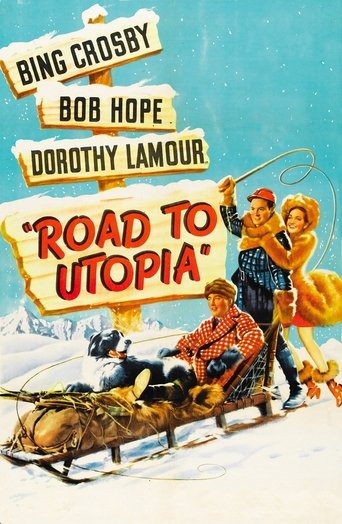
6.8While on a ship to Skagway, Alaska, Duke and Chester find a map to a secret gold mine, which had been 'stolen' by thugs. In Alaska to recover her father's map, Sal Van Hoyden falls in with Ace Larson, who secretly wants to steal the gold mine for himself. Duke, Chester, the thugs, Ace and his henchman chase each other all over the countryside—for the map.
Road to Utopia
1946
 5.5
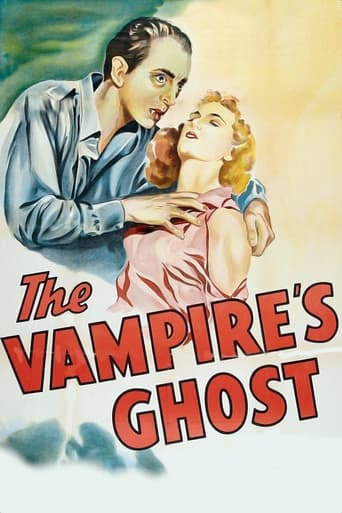
5.5In a small African port, a tawdry bar is run by a old man named Webb Fallon. Fallon is actually a vampire, but he is becoming weary of his "life" of the past few hundred years.
The Vampire's Ghost
1945
 5.0
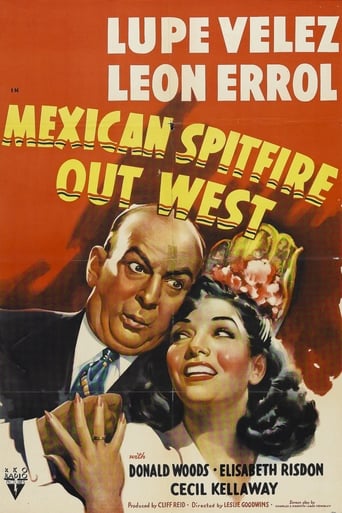
5.0Dennis heads west to work on an important business deal minus the Mexican Spitfire, Carmelita. His hot-tempered spouse decides to surprise him, but ends up as the surprised one when she sees him with another woman. Instead of a second honeymoon, Carmelita begins divorce proceedings
Mexican Spitfire Out West
1940
 8.0
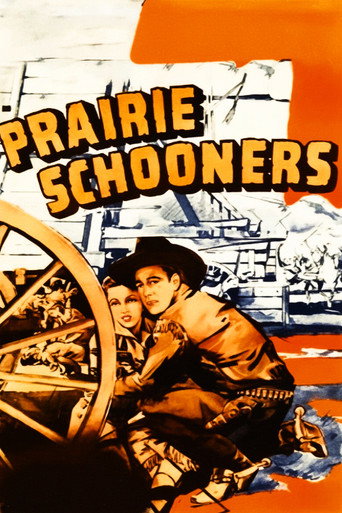
8.0Wild Bill Hickok (Bill Elliott) leads a wagon train of settlers from Kansas to Colorado. Along the way, they cross a group of Indians who don't want any more settlers on their land.
Prairie Schooners
1940
 7.0
7.0Carl Beldon has disappeared and the Trail Blazers have been sent to investigate. Arriving in town, they find that 'Honest John' controls everything. He even prints his own money. He also has a gang and they set out to finish off the heroes.
Outlaw Trail
1944
 9.0
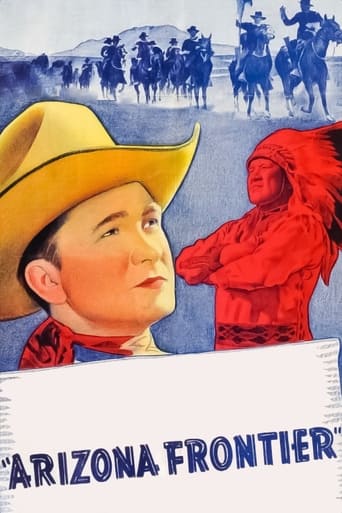
9.0A government agent uncovers the truth behind a series of raids on a freight company.
Arizona Frontier
1940
1930s · 40 titles
7.6Adventurous filmmaker Carl Denham sets out to produce a motion picture unlike anything the world has seen before. Alongside his leading lady Ann Darrow and his first mate Jack Driscoll, they arrive on an island and discover a legendary creature said to be neither beast nor man. Denham captures the monster to be displayed on Broadway as King Kong, the eighth wonder of the world.
King Kong
1933
7.3Dr. Peter Blood, unjustly convicted of treason and exiled from England, becomes a notorious pirate.
Captain Blood
1935
 10.0
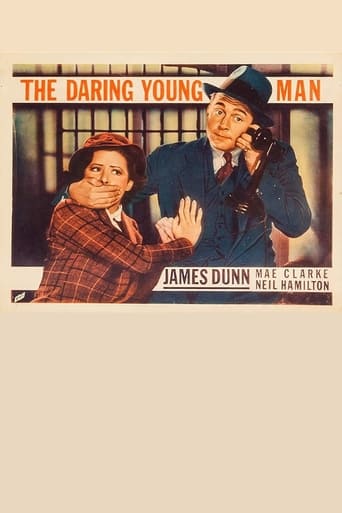
10.0The Daring Young Man is hotshot-reporter Don McLane, played by James Dunn. Always on the prowl for a good story, McLane is persistently outscooped by his rival, sob sister Martha Allen (Mae Clarke). After several reels of double-crossing one another, hero and heroine give in to the inevitable and fall in love. But as Martha waits at the altar in her wedding gown, McLane is off on another crusade, this time getting himself arrested to expose corruption within the prison system.
The Daring Young Man
1935
 6.9
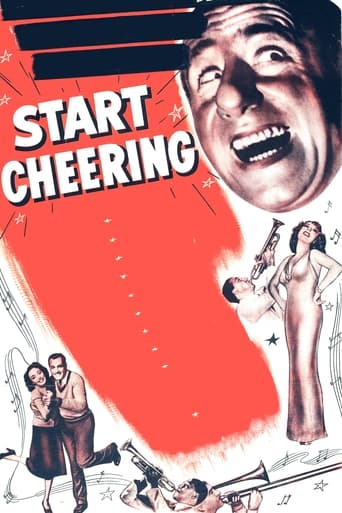
6.9After retiring from movies to get an education, a man discovers his ex-staff is trying to have him expelled.
Start Cheering
1938
 6.4
6.4Mary Rutledge arrives from the east, finds her fiancé dead, and goes to work at the roulette wheel of Luis Chamalis' Bella Donna, a rowdy gambling house in San Francisco in the 1850s. She falls in love with miner Jim Carmichael and takes his gold dust at the wheel. She goes after him, Chamalis goes after her with intent to harm Carmichael.
Barbary Coast
1935
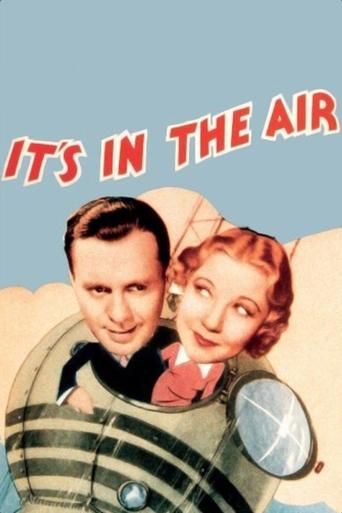 6.3
6.3Con men Calvin Churchill and Clip McGurk know how to fix a horse-race or boxing match. Calvin wants to go straight and win back his estranged wife, but first the men must dodge a dogged IRS agent and bilk a bunch of aviation investors out of the backing boodle for a balloon excursion into the stratosphere.
It's in the Air
1935
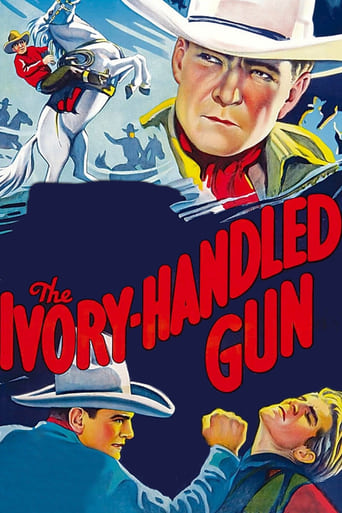 7.0
7.0Buck Ward and the Wolverine Kid, who each own one of the ivory handled guns, continue the feud started by their fathers.
The Ivory-Handled Gun
1935
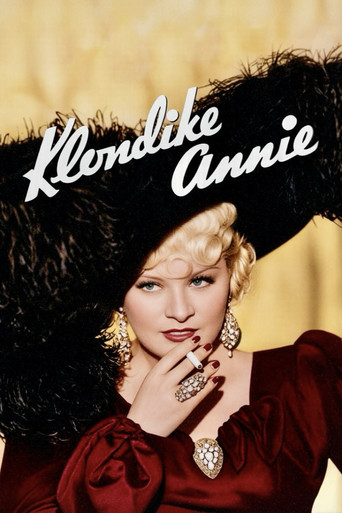 6.3
6.3Singer Rose Carlton, otherwise known as 'The San Francisco Doll', accidentally kills her controlling boyfriend when he tries to prevent her from leaving. To evade the police, Rose sets sail for Nome with captain Bull Bracket. When the ship takes on another passenger, reformer Annie Alden, Carlton's life is changed forever, and she sets out to honor a deeply personal debt.
Klondike Annie
1936
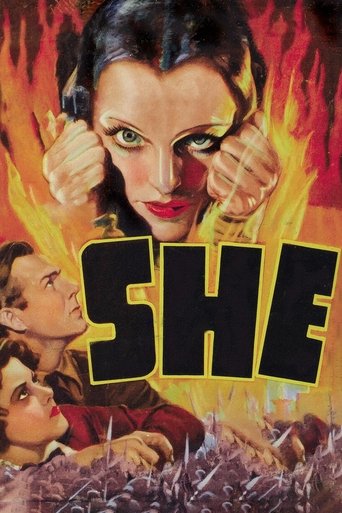 5.6
5.6Leo Vincey, told by his dying uncle of a lost land visited 500 years ago by his ancestor, heads out with family friend Horace Holly to try to discover the land and its secret of immortality, said to be contained within a mystic fire. Picking up Tanya, a guide's daughter, in the frozen Russian arctic, they stumble upon Kor, revealed to be a hidden civilization ruled over by an immortal queen, called She, who believes Vincey is her long-lost lover John Vincey, Leo's ancestor.
She
1935
 5.9
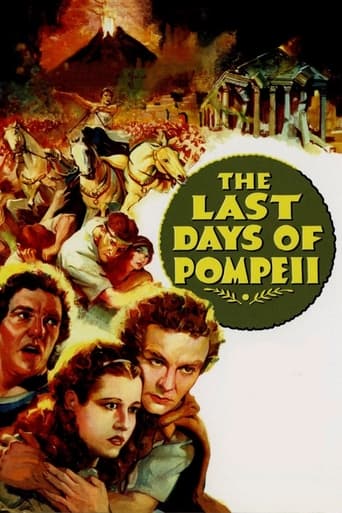
5.9In this action-filled spectacle set in ancient Pompeii, a blacksmith becomes a Roman gladiator, though his rise to wealth and power is jeopardized by his son's Christianity and the eruption of Vesuvius.
The Last Days of Pompeii
1935
 8.5
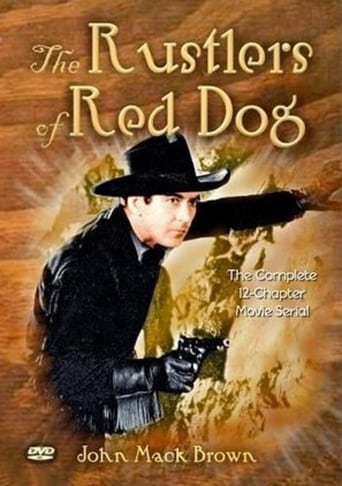
8.5A movie serial in 12 chapters: After gold is discovered in the town of Nugget, the titular band of thieves and cutthroats inundates the frontier settlement. A group of three compatriots -- upstanding ex-sheriff Jack Woods, his harmonica-playing friend Laramie and tricky, smooth-talking gambler Deacon -- combine their respective skills in a fateful struggle to deceive and disarm the gang.
Rustlers of Red Dog
1935
 7.0
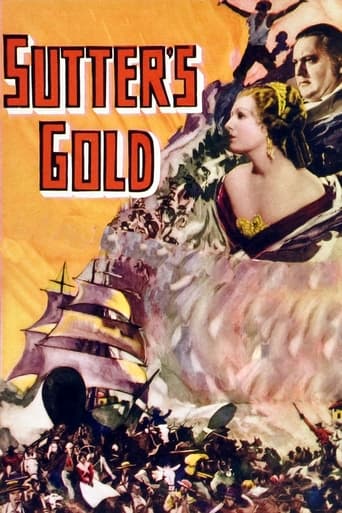
7.0Story of the gold strike on an immigrant's property that started the 1849 California Gold Rush.
Sutter's Gold
1936
 5.8
5.8Daniel Pardway, starting with almost nothing after the great Chicago fire, builds the biggest department store in town. He wants to pass on the business to his three sons and daughter, but has to deal with their lack of interest or aptitude.
Sweepings
1933
 8.0
8.0After Michael Carter's fiancée commits suicide, Michael vows to seek revenge on his wealthy family, who sabotaged their marriage. He drives across the country angrily, and lands up at a saloon, where he is shot by an Indian, Pete. Pete's girlfriend, Tonita nurses Michael's wound and falls in love with him. Michael realizes this, proposes marriage to Tonita - a perfect revenge for his prejudice family. They marry and he takes her to New York, in full Indian dress hoping to embarrass the family.
Behold My Wife!
1934
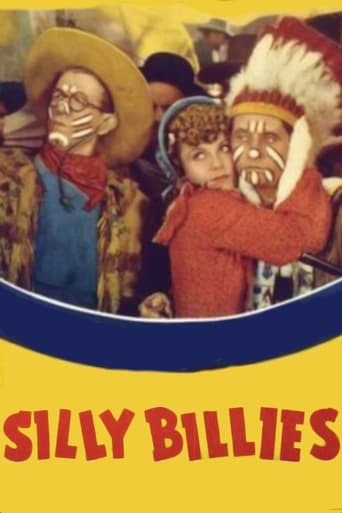 8.5
8.5The boys are a dentist and his assistant traveling to the Old West to open a new practice. Once in town, they buy a business--only to wake up the next day and see that the entire population of this bustling town had left for the California gold fields early that morning! Then, they discover an evil plot to sell out these settlers to some hostile Indians, so they spring to the rescue.
Silly Billies
1936
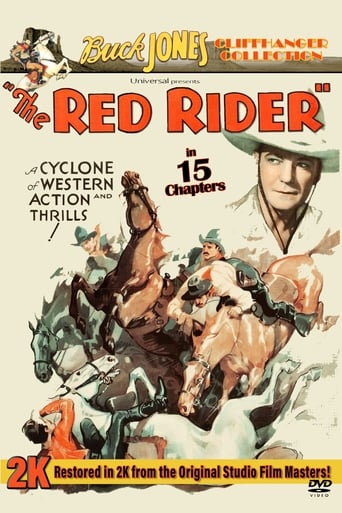 7.0
7.0"Red" Davison(Buck Jones), the sheriff of Sun Dog, sacrifices his job and his good name to save his best friend, "Silent" Slade from the hangman's noose, following a framed-up court decision which sentences Slade to hang for the murder of "Scotty McKee (J.P. McGowan). Davidson allows Slade to escape from jail and follows him to aid him in proving his innocence.
The Red Rider
1934
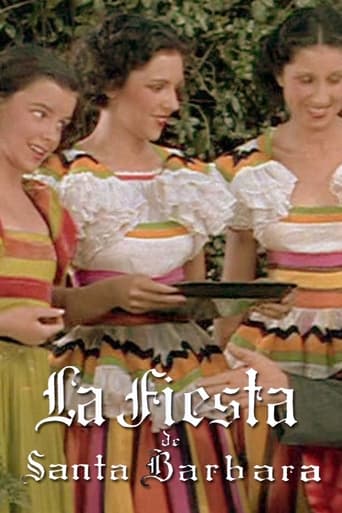 6.1
6.1La Fiesta de Santa Barbara is a 1935 American comedy short film directed by Louis Lewyn. It was nominated for an Academy Award at the 9th Academy Awards in 1936 for Best Short Subject (Color). It features a young, pre-stardom 13-year-old Judy Garland singing "La Cucaracha" with her two sisters (billed as "The Garland Sisters"). In the film, Hollywood stars participate in a Mexican-themed revue and festival in Santa Barbara. Andy Devine, the "World's Greatest Matador," engages in a bullfight with a dubious bovine supplied by Buster Keaton, and musical numbers are provided by Joe Morrison and The Garland Sisters. Comedy bits and dance numbers are also featured.
La Fiesta de Santa Barbara
1935
6.1La Fiesta de Santa Barbara is a 1935 American comedy short film directed by Louis Lewyn. It was nominated for an Academy Award at the 9th Academy Awards in 1936 for Best Short Subject (Color). It features a young, pre-stardom 13-year-old Judy Garland singing "La Cucaracha" with her two sisters (billed as "The Garland Sisters"). In the film, Hollywood stars participate in a Mexican-themed revue and festival in Santa Barbara. Andy Devine, the "World's Greatest Matador," engages in a bullfight with a dubious bovine supplied by Buster Keaton, and musical numbers are provided by Joe Morrison and The Garland Sisters. Comedy bits and dance numbers are also featured.
La Fiesta de Santa Barbara
1935
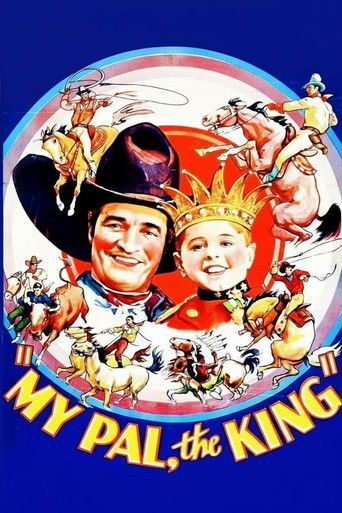 8.0
8.0The king of a European country, who is a child, meets the cowboy star of a traveling circus.
My Pal, the King
1932
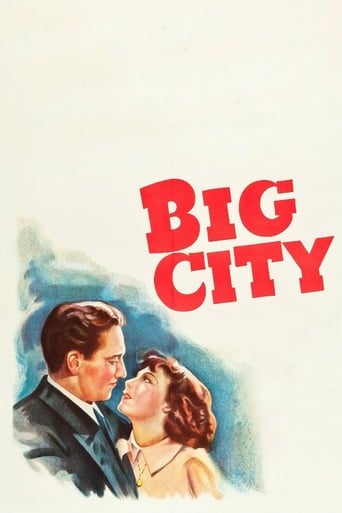 7.7
7.7Anna and Joe are newly married, playful and deeply in love. Joe is scraping by as cab driver in New York City during a period of corruption, mob control and violence between cab companies.
Big City
1937
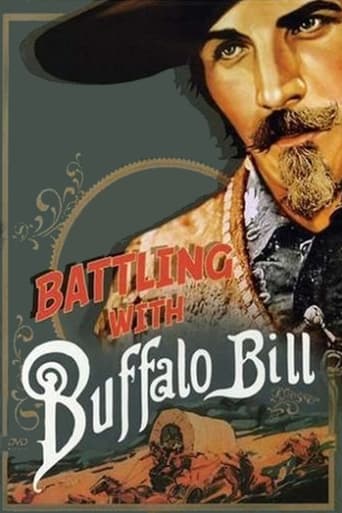 5.8
5.8A western adventure serial in 12 episodes. Buffalo Bill battles gambler Jim Rodney who is trying to scare off the townspeople so he can gain possession of a gold strike discovered in the area. A nearby Indian tribe is provoked to attack the town and the cavalry is called in.
Battling with Buffalo Bill
1931
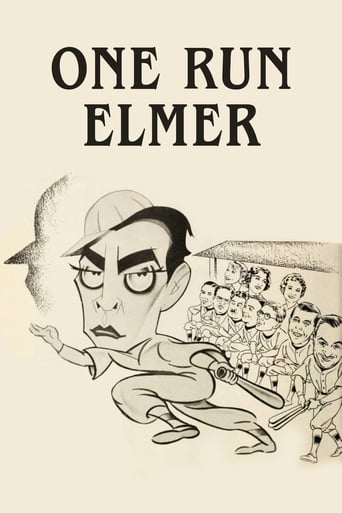 4.4
4.4Elmer owns a gas station out in the California desert. Soon he has a business rival in Jim, who opens up another station, and is also trying to steal Elmer's girlfriend. She plays both rivals against the other and, because she is a baseball fan, both Elmer and Jim try to show each other up in the big local baseball game.
One Run Elmer
1935
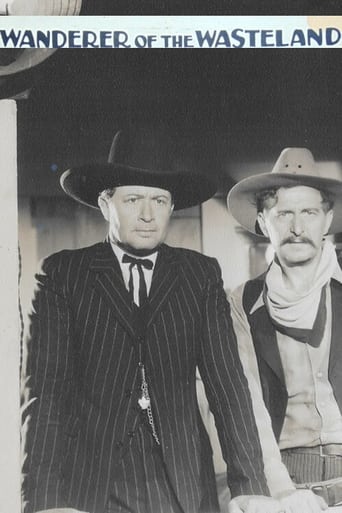 6.0
6.0Adam Larey becomes a fugitive from justice when he escapes after being blamed for a crime he did not commit. He wanders into the desert wastelands and joins an outlaw gang who prey on gold prospectors. Years later, he meets his wife and her gold-prospecting father as they have come there seeking their fortune, and not knowing the danger of the treacherous desert wastes, the poisoned-water holes and the outlaw bands of marauders who roam the desert in search of the gold found by others. He comes to their aid and, eventually, manges to clear his name of the false charge against him.
Wanderer of the Wasteland
1935
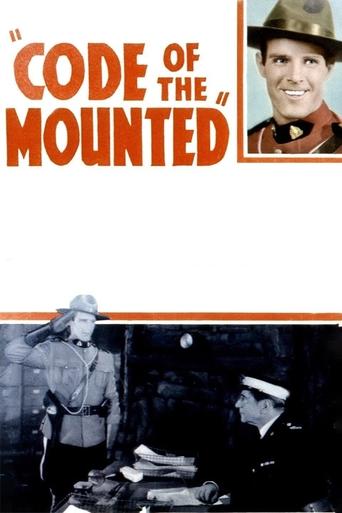 5.7
5.7A thug robs and kills a fur trapper. He is caught and locked up by the Mounties, but is soon broken out by his partner. As the Mounties investigate, they discover that the two are part of a ruthless crime ring run by a female gangster.
Code of the Mounted
1935
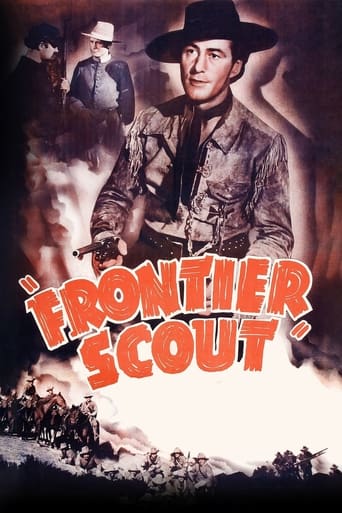 6.0
6.0Gen. Ulysses S. Grant has a job for Wild Bill Hickok (George Houston) and his sidekick (Al St. John).
Frontier Scout
1938
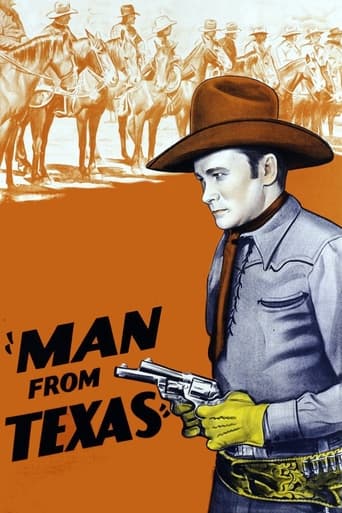 9.0
9.0Hall is after Dennison's land and hires the Shooting Kid to finish him off. The Marshal sends Tex to help Dennison, but the Kid has been helped by Tex in the past and changes sides.
The Man from Texas
1939
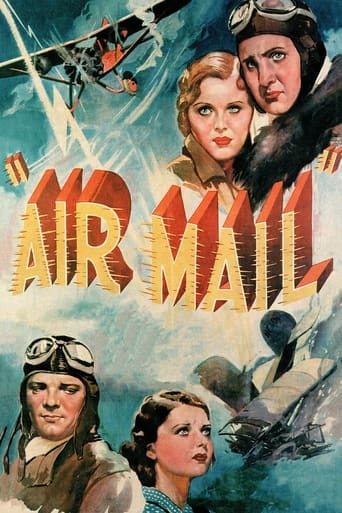 5.5
5.5A group of air mail pilots risk their lives to deliver important mail through bad weather conditions.
Air Mail
1932
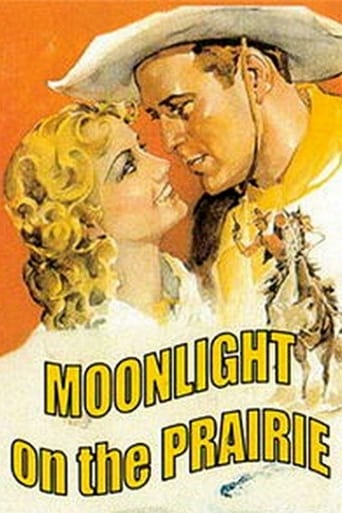 6.8
6.8A singing medicine-show cowboy and his magician partner catch a killer.
Moonlight on the Prairie
1935
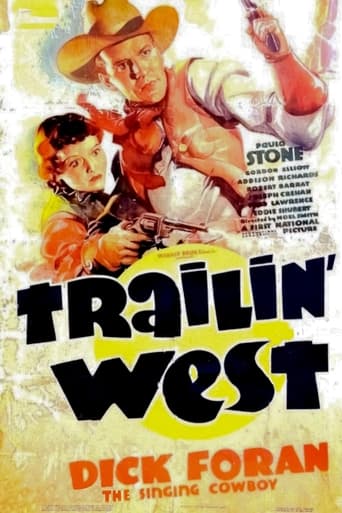 8.0
8.0A singing secret agent tracks down renegades at President Lincoln's request.
Trailin' West
1936
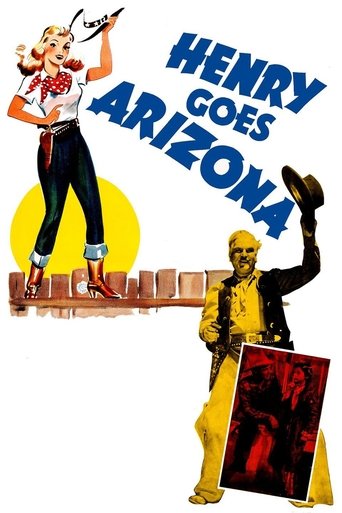 6.2
6.2A New Yorker moves West when he inherits an Arizona ranch.
Henry Goes Arizona
1939
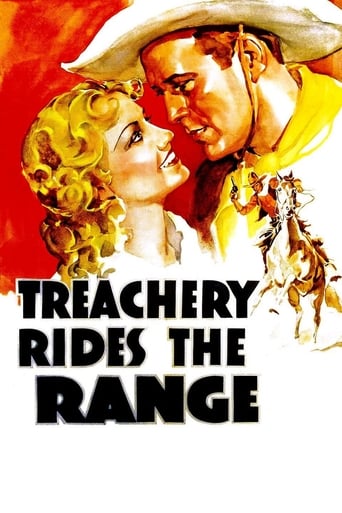 4.0
4.0The Indians need the Buffalo to survive and the Government has promised to keep the herds free from hunters. But Carter, of Carter and Barton, just signed a big contract for furs and Buffalo meat so they want the herds. The only way they can get them is to rile the Indians up enough to go on the warpath and break the treaty. After the trouble starts, the Indians get the Colonel's daughter and hold her prisoner. Written by Tony Fontana
Treachery Rides the Range
1936
 6.8
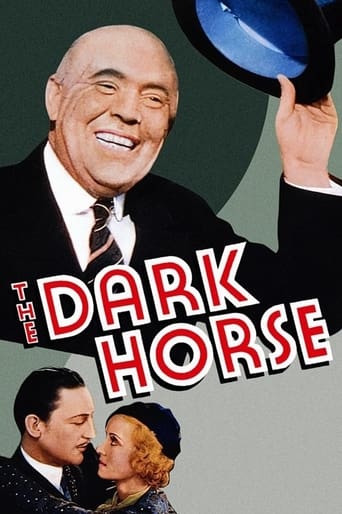
6.8The Progressive Party convention is deadlocked for governor, so both sides nominate the dark horse Zachary Hicks. Kay Russell suggests they hire Hal Blake as campaign manager; but first they have to get him out of jail for not paying alimony. Blake organizes the office and coaches Hicks to answer every question by pausing and then saying, "Well yes, but then again no." Blake will sell Hicks as dumb but honest. Russell refuses to marry Blake, while Joe keeps people away from Blake's office. Blake teaches Hicks a speech by Lincoln. At the debate when the conservative candidate Underwood recites the same speech, Blake exposes him as a plagiarist. Hicks is presented for photo opportunities and gives his yes-and-no answer to any question, including whether he expects to win.
The Dark Horse
1932
 8.0
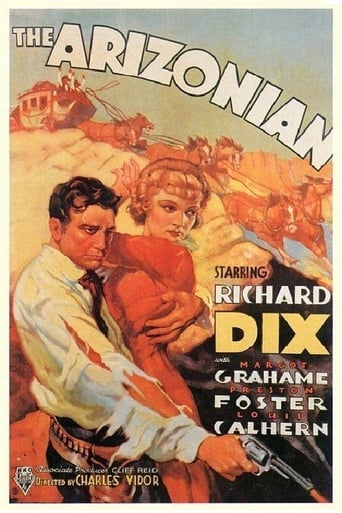
8.0Clay Tallant comes to Silver City, Arizona in the 1880s and encounters wide-spread lawlessness and disorder, unscrupulous politicians, outlaws galore and brow-beaten citizens. He accepts the position of town marshal and, with his brother and a reformed outlaw , Tex Randolph, who comes over to his side, sets out to bring law-and-order where none exists. He also wins the hand of the singer appearing at the Opera House.
The Arizonian
1935
 5.7
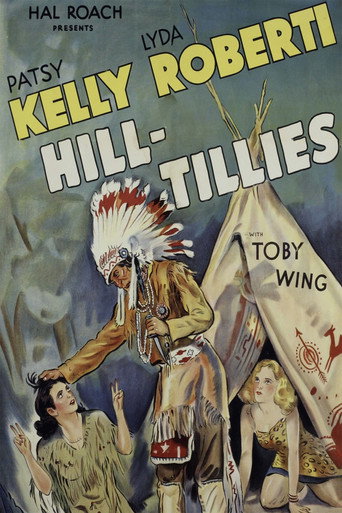
5.7The girls camp out in the woods for a publicity stunt.
Hill-Tillies
1936
 10.0
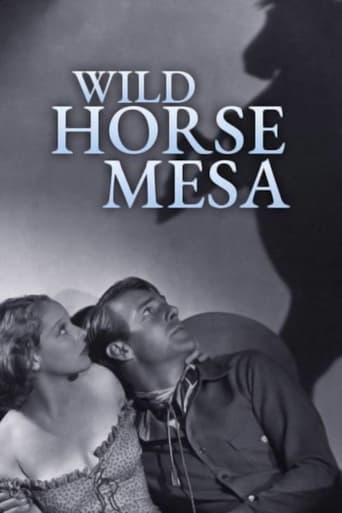
10.0Chane Weymer, an Arizona rancher, goes after a gang that is trapping wild horses by the use of barbed-wire enclosures.
Wild Horse Mesa
1932
 5.5
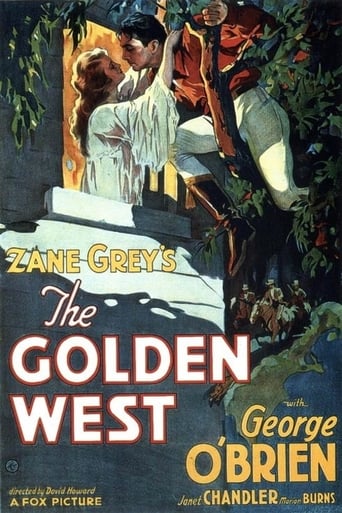
5.5Lovers David Lunch and Betty Summers are caught in the feud between their two families. When David kills the Summers son, he escapes to the West. He marries and when his boy is two he and his wife are killed by Indians who take the boy. Twenty years later the boy is now the Indian chief. Betty's daughter is nearby and the two are destined to meet.
The Golden West
1932
It begins with the Mustangs in trouble in their championship series... all the players are banged up and they're being clobbered. But a sports reporter insists that his nephew, Minor, can really play ball and will help the team win.
Off His Base
1932
 6.0
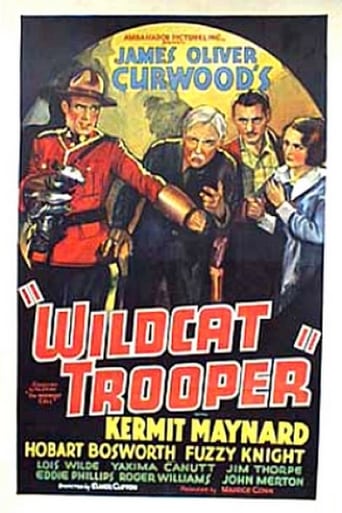
6.0A Royal Canadian Mountie is assigned to bring in a criminal called "The Raven." The problem is that no one has ever seen him.
Wildcat Trooper
1936
 7.7
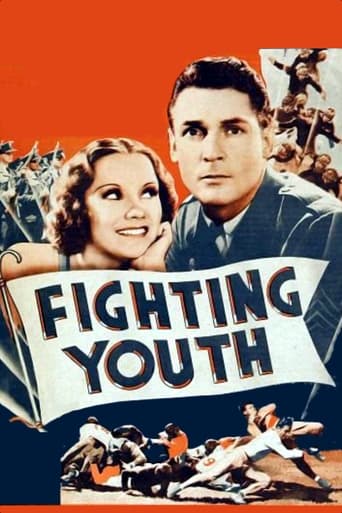
7.7A radical campus group persuades student Carol Arlington to lead a protest of a college's football team. She manages to recruit Larry Davis, even though he is a star player for State's team.
Fighting Youth
1935
 NR
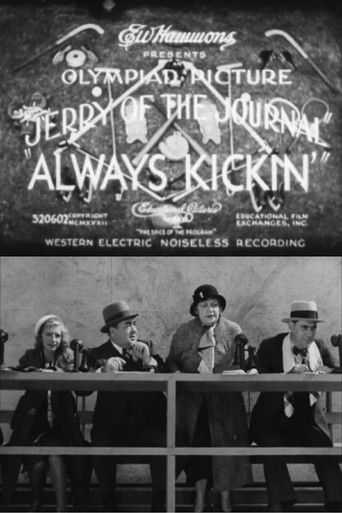
NRWhen Russel Gleason is thought to have made a kick by Jim Thorpe, he is reinstated on the college team in time for the big game.
Always Kickin'
1932